Raspberry Ketone
Antioxidant and potential skin-conditioning agent
About Raspberry Ketone
Raspberry ketone is a phenolic compound naturally found in red raspberries, responsible for their distinctive sweet aroma. In skincare, it serves a dual role as both a fragrance ingredient and an antioxidant with emerging skin-conditioning properties. While it's primarily included in K-beauty formulations for its pleasant scent profile, research suggests raspberry ketone may offer mild antioxidant benefits by neutralizing free radicals that contribute to premature aging. Its molecular structure is similar to capsaicin and synephrine, which has sparked interest in its potential metabolic effects on skin cells. In the 38 K-beauty products on Seoul Sister that contain it, raspberry ketone typically appears in low concentrations, often alongside hydrating ingredients like hyaluronic acid or other botanical extracts. It's worth noting that while raspberry ketone has gained popularity in wellness circles for various claims, its role in skincare is more modest and primarily supportive. The ingredient's low comedogenic rating (1/5) makes it relatively safe for most skin types, though its moderate safety rating (3/5) reflects that as a fragrance component, it carries some potential for sensitivity in reactive skin.
How Raspberry Ketone Works
At a molecular level, raspberry ketone functions as a phenolic antioxidant, meaning it can donate electrons to unstable free radicals, neutralizing their damaging effects on skin cells. Free radicals are generated by UV exposure, pollution, and natural metabolic processes, and they attack cellular structures including lipids, proteins, and DNA. By intercepting these reactive molecules, raspberry ketone may help reduce oxidative stress in the skin barrier. Additionally, some preliminary research suggests raspberry ketone may influence adiponectin, a protein hormone involved in regulating cellular processes, though this mechanism is far less established in topical skincare applications compared to oral supplementation. As a fragrance molecule, it interacts with olfactory receptors, but this sensory function doesn't translate to therapeutic skin benefits. The concentration used in cosmetics is typically too low to produce dramatic antioxidant effects, so raspberry ketone works best as part of a synergistic blend with more potent antioxidants like vitamin C or niacinamide.
Raspberry Ketone by Skin Type
Oily Skin
Raspberry ketone's low comedogenic rating makes it a safe choice for oily skin types who worry about pore congestion. However, it doesn't directly address excess sebum production or shine, so don't expect it to regulate oiliness. Its primary contribution is adding a pleasant scent without clogging pores.
Dry Skin
While raspberry ketone offers mild antioxidant protection that benefits all skin types, it doesn't provide the hydration or barrier repair that dry skin specifically needs. In products like Jumiso's Waterfull Hyaluronic Acid Toner (4.9/5), the real moisturizing work comes from the hyaluronic acid, not the raspberry ketone.
Combo Skin
Combination skin can tolerate raspberry ketone well since it's non-comedogenic and won't exacerbate oiliness in the T-zone or irritate drier cheek areas. It's a neutral ingredient that adds fragrance and mild antioxidant support without disrupting skin balance.
Sensitive Skin
This is where caution is needed. Raspberry ketone's moderate safety rating (3/5) reflects its status as a fragrance ingredient, which can trigger reactions in sensitive or reactive skin types. If you're prone to redness, stinging, or allergic reactions, patch test products containing this ingredient first.
Normal Skin
Normal skin types can enjoy raspberry ketone without worry. The ingredient adds a pleasant sensory experience to products while contributing background antioxidant protection. In well-rated products like Beplain's Dew Soap (5.0/5), it enhances the overall formulation without causing issues.
How to Use Raspberry Ketone
- 1If you have sensitive skin, always patch test products containing raspberry ketone on your inner arm for 24-48 hours before applying to your face, since fragrance ingredients can cause unexpected reactions.
- 2Raspberry ketone works best in leave-on products like serums and toners rather than cleansers, where it would be rinsed away before providing any antioxidant benefits.
- 3Layer raspberry ketone products under sunscreen during the day to maximize its free radical-fighting potential, as UV exposure is a primary source of oxidative stress.
- 4Don't expect raspberry ketone to be the star ingredient in any formula. It's a supporting player, so focus on the other active ingredients in your products for primary skin benefits.
Background
Raspberry ketone was first isolated in 1965 by scientists studying the aromatic compounds in red raspberries (Rubus idaeus). It takes approximately 30 kilograms of raspberries to extract just one kilogram of pure raspberry ketone, making natural extraction expensive and rare. As a result, most raspberry ketone used in cosmetics and food products today is synthetically produced in laboratories. The ingredient gained mainstream attention in the 2010s when it was promoted for weight loss benefits, though scientific evidence for those claims remains limited. In K-beauty, raspberry ketone emerged as formulators sought natural-sounding fragrance alternatives to synthetic perfumes, fitting into the clean beauty movement's preference for botanical ingredients. Its dual function as both a fragrance and mild antioxidant made it appealing for inclusion in multi-functional Korean skincare products, particularly in hydrating toners and serums where pleasant scent enhances the user experience.
K-Beauty Products with Raspberry Ketone
View all 44 →
Dew Soap
Beplain
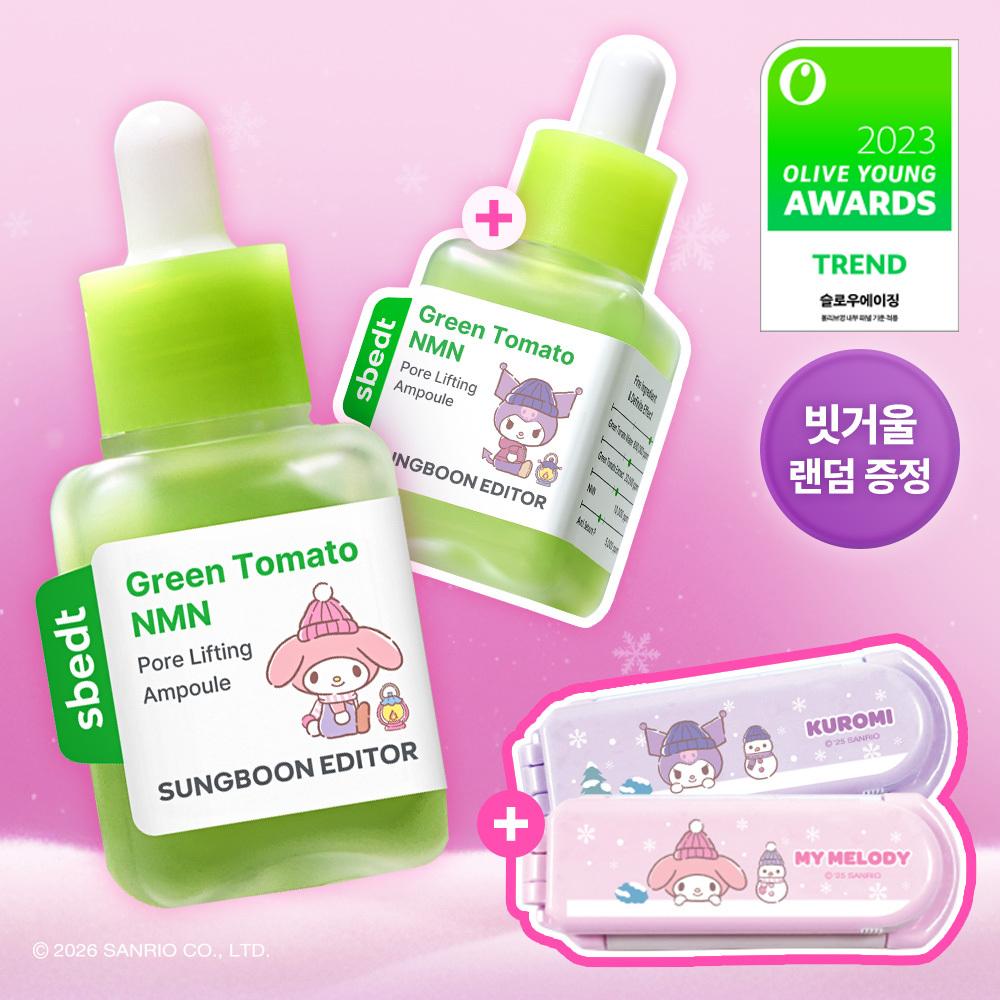
Green Tomato NMN Pore Lifting Ampoule
Sungboon Editor
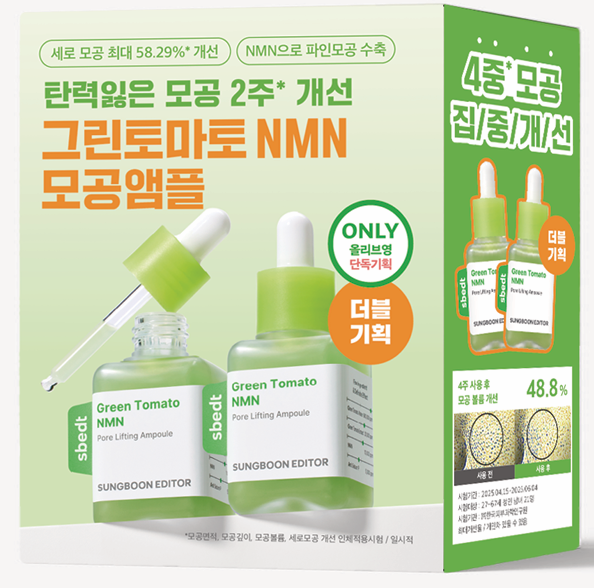
Green Tomato NMN Pore Lifting Ampoule Double Pack
Sungboon Editor
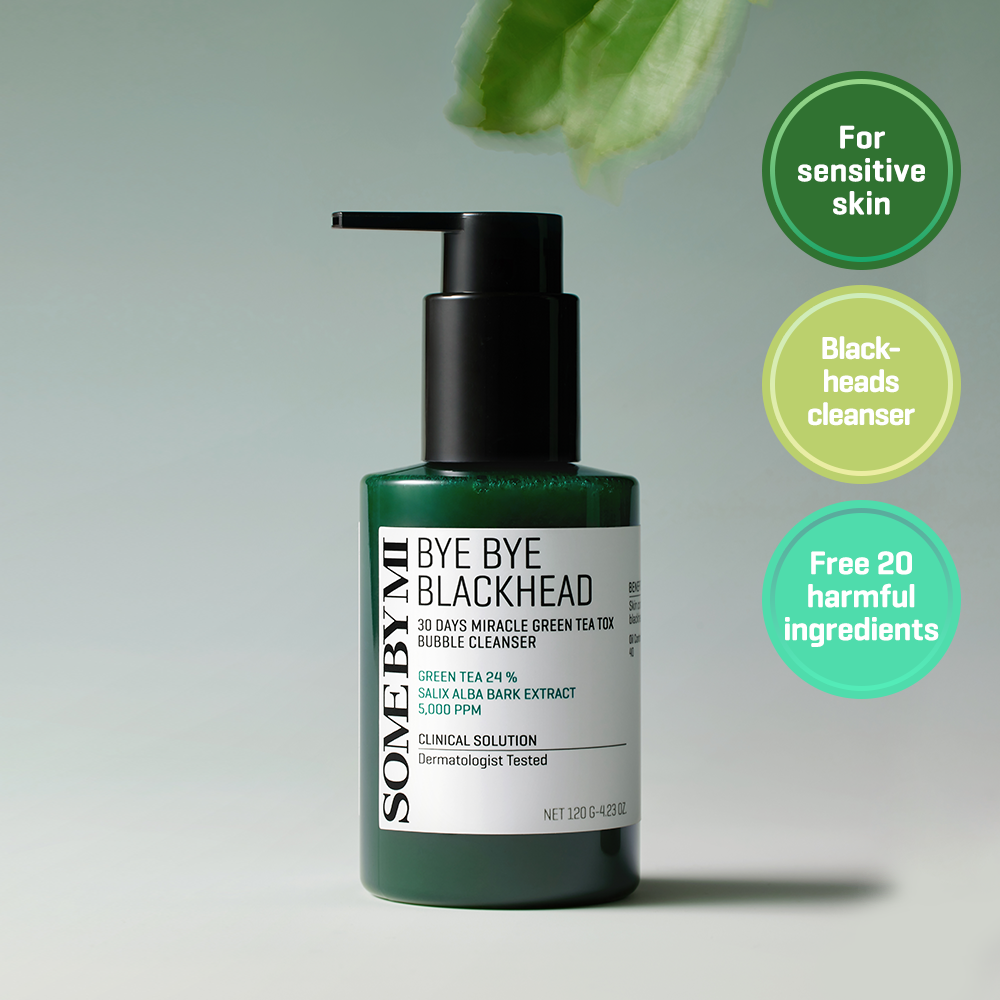
Bye Bye Blackhead 30 Days Miracle Green Tea Tox Bubble Cleanser
Some By Mi

AHA BHA PHA 30 Days Miracle Toner Set
Some By Mi
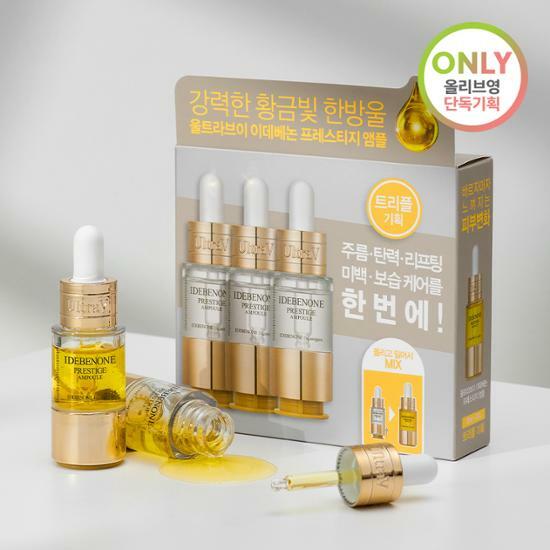
Ultra V Idebenone Prestige Ampoule 3ea
Anua
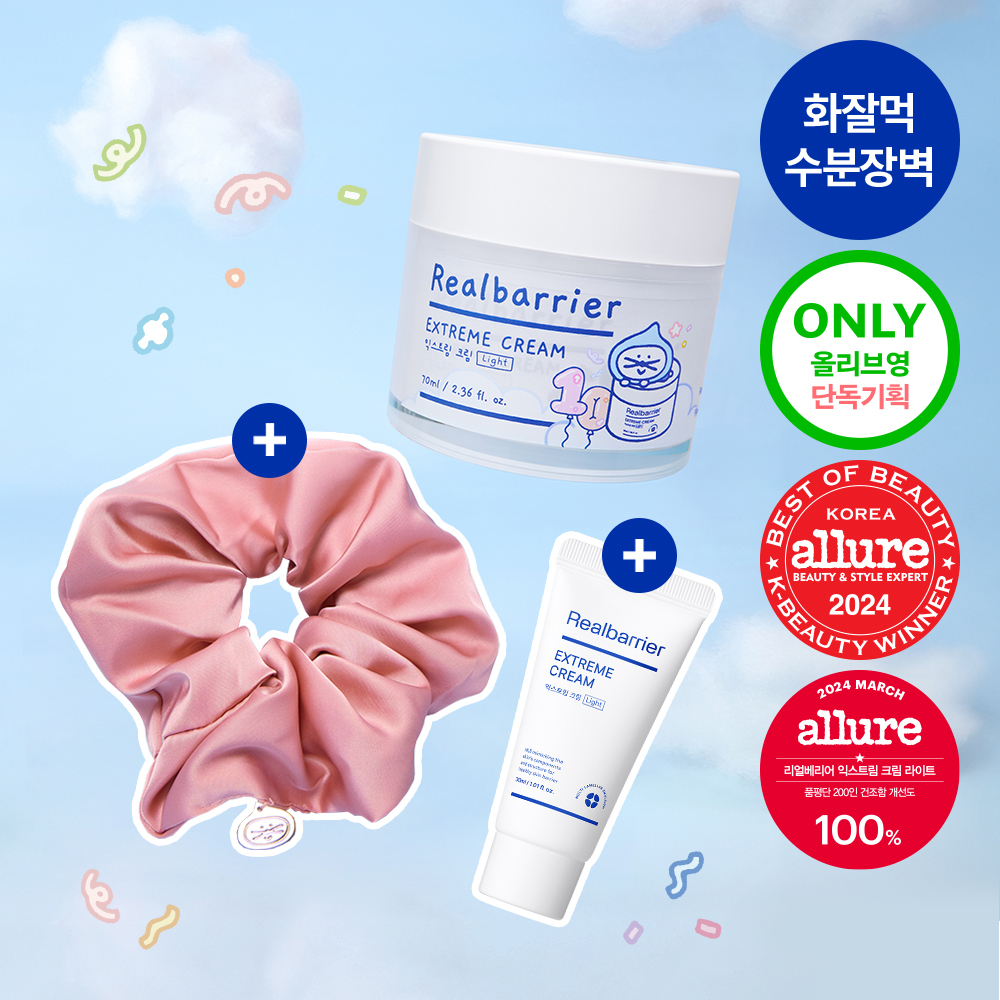
Extreme Cream Light
Real Barrier
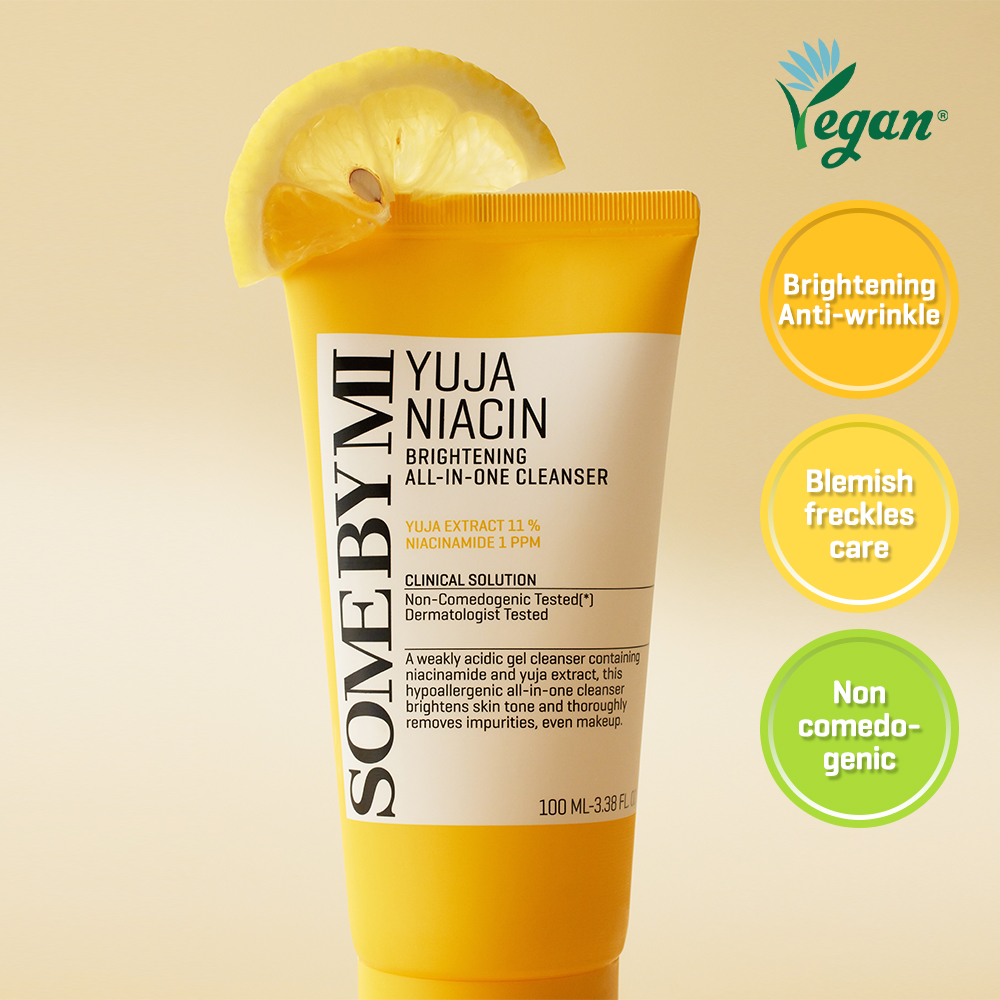
Yuja Niacin Brightening All In One Cleanser
Some By Mi
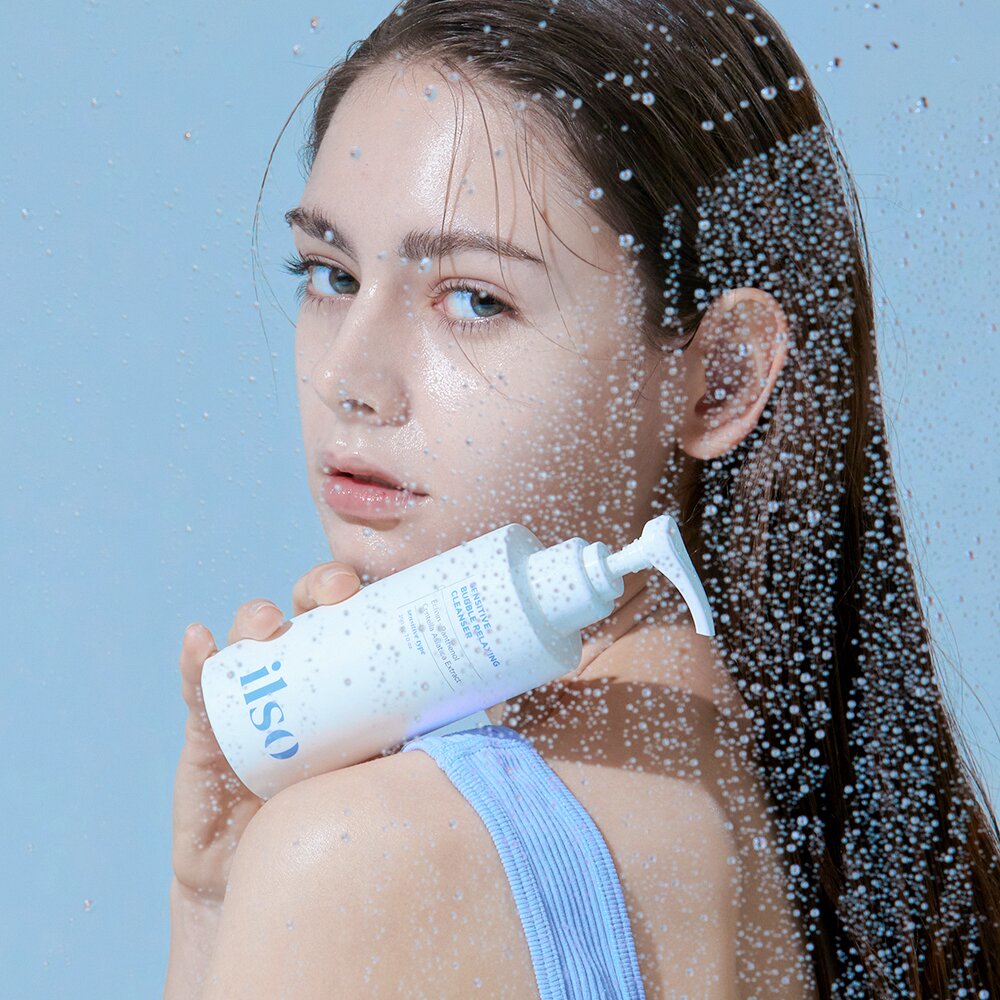
Sensitive Bubble Relaxing Cleanser
Ilso
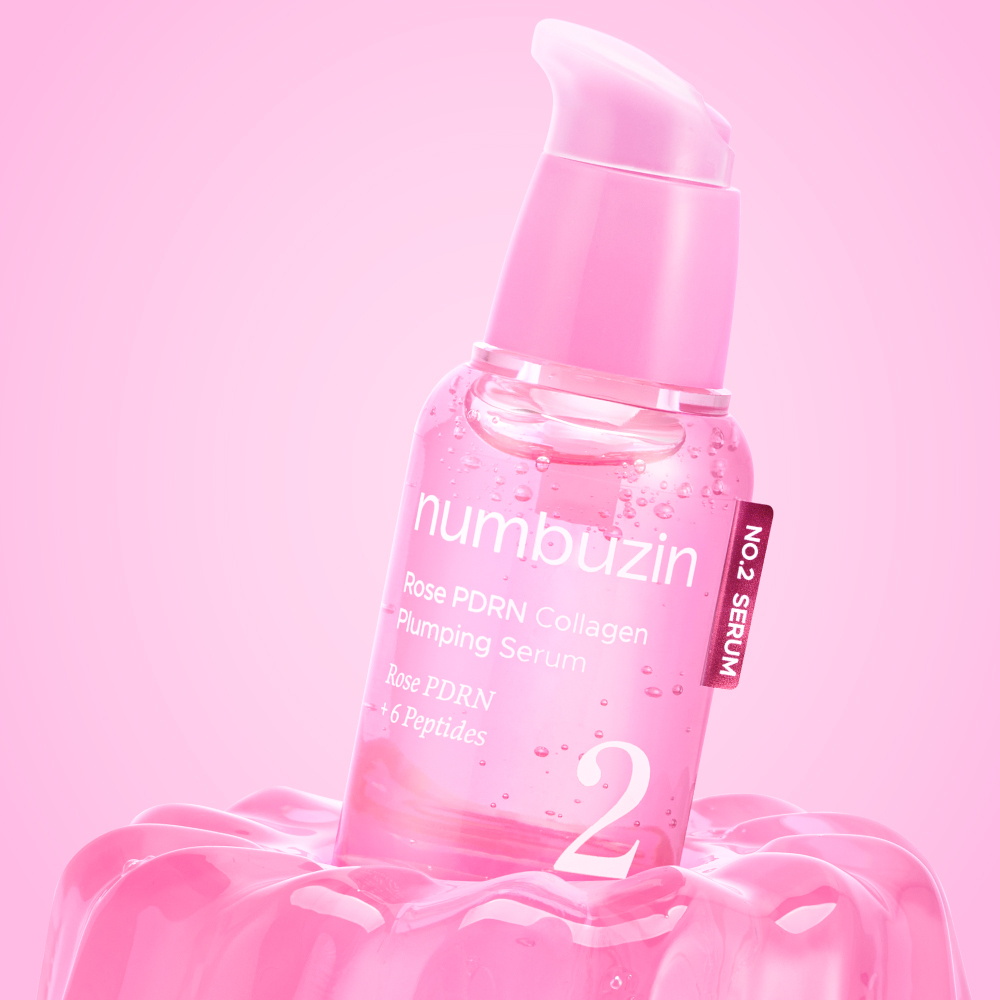
No. 2 PDRN Collagen Plumping Serum
Numbuzin
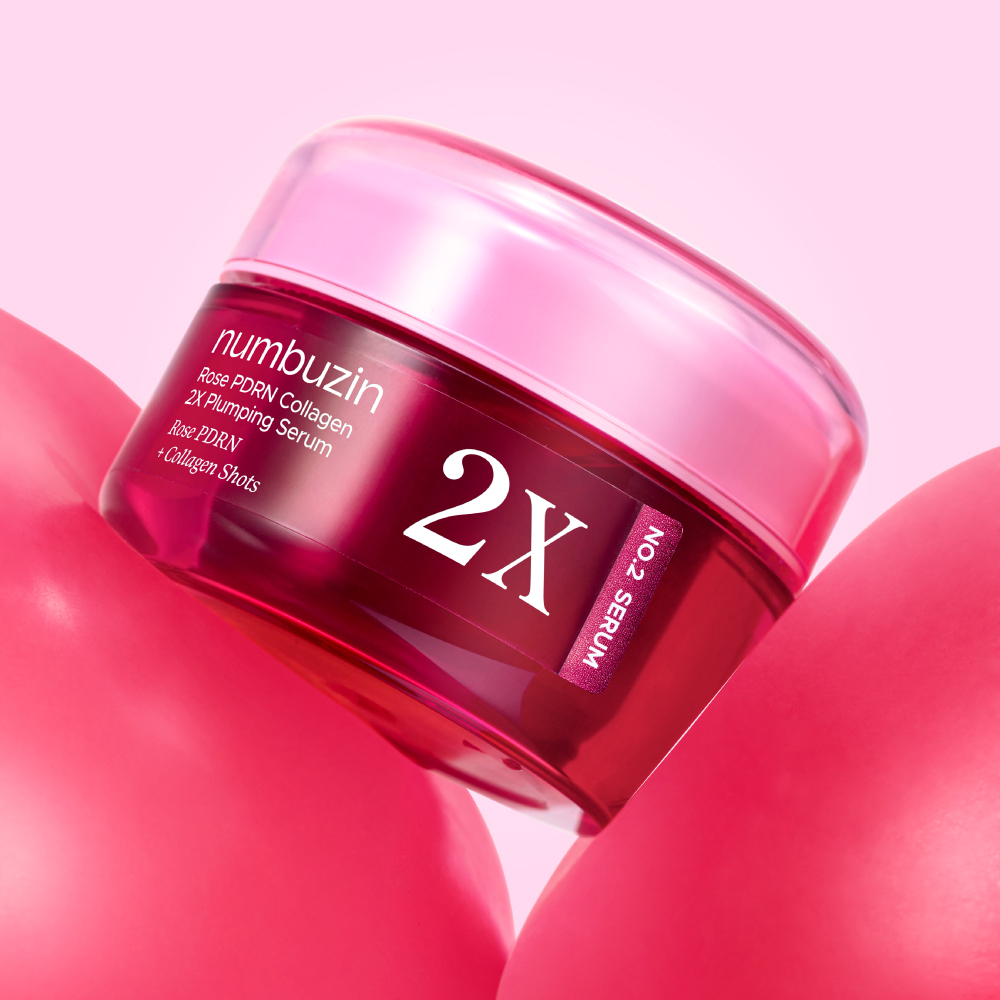
No. 2 Rose PDRN Collagen 2X Plumping Serum
Numbuzin

No. 2 Rose PDRN Collagen Plumping Serum Duo
Numbuzin
Frequently Asked Questions
Is raspberry ketone the same as the weight loss supplement?▼
Will raspberry ketone irritate my sensitive skin?▼
Can I use raspberry ketone products during pregnancy?▼
Does raspberry ketone actually provide antioxidant benefits or is it just fragrance?▼
Explore More
Want personalized ingredient advice?
Yuri, our AI beauty advisor, can tell you how Raspberry Ketone works with your specific skin type, routine, and concerns.
Ask Yuri, free