Resveratrol
Antioxidant and anti-aging compound
About Resveratrol
Resveratrol is a polyphenolic compound found naturally in grapes, berries, and Japanese knotweed that has become a cornerstone of advanced K-beauty formulations focused on longevity and skin health. This powerful antioxidant gained scientific attention in the 1990s during research into the "French Paradox," which questioned why populations consuming red wine had lower rates of heart disease despite high-fat diets. That same protective mechanism translates beautifully to skincare. In K-beauty, resveratrol has evolved beyond basic antioxidant status to become a multi-functional ingredient that addresses everything from premature aging to dullness and uneven texture. Korean formulators particularly value its ability to work synergistically with other actives like niacinamide, peptides, and vitamin C, which is why you'll find it in top-rated products like Numbuzin's No. 9 NAD Bio Lifting-sil Essence and Beplain's Blue Freedom Capsule Cleansing Foam. With a perfect comedogenic rating of 0/5, resveratrol suits all skin types without clogging pores, making it especially appealing for combination and oily skin types who want anti-aging benefits without heaviness. The ingredient's stability has improved dramatically in recent years thanks to encapsulation technology and complementary antioxidants, allowing Korean brands to deliver higher concentrations that actually reach living skin cells. Whether you're concerned about fine lines, environmental damage, or maintaining youthful resilience, resveratrol represents one of the most researched and results-driven ingredients in modern skincare.
How Resveratrol Works
Resveratrol functions at the cellular level by activating sirtuins, a family of proteins often called "longevity genes" that regulate cellular health and DNA repair. When your skin encounters stressors like UV radiation or pollution, free radicals form and trigger a cascade of damage that breaks down collagen, disrupts cellular function, and accelerates visible aging. Resveratrol neutralizes these free radicals directly while simultaneously upregulating your skin's own antioxidant defense systems, creating both immediate and long-term protection. It also inhibits the activity of enzymes like collagenase and elastase that break down your skin's structural proteins, helping maintain firmness and elasticity. Additionally, resveratrol modulates inflammatory pathways by suppressing pro-inflammatory cytokines and NF-kB signaling, which makes it valuable for calming reactive skin and preventing the chronic low-grade inflammation that contributes to aging. Recent research shows it can also influence melanin production by interfering with tyrosinase activity, contributing to a more even skin tone over time. This multi-pathway approach explains why resveratrol appears in everything from cleansers to serums in the K-beauty world.
Resveratrol by Skin Type
Oily Skin
Resveratrol is exceptional for oily skin thanks to its zero comedogenic rating and anti-inflammatory properties that help calm the overactive sebaceous glands often associated with breakouts. Its lightweight nature means it delivers serious anti-aging and protective benefits without adding oil or congesting pores, making it perfect for those who want preventative care without richness.
Dry Skin
While resveratrol itself doesn't provide direct hydration, it protects the moisture barrier from oxidative damage that can worsen dryness and sensitivity. Look for formulations like Bringgreen's Bamboo Hyalu Water Boosting Cream that pair resveratrol with humectants and emollients to address both protection and hydration simultaneously.
Combo Skin
Combination skin benefits tremendously from resveratrol's balanced approach, as it provides antioxidant protection and anti-aging benefits to dry areas while remaining completely non-comedogenic in oilier zones. Products like Numbuzin's No. 9 NAD Bio Lifting-sil Essence demonstrate how resveratrol works across different skin needs without compromising either area.
Sensitive Skin
Resveratrol's anti-inflammatory and barrier-protective properties make it surprisingly gentle for sensitive skin, though some individuals may react to the concentration or accompanying ingredients in a formula. Start with lower concentrations and patch test, particularly if your sensitivity involves rosacea or reactive tendencies, as the ingredient can help calm inflammation over time.
Normal Skin
Normal skin types can use resveratrol as a preventative anti-aging powerhouse without concern about disrupting balance. It maintains your skin's healthy state while building resilience against future environmental damage, making it ideal for those in their twenties and thirties looking to preserve their skin's current quality.
How to Use Resveratrol
- 1Apply resveratrol products in the morning under sunscreen to maximize its photoprotective benefits, as it works synergistically with SPF to prevent UV damage
- 2Layer resveratrol serums before heavier creams but after watery essences, allowing the active to penetrate before sealing it in with occlusives
- 3Pair with vitamin C or ferulic acid for enhanced antioxidant activity, as these combinations have been shown to stabilize and amplify each ingredient's effectiveness
- 4Store resveratrol products away from direct light and heat, as the ingredient can oxidize and lose potency when exposed to environmental stressors
- 5Start with once-daily application and increase to twice daily after confirming your skin tolerates the ingredient well, especially if using high-concentration formulas
Background
Resveratrol's journey to skincare stardom began in 1992 when researchers identified it as the likely explanation for the French Paradox, the observation that French populations had lower cardiovascular disease rates despite diets rich in saturated fats. Scientists traced the protective effect to resveratrol in red wine, which led to extensive research into its biological mechanisms. The compound exists naturally as a defense chemical that plants produce when under stress from fungi, bacteria, or UV radiation, essentially acting as their immune system. Japanese knotweed, a traditional Asian medicinal plant, became a primary commercial source due to its high resveratrol concentration. K-beauty brands embraced the ingredient in the mid-2010s as encapsulation technology improved stability, allowing formulators to create effective products that maintained potency through manufacturing and shelf life. Korean skincare philosophy, which emphasizes prevention and cellular health over just surface-level correction, found a perfect match in resveratrol's longevity-focused mechanisms.
K-Beauty Products with Resveratrol
View all 54 →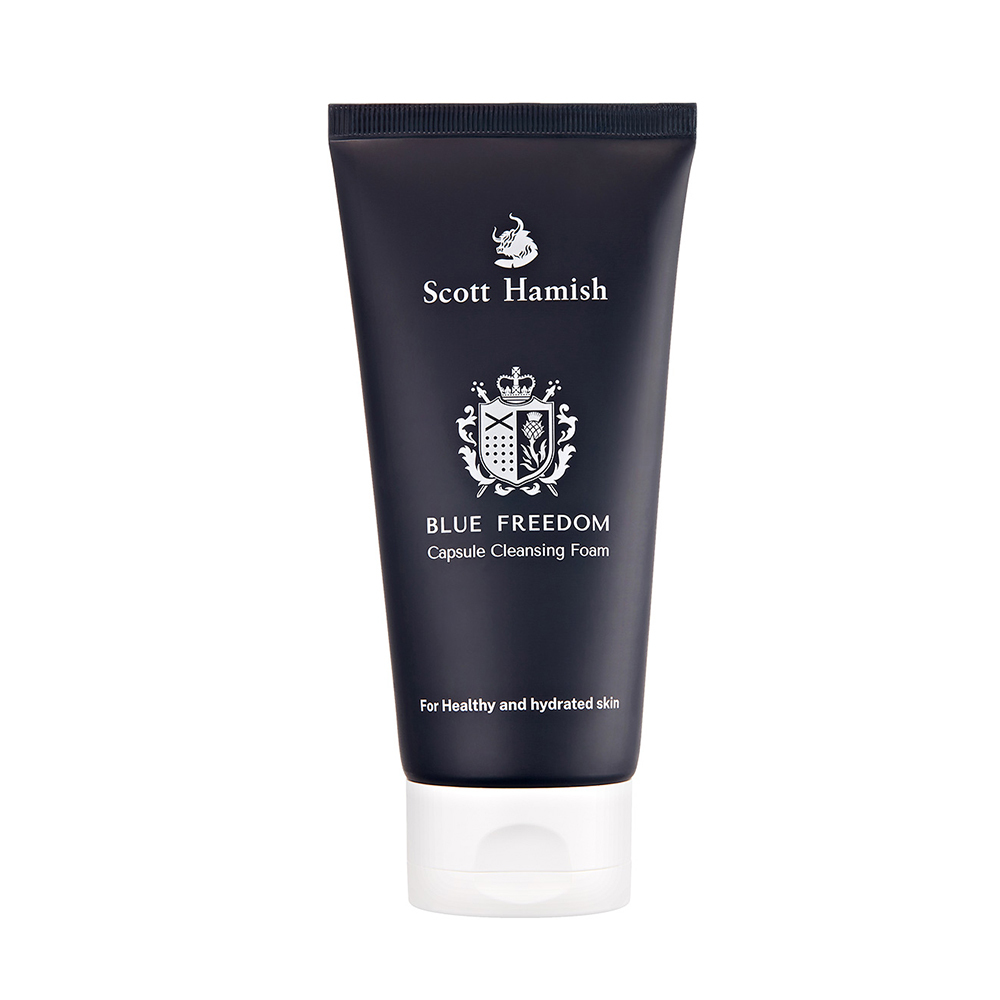
Blue Freedom Capsule Cleansing Foam
Beplain

No. 9 NAD Bio Lifting-sil Essence
Numbuzin
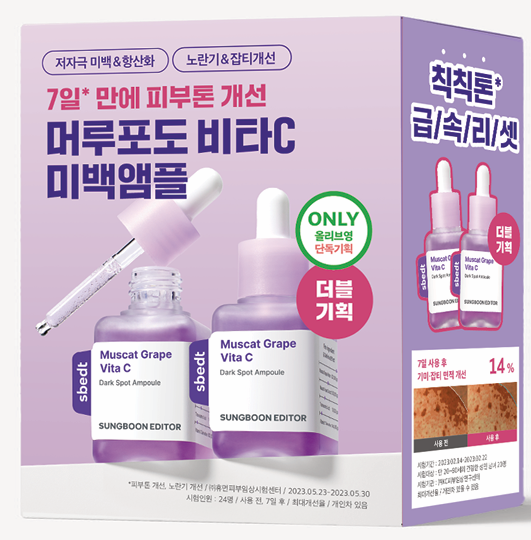
Muscat Grape Vita C Dark Spot Ampoule Double Pack
Sungboon Editor
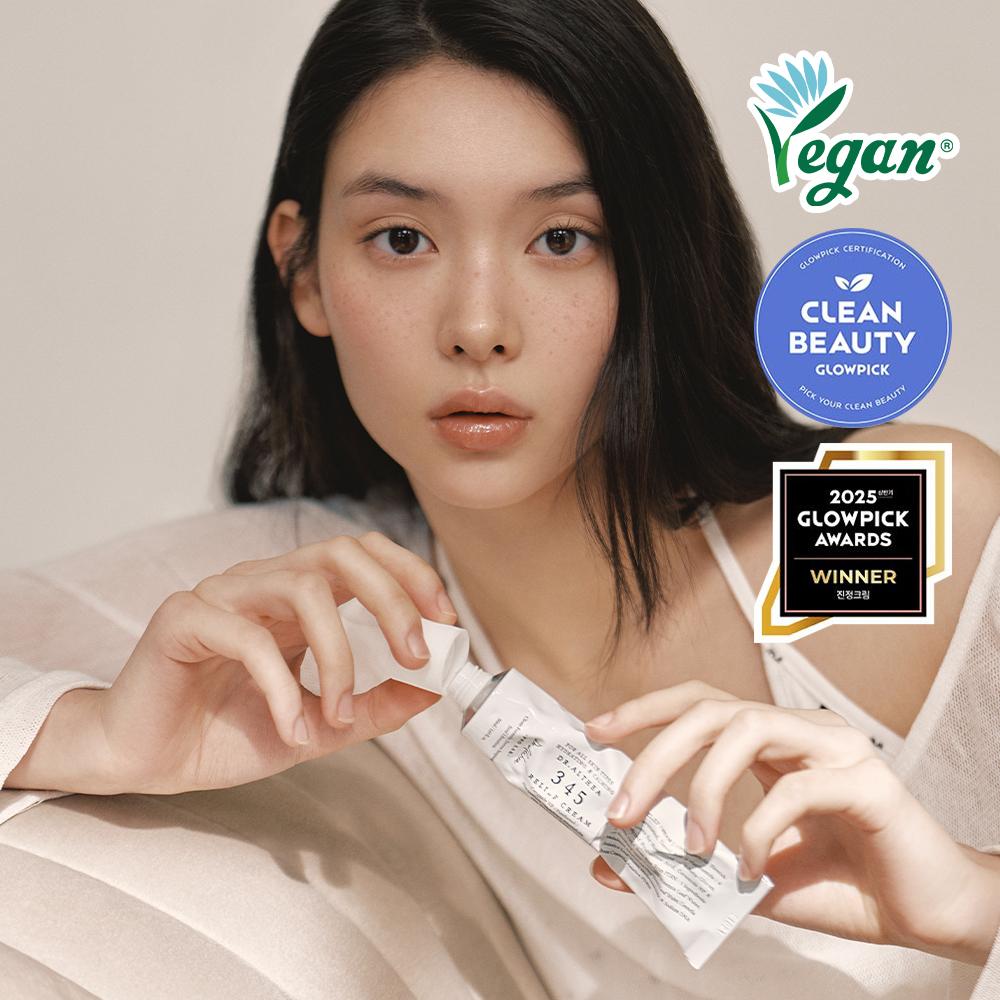
345 Relief Cream
Dr. Althea
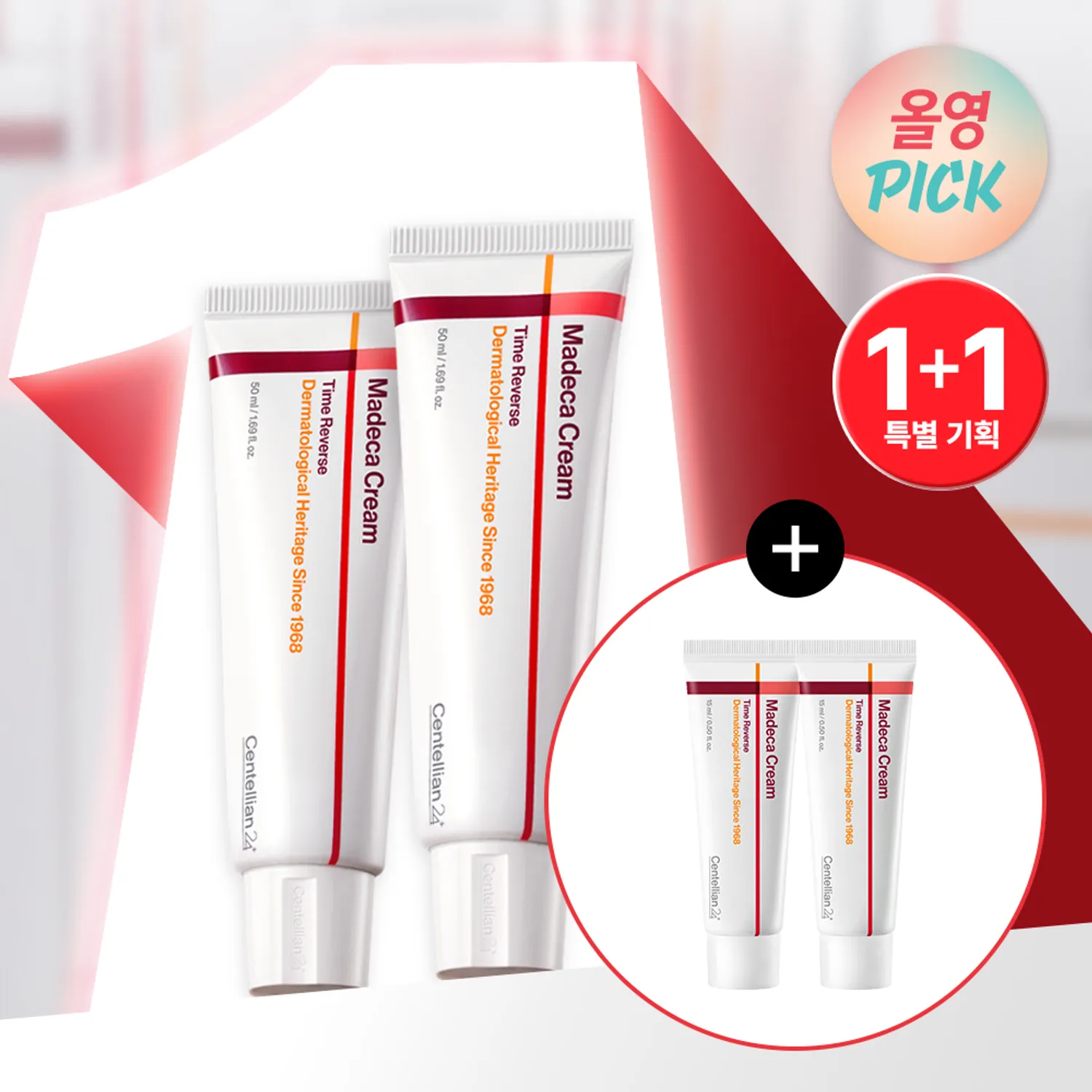
Madeca Cream Time Reverse Double Pack
Centellian24
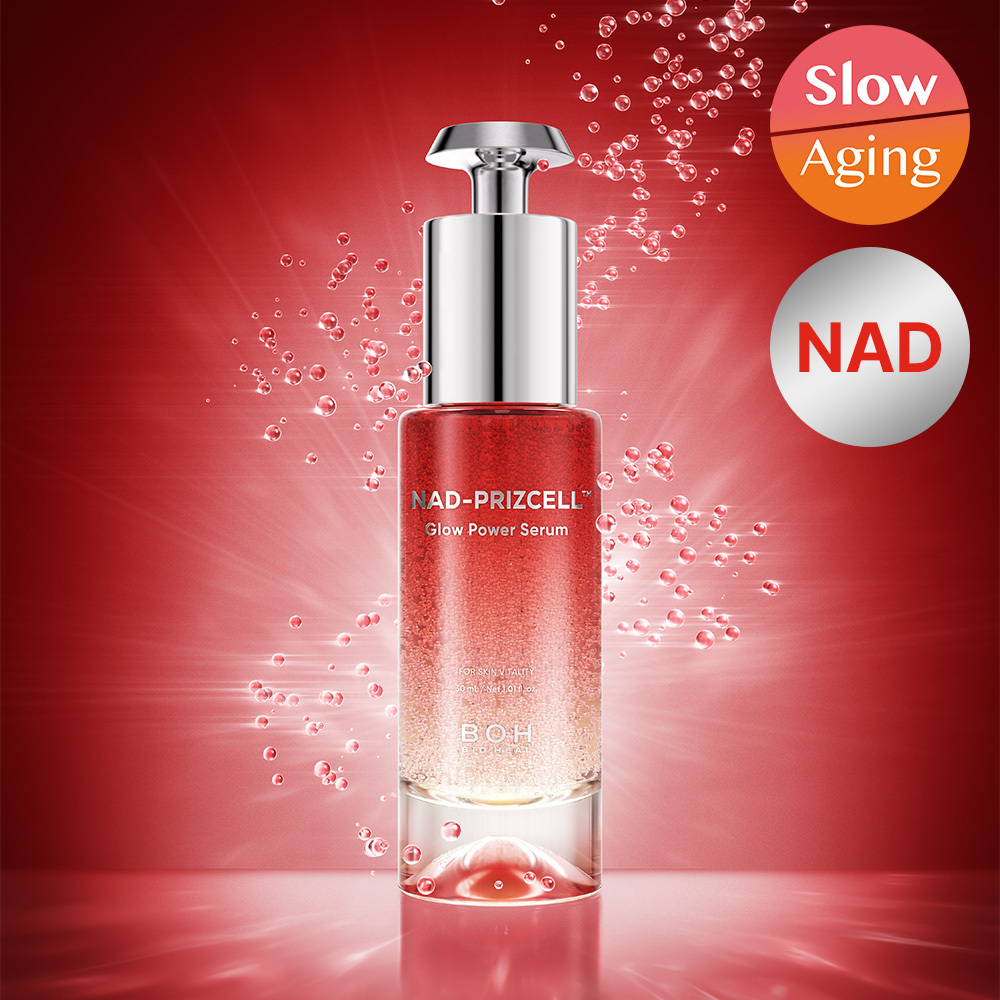
NAD-Prizcell Glow Power Serum
Bioheal BOH
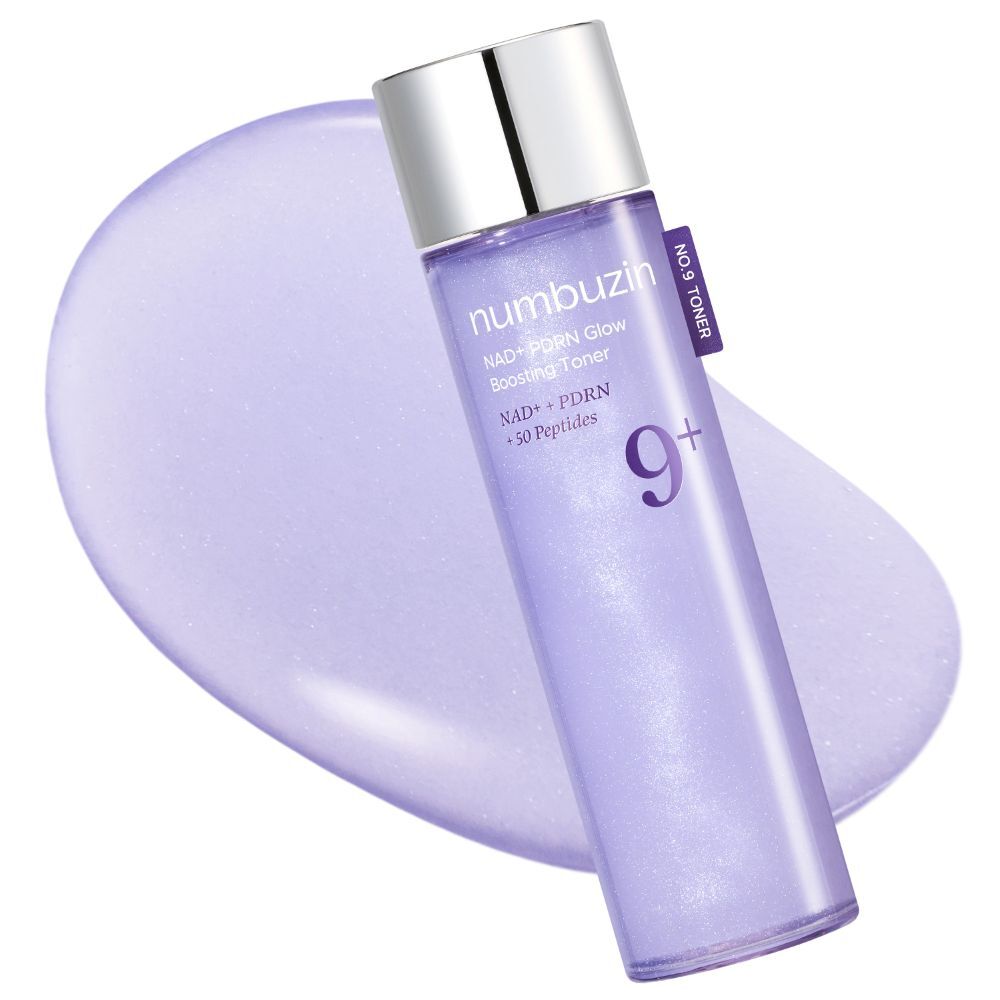
No. 9 NAD PDRN Glow Treatment Toner
Numbuzin
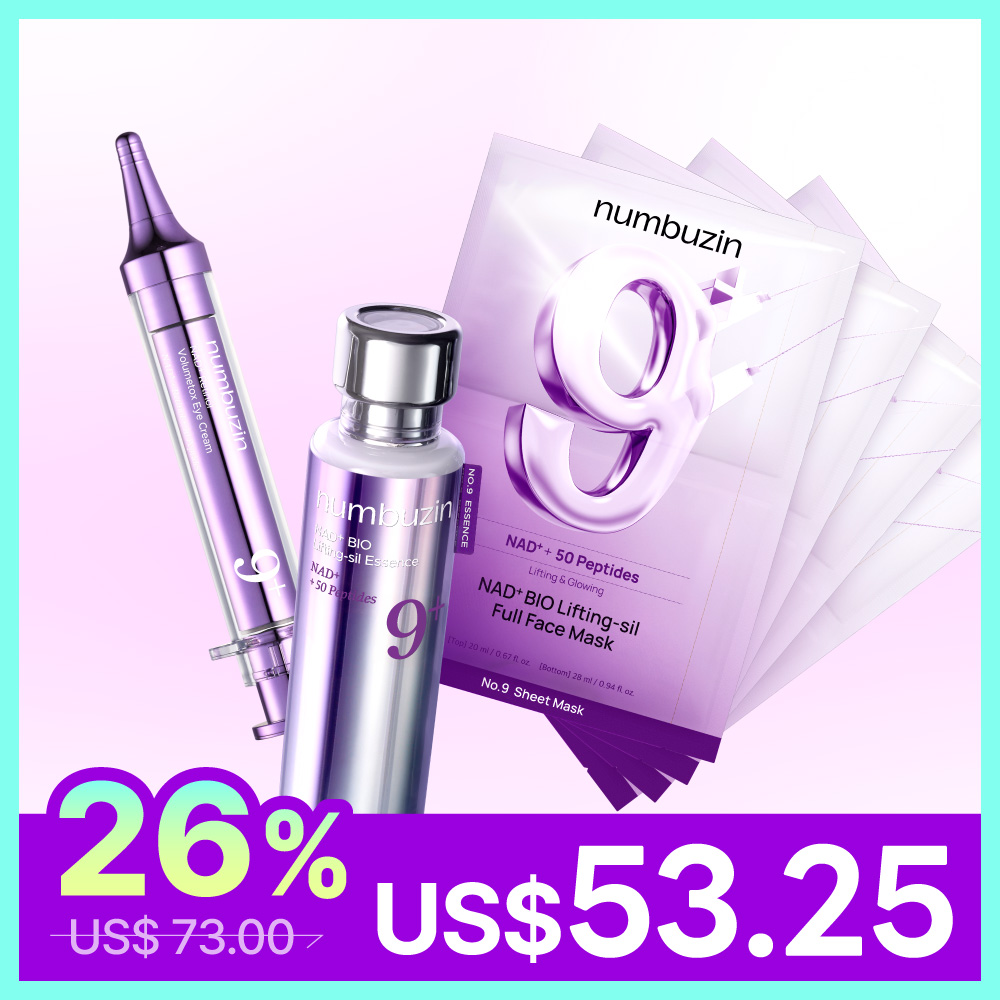
No. 9 NAD Ultimate Lifting Set
Numbuzin
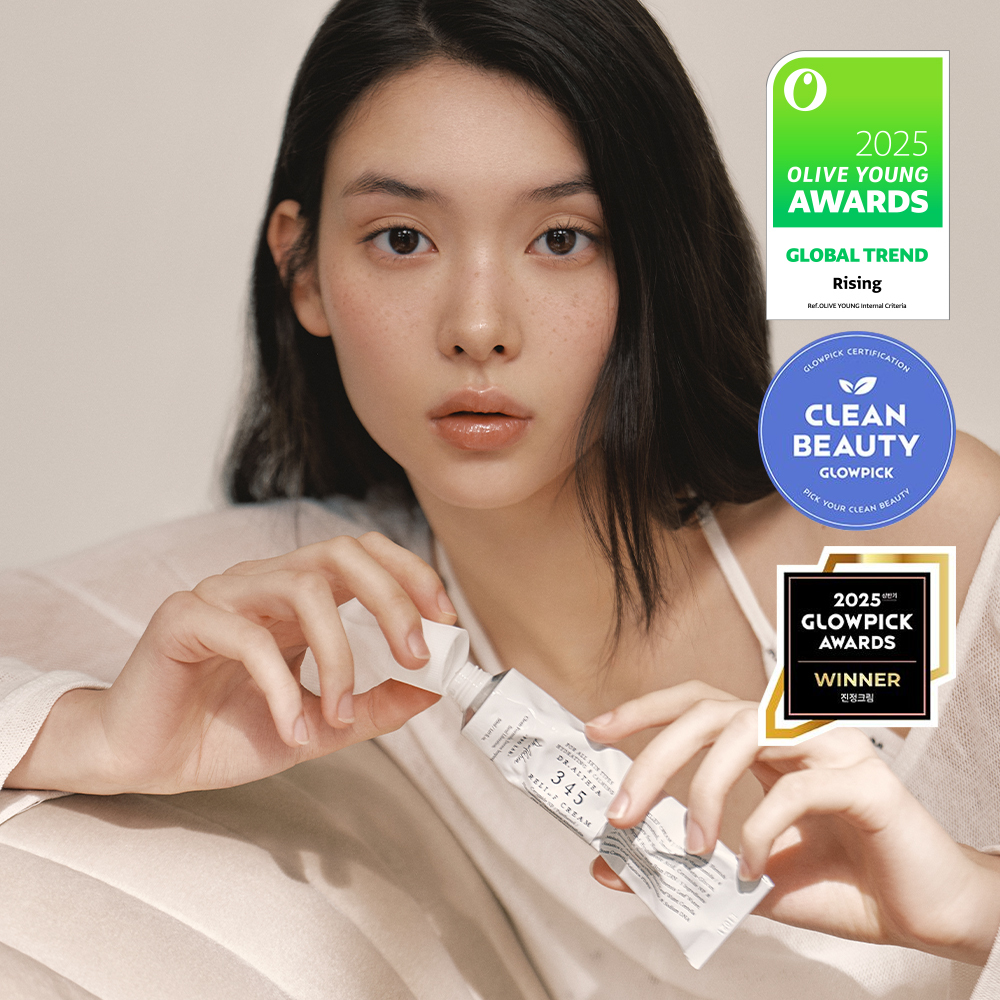
345 Relief Cream Set
Dr. Althea
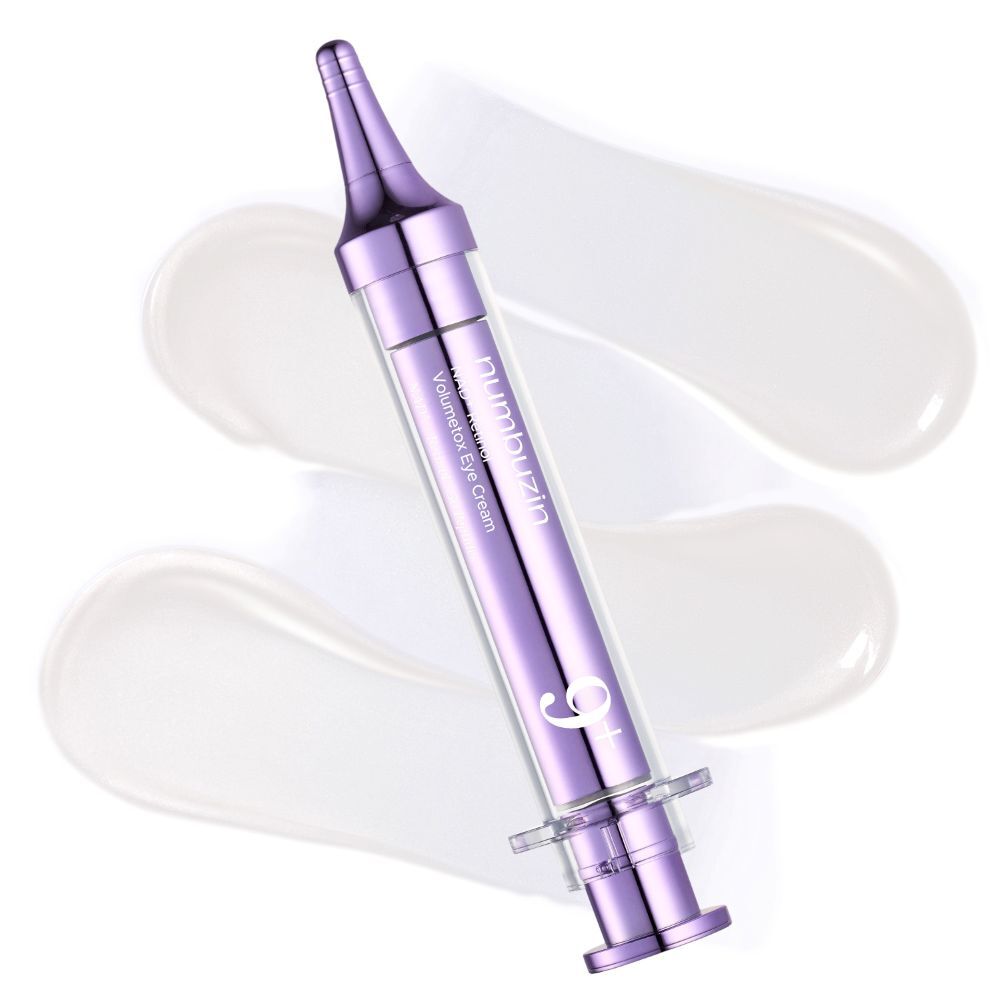
No. 9 NAD RetinA Volume Shot Eye Cream
Numbuzin
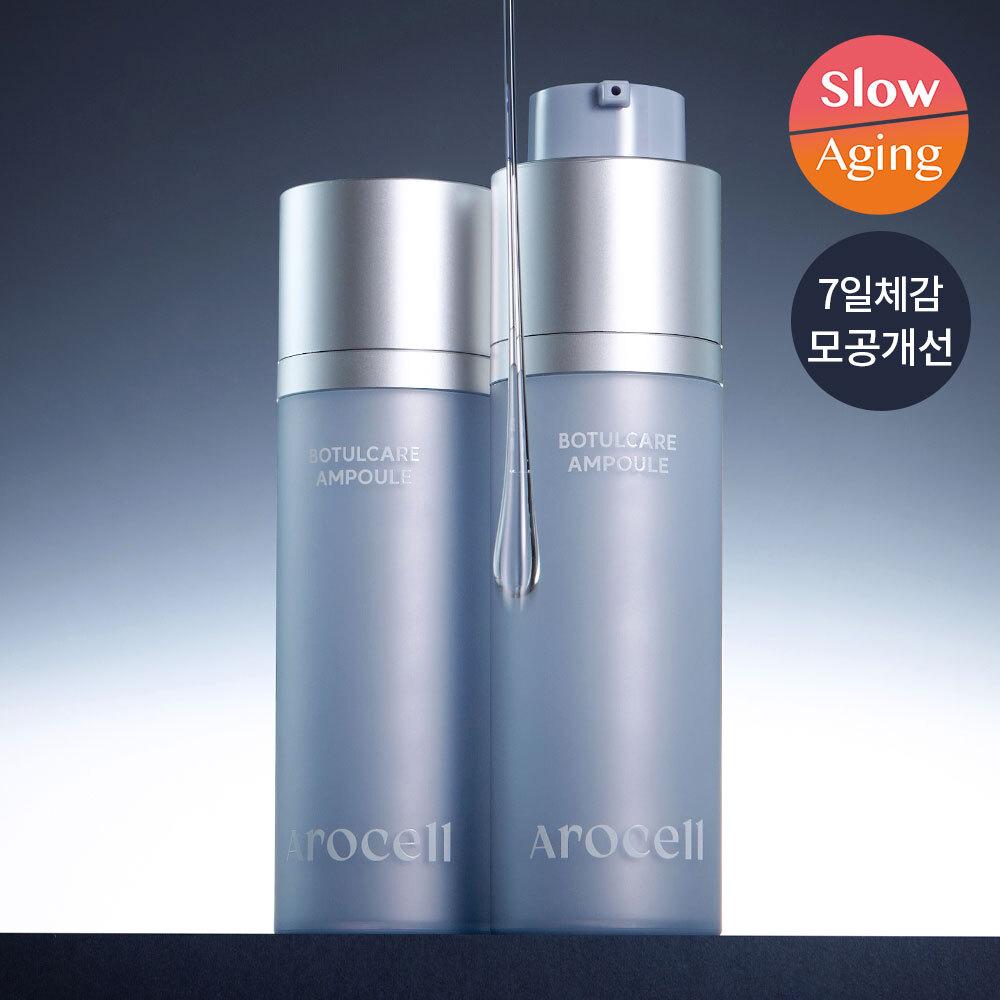
Botulcare Pore Ampoule
AROCELL
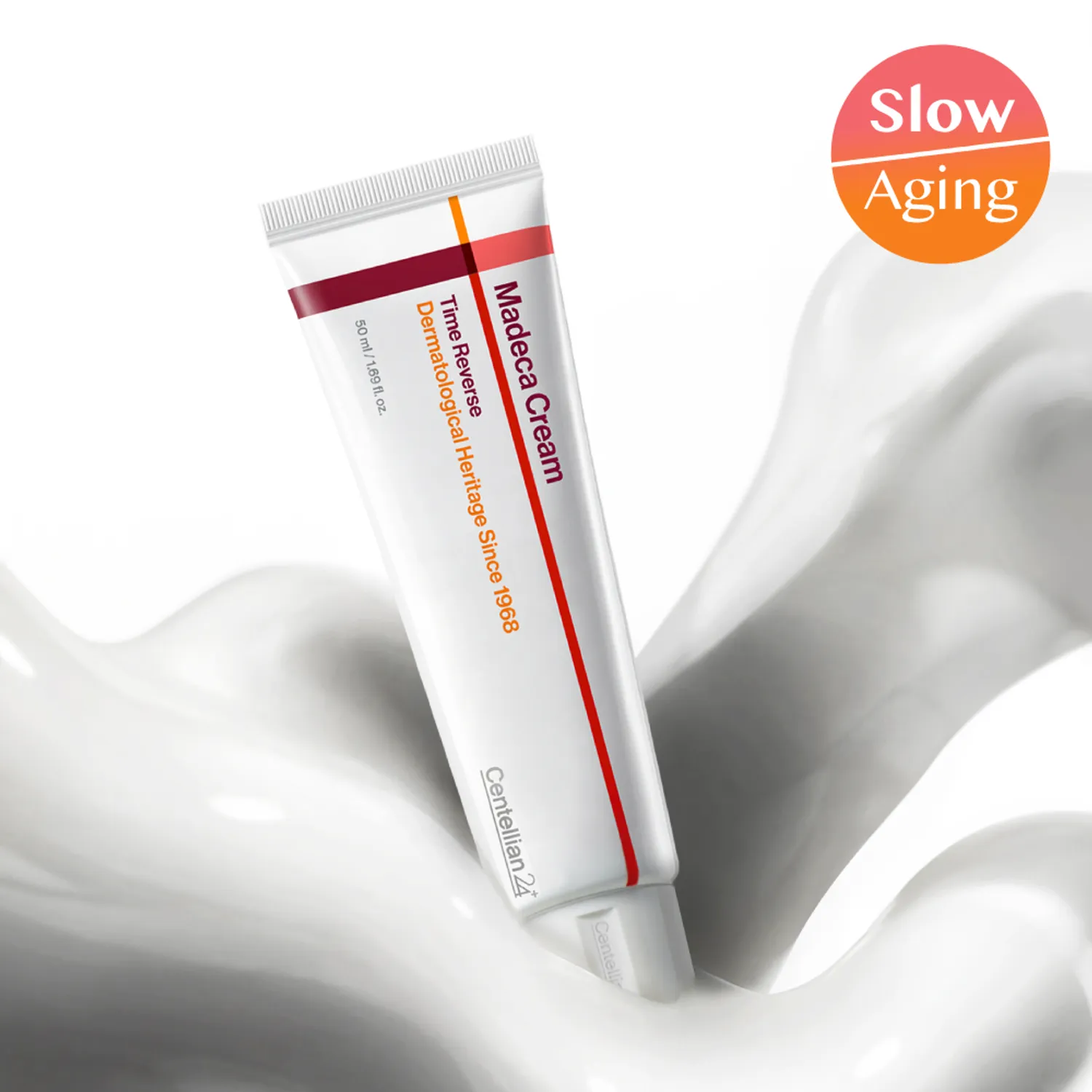
Madeca Cream Time Reverse
Centellian24
Frequently Asked Questions
Is resveratrol actually better than vitamin C for anti-aging?▼
Can I use resveratrol if I'm pregnant or breastfeeding?▼
Why do some resveratrol products turn brown or smell different over time?▼
How long does it take to see results from resveratrol?▼
Explore More
Want personalized ingredient advice?
Yuri, our AI beauty advisor, can tell you how Resveratrol works with your specific skin type, routine, and concerns.
Ask Yuri, free