Vitamin A Palmitate
INCI: Retinyl Palmitate
Vitamin A derivative for anti-aging and skin renewal
About Vitamin A Palmitate
Vitamin A Palmitate, or Retinyl Palmitate, is an ester of retinol (pure vitamin A) and palmitic acid, making it one of the gentler members of the retinoid family. In K-beauty formulations, it serves as a strategic entry point for introducing vitamin A benefits without the intensity of prescription retinoids or even over-the-counter retinol. This derivative converts to retinol, then to retinoic acid (the active form) once absorbed by skin, a multi-step conversion process that slows its action and reduces potential irritation. K-beauty brands favor Retinyl Palmitate in products designed for sensitive skin or as part of layered routines where multiple actives work synergistically. With a moderate comedogenic rating of 2/5 and presence in 53 products on Seoul Sister, including high-performing formulas like MEDIPEEL's Melanonx Ampoule RX (5.0/5) and Skin&Lab's Glutathione Ampoule Toner (4.8/5), this ingredient demonstrates how Korean skincare balances efficacy with gentleness. Its anti-aging effects include promoting cell turnover, smoothing fine lines, improving skin texture, and supporting collagen production, though results appear more gradually than with stronger retinoids. The safety rating of 3/5 reflects that while generally well-tolerated, it still requires sun protection and may cause sensitivity in some users, particularly when combined with other actives or used in high concentrations.
How Vitamin A Palmitate Works
Retinyl Palmitate undergoes a two-step enzymatic conversion in the skin. First, esterases break the bond between retinol and palmitic acid, releasing free retinol. Then, alcohol dehydrogenase and retinol dehydrogenase enzymes convert retinol into retinaldehyde, and finally into retinoic acid, the biologically active form that skin cells recognize. This retinoic acid binds to retinoic acid receptors (RARs) in the nucleus of skin cells, essentially acting as a genetic switch that upregulates genes responsible for collagen synthesis, cell proliferation, and proper keratinization while downregulating matrix metalloproteinases that degrade collagen. The multi-step conversion process means Retinyl Palmitate works slower than direct retinol or prescription tretinoin, but this delay also buffers against irritation. At the cellular level, it accelerates the skin's natural 28-day renewal cycle, pushing newer cells to the surface faster while encouraging fibroblasts in the dermis to produce more collagen and elastin. The antioxidant properties of vitamin A also help neutralize free radicals from UV exposure and pollution, offering preventative anti-aging benefits alongside corrective ones.
Vitamin A Palmitate by Skin Type
Oily Skin
Oily skin often tolerates Retinyl Palmitate well due to naturally thicker, more resilient barrier function. The cell turnover acceleration helps prevent dead skin buildup that can contribute to clogged pores, though the moderate comedogenic rating of 2/5 means monitoring is wise if you're highly acne-prone. Products like Neogen's Hyal Glow Rose Essence (4.8/5) pair it with hydrating ingredients to balance potential dryness from increased turnover.
Dry Skin
Dry skin benefits from Retinyl Palmitate's gentler approach compared to stronger retinoids, which can compromise already fragile moisture barriers. The ingredient promotes healthier cell turnover that improves skin's ability to retain moisture over time, but immediate hydration support is essential. Formulas like Torriden's Cellmazing Small Molecule Collagen Firming Eye Cream (4.8/5) demonstrate how K-beauty combines it with deeply hydrating ingredients to prevent the flaking and tightness that retinoids can trigger in dry complexions.
Combo Skin
Combination skin finds an ideal middle ground with Retinyl Palmitate, as it addresses both oily T-zone concerns (refining pores, regulating cell turnover) and dry cheek needs (improving texture without over-stripping). The moderate potency allows you to use it across your entire face without needing to zone-treat. Products like Skin&Lab's Glutathione Ampoule Toner (4.8/5) work particularly well, as toner formats distribute the ingredient evenly and lightly.
Sensitive Skin
Sensitive skin types should approach Retinyl Palmitate with cautious optimism. It's among the least irritating retinoids due to its conversion process, making it a common choice in K-beauty products targeting sensitive users who still want anti-aging benefits. However, the 3/5 safety rating reminds us that even gentle vitamin A derivatives can cause redness, peeling, or stinging in reactive skin. Start with low-frequency application (once or twice weekly) and always pair with soothing, barrier-supporting ingredients. Avoid combining with other actives like AHAs, BHAs, or vitamin C initially.
Normal Skin
Normal skin is well-positioned to enjoy Retinyl Palmitate's full anti-aging benefits with minimal drama. Your balanced barrier function means you can typically build up to regular use (3-5 times weekly) more quickly than other skin types. This ingredient serves as excellent preventative maintenance in your twenties or as a gentle corrective treatment for early aging signs in your thirties. The breadth of high-rated products containing it (like MEDIPEEL's Melanonx Ampoule RX at 5.0/5) means you can easily find formulations suited to your specific concerns, whether pigmentation, fine lines, or overall radiance.
How to Use Vitamin A Palmitate
- 1Always apply sunscreen during the day when using Retinyl Palmitate, as all vitamin A derivatives increase photosensitivity and sun damage can reverse your anti-aging progress.
- 2Start with 1-2 applications per week and gradually increase frequency over 4-6 weeks to allow your skin to build tolerance and minimize potential irritation.
- 3Apply to clean, completely dry skin (wait 10-15 minutes after cleansing) to reduce penetration speed and irritation risk, then wait another 10 minutes before layering hydrating products on top.
- 4Avoid combining with other strong actives like AHAs, BHAs, or L-ascorbic acid vitamin C in the same routine initially. You can layer these ingredients once your skin adapts, but alternate nights is safest.
- 5Store products containing Retinyl Palmitate away from light and heat, as vitamin A derivatives degrade when exposed to air, light, and high temperatures, reducing effectiveness over time.
Background
Vitamin A's journey in skincare began in the 1940s when researchers discovered its essential role in skin cell differentiation and health. Retinyl Palmitate specifically emerged as a cosmetic ingredient in the 1970s and 1980s when chemists sought more stable, consumer-friendly alternatives to pure retinol. The esterified form (bonding retinol with palmitic acid, a fatty acid) created a molecule less prone to oxidation and degradation, extending shelf life and reducing irritation. Korean skincare brands embraced Retinyl Palmitate in the 2000s as part of the broader K-beauty philosophy of gentle, layered routines focused on prevention rather than aggressive correction. While Western markets often gravitated toward higher-strength retinols and prescription tretinoin, K-beauty formulations recognized that consistent use of gentler retinoids, combined with comprehensive hydration and sun protection, could deliver anti-aging results without compromising skin barrier health. This ingredient now appears across categories from ampoules to eye creams, reflecting its versatility in multi-step Korean skincare routines.
K-Beauty Products with Vitamin A Palmitate
View all 54 →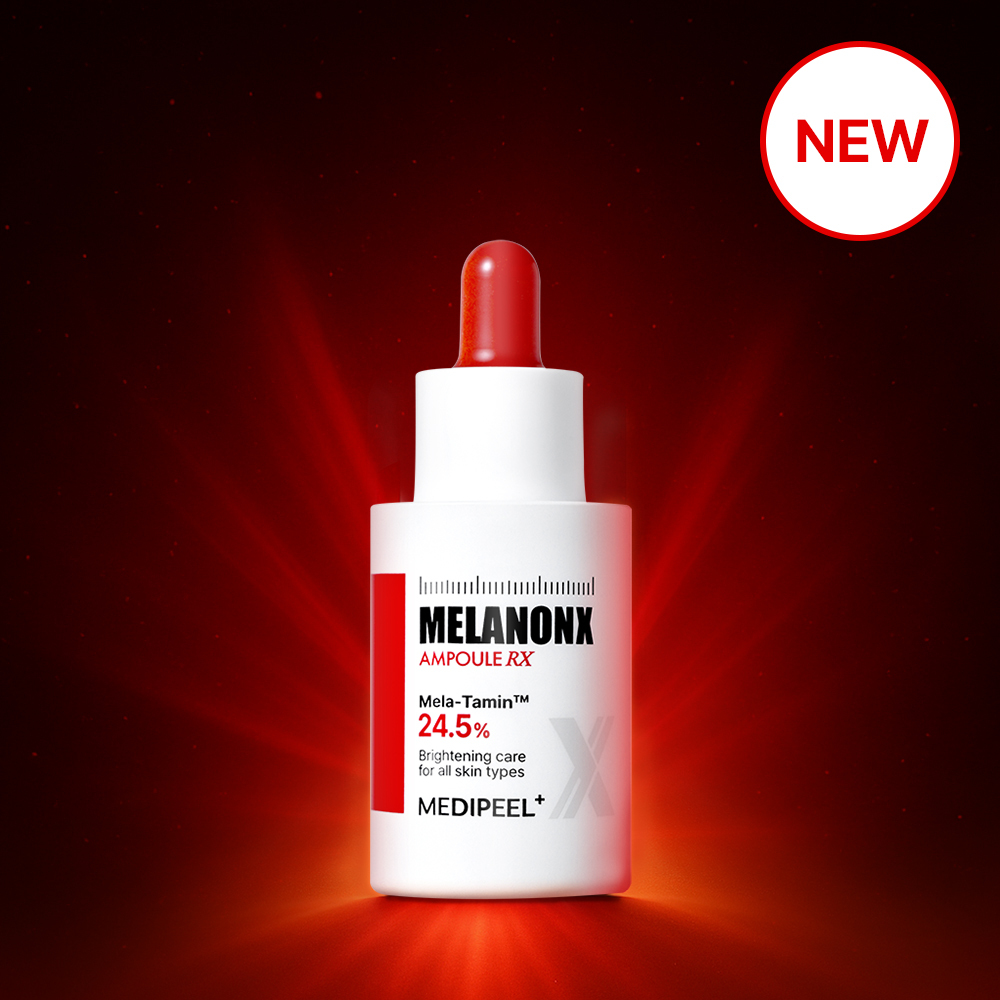
Melanonx Ampoule RX
MEDIPEEL
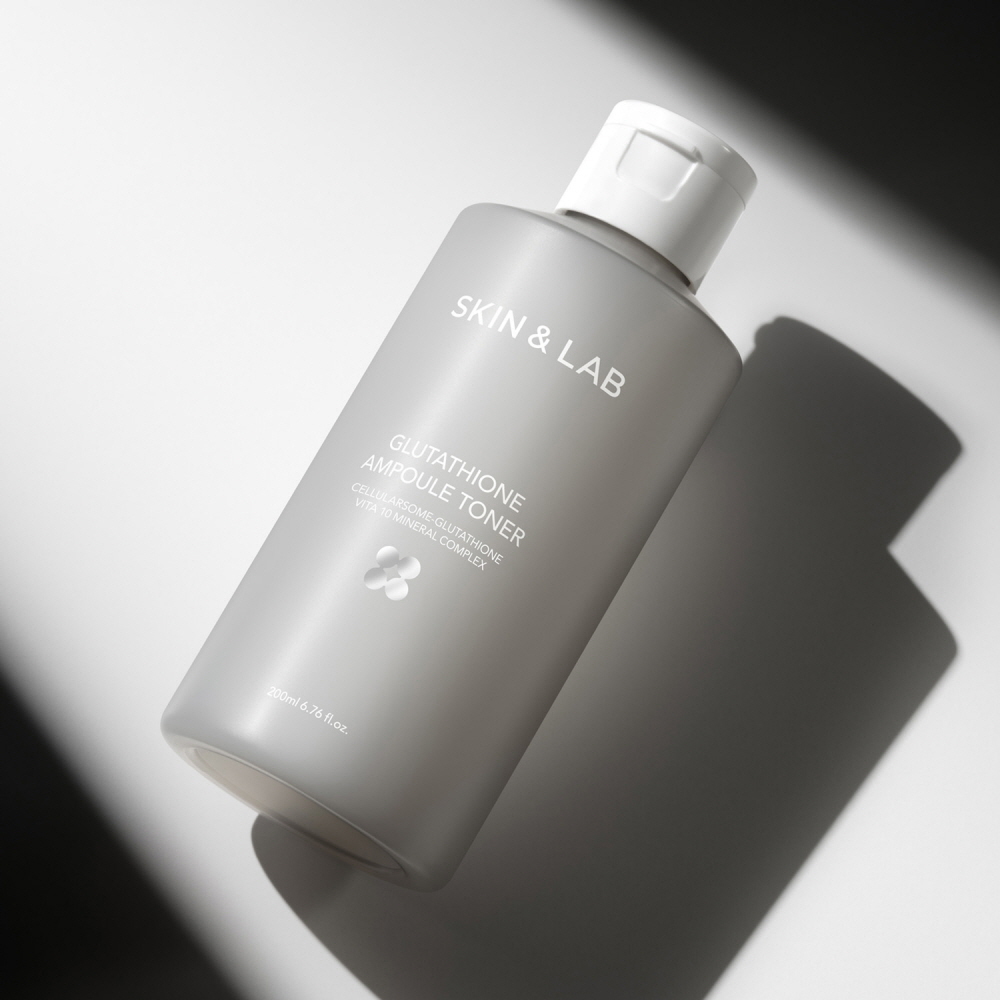
Glutathione Ampoule Toner
Skin&Lab

Toner & Serum Super Deal
Skin&Lab
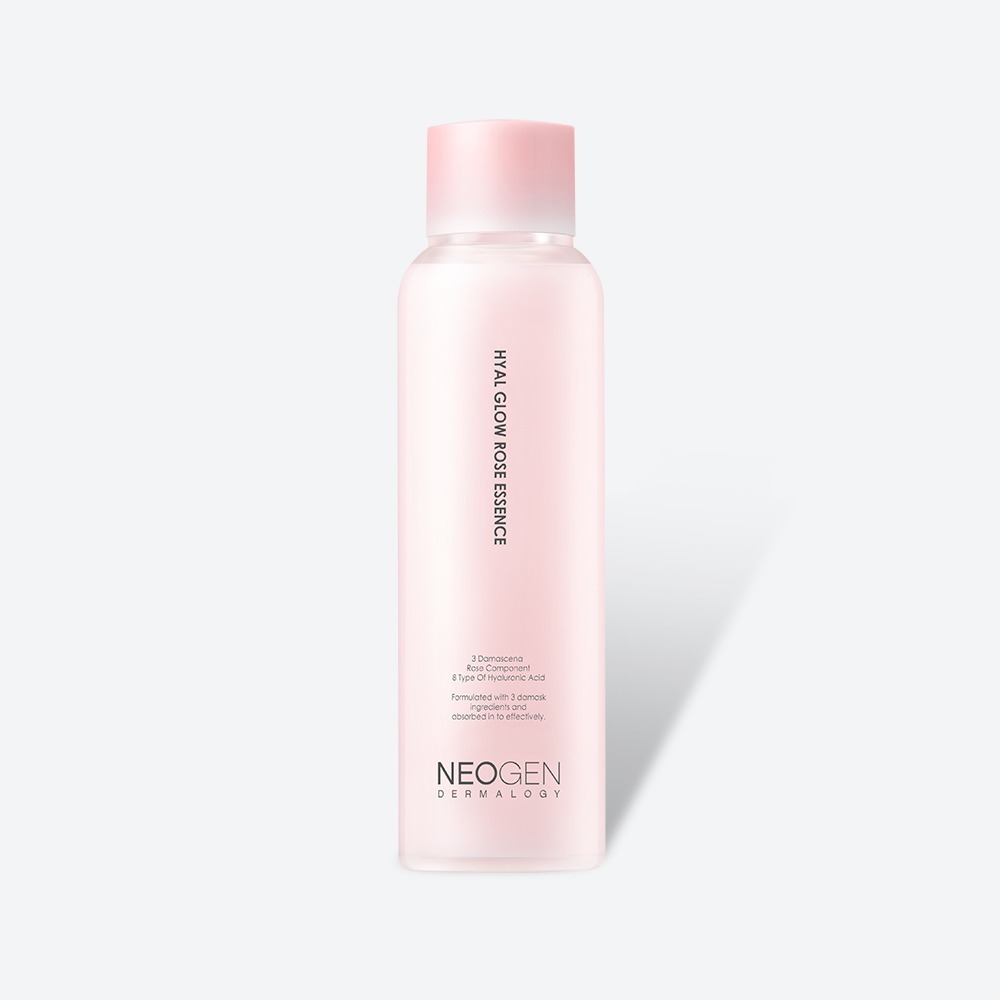
Hyal Glow Rose Essence
Neogen
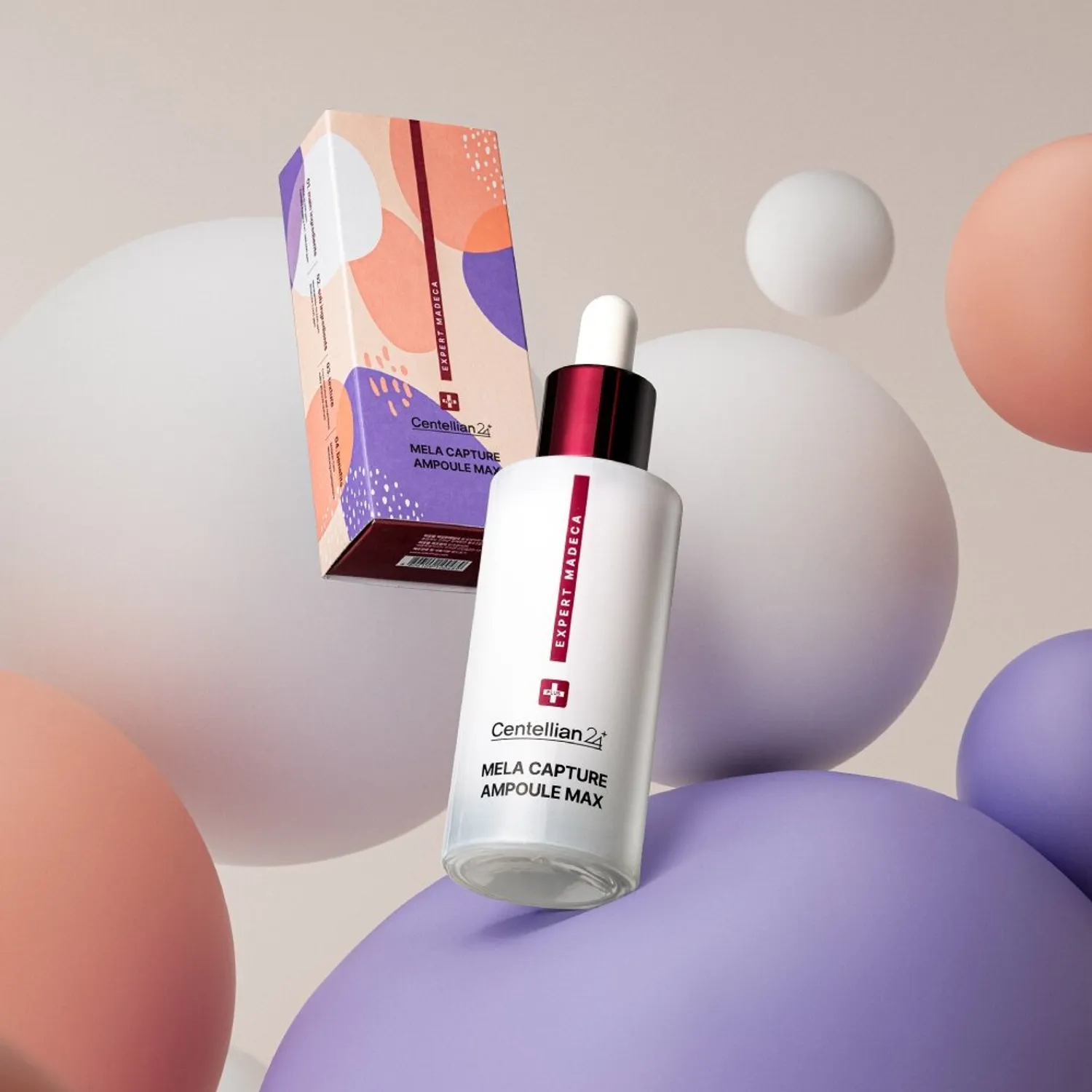
Expert Madeca Mela Capture Ampoule Max
Centellian24

Cellmazing Firming Eye Cream
Torriden
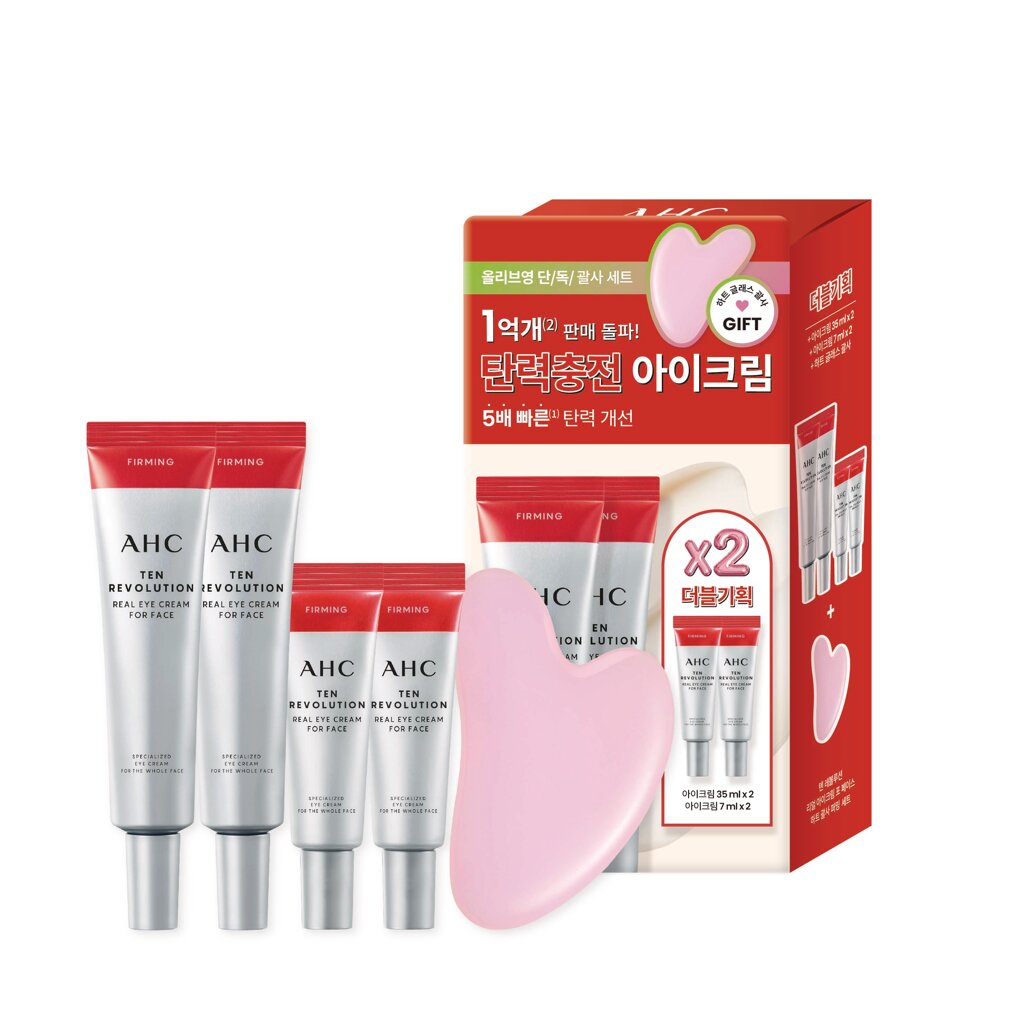
10 Revolution Real Eye Cream For Face
AHC
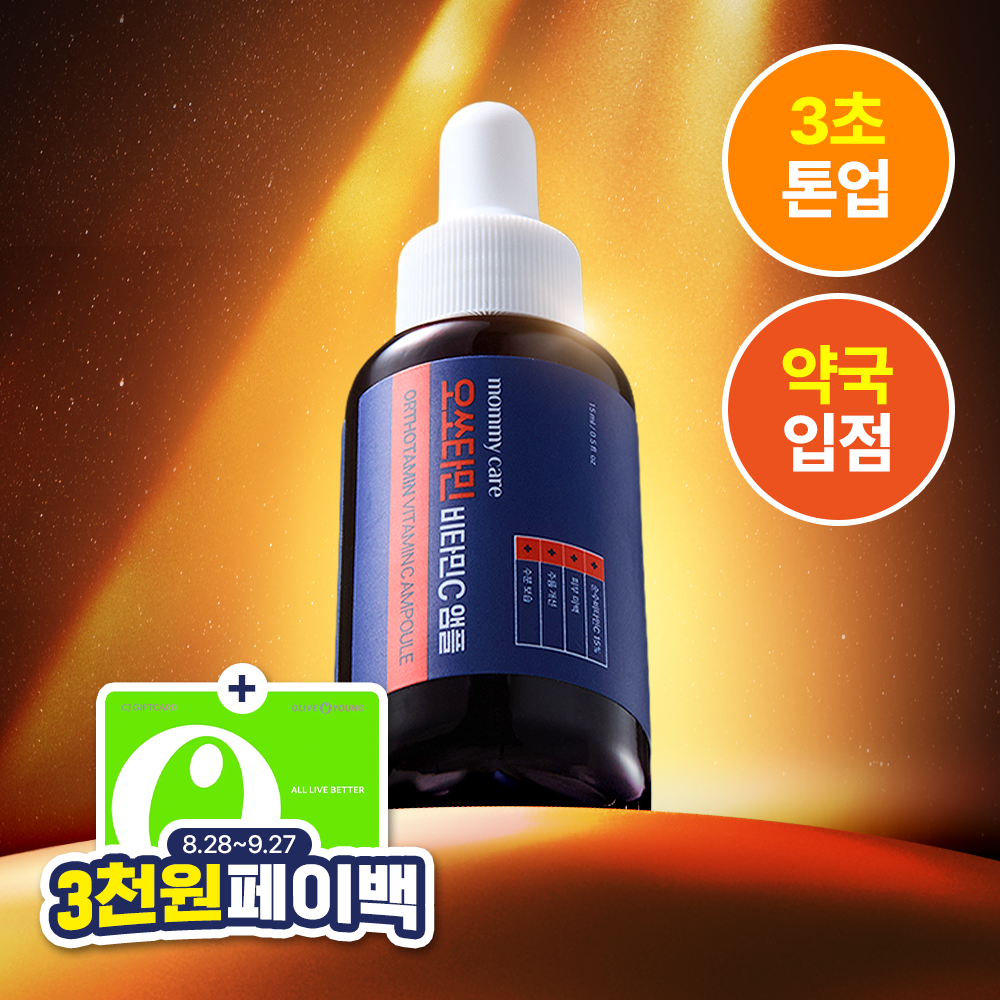
Orthotamin Vitamin C Ampoule
Anua
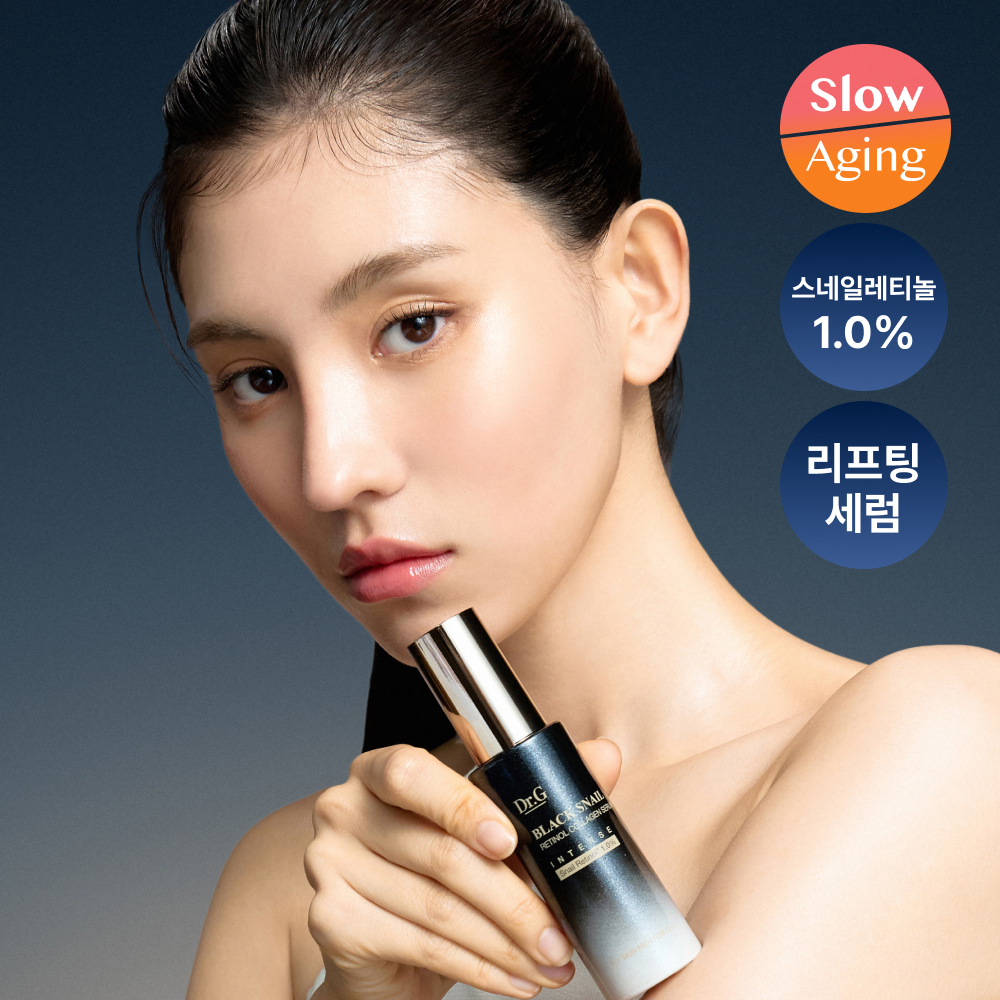
Black Snail Retinol 1.0 Collagen Serum Intense
Dr.G
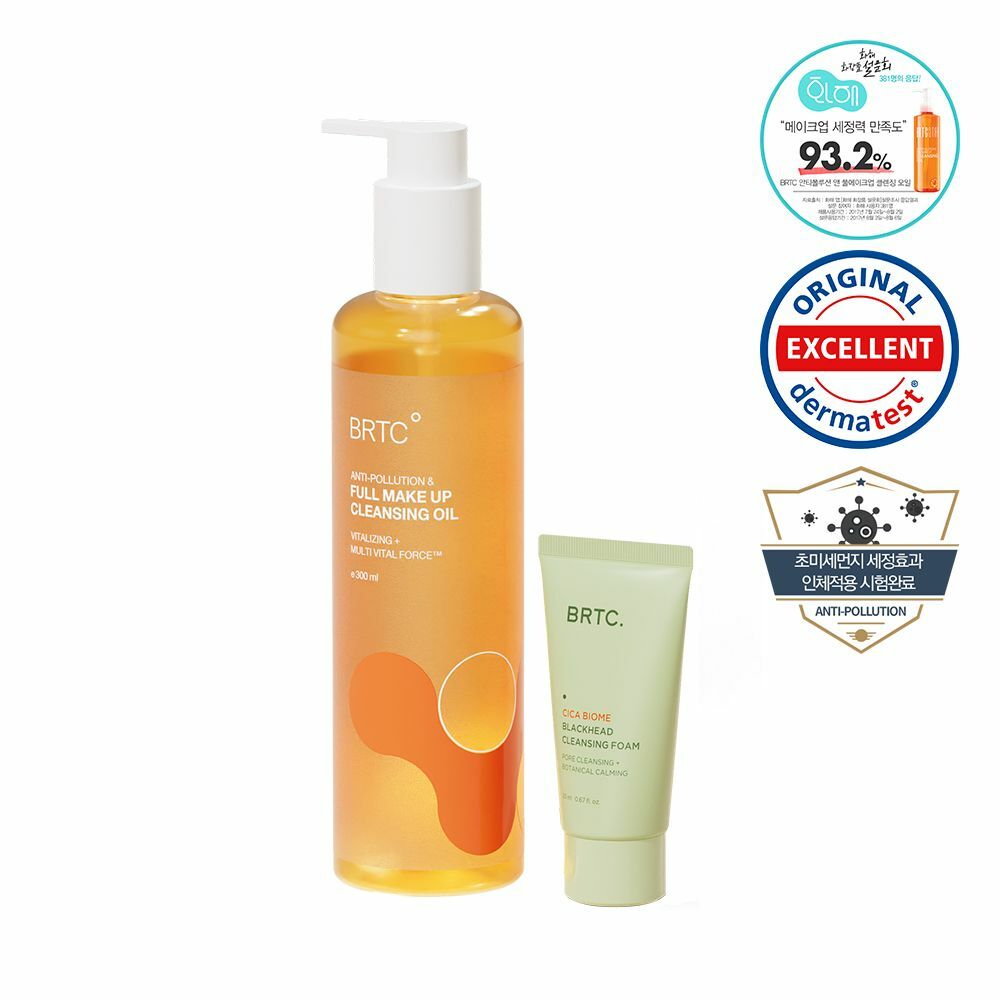
Anti-Pollution & Full Make Up Cleansing Oil
BRTC

Green Tangerine Vita C Niacinamide 10 Toning Ampoule
Goodal

Melanon X Ampoule Cleanser
Medi-Peel
Frequently Asked Questions
Is Retinyl Palmitate as effective as retinol or tretinoin for anti-aging?▼
Can I use Retinyl Palmitate if I'm pregnant or breastfeeding?▼
Will Retinyl Palmitate clog my pores with a comedogenic rating of 2/5?▼
How long does it take to see results from Retinyl Palmitate?▼
Can I use Retinyl Palmitate around my eyes?▼
Explore More
Want personalized ingredient advice?
Yuri, our AI beauty advisor, can tell you how Vitamin A Palmitate works with your specific skin type, routine, and concerns.
Ask Yuri, free