Black Currant Seed Oil
INCI: Ribes Nigrum (Black Currant) Seed Oil
Emollient rich in omega fatty acids and antioxidants
About Black Currant Seed Oil
Black currant seed oil is a luxurious plant-derived emollient extracted from the small black seeds of the Ribes nigrum berry, native to northern Europe and Asia. This golden-hued oil has become a rising star in K-beauty formulations thanks to its exceptional fatty acid profile and antioxidant content. What makes black currant seed oil particularly valuable is its rare combination of both omega-3 and omega-6 fatty acids, including gamma-linolenic acid (GLA) and alpha-linolenic acid (ALA). These essential fatty acids help reinforce the skin's natural lipid barrier, making it especially useful in products focused on barrier repair and hydration. The oil also contains significant amounts of vitamin C and anthocyanins, the same purple-pigmented antioxidants that give the berries their deep color. In K-beauty, black currant seed oil appears across multiple product categories, from cleansing oils to barrier creams, where it contributes both functional benefits and skin-nourishing properties. With a comedogenic rating of 2 out of 5, it's considered moderately light and suitable for most skin types when properly formulated. Seoul Sister data shows it's featured in 19 K-beauty products, including highly rated formulations from Beplain, Dewytree, and Aestura, all scoring above 4.9 out of 5. Its presence in both cleansers and leave-on treatments demonstrates its versatility as an ingredient that can deliver benefits even in rinse-off formats.
How Black Currant Seed Oil Works
Black currant seed oil works primarily by mimicking and supplementing the skin's natural lipid barrier structure. The oil contains approximately 15-20% GLA, an omega-6 fatty acid that serves as a precursor to anti-inflammatory prostaglandins in the skin. When applied topically, these fatty acids integrate into the lipid matrix between skin cells, helping to seal gaps and prevent transepidermal water loss. The omega-3 ALA content (around 12-15%) provides additional anti-inflammatory benefits by competing with pro-inflammatory omega-6 pathways, helping to calm reactive skin. At a cellular level, the antioxidants in black currant seed oil, particularly vitamin C and polyphenols, neutralize free radicals that can damage cell membranes and accelerate aging. The oil's molecular structure allows it to penetrate into the upper layers of the stratum corneum without sitting heavily on the surface, delivering fatty acids where they're needed most. This makes it effective in both emulsion-based products and oil cleansers, where it can dissolve sebum and makeup while simultaneously conditioning the skin.
Black Currant Seed Oil by Skin Type
Oily Skin
Black currant seed oil can work for oily skin when used in well-formulated products, particularly cleansing oils like the Hi Amino All Cleansing Oil by Dewytree (5.0/5 rating). Its comedogenic rating of 2 means it's less likely to clog pores than heavier oils, though those prone to congestion should monitor their skin's response. The anti-inflammatory GLA content may actually help regulate sebum production over time.
Dry Skin
This is where black currant seed oil truly shines, as demonstrated by its inclusion in barrier-focused products like Aestura's Aepiderm EGF Skin Barrier Hydrating Cream (4.9/5). The rich omega fatty acid profile directly addresses the lipid deficiency common in dry skin, helping to lock in moisture and restore suppleness. The oil provides both immediate emollience and longer-term barrier strengthening.
Combo Skin
Combination skin can benefit from black currant seed oil's balanced fatty acid profile, which provides hydration without overwhelming oilier zones. Products like the z+piderm EGF Skin Barrier Cleansing Foam (5.0/5) demonstrate how this ingredient can be incorporated into formulations that work across different skin zones. Focus application of richer products containing this oil on drier areas like cheeks.
Sensitive Skin
The anti-inflammatory properties of GLA make black currant seed oil particularly suitable for sensitive and reactive skin types. Its presence in barrier repair products like the EGF Skin Barrier Dressing Mask Pack (5.0/5) suggests its compatibility with compromised skin. The antioxidants provide additional protection against environmental stressors that can trigger sensitivity.
Normal Skin
Normal skin can use black currant seed oil as a preventative measure to maintain barrier health and protect against premature aging. The balanced omega-3 and omega-6 content supports the skin's natural equilibrium without creating excess oiliness or dryness. It works well in both daily maintenance products and intensive treatments.
How to Use Black Currant Seed Oil
- 1Look for black currant seed oil in barrier repair creams and masks for maximum benefit, where the ingredient can remain on skin long enough to deliver its fatty acids effectively.
- 2If you have oily or acne-prone skin, introduce products containing this oil gradually and monitor for any congestion, particularly when used in leave-on treatments rather than cleansers.
- 3Pair black currant seed oil products with humectants like hyaluronic acid for optimal hydration, as the oil will help seal in water-based ingredients.
- 4Store products containing black currant seed oil away from light and heat, as the omega fatty acids can oxidize over time and lose effectiveness (or potentially irritate skin).
- 5Consider using richer products with this ingredient at night, when skin is in repair mode and can fully absorb the nourishing fatty acids without interference from makeup or sunscreen.
Background
Black currants have been cultivated in northern Europe, particularly Britain and Scandinavia, for centuries, initially valued for their high vitamin C content and medicinal properties. The berries were used in traditional European folk medicine to treat everything from sore throats to joint pain. However, the seed oil's specific skincare applications weren't fully explored until the late 20th century, when researchers began investigating the therapeutic potential of GLA-rich oils. Black currant seed oil gained attention in the supplement industry first, used for inflammatory conditions, before cosmetic chemists recognized its potential for topical skincare. Its adoption into K-beauty formulations represents the industry's broader trend of incorporating globally-sourced botanical oils with specific functional benefits. Korean brands have been particularly innovative in combining this European botanical with traditional Asian ingredients and modern technologies like EGF (as seen in several Seoul Sister top-rated products), creating hybrid formulations that bridge Eastern and Western skincare philosophies.
K-Beauty Products with Black Currant Seed Oil
View all 20 →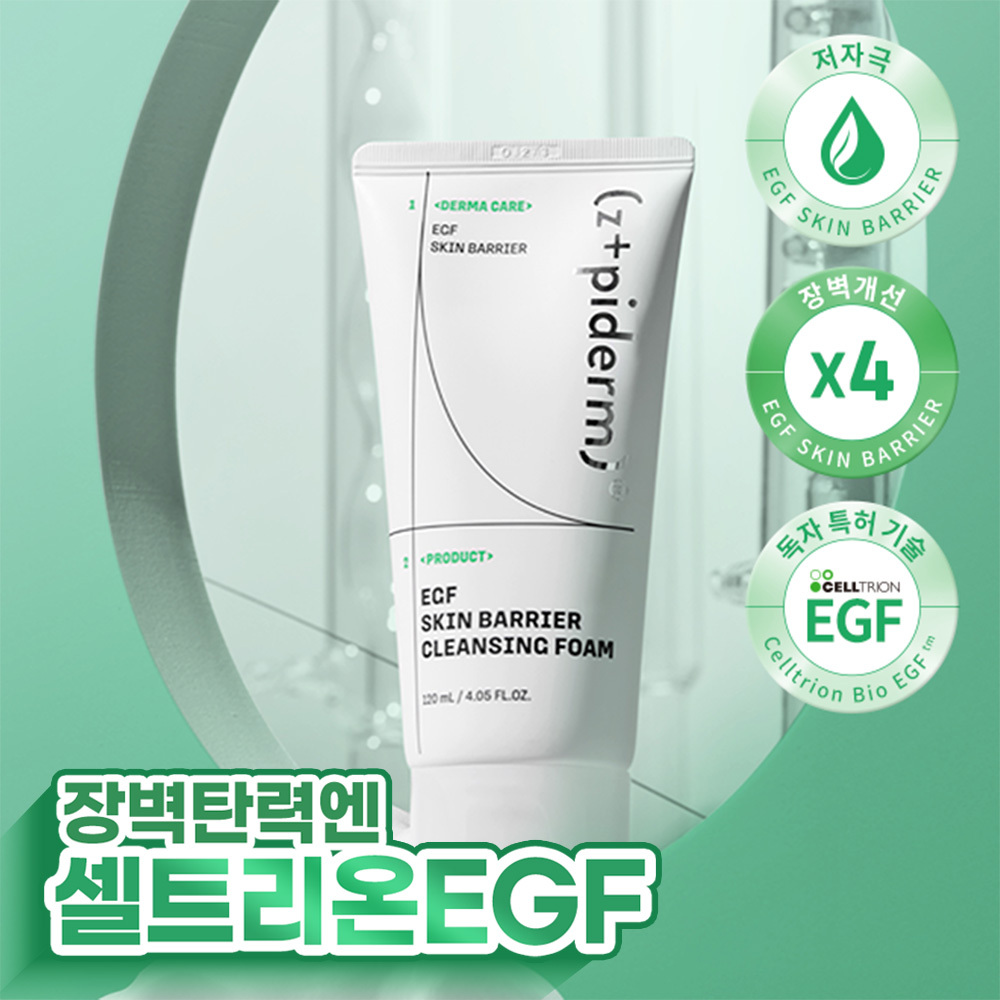
z+piderm EGF Skin Barrier Cleansing Foam
Beplain
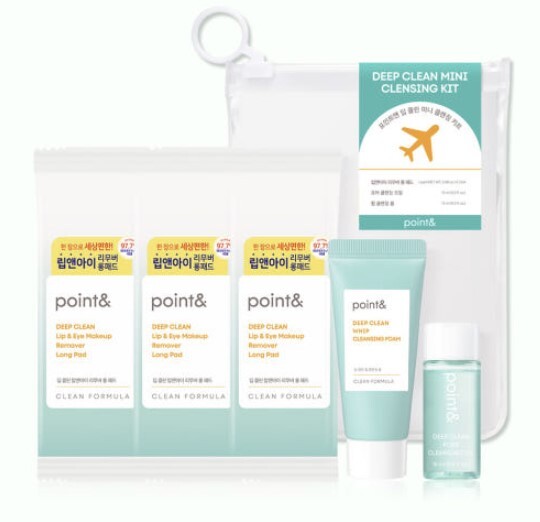
Deep Clean Mini Cleansing Travel Kit
Beplain
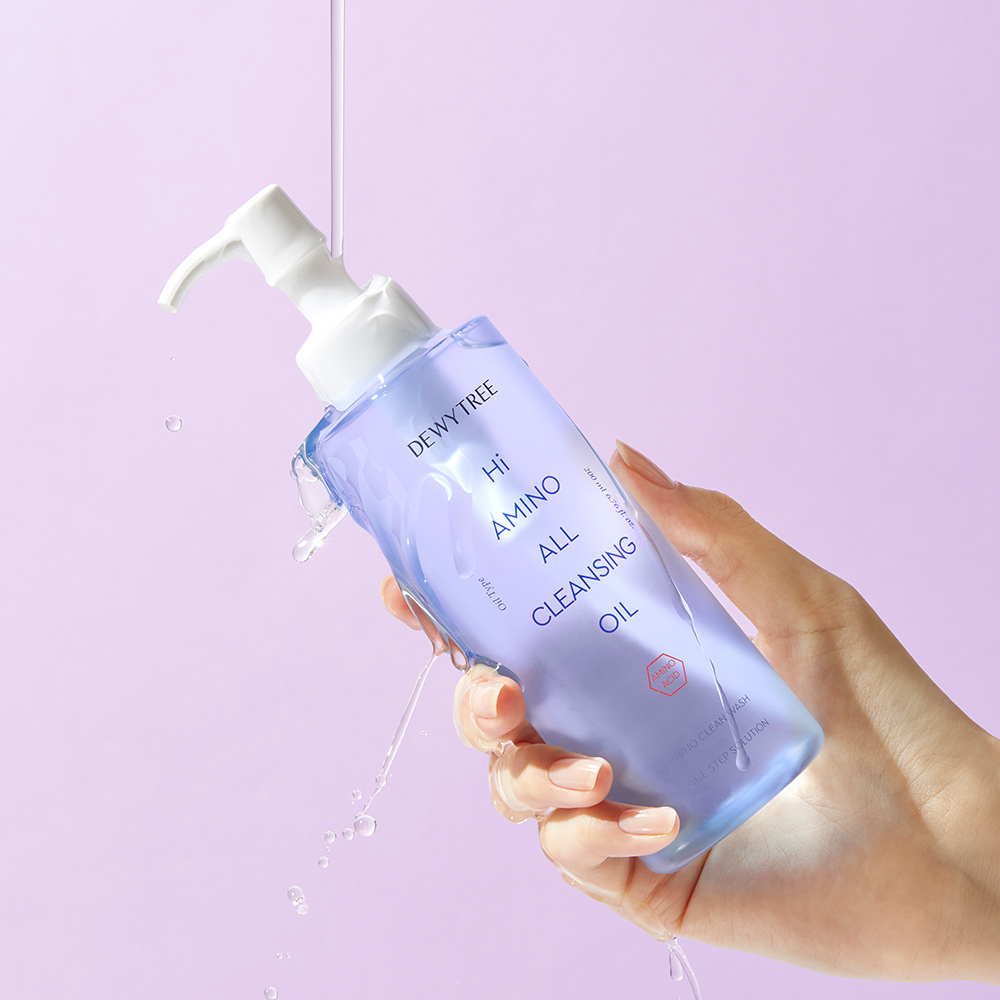
Hi Amino All Cleansing Oil
Dewytree
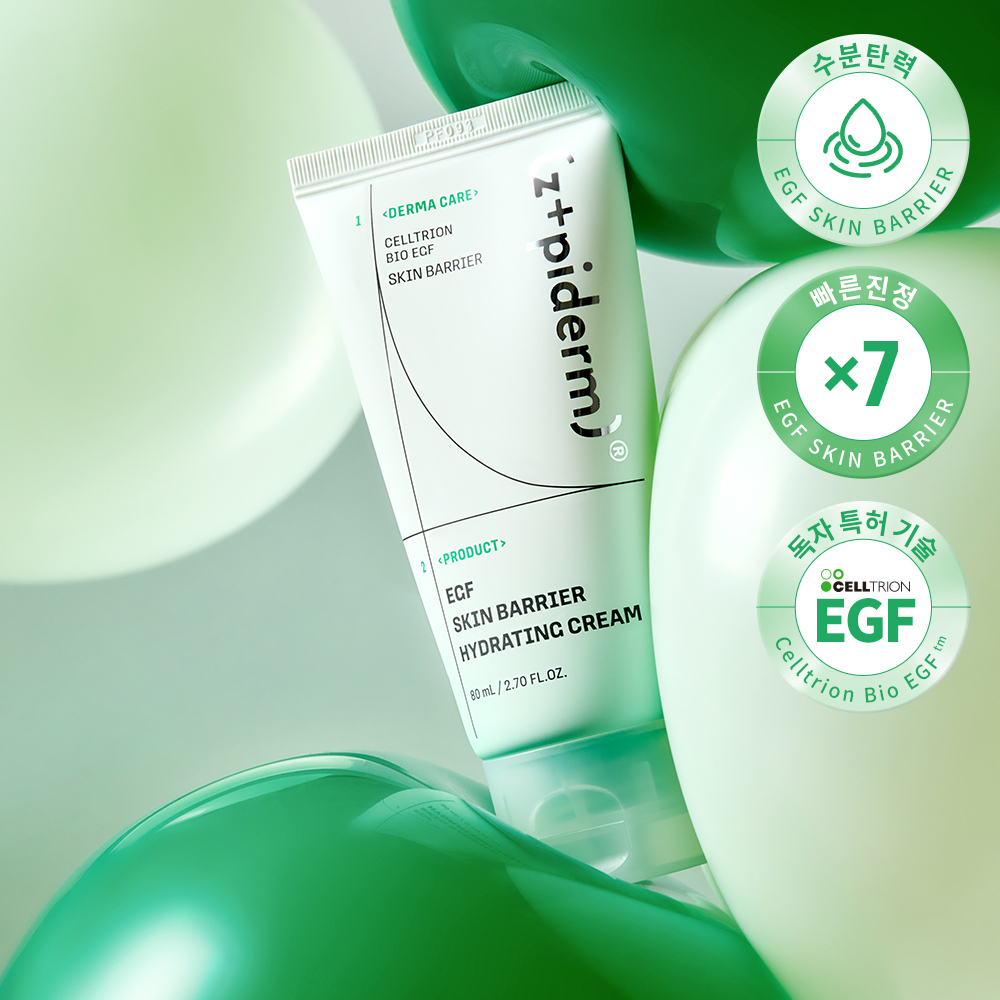
Aepiderm EGF Skin Barrier Hydrating Cream
Aestura

Regenerative Schild Cream
Aestura
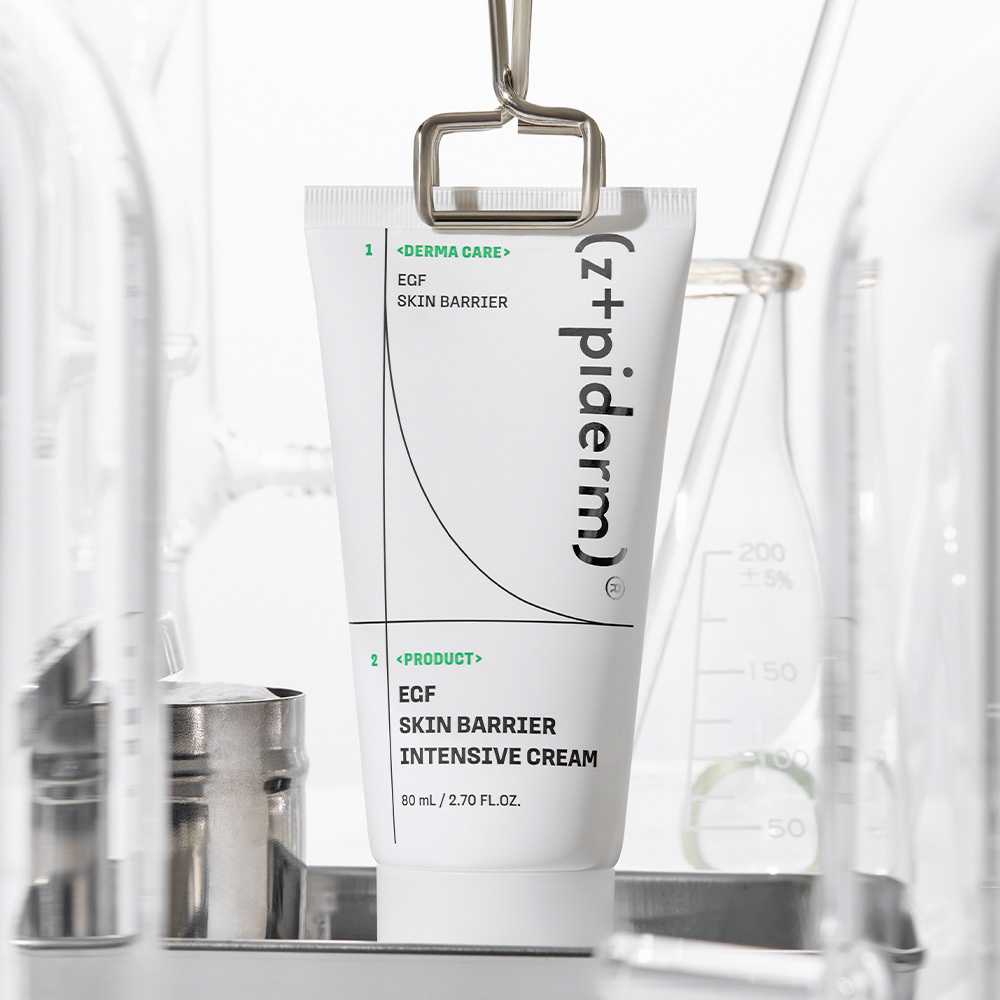
z+piderm EGF Skin Barrier Intensive Cream
Aestura
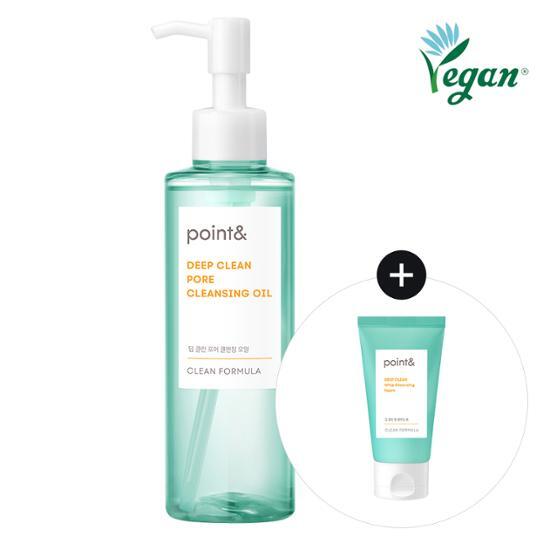
Deep Clean Pore Cleansing Oil
Banila Co
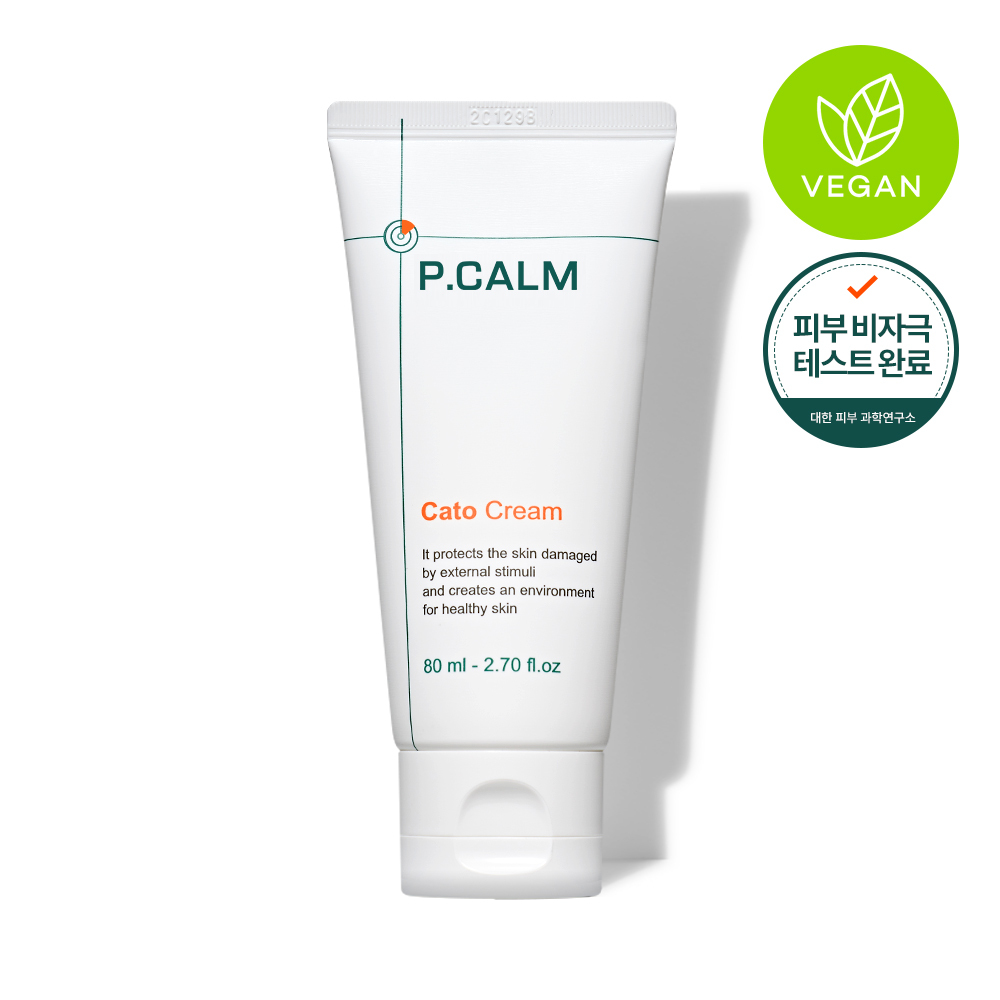
P.CALM Cato Cream
Aestura
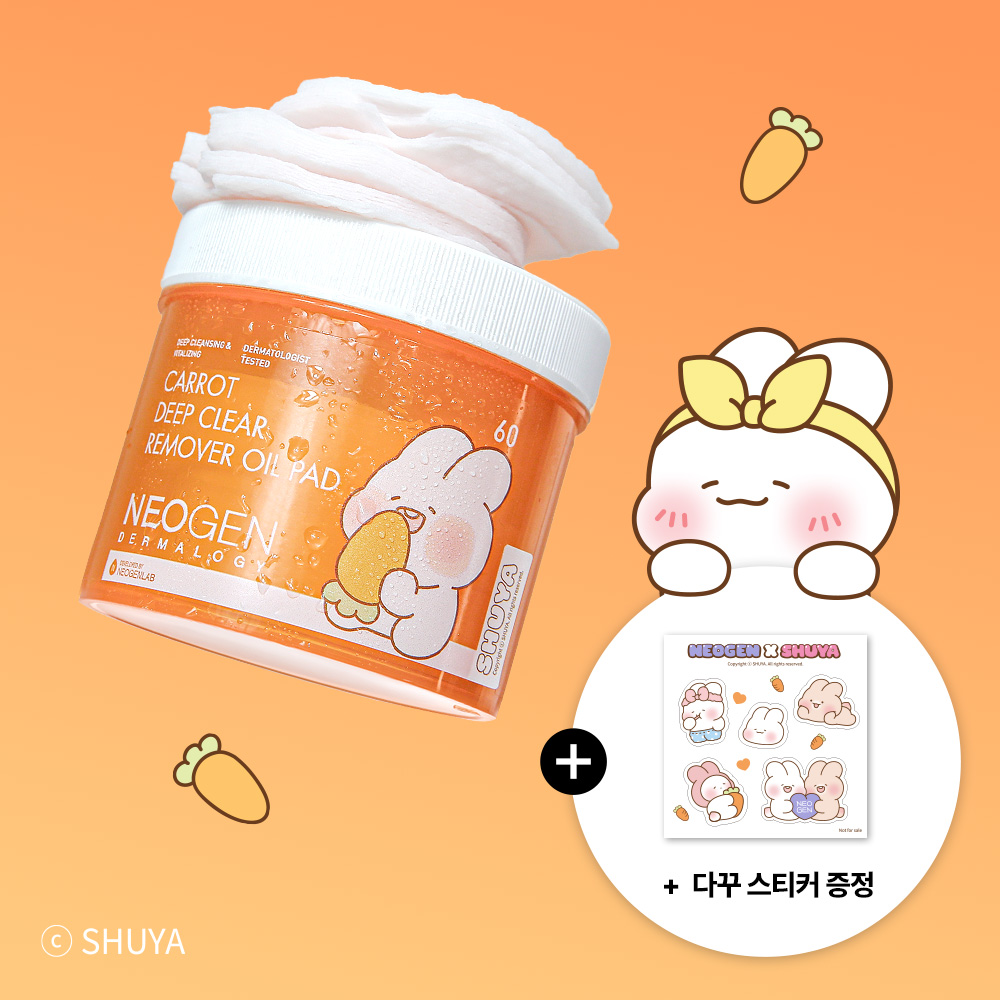
Dermalogy Carrot Deep Clear Remover Oil Pad
Neogen
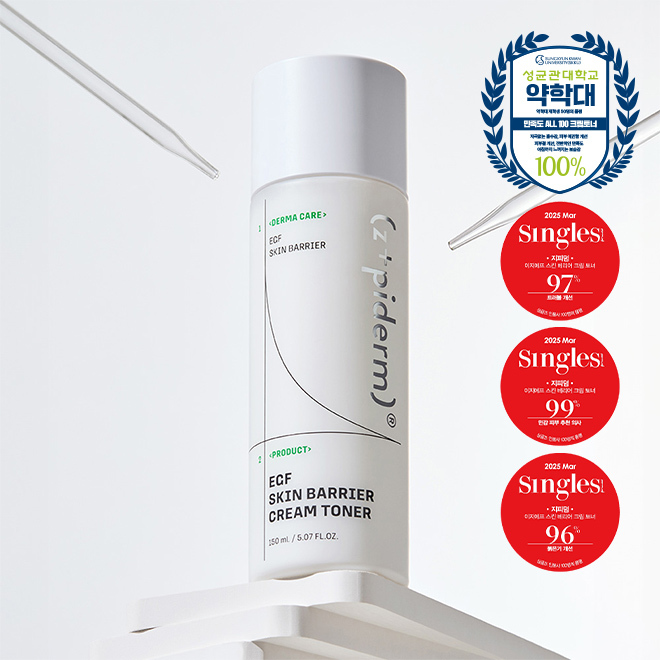
z+piderm EGF Skin Barrier Cream Toner
Anua

Clean & Glow Green Barley LHA Deep Cleansing Oil Set
Banila Co
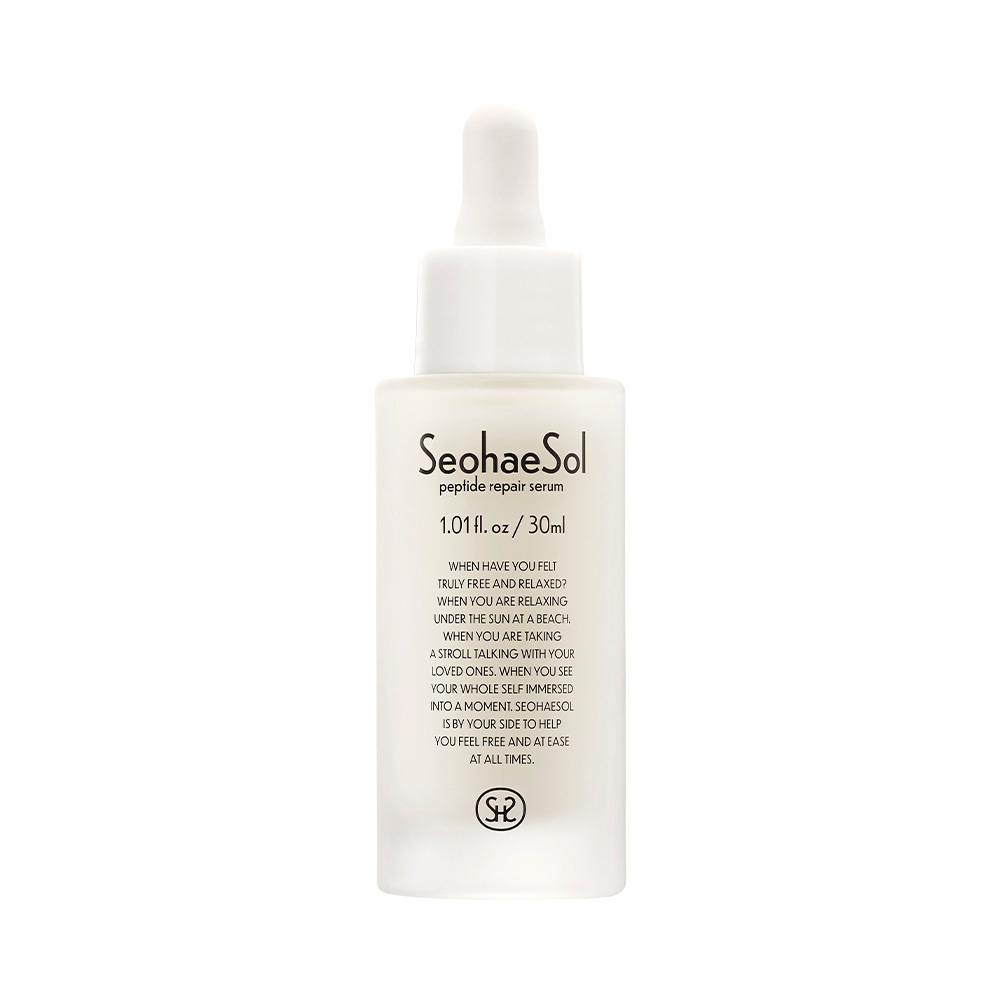
SeohaeSol Peptide Repair Serum
Anua
Frequently Asked Questions
Is black currant seed oil too heavy for acne-prone skin?▼
How does black currant seed oil compare to more common oils like jojoba or rosehip?▼
Can I use black currant seed oil if I'm pregnant or nursing?▼
Why is black currant seed oil in cleansing products if it's supposed to nourish skin?▼
How quickly can I expect to see results from products with black currant seed oil?▼
Explore More
Want personalized ingredient advice?
Yuri, our AI beauty advisor, can tell you how Black Currant Seed Oil works with your specific skin type, routine, and concerns.
Ask Yuri, free