Vitamin B2
INCI: Riboflavin
Antioxidant and skin conditioning agent
About Vitamin B2
Vitamin B2, scientifically known as riboflavin, is a water-soluble vitamin that plays a surprisingly powerful role in skin health beyond its well-known function in cellular energy production. In K-beauty formulations, riboflavin acts as both an antioxidant and a skin conditioning agent, helping to neutralize free radicals while supporting the skin's natural barrier function. What makes riboflavin particularly interesting is its ability to enhance cellular metabolism at the skin level, promoting faster cell turnover and repair processes. Korean skincare brands have embraced this ingredient not as a standalone hero but as a strategic supporting player in multi-vitamin formulations, where it works synergistically with other B vitamins and antioxidants. You'll find it in everything from gentle cleansers like Parnell's Ceramic Bubble Peeling Cleanser to intensive serums like The Whoo's Bichup Ultimate Recovery Youth Serum, where it contributes to overall skin vitality and resilience. Its yellow-orange color actually serves as a visual indicator of potency in some formulations, though modern encapsulation techniques can mask this hue. With a perfect safety rating of 5/5 and a comedogenic rating of 0/5, riboflavin is one of those rare ingredients that benefits all skin types without risk of clogging pores or triggering sensitivity.
How Vitamin B2 Works
At the cellular level, riboflavin functions as a precursor to two essential coenzymes: flavin mononucleotide (FMN) and flavin adenine dinucleotide (FAD). These coenzymes are critical for mitochondrial energy production and serve as electron carriers in metabolic processes that keep skin cells functioning optimally. When applied topically, riboflavin supports the skin's natural antioxidant defense system by helping to regenerate glutathione, one of the body's master antioxidants. This creates a cascade effect where riboflavin indirectly protects against oxidative stress from UV exposure and pollution. Additionally, riboflavin plays a role in maintaining healthy mucous membranes and epithelial tissue, which translates to improved skin barrier function and moisture retention. The vitamin also supports sebum regulation by participating in lipid metabolism, which explains its inclusion in formulations targeting both oily and dry skin types. Its skin conditioning properties stem from its ability to enhance the production of ceramides and other barrier lipids, creating smoother, more resilient skin over time.
Vitamin B2 by Skin Type
Oily Skin
Riboflavin is particularly beneficial for oily skin due to its role in regulating sebum production through improved lipid metabolism. You'll find it in oil-control cleansers like Beplain's Anti-Cne Gel Cleanser, where it helps balance excess oil without stripping the skin. Its non-comedogenic nature means it won't contribute to breakouts, making it a safe choice for acne-prone complexions.
Dry Skin
For dry skin, riboflavin supports barrier repair and moisture retention by promoting ceramide production and maintaining healthy epithelial tissue. Its skin conditioning properties help improve texture and reduce flakiness while its antioxidant function protects compromised barriers from environmental damage. The vitamin works particularly well in cream formulations where it can support long-term hydration.
Combo Skin
Combination skin benefits from riboflavin's dual ability to balance sebum in oily zones while supporting barrier function in drier areas. Its involvement in cellular metabolism helps normalize skin function across different facial zones, making it an ideal ingredient in multi-tasking products. Look for it in formulations that target overall skin health rather than specific concerns.
Sensitive Skin
With a perfect 5/5 safety rating, riboflavin is exceptionally well-tolerated by sensitive skin types. Its gentle antioxidant action protects reactive skin from environmental stressors without causing irritation, while its barrier-supporting properties help strengthen compromised skin over time. The vitamin's anti-inflammatory effects, mediated through improved cellular function, can help calm redness and reactivity.
Normal Skin
Normal skin types can use riboflavin as a preventive antioxidant to maintain optimal skin health and delay visible signs of aging. Its role in cellular energy production supports the skin's natural renewal processes, keeping texture smooth and tone even. Regular use helps maintain the balanced state that defines normal skin while providing protection against daily environmental stressors.
How to Use Vitamin B2
- 1Layer riboflavin-containing products under sunscreen in the morning to maximize antioxidant protection against UV-induced free radical damage throughout the day.
- 2Look for formulations that combine riboflavin with other B vitamins (like niacinamide or panthenol) for enhanced skin barrier benefits through vitamin synergy.
- 3If using a riboflavin-rich product with a visible yellow tint, apply it in your evening routine to avoid any temporary color cast under makeup.
- 4Pair riboflavin products with vitamin C serums for complementary antioxidant protection, as they work through different mechanisms to neutralize various types of free radicals.
- 5Store riboflavin-containing products away from direct light, as the vitamin is photosensitive and can degrade when exposed to UV rays, reducing its effectiveness over time.
Background
Riboflavin was first isolated in 1920 from whey and later synthesized in 1935, earning its discoverers a Nobel Prize nomination for their work on vitamins essential to human health. The vitamin's name comes from its chemical structure (a ribose sugar molecule) and its distinctive yellow color (flavus is Latin for yellow). While riboflavin has been a staple in nutritional science for nearly a century, its application in topical skincare is relatively recent, gaining traction in the 1990s as researchers began understanding how vitamins could benefit skin when applied directly. Korean beauty brands were early adopters of multi-vitamin skincare formulations in the 2000s, incorporating riboflavin alongside other B vitamins in what became known as vitamin complex or multi-vita products. The ingredient's popularity in K-beauty specifically stems from the Korean skincare philosophy of prevention and barrier care, where supporting fundamental cellular processes takes precedence over quick fixes.
K-Beauty Products with Vitamin B2
View all 101 →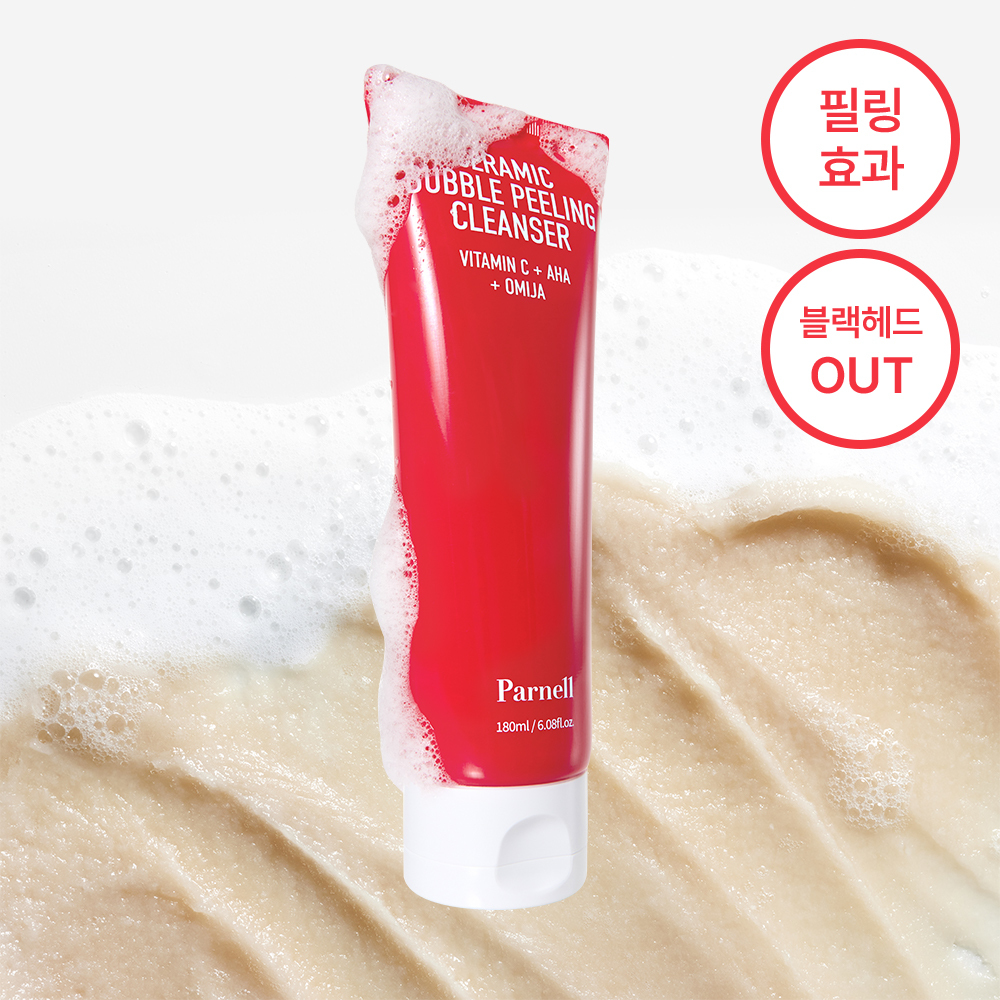
Ceramic Bubble Peeling Cleanser
Parnell
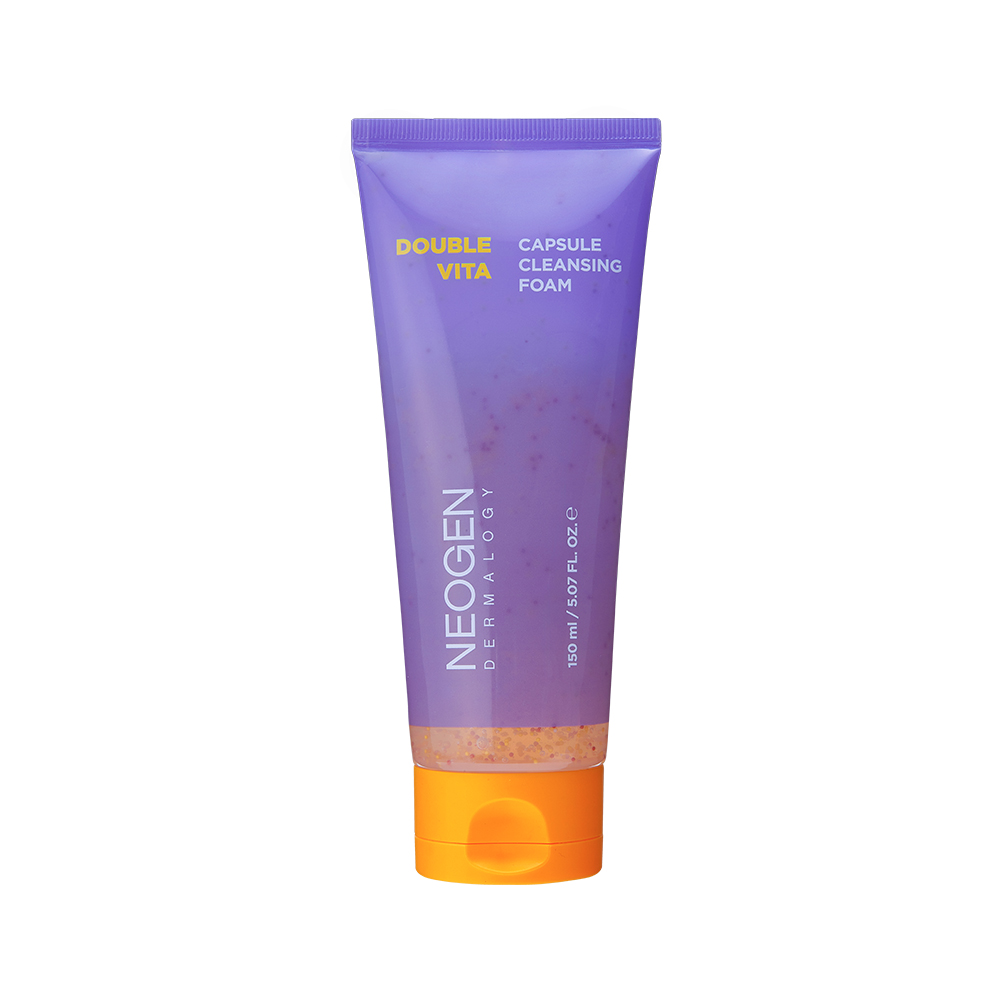
Double Vita Capsule Cleansing Foam
Neogen
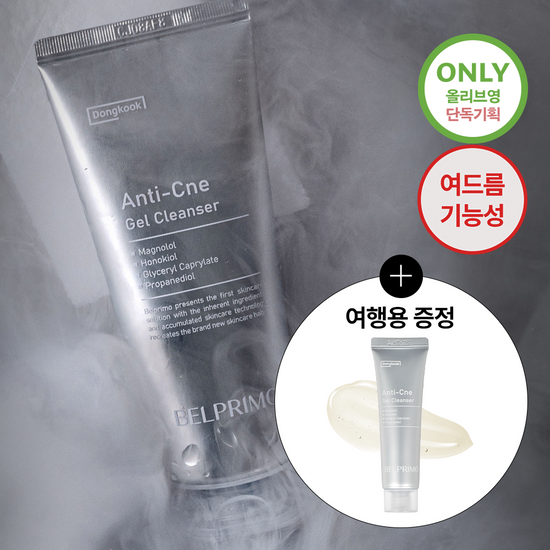
Anti-Cne Gel Cleanser
Beplain
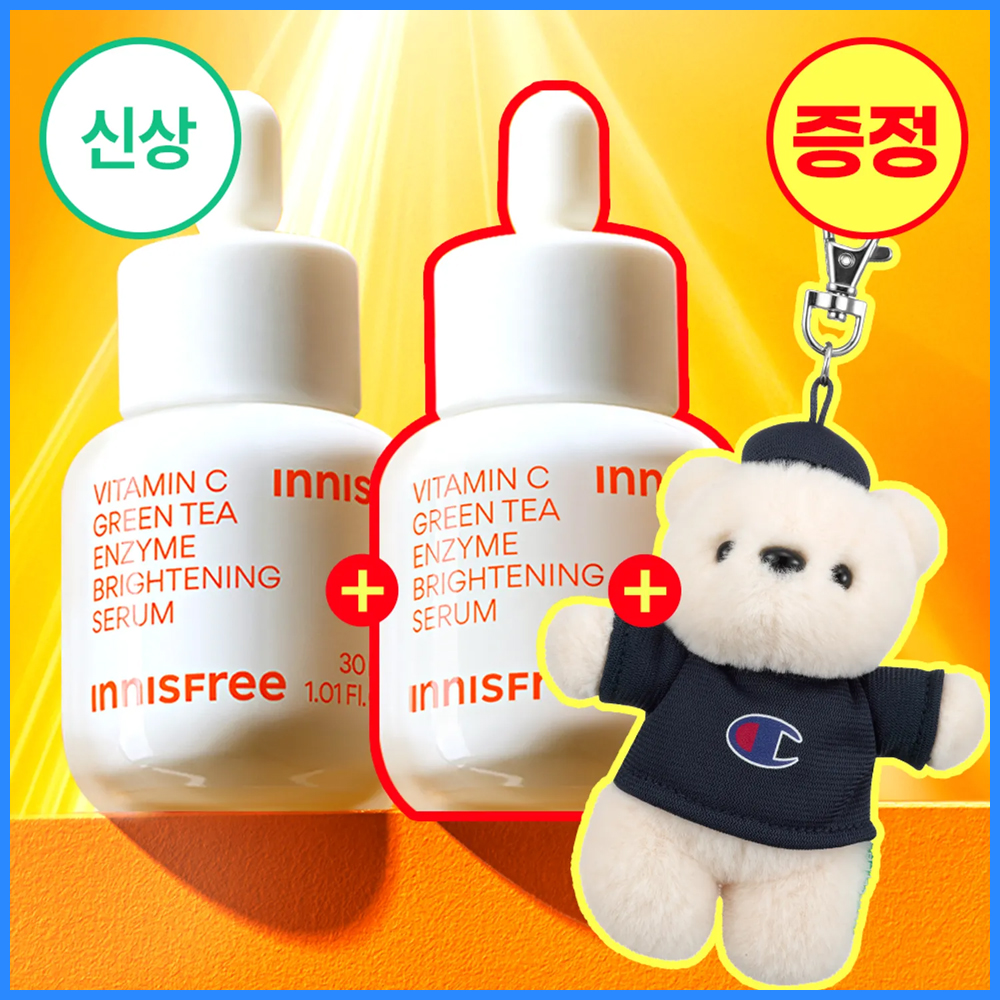
Vitamin C Green Tea Enzyme Brightening Serum
Innisfree
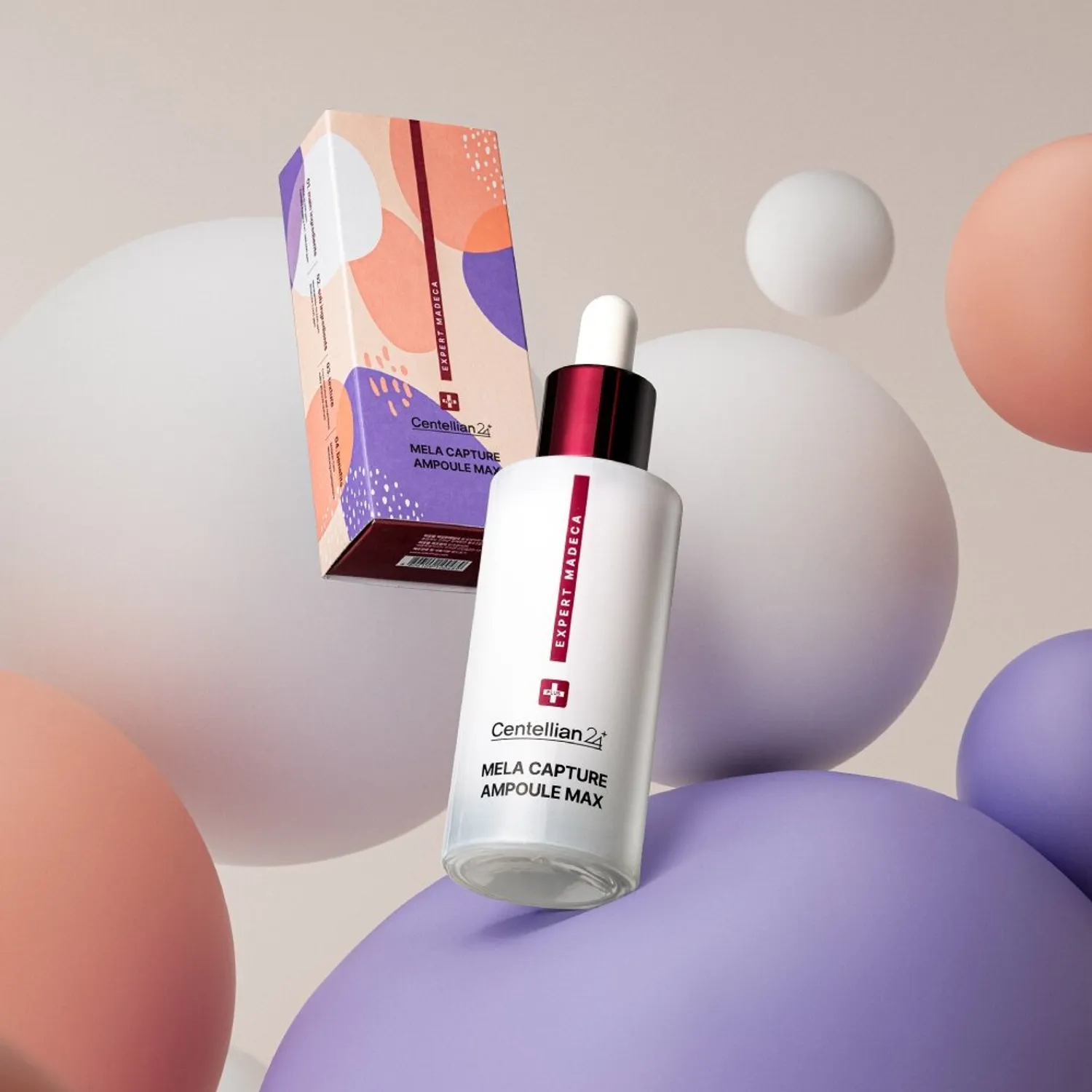
Expert Madeca Mela Capture Ampoule Max
Centellian24
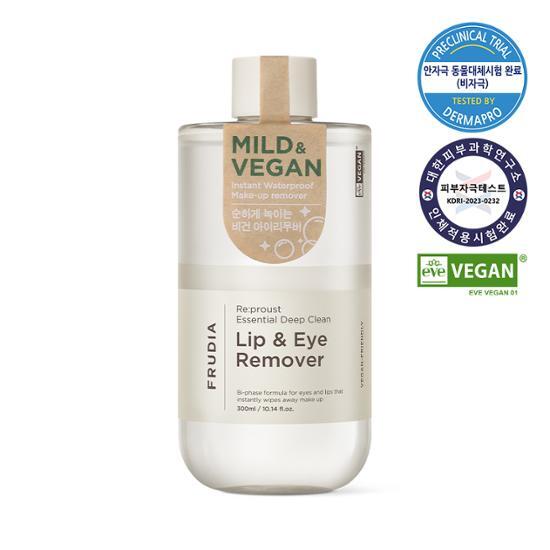
Re:proust Essential Deep Clean Lip & Eye Remover
Frudia
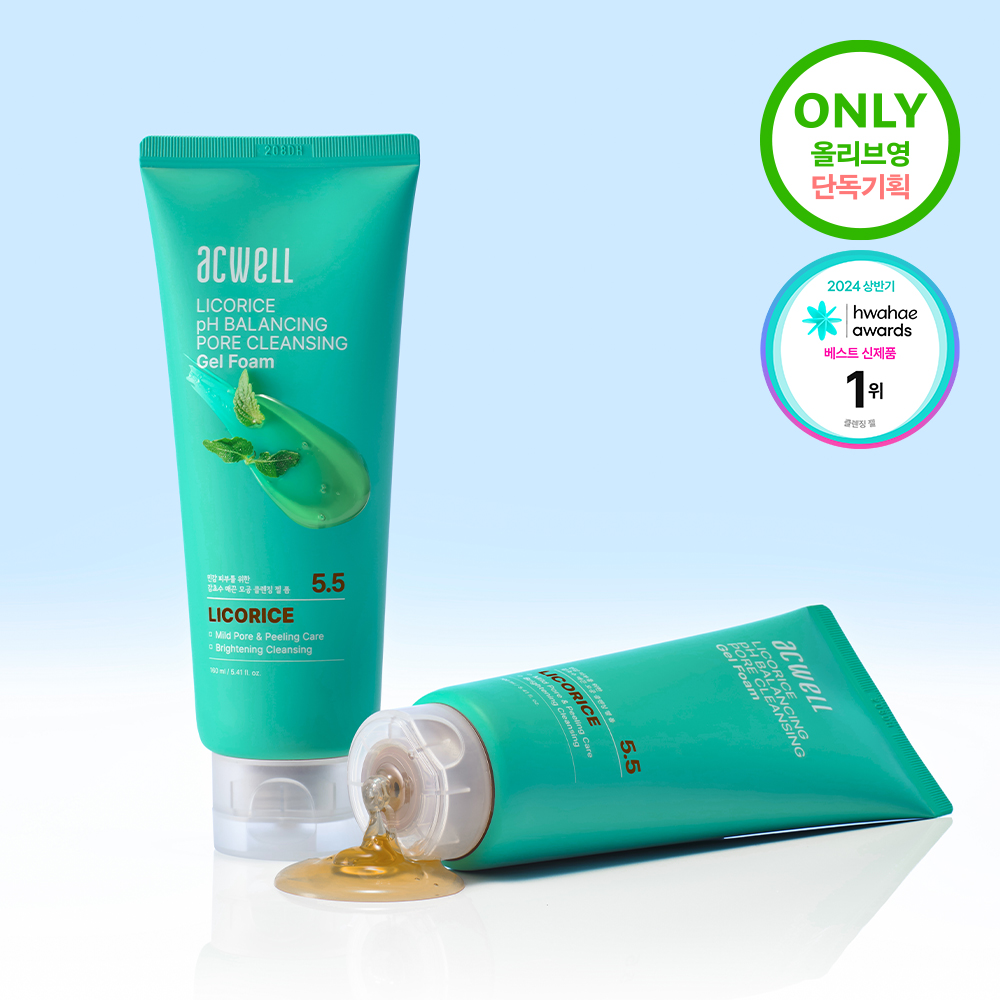
Licorice pH Balancing Pore Cleansing Gel Foam Double Set
Acwell
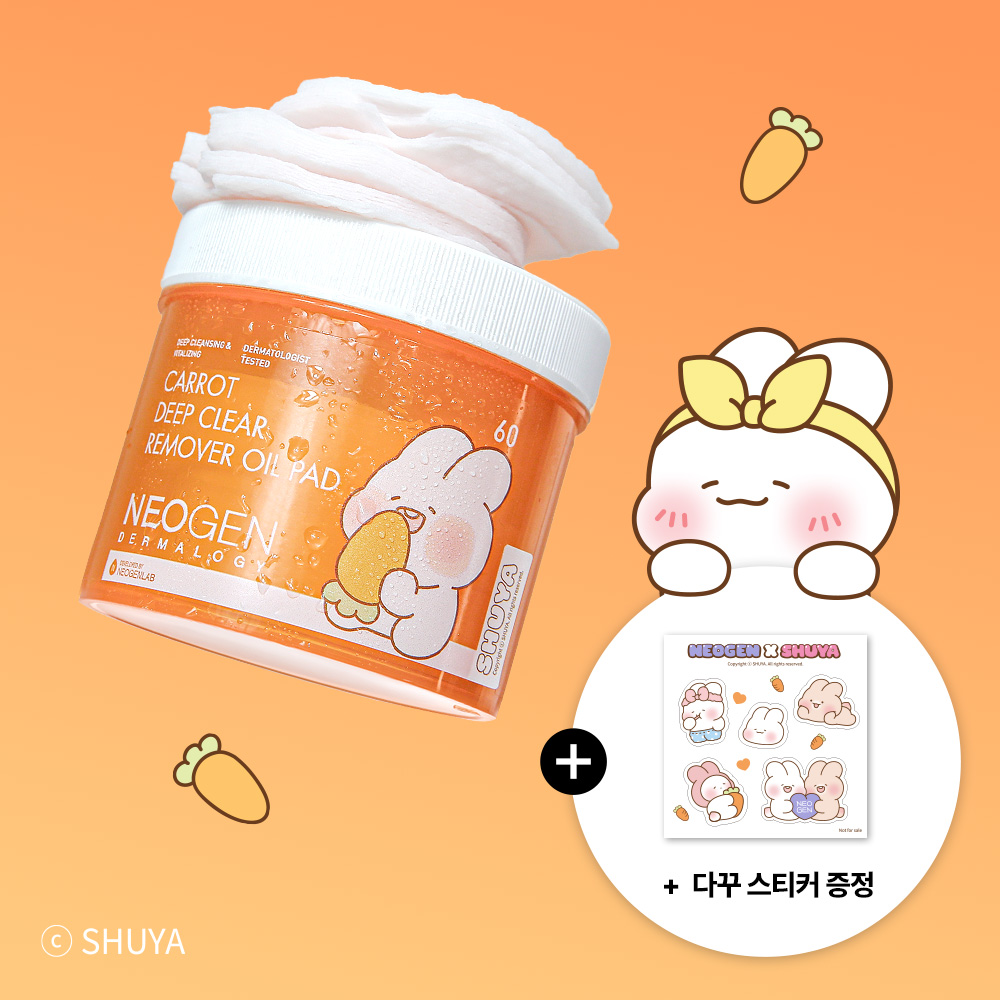
Dermalogy Carrot Deep Clear Remover Oil Pad
Neogen
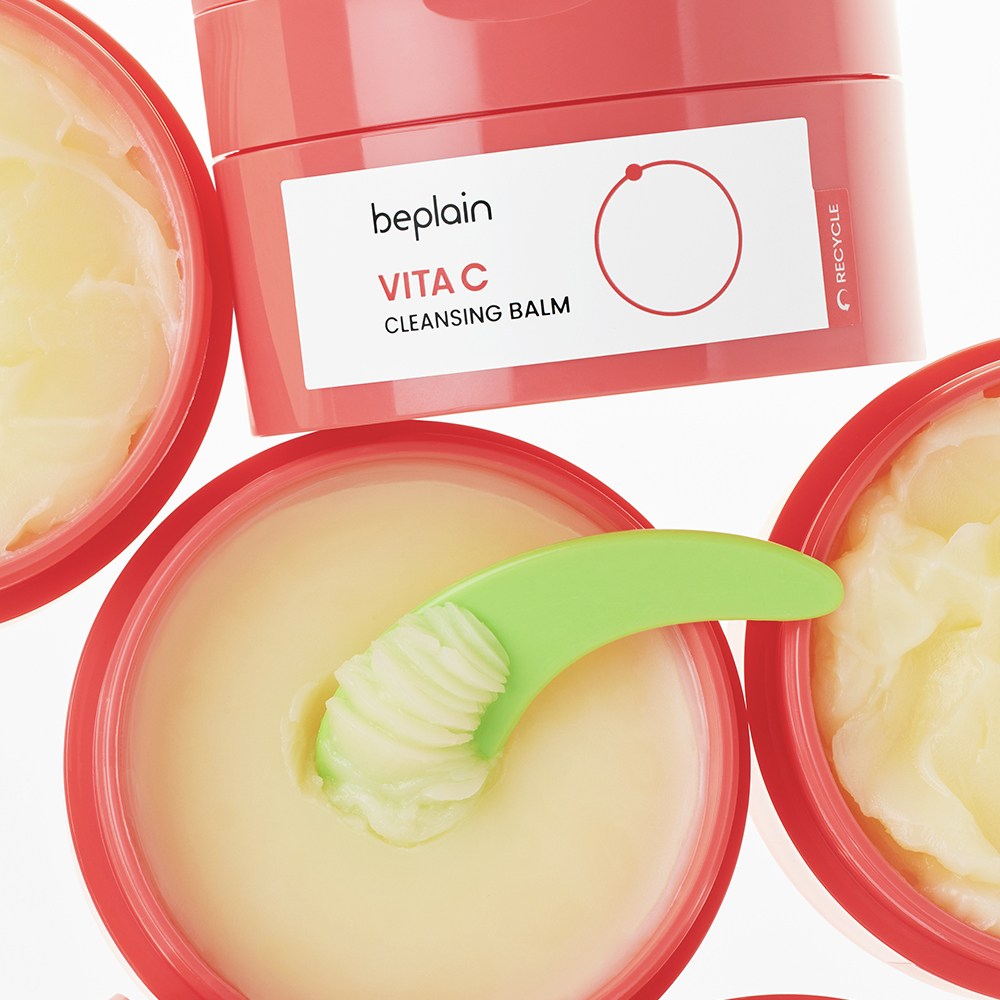
Vita C Cleansing Balm
Beplain
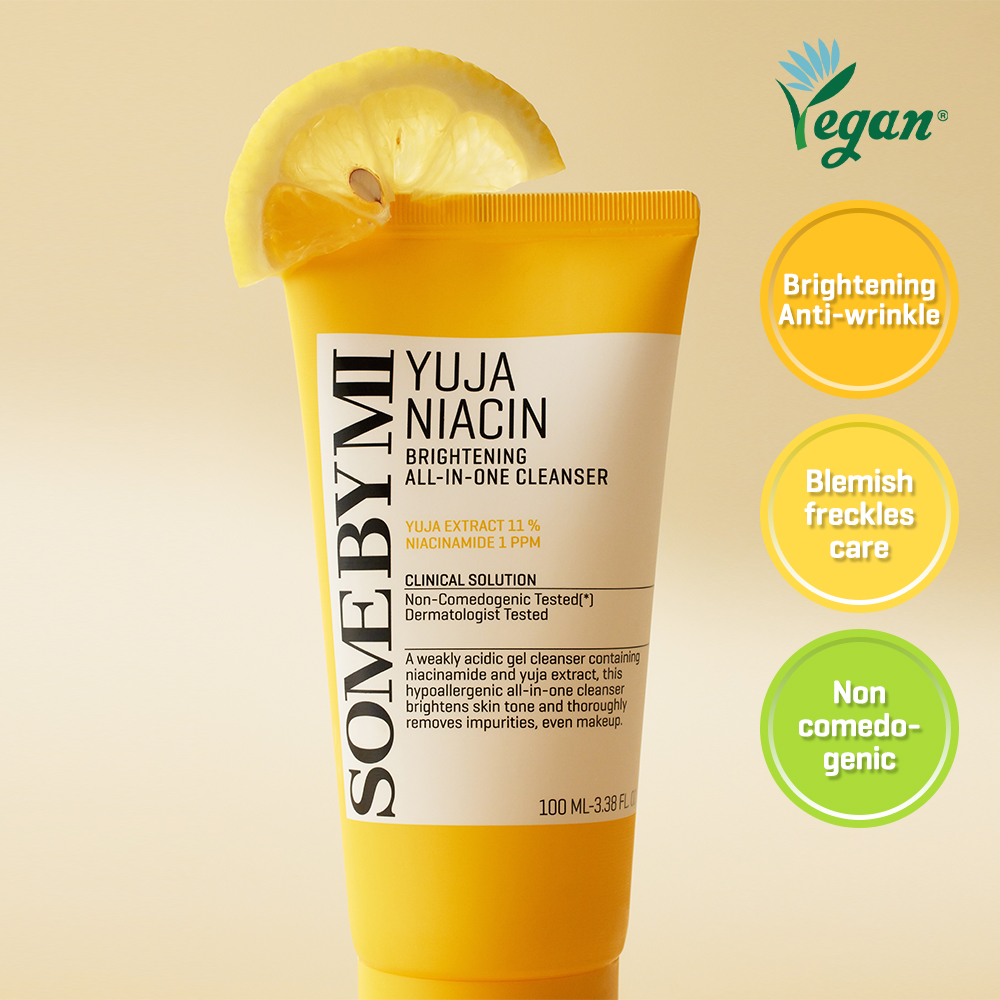
Yuja Niacin Brightening All In One Cleanser
Some By Mi
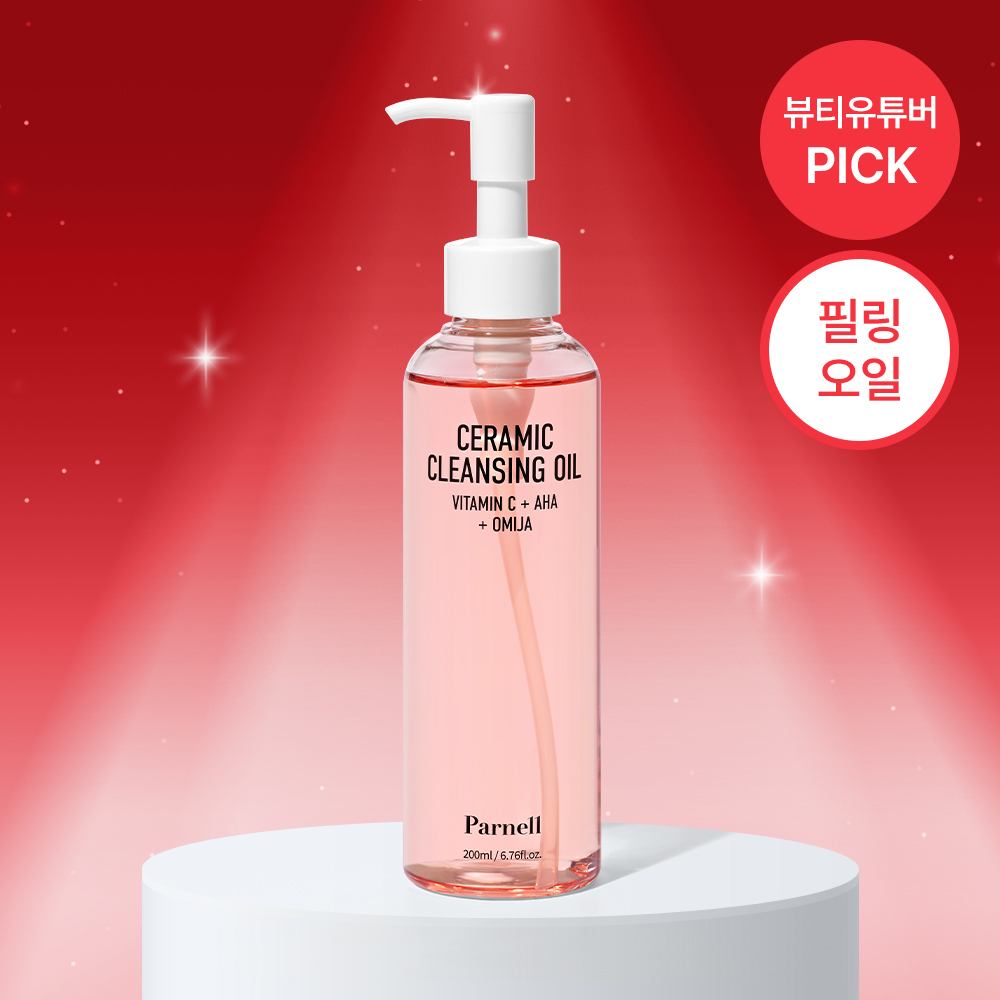
Ceramic Cleansing Oil
Parnell
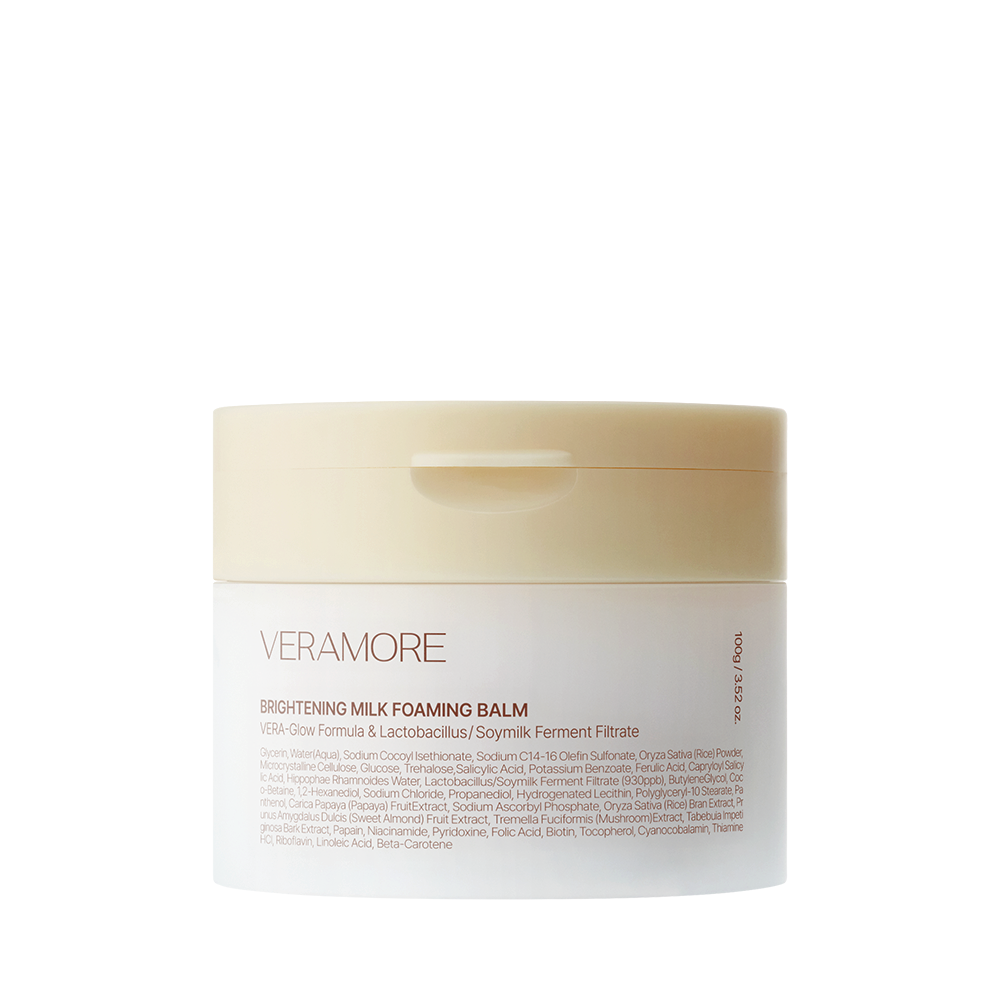
Veramore Brightening Milk Foaming Balm
Banila Co
Frequently Asked Questions
Can vitamin B2 cause skin to turn yellow?▼
Is vitamin B2 better than niacinamide for skin?▼
How long does it take to see results from vitamin B2 in skincare?▼
Can I use vitamin B2 products if I'm pregnant or breastfeeding?▼
Does vitamin B2 help with acne?▼
Explore More
Want personalized ingredient advice?
Yuri, our AI beauty advisor, can tell you how Vitamin B2 works with your specific skin type, routine, and concerns.
Ask Yuri, free