Sake (Rice Ferment Filtrate)
INCI: Rice Ferment Filtrate (Sake)
Hydrating and brightening fermented ingredient
About Sake (Rice Ferment Filtrate)
Sake, or rice ferment filtrate, is a traditional Japanese and Korean skincare ingredient derived from the fermentation of rice. This clear liquid is a byproduct of sake brewing and has been used for centuries in East Asian beauty rituals. The ingredient gained prominence when sake brewers noticed their hands remained remarkably soft and youthful despite constant exposure to water and harsh conditions. Today, sake is prized in K-beauty for its dual hydrating and brightening properties, packed with amino acids, enzymes, vitamins, and organic acids that work synergistically to improve skin texture and tone. The fermentation process breaks down rice into smaller molecular components, making nutrients more bioavailable and easier for skin to absorb. Rice ferment filtrate contains kojic acid, a natural byproduct of fermentation known for inhibiting melanin production, alongside alpha-hydroxy acids that gently exfoliate dead skin cells. With 40 products featuring this ingredient on Seoul Sister, sake has become a staple in cleansers and treatments where its gentle yet effective nature shines. The ingredient's non-comedogenic profile (0/5 rating) makes it universally appealing, while its fermented nature adds probiotic benefits that support the skin's natural microbiome. Found in top-rated products like Papa Recipe's Tea Tree Control Enzyme Powder Cleanser (5.0/5) and Skinfood's Black Sugar cleansing line (4.9/5), sake demonstrates consistent performance across various formulations.
How Sake (Rice Ferment Filtrate) Works
The magic of sake lies in its fermentation process, where enzymes produced by Aspergillus oryzae (koji mold) break down rice starches into simpler compounds. This creates a rich cocktail of over 20 amino acids, including glycine and serine, which act as natural moisturizing factors (NMFs) that bind water to the skin's surface. The fermentation also produces kojic acid, which inhibits tyrosinase, the enzyme responsible for melanin synthesis, leading to visible brightening effects over time. Alpha-hydroxy acids present in sake, particularly lactic acid, work at the stratum corneum to dissolve the bonds between dead skin cells, promoting gentle exfoliation without harsh scrubbing. The smaller molecular size of fermented compounds means they penetrate deeper into the epidermis, delivering hydration and nutrients where they're needed most. Sake also contains ferulic acid and other antioxidants that neutralize free radicals and protect against environmental stressors. The probiotic metabolites from fermentation support skin barrier function by maintaining a healthy pH and encouraging beneficial bacteria. This multi-pronged approach addresses hydration, brightness, texture, and protection simultaneously, explaining why sake performs so well across different product categories and formulations.
Sake (Rice Ferment Filtrate) by Skin Type
Oily Skin
Sake is excellent for oily skin because it provides lightweight hydration without adding heaviness or clogging pores (0/5 comedogenic rating). The gentle enzymatic exfoliation helps control excess sebum buildup and keeps pores clear, while the amino acids maintain moisture balance so skin doesn't overproduce oil to compensate for dehydration.
Dry Skin
The amino acid profile in sake makes it particularly beneficial for dry skin, as these compounds mimic the skin's natural moisturizing factors. Rice ferment filtrate attracts and binds water to the skin, providing deep hydration that lasts, while the gentle exfoliating properties remove flaky patches without irritation. The nourishing vitamins and minerals also support barrier repair.
Combo Skin
Combination skin benefits from sake's balancing properties, as it hydrates dry zones without overwhelming oily areas. The lightweight texture absorbs quickly, and the gentle exfoliation helps normalize skin texture across different zones. Products like Papa Recipe's enzyme cleansers (5.0/5 and 4.9/5 ratings) demonstrate how sake works effectively across mixed skin concerns.
Sensitive Skin
Sake is generally well-tolerated by sensitive skin due to its natural origin and gentle action. The fermentation process creates soothing compounds that calm irritation, while the hydrating properties strengthen the barrier. However, those with severe sensitivities should patch test, as the mild AHA content and enzymatic activity could cause reactions in extremely reactive skin.
Normal Skin
Normal skin thrives with sake as a maintenance ingredient that enhances natural radiance and prevents common concerns before they start. The brightening effects keep skin looking luminous, while the hydration maintains suppleness. Regular use helps preserve skin's balanced state and delays visible signs of aging through antioxidant protection.
How to Use Sake (Rice Ferment Filtrate)
- 1Look for sake in cleansers and exfoliating products where its gentle enzymatic action works best, as seen in top-rated formulas like Papa Recipe's enzyme powder cleansers.
- 2Use sake-containing products in your morning routine to benefit from antioxidant protection throughout the day, or at night when skin is most receptive to brightening ingredients.
- 3Pair sake with other hydrating ingredients like hyaluronic acid or glycerin to maximize moisture retention, as the amino acids work synergistically with humectants.
- 4If using sake products with exfoliating properties, start with 2-3 times per week and increase frequency as your skin adapts, always following with SPF during the day since AHAs can increase sun sensitivity.
Background
Sake's journey into skincare began in the sake breweries of Japan and Korea, where workers' hands remained notably soft, smooth, and youthful despite decades of work. This observation led to investigations revealing that the rice fermentation liquid contained powerful skin-benefiting compounds. Traditional geishas in Japan were known to use sake in their beauty rituals, applying it to achieve the luminous, porcelain complexion that became their trademark. The ingredient crossed from traditional folk remedy into modern cosmetics in the 1980s when Japanese and Korean skincare companies began studying fermentation technology seriously. K-beauty brands embraced sake as part of the broader fermented skincare movement, which includes ingredients like galactomyces and bifida ferment. Today, sake represents the perfect marriage of traditional wisdom and modern science, with its presence in 40 products on Seoul Sister showing its enduring relevance in contemporary K-beauty formulations.
K-Beauty Products with Sake (Rice Ferment Filtrate)
View all 45 →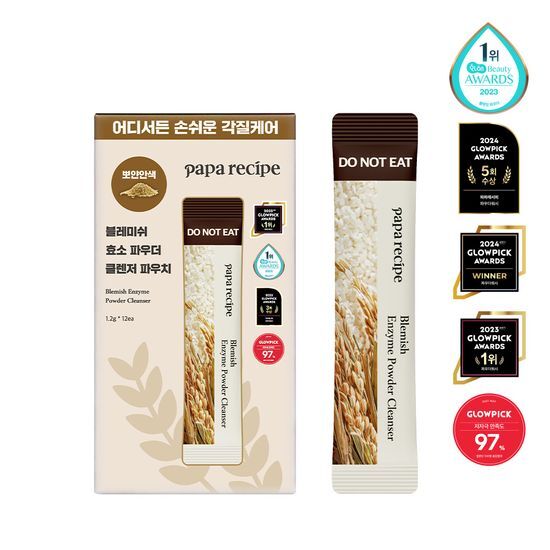
Blemish Enzyme Powder Cleanser Pouch
Papa Recipe
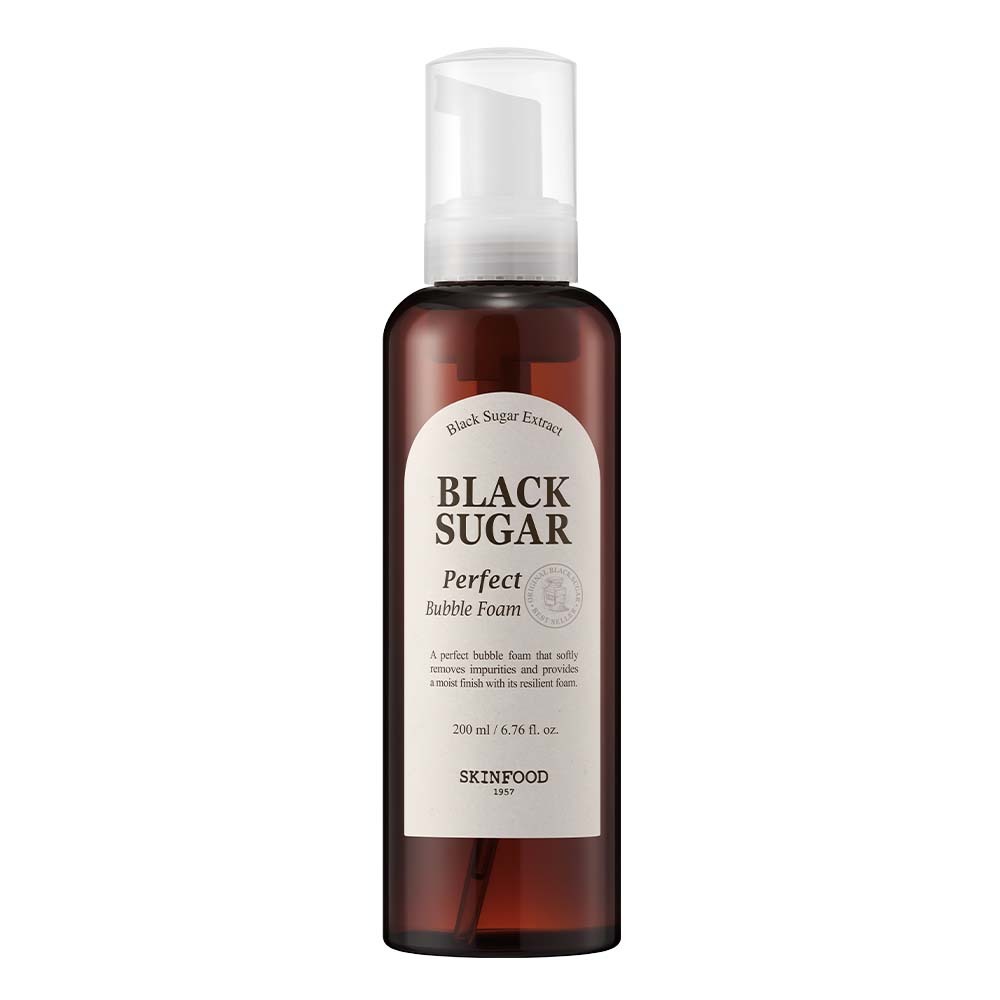
Black Sugar Perfect Bubble Foam
Skinfood

Madeca Matcha Toning Peeling Gel
Centellian24
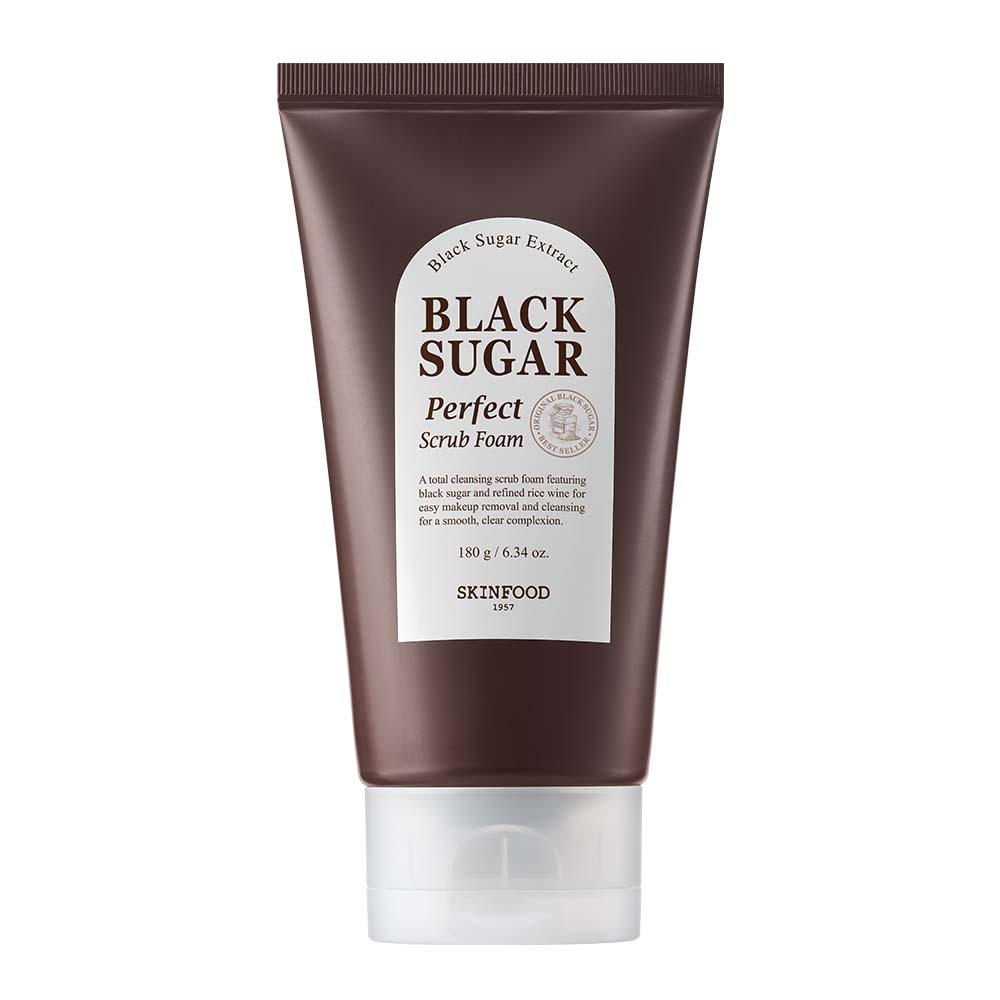
Black Sugar Perfect Scrub Foam
Skinfood
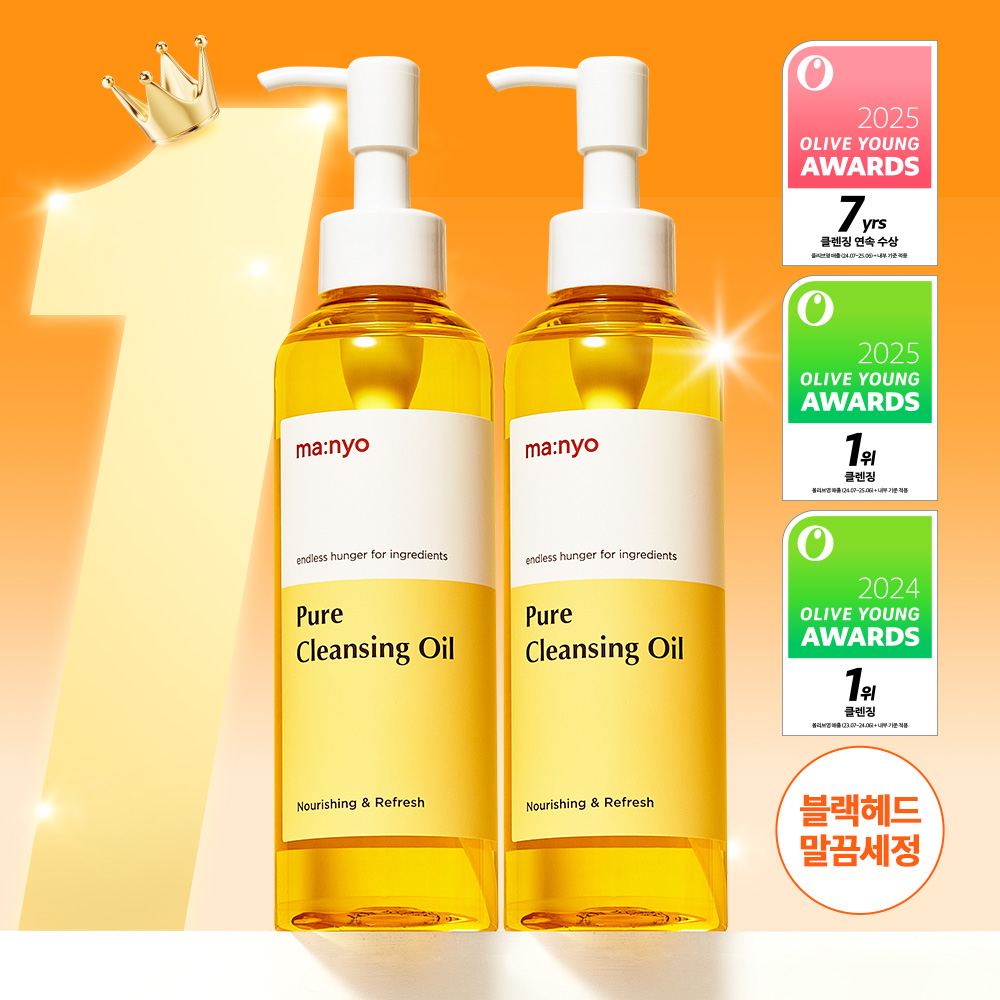
Pure Cleansing Oil Double Pack
ma:nyo
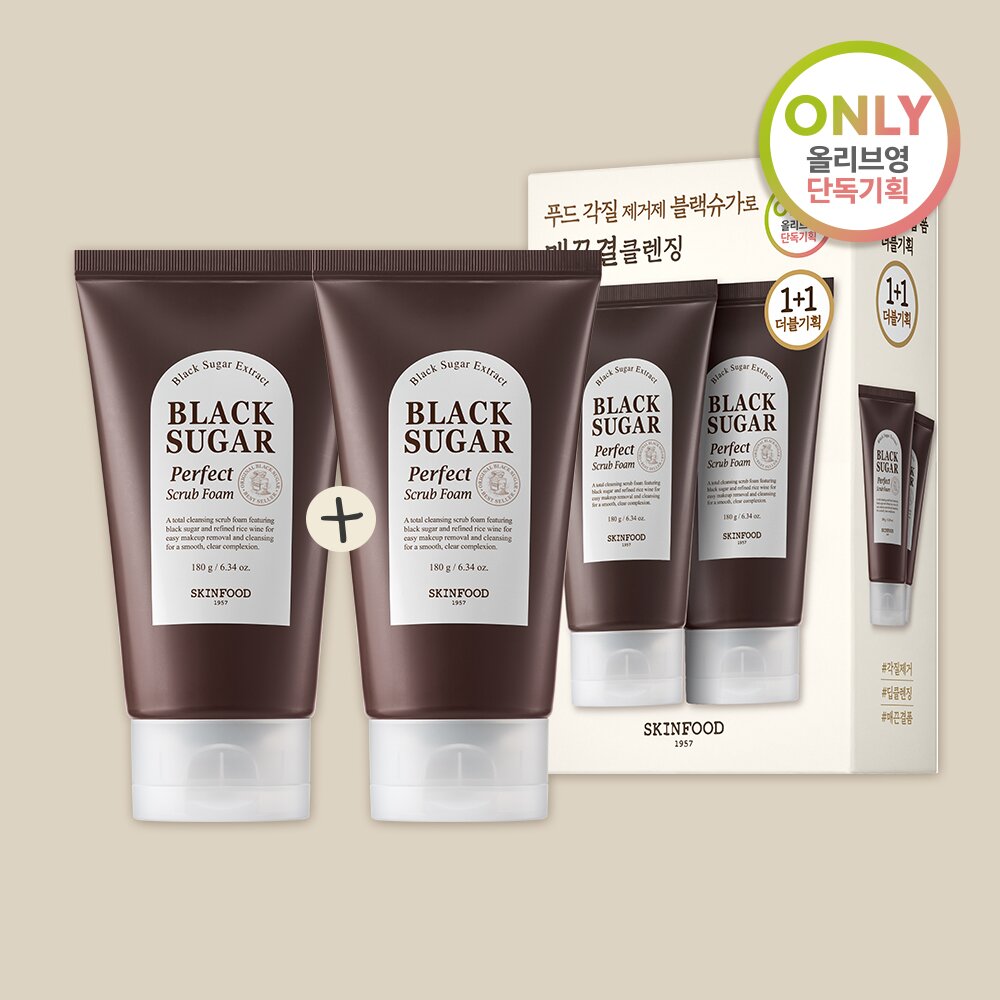
Black Sugar Perfect Scrub Foam Double Set
Skinfood

Pure Cleansing Oil
ma:nyo
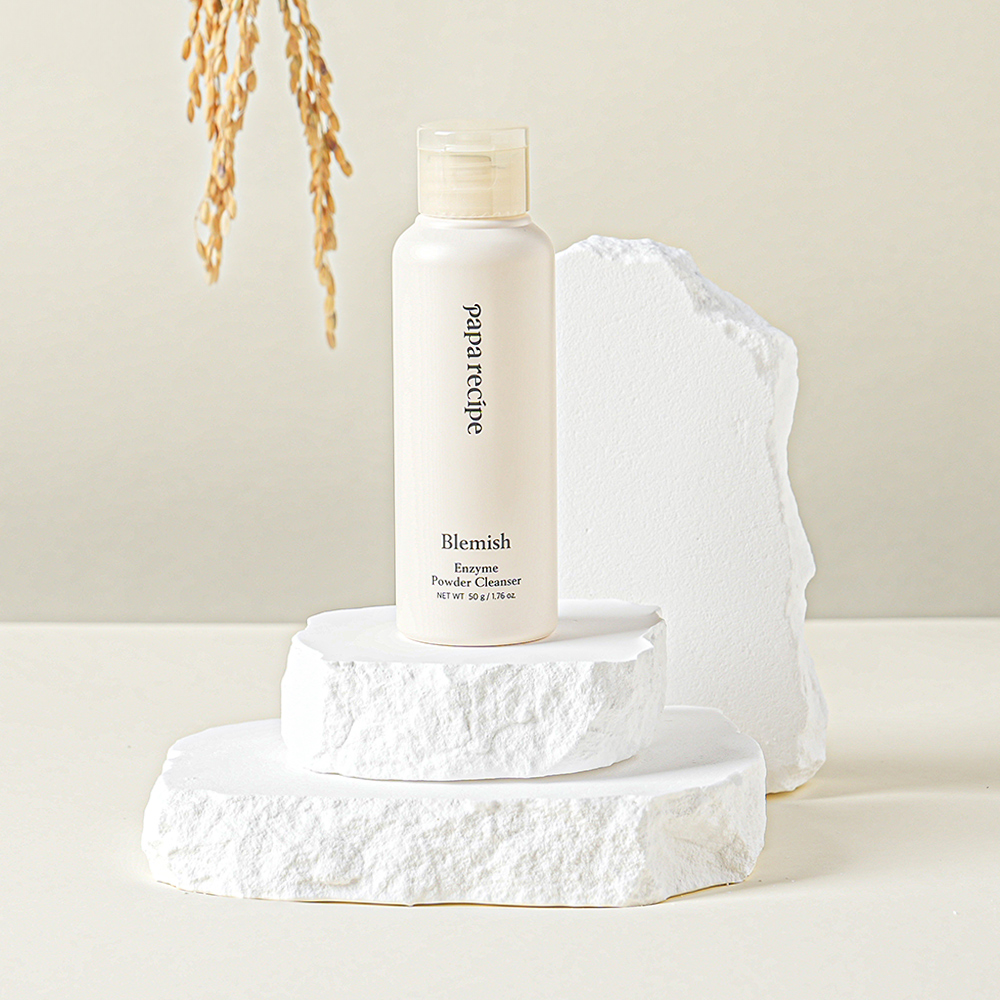
Blemish Enzyme Powder Cleanser
Papa Recipe
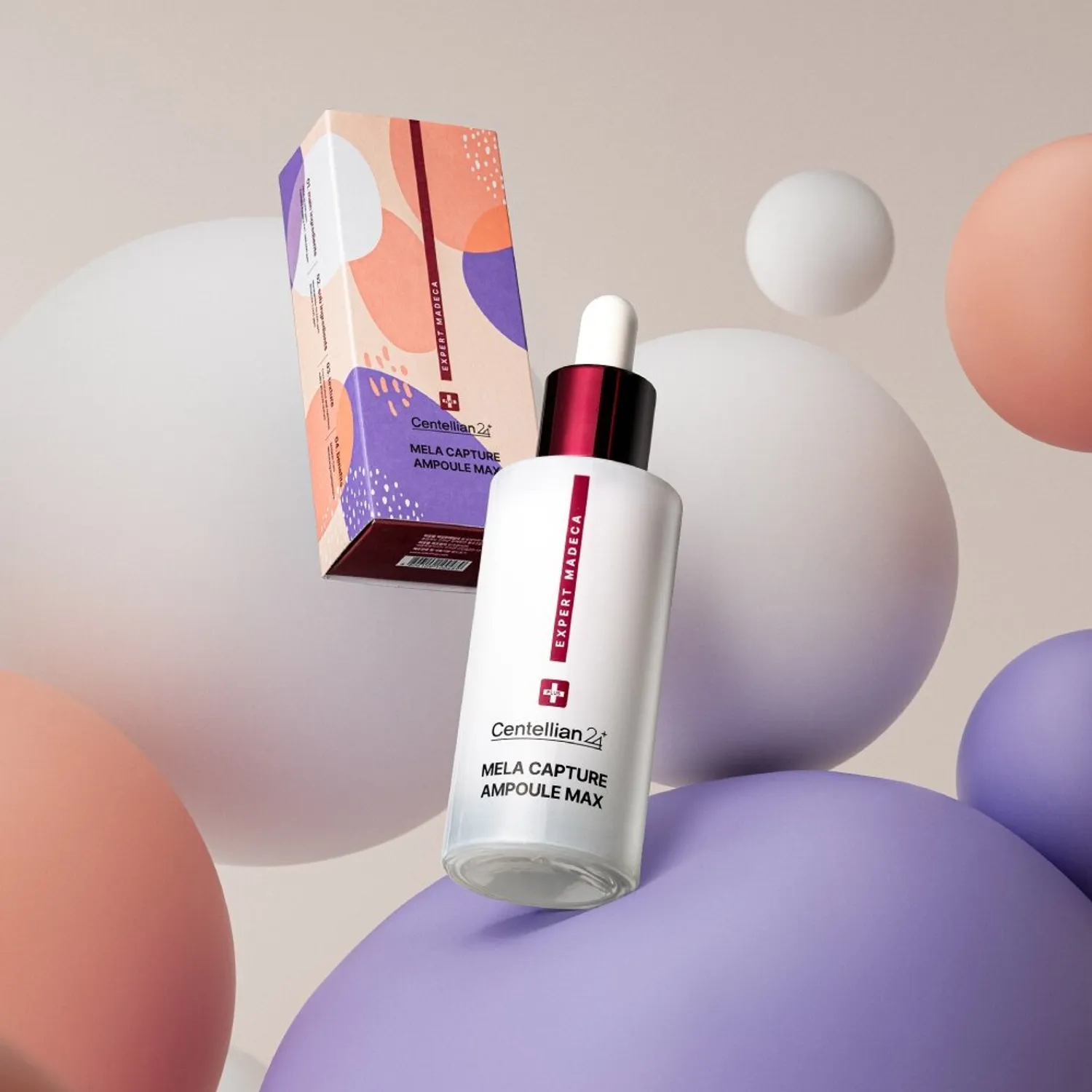
Expert Madeca Mela Capture Ampoule Max
Centellian24
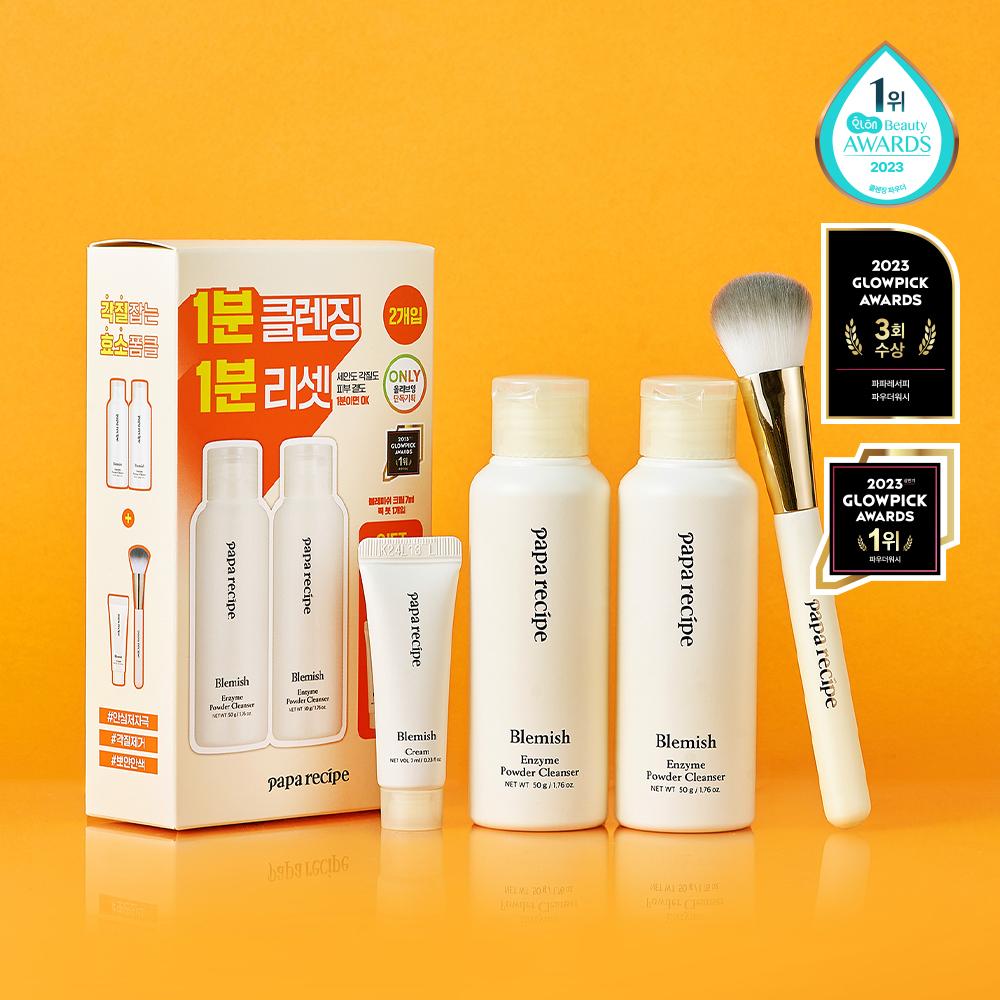
Blemish Enzyme Powder Cleanser Double Pack
Papa Recipe
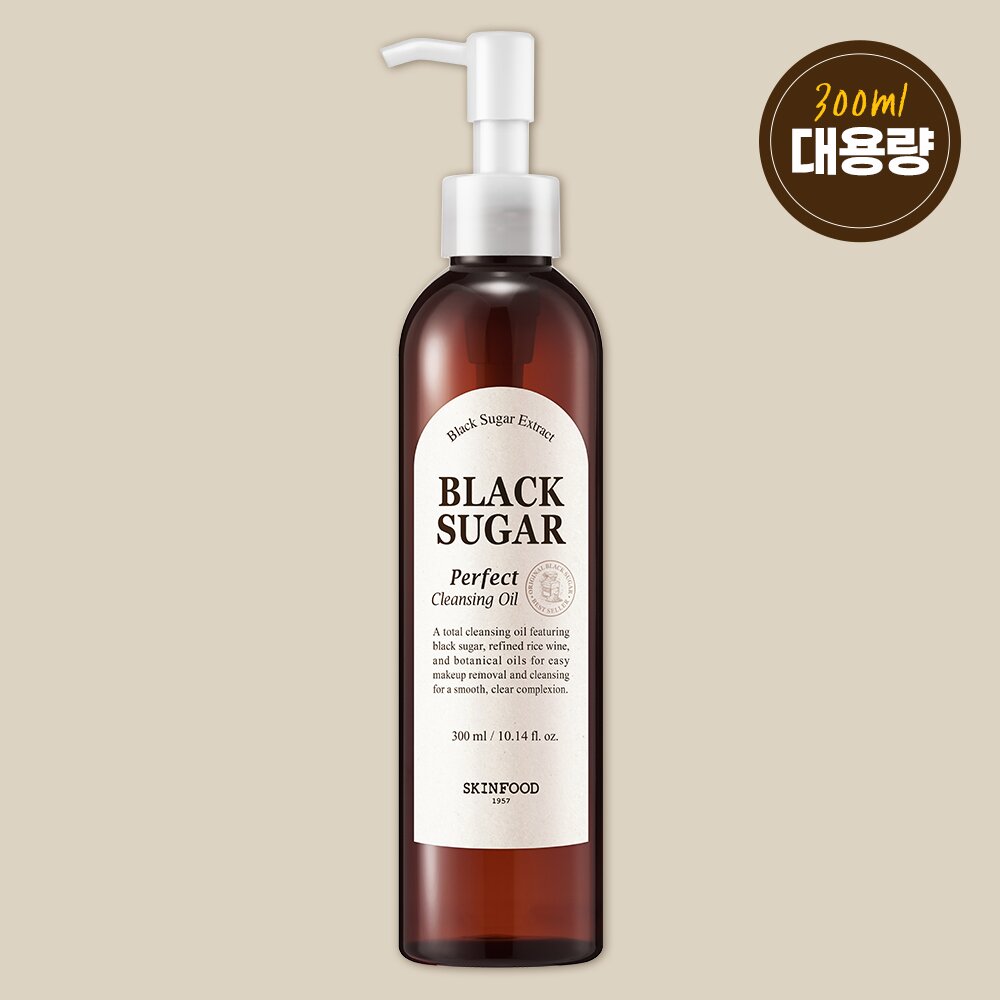
Black Sugar Perfect Cleansing Oil Large Size Special Set
Skinfood
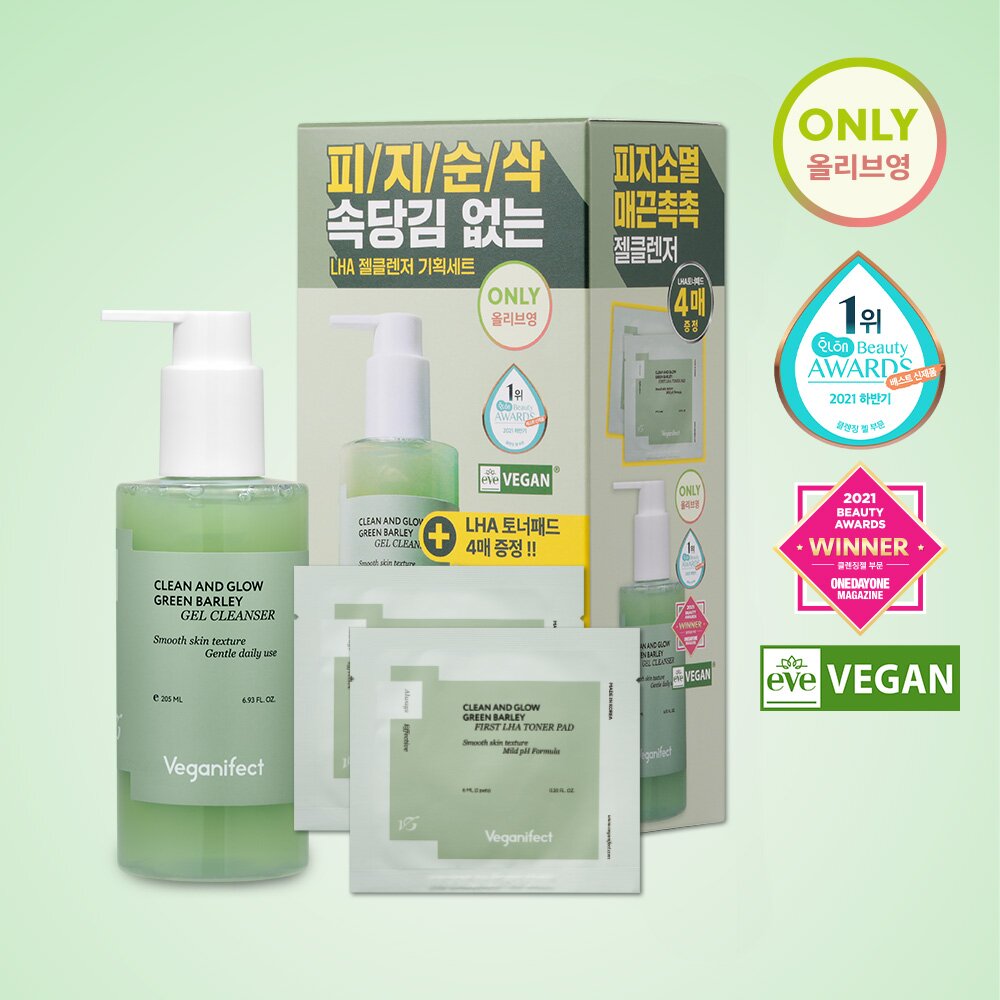
Clean & Glow Green Barley LHA Gel Cleanser
Beplain
Frequently Asked Questions
Is sake in skincare the same as the alcoholic drink?▼
How long does it take to see brightening results from sake?▼
Can I use sake products if I'm sensitive to alcohol in skincare?▼
Why is sake rated 0/5 for comedogenicity?▼
Explore More
Want personalized ingredient advice?
Yuri, our AI beauty advisor, can tell you how Sake (Rice Ferment Filtrate) works with your specific skin type, routine, and concerns.
Ask Yuri, free