Rose Oil
INCI: Rosa Damascena Flower Oil
Fragrant botanical oil with skin conditioning properties
About Rose Oil
Rose oil, derived from the petals of Rosa damascena (Damask rose), is a luxurious botanical ingredient prized in K-beauty for its dual role as a fragrant sensorial element and a functional skin conditioner. While often categorized primarily as a fragrance component, rose oil contains bioactive compounds including citronellol, geraniol, and phenethyl alcohol that offer genuine skincare benefits beyond scent. In Korean formulations, rose oil appears in premium products where it contributes to skin barrier support, temporary soothing effects, and an elevated user experience. With a low comedogenic rating of 1/5, it rarely clogs pores, making it surprisingly versatile across different product types. The ingredient's moderate safety rating of 3/5 reflects its potential to cause sensitivity in some users, primarily due to its naturally occurring fragrant compounds. Found in 89 K-beauty products on Seoul Sister, rose oil bridges the gap between efficacy and sensory pleasure, a hallmark of Korean skincare philosophy that views the ritual of application as inseparable from results. It appears in everything from cleansers to advanced serums, often paired with cutting-edge actives like PDRN in products from brands like Mediheal and Real Barrier, demonstrating how K-beauty successfully integrates traditional botanical wisdom with modern dermatological science.
How Rose Oil Works
Rose oil functions through multiple pathways at the cellular level. Its lipophilic (fat-loving) nature allows it to integrate into the skin's lipid barrier, temporarily reinforcing the stratum corneum and reducing transepidermal water loss. The phenolic compounds in rose oil exhibit mild antioxidant activity, helping neutralize free radicals that contribute to premature aging. Citronellol and geraniol, two primary constituents, interact with skin cell receptors in ways that can modulate inflammatory responses, though this effect is relatively modest compared to dedicated anti-inflammatory actives. The oil's emollient properties come from its fatty acid profile, which includes palmitic and stearic acids that soften and condition the skin surface. At a sensory level, the aromatic molecules in rose oil can influence the limbic system through olfactory pathways, potentially affecting stress responses that indirectly impact skin health (the skin-brain axis). However, it's these same aromatic compounds that can trigger sensitivity in reactive skin types, as they may be recognized as foreign by immune cells in susceptible individuals.
Rose Oil by Skin Type
Oily Skin
Rose oil works surprisingly well for oily skin despite being an oil, thanks to its low comedogenic rating of 1/5. Its lightweight molecular structure means it absorbs without leaving a heavy residue, and it can actually help balance sebum production when used in well-formulated products. Look for it in cleansers and serums rather than heavy creams.
Dry Skin
This is where rose oil truly shines. Its emollient fatty acids directly address the lipid deficiency common in dry skin, while its barrier-supporting properties help lock in moisture. The conditioning effect is immediate and cumulative, making it ideal in creams and overnight treatments. Products like Mediheal's PDRN Lifting Derma Cream combine it with advanced actives for enhanced hydration.
Combo Skin
Rose oil is well-suited for combination skin because it provides moisture where needed without overwhelming oilier zones. Its non-comedogenic nature means it won't trigger breakouts in the T-zone, while still offering conditioning benefits to drier cheek areas. Layer it strategically or choose products where it's balanced with lightweight humectants.
Sensitive Skin
Use caution here. While rose oil has soothing properties, its fragrant compounds (citronellol, geraniol) are known sensitizers for reactive skin types. If you have a history of fragrance sensitivity, patch test first or avoid products where rose oil appears high on the ingredient list. Some people tolerate it well in rinse-off products but react to leave-on formulations.
Normal Skin
Rose oil is essentially a luxury bonus for normal skin, adding sensory pleasure and light conditioning without disrupting your skin's natural balance. It enhances the overall experience of your routine while providing antioxidant support and barrier maintenance. Normal skin types can enjoy rose oil across all product categories without concern.
How to Use Rose Oil
- 1If you have sensitive skin, introduce rose oil through rinse-off products (cleansers like Acnes For Men Perfect Foam Cleanser) before trying leave-on serums or creams.
- 2Rose oil pairs beautifully with advanced actives like PDRN and peptides (see Real Barrier PDRN Glow Repair Serum), where it softens the sensory experience without interfering with efficacy.
- 3For maximum benefits with minimal sensitivity risk, look for products where rose oil appears mid-to-lower on the ingredient list rather than as a primary component.
- 4Store rose oil-containing products away from direct sunlight and heat, as the delicate aromatic compounds can degrade and the oil can oxidize, reducing both scent quality and skin benefits.
- 5Layer rose oil products after water-based actives (like vitamin C or niacinamide) but before heavier occlusives to optimize absorption and barrier support.
Background
Rosa damascena, the Damask rose, originated in the Middle East and has been cultivated for over 2,500 years, with the ancient city of Damascus (modern-day Syria) being a historic center of rose cultivation. The steam distillation process for extracting rose oil was perfected in 10th-century Persia, making it one of the oldest known essential oils. It takes approximately 10,000 rose petals to produce just one 5ml bottle of pure rose otto (the steam-distilled form), explaining its historic status as a luxury ingredient. While rose has deep roots in Middle Eastern and European beauty traditions, K-beauty embraced it as part of a broader movement to validate traditional botanicals through modern formulation science. Korean brands distinguished themselves by using rose oil not as the hero ingredient but as a sophisticated supporting player that enhances product sensoriality while complementing more potent actives. This approach reflects K-beauty's philosophy that skincare should deliver both measurable results and ritualistic pleasure, with rose oil serving as the bridge between efficacy and experience.
K-Beauty Products with Rose Oil
View all 96 →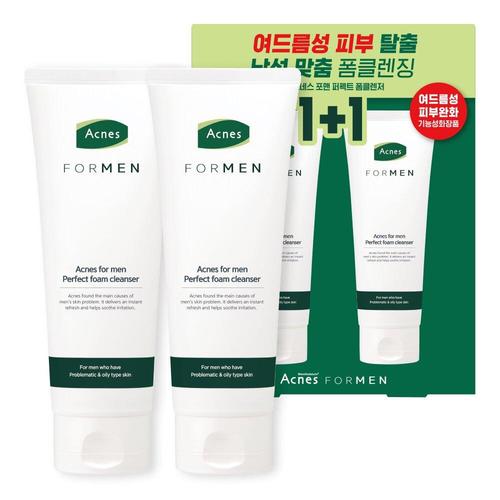
For Men Perfect Foam Cleanser
Acnes
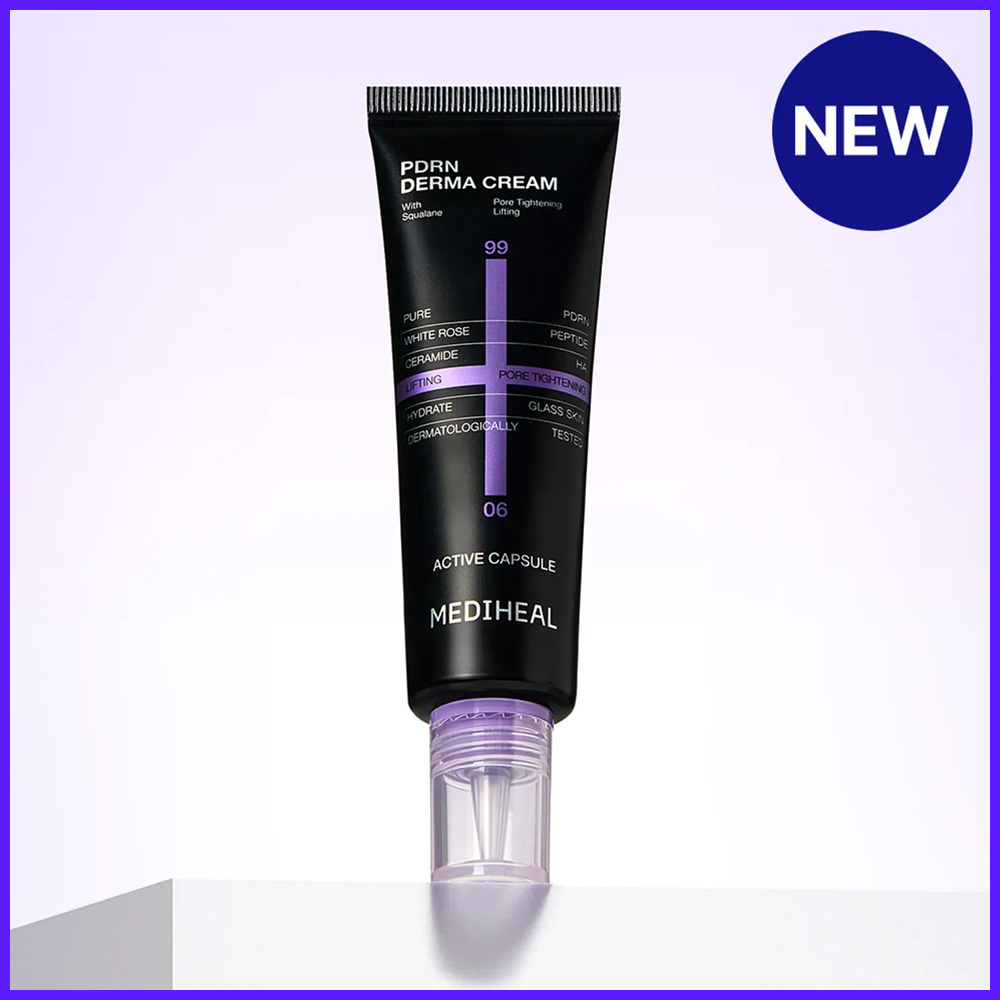
PDRN Lifting Derma Cream
Mediheal
PDRN Cream
Mediheal

Pure Cleansing Tissue
ma:nyo
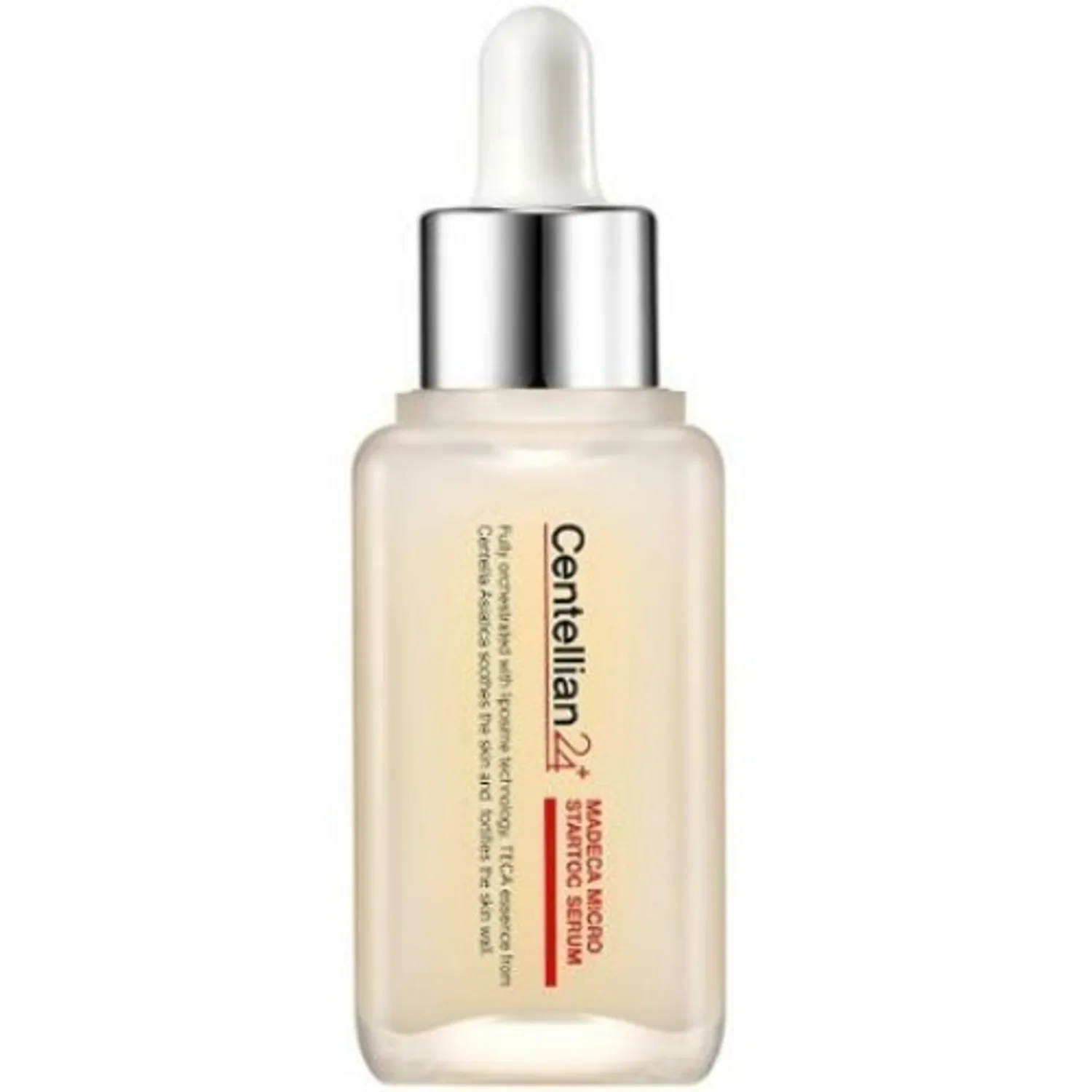
Madeca Micro Startoc Serum
Centellian24
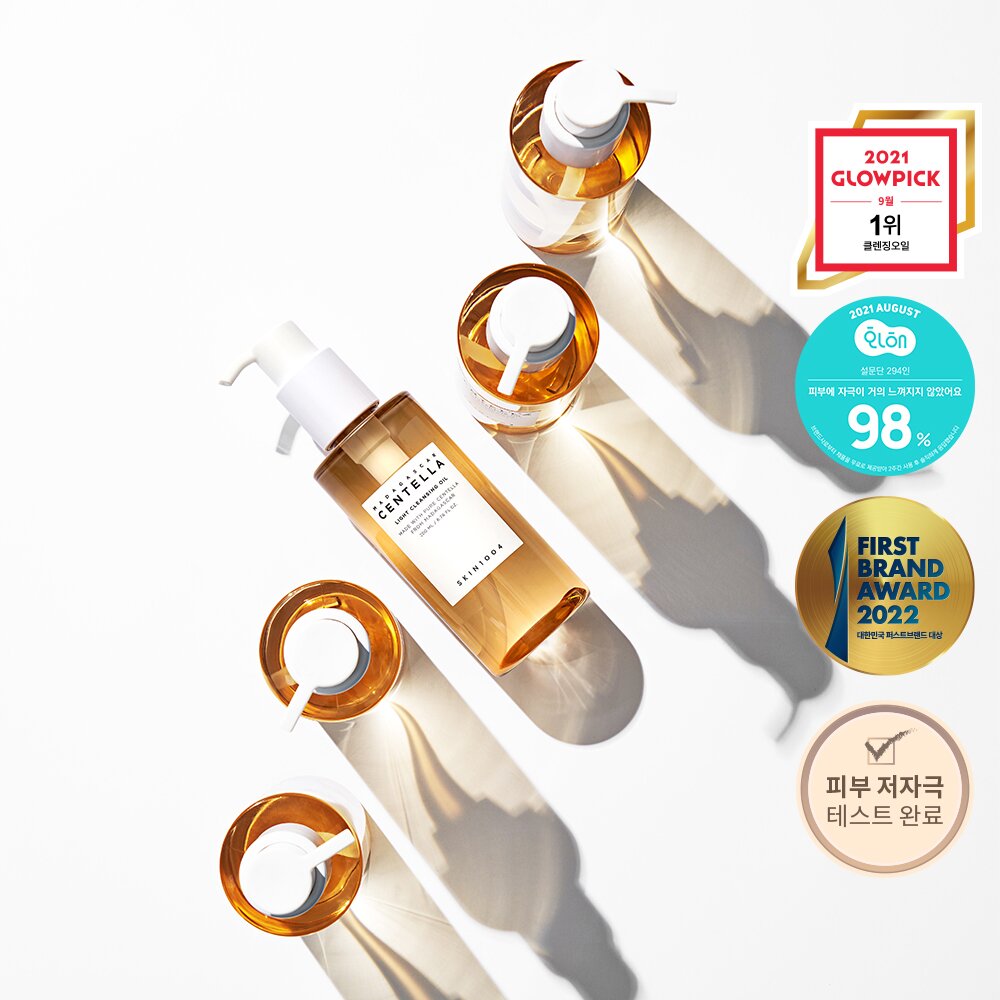
Madagascar Centella Light Cleansing Oil
SKIN1004

Pure & Deep Cleansing Foam Double Pack
ma:nyo
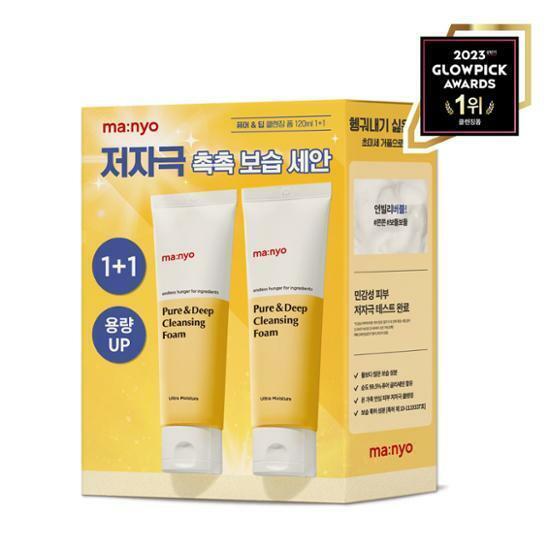
Pure & Deep Cleansing Foam
ma:nyo
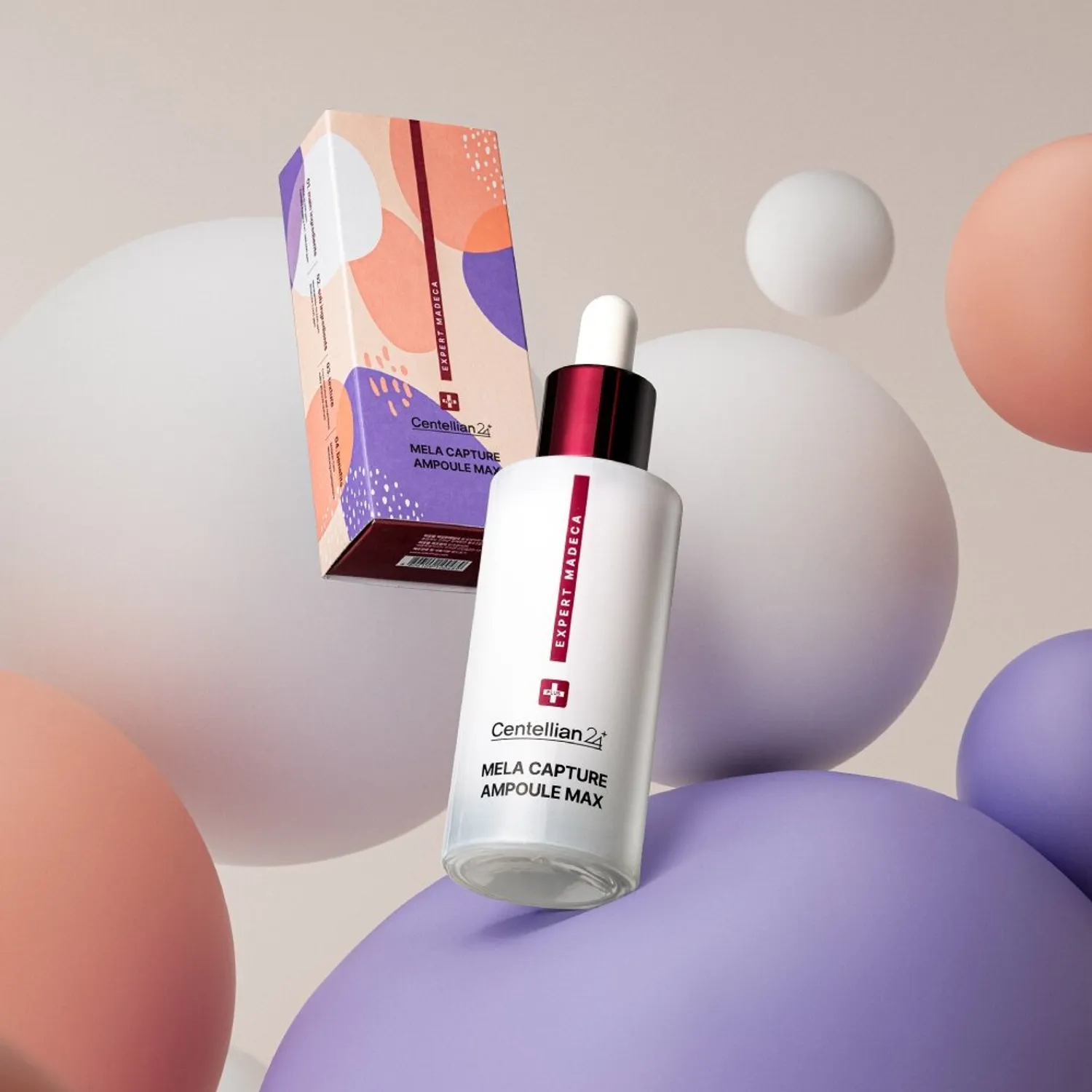
Expert Madeca Mela Capture Ampoule Max
Centellian24
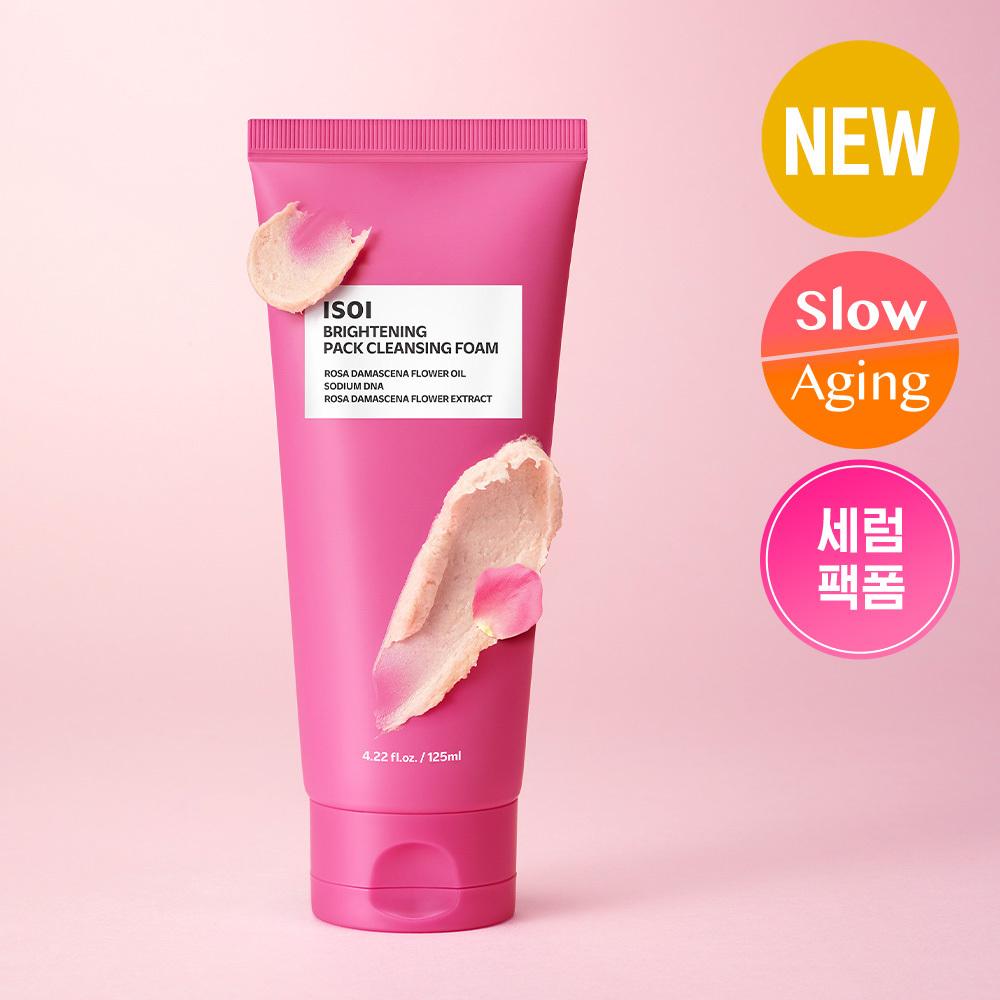
Brightening Pack Cleansing Foam
Isoi

Power 10 Formula LI Effector Firefighter
It's Skin
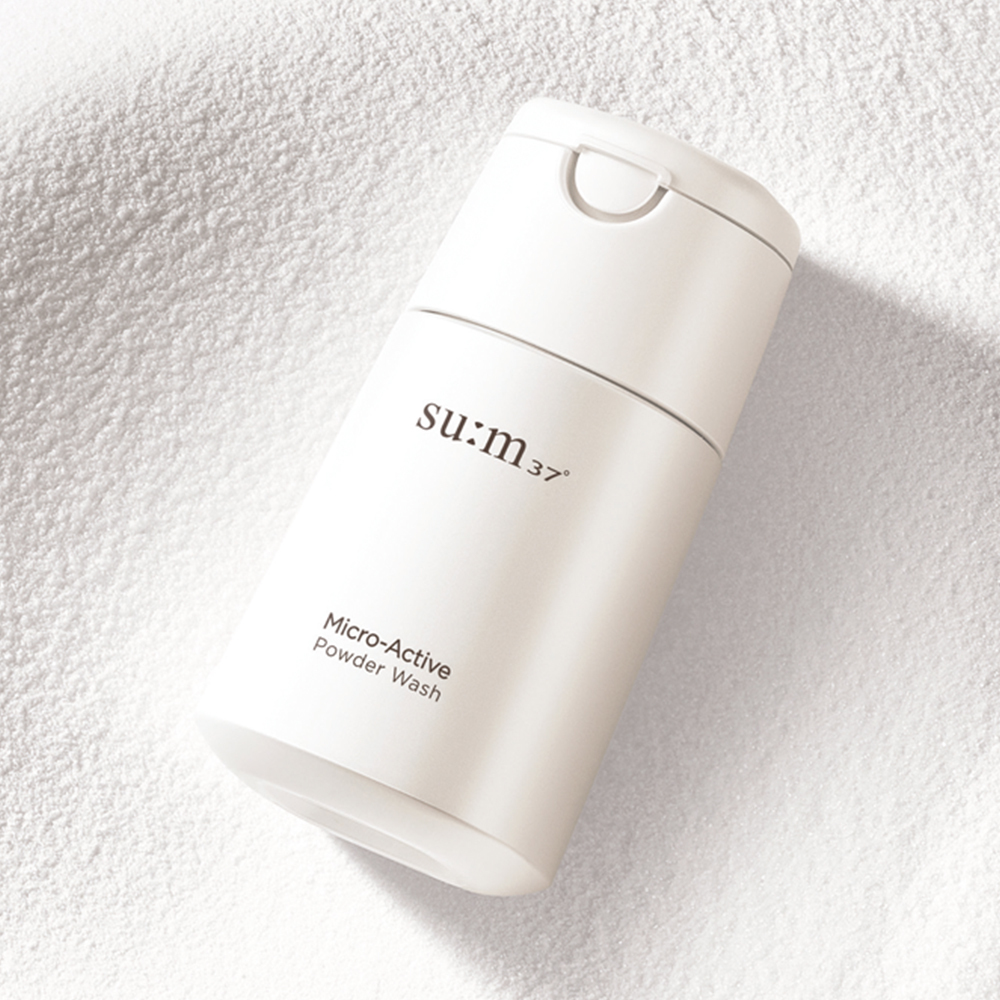
Micro-Active Powder Wash
SUM37
Frequently Asked Questions
Is rose oil the same as rosehip oil?▼
Why do products with rose oil have a safety rating of only 3/5?▼
Can rose oil help with anti-aging?▼
Will rose oil break me out?▼
Why is rose oil in so many high-end K-beauty products?▼
Explore More
Want personalized ingredient advice?
Yuri, our AI beauty advisor, can tell you how Rose Oil works with your specific skin type, routine, and concerns.
Ask Yuri, free