Rose Water
INCI: Rosa Damascena Flower Water
Hydrating and soothing botanical water
About Rose Water
Rose water is a delicate floral hydrosol created by steam-distilling fresh Rosa damascena petals, capturing both the plant's beneficial compounds and its signature scent. Unlike rose essential oil (which is highly concentrated), rose water is gentler and more versatile, making it a staple in K-beauty formulations for its dual role as a skin-soothing botanical and natural fragrance. It contains trace amounts of rose oil along with water-soluble compounds like polyphenols, flavonoids, and tannins that deliver antioxidant and anti-inflammatory benefits. With a comedogenic rating of 0/5, rose water won't clog pores, which explains its presence in 194 K-beauty products across multiple categories, from cleansers to creams. Korean brands particularly value rose water for its ability to balance modern actives (like PDRN or madecassoside) with traditional botanical elegance. While it functions as a fragrance ingredient, its skin benefits go beyond just smelling pretty. The hydrating properties come from its humectant-like behavior, helping skin retain moisture without heaviness. This makes it especially popular in gel cleansers and lightweight creams where brands want hydration without richness. Its safety rating of 4/5 reflects that it's generally well-tolerated, though the natural fragrance compounds can occasionally sensitize reactive skin types.
How Rose Water Works
Rose water's effectiveness stems from its unique composition of volatile and non-volatile compounds extracted during steam distillation. The water-soluble polyphenols and flavonoids act as antioxidants, neutralizing free radicals that contribute to inflammation and premature aging. Its tannin content provides mild astringent properties, temporarily tightening pores and reducing excess oil without stripping skin. The trace amounts of rose oil (typically less than 0.1%) contain citronellol and geraniol, which have documented antimicrobial properties that can help maintain skin's microbiome balance. At a cellular level, rose water's anti-inflammatory compounds inhibit pro-inflammatory cytokines, reducing redness and calming irritated skin. The humectant effect occurs because some compounds in rose water attract and bind water molecules to the skin's surface, creating a temporary moisture barrier. Unlike heavier occlusives, this light hydration layer allows skin to breathe while preventing transepidermal water loss. The natural pH of rose water (around 4.5-5.5) also supports skin's acid mantle, making it particularly effective when used after cleansing to restore balance.
Rose Water by Skin Type
Oily Skin
Rose water's mild astringent properties make it surprisingly useful for oily skin, helping to temporarily minimize the appearance of pores without over-drying. The antimicrobial compounds can support clearer skin, which is why it appears in products like the Bamboo Hyaluronic Moisture Gel Cleanser (5.0/5 rating) where it balances oil control with gentle hydration. Its 0/5 comedogenic rating means zero pore-clogging risk.
Dry Skin
While rose water provides light hydration, dry skin types should look for it paired with richer moisturizing ingredients rather than as a standalone treatment. In formulas like Mediheal's PDRN Lifting Derma Cream (4.9/5), rose water adds soothing benefits and pleasant sensory experience while heavier actives handle the serious moisture work. It works best as a supporting player, not the lead hydrator.
Combo Skin
Combination skin benefits most from rose water's balancing act, getting gentle hydration in dry zones without adding oil to the T-zone. Its presence in both cleansers and creams means you can incorporate it morning and night without worrying about breakouts in oily areas or dehydration in dry patches. The non-comedogenic profile makes it ideal for this unpredictable skin type.
Sensitive Skin
Rose water has traditional use for calming sensitive skin, and its anti-inflammatory compounds do provide real soothing benefits. However, the natural fragrance is the catch. Some sensitive skin tolerates it beautifully (hence its inclusion in the Madecassoside Blemish Repair Serum at 4.8/5), while others react to the aromatic compounds. Patch test first, especially if you have known fragrance sensitivities.
Normal Skin
Normal skin can enjoy rose water's full benefits without worrying about imbalance. You get the antioxidant protection, light hydration, subtle glow, and sensorial luxury that makes K-beauty routines feel special. It's essentially a bonus ingredient that enhances product experience while delivering real (if modest) skin benefits. Perfect for maintaining healthy skin without disruption.
How to Use Rose Water
- 1Layer rose water products early in your routine (cleanser or toner stage) so heavier treatments can seal in its light hydration and antioxidants.
- 2If you have fragrance sensitivity but want to try rose water, start with rinse-off products like the Derma Cream Pack Cleanser (4.9/5) rather than leave-on serums.
- 3Pair rose water with heavier humectants like hyaluronic acid for maximum hydration, it works best as part of a moisture team rather than solo.
- 4Store products with rose water away from direct sunlight and heat, as the delicate botanical compounds can degrade faster than synthetic ingredients.
Background
Rose water has ancient roots stretching back over 2,500 years to Persia (modern-day Iran), where Rosa damascena cultivation began and steam distillation was perfected. Persian physicians like Avicenna documented its use for skin inflammation and wound healing, creating a medical tradition that spread along trade routes to Korea and throughout Asia. In traditional Korean medicine, rose water was valued as a cooling botanical for inflamed skin and heat-related conditions. Modern K-beauty brands rediscovered rose water as consumers began seeking natural fragrance alternatives to synthetic parfum, appreciating its dual functionality as both aromatic and active ingredient. The global rise of clean beauty and botanical skincare in the 2010s cemented rose water's place in Korean formulations, where it bridges the gap between heritage ingredients and contemporary skincare science. Today's K-beauty rose water often comes from Bulgarian or Turkish Rosa damascena farms, prized for their high-quality distillation methods.
K-Beauty Products with Rose Water
View all 209 →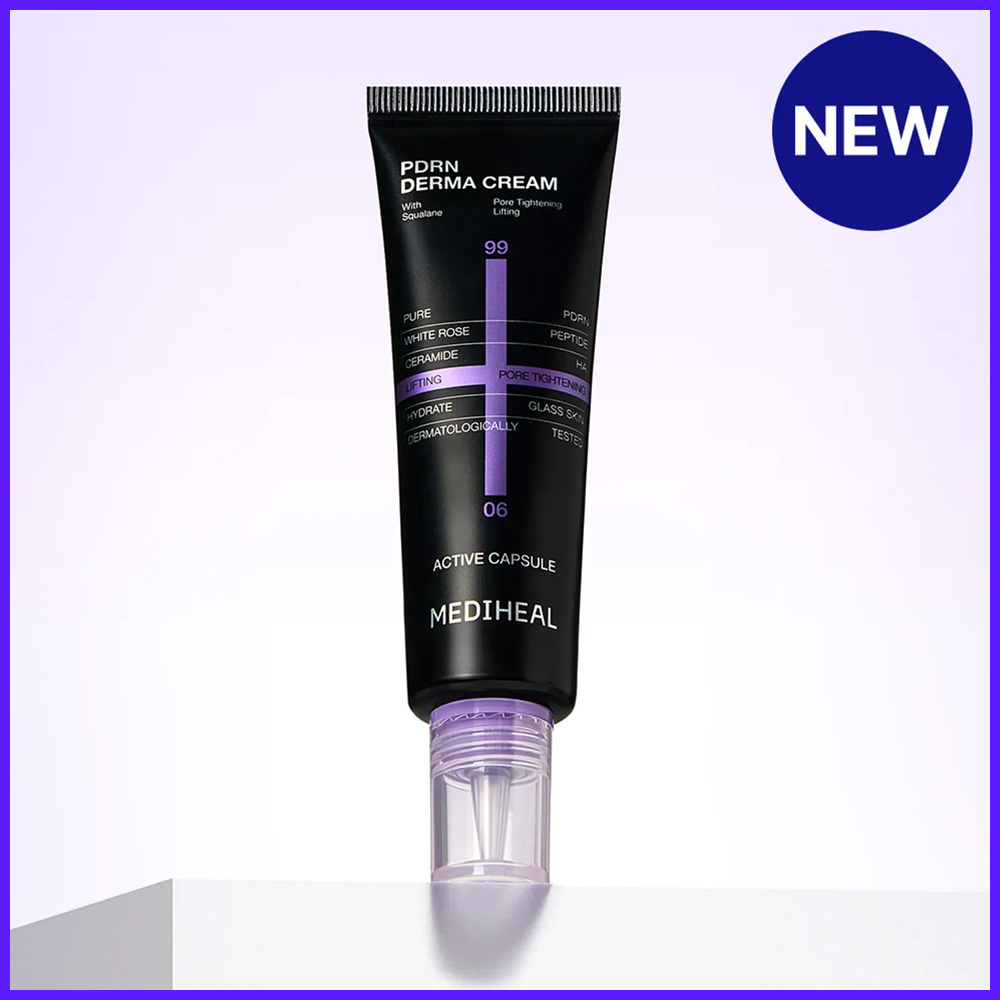
PDRN Lifting Derma Cream
Mediheal
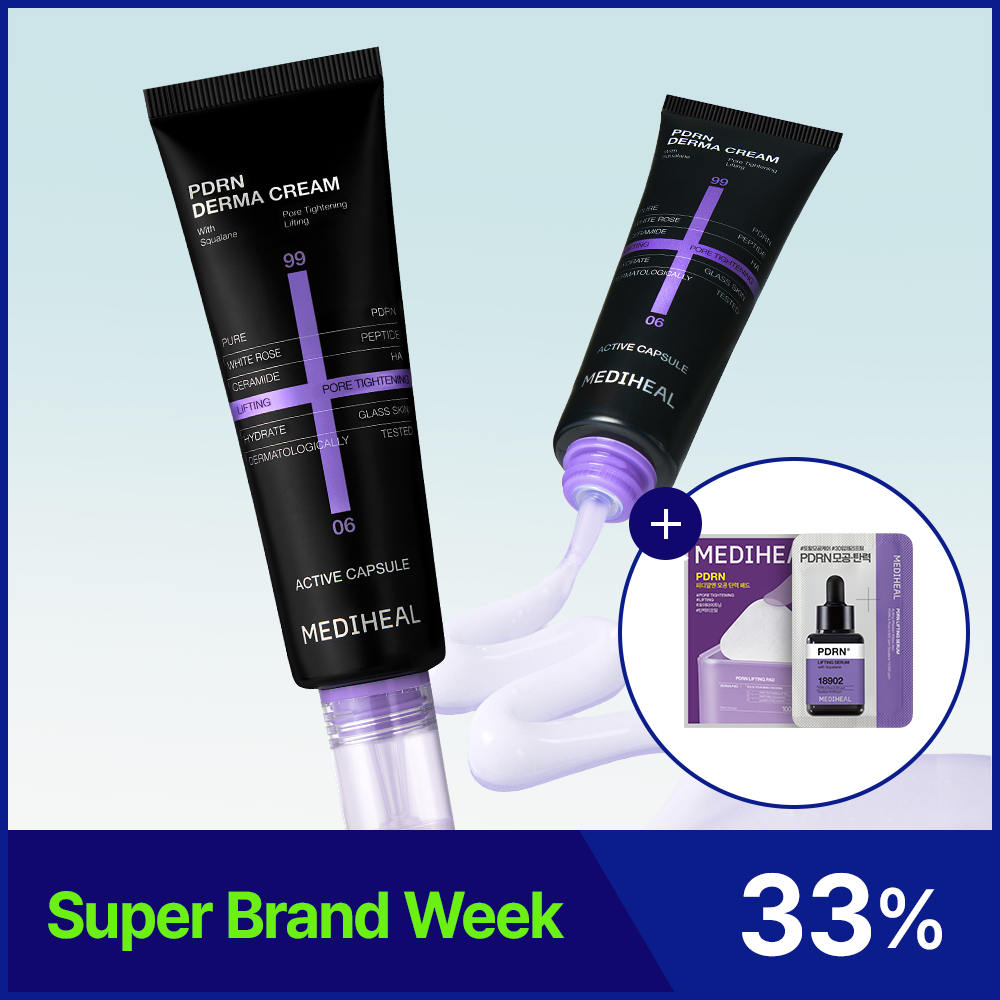
PDRN Cream
Mediheal
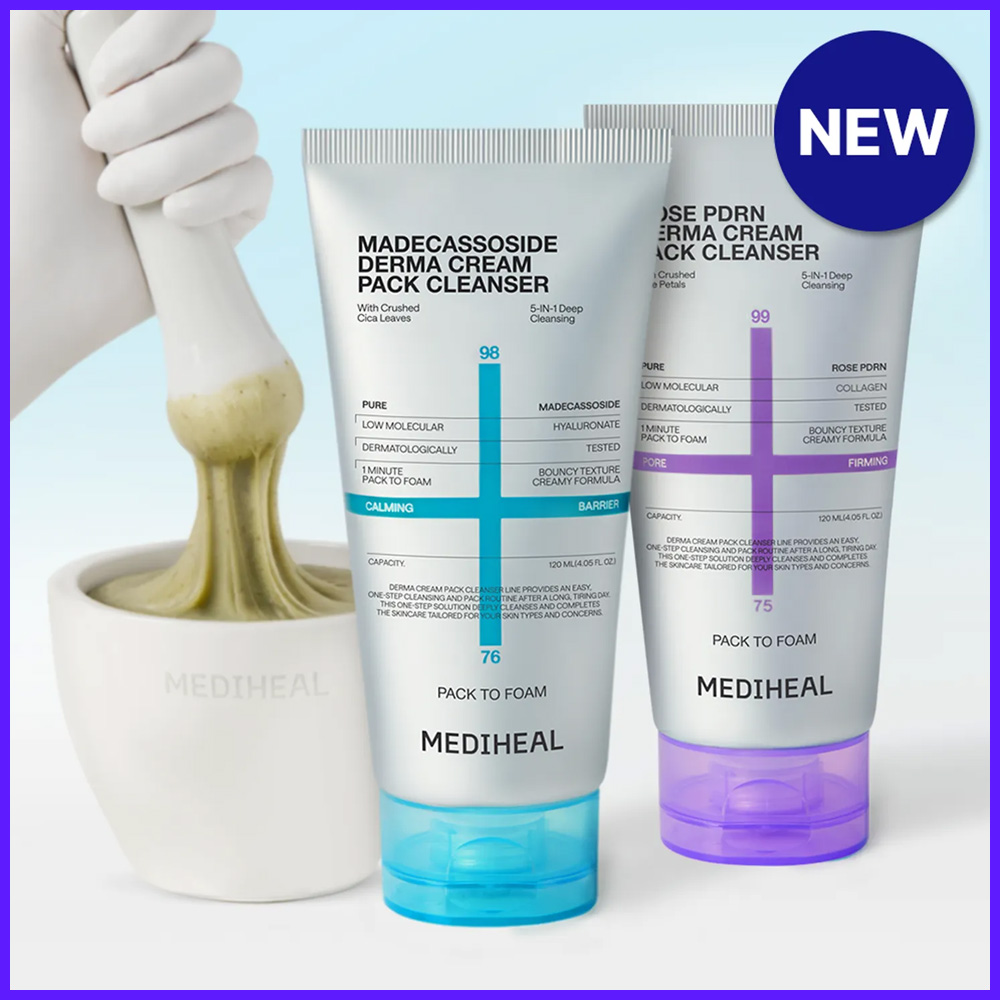
Derma Cream Pack Cleanser
Mediheal

Madecassoside Blemish Repair Serum
Mediheal
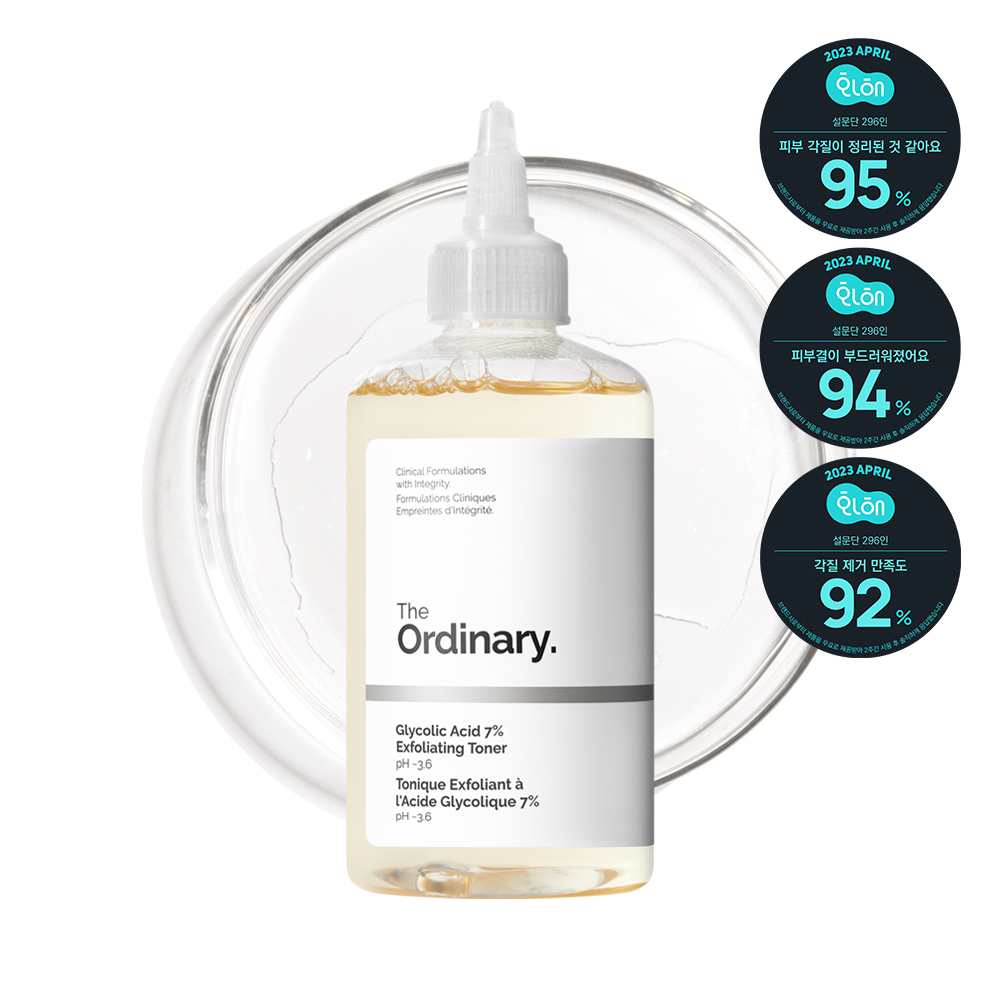
Glycolic Acid 7% Exfoliating Toner
The Ordinary
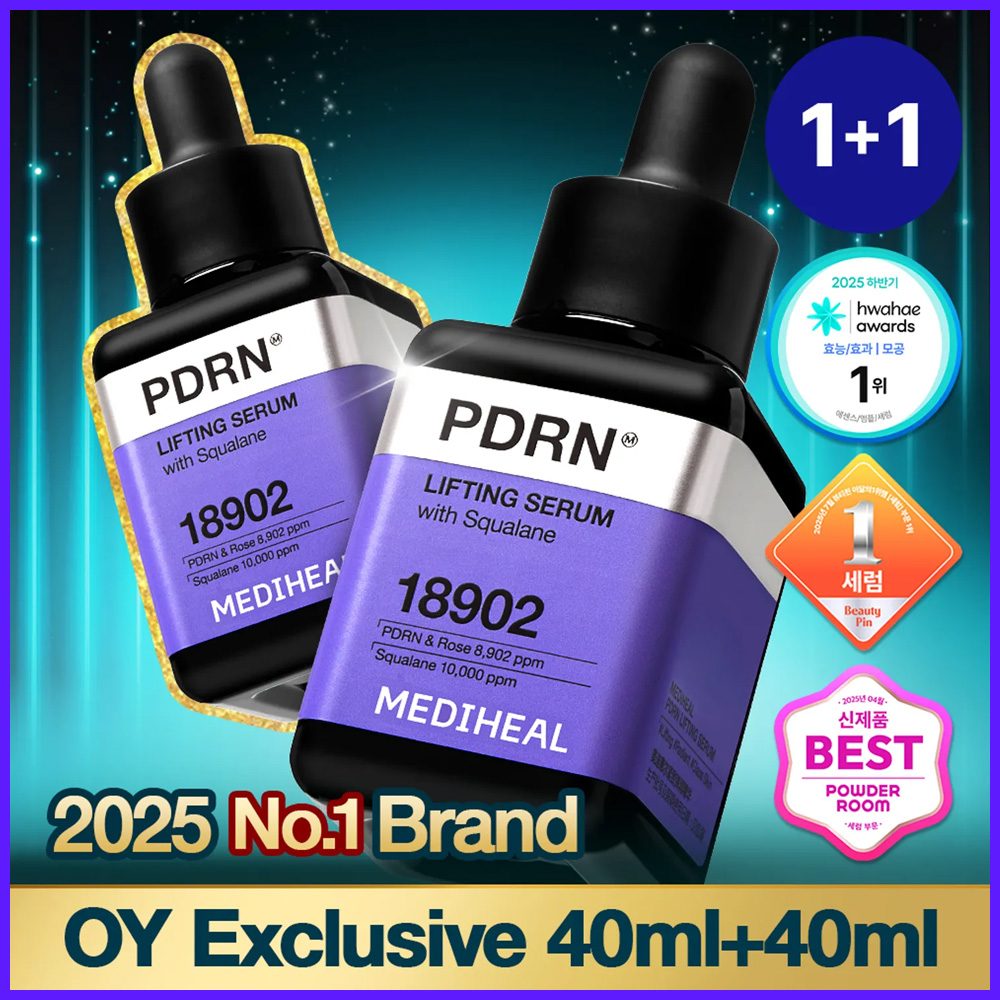
PDRN Lifting Serum
Mediheal
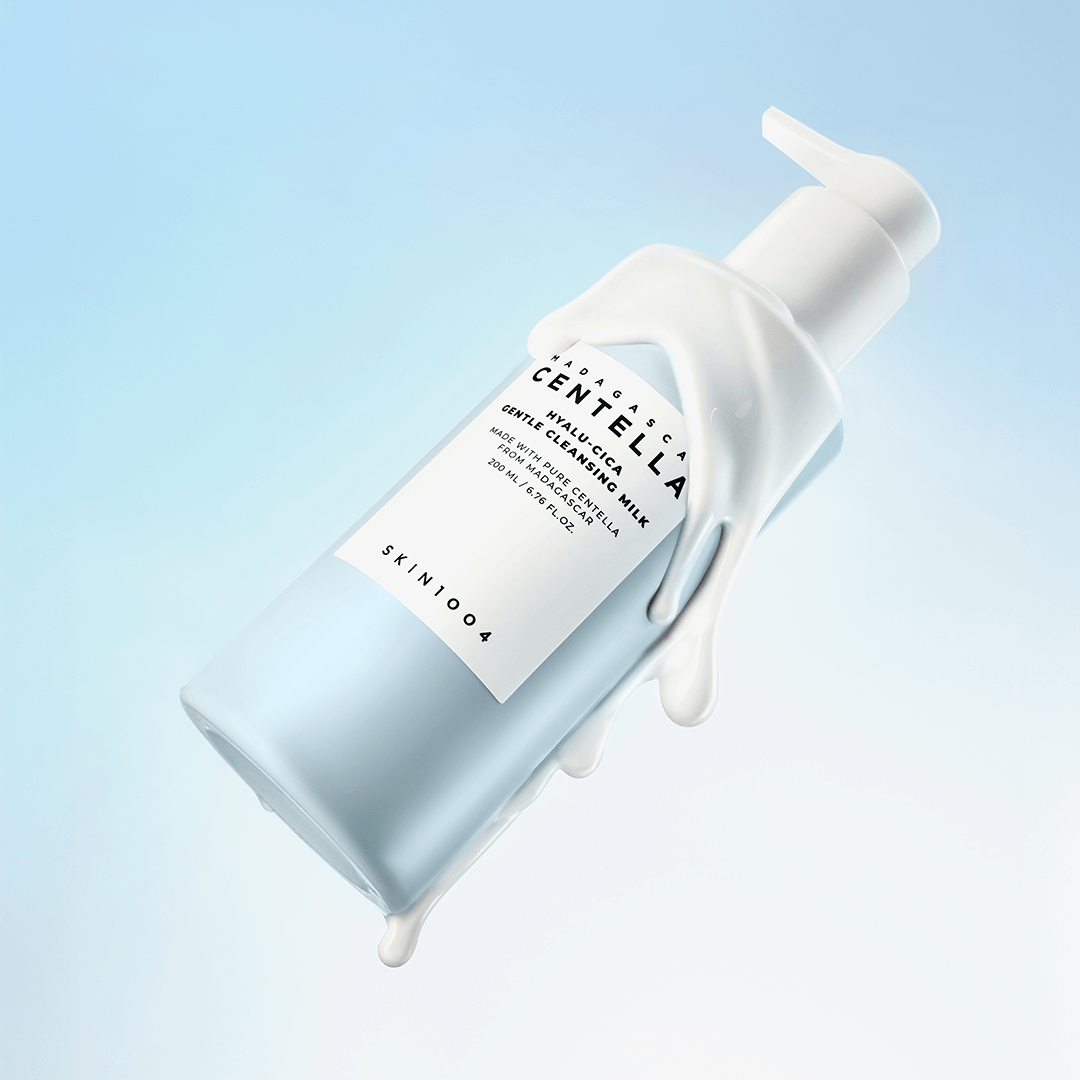
Madagascar Centella Hyalu-Cica Gentle Cleansing Milk
SKIN1004

Clean It Zero Soothing Lip & Eye Remover Pad
Banila Co
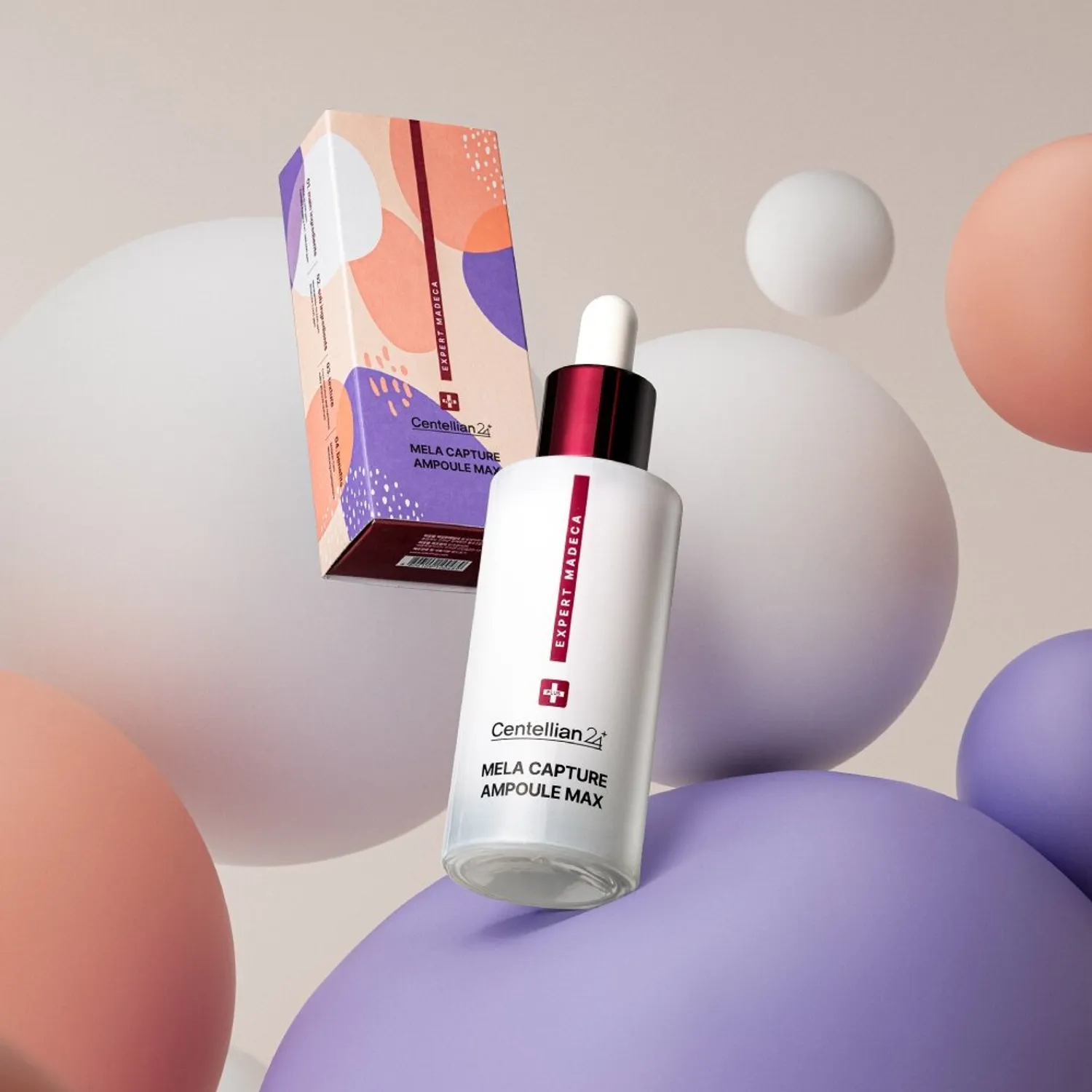
Expert Madeca Mela Capture Ampoule Max
Centellian24
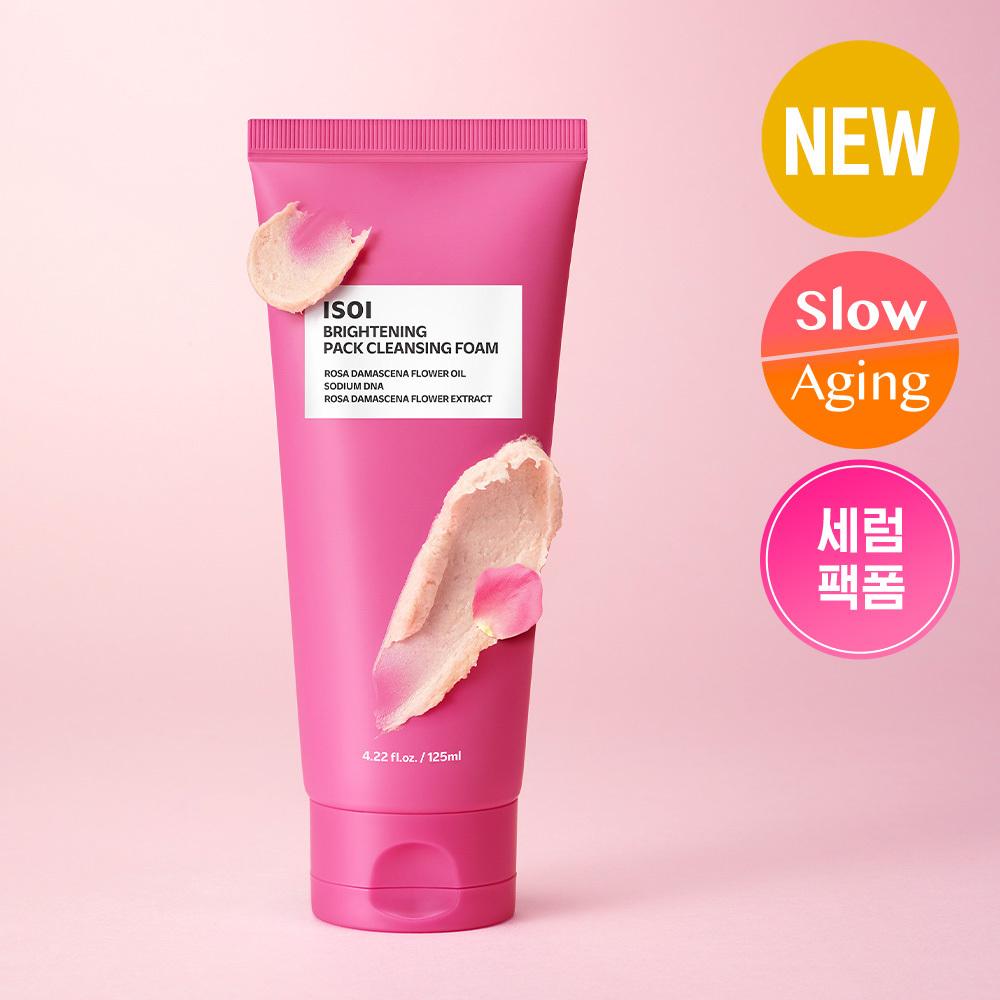
Brightening Pack Cleansing Foam
Isoi
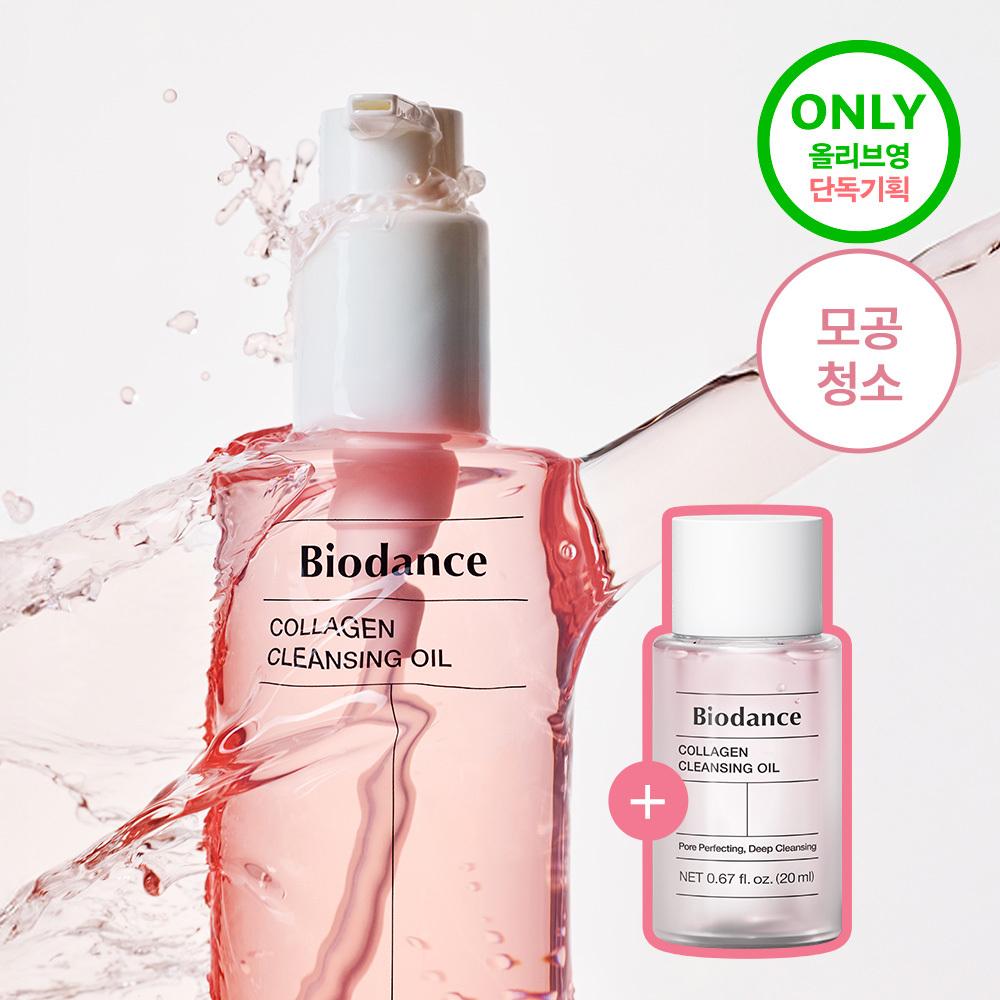
Collagen Cleansing Oil 200ml Set (+20ml)
Biodance
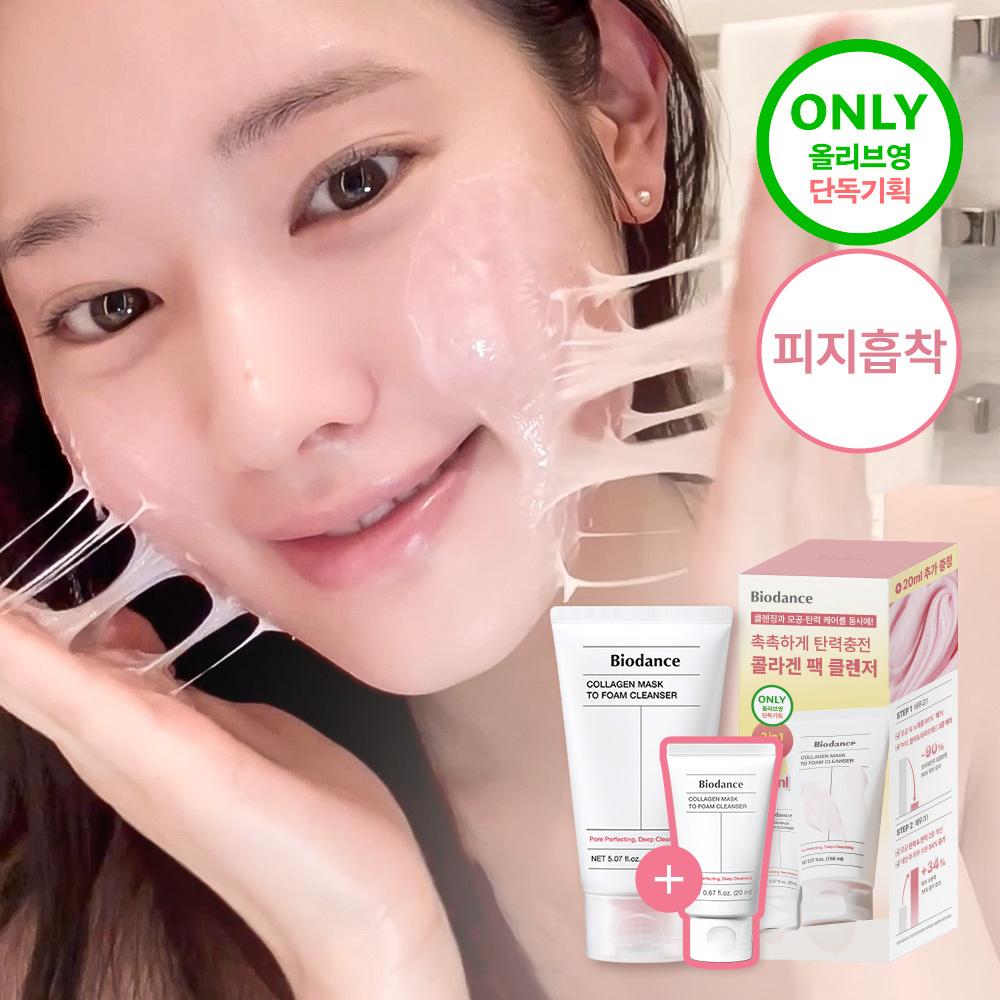
Collagen Mask To Foam Cleanser Set
Biodance
Frequently Asked Questions
Is rose water actually hydrating or just fragrance?▼
Can rose water break me out if I'm acne-prone?▼
Why does rose water have a 4/5 safety rating instead of 5/5?▼
What's the difference between rose water in cleansers versus creams?▼
Explore More
Want personalized ingredient advice?
Yuri, our AI beauty advisor, can tell you how Rose Water works with your specific skin type, routine, and concerns.
Ask Yuri, free