Rose Flower Extract
INCI: Rosa Hybrid Flower Extract
Antioxidant and soothing botanical extract
About Rose Flower Extract
Rose Flower Extract, derived from hybrid rose species, is a multi-functional botanical ingredient that has earned its place in modern K-beauty formulations through centuries of traditional use. This extract contains a complex mix of polyphenols, anthocyanins, and vitamin C that work together to protect skin from oxidative stress while calming inflammation. In K-beauty, rose extract appears across product categories from cleansers like ma:nyo's Pure & Deep Cleansing Foam to sunscreens like Dr.G's Black Snail Glutathione Tone Up Sun, valued for its ability to enhance other active ingredients without adding irritation. With a comedogenic rating of 0/5, it won't clog pores, making it particularly appealing for acne-prone users who still want the benefits of botanical skincare. The extract's natural astringent properties help refine skin texture, while its antioxidants combat the environmental stressors common in urban environments where K-beauty originated. Korean formulators often pair rose extract with other botanicals and actives because it enhances product sensory experience with a subtle floral note while contributing real skin benefits. Its safety rating of 4/5 reflects its excellent tolerance across most skin types, with only rare sensitivity issues in people with specific plant allergies.
How Rose Flower Extract Works
Rose Flower Extract functions through multiple pathways at the cellular level. Its polyphenolic compounds, particularly gallic acid and ellagic acid, neutralize free radicals by donating electrons to unstable molecules, preventing the chain reaction of oxidative damage that leads to premature aging and inflammation. The anthocyanins in rose petals inhibit inflammatory enzymes like cyclooxygenase, reducing redness and sensitivity at the source. At the same time, the natural tannins in rose extract provide gentle astringent action by temporarily constricting proteins in skin tissue, which refines pore appearance and helps control excess sebum without stripping the skin. The vitamin C content supports collagen synthesis and brightening, though in lower concentrations than dedicated vitamin C serums. Rose extract also contains natural sugars and amino acids that provide humectant properties, helping the skin retain moisture. When applied topically, these compounds penetrate the upper layers of the epidermis where they modulate inflammatory signaling pathways and protect cellular structures from UV-induced and pollution-related damage.
Rose Flower Extract by Skin Type
Oily Skin
Rose Flower Extract works exceptionally well for oily skin thanks to its natural astringent properties that help control sebum production without over-drying. The tannins temporarily tighten pores and refine skin texture, while the antioxidants protect against oxidative stress from excess oil oxidation. Since it has a 0/5 comedogenic rating, you can use products like Acwell's Licorice pH Balancing Cleansing Toner daily without worrying about breakouts.
Dry Skin
For dry skin, rose extract provides gentle antioxidant protection and soothing benefits without the drying effects of some botanical extracts. The natural humectants in rose help skin retain moisture, complementing hydrating ingredients in formulations. However, rose extract alone won't provide enough moisture for very dry skin, so look for products that combine it with richer emollients and humectants for optimal hydration.
Combo Skin
Combination skin benefits most from rose extract's balanced approach to skin needs. It provides enough astringency to manage oilier T-zone areas while delivering soothing hydration to drier cheek areas. Products like ma:nyo's Pure & Deep Cleansing Foam (rated 4.7/5) demonstrate how rose extract can address multiple concerns without tipping skin into excess oil or dryness in different facial zones.
Sensitive Skin
Rose Flower Extract is generally well-tolerated by sensitive skin, with its anti-inflammatory compounds actively reducing redness and reactivity. The polyphenols calm irritation while antioxidants protect compromised skin barriers from environmental triggers. However, a small percentage of people with specific rose allergies or extreme fragrance sensitivities may react to the natural aromatic compounds, so patch testing is recommended if you have a history of botanical allergies.
Normal Skin
Normal skin can use rose extract as a preventative antioxidant treatment and texture refiner. The extract maintains skin balance without disrupting the natural equilibrium that normal skin types enjoy. It works well in products across your routine, from cleansing toners like Acwell's formulation to sun protection like Dr.G's Black Snail Glutathione Tone Up Sun, providing consistent antioxidant coverage throughout the day.
How to Use Rose Flower Extract
- 1Rose extract works well in both morning and evening routines, but its antioxidant properties make it especially valuable in morning products to protect against daytime environmental stressors.
- 2Layer rose extract products from thinnest to thickest consistency, starting with toners like Acwell's Licorice pH Balancing Cleansing Toner before serums and moisturizers to maximize absorption.
- 3If you have sensitive skin or known botanical allergies, patch test rose extract products on your inner arm for 24-48 hours before applying to your face, despite its generally excellent tolerance.
- 4Rose extract pairs particularly well with niacinamide, licorice extract, and hyaluronic acid in formulations, as these combinations address multiple skin concerns without increasing irritation risk.
- 5Products containing rose extract typically have a subtle floral scent from the natural aromatic compounds, but if you're highly fragrance-sensitive, choose formulations where rose appears lower in the ingredient list.
Background
Roses have been cultivated for skincare and medicine for over 5,000 years, with ancient Persian, Egyptian, and Chinese texts documenting their use for treating inflammation and maintaining youthful skin. The practice of extracting beneficial compounds from rose petals through distillation and maceration spread along trade routes, eventually reaching Korea where it merged with traditional hanbang (Korean herbal medicine) principles. Korean skincare adopted rose extract as formulators sought gentle botanical ingredients that could deliver results without irritation, particularly important as K-beauty philosophy emphasizes skin barrier protection. Modern extraction technology allows Korean brands to isolate the beneficial polyphenols and anthocyanins while minimizing potential irritants, creating standardized extracts that work consistently across formulations. The ingredient experienced renewed popularity in K-beauty during the 2010s as consumers demanded more natural ingredients with proven efficacy, leading to its appearance in everything from basic cleansers to sophisticated hybrid products like Dr.G's tone-up sunscreen.
K-Beauty Products with Rose Flower Extract
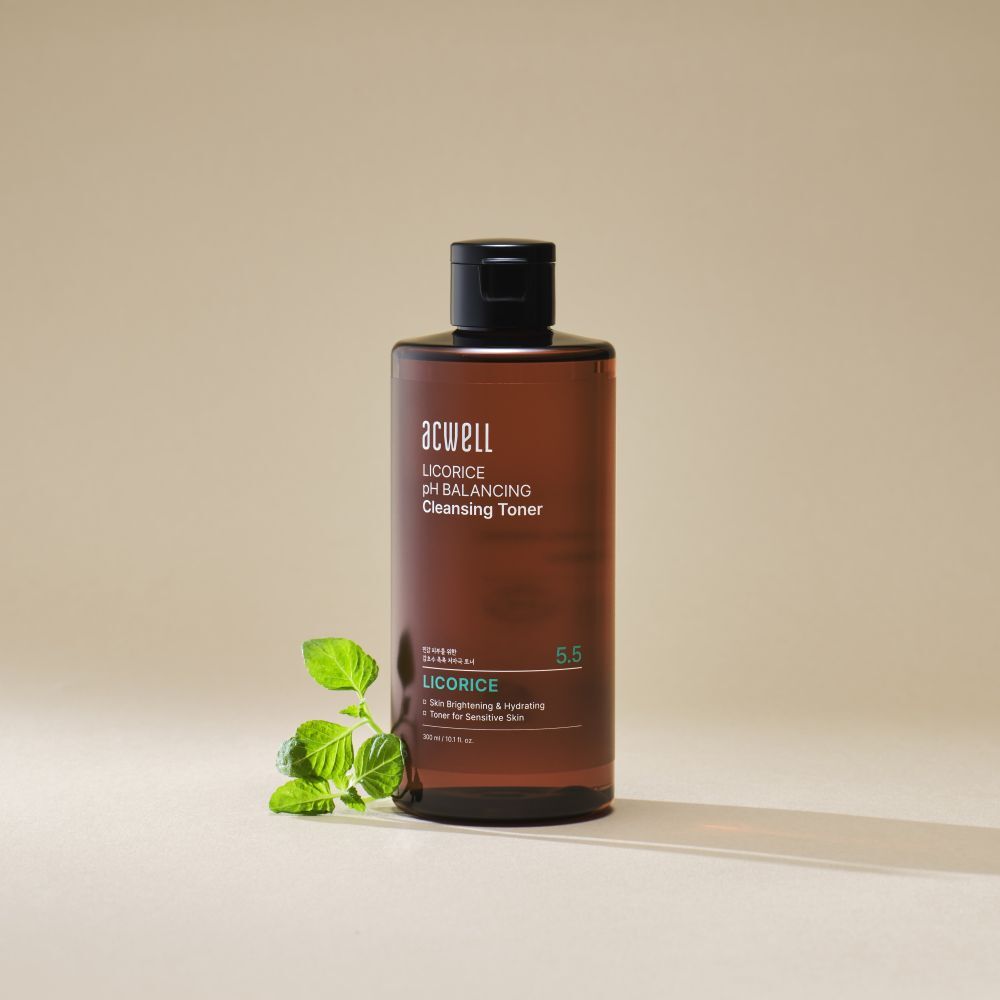
Licorice pH Balancing Cleansing Toner
Acwell

Pure & Deep Cleansing Foam Double Pack
ma:nyo
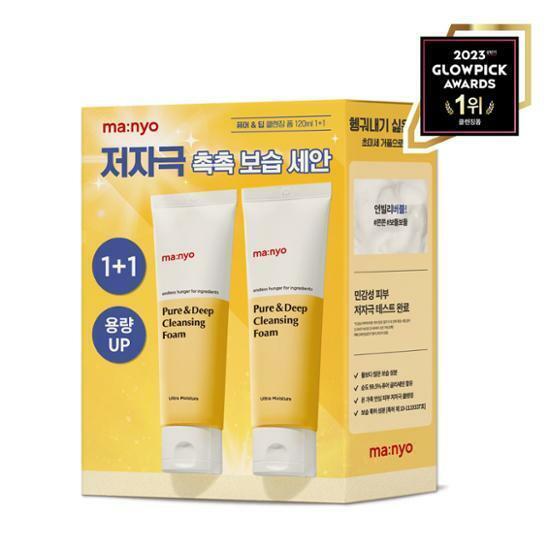
Pure & Deep Cleansing Foam
ma:nyo
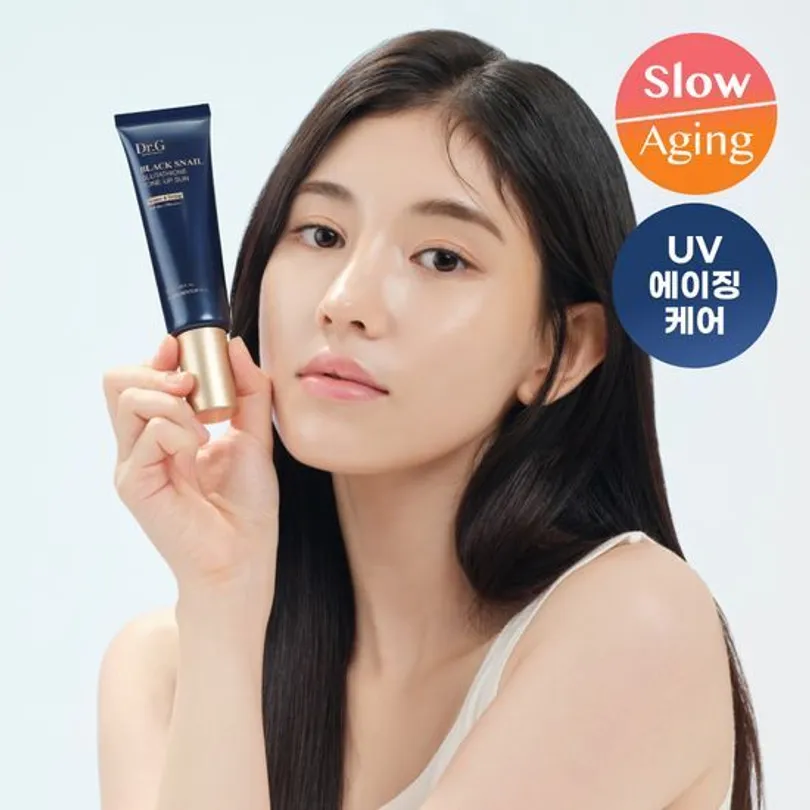
Black Snail Glutathione Tone Up Sun
Dr.G
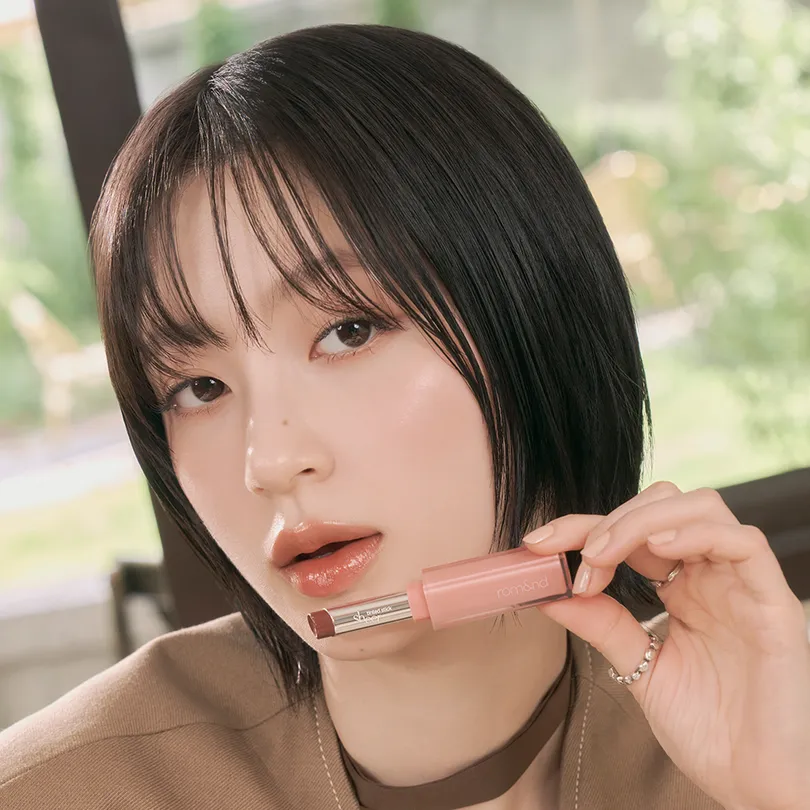
Sheer Tinted Stick
rom&nd
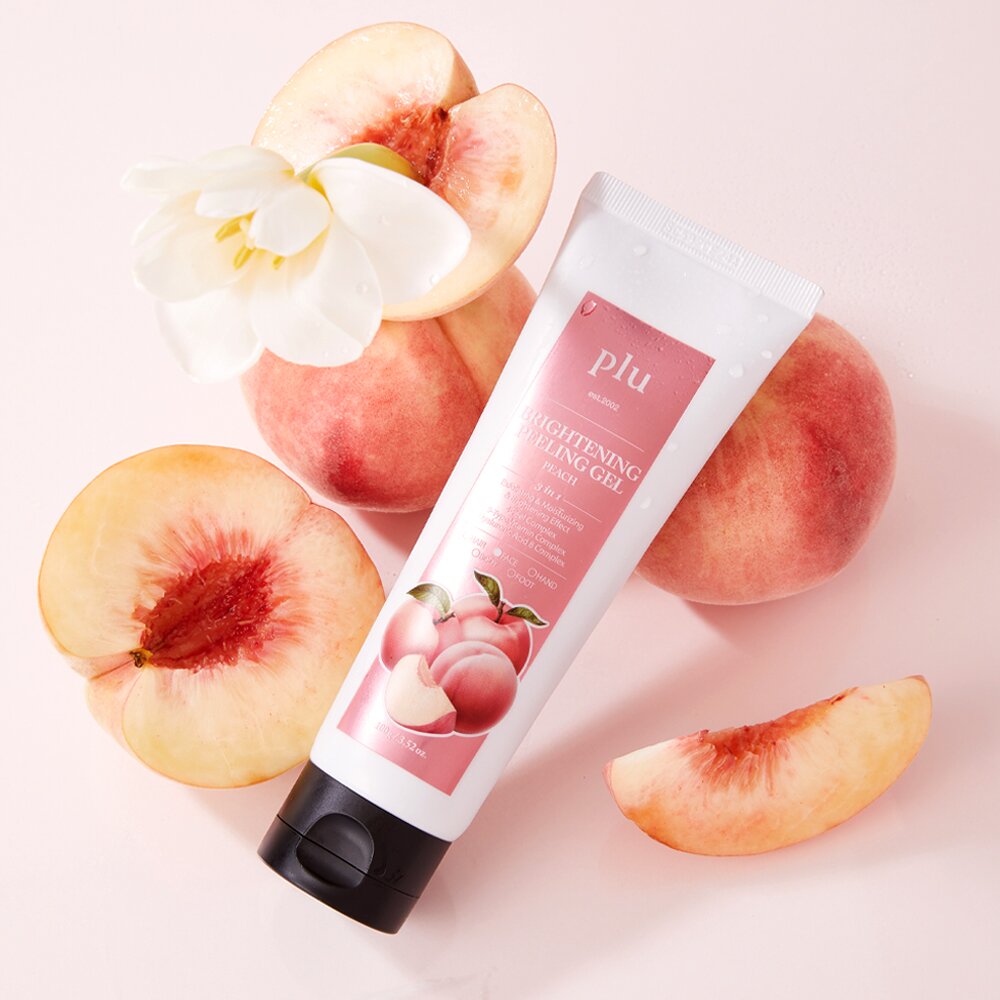
Brightening Peeling Gel Peach
plu
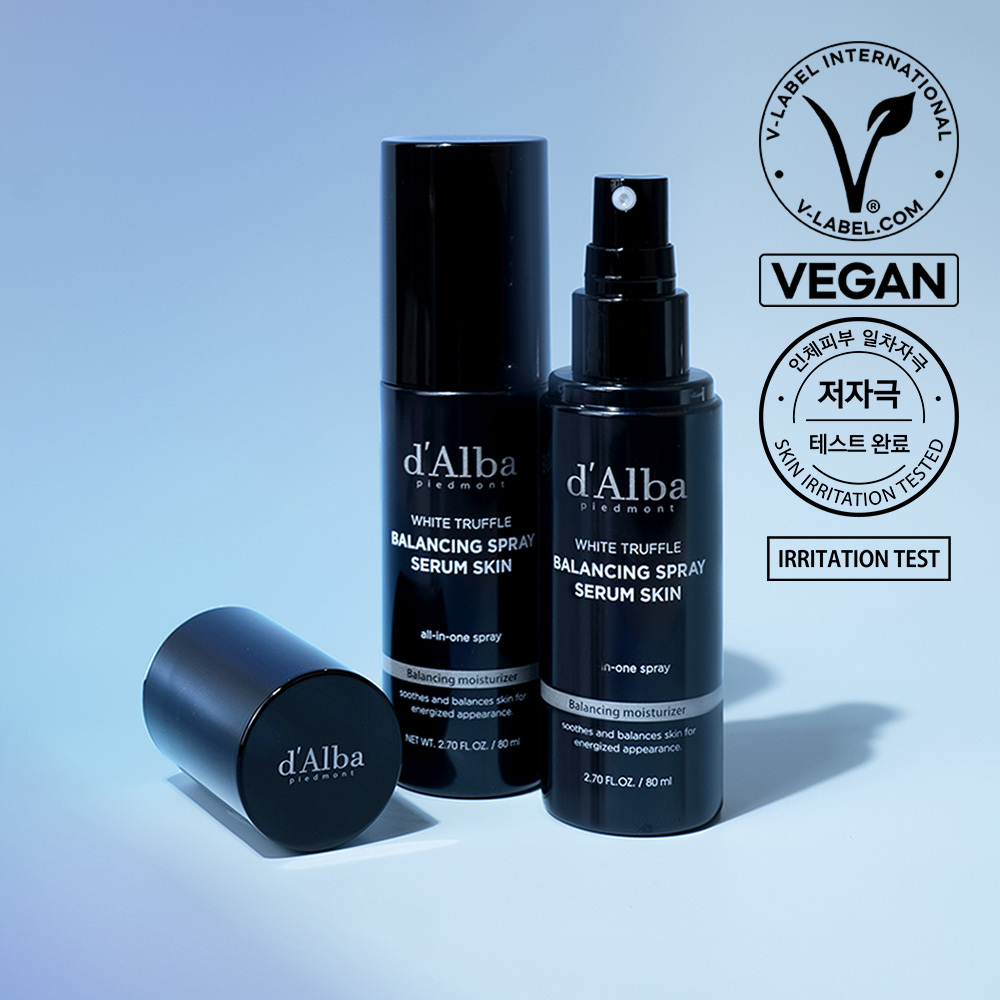
White Truffle Balancing Spray Serum Skin
d'Alba
Red Cream
Skin&Lab
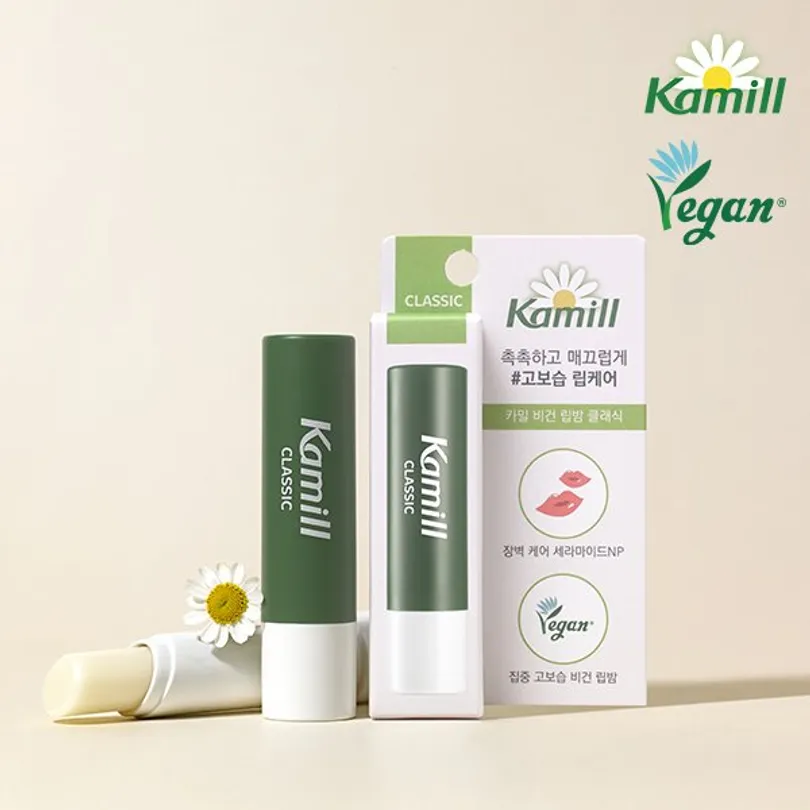
Vegan Lip Balm Classic
Kamill
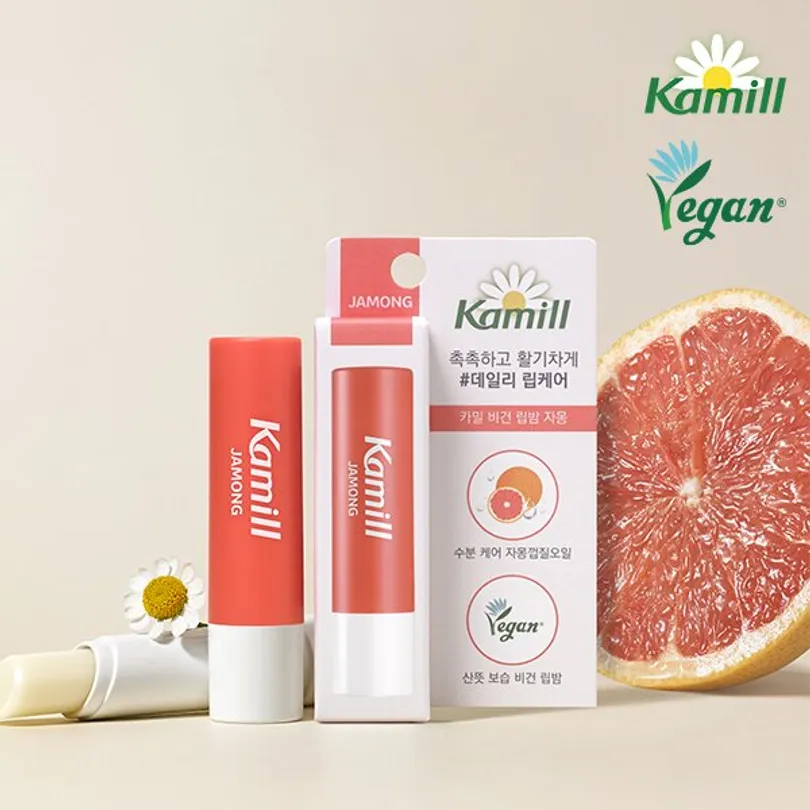
Vegan Lip Balm #Jamong
Kamill
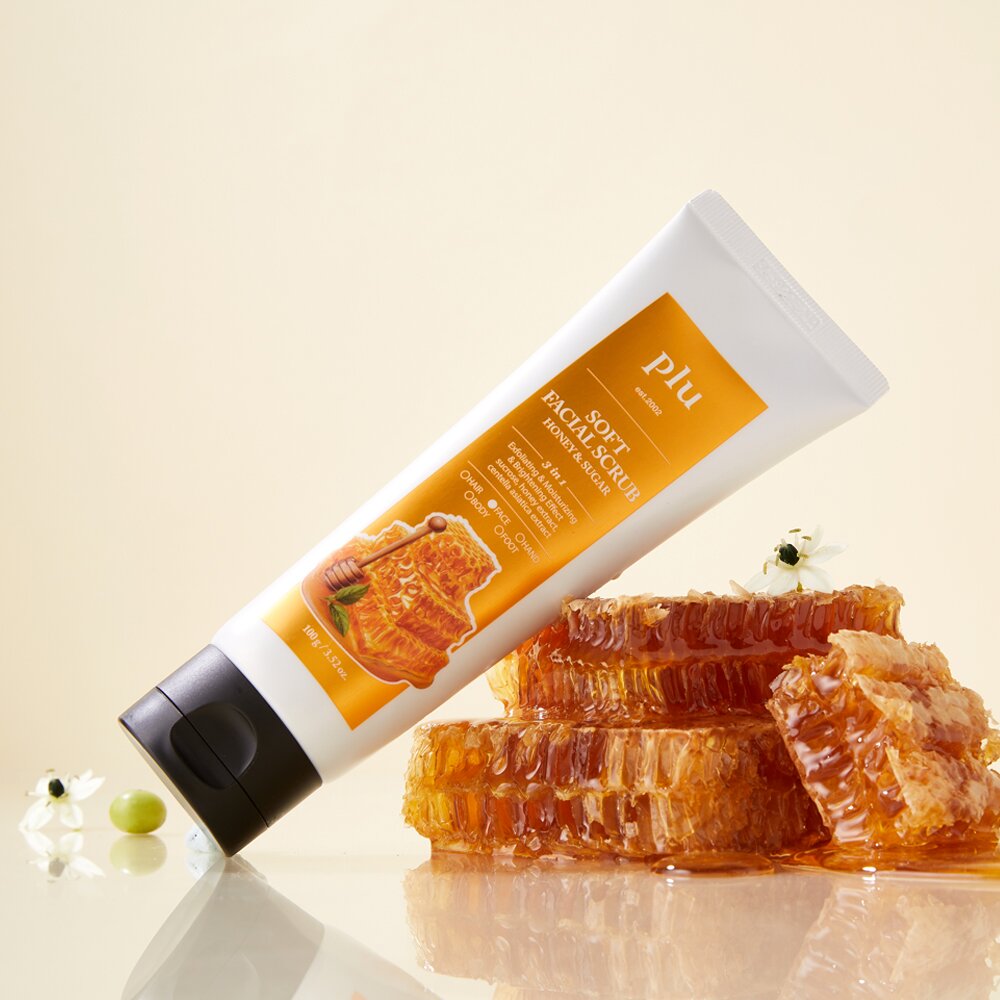
Soft Facial Scrub Honey & Sugar
plu
Frequently Asked Questions
Is rose flower extract the same as rose water or rose oil?▼
Can rose flower extract help with acne or is it just for anti-aging?▼
Why does rose flower extract appear in so many different product types from cleansers to sunscreen?▼
Does the natural fragrance in rose flower extract cause sensitivity issues?▼
How effective is rose flower extract compared to other antioxidant ingredients?▼
Explore More
Want personalized ingredient advice?
Yuri, our AI beauty advisor, can tell you how Rose Flower Extract works with your specific skin type, routine, and concerns.
Ask Yuri, free