Rose Extract
Antioxidant and soothing botanical extract
About Rose Extract
Rose extract is a botanical powerhouse derived from the petals of Rosa damascena or Rosa centifolia, prized in K-beauty for its dual action as both a potent antioxidant and calming agent. Unlike rose water, which is a diluted byproduct of steam distillation, rose extract is a concentrated form that retains the flower's bioactive compounds including polyphenols, flavonoids, vitamins C and E, and tannins. In Korean skincare formulations, it's valued for its ability to neutralize free radicals while simultaneously reducing redness and irritation, making it a versatile ingredient across everything from gentle cleansers like Nooni's Snowflake Whipping Cleanser to intensive treatments like Mediheal's PDRN Lifting Derma Cream. The extract's anti-inflammatory properties help strengthen the skin barrier while its antioxidants protect against environmental stressors like pollution and UV damage. With a low comedogenic rating of 1/5, rose extract works beautifully across most skin types without clogging pores. Korean beauty brands particularly favor it in mask sheets and creams where its soothing effects can be maximized during prolonged contact with skin. Beyond its functional benefits, rose extract also provides a sensorial experience with its delicate, natural fragrance that enhances the self-care ritual without relying on synthetic perfumes.
How Rose Extract Works
Rose extract functions through multiple biochemical pathways to protect and calm skin at the cellular level. Its polyphenolic compounds, particularly gallic acid and quercetin, work by donating electrons to unstable free radicals, effectively neutralizing them before they can damage cell membranes and DNA. This antioxidant action helps prevent premature aging and supports collagen integrity. The extract's anti-inflammatory mechanism involves inhibiting the production of pro-inflammatory cytokines like IL-6 and TNF-alpha, which are responsible for redness, swelling, and discomfort. Rose extract also contains natural astringent tannins that help tighten pores and regulate sebum without stripping the skin. Its vitamin C content supports melanin regulation and brightening, while vitamin E enhances the skin's lipid barrier function. The flavonoids in rose extract demonstrate antimicrobial properties that can help balance skin microbiome. When applied topically, these compounds penetrate the stratum corneum and interact with keratinocytes and fibroblasts, promoting cellular repair and reducing oxidative stress markers within the skin tissue.
Rose Extract by Skin Type
Oily Skin
Rose extract is excellent for oily skin due to its natural astringent properties that help minimize the appearance of enlarged pores without over-drying. The antioxidants protect sebum from oxidizing, which prevents the formation of comedones and reduces that characteristic greasy shine. Its anti-inflammatory action also helps calm acne-prone areas while the low comedogenic rating ensures it won't contribute to breakouts.
Dry Skin
For dry skin, rose extract provides antioxidant protection while its vitamin E content supports barrier repair and moisture retention. The soothing properties help reduce the discomfort and tightness often associated with dehydrated skin. However, it should be paired with richer emollients in formulations, as rose extract alone doesn't provide significant hydration, which is why you'll find it in cream-based products like Mediheal's PDRN Cream rather than standalone serums for dry skin types.
Combo Skin
Combination skin benefits enormously from rose extract's balanced approach, as it addresses both oily and dry zones without exacerbating either condition. The astringent properties help control shine in the T-zone while the soothing, barrier-supporting compounds prevent dryness on the cheeks. Its versatility makes it ideal for all-over application without requiring zone-specific adjustments.
Sensitive Skin
Rose extract is particularly valuable for sensitive skin, offering powerful antioxidant protection without common irritants. Its anti-inflammatory compounds actively reduce redness and reactivity by suppressing inflammatory pathways. With a safety rating of 4/5, it's gentle enough for compromised barriers, though those with specific rose allergies should patch test. The extract's presence in high-rated products like Mediheal's Derma Cream Pack Cleanser demonstrates its compatibility with sensitive skin formulations.
Normal Skin
Normal skin types can use rose extract as a preventative measure to maintain skin health and delay visible aging. The antioxidants protect against daily environmental damage while the gentle astringent effect keeps pores refined. It's an ideal ingredient for maintaining the balanced, healthy state that normal skin naturally possesses, without introducing unnecessary active ingredients that might disrupt equilibrium.
How to Use Rose Extract
- 1Layer rose extract products after toners but before heavier creams to maximize antioxidant absorption into the skin.
- 2Use rose extract cleansers like Nooni's Snowflake Whipping Cleanser in the evening to remove pollution particles and neutralize free radicals accumulated during the day.
- 3Combine rose extract with other antioxidants like vitamin C or niacinamide for synergistic protection against oxidative stress, but introduce gradually if you have sensitive skin.
- 4Apply rose extract mask sheets (like Sungboon Editor's Deep Collagen Signature Mask) after sun exposure to calm inflammation and counteract UV-induced free radical damage.
- 5Store products containing rose extract in cool, dark places to preserve the stability of its polyphenolic compounds and prevent oxidation of the extract itself.
Background
Rosa damascena, the Damask rose, has been cultivated for over 5,000 years, with origins tracing back to ancient Persia and the Middle East where it was prized in both medicine and perfumery. The flower made its way along silk trade routes to Asia, where traditional Chinese and Korean medicine recognized its cooling, anti-inflammatory properties for treating skin conditions and internal heat imbalances. In Korean herbal medicine, rose petals were used in poultices for irritated skin and consumed as tea to promote blood circulation and clear complexion. Modern K-beauty's adoption of rose extract represents a fusion of this traditional wisdom with contemporary cosmetic science. Korean formulators began incorporating concentrated rose extracts in the early 2000s as the industry shifted toward botanicals with proven antioxidant profiles. Today, rose extract appears across multiple K-beauty categories, from luxury to accessible brands, valued for delivering both efficacy and the sensorial, self-care experience that Korean skincare rituals emphasize.
K-Beauty Products with Rose Extract
View all 28 →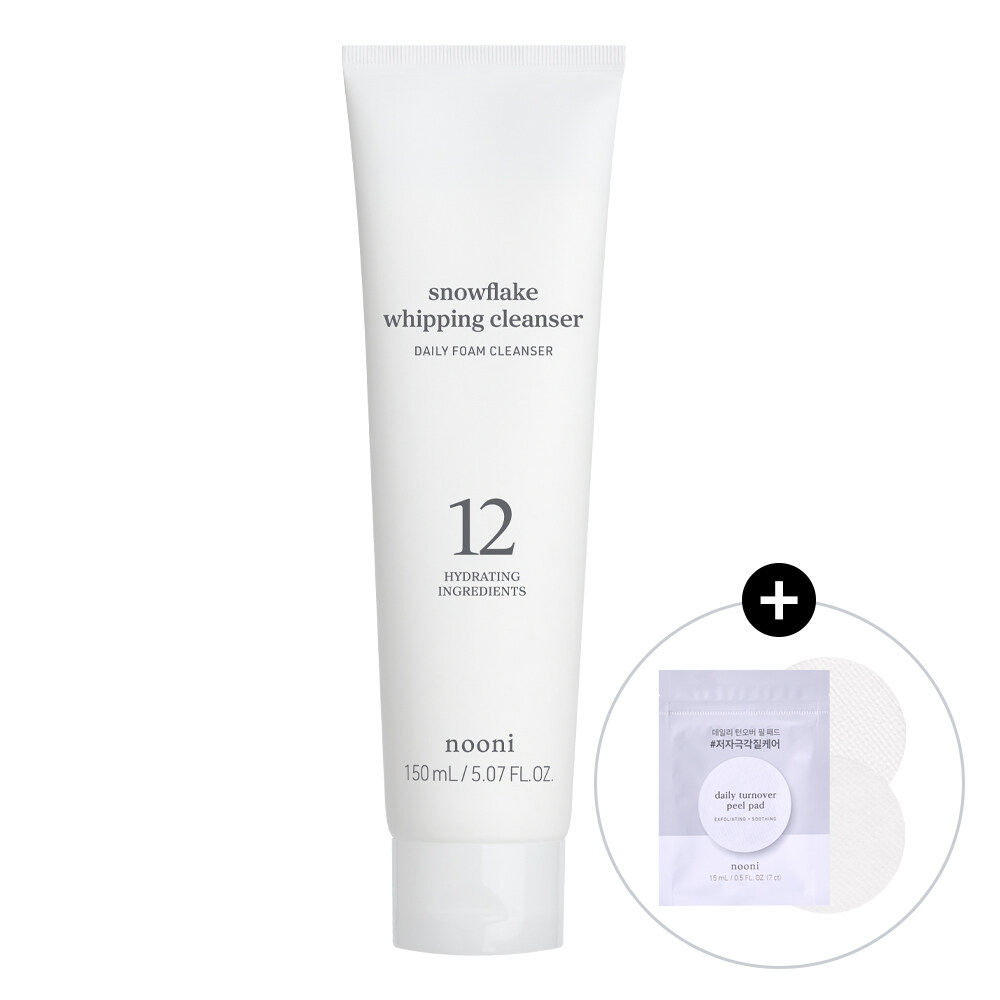
Snowflake Whipping Cleanser
Nooni
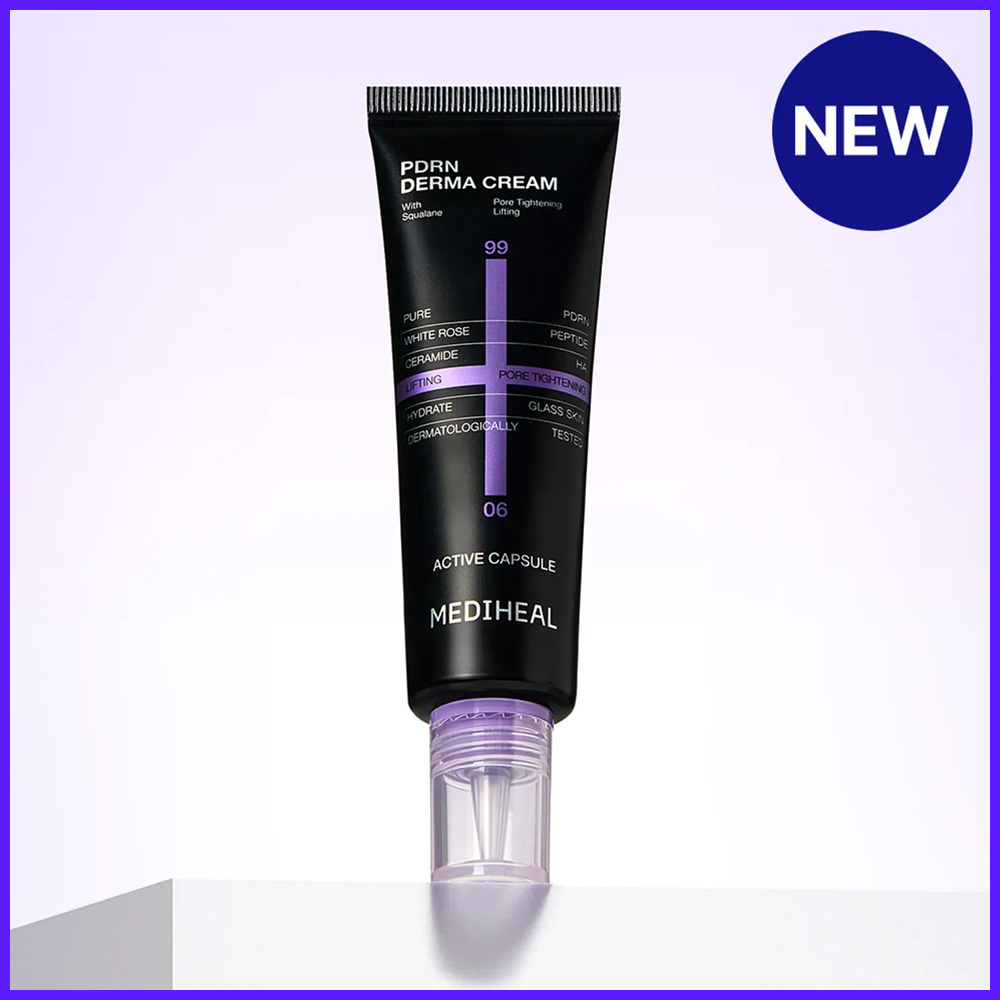
PDRN Lifting Derma Cream
Mediheal
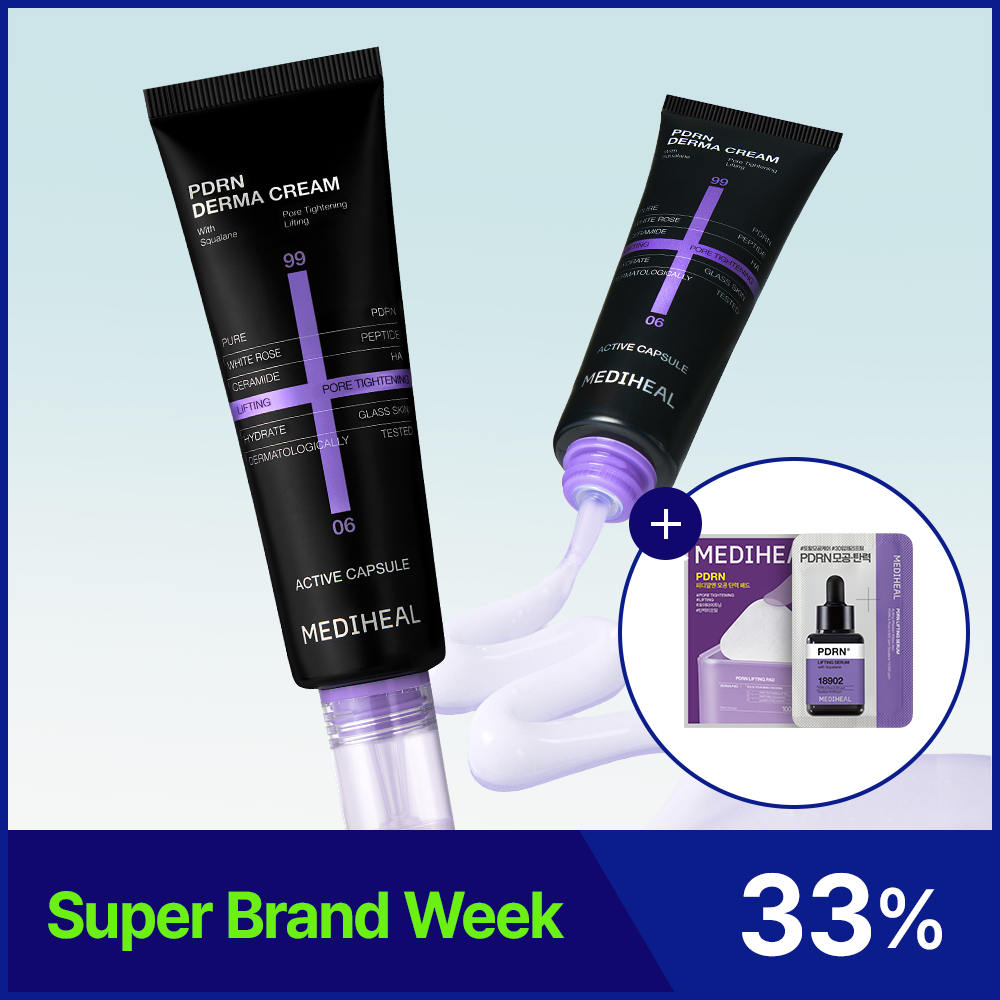
PDRN Cream
Mediheal
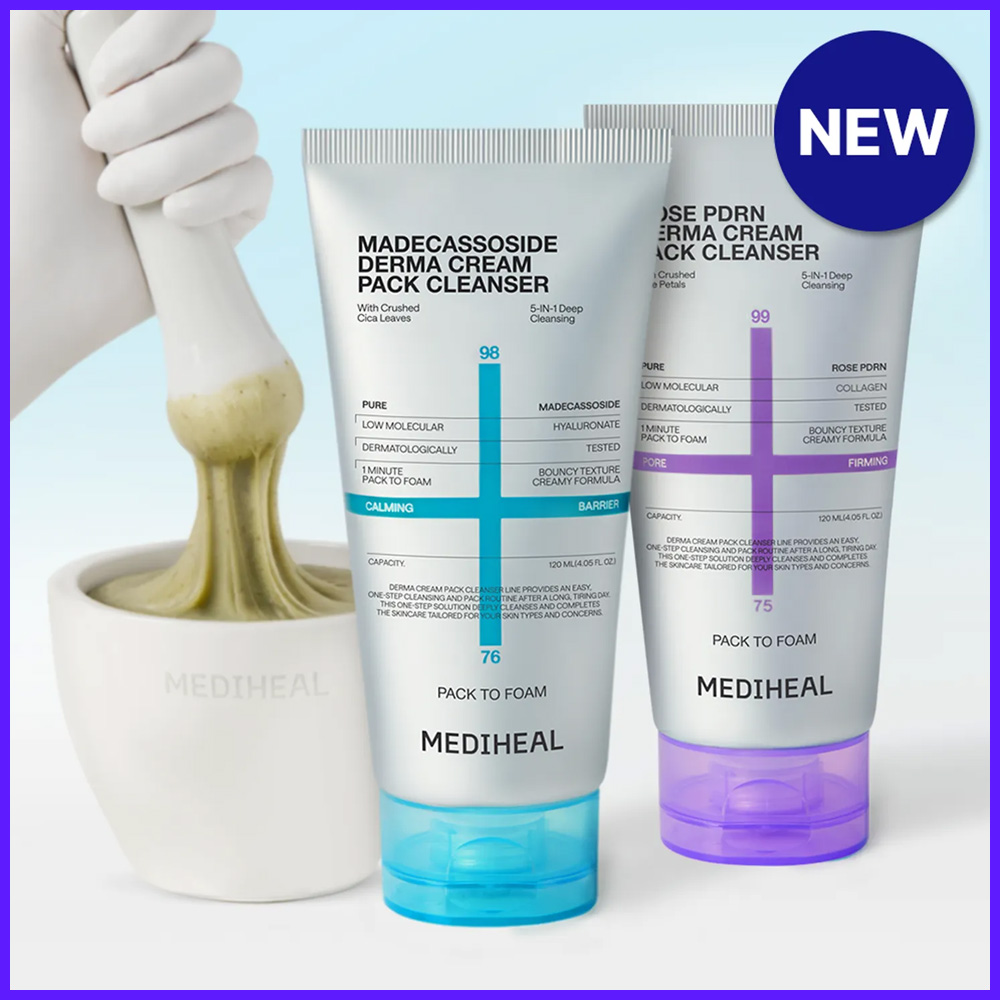
Derma Cream Pack Cleanser
Mediheal
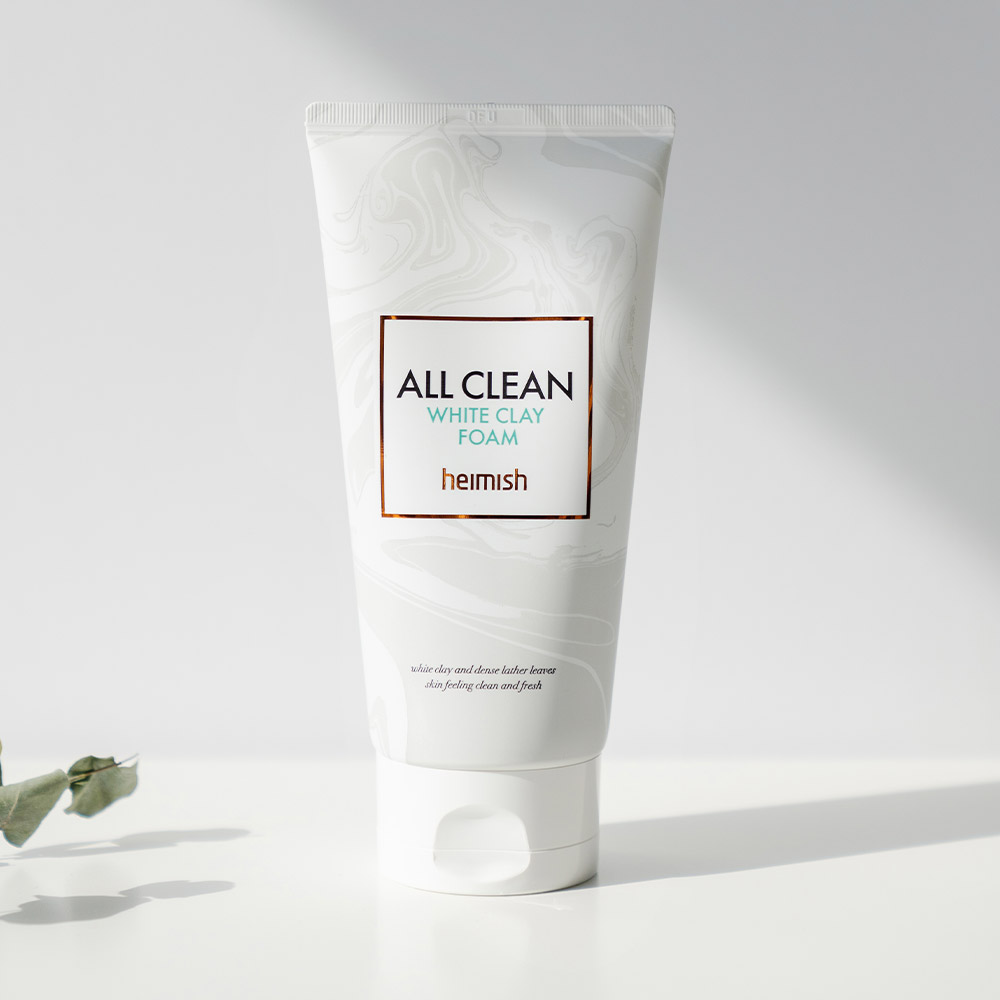
All Clean White Clay Foam
Heimish

PDRN Cream Twin Pack
Mediheal
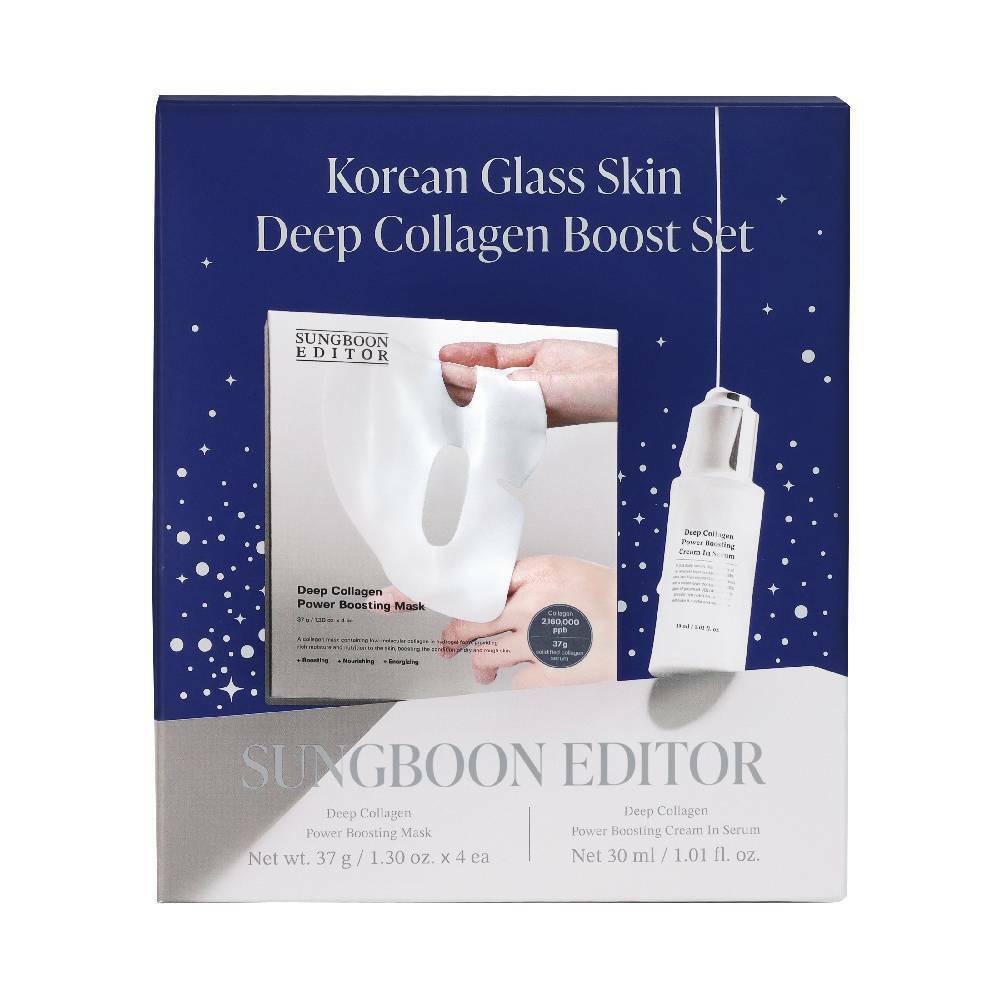
Deep Collagen Boost Set (Serum 30ml + Mask Sheet 4ea)
Sungboon Editor
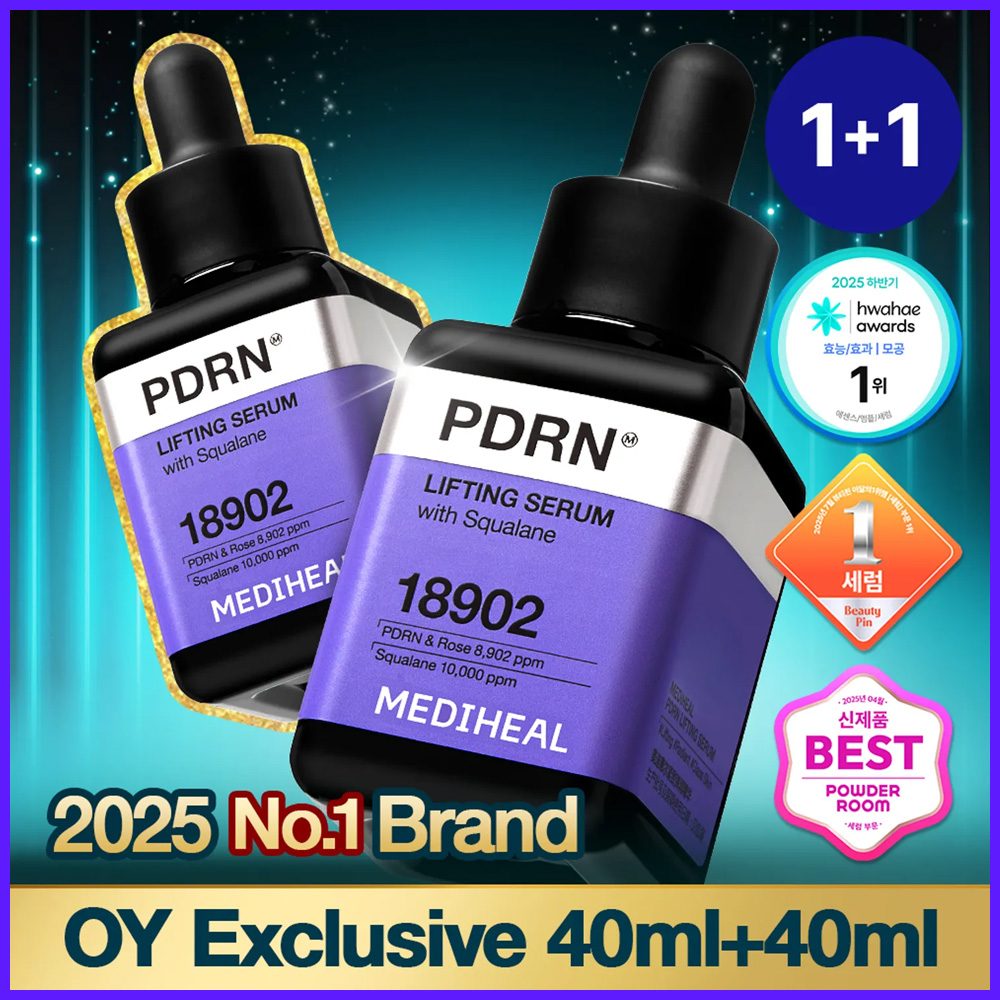
PDRN Lifting Serum
Mediheal
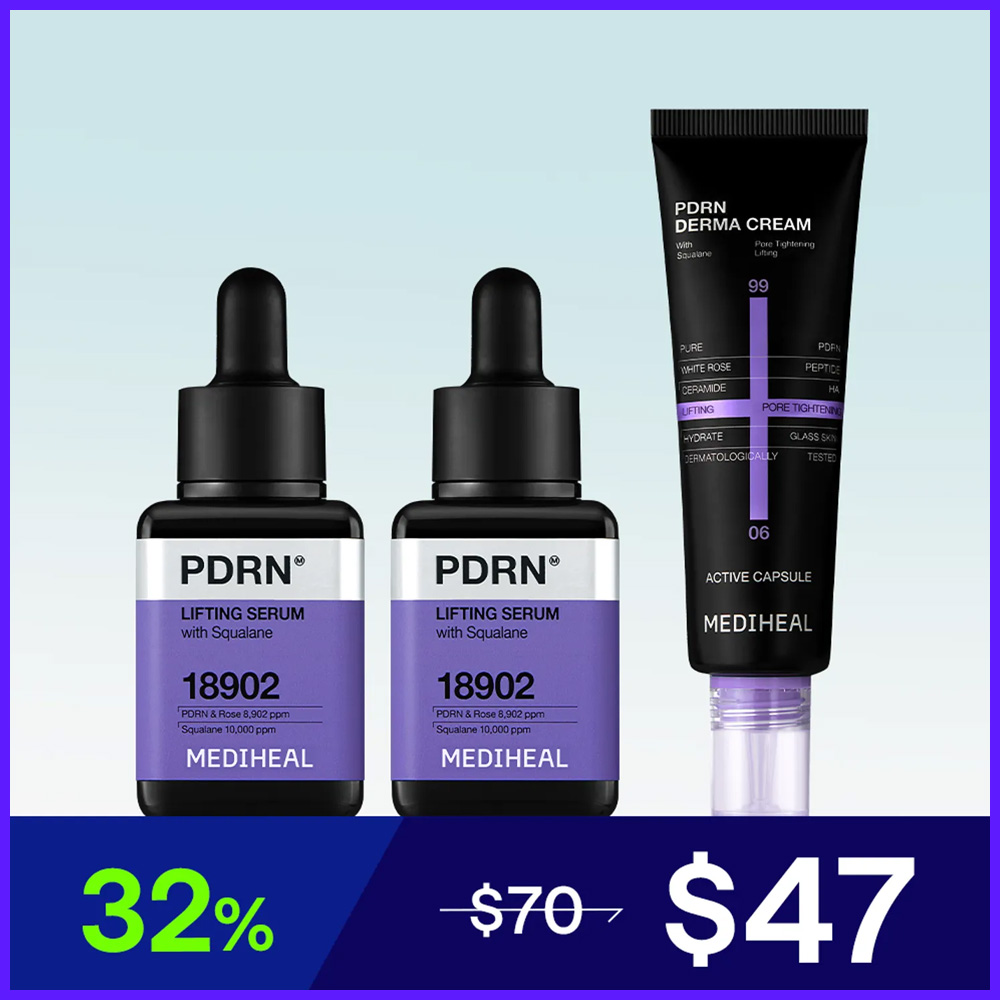
PDRN Set (Serum Double Pack + Cream)
Mediheal
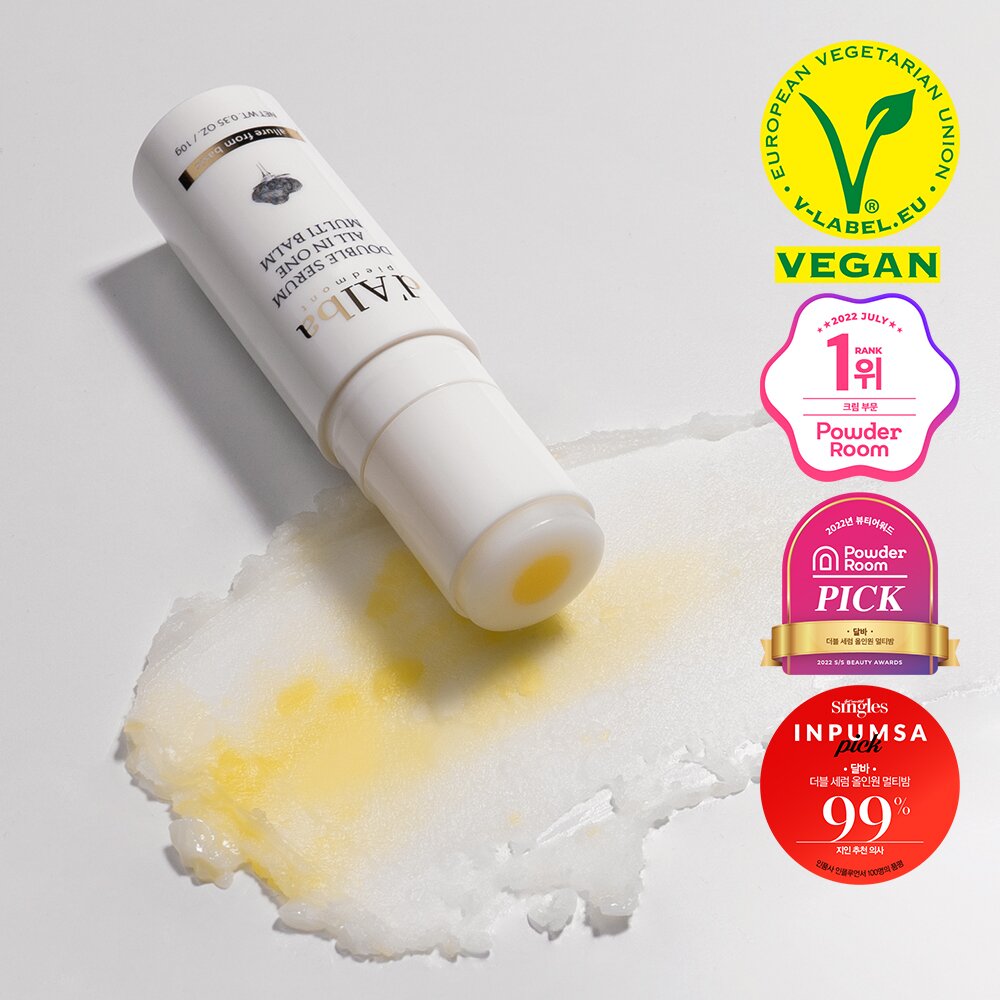
Double Serum All In One Multi Balm
d'Alba
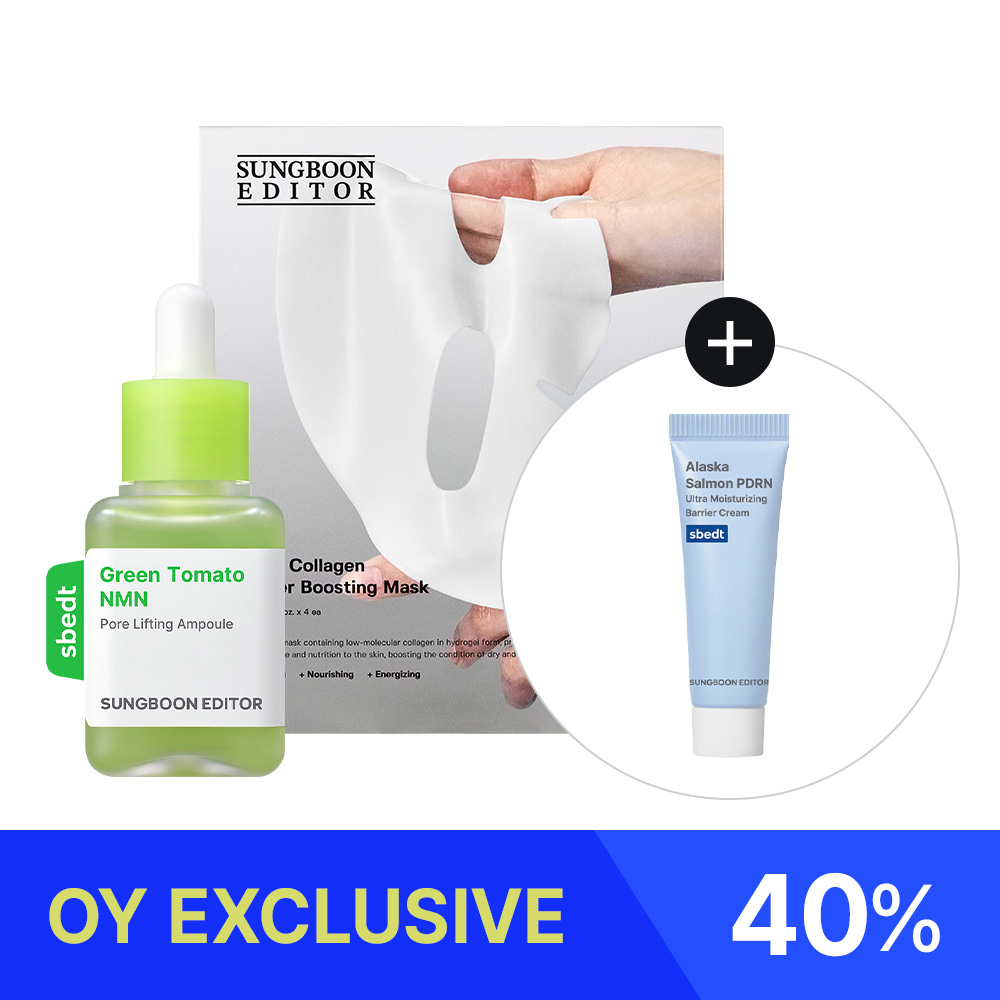
Pore Care Set
Sungboon Editor
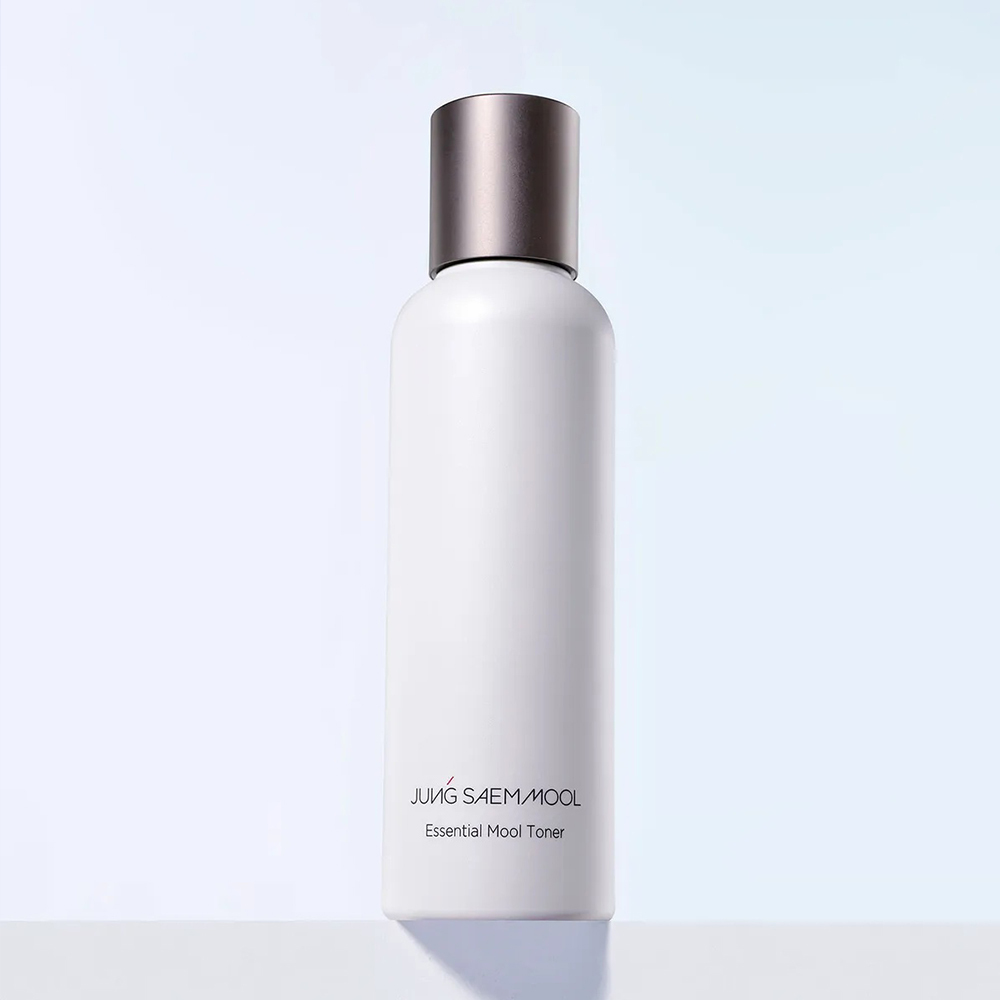
Essential Mool Toner
JUNGSAEMMOOL
Frequently Asked Questions
Is rose extract the same as rose water or rosehip oil?▼
Can rose extract cause breakouts?▼
Will rose extract irritate sensitive or rosacea-prone skin?▼
How effective is rose extract compared to other antioxidants in K-beauty?▼
Should I use rose extract in my morning or evening routine?▼
Explore More
Want personalized ingredient advice?
Yuri, our AI beauty advisor, can tell you how Rose Extract works with your specific skin type, routine, and concerns.
Ask Yuri, free