Rose Oil
INCI: Rose Flower Oil
Fragrance and skin-soothing emollient
About Rose Oil
Rose oil, extracted from the petals of Rosa damascena or Rosa centifolia through steam distillation or solvent extraction, is one of the most luxurious and multifunctional ingredients in K-beauty. While often categorized as a fragrance component, rose oil offers genuine skin benefits beyond its intoxicating scent. Korean skincare brands prize it for its skin-soothing properties, antioxidant content, and ability to enhance product sensoriality without heavy emollience. Found in 28 products on Seoul Sister, including top-rated formulas like Centellian24's Madeca Cream Power Boosting Formula Triple Set and Anua's Black Micro Infusion Bubble Shot (both rated 5.0/5), rose oil represents K-beauty's philosophy of ingredients that perform double duty. The oil contains over 300 chemical compounds, including citronellol, geraniol, and nerol, which contribute to both its aromatic profile and therapeutic effects. Its low comedogenic rating (1/5) makes it surprisingly suitable for most skin types, though its moderate safety rating (3/5) reflects potential for sensitivity in fragrance-reactive individuals. In Korean formulations, rose oil often appears in creams and treatments targeting mature or stressed skin, where its soothing and barrier-supporting properties complement active ingredients like PDRN and peptides.
How Rose Oil Works
Rose oil functions through multiple mechanisms at the cellular level. Its phenolic compounds and flavonoids act as antioxidants, neutralizing free radicals that contribute to premature aging and inflammation. The oil's monoterpene alcohols (citronellol and geraniol) interact with skin cell receptors to modulate inflammatory pathways, reducing redness and irritation. As an emollient, rose oil contains fatty acids that integrate into the lipid bilayer of the stratum corneum, reinforcing the skin barrier and reducing transepidermal water loss. Unlike heavier botanical oils, rose oil's molecular composition allows it to absorb relatively quickly without occlusive heaviness. The aromatic compounds also stimulate olfactory receptors, which can trigger relaxation responses through the limbic system, potentially reducing stress-related skin issues. Additionally, rose oil has mild astringent properties that can temporarily refine pore appearance without stripping moisture. When formulated in K-beauty products alongside ingredients like centella asiatica or PDRN, rose oil enhances overall skin tolerance to actives while contributing its own reparative benefits.
Rose Oil by Skin Type
Oily Skin
Rose oil's low comedogenic rating (1/5) makes it acceptable for oily skin, though it should be used in formulations where it's balanced with lightweight textures. Its mild astringent properties can help refine pore appearance temporarily, and the antioxidant content supports skin stressed by excess sebum oxidation. However, those extremely sensitive to fragrance should patch test first.
Dry Skin
This is where rose oil truly shines. Its emollient fatty acids support barrier repair while the antioxidants protect compromised skin. Products like Belif's Manology 101 Smart Moisture Extreme (5.0/5) leverage rose oil to enhance moisture retention without greasiness. The soothing properties also calm the irritation that often accompanies dryness, making it ideal for dehydrated or flaky skin.
Combo Skin
Rose oil works well for combination skin because it provides moisture to dry zones without overwhelming oily areas. Its balanced molecular weight allows absorption where needed while the astringent properties can address shine in the T-zone. The key is choosing formulations that use it sparingly, like the highly-rated PDRN products from Mediheal (4.9/5), where it supports rather than dominates.
Sensitive Skin
While rose oil offers genuine soothing benefits through its anti-inflammatory compounds, its identity as a fragrance ingredient means sensitive skin users should approach cautiously. The moderate safety rating (3/5) reflects potential for contact sensitivity or allergic reactions in fragrance-reactive individuals. If your skin tolerates it, the antioxidant and calming properties can actually benefit redness-prone skin. Always patch test.
Normal Skin
Normal skin types can fully enjoy rose oil's benefits without concern. The combination of barrier support, antioxidant protection, and sensory pleasure makes it an ideal ingredient for maintenance skincare. Products like Anua's Black Micro Infusion Bubble Shot (5.0/5) demonstrate how rose oil can elevate a formula's overall performance and experience without causing issues for balanced skin.
How to Use Rose Oil
- 1Patch test rose oil products on your inner arm for 24-48 hours if you have known fragrance sensitivities or a history of contact dermatitis, even though it offers skin benefits.
- 2Layer rose oil-containing products after actives like vitamin C or retinol in your evening routine to leverage its soothing properties and help mitigate potential irritation from stronger ingredients.
- 3Use rose oil products within 6-12 months of opening, as the antioxidant compounds can oxidize over time, reducing efficacy and potentially increasing irritation risk.
- 4Pair rose oil formulas with niacinamide or centella asiatica products to maximize barrier repair benefits, as seen in top-rated combinations like the Centellian24 Madeca Cream (5.0/5) which balances multiple soothing ingredients.
Background
Rose oil has a documented history spanning over 5,000 years, with origins in ancient Persia (modern-day Iran), where Rosa damascena was first cultivated. The Persians pioneered distillation techniques to extract rose oil, which became so valuable it was literally worth its weight in gold. The ingredient traveled along the Silk Road to Asia, where it was incorporated into traditional medicine systems. In Korea, roses have cultural significance in traditional beauty practices, though rose oil's prominence in modern K-beauty emerged in the 2010s as brands sought natural fragrance alternatives that offered functional benefits. The K-beauty industry's focus on gentle, multi-benefit ingredients made rose oil an ideal candidate for premium formulations targeting mature or stressed skin. Today, most rose oil in K-beauty products comes from Bulgarian or Turkish Rosa damascena, prized for optimal therapeutic compound concentrations. Its inclusion in top-rated products like those from Mediheal and Centellian24 reflects K-beauty's evolution toward sophisticated botanical ingredients that perform beyond their traditional roles.
K-Beauty Products with Rose Oil
View all 29 →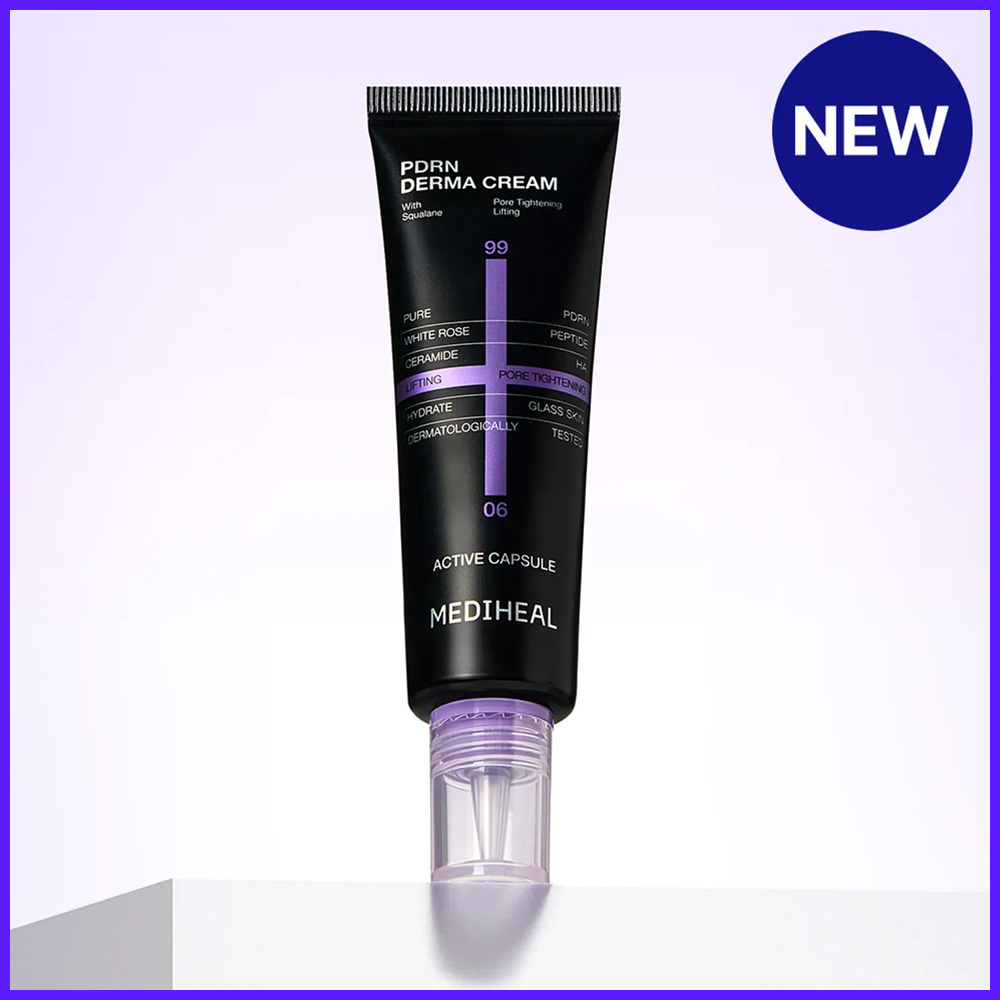
PDRN Lifting Derma Cream
Mediheal
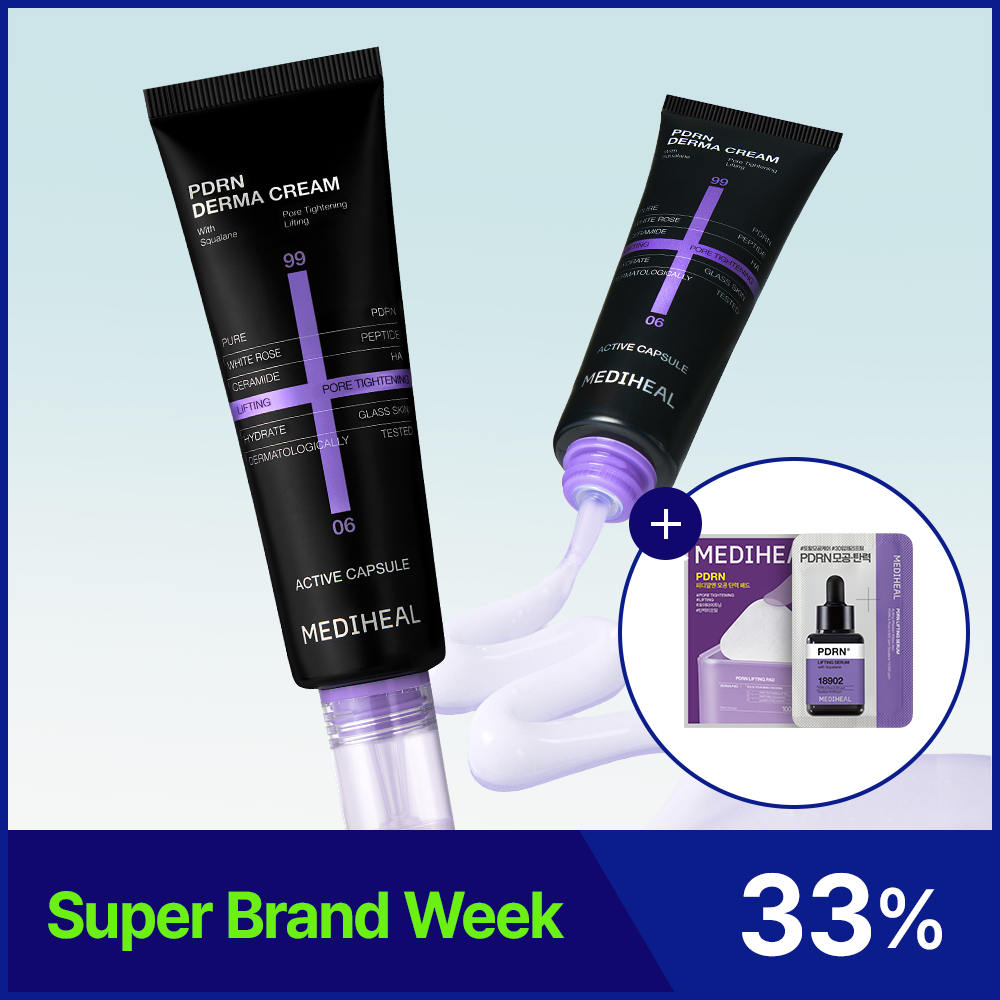
PDRN Cream
Mediheal
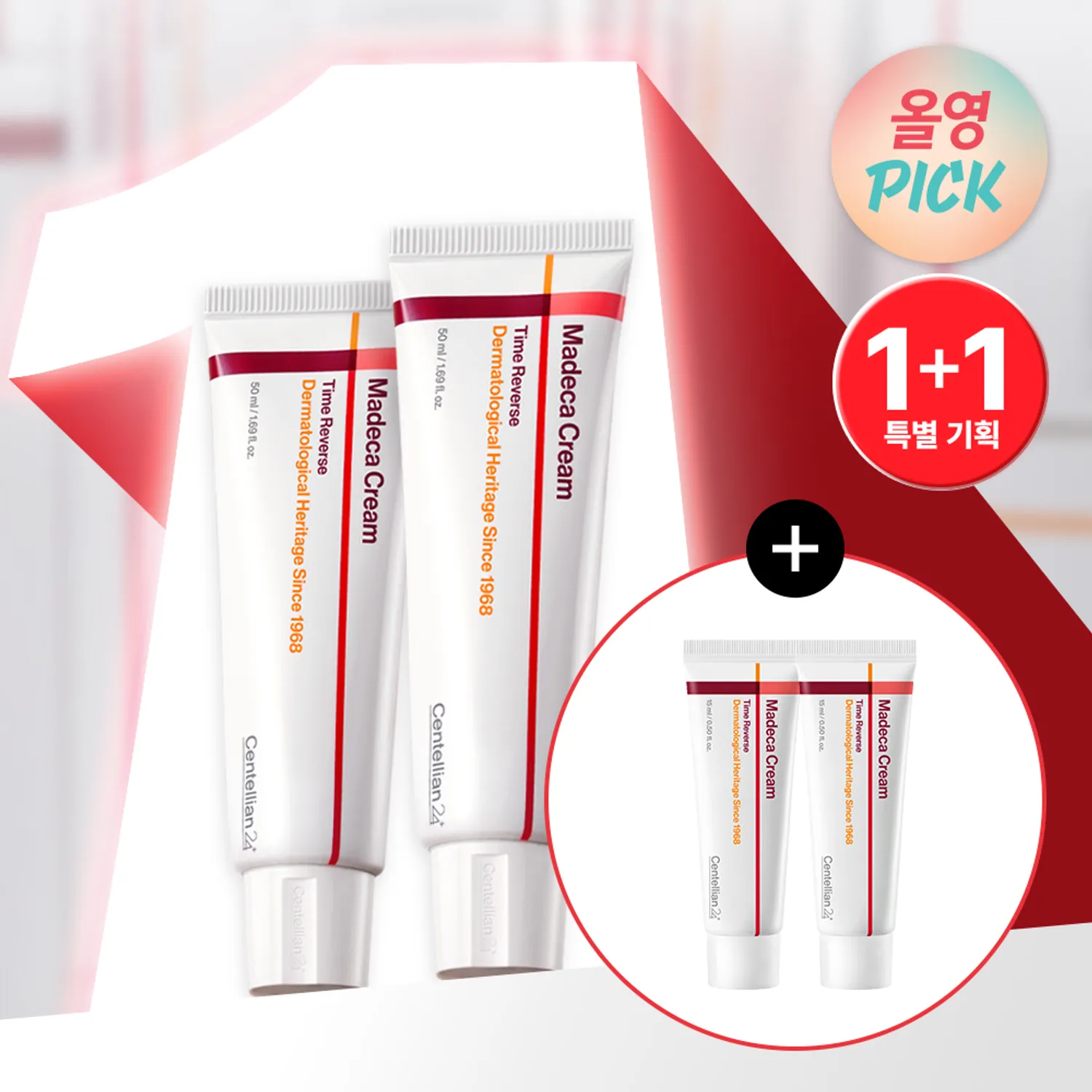
Madeca Cream Time Reverse Double Pack
Centellian24
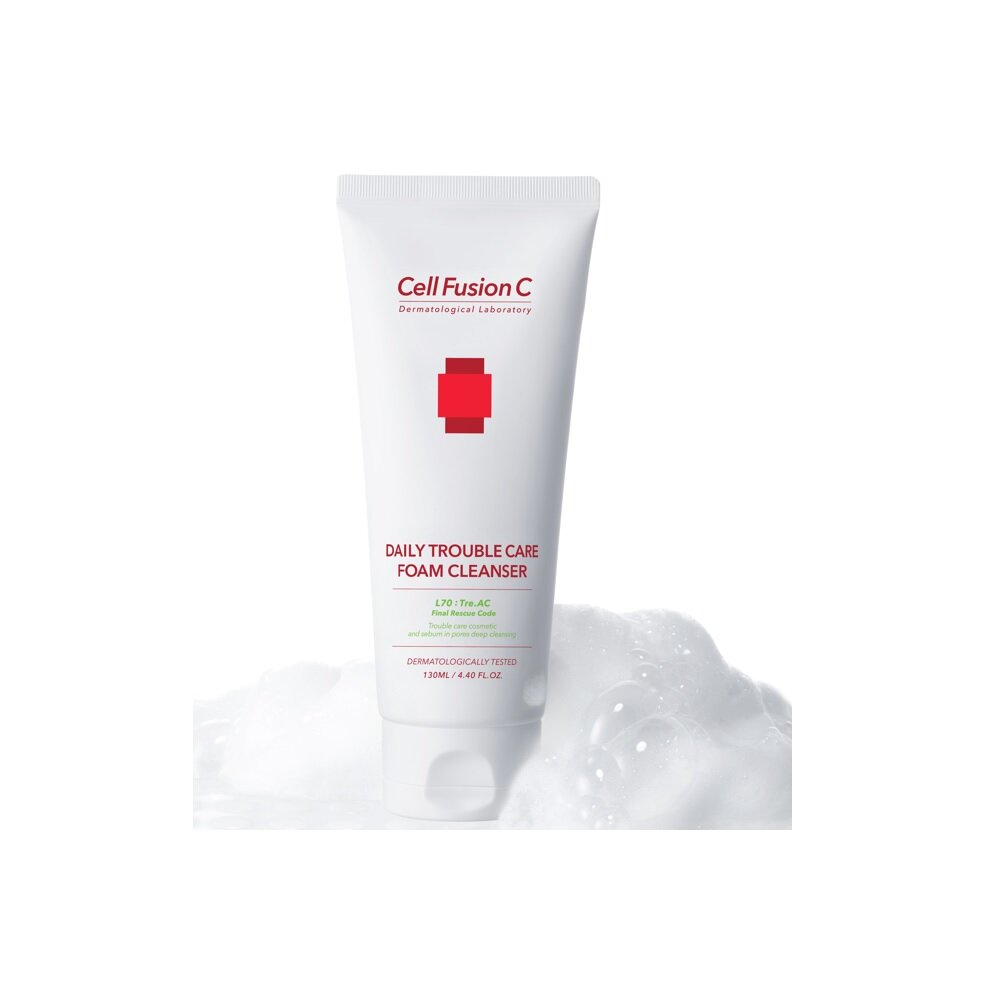
Tre-AC Daily Trouble Care Foam Cleanser
Cell Fusion C
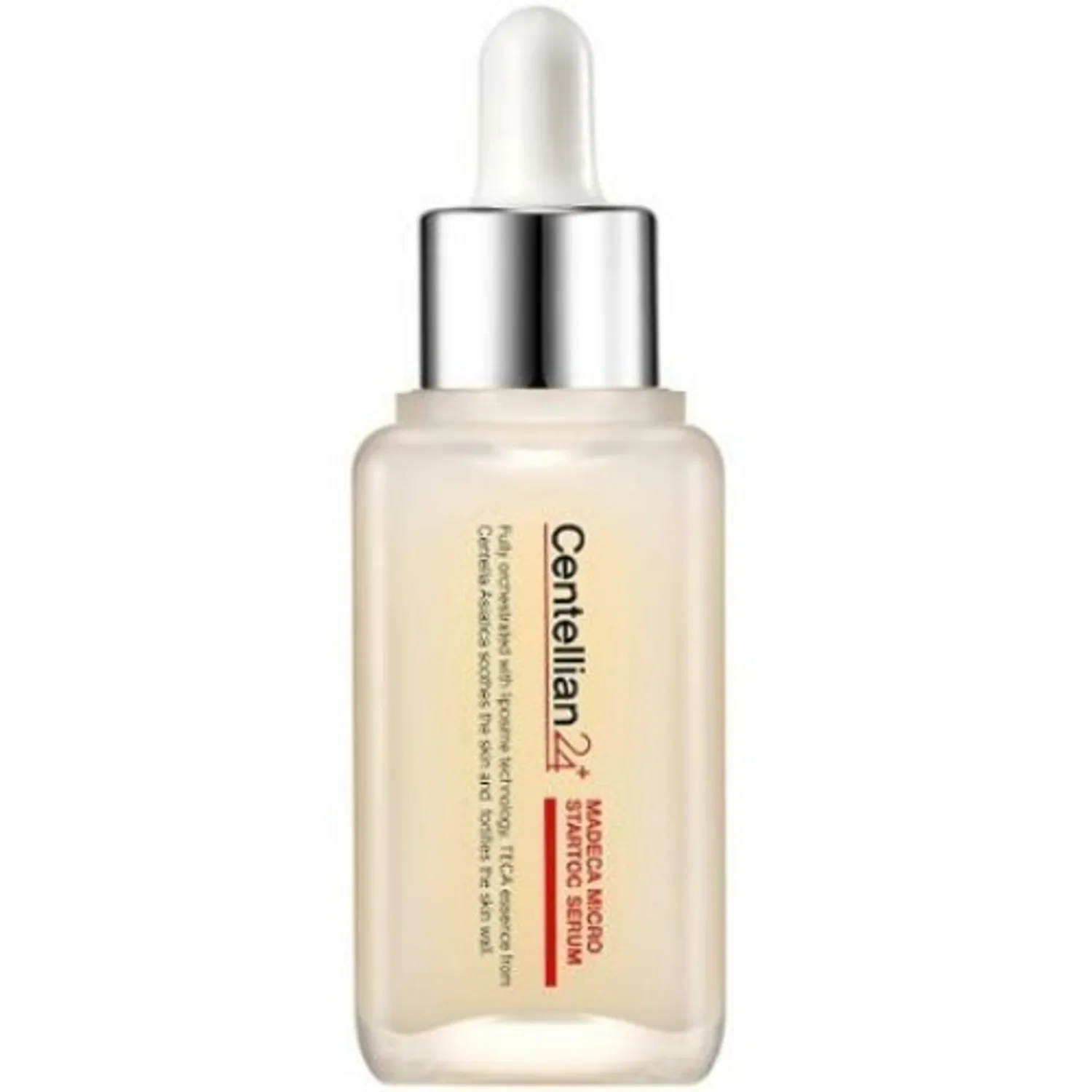
Madeca Micro Startoc Serum
Centellian24
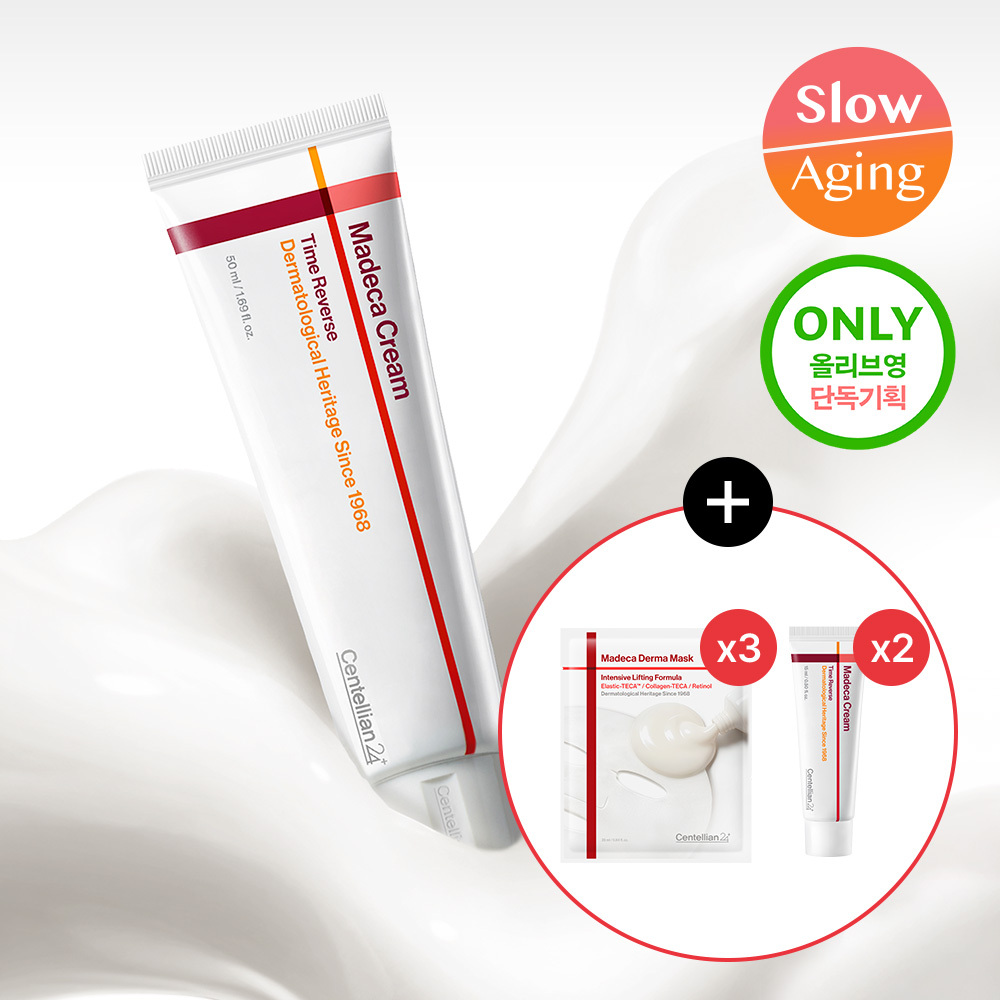
Madeca Cream Time Reverse Set
Centellian24
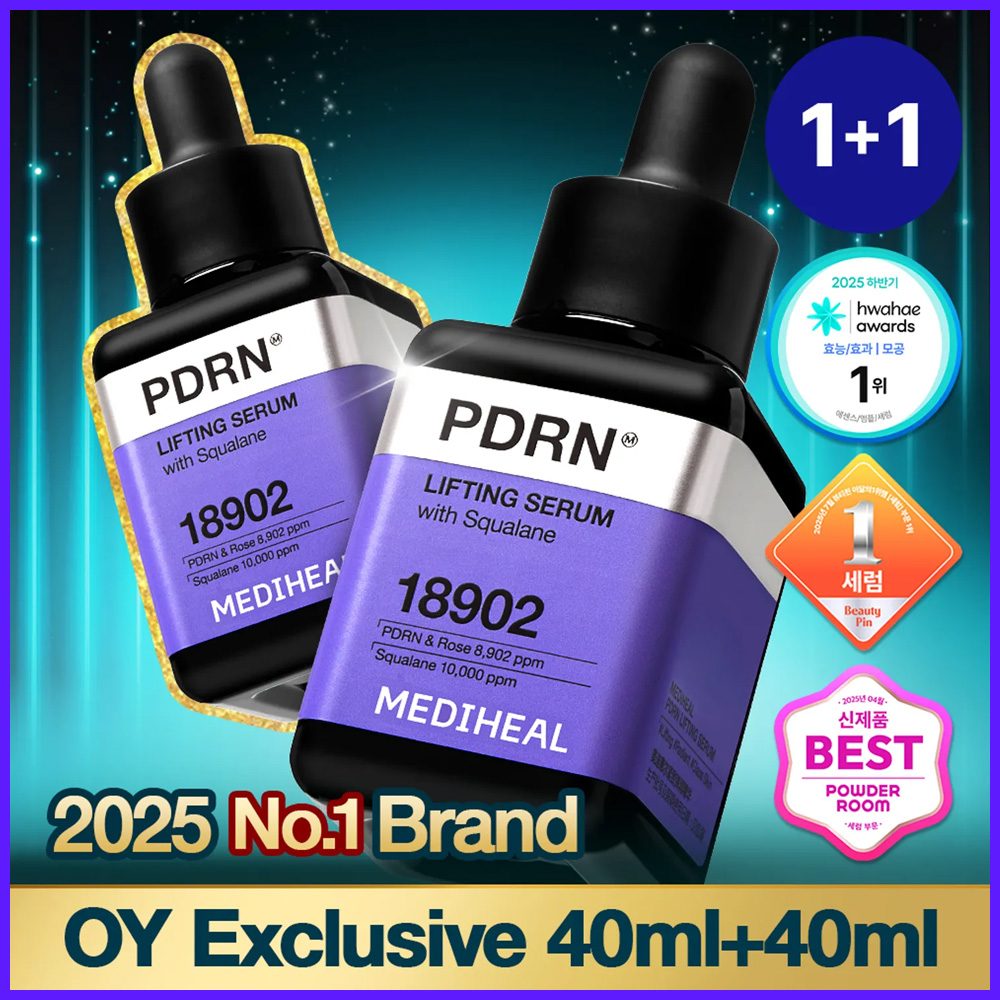
PDRN Lifting Serum
Mediheal
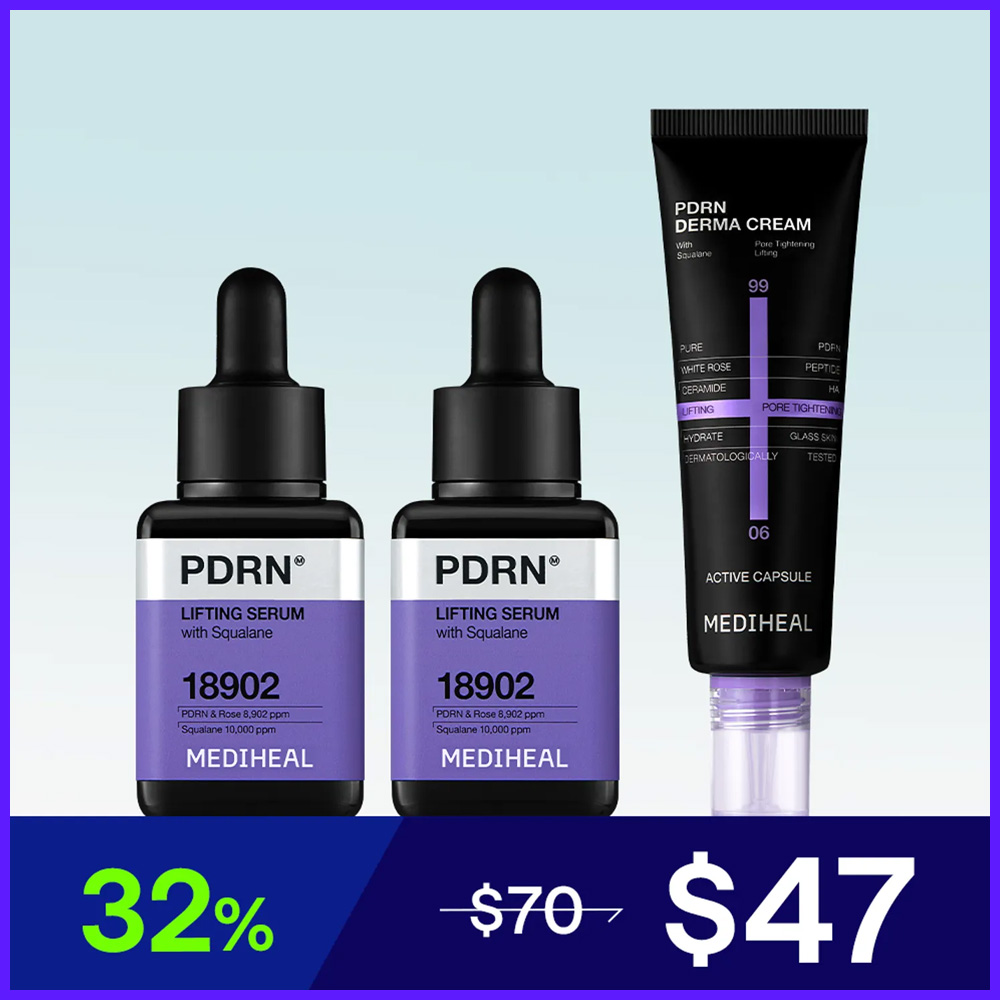
PDRN Set (Serum Double Pack + Cream)
Mediheal
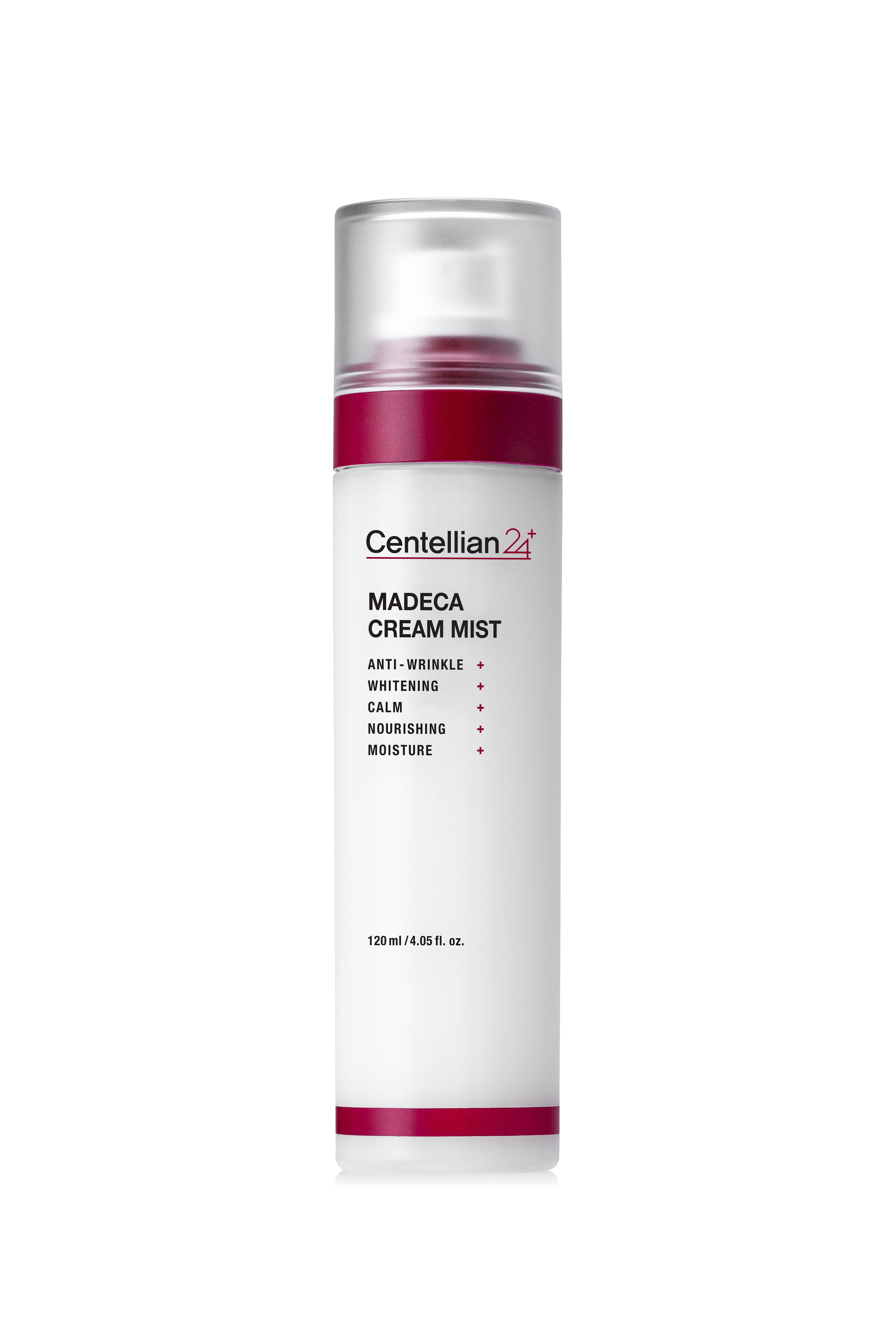
Madeca Cream Mist
Centellian24
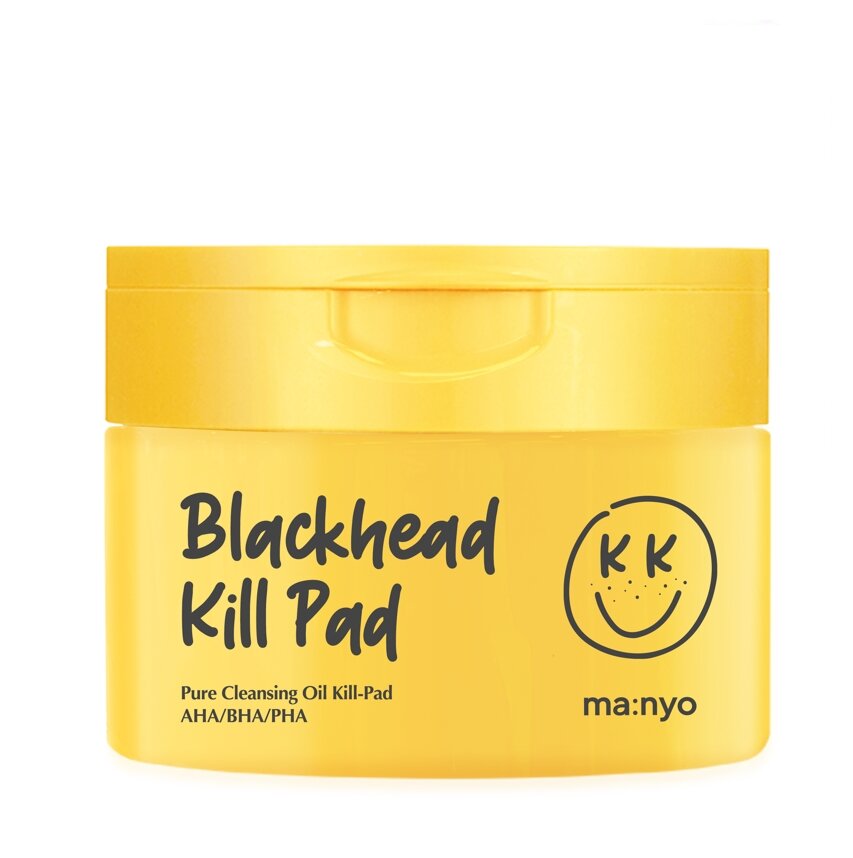
Blackhead Pure Cleansing Oil Kill-Pad
ma:nyo
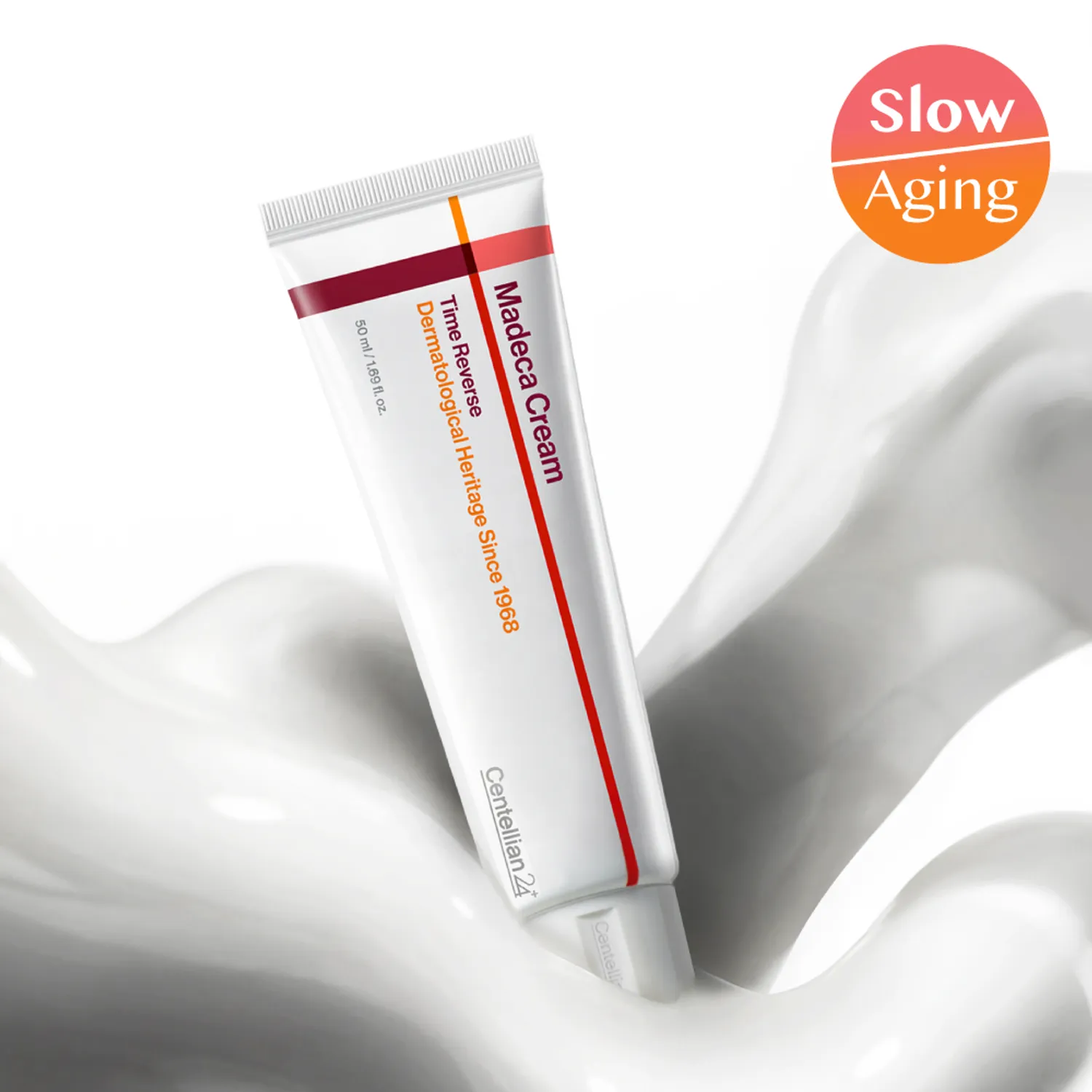
Madeca Cream Time Reverse
Centellian24
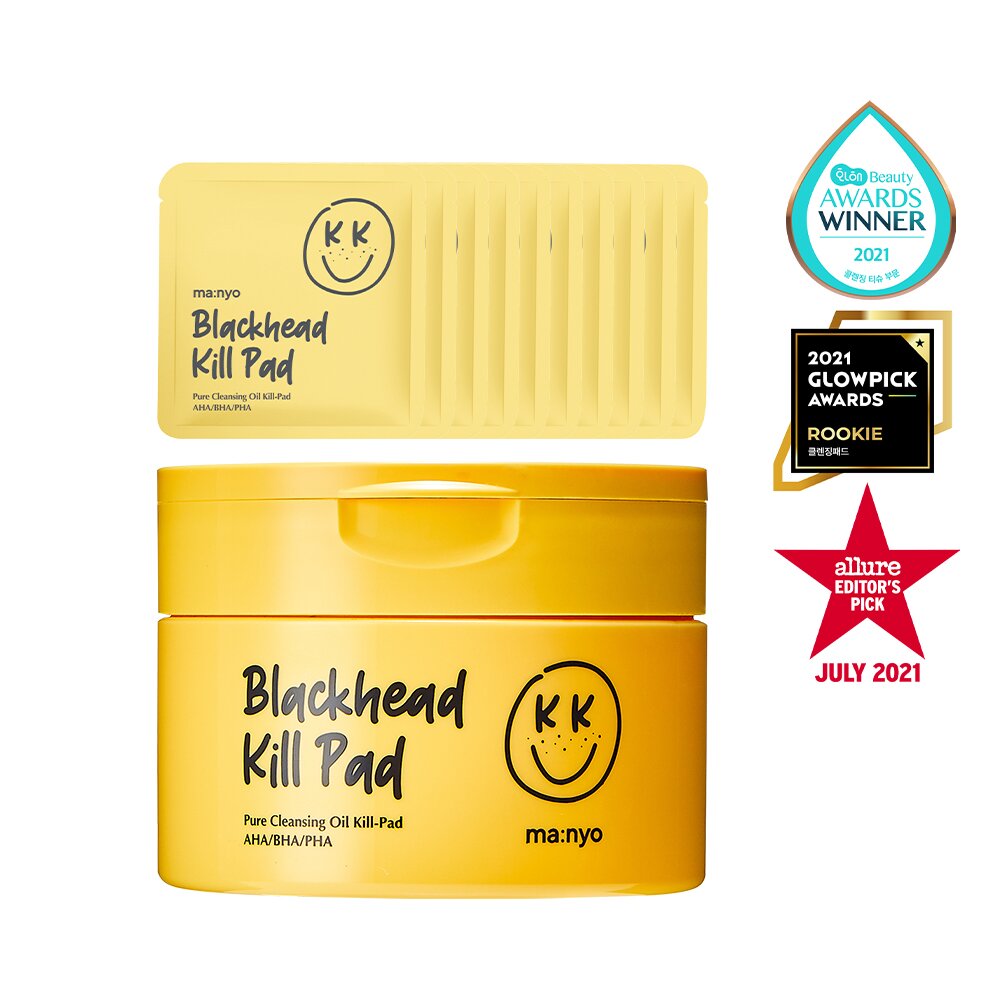
Blackhead Pure Cleansing Oil Kill Pad Special Set
ma:nyo
Frequently Asked Questions
Is rose oil actually good for skin or is it just fragrance?▼
Why do expensive K-beauty products like the Mediheal PDRN Cream use rose oil if it's risky for sensitive skin?▼
Will rose oil clog my pores or cause breakouts?▼
How can I tell if rose oil is high quality in a K-beauty product?▼
Explore More
Want personalized ingredient advice?
Yuri, our AI beauty advisor, can tell you how Rose Oil works with your specific skin type, routine, and concerns.
Ask Yuri, free