Rosemary Leaf Extract
Antioxidant and antimicrobial botanical extract
About Rosemary Leaf Extract
Rosemary Leaf Extract is a potent botanical ingredient derived from the leaves of Rosmarinus officinalis, a Mediterranean herb that has become a staple in K-beauty formulations for its dual antioxidant and antimicrobial properties. This extract is rich in polyphenolic compounds, including rosmarinic acid and carnosic acid, which work together to protect skin from oxidative stress while helping to control bacteria that can lead to breakouts. In K-beauty, rosemary extract is valued not just for its protective benefits but also for its ability to soothe irritation and support the skin barrier without clogging pores (comedogenic rating of 1/5). You'll find it in everything from calming serums like Anua's Hyggee Repair Serum to intensive treatments like ma:nyo's Active Refresh Herb Peel, where it helps balance skin while delivering antioxidant protection. Korean formulators particularly appreciate rosemary extract because it can be paired with gentle actives to enhance stability and effectiveness, making it a versatile supporting player in multi-step routines. With a safety rating of 4/5, it's generally well-tolerated across skin types, though those with very sensitive skin should patch test first. The extract's natural astringent properties make it especially popular in products targeting excess sebum and enlarged pores, while its antioxidant capacity helps defend against environmental aggressors like pollution and UV-induced free radicals.
How Rosemary Leaf Extract Works
At the molecular level, Rosemary Leaf Extract functions through several key mechanisms. The primary active compounds, rosmarinic acid and carnosic acid, neutralize free radicals by donating electrons to unstable molecules, effectively stopping the chain reaction of oxidative damage that leads to premature aging and inflammation. Carnosic acid is particularly interesting because it activates the Nrf2 pathway in skin cells, which upregulates the production of your skin's own antioxidant enzymes like superoxide dismutase and catalase. This means rosemary doesn't just act as a direct antioxidant but actually teaches your skin to protect itself better. The antimicrobial activity comes from monoterpenes like cineole and camphor, which disrupt bacterial cell membranes, making this extract helpful for acne-prone skin without the harsh drying effects of traditional antibacterials. Additionally, rosemary extract has been shown to inhibit certain enzymes involved in the breakdown of collagen and elastin, offering anti-aging benefits beyond just antioxidant protection. The anti-inflammatory compounds work by modulating cytokine production, which helps calm redness and irritation while supporting overall skin barrier function.
Rosemary Leaf Extract by Skin Type
Oily Skin
Rosemary Leaf Extract is excellent for oily skin thanks to its natural astringent properties that help regulate sebum production without stripping the skin. The antimicrobial benefits target acne-causing bacteria, while antioxidants protect against the oxidative stress that can worsen breakouts. You'll notice it in products like ma:nyo's Real Aloe Soothing Gel, where it balances oil control with hydration.
Dry Skin
While rosemary extract isn't primarily hydrating, it works well in formulations for dry skin by protecting the lipid barrier from oxidative damage that can worsen moisture loss. The anti-inflammatory properties help soothe the irritation that often accompanies dryness. Look for it paired with emollient ingredients rather than in astringent toners, where it supports barrier repair without causing further dryness.
Combo Skin
This extract is particularly well-suited for combination skin because it can address multiple concerns simultaneously without tipping the balance. It controls excess oil in the T-zone while the antioxidant and soothing properties benefit drier areas. Products like Anua's Hyggee Repair Serum demonstrate how rosemary extract can create equilibrium across different zones of your face.
Sensitive Skin
Rosemary Leaf Extract generally works for sensitive skin due to its anti-inflammatory and barrier-supporting properties, but the natural aromatic compounds can occasionally trigger reactivity in extremely sensitive individuals. If you have a history of reactions to essential oils or fragranced products, patch test first. When well-tolerated, it helps calm redness and protect against environmental irritants that sensitive skin struggles with.
Normal Skin
For normal skin, rosemary extract serves as excellent preventative care, maintaining the healthy balance you already have while protecting against future damage. The antioxidant properties defend against daily environmental stress, while the gentle antimicrobial action keeps your complexion clear. It's the kind of ingredient that helps normal skin stay normal by preventing the oxidative damage and bacterial overgrowth that can shift skin into problem territory.
How to Use Rosemary Leaf Extract
- 1Layer rosemary-containing products in the earlier steps of your routine (essence or serum stage) to maximize antioxidant protection before applying heavier creams
- 2For acne-prone skin, look for rosemary extract in leave-on treatments rather than wash-off products to take full advantage of the antimicrobial benefits
- 3Apply products with rosemary extract in the morning to defend against daytime oxidative stress from pollution and UV exposure, though they work well at night too
- 4If you have sensitive skin, start with products where rosemary is further down the ingredient list rather than a primary active to assess tolerance
- 5Pair with niacinamide or centella asiatica for enhanced calming and barrier repair benefits, a combination popular in K-beauty formulations
Background
Rosemary has been used medicinally for over 2,000 years, with ancient Greeks and Romans burning it as incense and using it to improve memory and circulation. The herb is native to the Mediterranean region, where it grows wild on rocky hillsides. Traditional herbalists recognized its preservative properties long before modern science understood why, using it to prevent food spoilage and treat wounds. In skincare, rosemary extract emerged as formulators sought natural alternatives to synthetic preservatives and antioxidants in the 1990s. Korean beauty brands embraced it as part of the broader movement toward botanical ingredients that offer multiple benefits without harsh side effects. The extract gained particular traction in K-beauty during the 2010s as consumers demanded both effective and natural-leaning formulations, positioning rosemary as a bridge between traditional herbal medicine and modern cosmetic science.
K-Beauty Products with Rosemary Leaf Extract
View all 15 →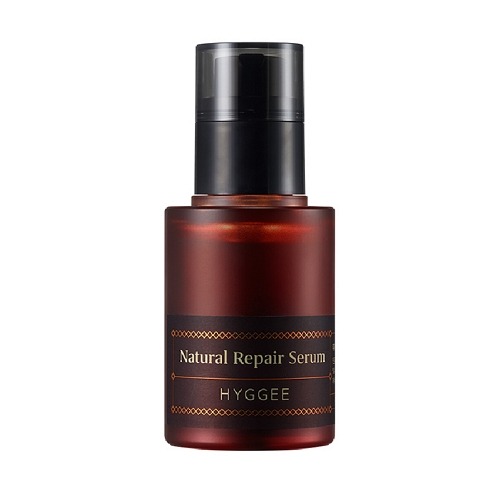
Hyggee Repair Serum
Anua
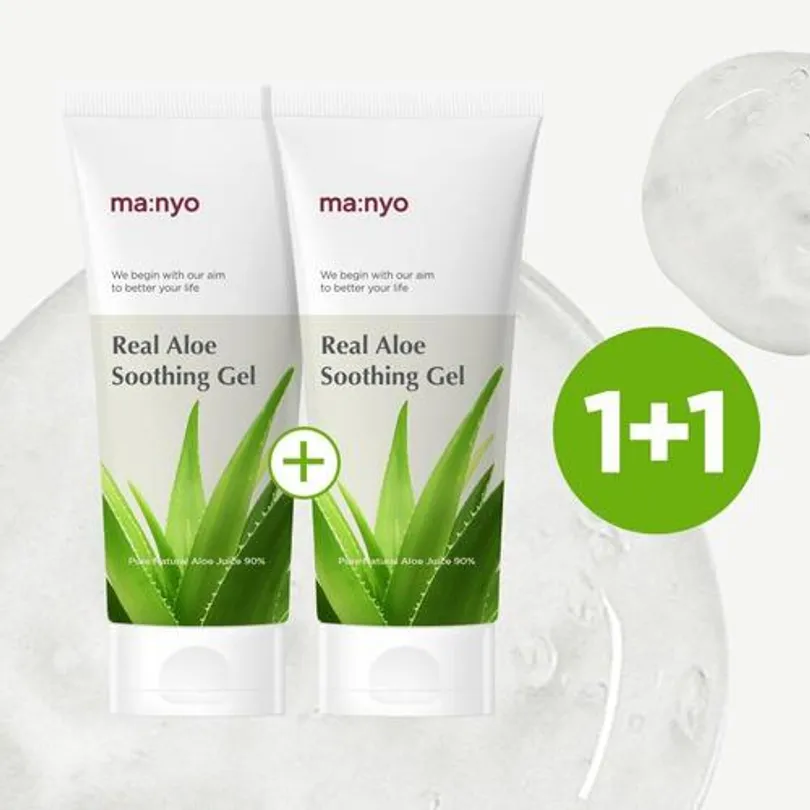
Real Aloe Soothing Gel
ma:nyo
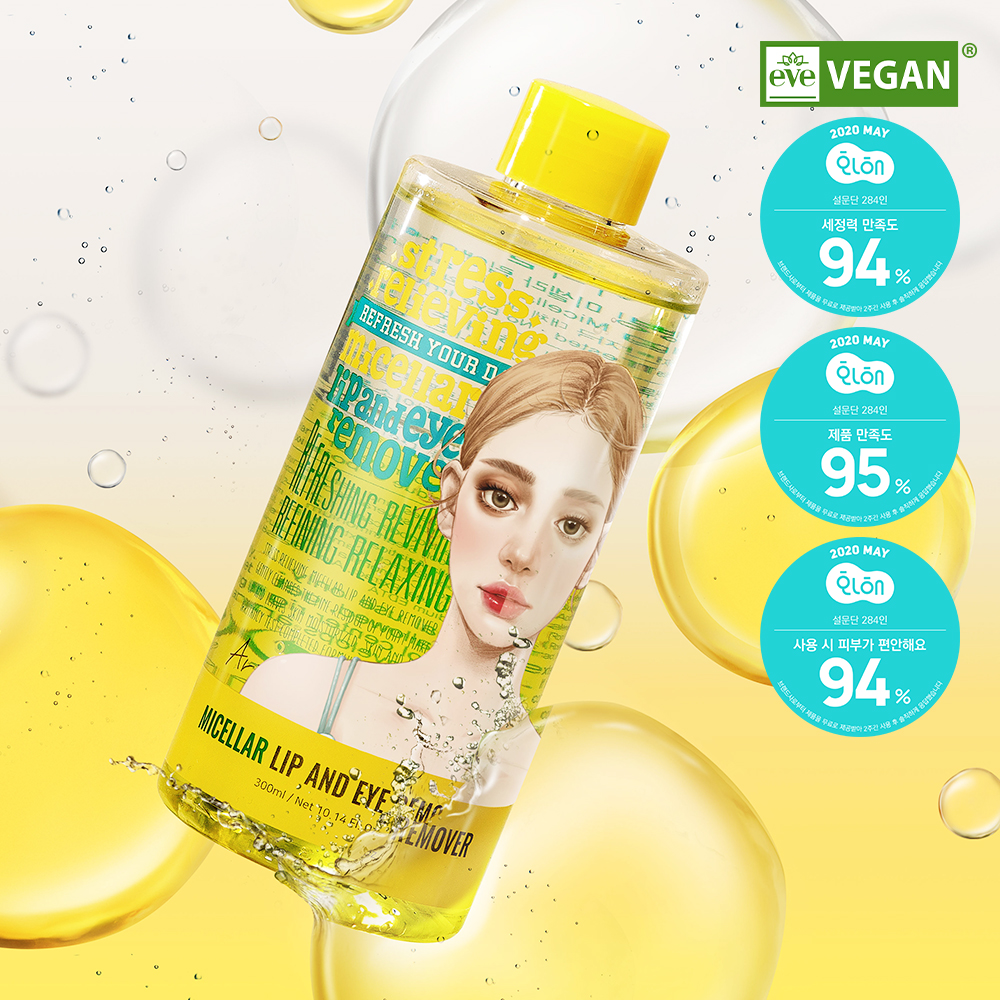
Stress Relieving Micellar Lip & Eye Remover
Ariul
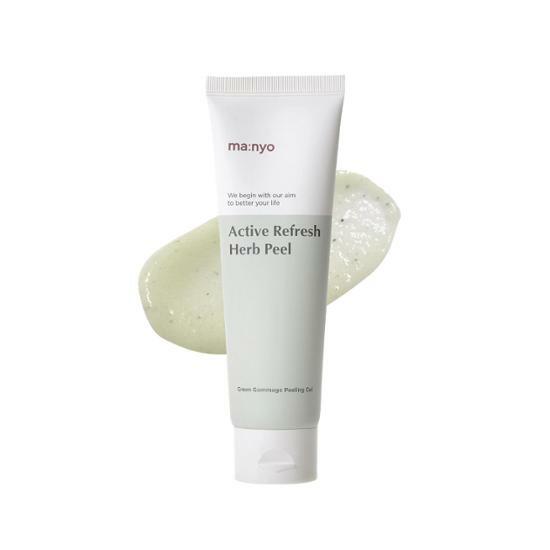
Active Refresh Herb Peel
ma:nyo
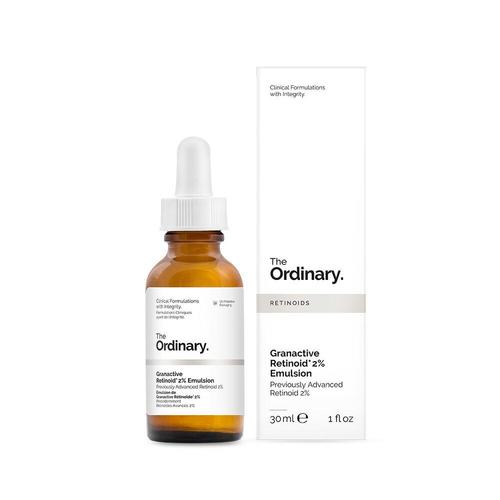
Granactive Retinoid 2% Emulsion
The Ordinary
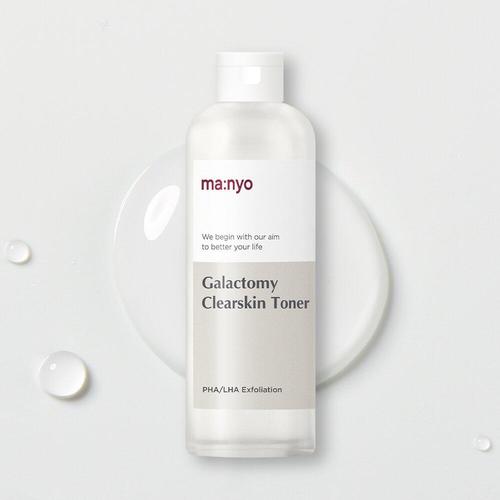
Galactomy Clearskin Toner
ma:nyo
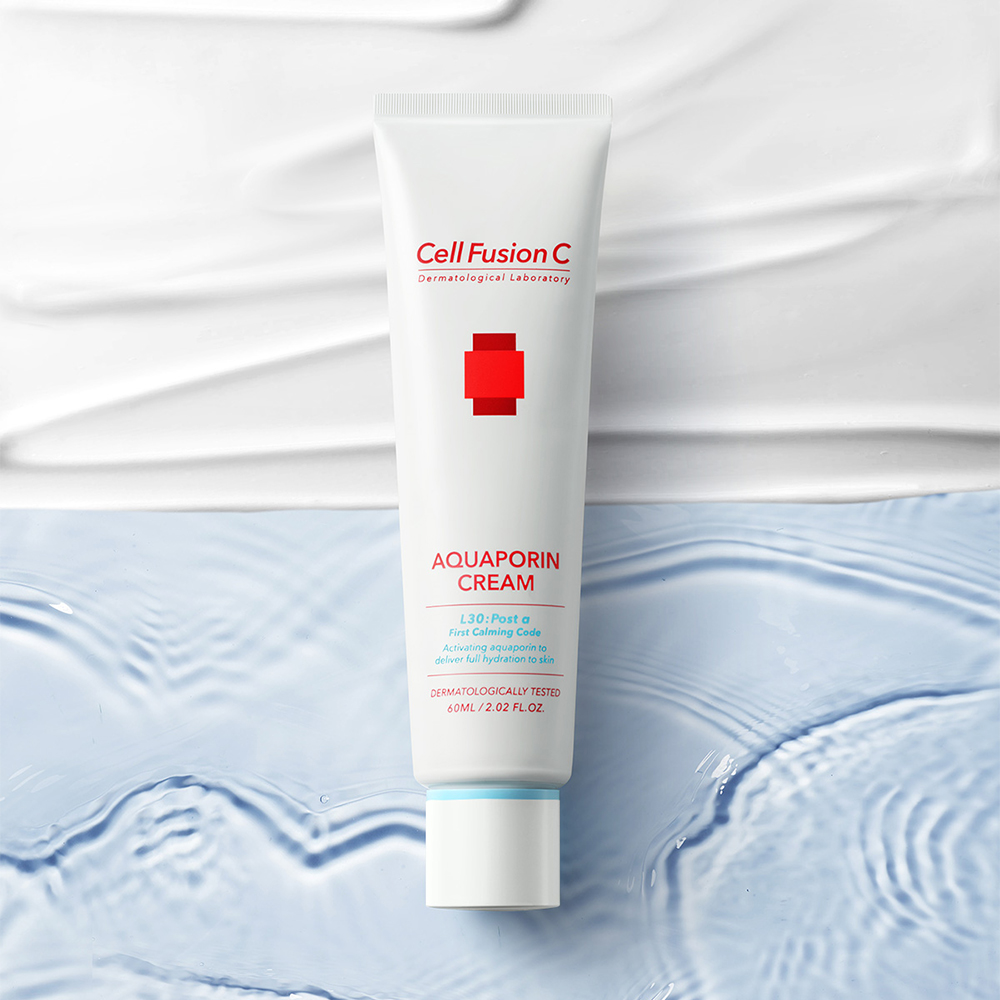
Post α Aquaporin Cream
Cell Fusion C
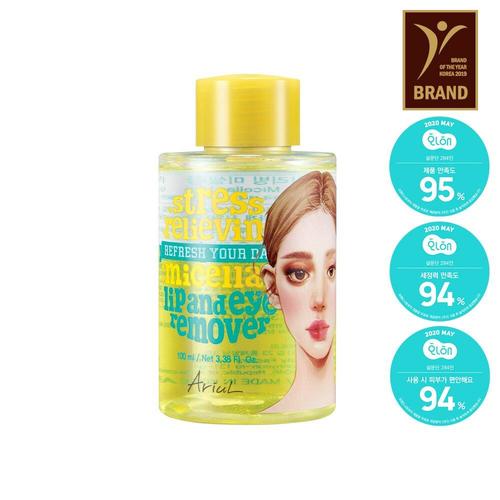
Stress Relieving Micellar Lip and Eye Remover
Ariul
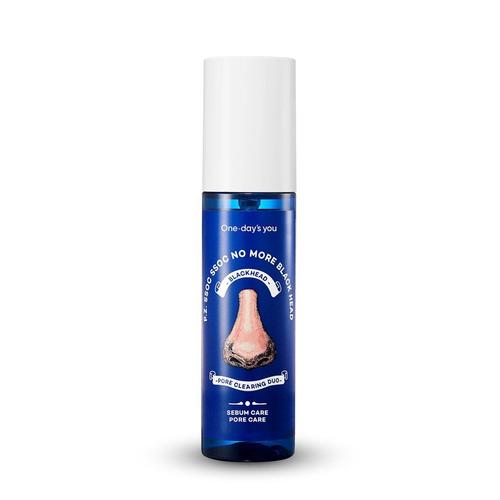
P.Z. Ssoc Ssoc No More Blackhead
Ilso
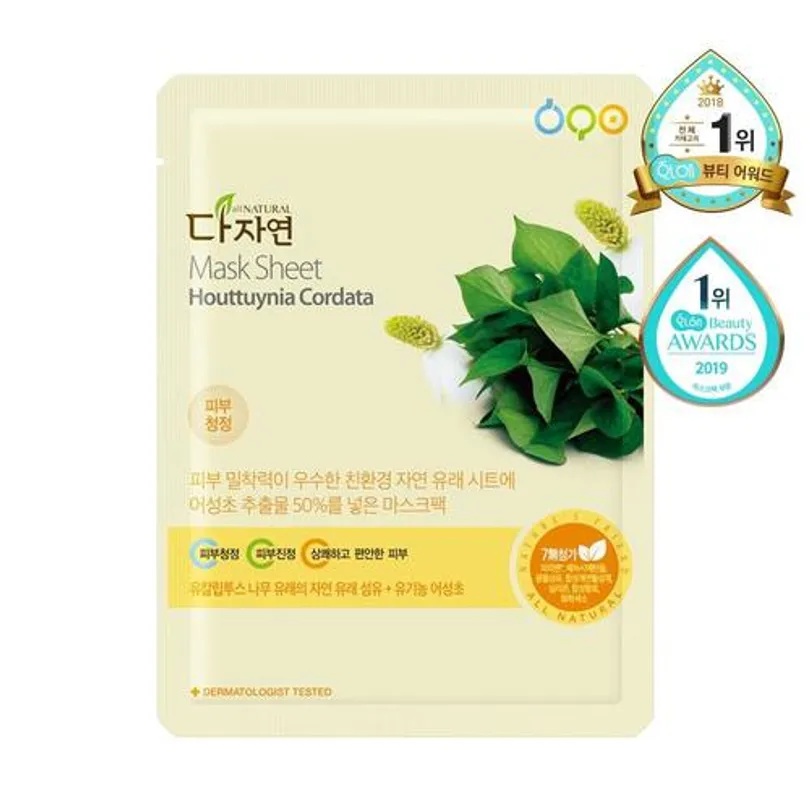
Houttuynia Cordata Sheet Mask
All Natural
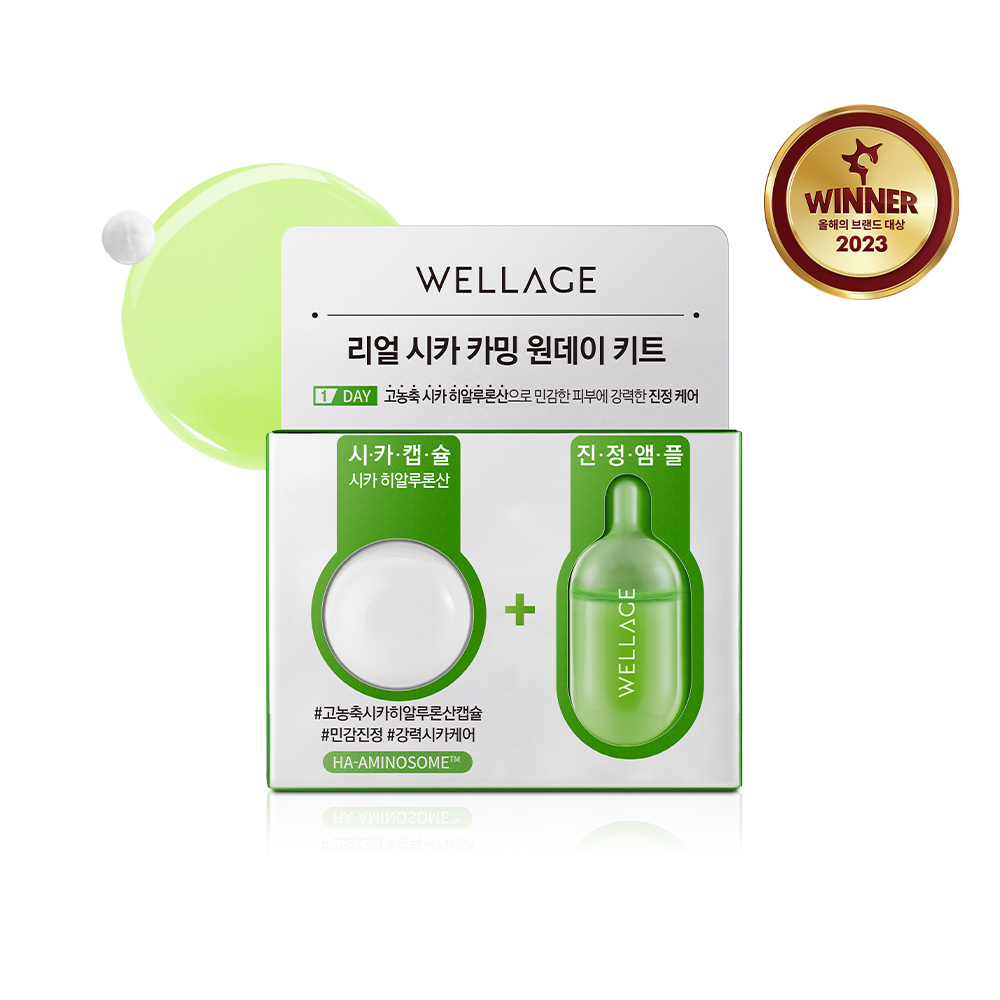
Real Cica Calming One Day Kit
Wellage
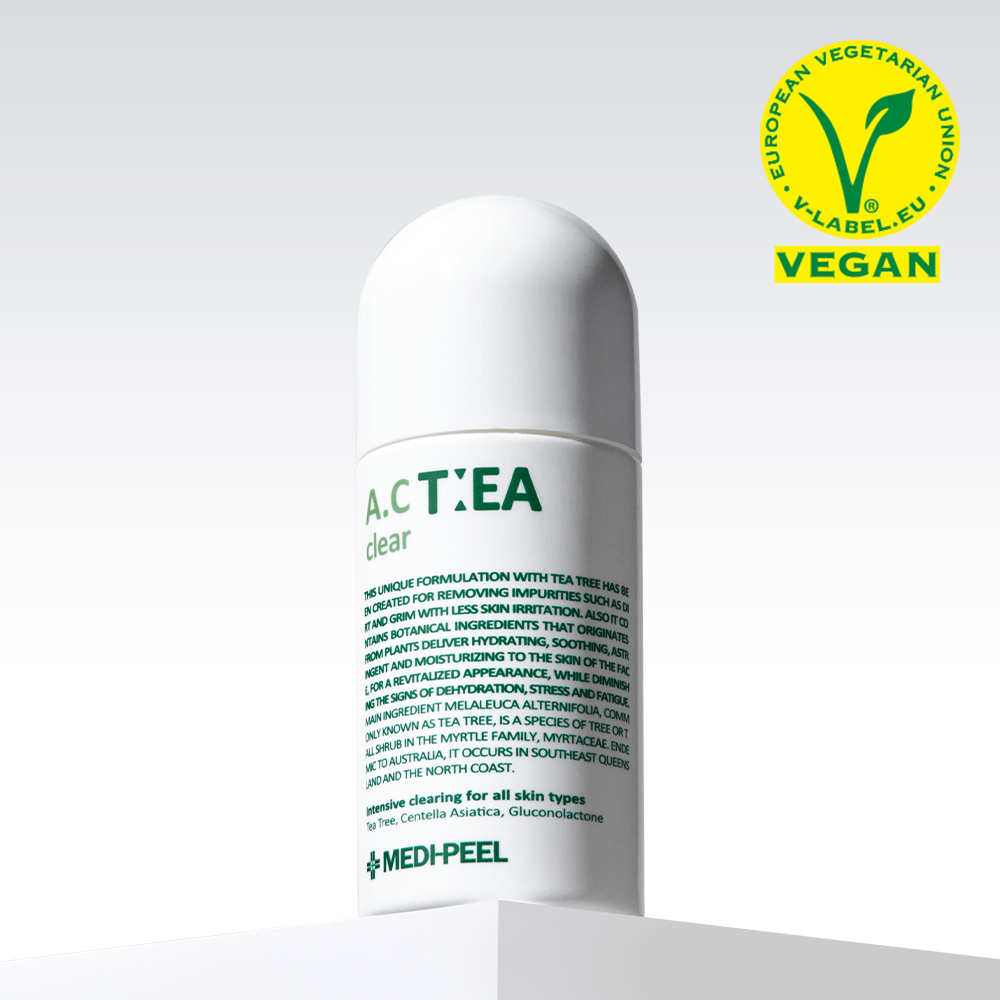
A.C Tea Clear
Medi-Peel
Frequently Asked Questions
Is Rosemary Leaf Extract the same as rosemary essential oil?▼
Can rosemary extract help with hair growth when used in skincare?▼
Will products with rosemary extract make my skin smell like the herb?▼
Is rosemary extract safe to use during pregnancy?▼
Explore More
Want personalized ingredient advice?
Yuri, our AI beauty advisor, can tell you how Rosemary Leaf Extract works with your specific skin type, routine, and concerns.
Ask Yuri, free