Rosemary Oil
INCI: Rosemary Leaf Oil
Antioxidant and antimicrobial with soothing properties
About Rosemary Oil
Rosemary oil (Rosmarinus officinalis leaf oil) is a potent botanical extract derived from the aromatic leaves of the rosemary plant, prized in K-beauty for its multifunctional properties. This essential oil delivers powerful antioxidant activity through compounds like carnosic acid and rosmarinic acid, which help neutralize free radicals and protect skin from environmental stressors. Beyond its protective benefits, rosemary oil exhibits notable antimicrobial properties that make it valuable in cleansers and treatments targeting acne-prone or congested skin. Korean formulators appreciate rosemary oil for its ability to balance sebum production while providing soothing relief to irritated skin. With a moderate safety rating of 3/5 and comedogenic rating of 2/5, this ingredient requires thoughtful formulation and proper dilution. It appears in 18 K-beauty products on Seoul Sister, including highly-rated cleansers like Beplain's Makiol Foaming Cleanser (5.0/5) and Arencia's Pore Melt Mochi Cleansing Oil (4.9/5), where its purifying and antioxidant properties enhance the efficacy of oil-control and deep-cleansing formulas. While rosemary oil is classified as a fragrance ingredient, its therapeutic benefits extend far beyond scent, making it a functional active in modern K-beauty skincare.
How Rosemary Oil Works
Rosemary oil's effectiveness stems from its rich phytochemical composition, particularly carnosic acid and rosmarinic acid, two powerful polyphenolic compounds. At the cellular level, these antioxidants intercept reactive oxygen species (ROS) before they can damage lipid membranes, proteins, and DNA in skin cells, effectively slowing oxidative stress that contributes to premature aging. The antimicrobial action comes from terpenes like 1,8-cineole and camphor, which disrupt bacterial cell membranes and inhibit the growth of Cutibacterium acnes (the bacteria associated with breakouts). Rosemary oil also influences sebaceous gland activity by modulating inflammatory pathways, helping to normalize oil production without stripping skin. Its anti-inflammatory properties work through the inhibition of inflammatory mediators like prostaglandins and leukotrienes, reducing redness and calming reactive skin. The stimulating effect on microcirculation brings oxygen and nutrients to skin cells while promoting the removal of metabolic waste, contributing to a clearer, more vibrant complexion.
Rosemary Oil by Skin Type
Oily Skin
Rosemary oil excels for oily skin types due to its sebum-regulating and antimicrobial properties. The ingredient helps control excess oil production while fighting acne-causing bacteria, making it ideal in cleansers and treatments for congestion. Its astringent qualities refine pores without over-drying, though proper dilution is essential given its moderate comedogenic rating of 2/5.
Dry Skin
Dry skin should approach rosemary oil with caution, as its astringent properties can potentially exacerbate dehydration if used in high concentrations. When properly formulated in cleansers or rinse-off products (like the top-rated products on Seoul Sister), it provides antioxidant protection without lingering on skin long enough to cause issues. Avoid leave-on treatments with high rosemary oil concentrations if your skin is very dry or compromised.
Combo Skin
Combination skin benefits significantly from rosemary oil's balancing act, as it targets excess sebum in the T-zone while delivering antioxidant protection to drier areas. The ingredient's dual antimicrobial and soothing properties address both breakouts and sensitivity that often coexist in combination skin types. Look for it in cleansers and exfoliating products where it can work its magic without overwhelming delicate areas.
Sensitive Skin
Sensitive skin types should exercise caution with rosemary oil due to its classification as a fragrance ingredient and potential for irritation in higher concentrations. While it does offer anti-inflammatory benefits that can soothe reactive skin, the essential oil compounds may trigger sensitivity in some individuals. Test products containing rosemary oil carefully, and favor rinse-off formulas over leave-on treatments if your skin is particularly reactive.
Normal Skin
Normal skin can enjoy the full spectrum of rosemary oil's benefits without much concern. The antioxidant protection helps maintain skin health and prevent early signs of aging, while the gentle antimicrobial action keeps occasional breakouts at bay. Its presence in well-formulated K-beauty cleansers adds a functional boost to your daily routine, offering protection and purification without disrupting your skin's natural balance.
How to Use Rosemary Oil
- 1Start with rinse-off products like cleansers or exfoliating gels before trying leave-on treatments, as this minimizes potential irritation while still delivering benefits.
- 2Use rosemary oil products in your morning routine to take advantage of its antioxidant protection against environmental stressors throughout the day.
- 3If you have sensitive skin or are new to rosemary oil, patch test first on your inner arm and wait 24 hours to check for any reaction before applying to your face.
- 4Pair rosemary oil cleansers with hydrating toners and moisturizers to balance its astringent properties, especially if you have combination or dry skin.
- 5Avoid layering multiple products containing rosemary oil in the same routine, as cumulative exposure can increase the risk of irritation or sensitization over time.
Background
Rosemary has been revered for its medicinal and cosmetic properties since ancient times, with records of its use dating back to Greek, Roman, and Egyptian civilizations. The herb was traditionally burned as incense, used in healing ointments, and incorporated into hair tonics believed to stimulate growth and prevent premature graying. In Korean traditional medicine, rosemary gained attention more recently as part of the global exchange of botanical knowledge, though Korean herbalism has long valued similar aromatic plants for circulation and purification. The ingredient surged in popularity within K-beauty over the past decade as brands began emphasizing natural actives with scientific backing. Korean formulators appreciated rosemary oil's ability to deliver measurable antimicrobial and antioxidant benefits while adding a pleasant herbal note to products. Today, it appears in premium cleansers and treatments where its functional properties align with K-beauty's philosophy of gentle yet effective skincare.
K-Beauty Products with Rosemary Oil
View all 19 →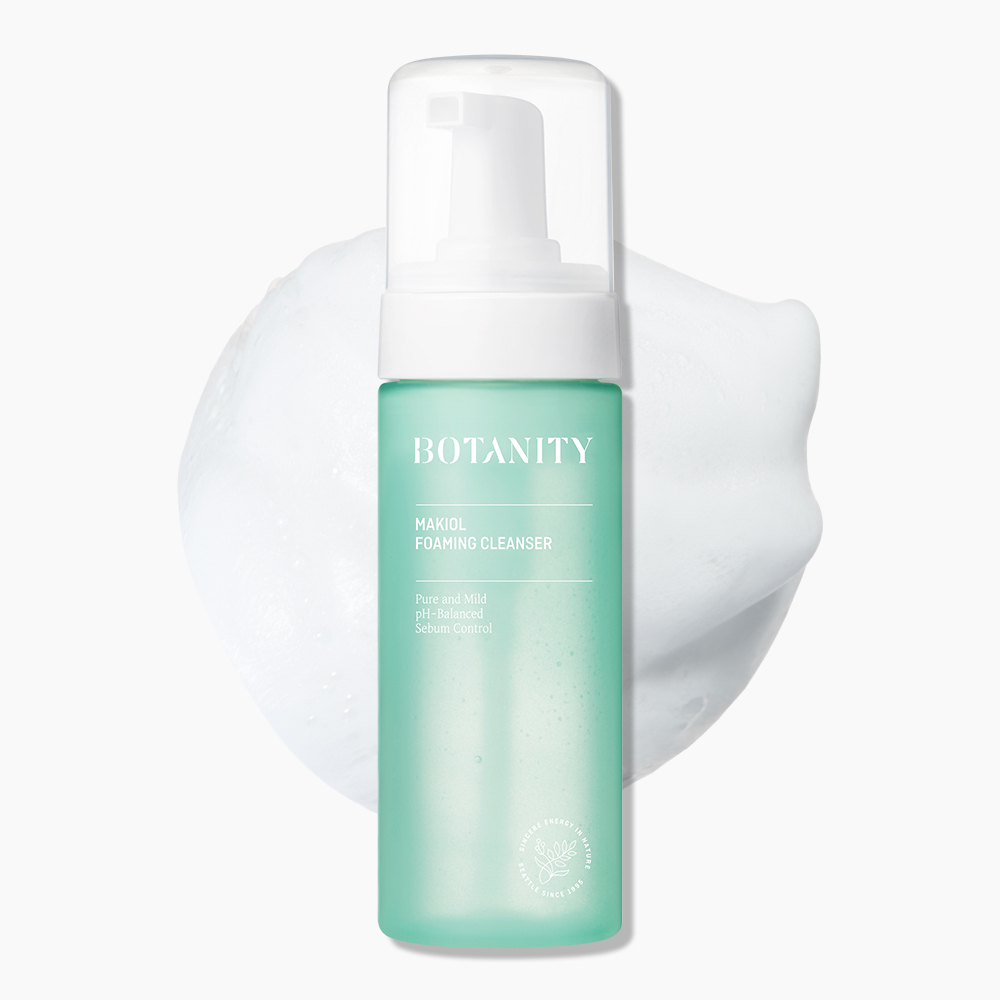
Makiol Foaming Cleanser
Beplain
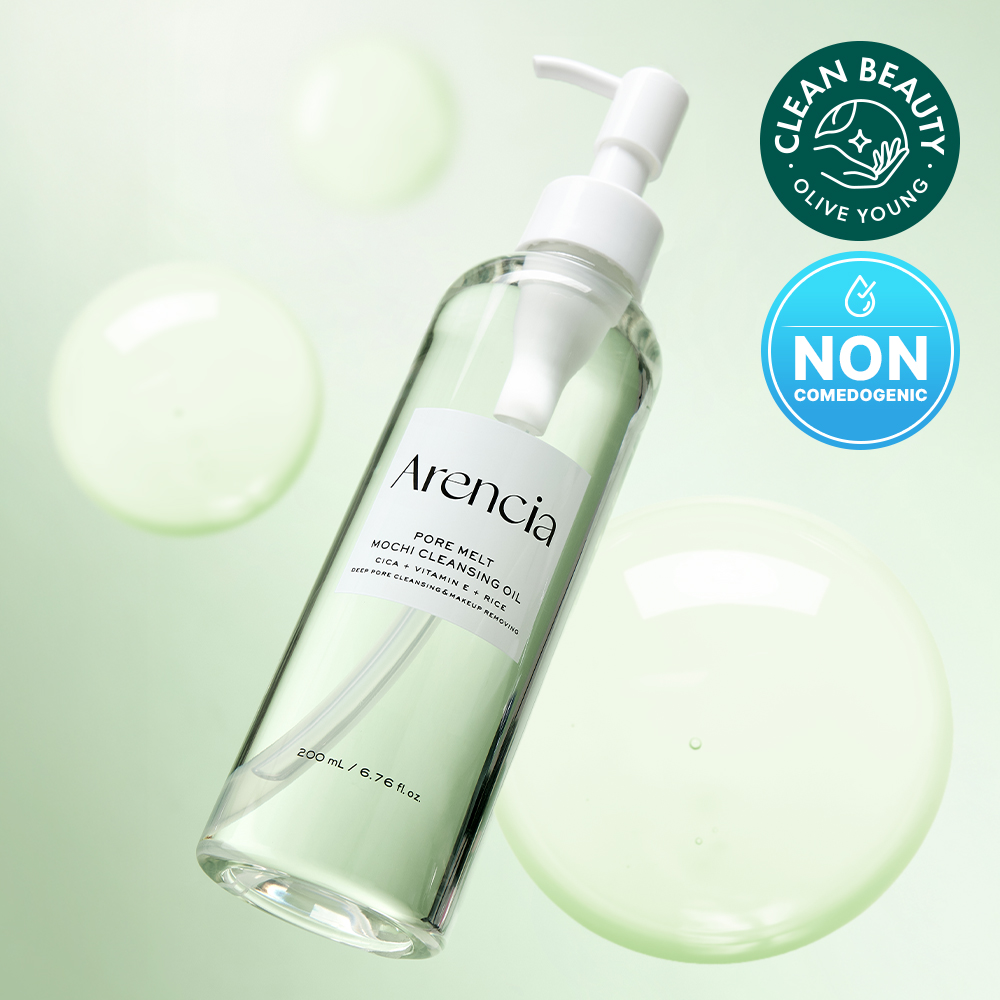
Pore Melt Mochi Cleansing Oil
Arencia

Hi Amino All Cleanser 2-for-1 Set
Dewytree
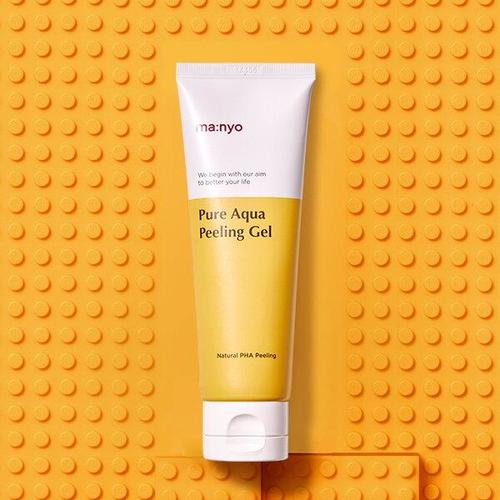
Pure Aqua Peeling Gel
ma:nyo

Green Tea LHA Deep Pore Rice Cake Cleanser
Arencia
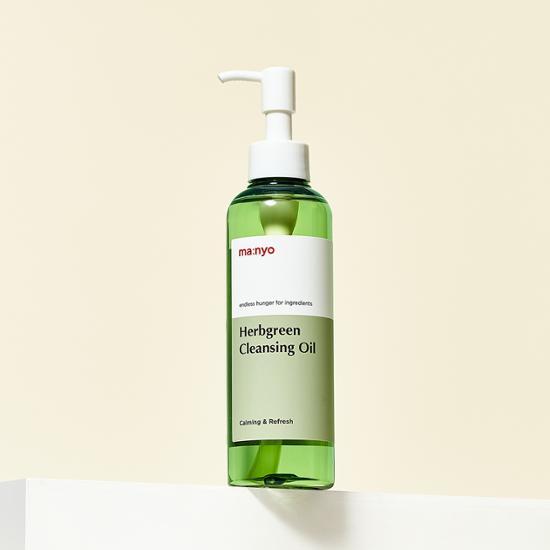
Herb Green Cleansing Oil
ma:nyo
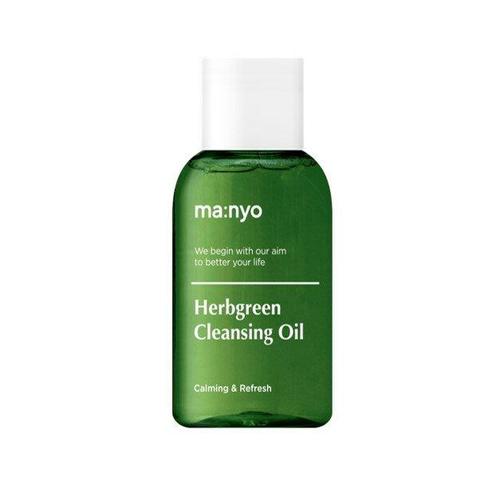
Herbgreen Cleansing Oil
ma:nyo
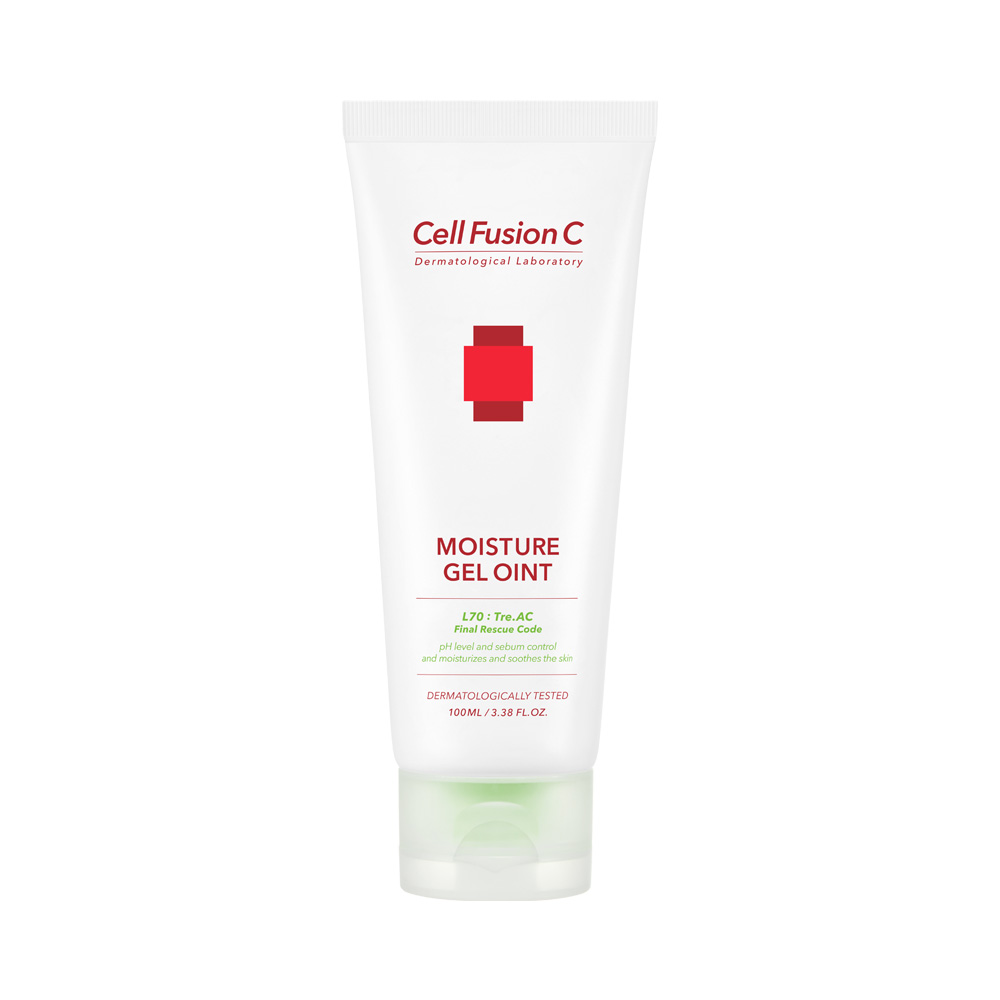
TRE.AC Moisture Gel Oint
Cell Fusion C
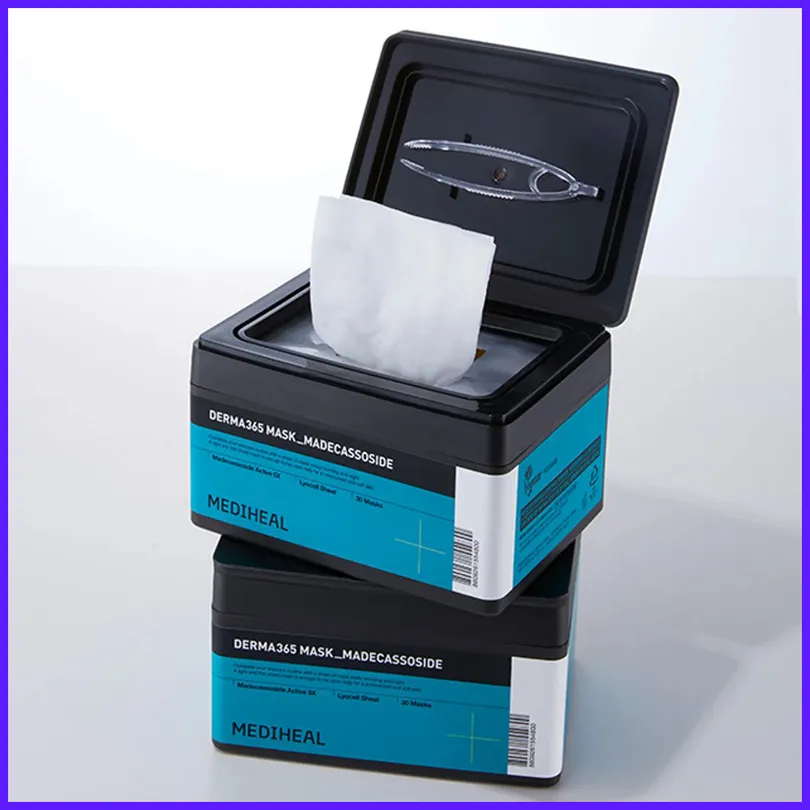
Derma365 Mask Madecassoside 30P
Mediheal

Pine Calming Cica Airy Sun Stick Double Set
Round Lab
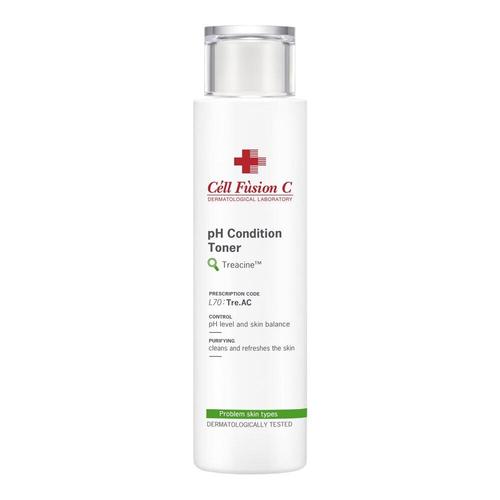
TRE.AC pH Condition Toner
Cell Fusion C
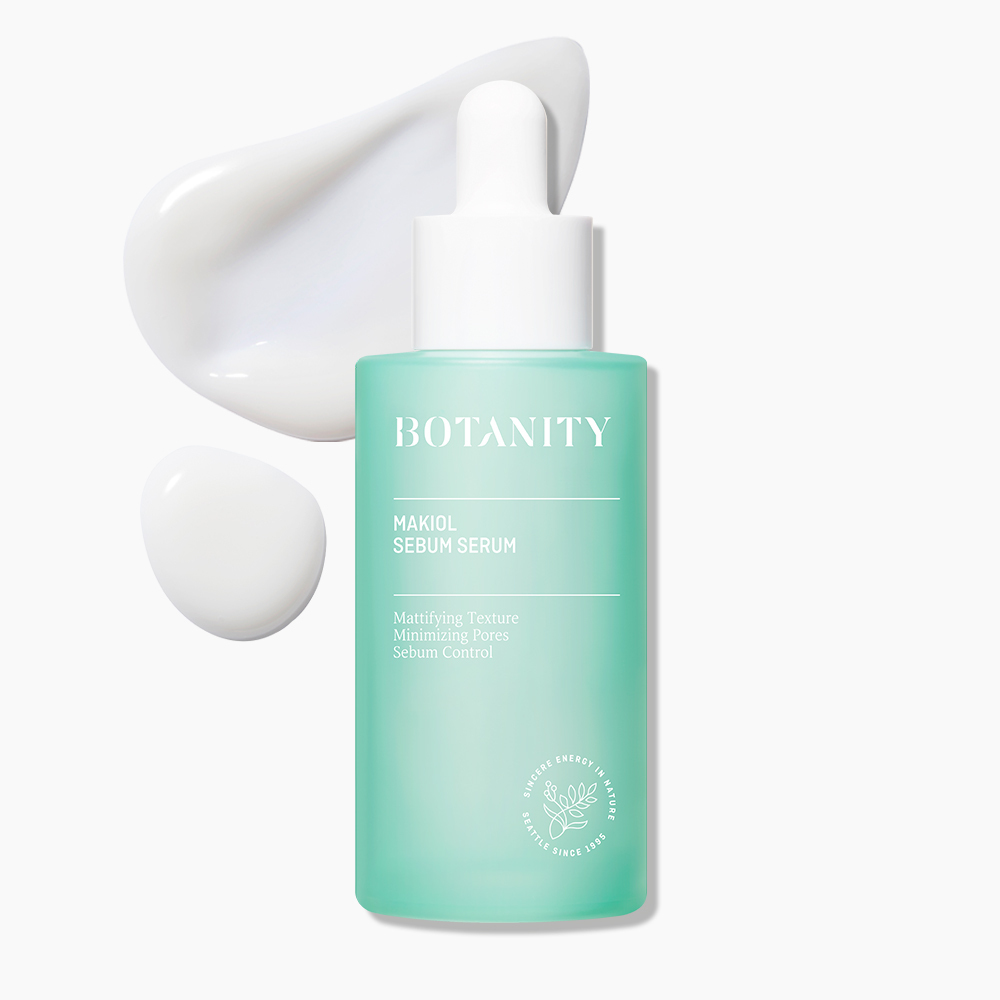
Makiol Sebum Serum
Anua
Frequently Asked Questions
Can rosemary oil really help with acne?▼
Is rosemary oil safe for sensitive skin?▼
Why does rosemary oil have a comedogenic rating of 2/5?▼
Can I use rosemary oil products every day?▼
Does rosemary oil conflict with other active ingredients?▼
Explore More
Want personalized ingredient advice?
Yuri, our AI beauty advisor, can tell you how Rosemary Oil works with your specific skin type, routine, and concerns.
Ask Yuri, free