Rosmarinic Acid
Antioxidant and anti-inflammatory active ingredient
About Rosmarinic Acid
Rosmarinic acid is a potent polyphenolic compound originally extracted from rosemary (Rosmarinus officinalis), though it's also found in other plants like perilla, sage, and lemon balm. In K-beauty formulations, it serves as both a powerful antioxidant and anti-inflammatory active, making it particularly valuable in products targeting redness, irritation, and environmental damage. What sets rosmarinic acid apart from other botanical antioxidants is its dual mechanism of action: it neutralizes free radicals while simultaneously inhibiting inflammatory pathways in the skin. This makes it especially effective for calming reactive skin and protecting against pollution-induced oxidative stress, a major concern in Korean skincare philosophy. The ingredient has gained prominence in premium K-beauty lines like The Whoo and Sooryehan, where it's often paired with traditional herbal extracts to create sophisticated anti-aging and skin-strengthening formulations. Its low comedogenic rating (0/5) means it won't clog pores, making it suitable across all skin types. While rosmarinic acid isn't as widely recognized as vitamin C or niacinamide, it's increasingly featured in high-performance Korean serums and treatments designed for sensitive or compromised skin barriers.
How Rosmarinic Acid Works
At the molecular level, rosmarinic acid works by scavenging reactive oxygen species (ROS) that damage cellular structures and accelerate aging. Its polyphenolic structure allows it to donate hydrogen atoms to unstable free radicals, effectively neutralizing them before they can harm lipids, proteins, and DNA in skin cells. Beyond its antioxidant capacity, rosmarinic acid inhibits the production of pro-inflammatory mediators like TNF-alpha and interleukin-6 by blocking the NF-kB signaling pathway, which is the master regulator of inflammatory responses. This means it can actually prevent inflammation at the source rather than just masking symptoms. The compound also demonstrates tyrosinase inhibition, which helps regulate melanin production and can contribute to a more even skin tone over time. Additionally, rosmariatic acid has been shown to inhibit collagenase and elastase, enzymes that break down structural proteins in the skin, making it a valuable anti-aging ingredient. Its relatively small molecular size allows for good penetration into the epidermis, where it can exert these protective effects at the cellular level.
Rosmarinic Acid by Skin Type
Oily Skin
Rosmarinic acid is excellent for oily skin due to its anti-inflammatory properties that help calm acne-related redness and irritation without adding any pore-clogging heaviness. Its antioxidant action protects sebum from oxidizing into comedogenic compounds that can worsen breakouts. The ingredient also helps regulate inflammatory responses that can trigger excess oil production.
Dry Skin
While rosmarinic acid doesn't provide direct hydration, it supports dry skin by protecting the lipid barrier from oxidative damage that can worsen moisture loss. Its anti-inflammatory properties help calm the irritation and sensitivity that often accompanies dryness. For best results, dry skin types should use rosmarinic acid in formulas that also contain humectants and emollients, like the Cell Fusion C Low pH pHarrier Moisture Cream.
Combo Skin
Combination skin benefits significantly from rosmarinic acid's balanced approach, as it addresses inflammation in oily zones without causing dryness elsewhere. The ingredient's non-comedogenic nature means it won't contribute to congestion in the T-zone while still providing antioxidant protection to drier cheek areas. It works well in both toner and serum formats for this skin type.
Sensitive Skin
This is where rosmarinic acid truly shines. Its dual antioxidant and anti-inflammatory action makes it ideal for reactive, easily irritated skin that responds poorly to aggressive actives. The ingredient helps strengthen the skin's resilience against environmental triggers while calming existing inflammation. Premium sensitive-skin focused products from Cell Fusion C's pH barrier line frequently feature rosmarinic acid for this reason.
Normal Skin
Normal skin can use rosmarinic acid as a preventative antioxidant to maintain skin health and delay visible aging signs. It provides protection against daily environmental stressors without disrupting the skin's natural balance. The ingredient works well in maintenance routines, particularly in serums like The Whoo's Royal Regina line that focus on skin vitality and longevity.
How to Use Rosmarinic Acid
- 1Layer rosmarinic acid serums after toning but before heavier moisturizers to maximize absorption, especially when using high-rated products like The Whoo Royal Regina Energetic Repair Serum (5.0/5).
- 2For maximum antioxidant protection, apply rosmarinic acid products in the morning before sunscreen to defend against daytime pollution and UV-induced free radical formation.
- 3If you have sensitive or rosacea-prone skin, look for rosmarinic acid in pH-balanced formulations like Cell Fusion C's Low pH pHarrier line (4.7/5), which supports barrier function while delivering anti-inflammatory benefits.
- 4Rosmarinic acid pairs well with other antioxidants like vitamin E and green tea, as well as soothing ingredients like centella asiatica, commonly found in Korean herbal formulations.
Background
Rosmarinic acid was first isolated from rosemary (Rosmarinus officinalis) in 1958 by Italian researchers, hence its name. However, the compound has been part of traditional medicine for centuries, as rosemary and other rosmarinic acid-rich plants like perilla (Korean: 들깨) have long been used in both Mediterranean and Asian healing practices for their anti-inflammatory properties. In traditional Korean medicine, perilla leaves were applied topically to treat skin inflammation and consumed to support overall health. The scientific understanding of rosmarinic acid's mechanisms developed throughout the 1990s and 2000s, when researchers began documenting its antioxidant capacity and anti-inflammatory pathways. Korean cosmetic companies, particularly luxury heritage brands like The Whoo and Sooryehan, incorporated rosmarinic acid into modern formulations as part of their philosophy of bridging traditional herbal wisdom with advanced skincare science. Today, it's valued as a clean, botanical-derived active that aligns with consumer demand for effective yet gentle ingredients.
K-Beauty Products with Rosmarinic Acid
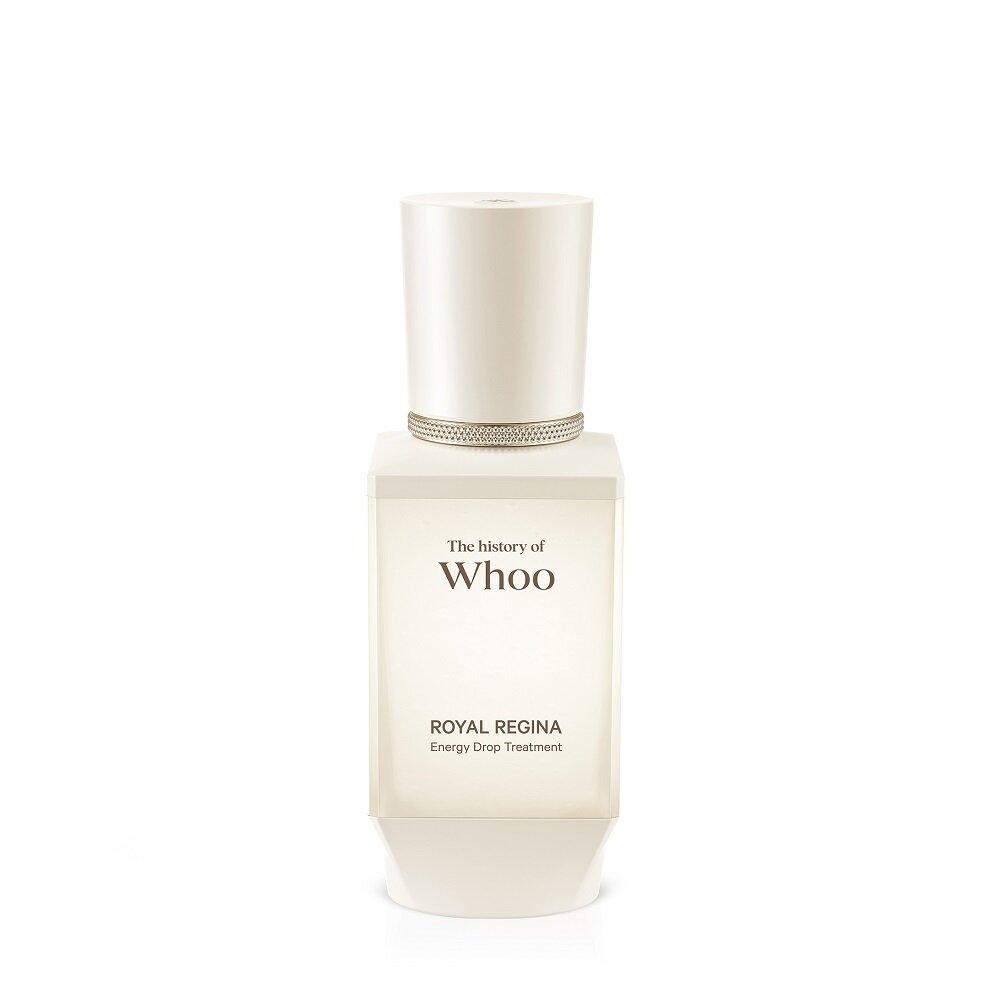
Royal Regina Energy Drop Treatment
The Whoo
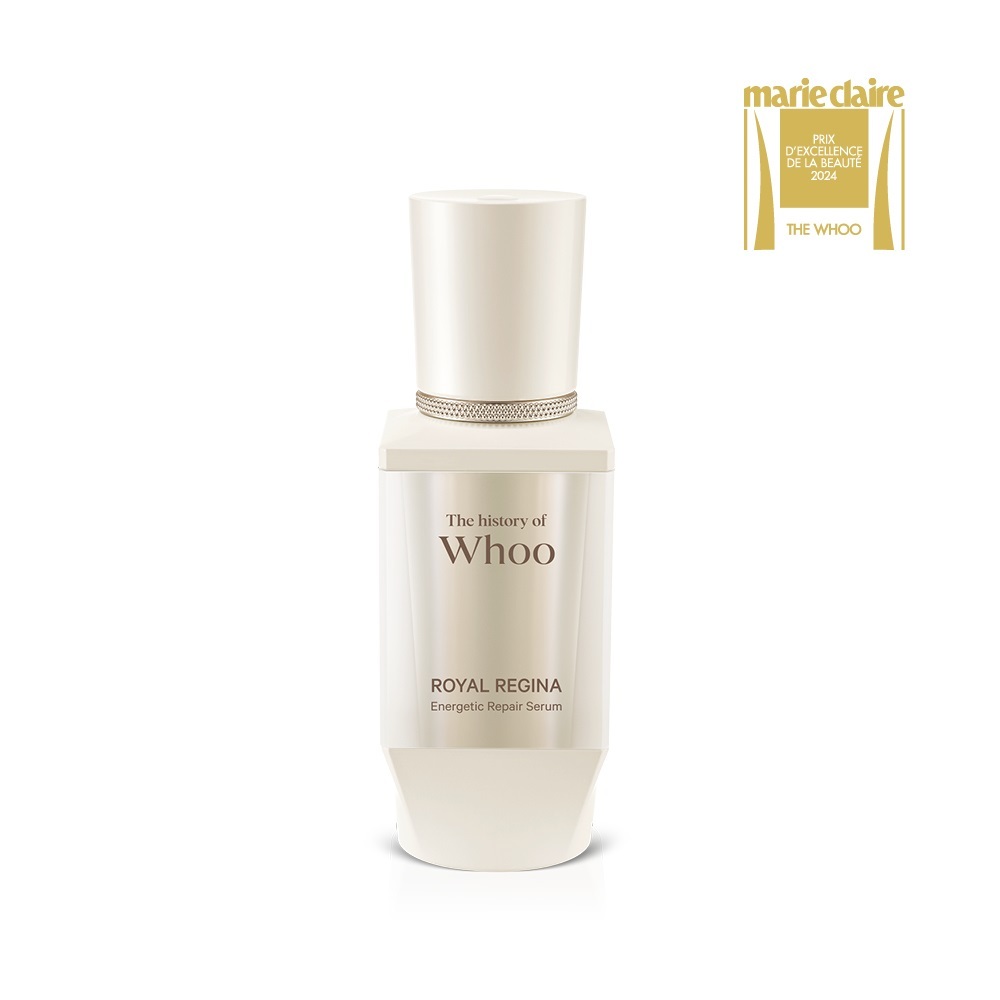
Royal Regina Energetic Repair Serum
The Whoo
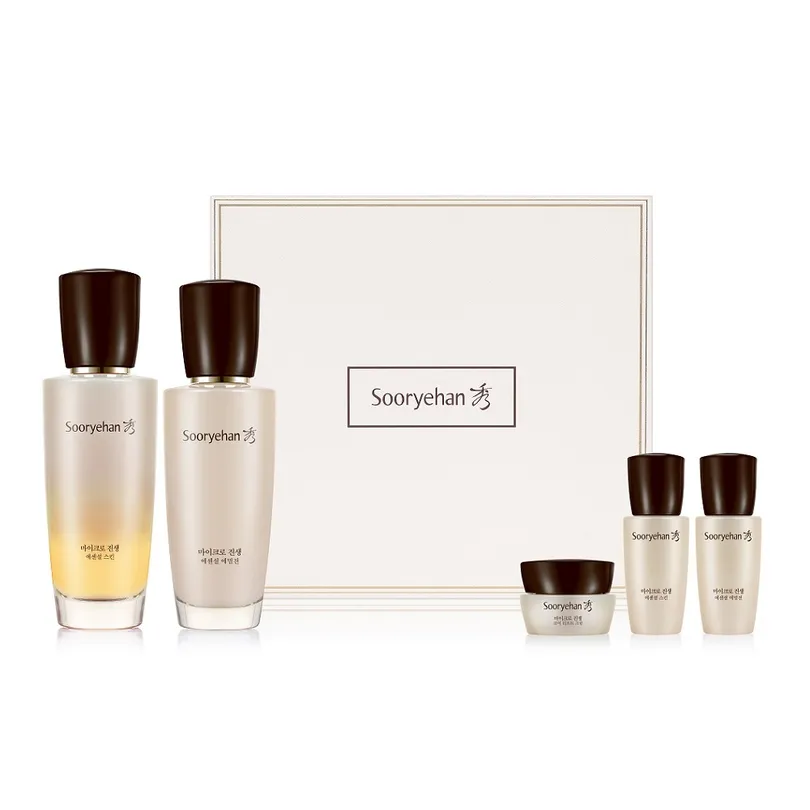
Micro Ginseng Essential Set
Sooryehan

Low pH pHarrier Moisture Cream
Cell Fusion C
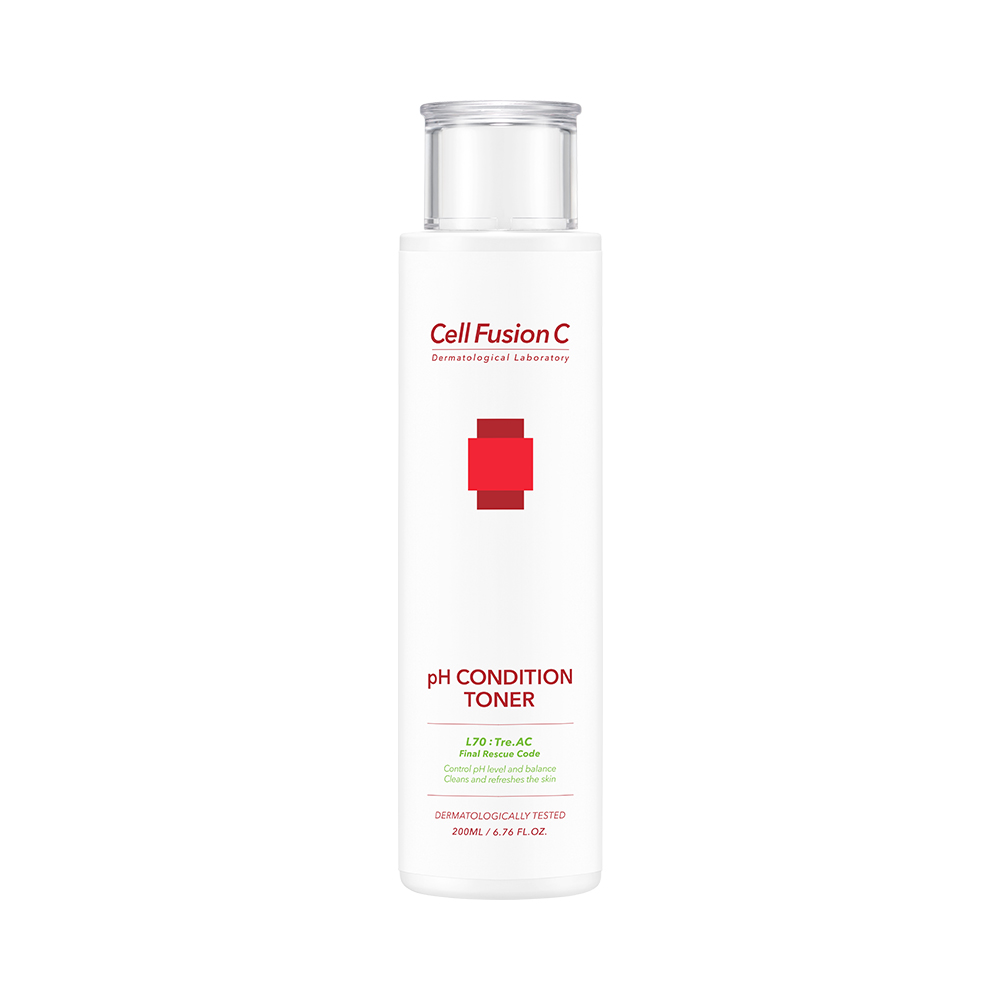
Low pH pHarrier Toner
Cell Fusion C
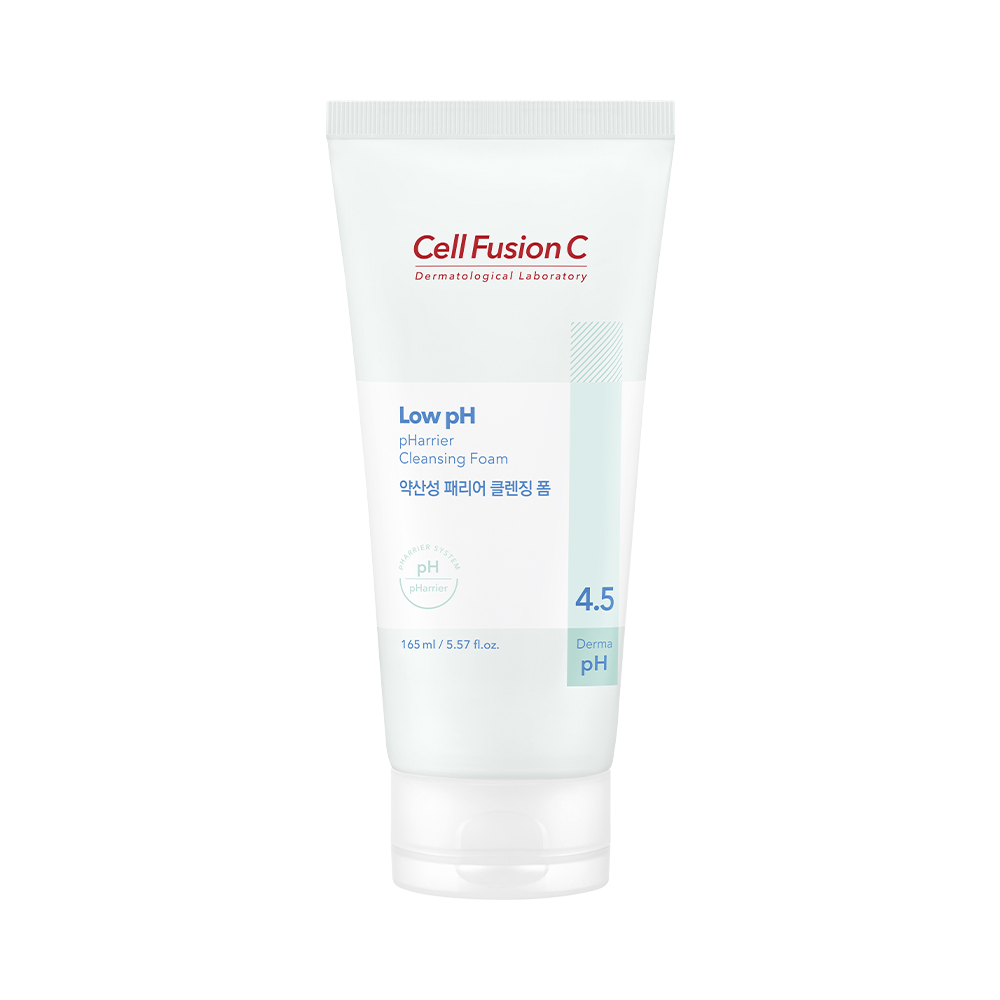
Low pH pHarrier Cleansing Foam
Cell Fusion C
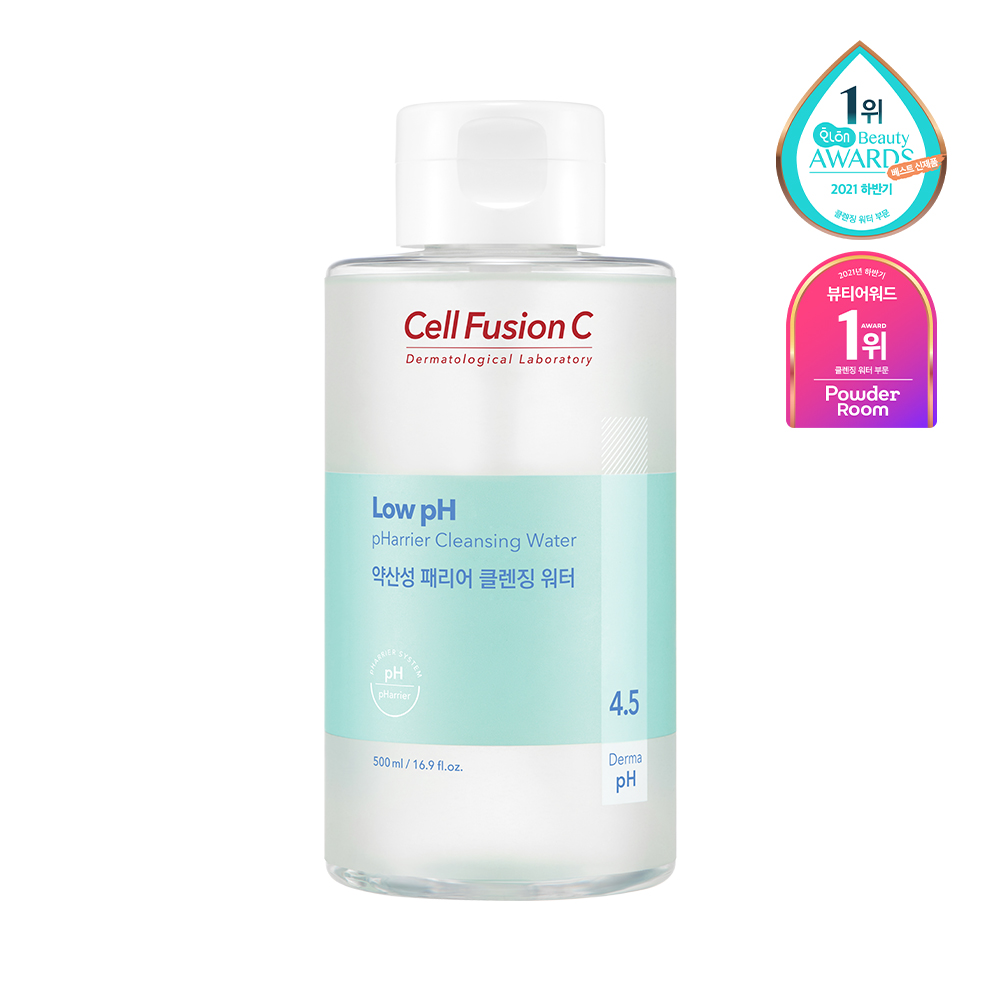
Low pH pHarrier Cleaning Water
Cell Fusion C

Toning C Dark Spot Serum Special Set
Cell Fusion C
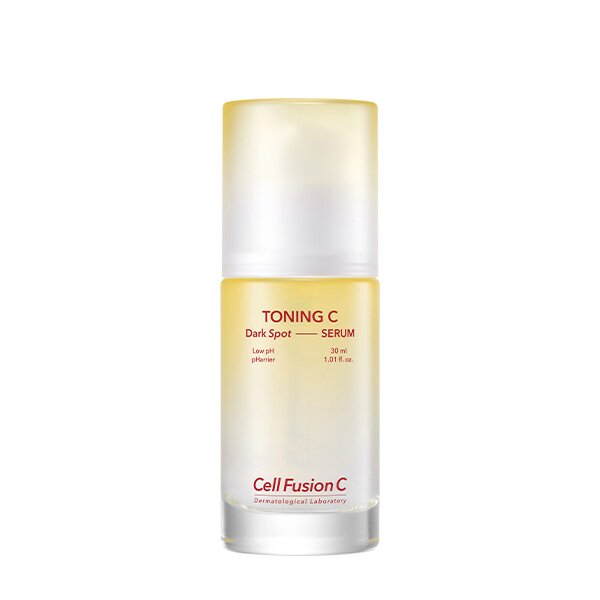
Toning C Dark Spot Serum
Cell Fusion C
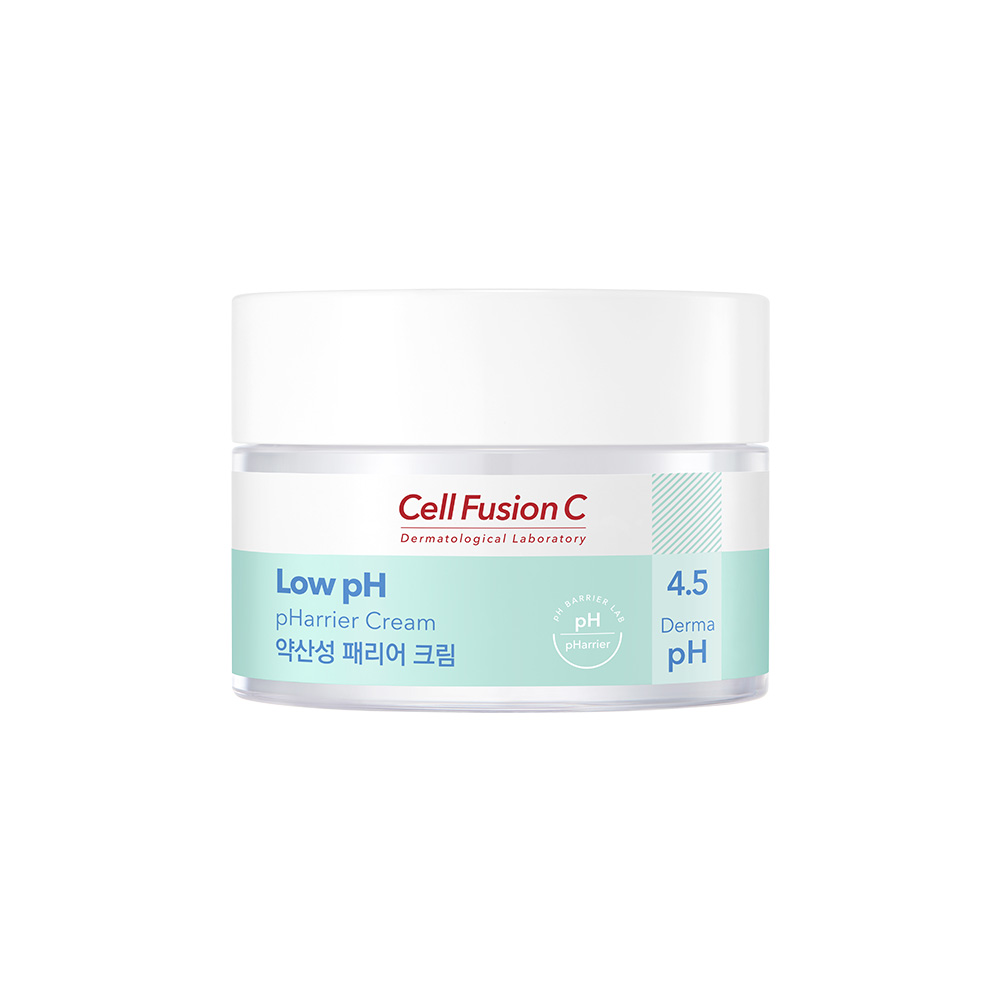
Low pH pHarrier Cream
Cell Fusion C
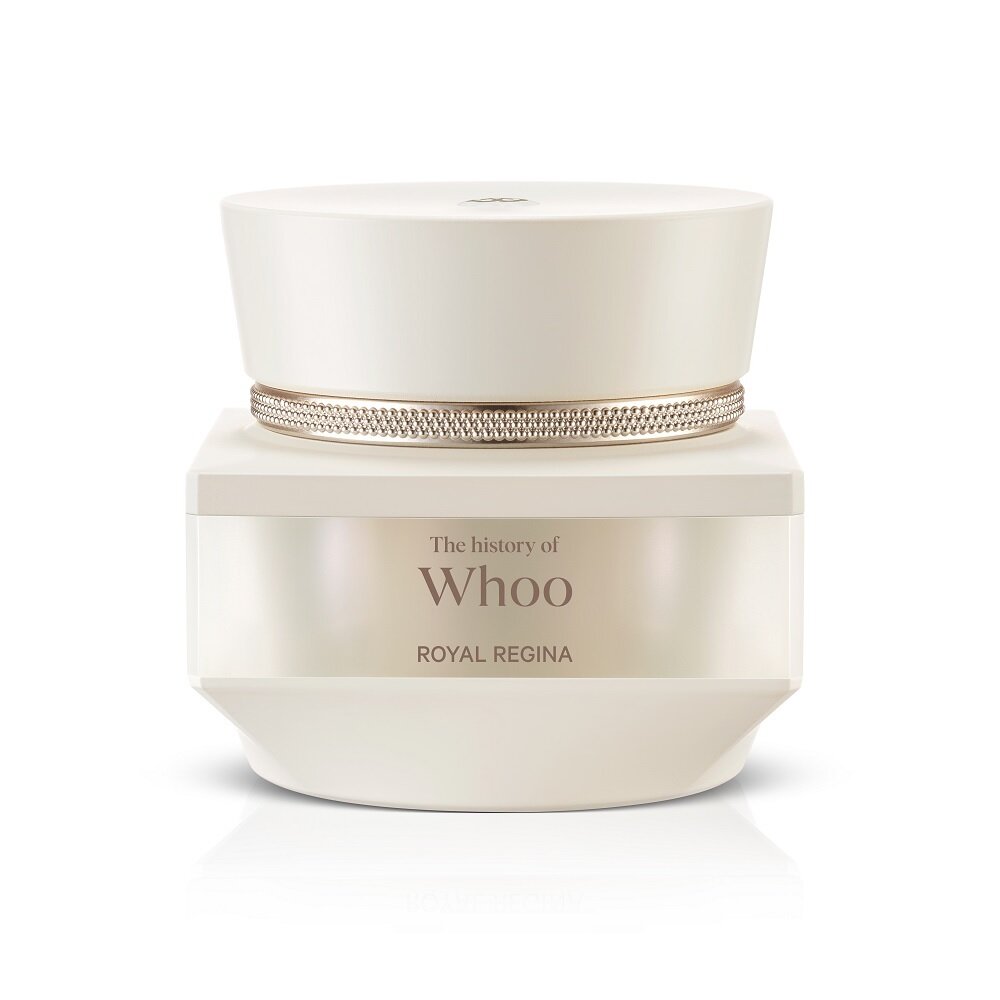
Royal Regina Energetic Recharging Cream
The Whoo
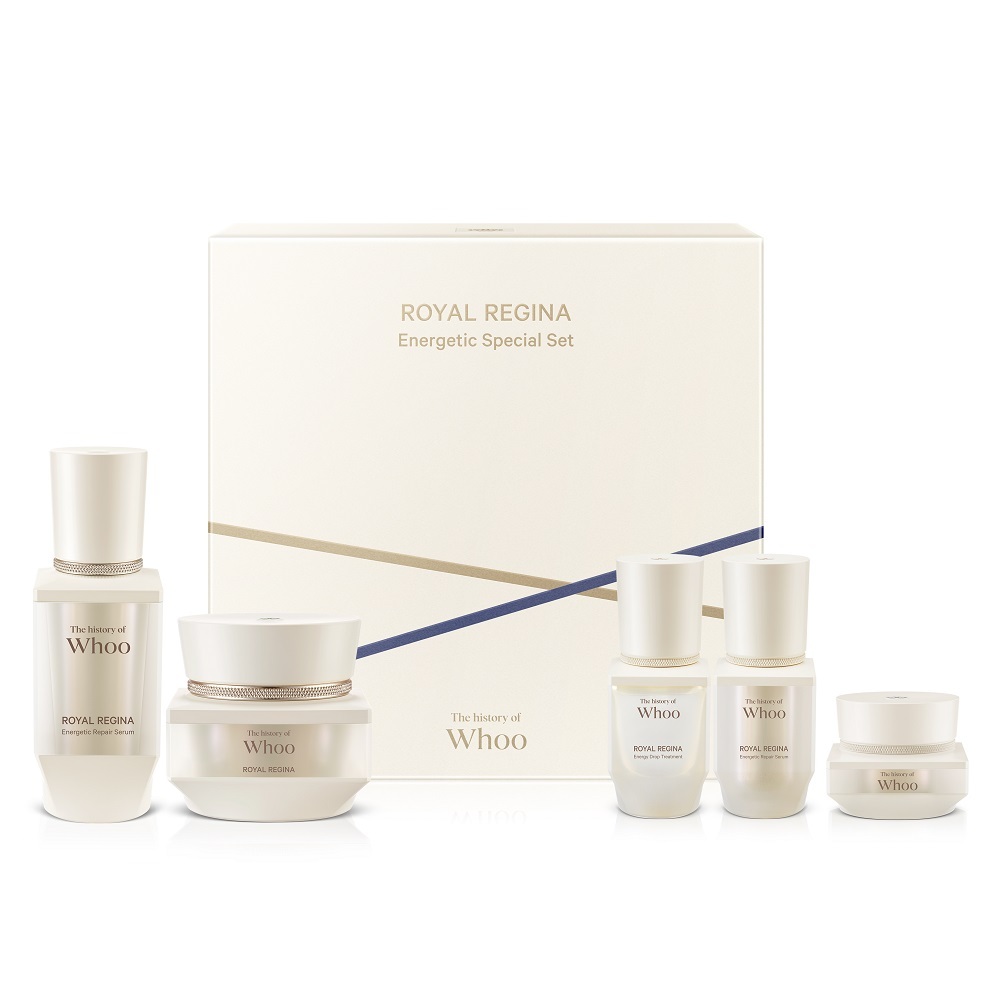
Royal Regina 2P Set (Serum 30ml + Cream 50ml)
The Whoo
Frequently Asked Questions
Is rosmarinic acid the same as rosehip oil or rosemary essential oil?▼
Can I use rosmarinic acid with other antioxidants like vitamin C?▼
Will rosmarinic acid help with redness and rosacea?▼
How quickly can I expect to see results from rosmarinic acid?▼
Explore More
Want personalized ingredient advice?
Yuri, our AI beauty advisor, can tell you how Rosmarinic Acid works with your specific skin type, routine, and concerns.
Ask Yuri, free