Rosemary Extract
INCI: Rosmarinus Officinalis (Rosemary) Extract
Antioxidant and preservative with anti-inflammatory properties
About Rosemary Extract
Rosemary extract is a multitasking botanical powerhouse derived from the aromatic herb Rosmarinus officinalis, native to the Mediterranean region. In K-beauty formulations, it serves triple duty as an antioxidant, natural preservative, and anti-inflammatory agent. The extract contains high concentrations of rosmarinic acid, carnosic acid, and carnosol, compounds that neutralize free radicals and protect skin from environmental stressors like pollution and UV exposure. Korean chemists favor rosemary extract for its ability to extend product shelf life naturally while simultaneously delivering skincare benefits, aligning with the clean beauty movement that prioritizes fewer synthetic preservatives. With a comedogenic rating of just 1 out of 5, it's gentle enough for most skin types without clogging pores. The ingredient appears across 36 K-beauty products on Seoul Sister, from cleansing balms to targeted serums, often paired with other botanical extracts to create synergistic anti-aging and soothing effects. Its anti-inflammatory properties make it particularly valuable in calming formulations designed for reactive or acne-prone skin, while its antioxidant capacity helps prevent premature aging by defending against oxidative stress that breaks down collagen and elastin.
How Rosemary Extract Works
At the molecular level, rosemary extract's effectiveness stems from its polyphenolic compounds, particularly rosmarinic acid and carnosic acid. These molecules donate electrons to unstable free radicals, neutralizing them before they can damage cellular membranes, DNA, and structural proteins in the skin. Carnosic acid specifically activates the Nrf2 pathway, a cellular defense mechanism that upregulates the production of endogenous antioxidants like glutathione. This creates a cascading protective effect that extends beyond the immediate antioxidant action. The anti-inflammatory benefits come from rosemary's ability to inhibit cyclooxygenase (COX) enzymes and suppress NF-κB signaling pathways, both of which drive inflammatory responses in skin. This dual action reduces redness, swelling, and discomfort associated with conditions like acne, rosacea, or environmental irritation. As a preservative, rosemary extract disrupts microbial cell membranes and inhibits lipid oxidation in formulations, extending product stability without relying solely on synthetic preservatives like parabens. The extract also demonstrates modest antimicrobial activity against certain bacteria and fungi, adding another layer of skin-protective benefits.
Rosemary Extract by Skin Type
Oily Skin
Rosemary extract works beautifully for oily skin thanks to its low comedogenic rating and antimicrobial properties that help control acne-causing bacteria. The antioxidants protect sebum from oxidizing into pore-clogging compounds, while the anti-inflammatory action reduces the redness and swelling associated with breakouts. Look for it in lightweight serums and cleansers like TIRTIR's Hydro Boost Enzyme Cleansing Balm.
Dry Skin
While rosemary extract doesn't directly hydrate, its antioxidant protection is valuable for dry skin that often shows premature aging due to compromised barrier function. The anti-inflammatory properties can soothe the irritation that frequently accompanies dryness. Pair it with humectants and occlusives in formulations, and avoid products where rosemary is combined with high concentrations of astringent ingredients that might exacerbate dryness.
Combo Skin
Combination skin benefits from rosemary extract's balanced profile, as it addresses excess oil in the T-zone without stripping drier areas. The antioxidant protection works uniformly across all zones, while the gentle antimicrobial action targets breakout-prone areas without irritating normal or dry patches. Products like The Saem's Natural Condition Sparkling Cleansing Water demonstrate this versatility.
Sensitive Skin
Rosemary extract receives a safety rating of 4 out of 5, making it generally well-tolerated by sensitive skin, though individual reactions vary. The anti-inflammatory compounds actively calm reactive skin and reduce redness. However, some people with fragrance sensitivities may react to rosemary's natural aromatic compounds. Start with products where it appears lower on the ingredient list, like Abib's Calming Facial Soap Heartleaf Stone, which pairs it with soothing ingredients.
Normal Skin
Normal skin types can freely enjoy all of rosemary extract's benefits without concern. The antioxidant protection helps maintain skin's healthy baseline by preventing cumulative damage from daily environmental exposure. Use it proactively in serums like Lanbelle's Vita Energy Blemish Clear Ampoule (rated 5.0/5) to preserve your skin's balanced state and delay visible signs of aging.
How to Use Rosemary Extract
- 1Layer rosemary extract products under sunscreen for enhanced photoprotection, as the antioxidants boost your skin's defense against UV-induced free radical damage.
- 2Use rosemary-containing cleansers in the evening to remove oxidized sebum and environmental pollutants accumulated throughout the day.
- 3If you have fragrance sensitivity, patch test rosemary extract products on your inner arm for 48 hours before applying to your face, as natural aromatic compounds can occasionally trigger reactions.
- 4Pair rosemary extract with vitamin C serums or niacinamide for synergistic antioxidant effects, but introduce new actives gradually to monitor tolerance.
- 5Store rosemary extract products away from direct sunlight and heat to preserve the ingredient's antioxidant potency, as polyphenols can degrade with excessive light and temperature exposure.
Background
Rosemary has been revered for thousands of years, with ancient Greeks burning it as incense and Romans using it in medicinal preparations for its preservative and healing properties. The herb's transition into modern skincare began in Europe, where herbalists documented its ability to improve circulation and preserve oils. Korean beauty chemists embraced rosemary extract in the 2010s as consumer demand grew for natural preservatives and botanically-derived antioxidants. The ingredient aligned perfectly with K-beauty's philosophy of harnessing traditional botanical wisdom through modern extraction technology. Today's supercritical CO2 extraction methods concentrate rosemary's active compounds far beyond what traditional infusions achieved, making it potent enough to function as both a skincare active and a formulation stabilizer in products ranging from cleansers to serums.
K-Beauty Products with Rosemary Extract
View all 38 →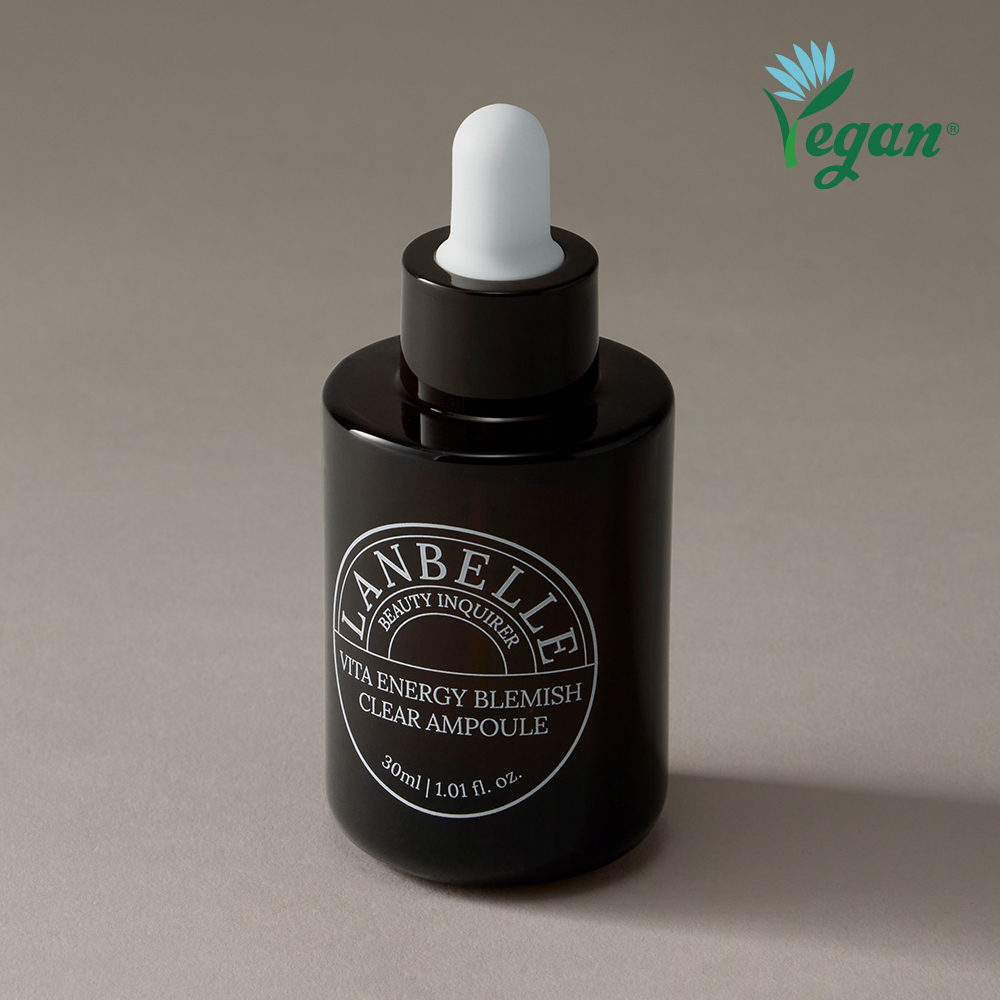
Vita Energy Blemish Clear Ampoule
Lanbelle
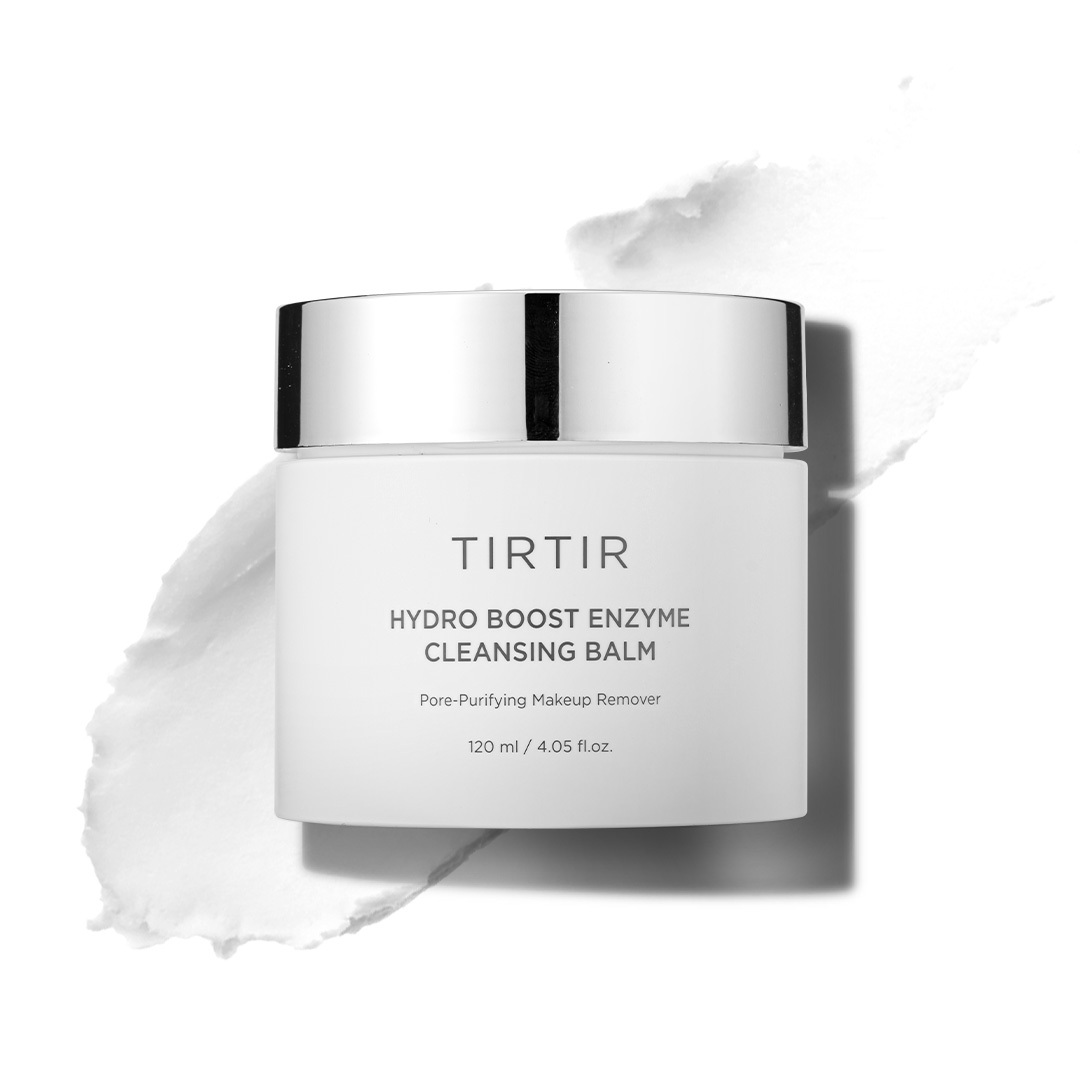
Hydro Boost Enzyme Cleansing Balm
TIRTIR
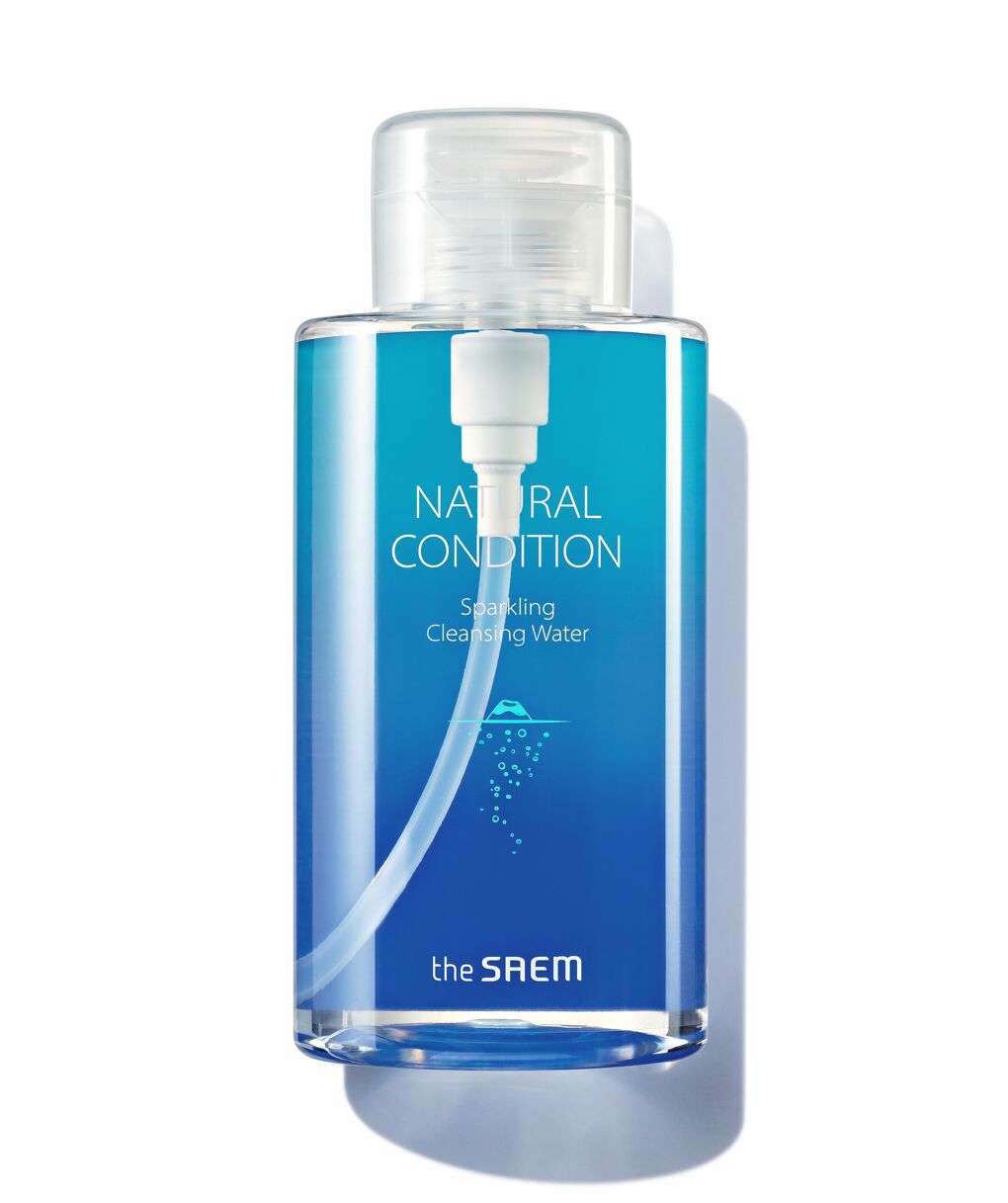
Natural Condition Sparkling Cleansing Water
The Saem
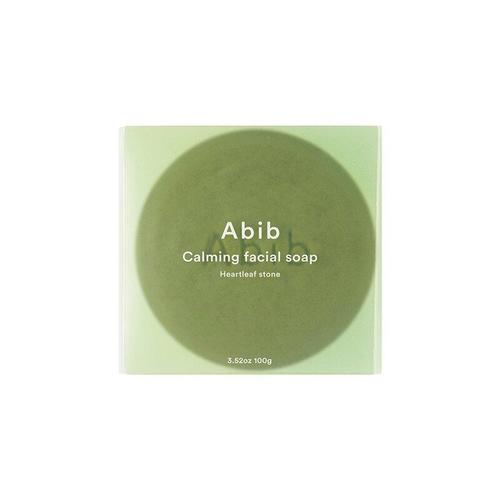
Calming Facial Soap Heartleaf Stone
Abib
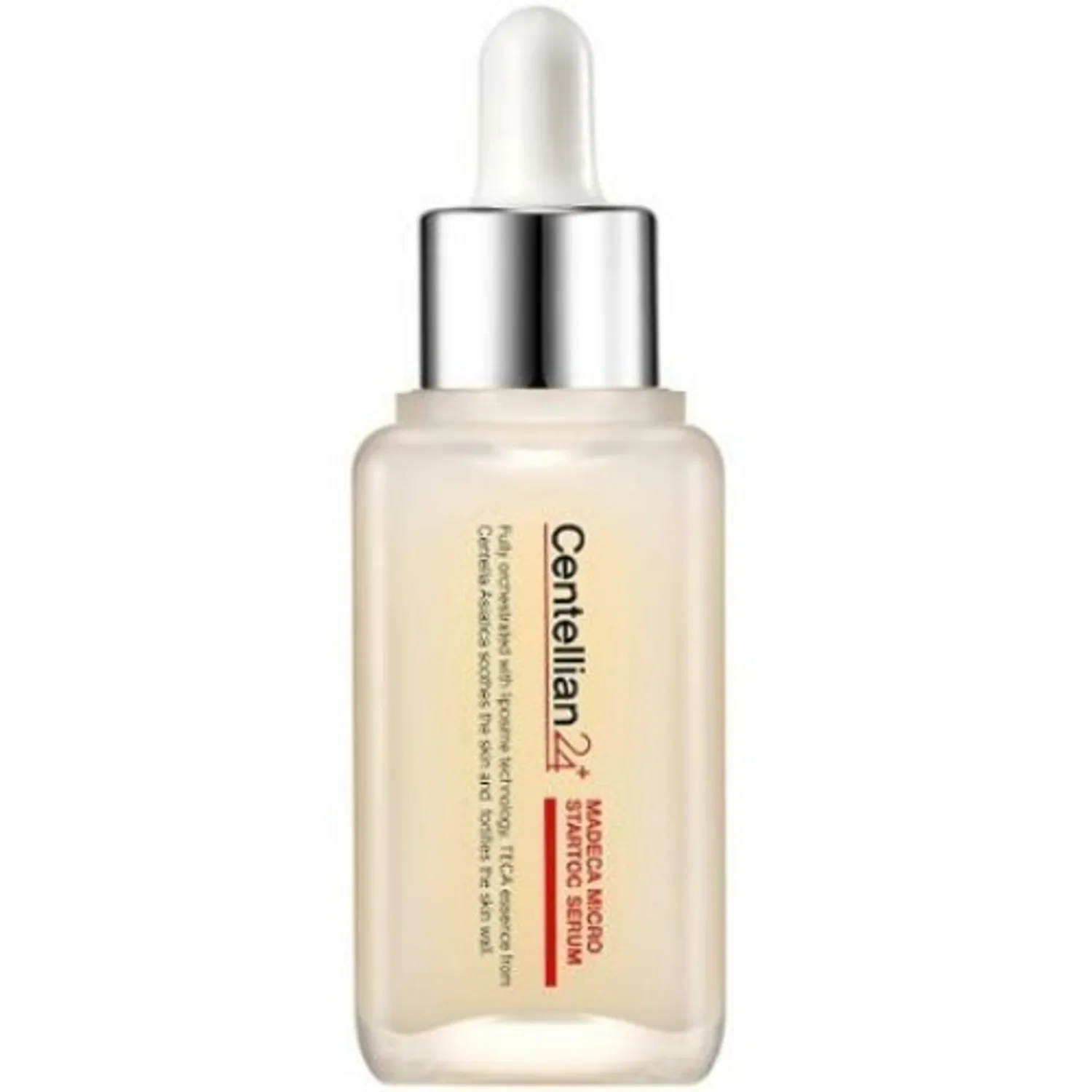
Madeca Micro Startoc Serum
Centellian24
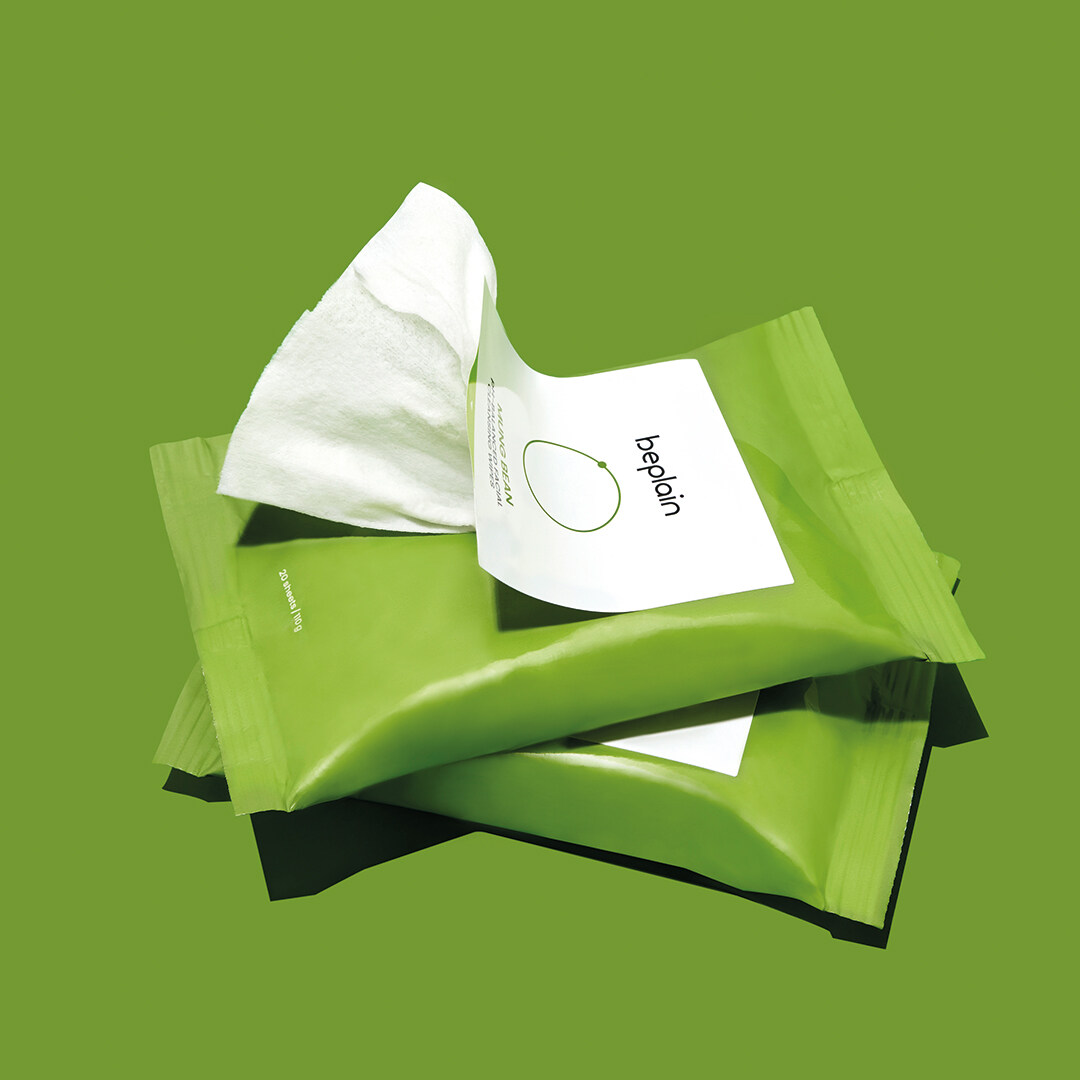
Greenful pH-Balanced Facial Cleansing Wipes
Beplain
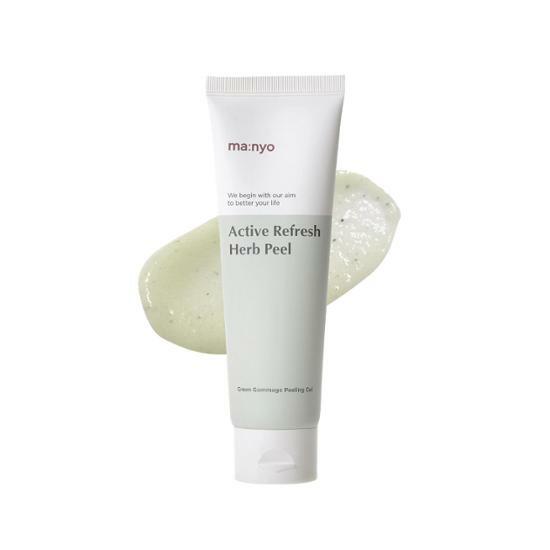
Active Refresh Herb Peel
ma:nyo
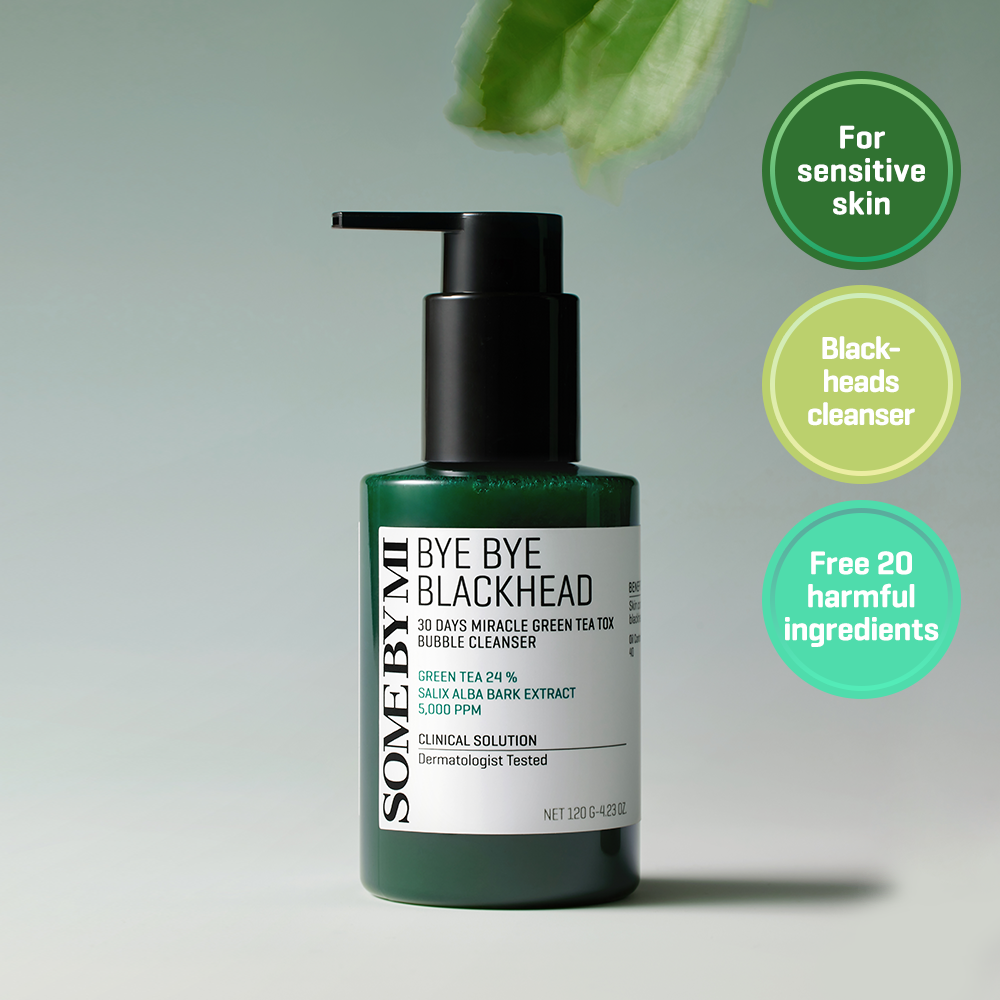
Bye Bye Blackhead 30 Days Miracle Green Tea Tox Bubble Cleanser
Some By Mi
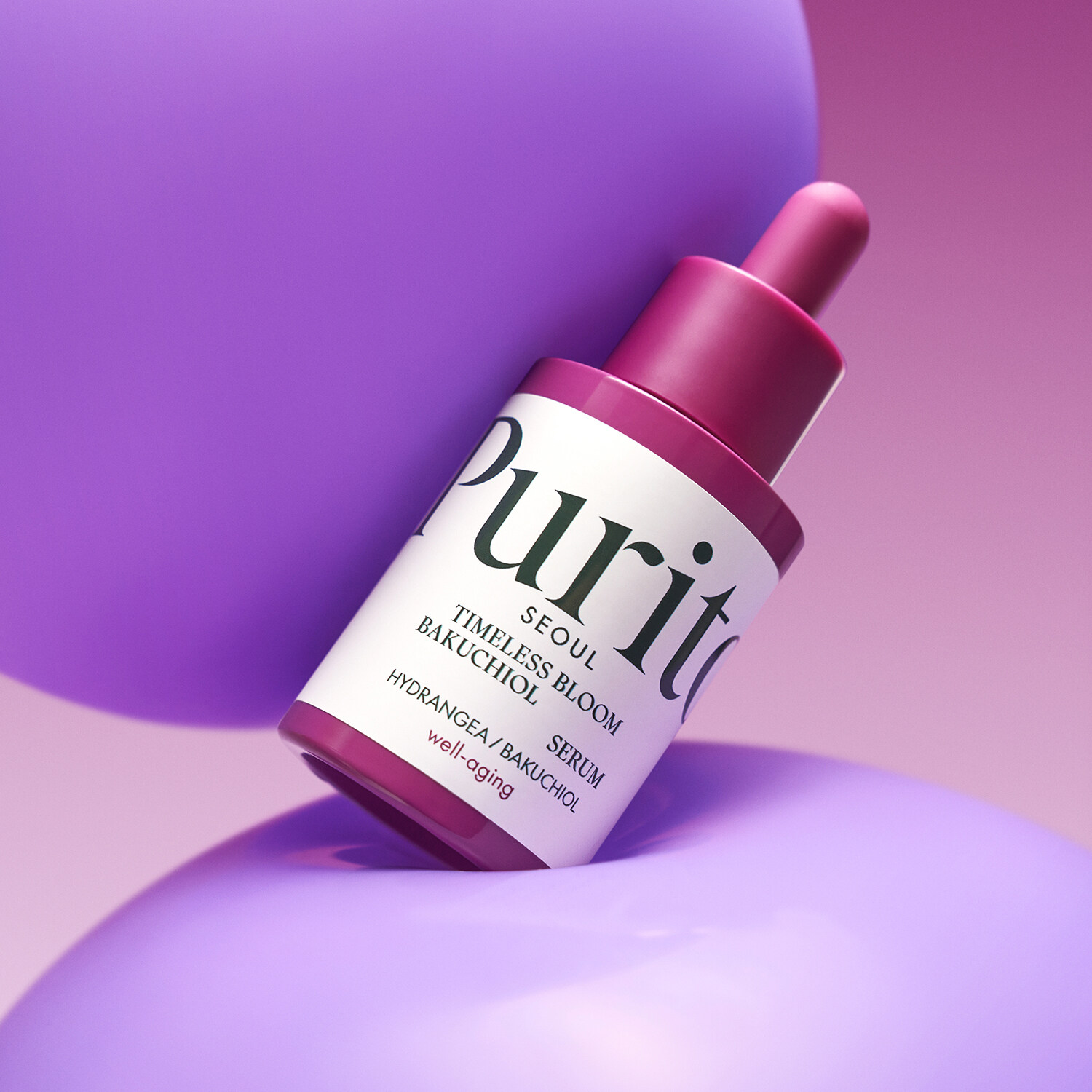
Timeless Bloom Bakuchiol Serum
Purito Seoul
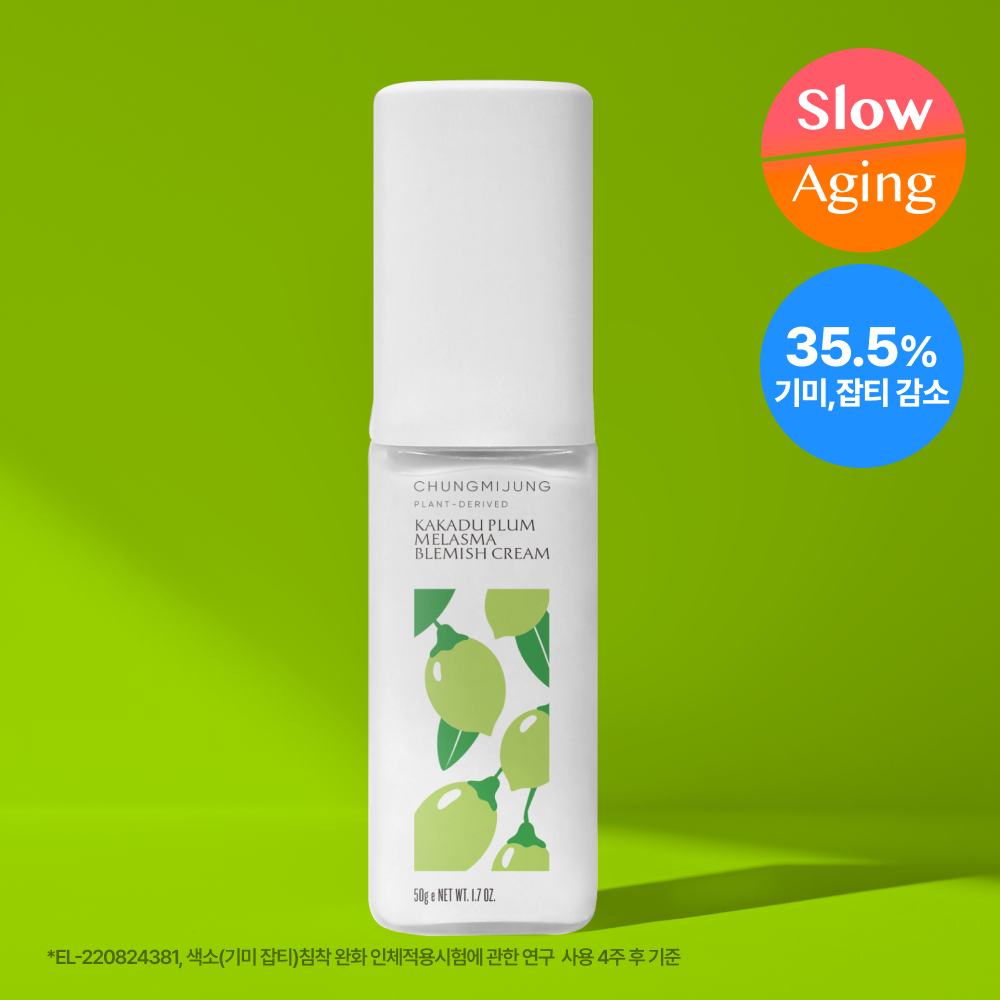
Melasma Blemish Cream Kakadu Plum
Aestura
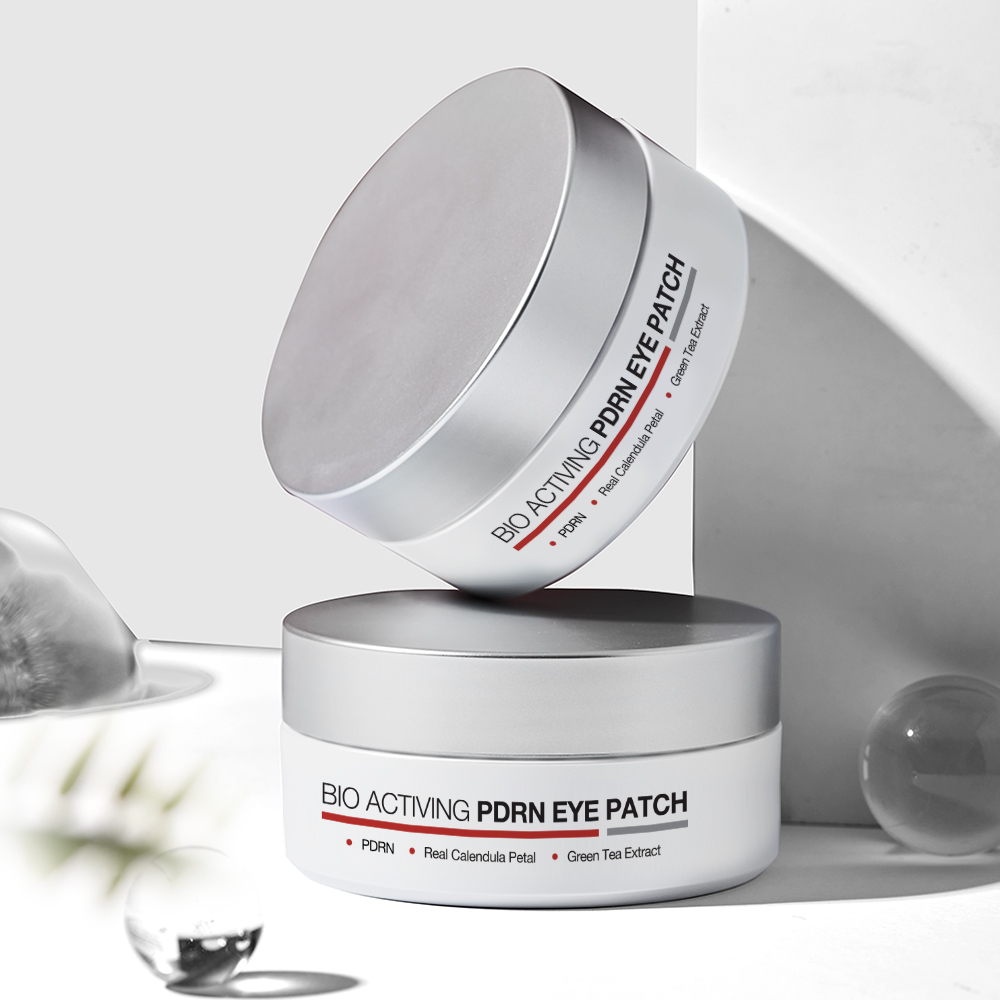
Bio Activing PDRN Eye Patch 60P
DERMALINE
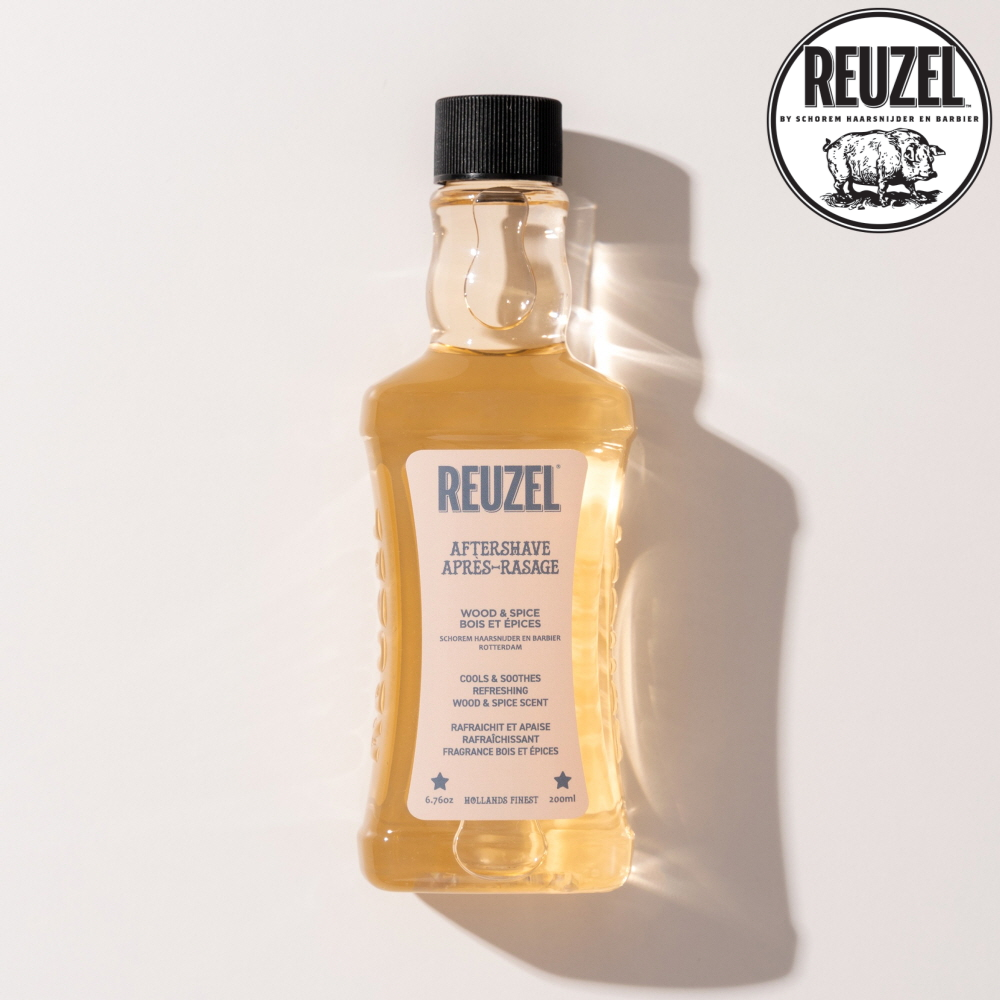
Aftershave Wood & Spice
Reuzel
Frequently Asked Questions
Can rosemary extract cause breakouts even with its low comedogenic rating?▼
Is rosemary extract as effective as synthetic antioxidants like vitamin C?▼
Does the scent of rosemary extract in skincare products affect its performance?▼
How does rosemary extract work as a natural preservative in K-beauty products?▼
Explore More
Want personalized ingredient advice?
Yuri, our AI beauty advisor, can tell you how Rosemary Extract works with your specific skin type, routine, and concerns.
Ask Yuri, free