Rosemary Leaf Extract
INCI: Rosmarinus Officinalis (Rosemary) Leaf Extract
Antioxidant and skin conditioning agent
About Rosemary Leaf Extract
Rosemary Leaf Extract is a powerhouse botanical derived from the aromatic herb Rosmarinus officinalis, prized in K-beauty for its dual role as both an antioxidant defender and skin conditioning agent. This extract contains high concentrations of rosmarinic acid, carnosic acid, and carnosol, compounds that neutralize free radicals and help protect skin from environmental stressors like pollution and UV exposure. In K-beauty formulations, rosemary extract appears frequently in cleansers and treatment products where it works to refine skin texture while providing antioxidant protection. With a low comedogenic rating of 1/5 and a strong safety profile (4/5), it's considered suitable for most skin types, including acne-prone and sensitive complexions. Korean brands favor this ingredient not just for its protective benefits but also for its ability to improve skin tone and clarity over time. Found in 180 products on Seoul Sister, including top-rated cleansers from Beplain and Hanyul, rosemary extract has become a staple in Korean skincare routines focused on maintaining healthy, resilient skin.
How Rosemary Leaf Extract Works
At the cellular level, rosemary extract functions through multiple mechanisms. Its primary active compounds, rosmarinic acid and carnosic acid, work as electron donors that stabilize free radicals before they can damage cellular membranes and DNA. This antioxidant activity helps prevent oxidative stress, which is a major contributor to premature aging and inflammation. The extract also demonstrates antimicrobial properties that can help regulate skin flora, making it particularly useful in products targeting breakouts or excess sebum. Additionally, rosemary's polyphenolic compounds support the skin's natural barrier function by promoting lipid synthesis in the stratum corneum, the outermost protective layer of skin. This conditioning effect helps maintain optimal hydration levels and improves skin smoothness. Research suggests that rosemary extract can also inhibit certain enzymes involved in melanin production, contributing to a more even skin tone over time.
Rosemary Leaf Extract by Skin Type
Oily Skin
Rosemary extract is particularly beneficial for oily skin due to its natural astringent properties and ability to regulate sebum production. The antimicrobial compounds help control acne-causing bacteria without stripping skin or causing irritation. Its low comedogenic rating (1/5) means it won't clog pores, making it ideal for congestion-prone areas.
Dry Skin
For dry skin, rosemary extract provides antioxidant protection while supporting barrier function through its conditioning properties. However, because it has mild astringent effects, it should be balanced with hydrating ingredients in formulations. Look for products that combine rosemary with humectants or emollients to maximize benefits without compromising moisture levels.
Combo Skin
Combination skin benefits from rosemary's balancing act, as it can help normalize sebum production in oily zones while conditioning drier areas. The extract works particularly well in cleansers for this skin type, offering thorough purification without disrupting the skin's natural equilibrium. Its antioxidant benefits protect both oily and dry zones equally.
Sensitive Skin
Despite its potency, rosemary extract is generally well-tolerated by sensitive skin when used at appropriate concentrations. Its anti-inflammatory rosmarinic acid can actually help calm reactive skin and reduce redness. However, those with extreme sensitivity or known botanical allergies should patch test first, as essential oil residues in some extracts may cause reactions.
Normal Skin
Normal skin thrives with rosemary extract as a preventative antioxidant ingredient that maintains skin health and resilience. It provides protective benefits without causing imbalance, making it an excellent addition to daily cleansing and treatment routines. The conditioning effects enhance skin's natural radiance and smoothness over time.
How to Use Rosemary Leaf Extract
- 1Look for rosemary extract in your morning cleanser to provide antioxidant protection before sun exposure and environmental stress throughout the day.
- 2When using products with rosemary extract, follow with a good moisturizer, as its mild astringent properties can be drying if not balanced with hydration.
- 3Pair rosemary extract products with niacinamide or centella for enhanced anti-inflammatory and barrier-supporting benefits, especially if you have acne-prone skin.
- 4If you have sensitive skin, choose products where rosemary extract appears mid-to-low on the ingredient list, indicating a gentler concentration that still provides antioxidant benefits.
Background
Rosemary has been revered for centuries in Mediterranean and European traditional medicine, where it was used to improve circulation, memory, and wound healing. The herb's name derives from Latin 'ros marinus,' meaning 'dew of the sea,' referencing its native coastal habitat. In skincare, rosemary's transition from culinary herb to cosmetic ingredient began in the 1980s when researchers isolated its potent antioxidant compounds. K-beauty brands embraced rosemary extract in the 2010s as part of the broader movement toward botanical ingredients backed by scientific research. Korean formulators particularly value it for clean beauty formulations where natural preservatives and antioxidants are preferred over synthetic alternatives, incorporating it into everything from foam cleansers to essence treatments.
K-Beauty Products with Rosemary Leaf Extract
View all 204 →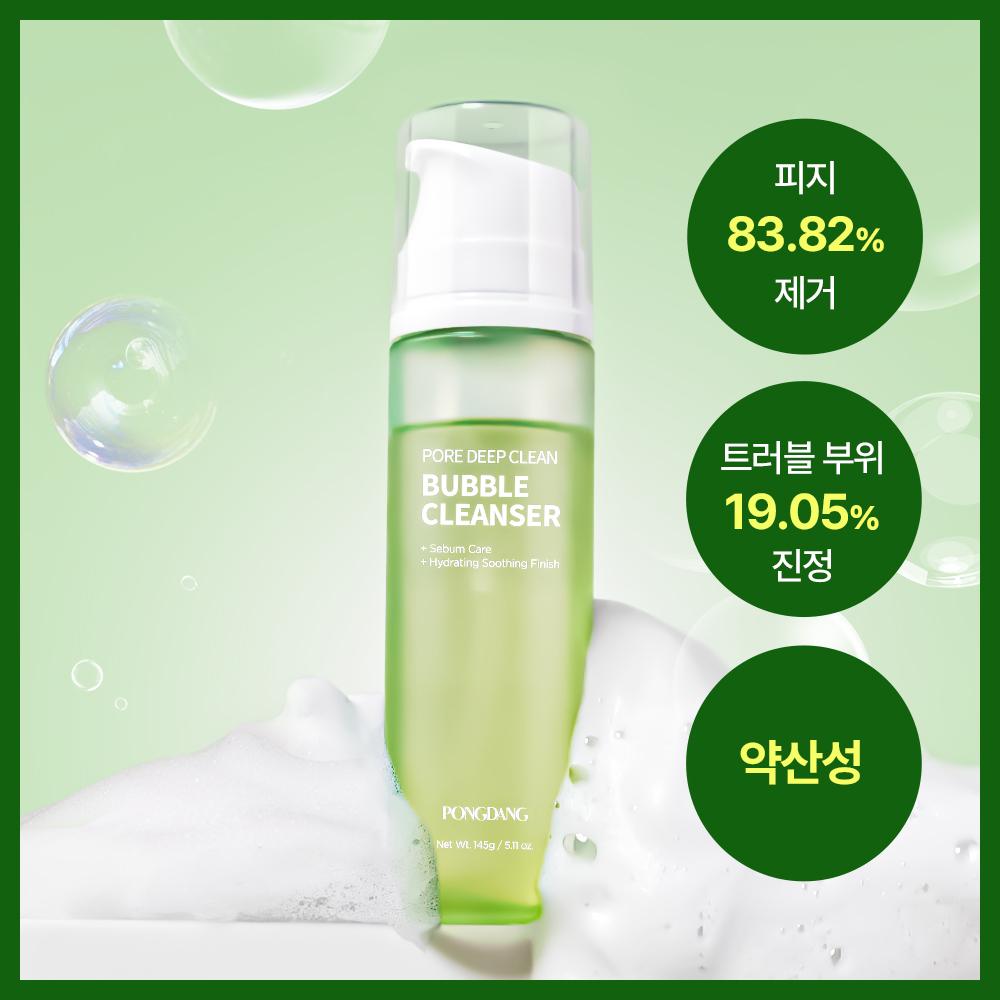
Pore Deep Clean Bubble Cleanser
Beplain
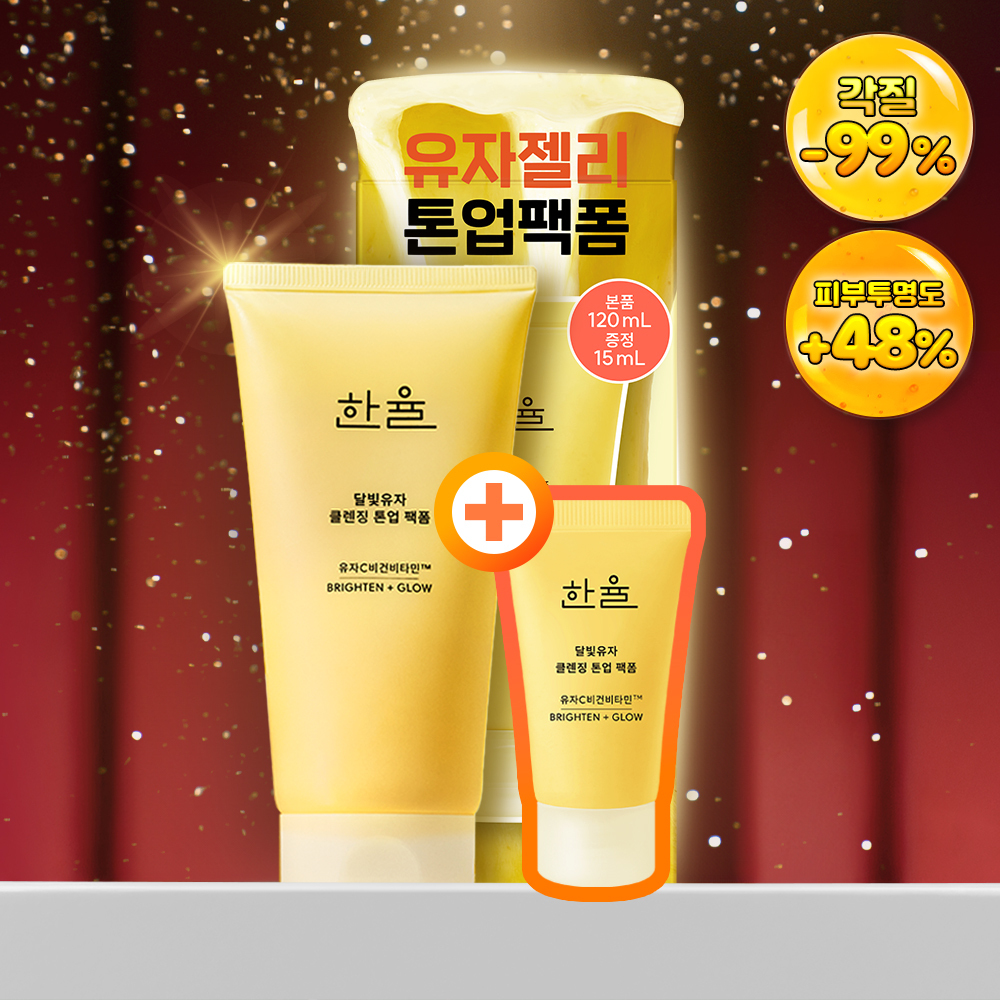
Yuja Cleansing Tone Up Pack Foam Set
Hanyul
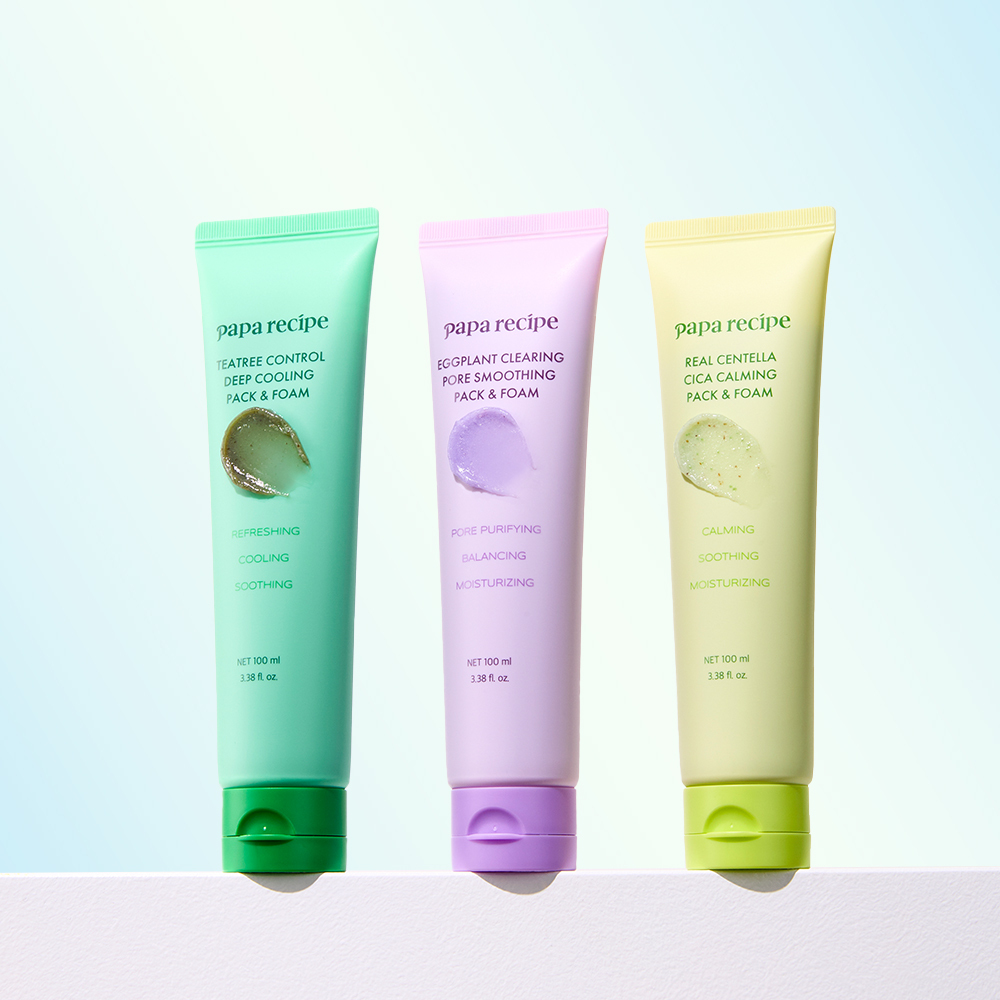
Pack & Foam (Real Centella/Eggplant Clearing/Teatree Control)
Papa Recipe
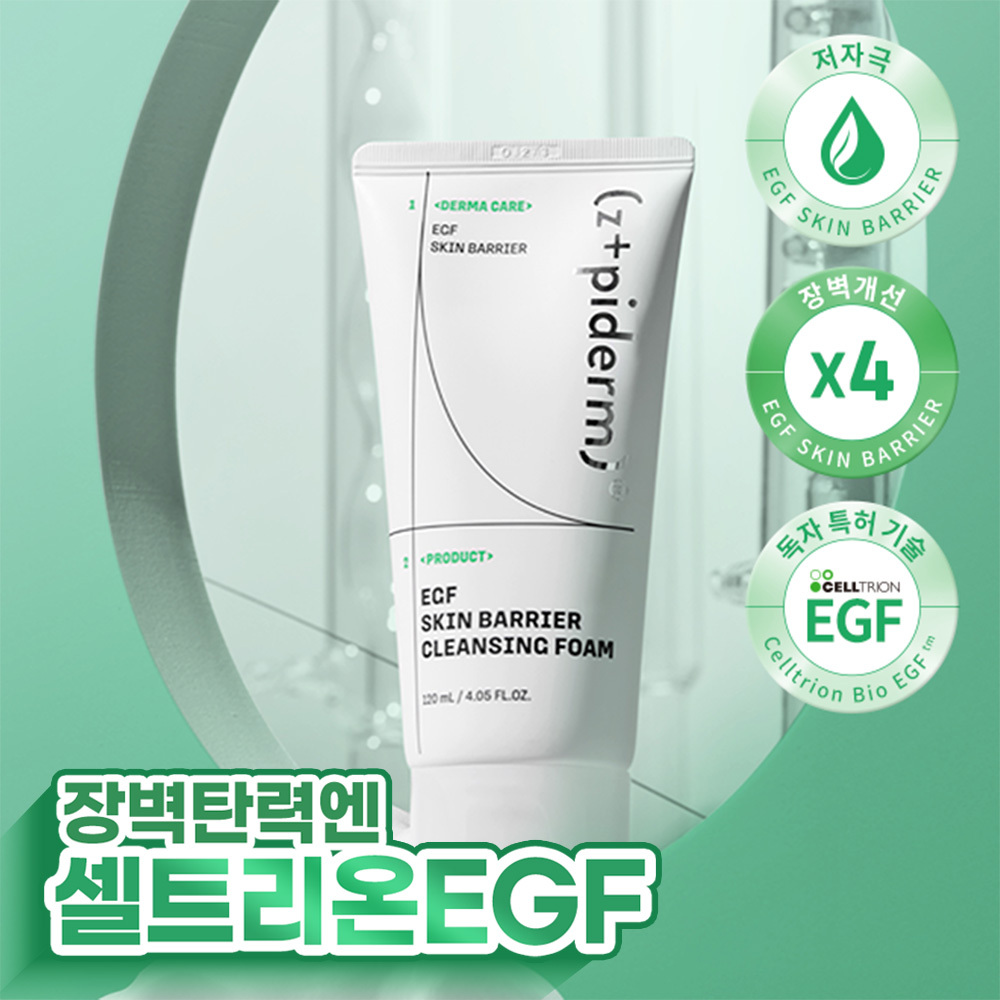
z+piderm EGF Skin Barrier Cleansing Foam
Beplain
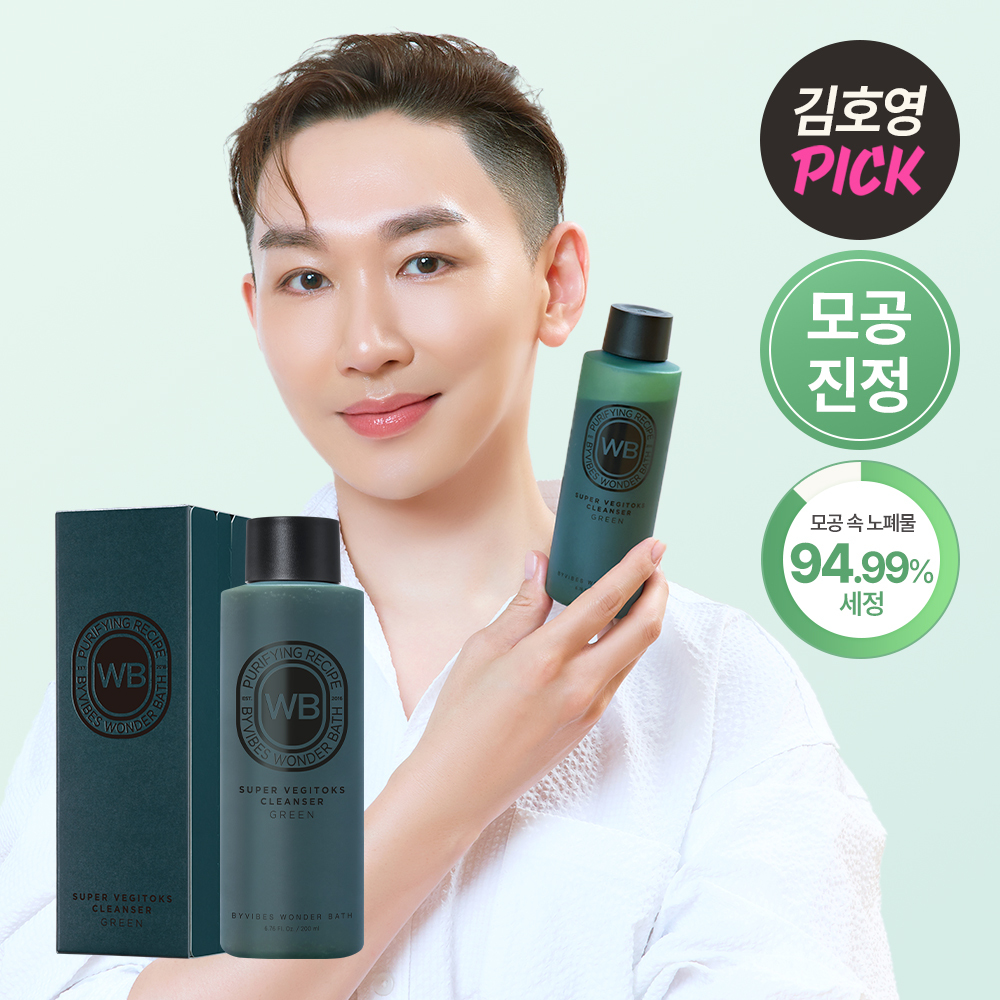
Wonder Bath Super Vegitoks Packcleanser
Chosungah Beauty
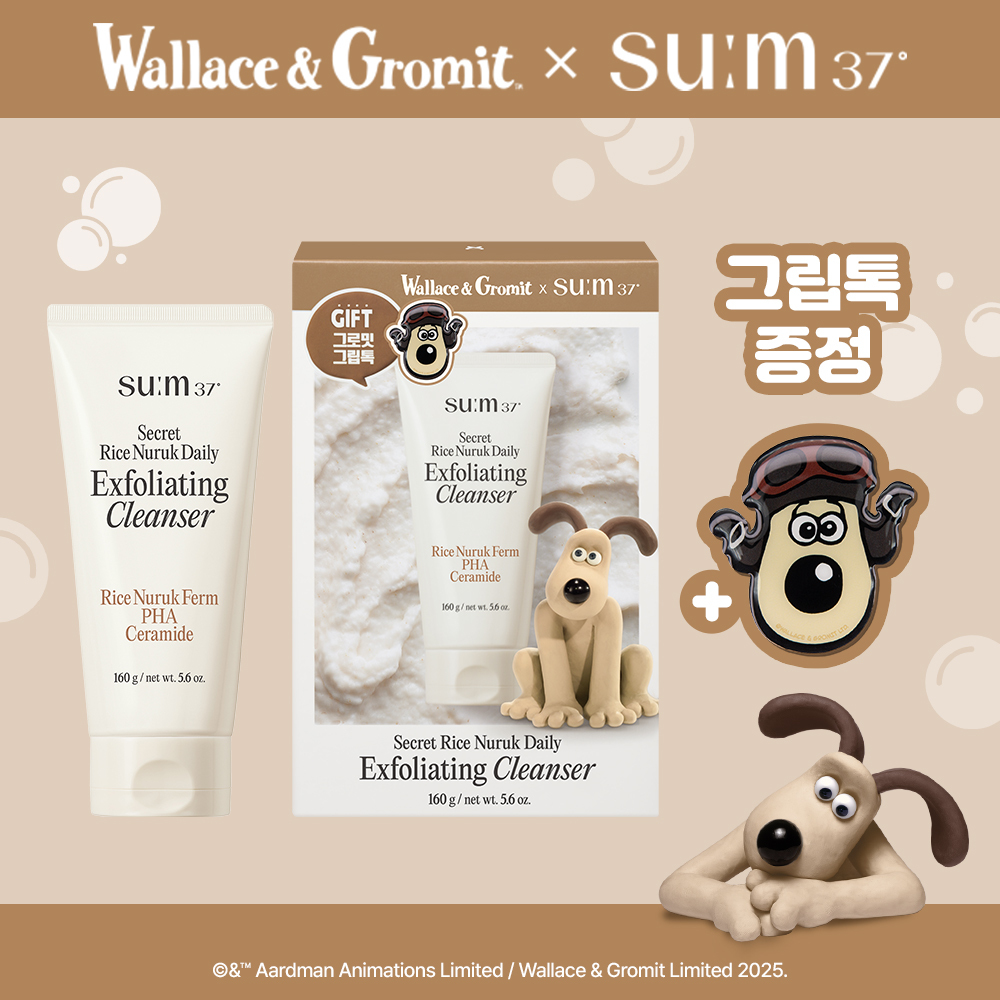
Secret Rice Nuruk Daily Exfoliating Cleanser
SUM37
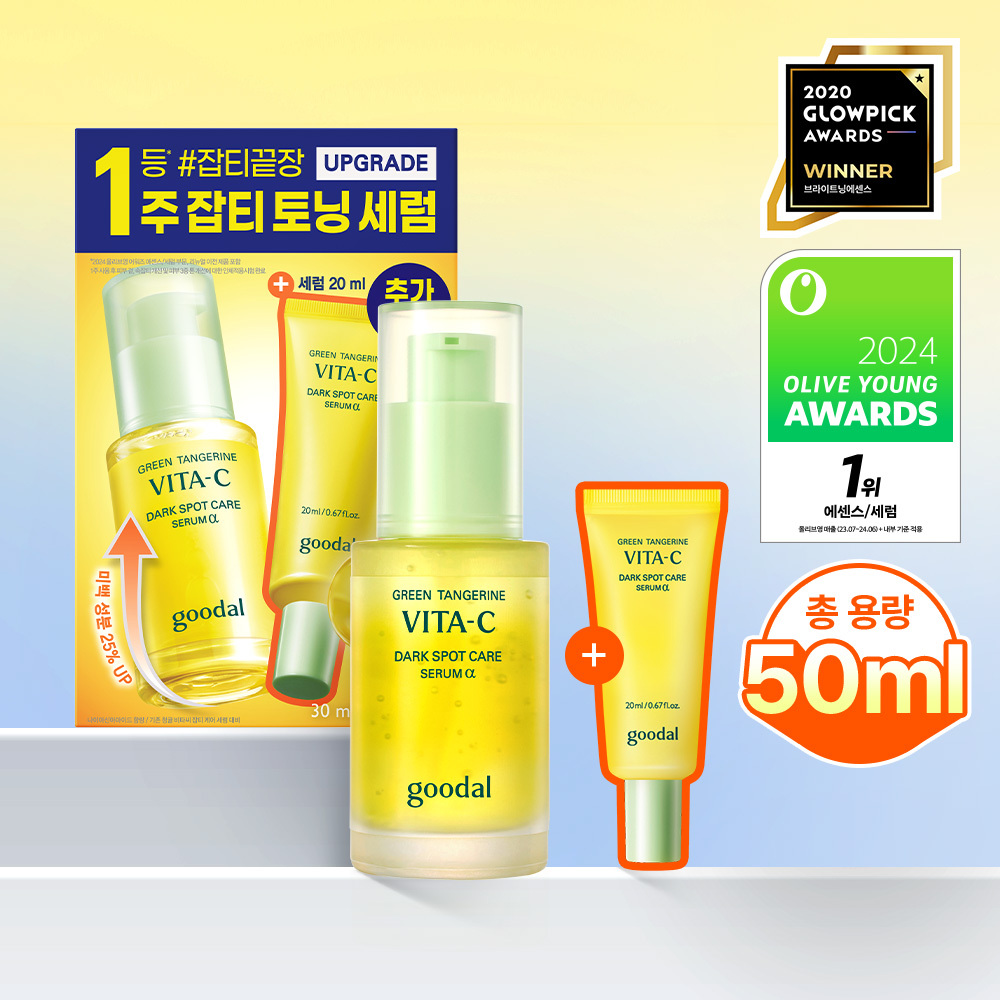
Green Tangerine Vita-C Dark Spot Care Serum α
Goodal
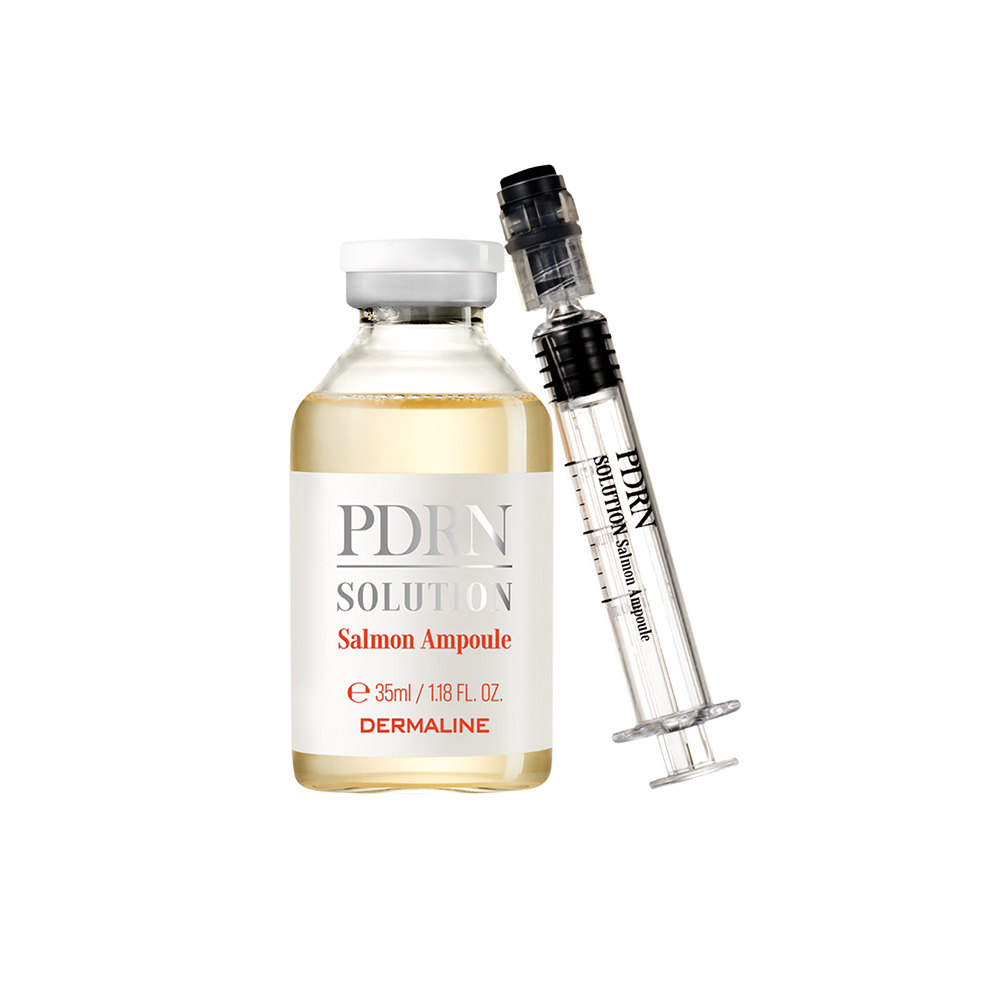
D'LEXO PDRN Solution Salmon Ampoule
DERMALINE
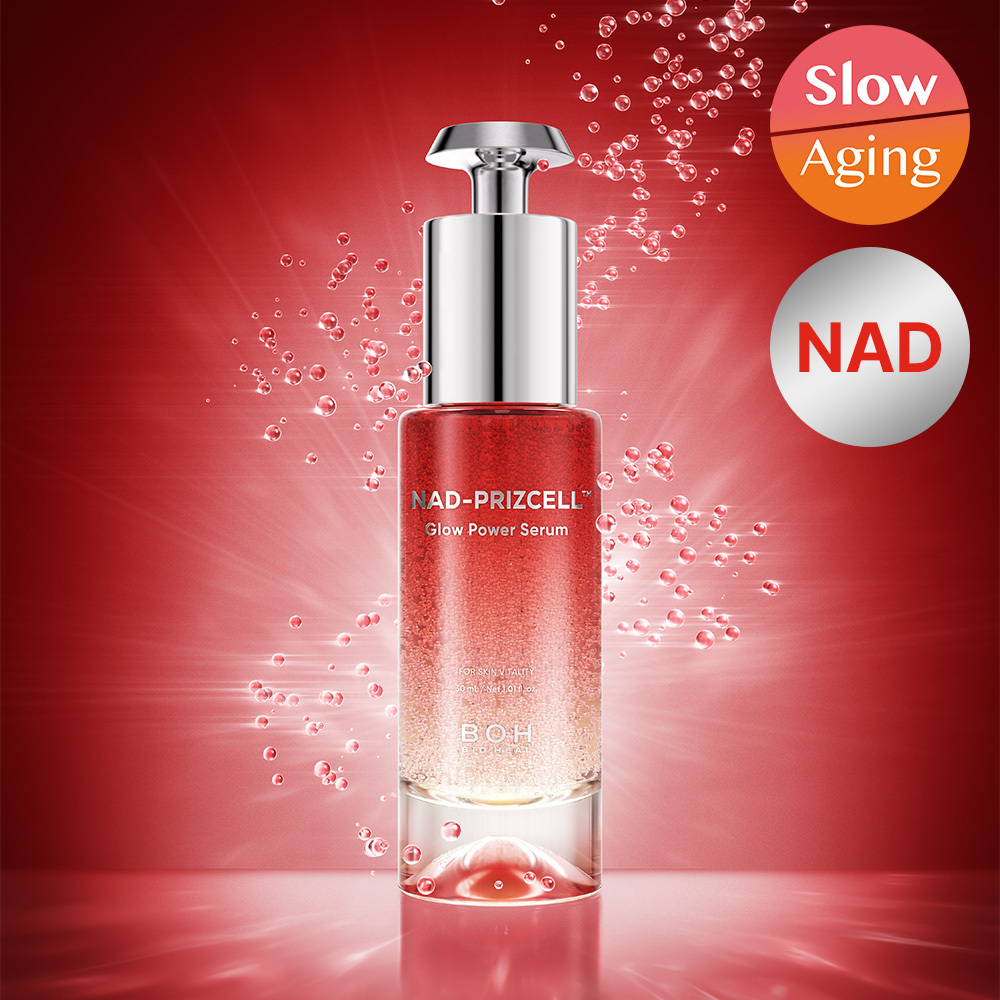
NAD-Prizcell Glow Power Serum
Bioheal BOH
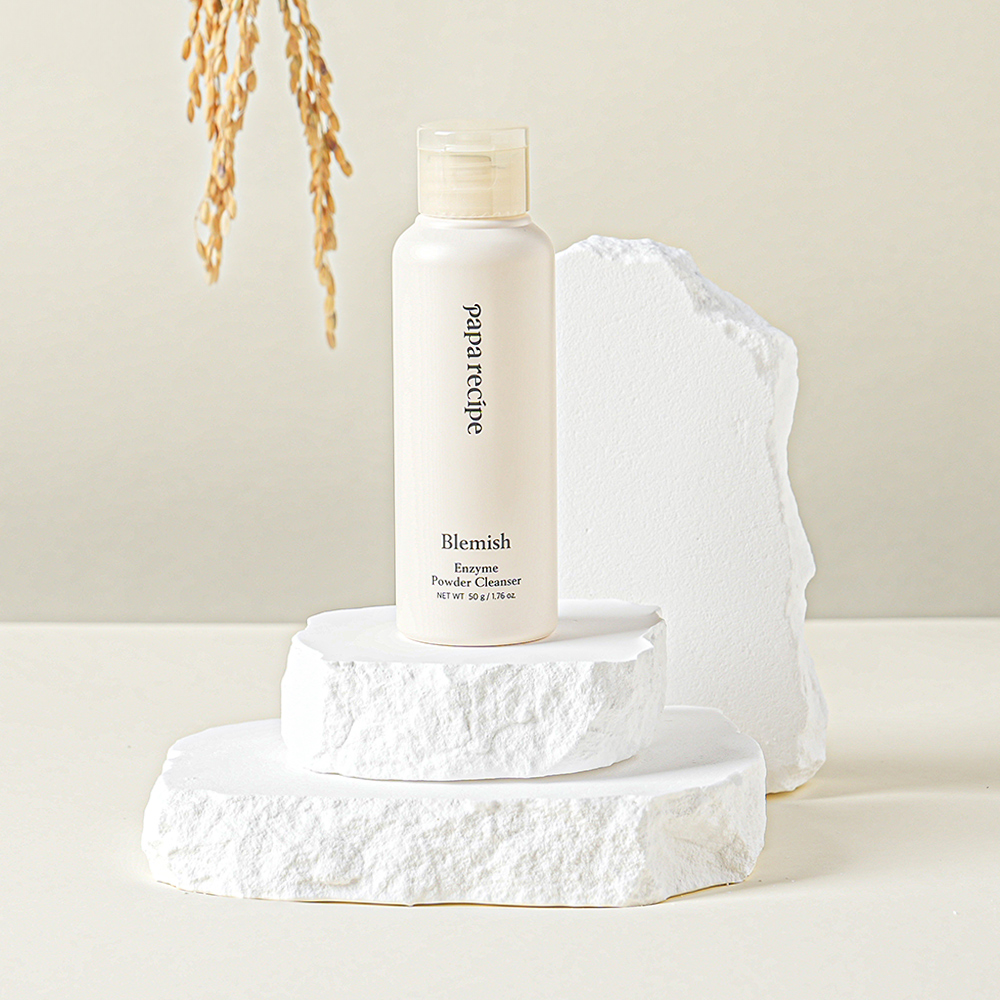
Blemish Enzyme Powder Cleanser
Papa Recipe
Yuja Cleansing Peeling Gel Balm
Hanyul
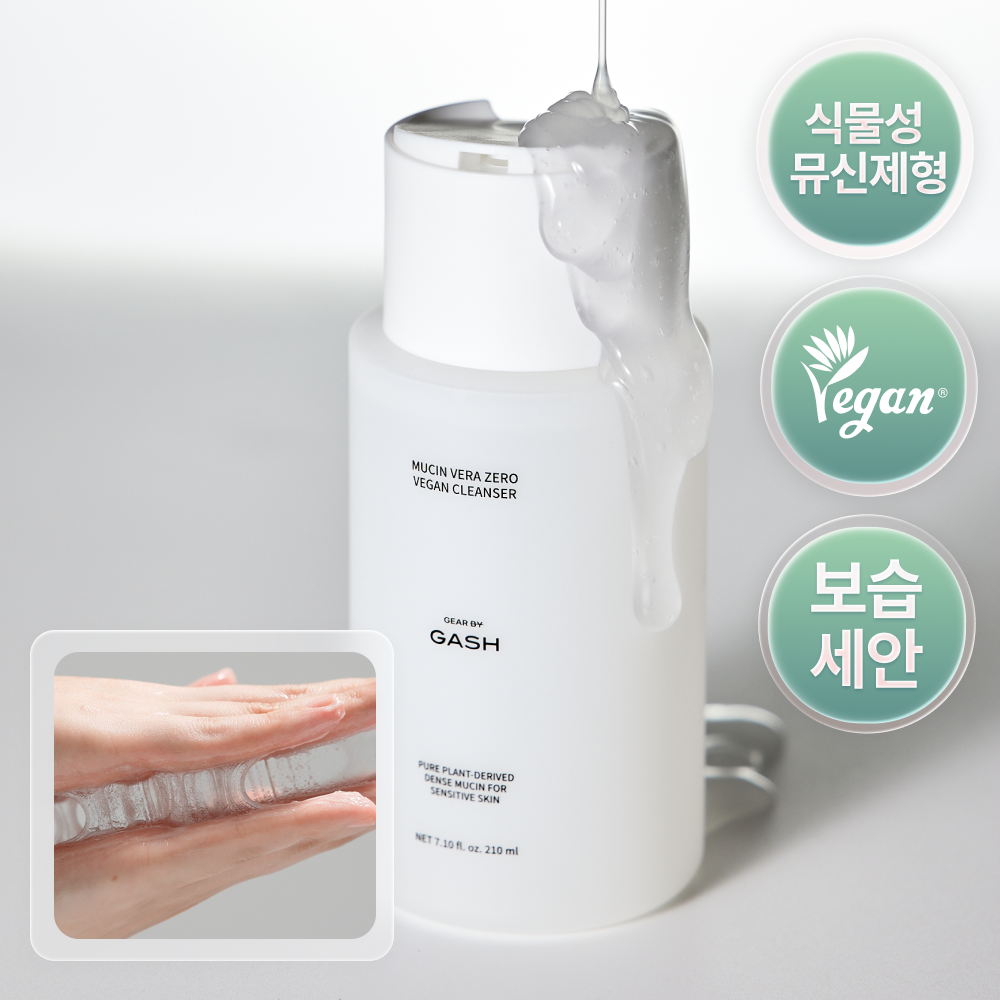
Mucin Vera Zero Vegan Cleanser
Beplain
Frequently Asked Questions
Is rosemary extract the same as rosemary essential oil?▼
Can rosemary extract help with acne?▼
Will rosemary extract make my skin more sensitive to the sun?▼
How long does it take to see results from rosemary extract?▼
Explore More
Want personalized ingredient advice?
Yuri, our AI beauty advisor, can tell you how Rosemary Leaf Extract works with your specific skin type, routine, and concerns.
Ask Yuri, free