Rosemary Oil
INCI: Rosmarinus Officinalis (Rosemary) Leaf Oil
Antioxidant and antimicrobial with soothing properties
About Rosemary Oil
Rosemary oil is a potent botanical extract derived from the aromatic leaves of Rosmarinus officinalis, a Mediterranean herb that has been treasured for centuries in both culinary and medicinal traditions. In K-beauty formulations, rosemary oil serves a triple function as an antioxidant powerhouse, antimicrobial agent, and soothing ingredient, making it particularly popular in cleansers and treatment products designed to purify and balance the skin. The oil is rich in compounds like rosmarinic acid, carnosic acid, and caffeic acid, which actively neutralize free radicals that accelerate aging and inflammation. Its antimicrobial properties make it especially valuable in products targeting acne-prone and congested skin, where it helps control the bacteria that contribute to breakouts without the harshness of synthetic alternatives. Found in 286 K-beauty products on Seoul Sister, rosemary oil appears frequently in high-performing cleansers like the Wonder Bath Super Vegitoks Packcleanser and The Real Noni Acne Bubble Cleanser, both rated above 4.9 out of 5. However, it's important to note that rosemary oil is classified as a fragrance ingredient with a moderate safety rating of 3 out of 5 and a comedogenic rating of 2 out of 5, meaning it requires thoughtful formulation and may not be suitable for all skin types, particularly those with extreme sensitivity or rosiness.
How Rosemary Oil Works
Rosemary oil works through multiple biochemical pathways to protect and improve skin health. At the cellular level, its high concentration of phenolic compounds, particularly rosmarinic acid and carnosic acid, act as powerful antioxidants that donate electrons to unstable free radicals, effectively neutralizing them before they can damage cellular membranes, DNA, and collagen structures. This antioxidant activity helps prevent premature aging and supports the skin's natural repair processes. The oil's antimicrobial properties stem from compounds like 1,8-cineole and camphor, which disrupt bacterial cell membranes and inhibit the growth of Cutibacterium acnes, the bacteria associated with inflammatory acne. Additionally, rosemary oil exhibits anti-inflammatory effects by inhibiting pro-inflammatory enzymes like COX-2 and reducing the production of inflammatory cytokines. This helps calm irritated skin and reduce redness. The oil also improves circulation when applied topically, which can enhance nutrient delivery to skin cells and support a healthy, vibrant complexion. However, because rosemary oil contains volatile aromatic compounds, it can potentially cause sensitivity in high concentrations or on compromised skin barriers.
Rosemary Oil by Skin Type
Oily Skin
Rosemary oil can be beneficial for oily skin due to its antimicrobial and sebum-regulating properties. Its ability to control acne-causing bacteria while providing antioxidant protection makes it a smart choice in cleansers and treatment products for congestion-prone skin. However, the moderate comedogenic rating of 2 out of 5 means concentration matters, so look for it in rinse-off products or well-formulated leave-on treatments where it's balanced with non-comedogenic ingredients.
Dry Skin
Dry skin types should approach rosemary oil with some caution, as its astringent properties and potential for irritation can sometimes exacerbate dryness or sensitivity. If you have dry skin, rosemary oil works best in gentle, hydrating cleansers like the Beplain Face Wash where it's buffered by moisturizing ingredients and rinsed off rather than left on the skin. Avoid high concentrations in leave-on products unless your skin has shown tolerance to essential oils.
Combo Skin
Combination skin often responds well to rosemary oil, particularly when dealing with an oily T-zone and occasional breakouts. Its balancing antimicrobial and antioxidant properties can help normalize skin function without over-drying or over-moisturizing different zones. Products like the Dewytree Pick And Quick Cleansing Big Pad (rated 5.0/5) demonstrate how rosemary oil can work effectively in formulations designed for combination skin needs.
Sensitive Skin
Sensitive skin types should be cautious with rosemary oil, as its classification as a fragrance ingredient and moderate safety rating of 3 out of 5 reflect its potential to cause reactions in reactive skin. The aromatic compounds that give rosemary its characteristic scent can trigger inflammation or contact dermatitis in sensitized individuals. If you have sensitive skin, patch test products containing rosemary oil and consider starting with rinse-off cleansers rather than leave-on serums or creams.
Normal Skin
Normal skin typically tolerates rosemary oil well and can enjoy its full range of benefits without the concerns that more reactive skin types face. Its antioxidant protection helps maintain skin health and prevent future damage, while its antimicrobial properties provide insurance against occasional breakouts. Normal skin types can comfortably use rosemary oil in both cleansers and treatment products, making it a versatile ingredient for maintaining balanced, healthy skin.
How to Use Rosemary Oil
- 1Start with rosemary oil in rinse-off products like cleansers before trying leave-on formulations, as this minimizes potential irritation while still delivering antimicrobial and antioxidant benefits.
- 2Always patch test products containing rosemary oil on your inner arm or behind your ear for 24-48 hours before applying to your face, especially if you have sensitive skin or a history of fragrance sensitivities.
- 3Use rosemary oil products in your evening routine when treating acne or congestion, as some of its active compounds can increase photosensitivity slightly.
- 4Pair rosemary oil cleansers with a good moisturizer to prevent any potential drying effects, particularly if you have combination or dry skin.
- 5If you experience any tingling, redness, or irritation when using rosemary oil products, discontinue use immediately and consult with a dermatologist about alternatives.
Background
Rosemary has been revered since ancient times, with Greek scholars wearing rosemary garlands to improve memory and Roman physicians using it to treat various ailments. The herb is native to the Mediterranean region, where its woody shrubs thrive in sunny, rocky terrain. In traditional medicine systems, rosemary was used topically to improve circulation, relieve pain, and treat skin conditions. The transition to modern skincare came as scientists identified the specific phenolic compounds responsible for rosemary's therapeutic effects. K-beauty brands embraced rosemary oil in the early 2010s as part of the broader movement toward botanical ingredients with multiple functional benefits. Its ability to preserve formulations naturally while providing skin benefits made it particularly attractive to Korean formulators focused on clean, efficacious products. Today, it's a staple in K-beauty cleansers and acne treatments, where its antimicrobial properties align perfectly with the Korean skincare philosophy of prevention and purification.
K-Beauty Products with Rosemary Oil
View all 303 →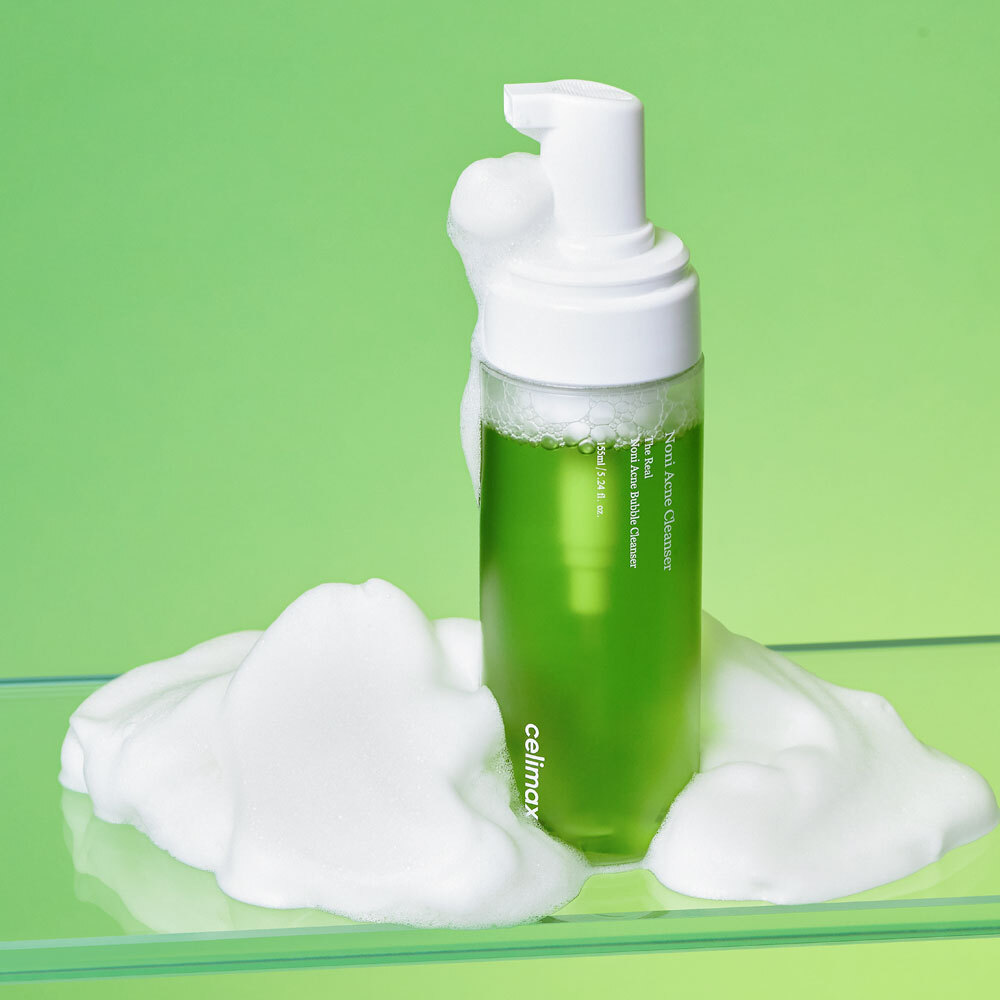
The Real Noni Acne Bubble Cleanser
Celimax

PDRN Pink Collagen Glow Jelly Mist Serum
Medicube

Madecassoside Blemish Repair Serum
Mediheal
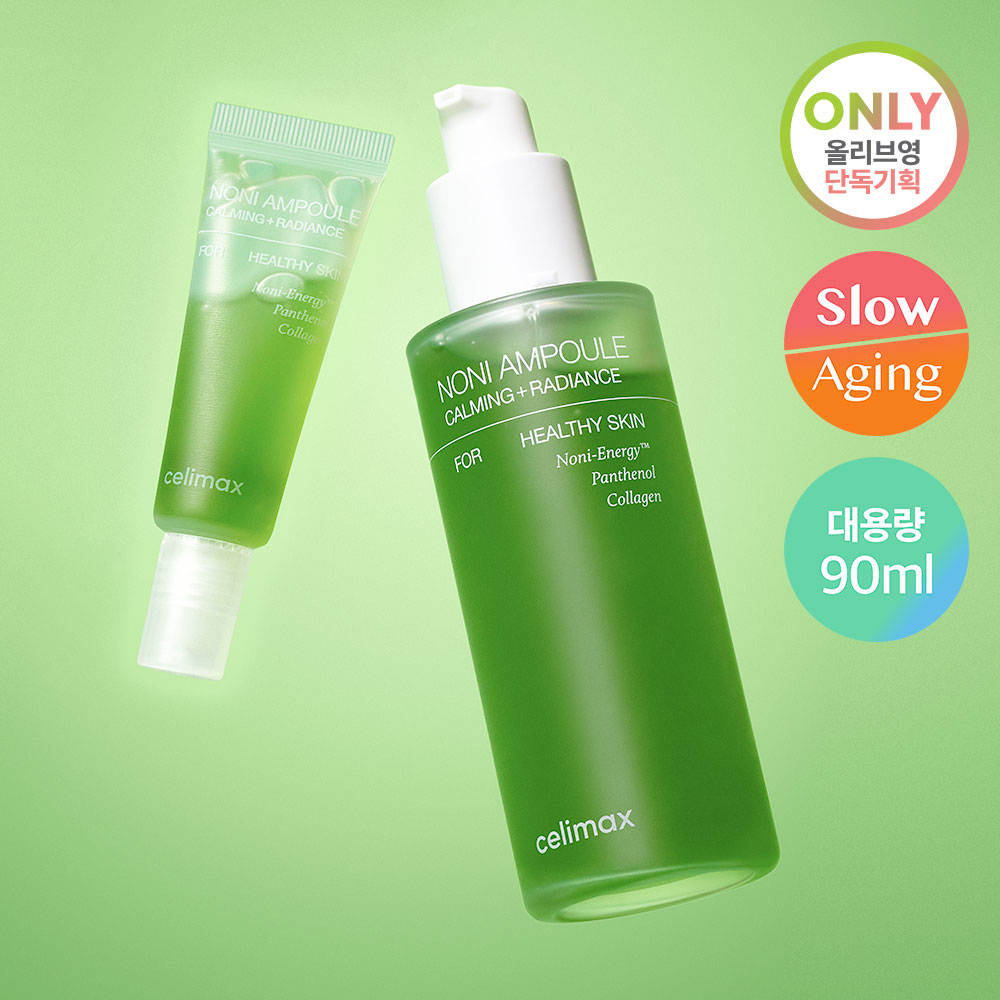
The Real Noni Energy Ampoule
Celimax
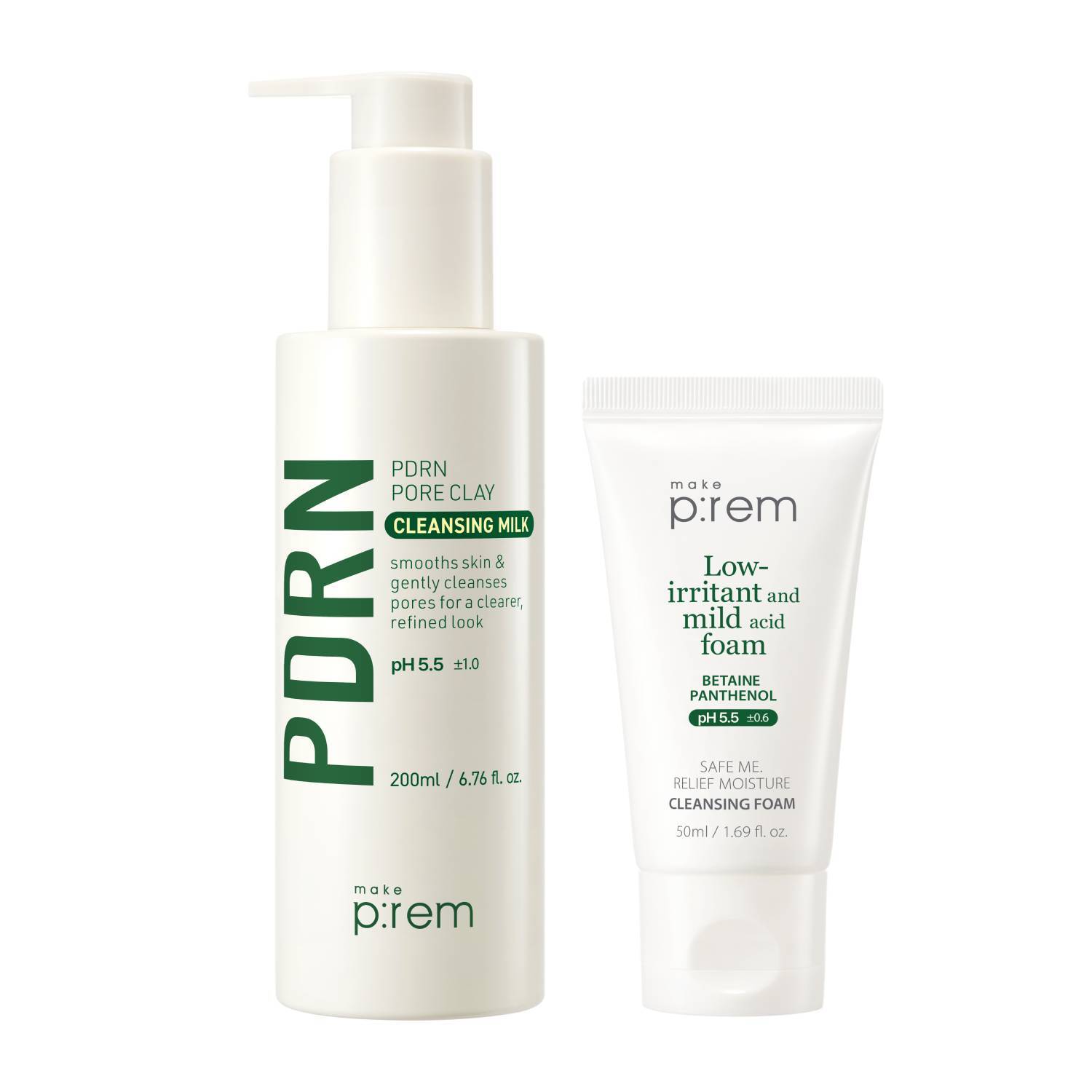
PDRN Pore Clay Cleansing Milk Set
Makeprem

Green Tea + LHA Deep Pore Rice Cake Cleanser
Arencia
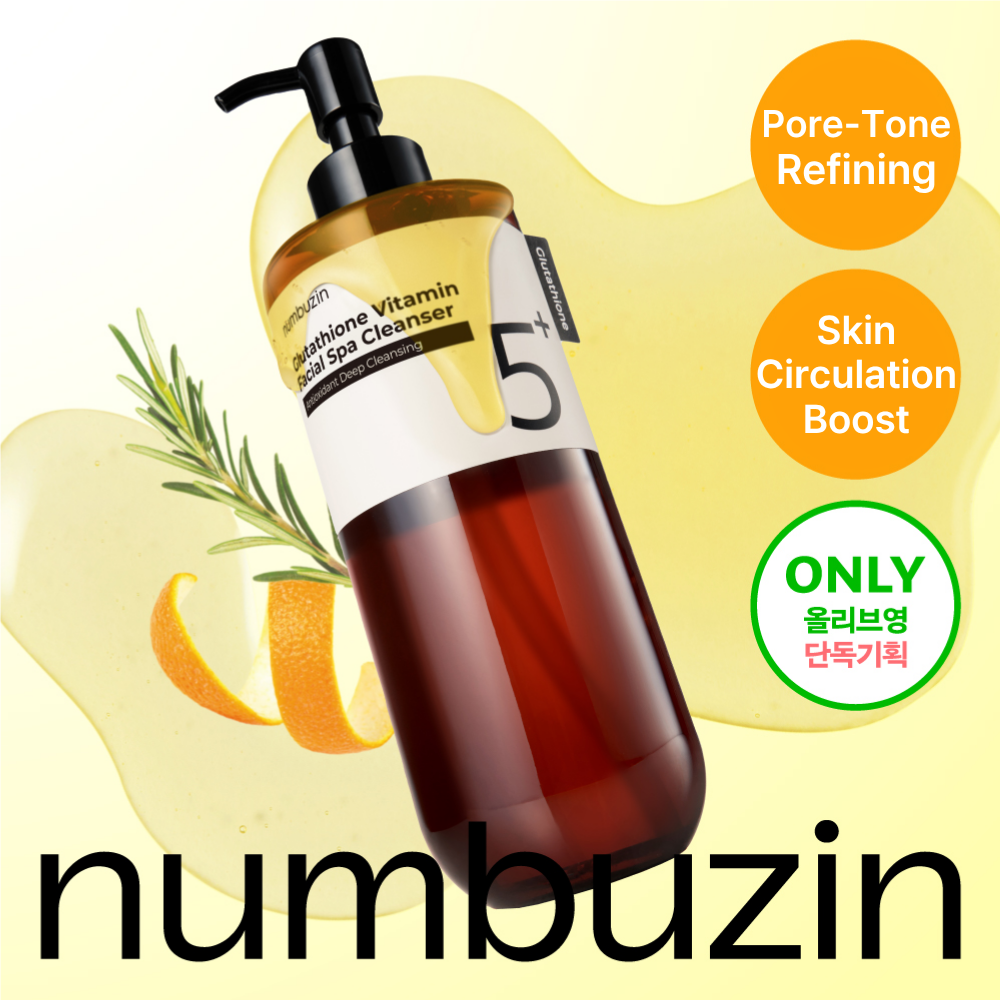
No. 5 Glutathione C Facial Spa Cleanser
Numbuzin

PDRN Gel To Foam Cleanser
Medicube

Purifying Cleansing Soda Foam Double Pack
ma:nyo

Camellia Deep Collagen Rice Cake Mask Cleanser
Round Lab

Safe Me Relief Moisture Cleansing Foam
Makeprem

Safe Me Amino Refresh Cleansing Balm
Makeprem
Frequently Asked Questions
Is rosemary oil safe for acne-prone skin?▼
Can rosemary oil cause skin irritation?▼
What's the difference between rosemary oil and rosemary extract in skincare?▼
How often can I use products with rosemary oil?▼
Explore More
Want personalized ingredient advice?
Yuri, our AI beauty advisor, can tell you how Rosemary Oil works with your specific skin type, routine, and concerns.
Ask Yuri, free