Raspberry Leaf Extract
INCI: Rubus Suavissimus (Raspberry) Leaf Extract
Antioxidant and skin conditioning agent
About Raspberry Leaf Extract
Raspberry Leaf Extract, derived from the leaves of Rubus suavissimus, is a potent botanical ingredient that has earned its place in modern K-beauty formulations through its rich concentration of polyphenols, tannins, and ellagic acid. Unlike raspberry fruit extract, which focuses on vitamin C content, the leaf extract delivers a more sophisticated antioxidant profile that protects skin from environmental stressors while providing gentle astringent properties. In Korean skincare philosophy, this ingredient represents the principle of using the entire plant for maximum benefit, a tradition rooted in hanbang (traditional Korean herbal medicine). The extract's high tannin content makes it particularly effective at refining skin texture and supporting collagen integrity, which explains its presence in premium products like Mediheal's PDRN Lifting Pad and Sungboon Editor's Deep Collagen Signature Mask. With a comedogenic rating of 0/5, it works across all skin types without clogging pores, while its conditioning properties help maintain the skin barrier. The safety rating of 4/5 reflects its gentle nature, with minimal irritation potential even for reactive skin. Korean brands have increasingly incorporated raspberry leaf extract into lifting and firming formulations, recognizing its ability to work synergistically with peptides and collagen-boosting ingredients.
How Raspberry Leaf Extract Works
At the cellular level, raspberry leaf extract functions through multiple pathways. Its high concentration of ellagic acid neutralizes free radicals by donating electrons to unstable molecules, preventing oxidative damage to cell membranes and DNA. The tannins in the extract bind to proteins in the skin, creating a temporary tightening effect that smooths the appearance of fine lines and enlarged pores. These same tannins inhibit the activity of collagenase and elastase, enzymes that break down collagen and elastin fibers, helping maintain skin firmness over time. The polyphenolic compounds penetrate into the dermis where they modulate inflammatory pathways, reducing the production of pro-inflammatory cytokines that can accelerate aging and cause sensitivity. Additionally, raspberry leaf extract contains flavonoids that strengthen capillary walls, improving microcirculation and giving skin a healthier appearance. The astringent properties work on the skin's surface by temporarily contracting tissues, which helps control excess sebum production in oily areas while the conditioning agents prevent moisture loss in drier zones.
Raspberry Leaf Extract by Skin Type
Oily Skin
Raspberry leaf extract is excellent for oily skin thanks to its natural astringent properties that help regulate sebum production without stripping moisture. The tannins provide a gentle mattifying effect while the antioxidants protect against oxidative stress caused by excess oil oxidation, which can lead to inflammation and breakouts.
Dry Skin
While primarily known for astringent properties, raspberry leaf extract benefits dry skin through its conditioning agents and barrier-supporting polyphenols. The antioxidant protection is especially valuable for dry skin that's more vulnerable to environmental damage, though those with very dry skin should ensure it's paired with adequate humectants and emollients in the formula.
Combo Skin
This ingredient is practically designed for combination skin, with its ability to balance different zones. The astringent properties address oiliness in the T-zone while the conditioning benefits prevent the cheeks from feeling tight or dehydrated, making it a smart choice in products like the Mediheal PDRN Lifting Pad (4.9/5).
Sensitive Skin
Raspberry leaf extract is generally well-tolerated by sensitive skin due to its anti-inflammatory polyphenols that help calm reactivity. However, the tannin content means some extremely sensitive individuals may experience mild tightness, so patch testing is recommended if you have a history of reactions to astringent botanicals.
Normal Skin
Normal skin reaps all the preventative benefits of raspberry leaf extract without concerns about its astringent properties being too strong or its conditioning effects being insufficient. It's an ideal maintenance ingredient for preserving skin health and preventing premature aging, which is why it appears in balanced formulations like the Eau Briller Pad by Equlib (5.0/5).
How to Use Raspberry Leaf Extract
- 1Layer products with raspberry leaf extract before heavier creams to allow the astringent benefits to refine pores without being blocked by occlusives
- 2Look for this ingredient in morning routines for daytime antioxidant protection, especially if you're exposed to pollution or UV stress
- 3Pair with peptides or collagen-focused ingredients (as seen in Mediheal's PDRN formulations) for enhanced firming benefits
- 4If you have very dry skin, follow raspberry leaf products with a rich moisturizer to prevent any tightness from the tannins
Background
Raspberry leaf has been used medicinally for centuries across Europe and Asia, traditionally brewed as a tea for its astringent and toning properties. In traditional Korean medicine, various Rubus species (including raspberry) were valued for their ability to tonify and protect tissues. The cosmetic application of raspberry leaf extract emerged in the early 2000s when researchers began isolating and studying the polyphenolic compounds in plant leaves, discovering that leaf extracts often contained higher concentrations of protective compounds than fruits. Korean beauty brands were among the first to incorporate raspberry leaf specifically for its collagen-protecting properties, moving beyond fruit extracts to explore the untapped potential of botanical leaves. This ingredient gained momentum in K-beauty around 2015-2018 as the industry shifted toward sophisticated botanical actives that offered multiple benefits, leading to its inclusion in premium lifting and anti-aging formulations like those from Mediheal and Medi-Peel.
K-Beauty Products with Raspberry Leaf Extract
View all 25 →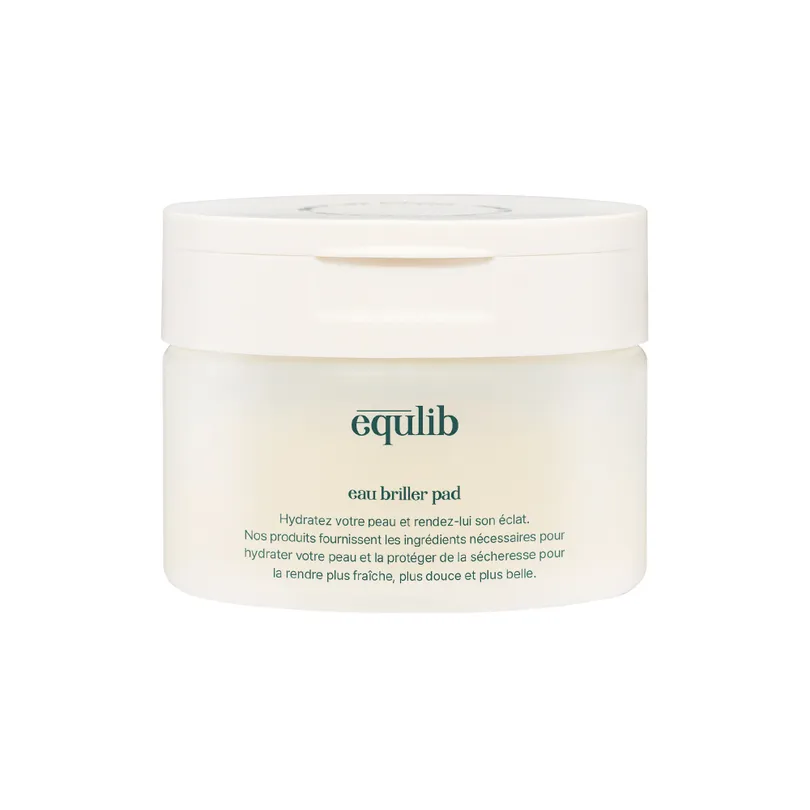
Eau Briller Pad
Equlib
Derma365 Mask PDRN (Lifting) 30P Refill
Mediheal
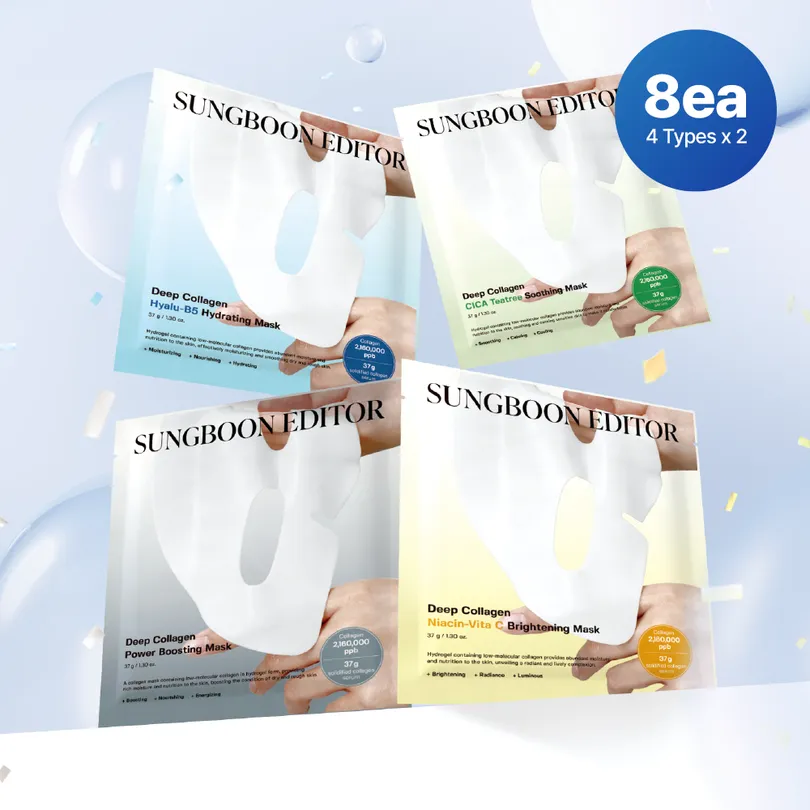
Deep Collagen Signature Mask Sheet Set
Sungboon Editor
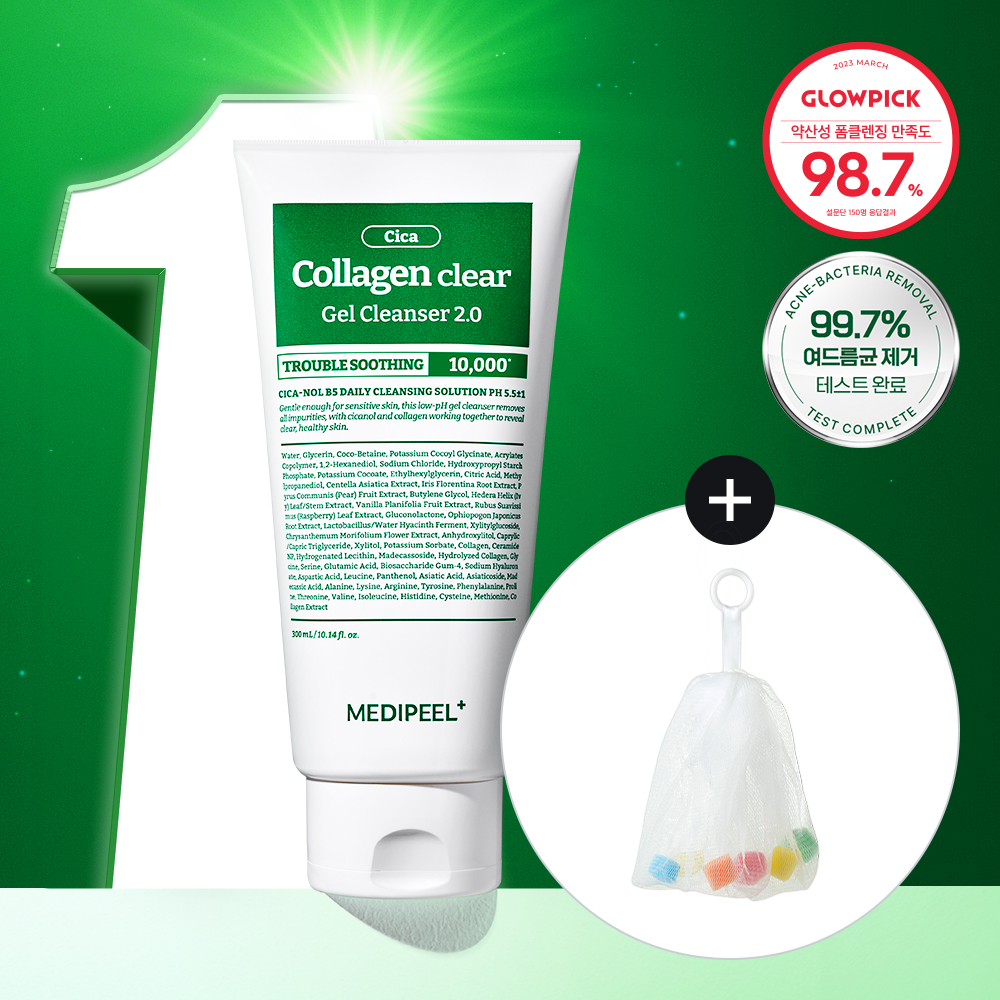
Green Cica Collagen Clear 2.0 Special Set
Medi-Peel
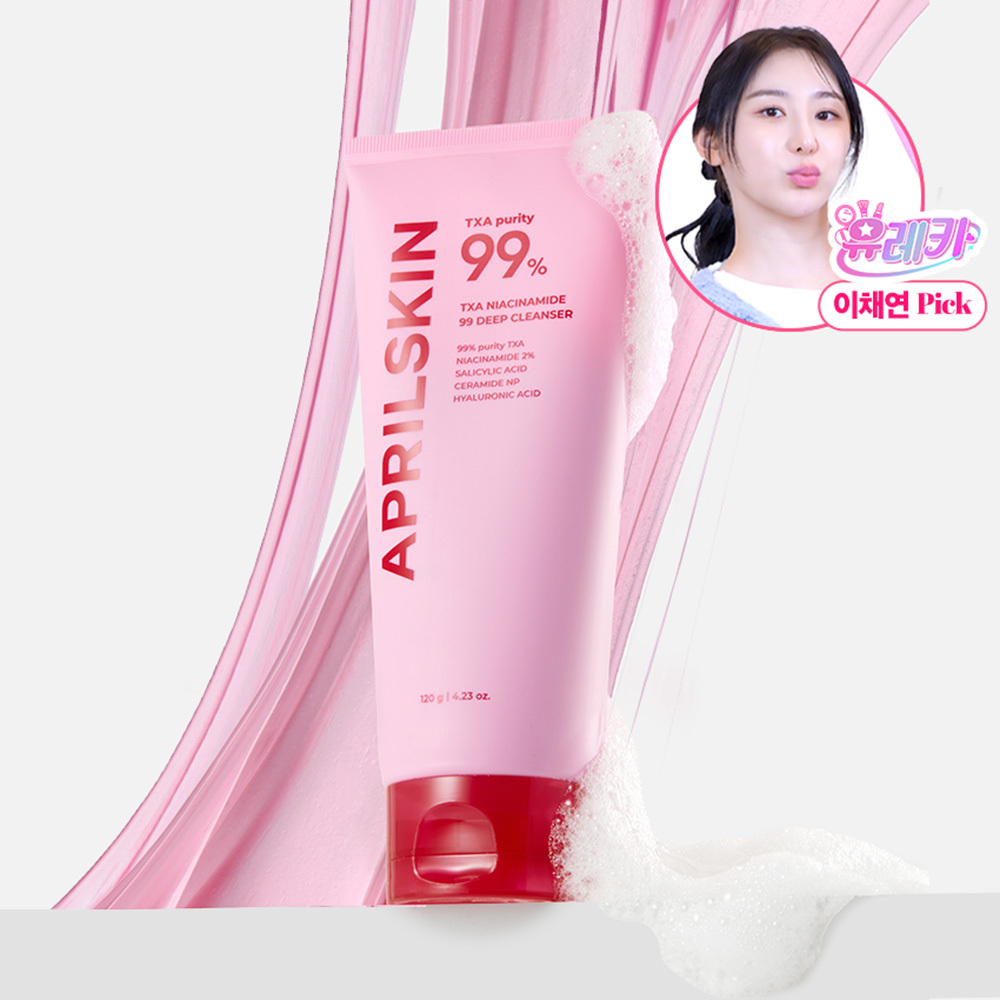
TXA Niacinamide 99 Deep Cleanser
April Skin

Green Cica Collagen Clear Foam 2.0
Medi-Peel
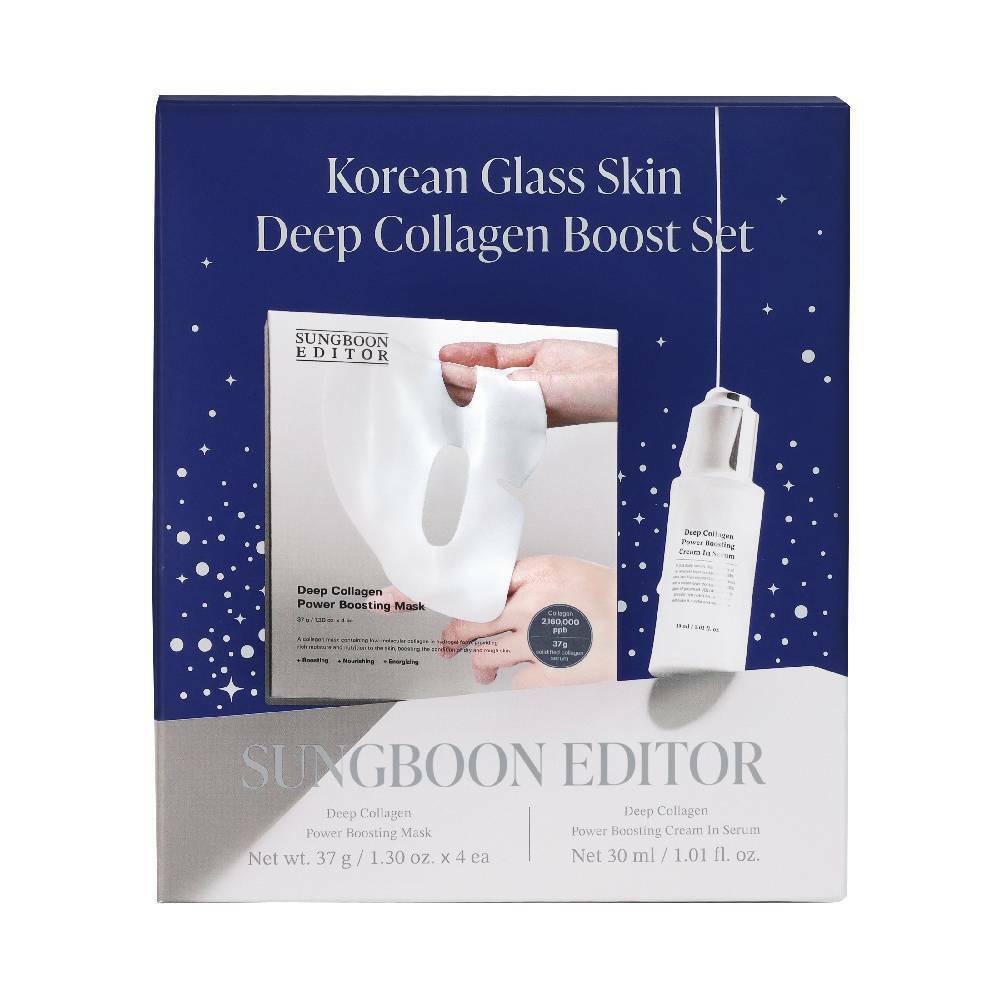
Deep Collagen Boost Set (Serum 30ml + Mask Sheet 4ea)
Sungboon Editor
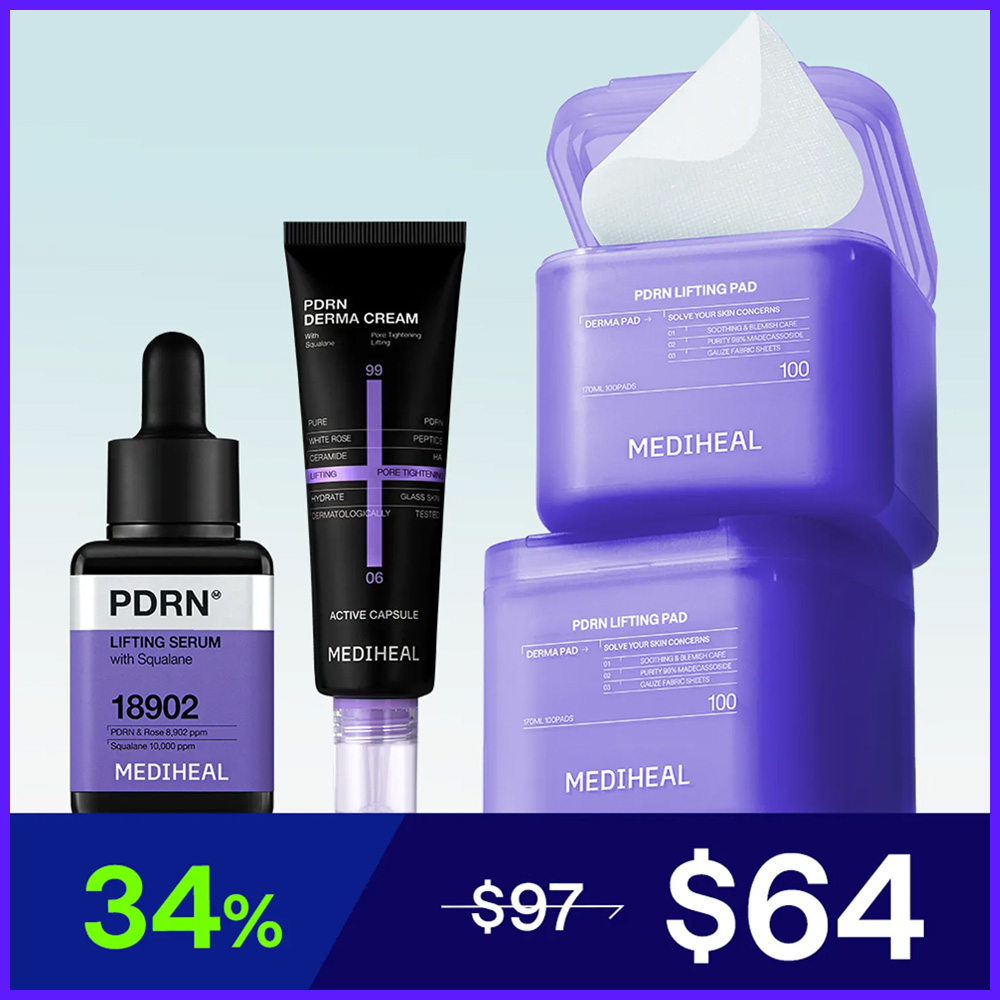
PDRN Complete Set (Toner Pad Double Pack + Cream + Serum)
Mediheal
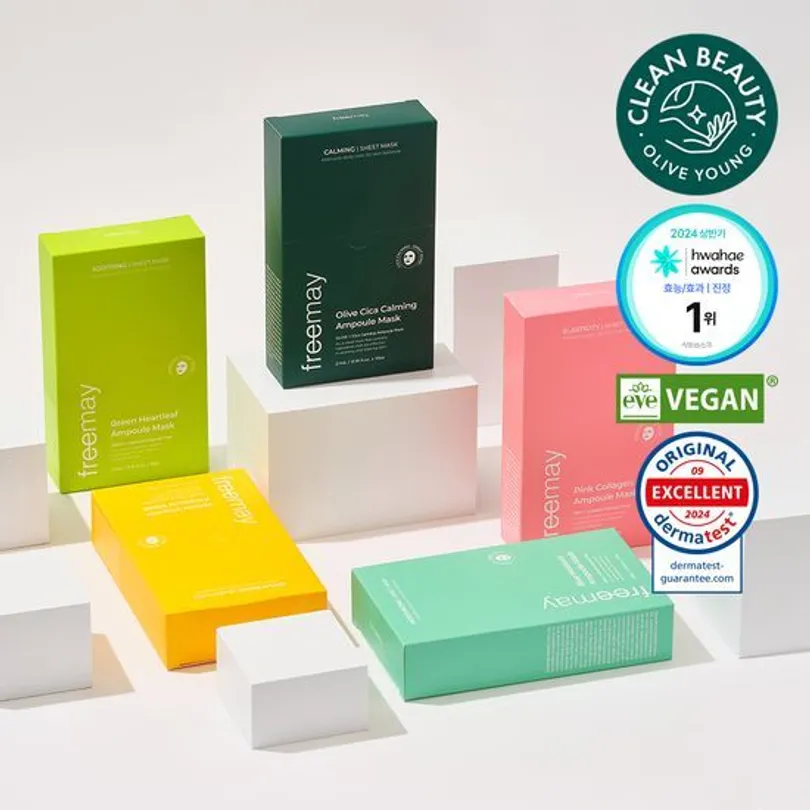
Ampoule Mask Sheet 10P
Freemay
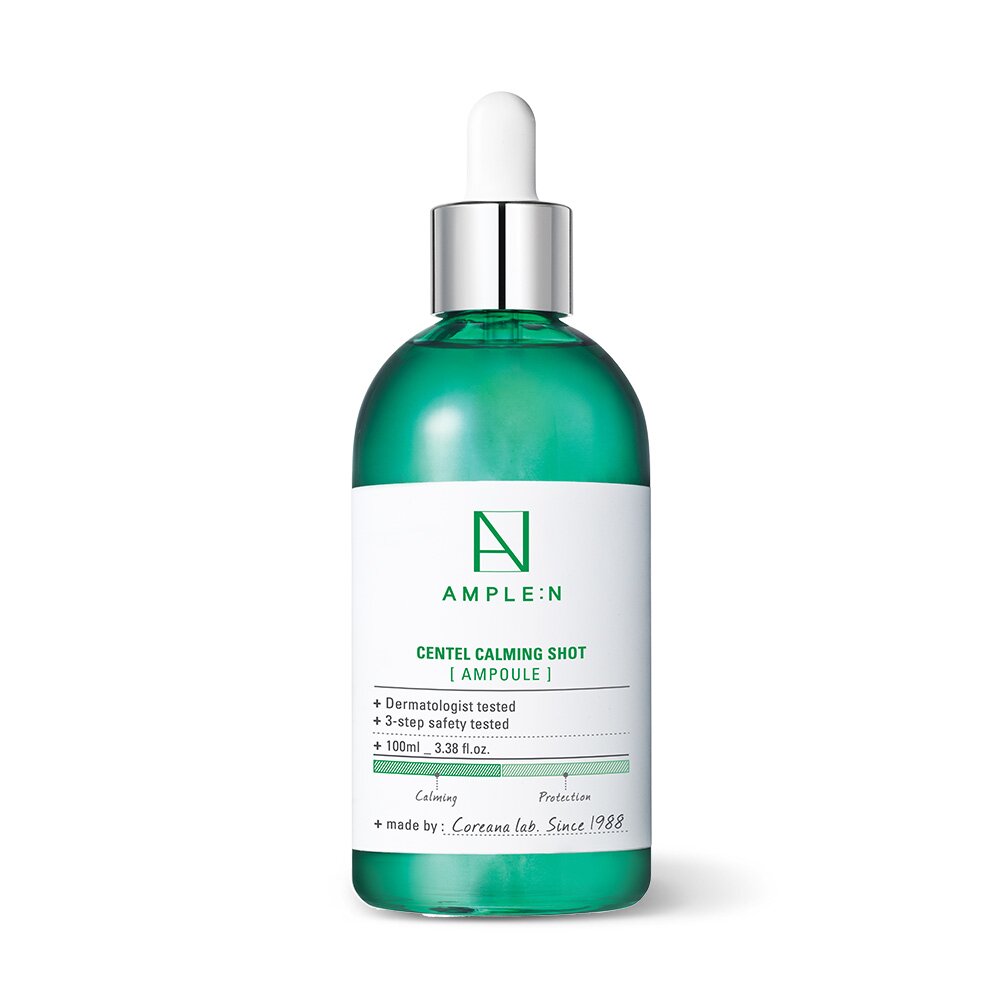
Centel Calming Shot Ampoule
AMPLE:N
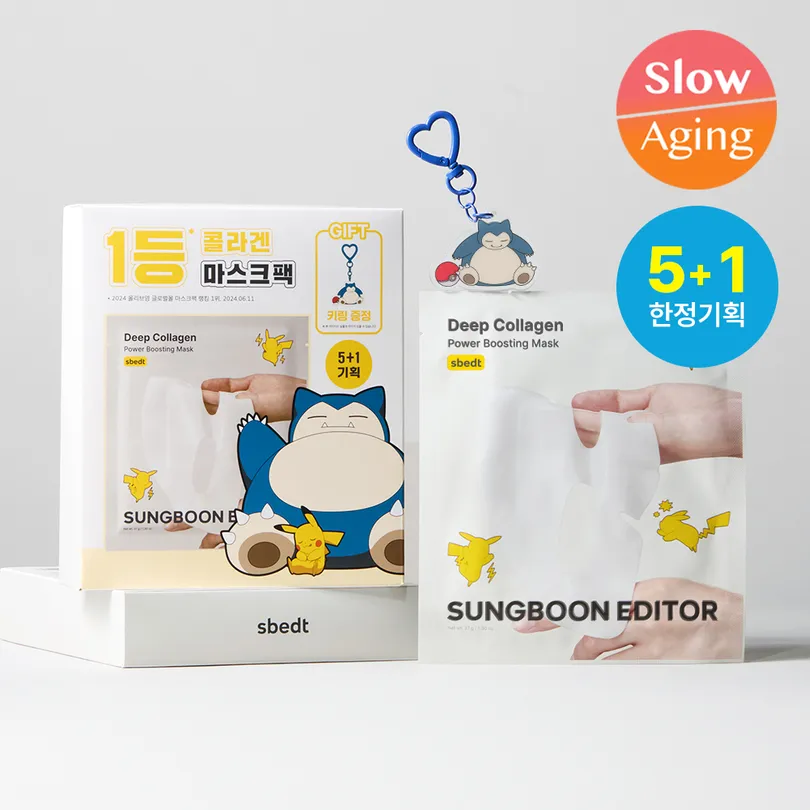
Deep Collagen Power Boosting Mask Sheet
Sungboon Editor
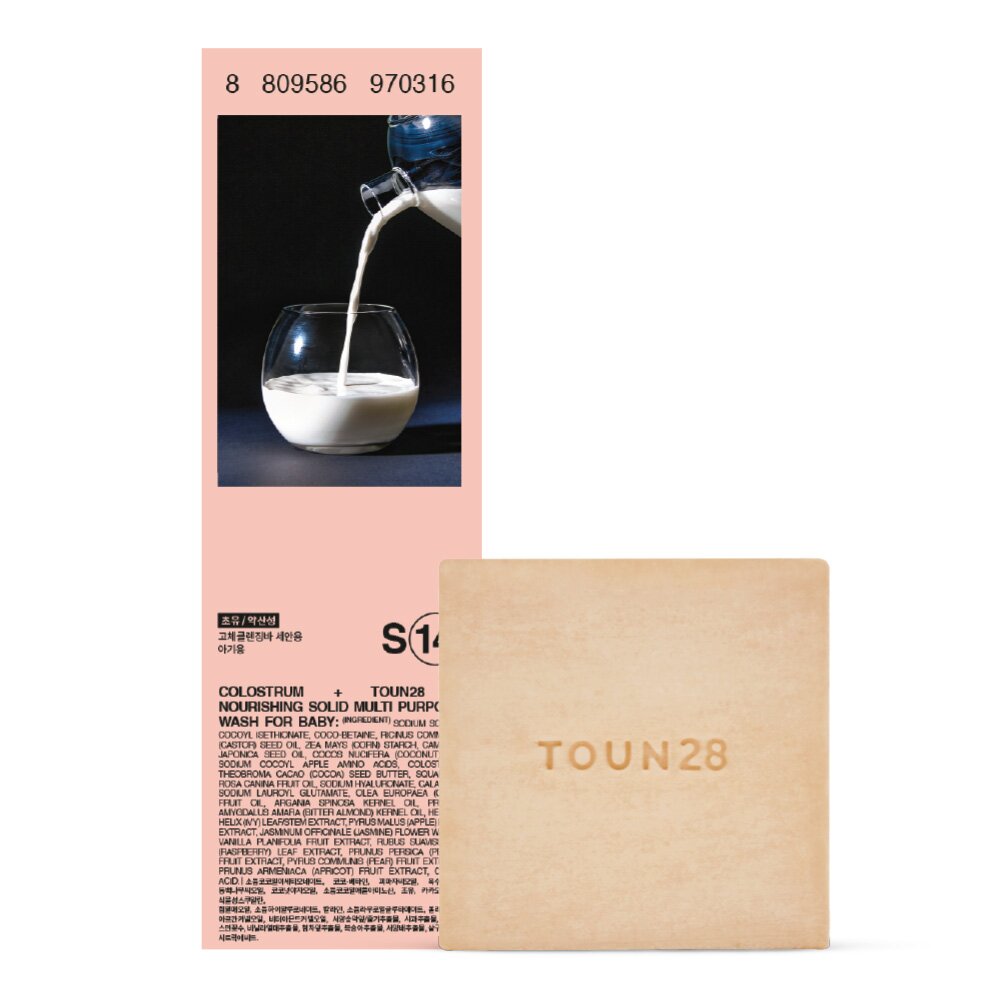
Facial Soap S14 (Foremilk / For all family)
TOUN28
Frequently Asked Questions
Is raspberry leaf extract the same as raspberry extract?▼
Can raspberry leaf extract help with large pores?▼
Will raspberry leaf extract dry out my skin?▼
Why is raspberry leaf extract in lifting and firming products?▼
Explore More
Want personalized ingredient advice?
Yuri, our AI beauty advisor, can tell you how Raspberry Leaf Extract works with your specific skin type, routine, and concerns.
Ask Yuri, free