Yeast Polypeptides
INCI: Saccharomyces Polypeptides
Skin conditioning and anti-aging peptide complex
About Yeast Polypeptides
Yeast polypeptides are bioactive protein fragments derived from the fermentation of Saccharomyces, the same yeast family used in brewing and baking. In K-beauty, these peptides are prized for their ability to communicate with skin cells and trigger anti-aging responses. Unlike single-chain peptides, yeast polypeptides contain multiple amino acid sequences that work synergistically to improve skin firmness, hydration, and radiance. Korean brands like SUM37 have become specialists in fermented skincare, using extended fermentation periods to break down yeast proteins into smaller, more bioavailable peptides that penetrate deeper into skin. These ingredients align with K-beauty's holistic approach to skincare, where fermentation isn't just a trend but a centuries-old technique adapted for modern formulations. The polypeptides function as both humectants and signaling molecules, meaning they attract moisture while also telling skin cells to produce more collagen and strengthen the barrier. With a comedogenic rating of 0/5, yeast polypeptides suit all skin types without clogging pores, making them a versatile anti-aging ingredient. Their presence in 23 products on Seoul Sister, particularly in SUM37's highly rated cleansers and masks (all scoring perfect 5.0/5 ratings), demonstrates their effectiveness in delivering visible results without irritation.
How Yeast Polypeptides Works
Yeast polypeptides work through multiple pathways at the cellular level. When applied topically, these small protein fragments penetrate the stratum corneum and interact with fibroblasts, the cells responsible for producing collagen and elastin. The peptides act as cellular messengers, binding to specific receptors that trigger increased production of structural proteins and glycosaminoglycans. This communication essentially tricks skin into behaving younger by ramping up repair mechanisms that naturally slow with age. Simultaneously, the amino acids in yeast polypeptides provide building blocks for protein synthesis, supplying skin with the raw materials it needs for repair. Their humectant properties come from hydrophilic amino acid residues that bind water molecules, improving hydration at the dermal level rather than just sitting on the surface. Fermentation also produces secondary metabolites like beta-glucans and vitamins that enhance the polypeptides' effects, creating a complex that addresses multiple aging concerns at once. The fermentation process breaks proteins into smaller fragments with molecular weights low enough to penetrate skin effectively, which is why fermented yeast ingredients often outperform their non-fermented counterparts in clinical studies.
Yeast Polypeptides by Skin Type
Oily Skin
Yeast polypeptides are excellent for oily skin because they deliver anti-aging benefits without adding oils or heavy emollients. The lightweight, water-soluble nature means they absorb quickly and won't leave a greasy film. Their presence in foaming cleansers and bubble masks (like SUM37's Bubbletox products) shows they can be incorporated into formulas that control excess sebum while still providing peptide benefits.
Dry Skin
Dry skin benefits significantly from yeast polypeptides' dual-action hydration and barrier repair properties. The amino acids help strengthen the skin's natural moisture barrier, reducing trans-epidermal water loss over time. These peptides work particularly well when paired with ceramides (as seen in SUM37's Secret Pore Ceramide Bubble Spray Serum) to restore the lipid barrier that dry skin often lacks.
Combo Skin
Combination skin types appreciate yeast polypeptides because they balance hydration without being heavy. The peptides provide anti-aging benefits to dry areas while the non-comedogenic formula won't trigger breakouts in oily zones. The ingredient's versatility is evident in its use across different product types, from exfoliating cleansers to serums, allowing you to target specific concerns in your T-zone versus cheeks.
Sensitive Skin
Yeast polypeptides are generally well-tolerated by sensitive skin due to their biological origin and similarity to skin's natural proteins. The fermentation process removes potentially irritating compounds while concentrating beneficial amino acids. However, anyone with yeast sensitivities or fungal acne should patch test first. The high safety rating (4/5) and gentle formulations in products like SUM37's cleansers suggest low irritation potential for most sensitive skin types.
Normal Skin
Normal skin can use yeast polypeptides preventatively to maintain youthfulness and delay visible aging signs. The peptides support skin's natural collagen production without overstimulating or causing sensitivity. Their presence in daily-use products like the Secret Rice Nuruk Daily Exfoliating Cleanser shows they're safe for consistent, long-term use to keep normal skin functioning optimally.
How to Use Yeast Polypeptides
- 1Layer yeast polypeptide products after cleansing and toning but before heavier creams to maximize penetration. The smaller molecular size means they work best on slightly damp skin.
- 2For anti-aging benefits, use products containing yeast polypeptides consistently for at least 8-12 weeks, as peptides need time to stimulate collagen synthesis and show visible results.
- 3Pair yeast polypeptides with other fermented ingredients like galactomyces or bifida ferment for a synergistic effect, as many K-beauty brands formulate them together.
- 4If using yeast polypeptide cleansers, don't rush the process. Products like SUM37's bubble masks work better with 1-2 minutes of contact time to allow peptide absorption.
- 5Store yeast polypeptide products away from extreme heat, as high temperatures can denature proteins and reduce effectiveness. Keep them in a cool, dark place or even refrigerate serums for extended shelf life.
Background
Yeast fermentation has roots in Korean traditional medicine and food culture, where fermented ingredients like nuruk (a fermentation starter) were used for health and preservation. Korean skincare brands began adapting fermentation technology in the 1990s, inspired by observations that brewers' hands appeared remarkably youthful despite aging. This led to decades of research into isolating the specific compounds responsible for these benefits. SUM37, whose name references the ideal 37°C fermentation temperature, pioneered the use of natural fermentation in luxury K-beauty, using processes that take months to complete. The brand's focus on yeast polypeptides and fermented ingredients reflects a broader Korean skincare philosophy that patience and natural processes yield superior results. Today, fermented yeast ingredients are considered one of K-beauty's signature innovations, backed by both traditional wisdom and modern biotechnology research showing their effectiveness in clinical trials.
K-Beauty Products with Yeast Polypeptides
View all 23 →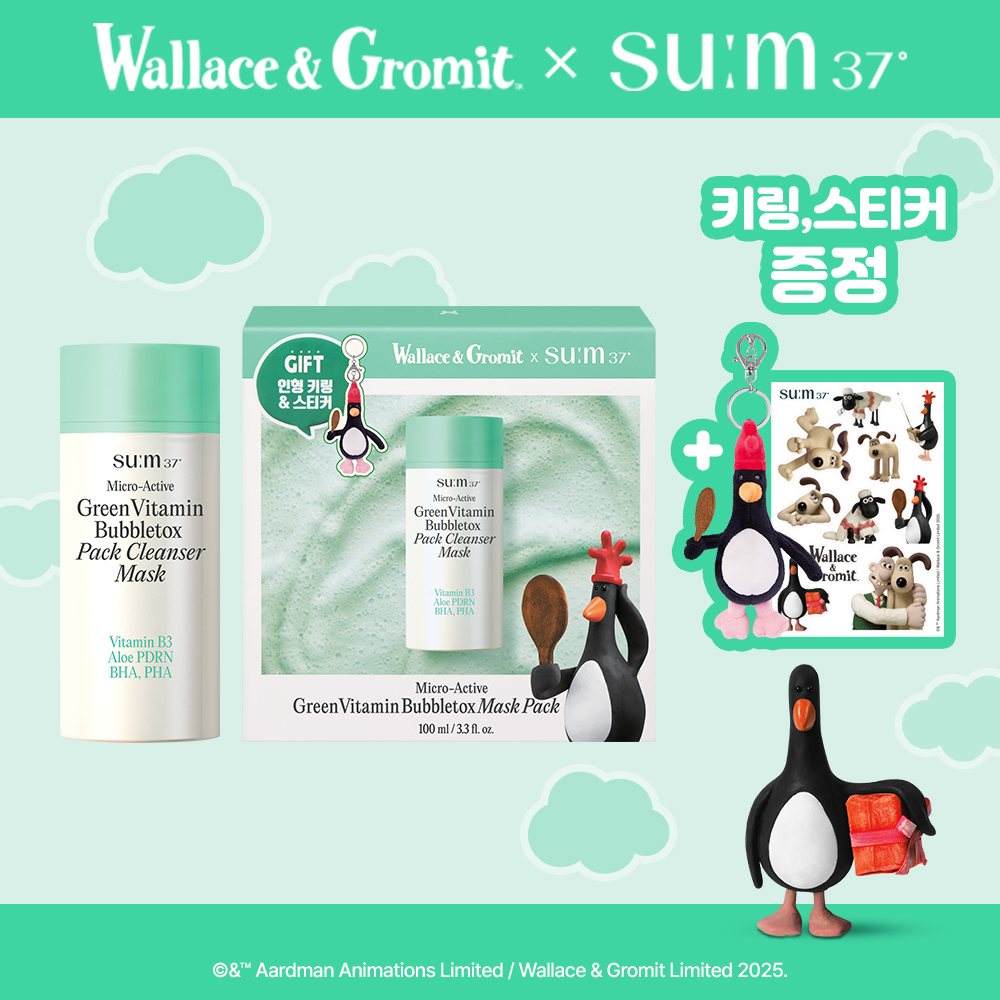
Micro-Active Green Vitamin Bubbletox Pack Cleanser Mask
SUM37
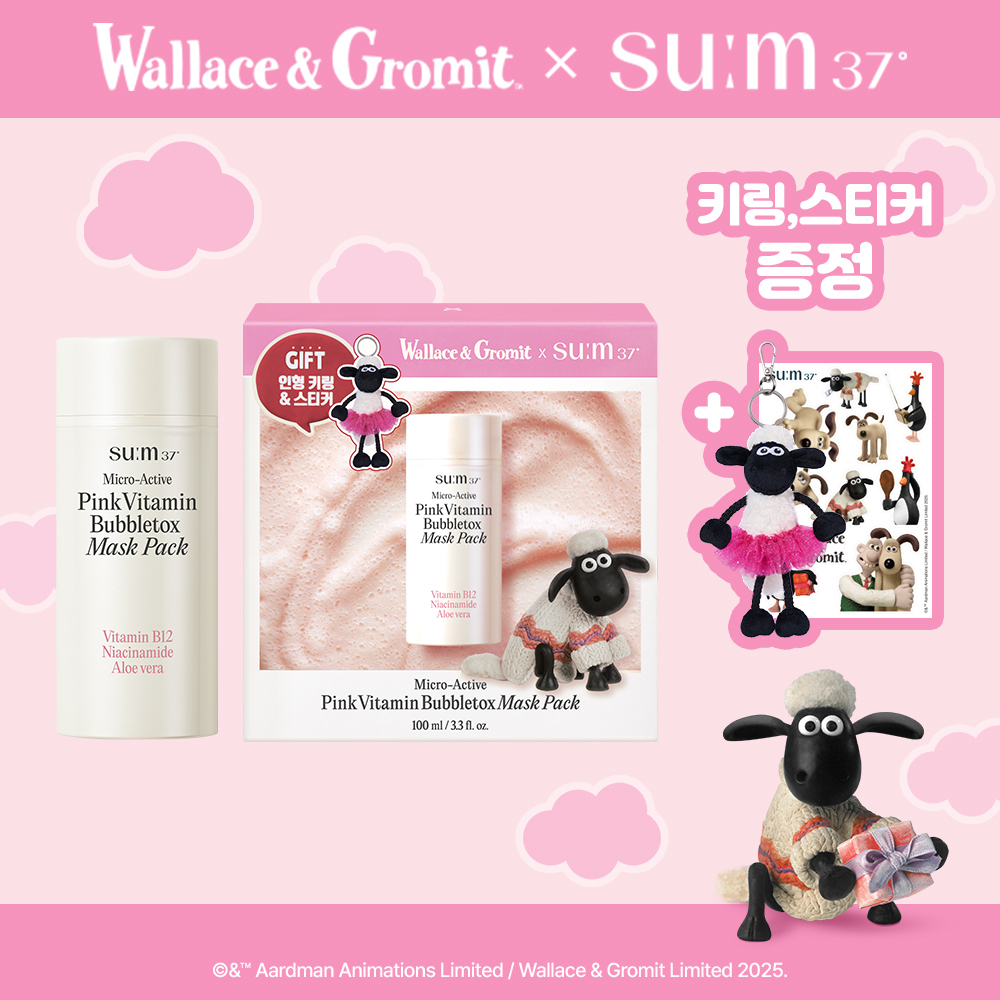
Micro-Active Pink Vitamin Bubbletox Mask Pack
SUM37
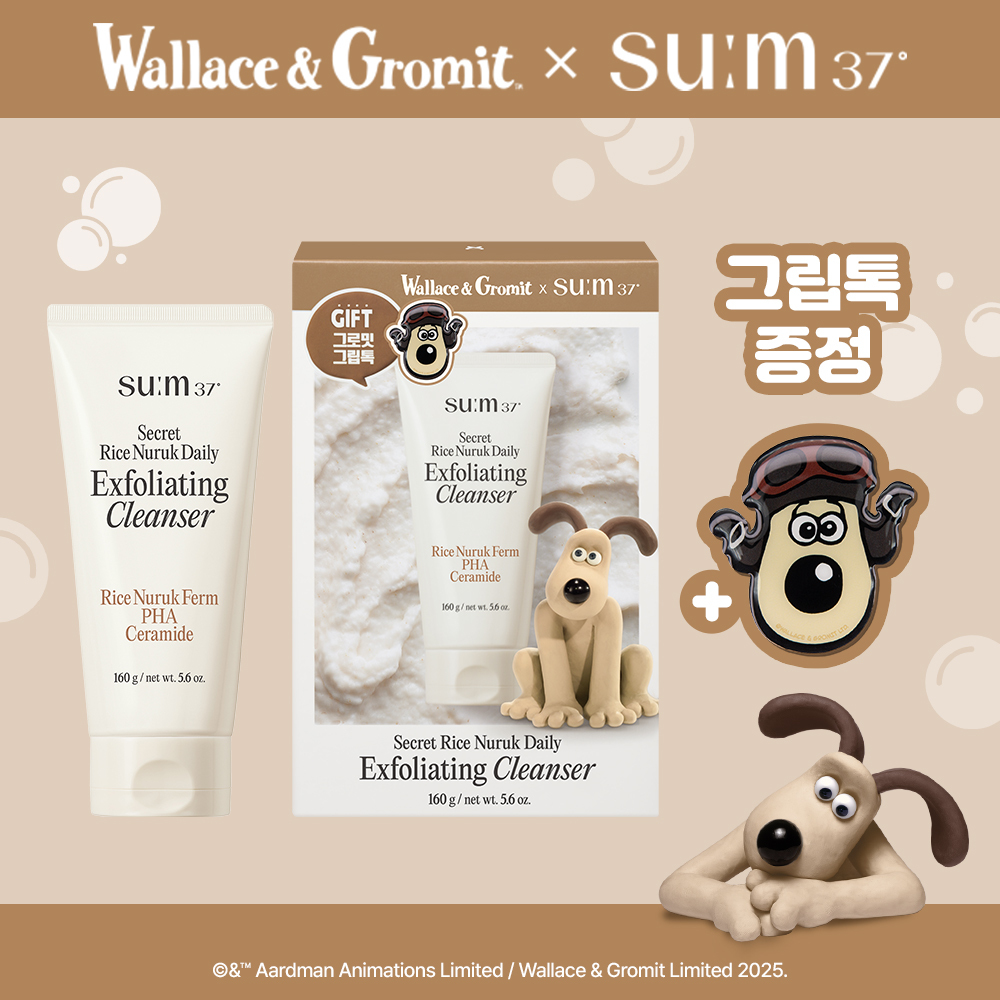
Secret Rice Nuruk Daily Exfoliating Cleanser
SUM37
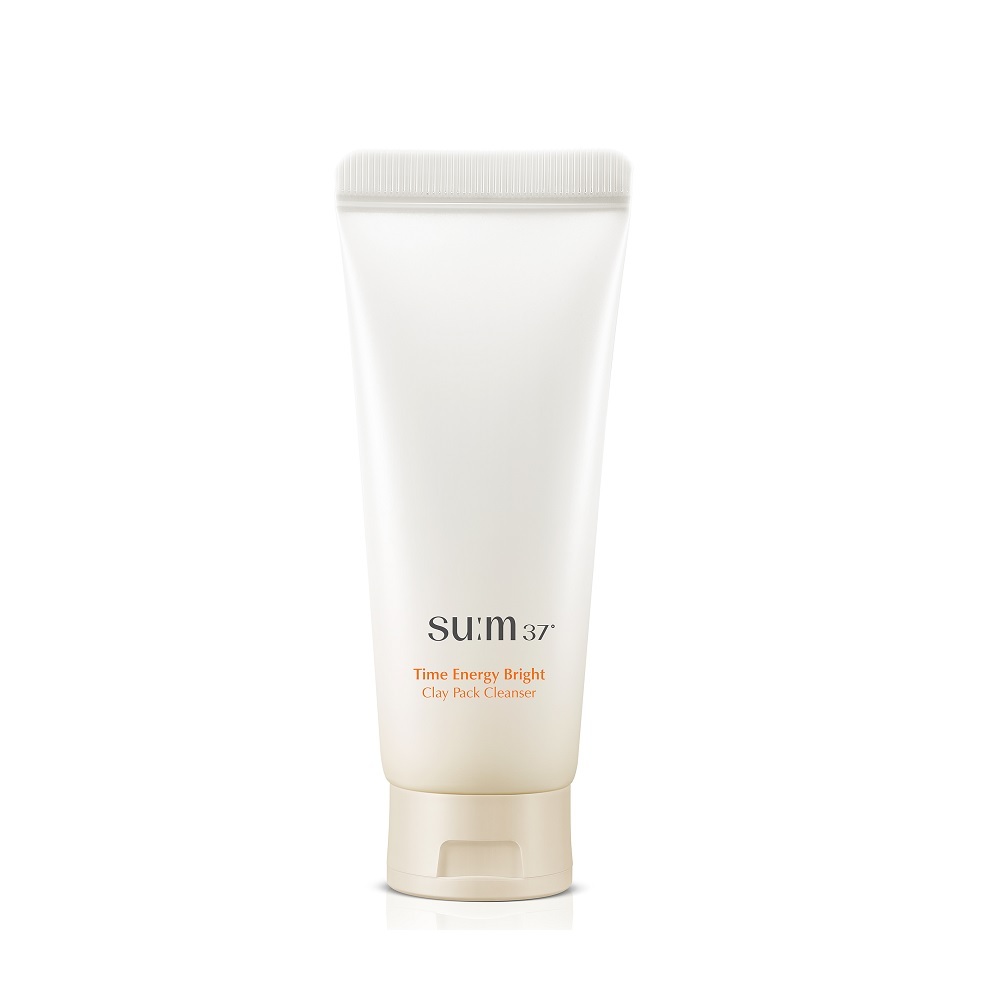
Time Energy Bright Clay Pack Cleanser
SUM37
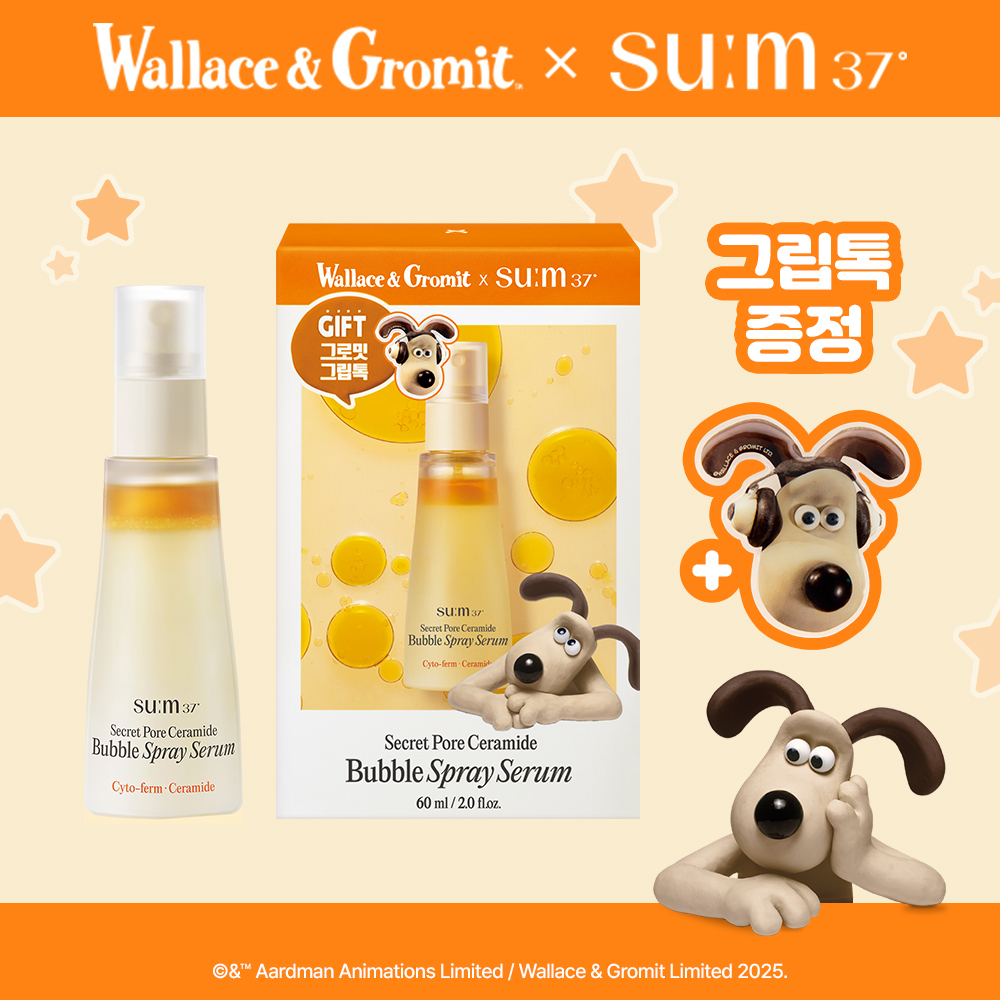
Secret Pore Ceramide Bubble Spray Serum
SUM37
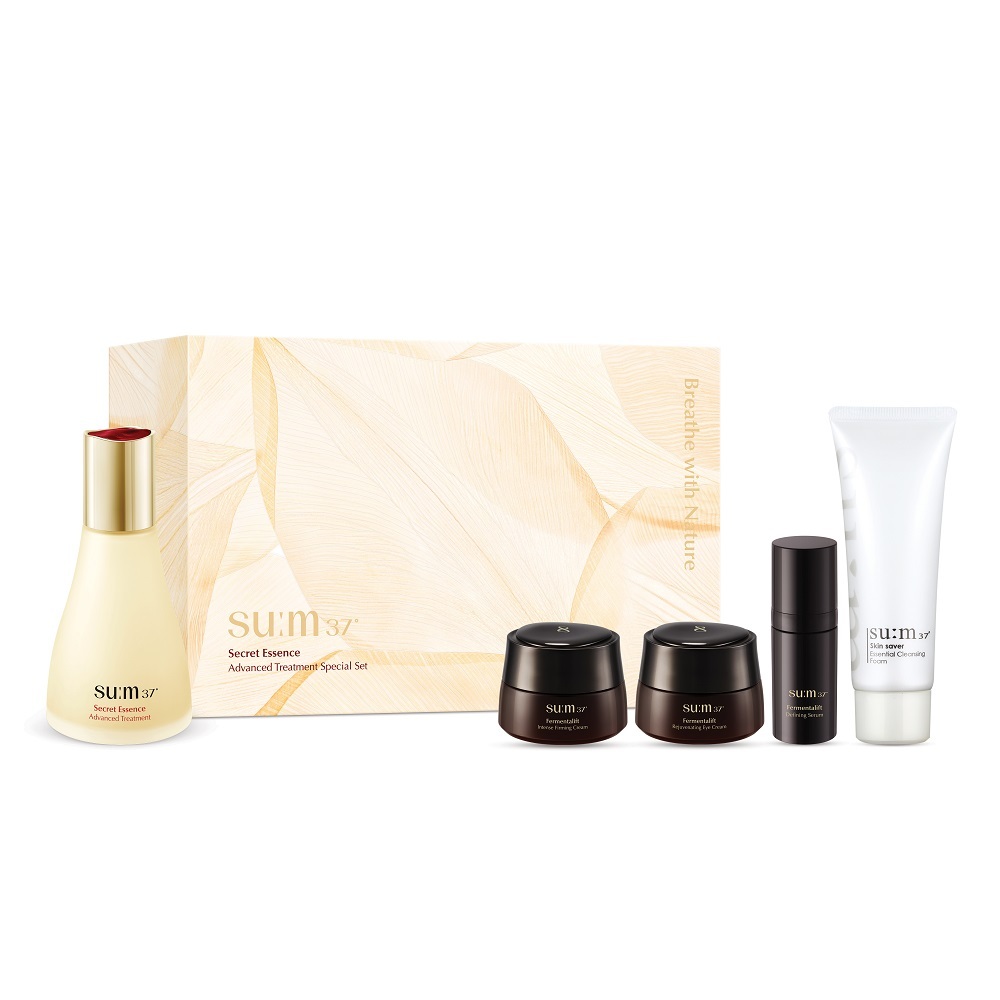
Secret Essence
SUM37
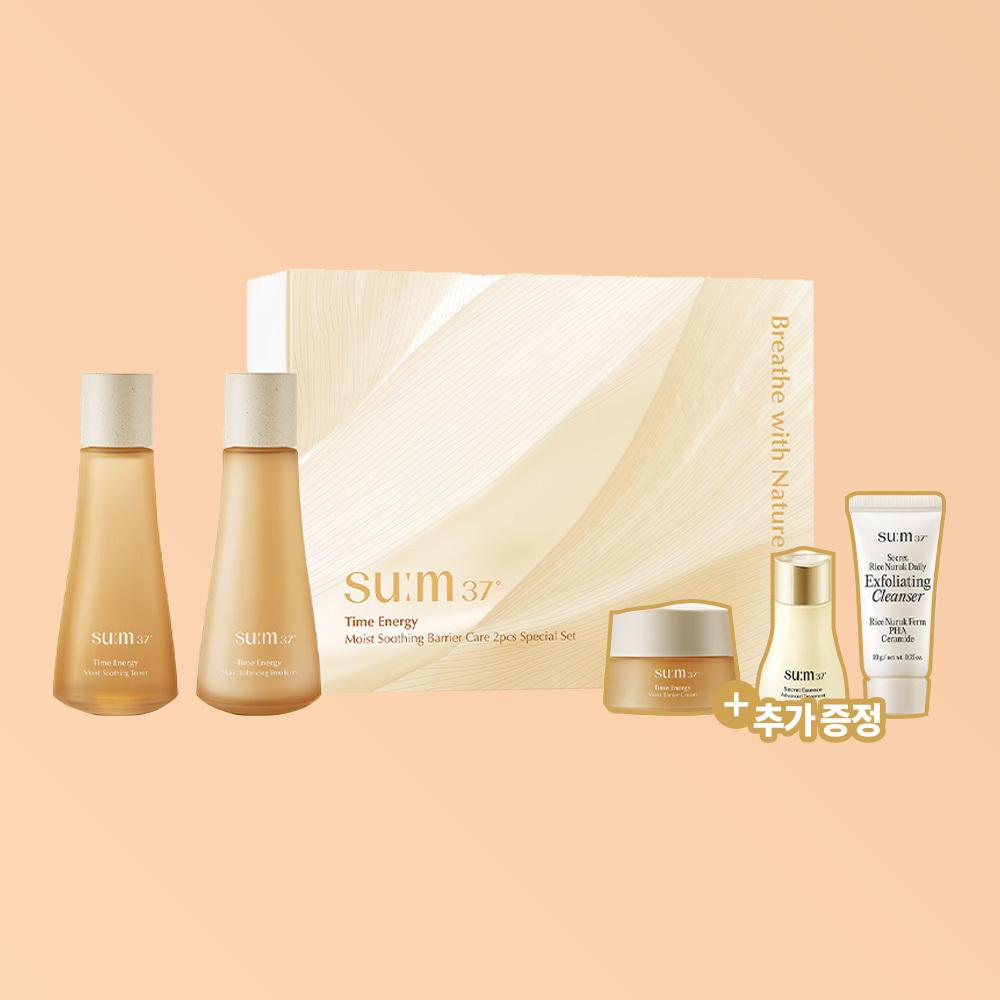
Time Energy Moist 2P Set
SUM37
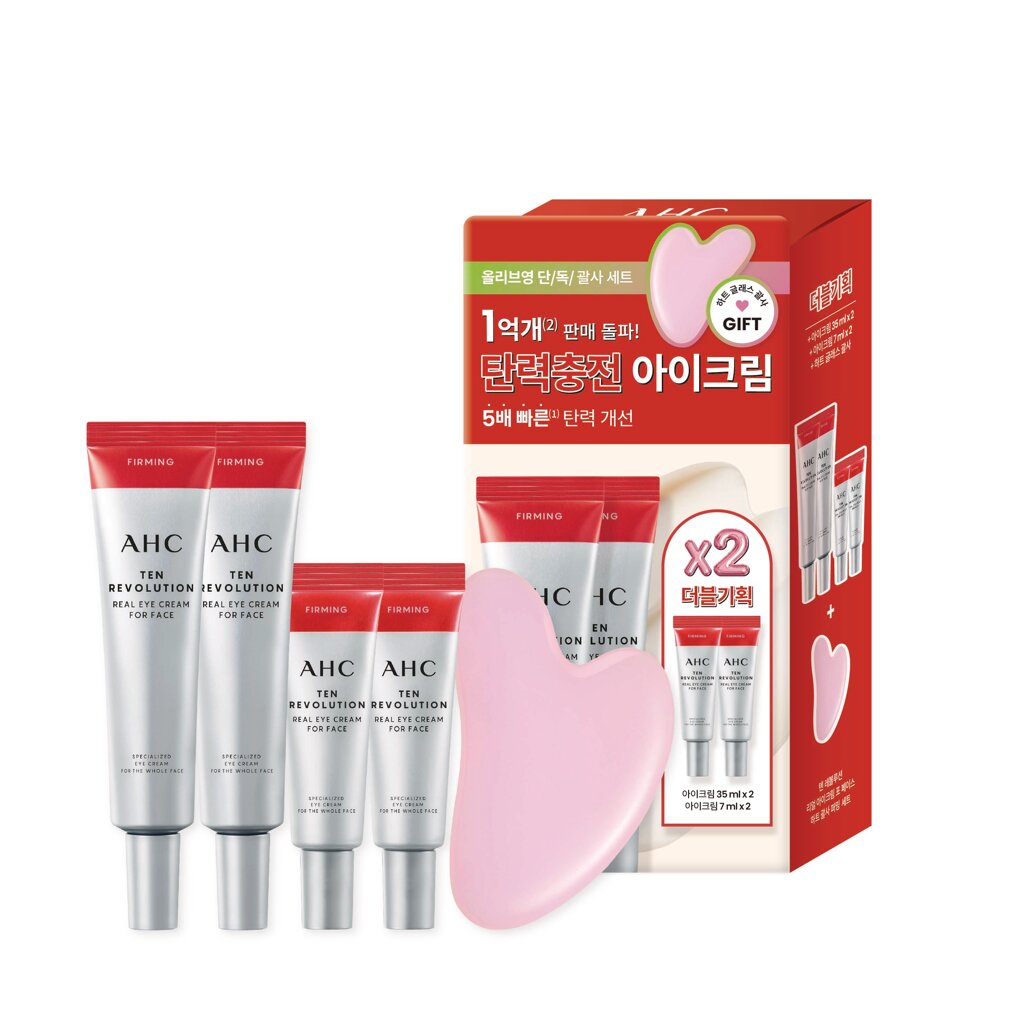
10 Revolution Real Eye Cream For Face
AHC
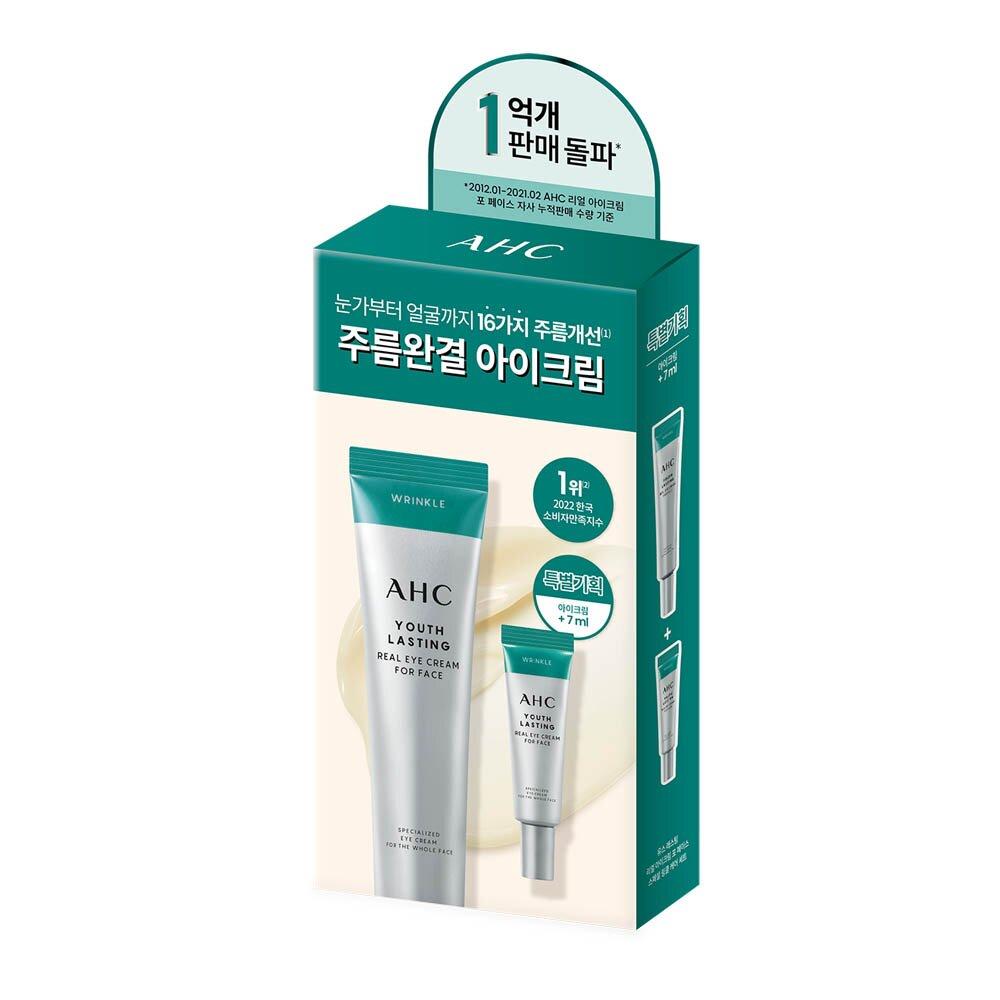
Youth Lasting Real Eye Cream For Face Special Wrinkle Care Set
AHC
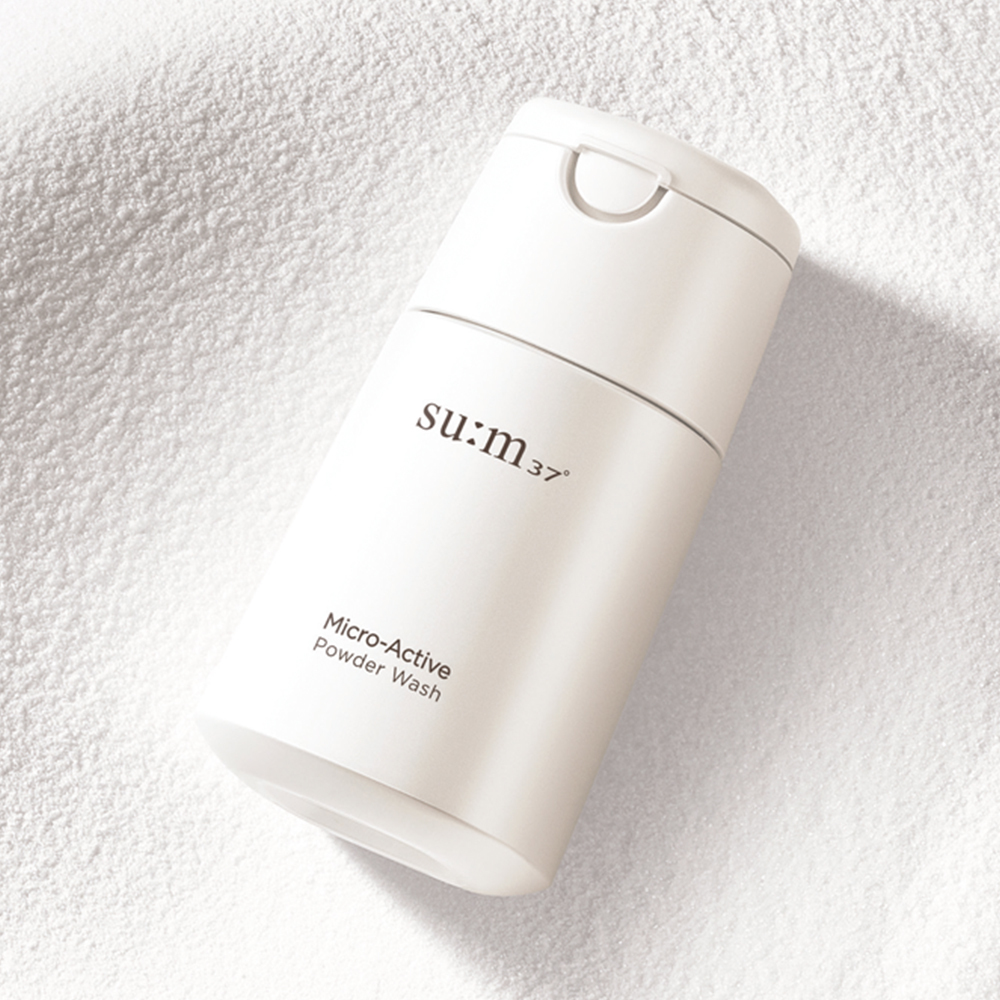
Micro-Active Powder Wash
SUM37
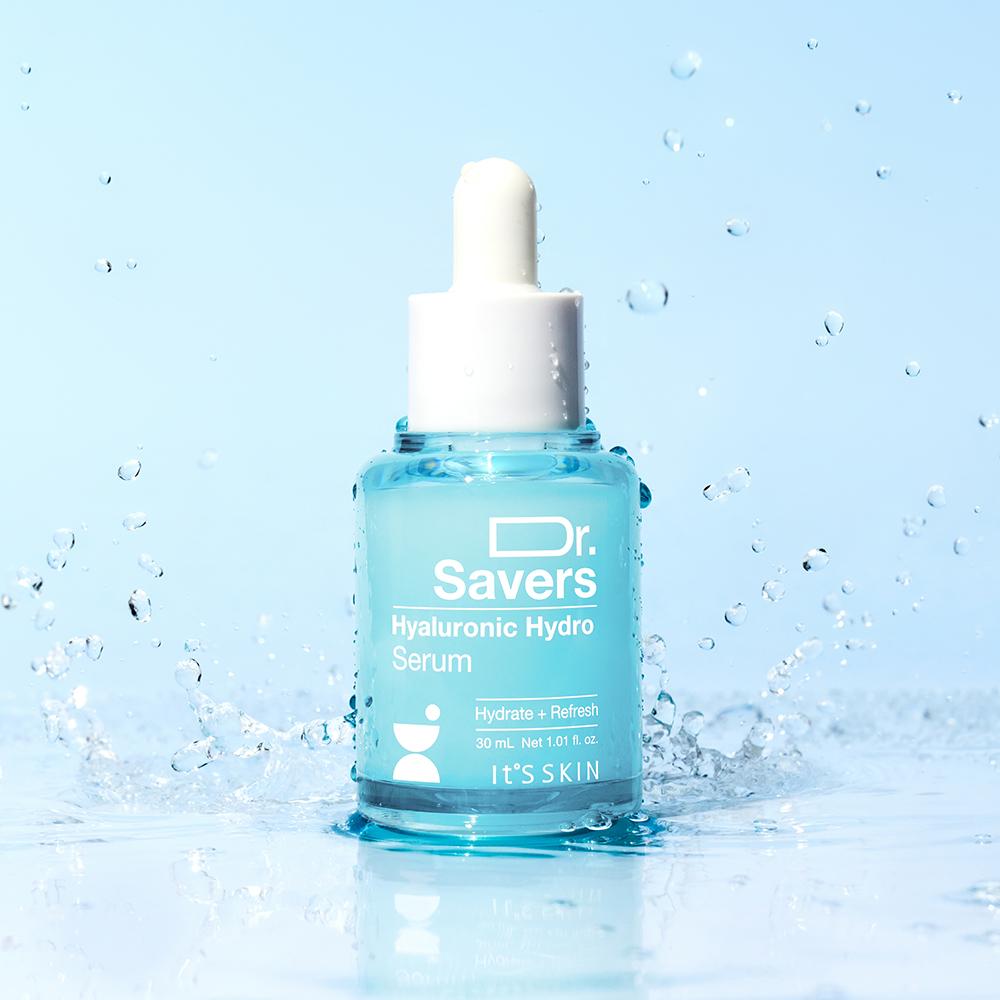
Dr. Savers Hyaluronic Hydro Serum
It's Skin
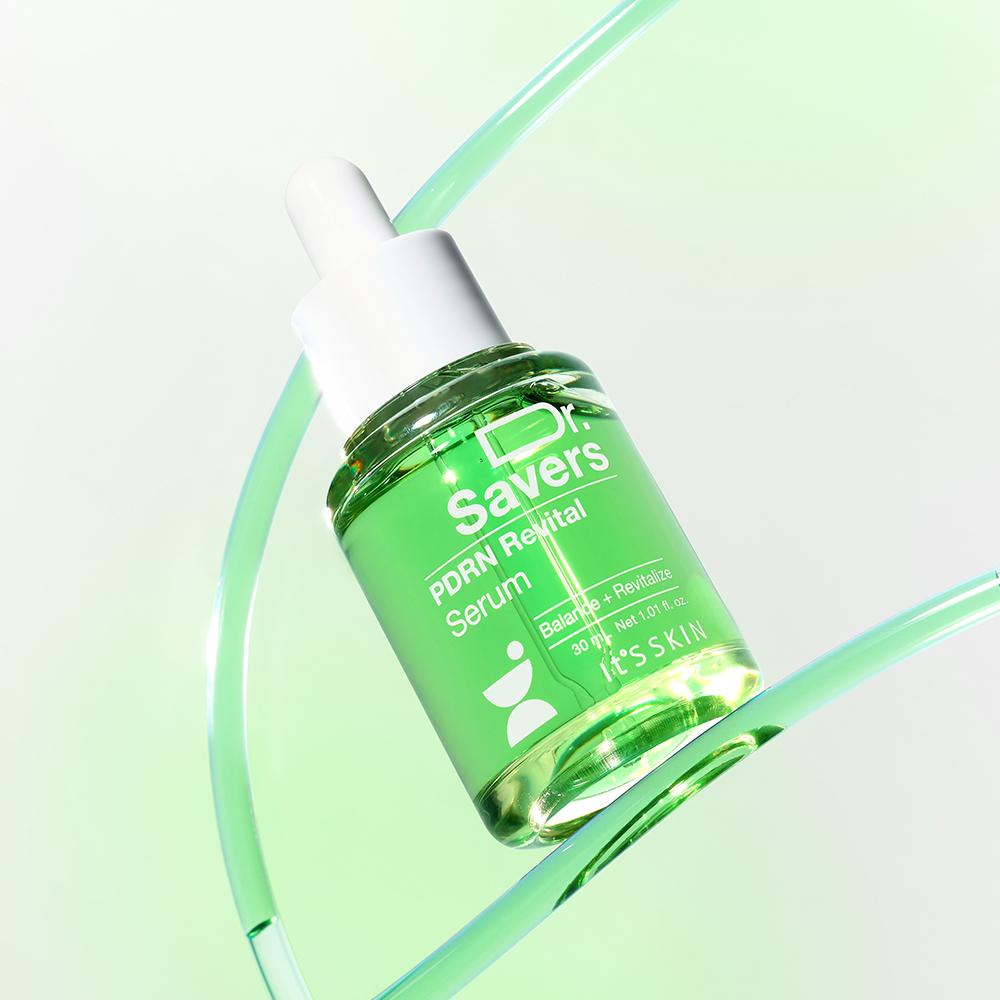
Dr. Savers PDRN Revital Serum
It's Skin
Frequently Asked Questions
Are yeast polypeptides the same as other peptides in skincare?▼
Can I use yeast polypeptides if I have fungal acne?▼
Why are SUM37 products with yeast polypeptides so highly rated?▼
How long does it take to see results from yeast polypeptides?▼
Explore More
Want personalized ingredient advice?
Yuri, our AI beauty advisor, can tell you how Yeast Polypeptides works with your specific skin type, routine, and concerns.
Ask Yuri, free