Chia Seed Extract
INCI: Salvia Hispanica Seed Extract
Antioxidant and moisturizing plant extract
About Chia Seed Extract
Chia seed extract comes from Salvia hispanica, the same superfood seed that became a wellness trend a decade ago. In K-beauty formulations, this ingredient brings a concentrated dose of omega-3 fatty acids, antioxidants, and mucilage (a natural gel-like substance) that creates a protective moisture barrier on skin. Korean chemists favor chia seed extract for its ability to deliver both immediate hydration and long-term skin strengthening without heaviness. The extract contains high levels of caffeic acid and chlorogenic acid, potent antioxidants that neutralize free radicals before they can break down collagen. With a comedogenic rating of just 1 out of 5, it's remarkably lightweight despite its rich fatty acid profile. You'll find it in 44 K-beauty products on Seoul Sister, often paired with other botanical extracts in high-performing formulas like Anua's PDRN Bounce Ball Serum and d'Alba's Vita Toning Capsule Cream, both of which have perfect 5.0 ratings. The ingredient works across multiple skin concerns simultaneously, making it a smart choice for streamlined routines that don't sacrifice results.
How Chia Seed Extract Works
When applied topically, chia seed extract releases omega-3 alpha-linolenic acid (ALA) that penetrates the stratum corneum to reinforce lipid barriers between skin cells. This strengthens the skin's natural defense against transepidermal water loss, keeping moisture locked in for hours after application. The mucilage content forms a breathable film on the skin surface, similar to how aloe vera gel works but with additional fatty acid benefits. Meanwhile, the phenolic compounds (caffeic acid, quercetin, kaempferol) donate electrons to unstable free radicals generated by UV exposure and pollution, neutralizing them before they trigger inflammatory cascades or damage DNA. The extract also contains zinc and B vitamins that support cellular turnover and enzyme function. This combination of barrier repair, moisture retention, and antioxidant protection makes chia seed extract particularly effective in serums and creams designed for stressed or environmentally damaged skin.
Chia Seed Extract by Skin Type
Oily Skin
Chia seed extract is surprisingly excellent for oily skin despite being rich in fatty acids. Its low comedogenic rating (1/5) means it won't clog pores, while the omega-3s actually help regulate sebum production over time. The lightweight mucilage provides hydration without the greasiness that heavier oils can leave behind.
Dry Skin
This is where chia seed extract truly shines. The omega-3 fatty acids repair compromised lipid barriers that lead to chronic dryness, while the mucilage creates an occlusive layer that prevents moisture evaporation. Products like d'Alba's Vita Toning Capsule Cream (5.0 rating) pair it with other emollients for intensive hydration that lasts all day.
Combo Skin
The balanced nature of chia seed extract makes it ideal for combination skin, delivering moisture to dry zones without overwhelming oily areas. Its antioxidant benefits work uniformly across the face, protecting both cheeks and T-zone from environmental stress. Look for gel-cream textures like Luvum's Green Citrus Vitamin C Gel Cream+ (5.0 rating) that distribute the ingredient evenly.
Sensitive Skin
With a solid safety rating of 4/5, chia seed extract is generally well-tolerated by sensitive skin. The anti-inflammatory omega-3s can actually calm redness and irritation, while the antioxidants protect against external irritants. However, anyone with seed allergies should patch test first, as cross-reactivity is possible though uncommon in topical applications.
Normal Skin
Normal skin benefits from chia seed extract as preventative care. The antioxidants defend against premature aging from daily environmental exposure, while the moisturizing properties maintain the skin's healthy baseline. It's a maintenance ingredient that keeps normal skin functioning optimally without overloading it.
How to Use Chia Seed Extract
- 1Layer chia seed extract products after watery essences but before heavier creams to maximize absorption of the fatty acids into the skin barrier.
- 2Pair with vitamin C products (like Luvum's Green Citrus formula) for enhanced antioxidant protection, as omega-3s and ascorbic acid work synergistically.
- 3Use morning and night for consistent barrier support, especially during seasonal transitions when skin is most vulnerable to moisture loss.
- 4If you have very oily skin, use chia seed extract products in your nighttime routine only, allowing the omega-3s to work on sebum regulation while you sleep.
Background
Chia seeds have been cultivated since Aztec times in Mexico and Guatemala, where they were valued as an endurance food for warriors. The name "chia" comes from the Nahuatl word for oily. While Western wellness culture rediscovered chia as a nutritional supplement around 2010, Korean skincare chemists began extracting its compounds for topical use around 2015, recognizing that the same omega-3s that benefit internal health could strengthen skin barriers externally. K-beauty brands were among the first to stabilize chia seed extract in elegant, lightweight textures that avoided the greasiness associated with traditional seed oils. The ingredient gained particular traction in Korean formulations focused on "skin fasting" and barrier repair, philosophies that prioritize strengthening skin's natural functions rather than overloading it with actives.
K-Beauty Products with Chia Seed Extract
View all 49 →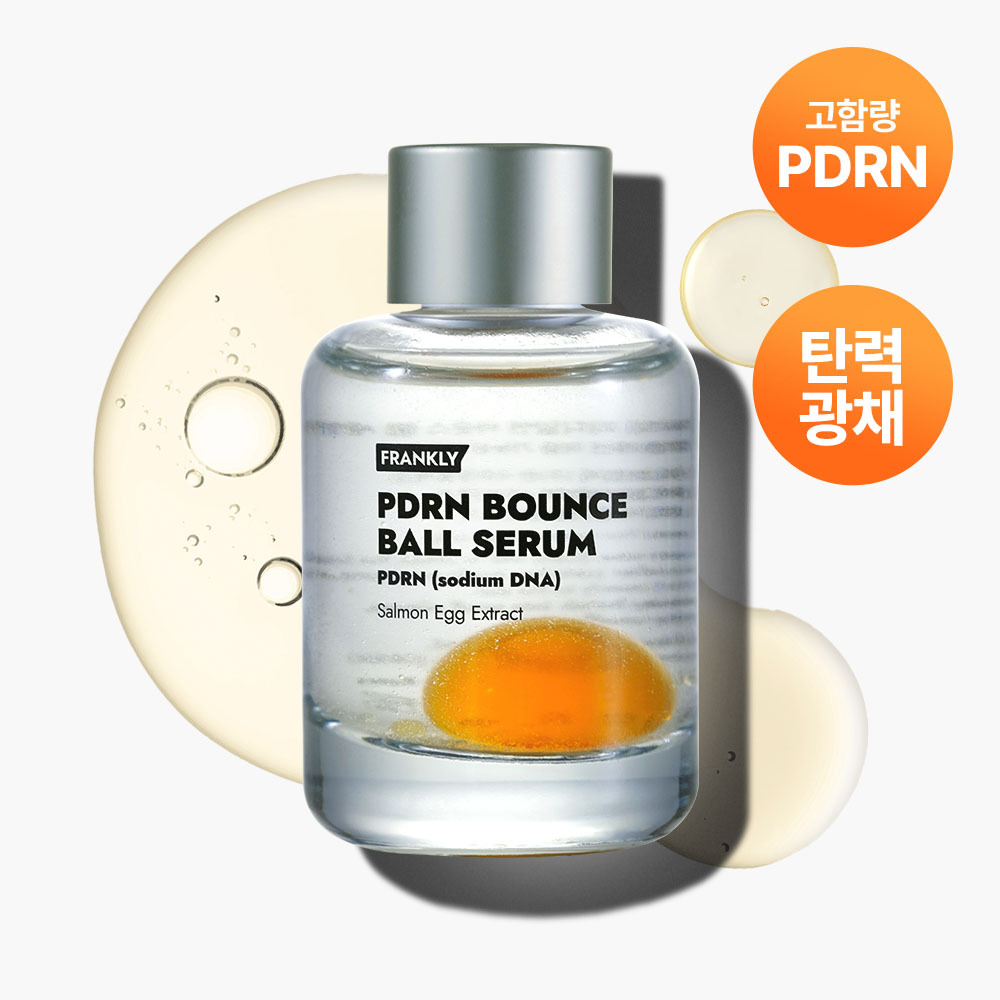
PDRN Bounce Ball Serum
Anua
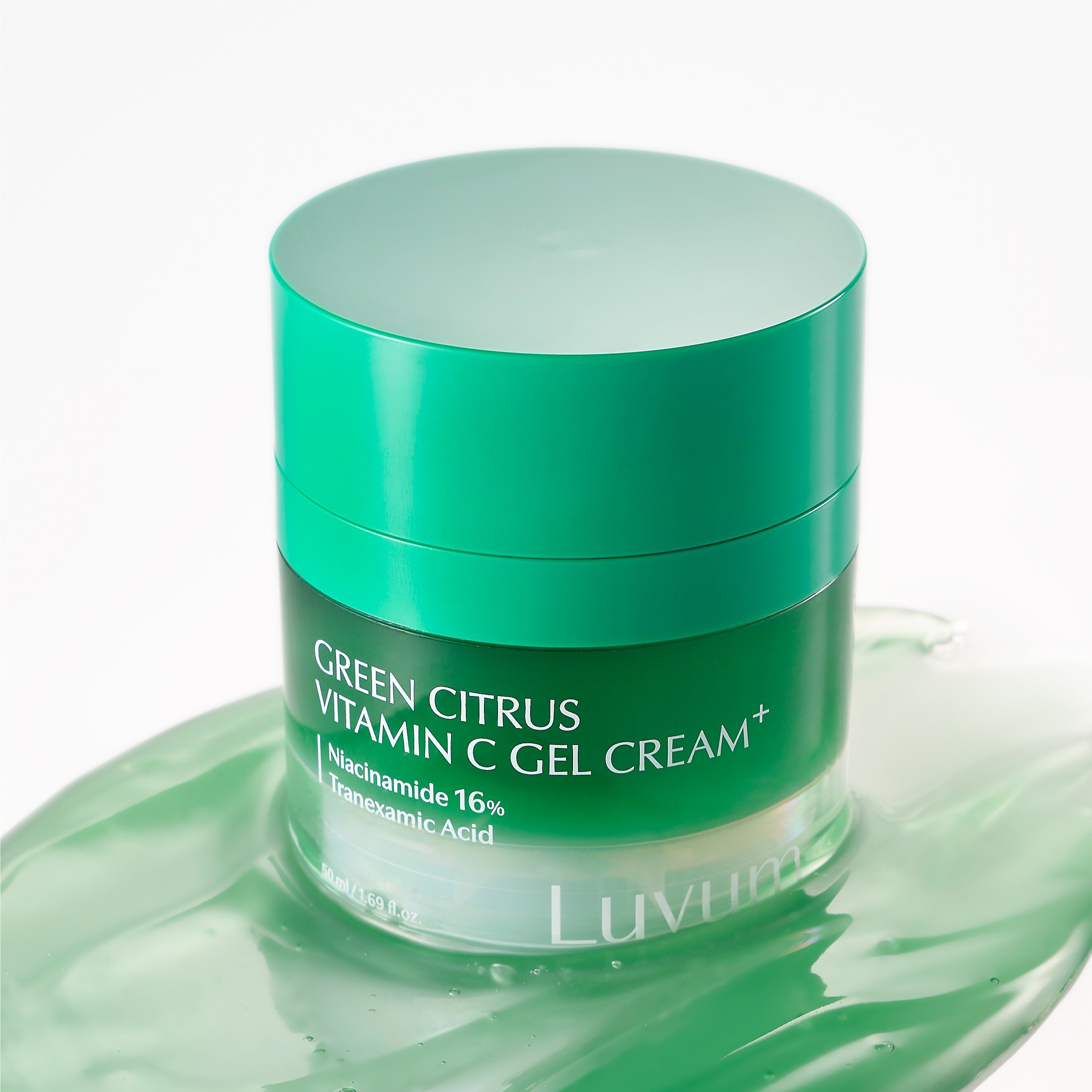
Green Citrus Vitamin C Gel Cream+
Luvum

First Spray Serum
d'Alba
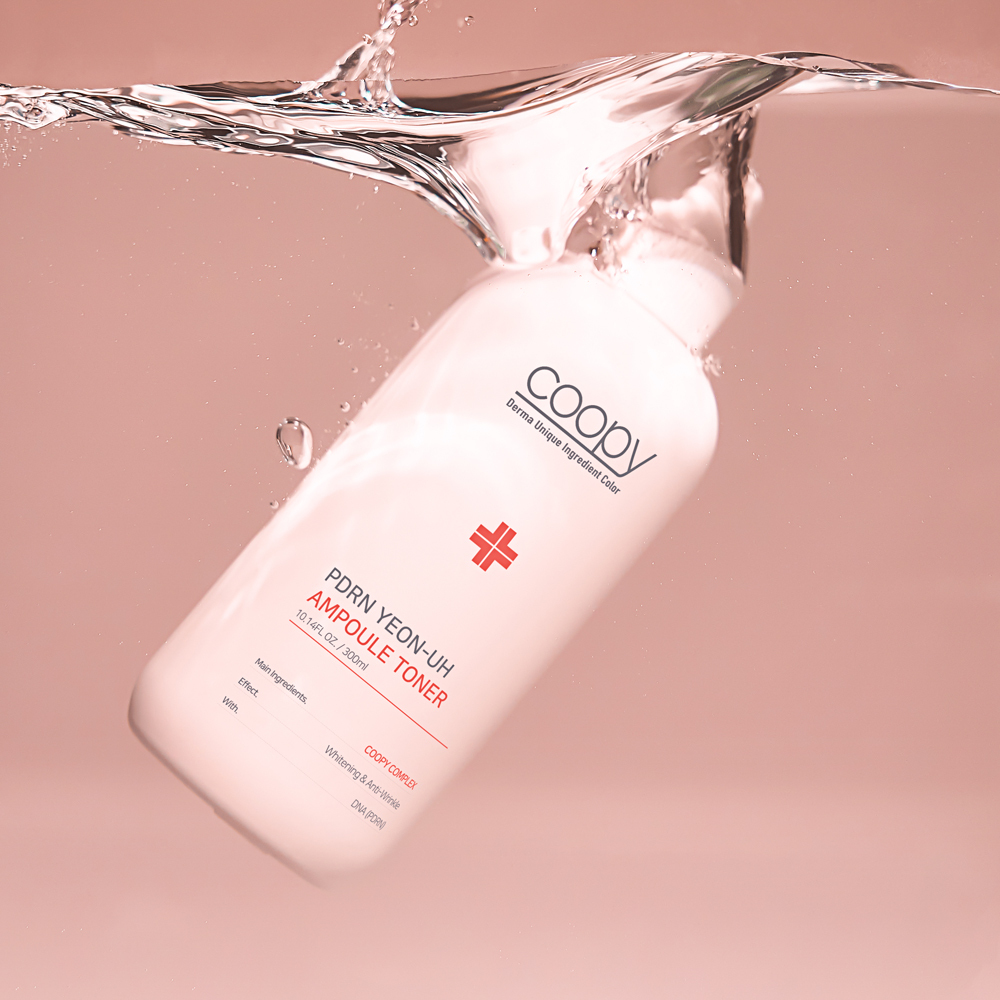
PDRN Yeon-Uh Ampoule Toner
Anua

First Spray Serum Original & Premium Vegan Mist Serum Gift Set
d'Alba
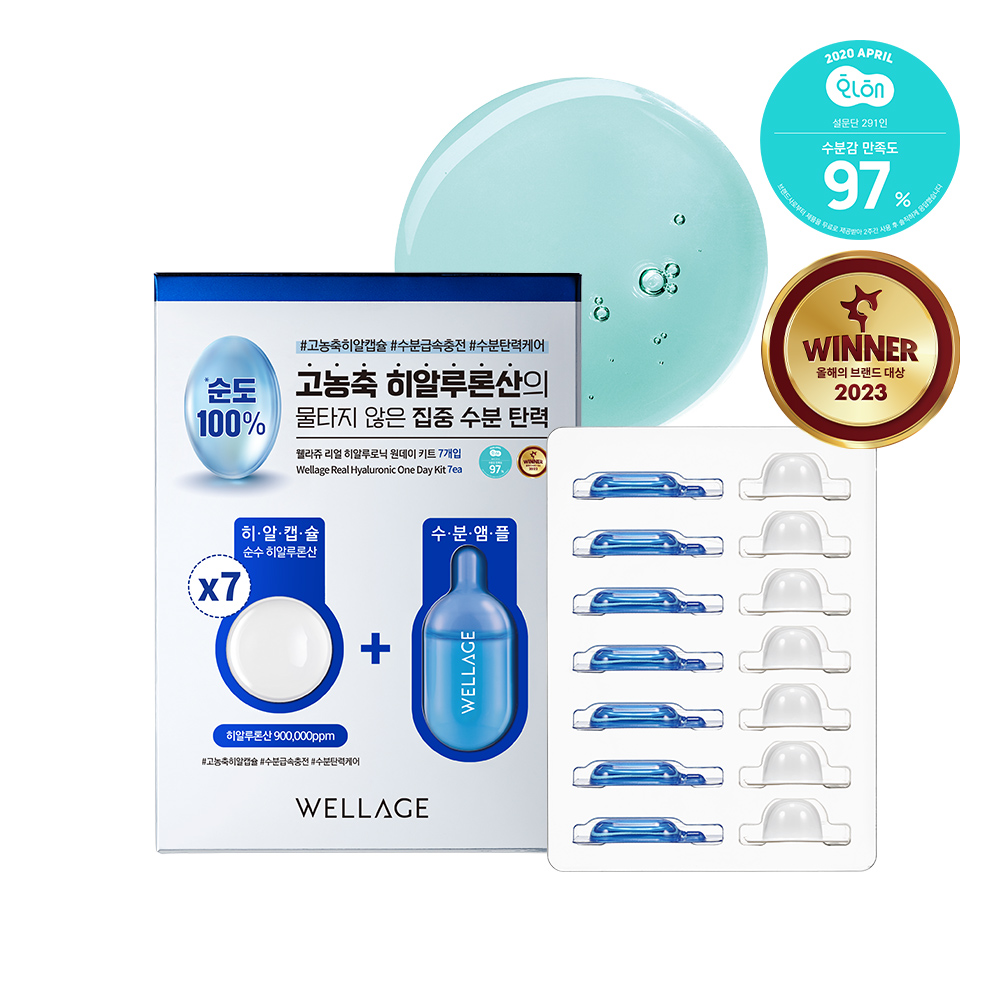
Real Hyaluronic One Day Kit
Wellage
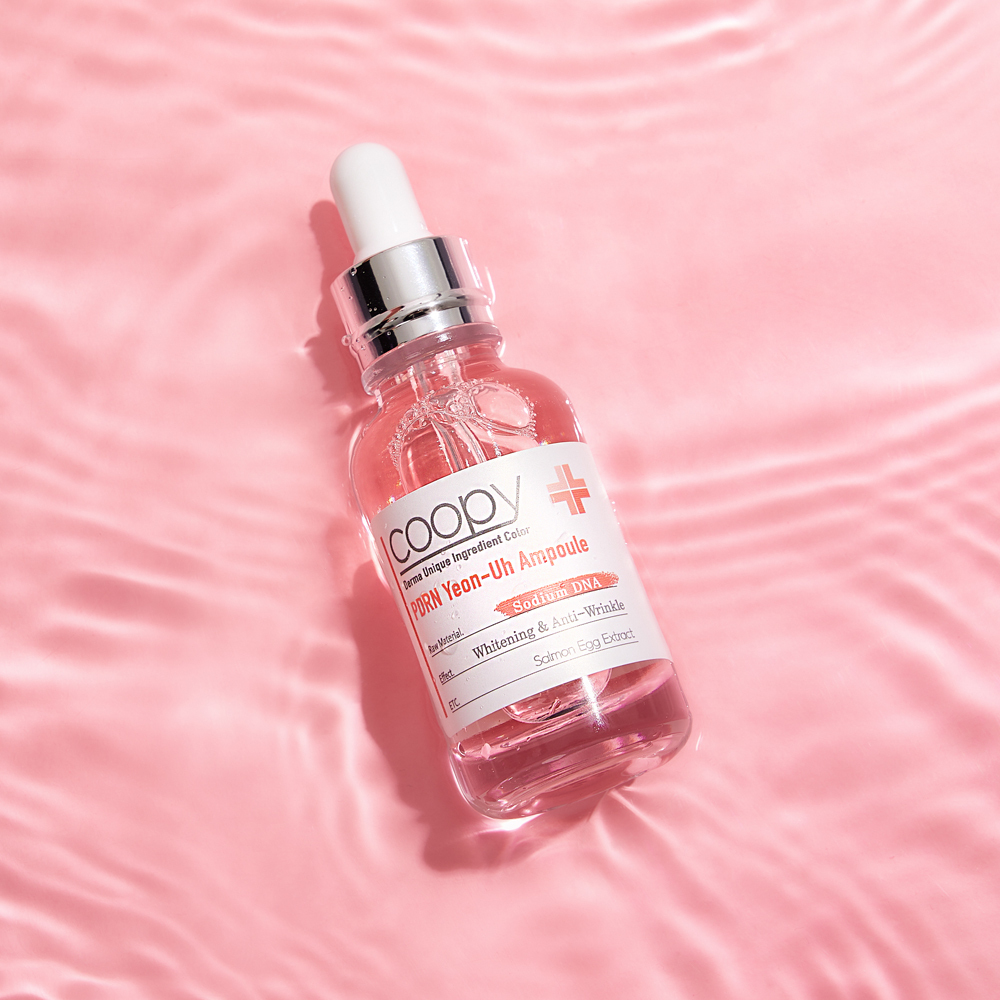
PDRN Yeon-Uh Ampoule
Anua
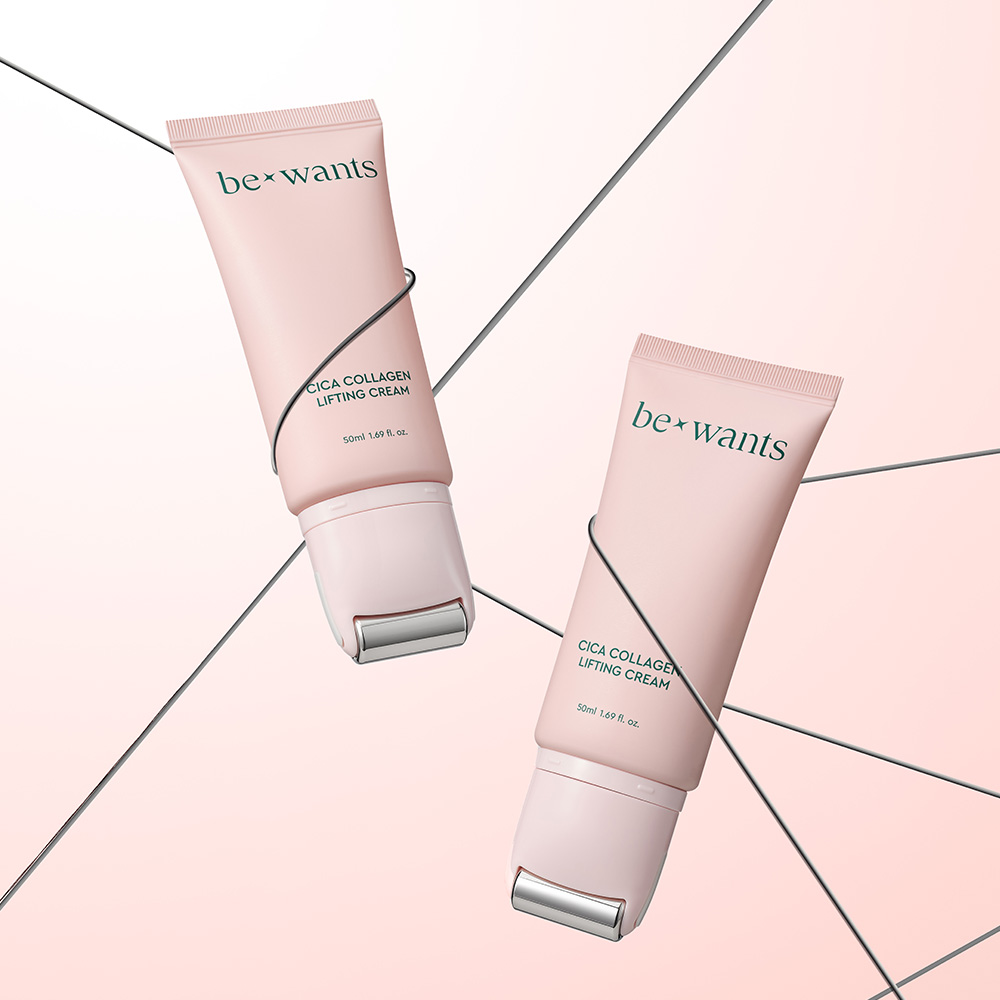
Cica Collagen Lifting Cream
Bewants
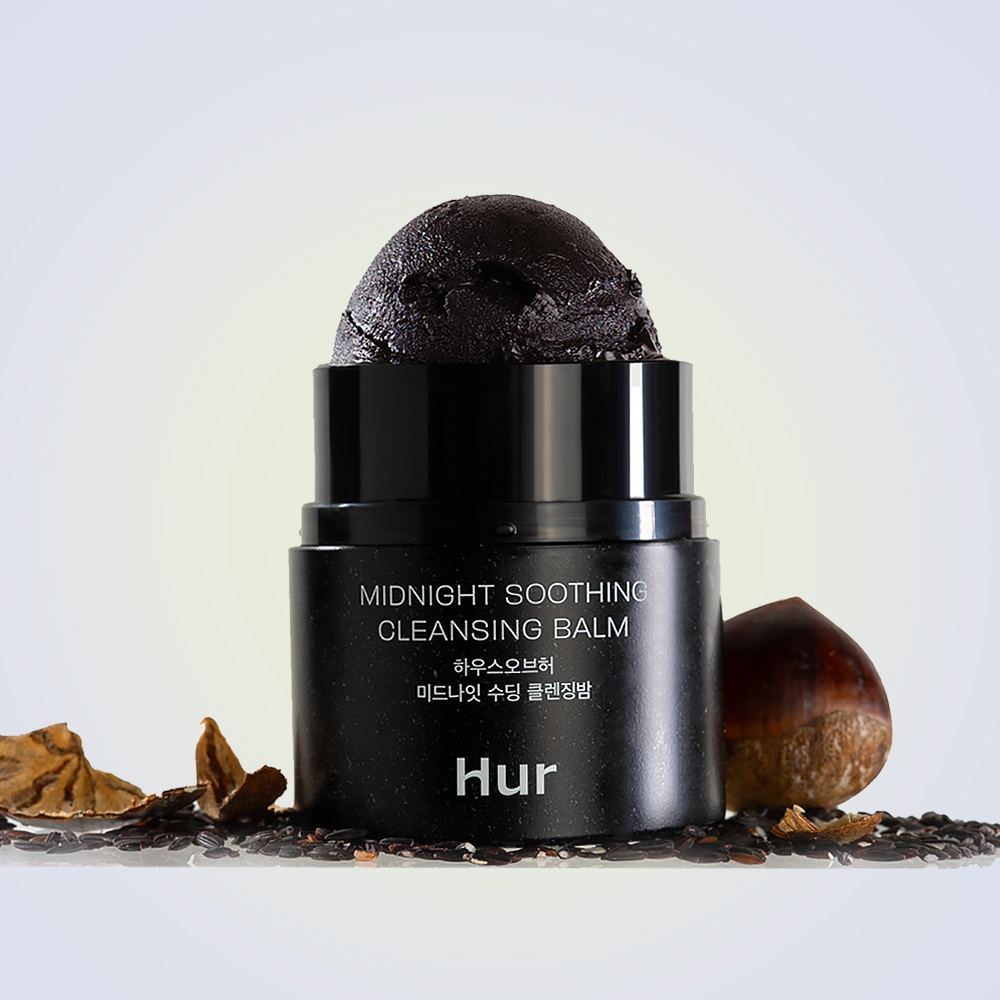
Midnight Soothing Cleansing Balm
House of Hur
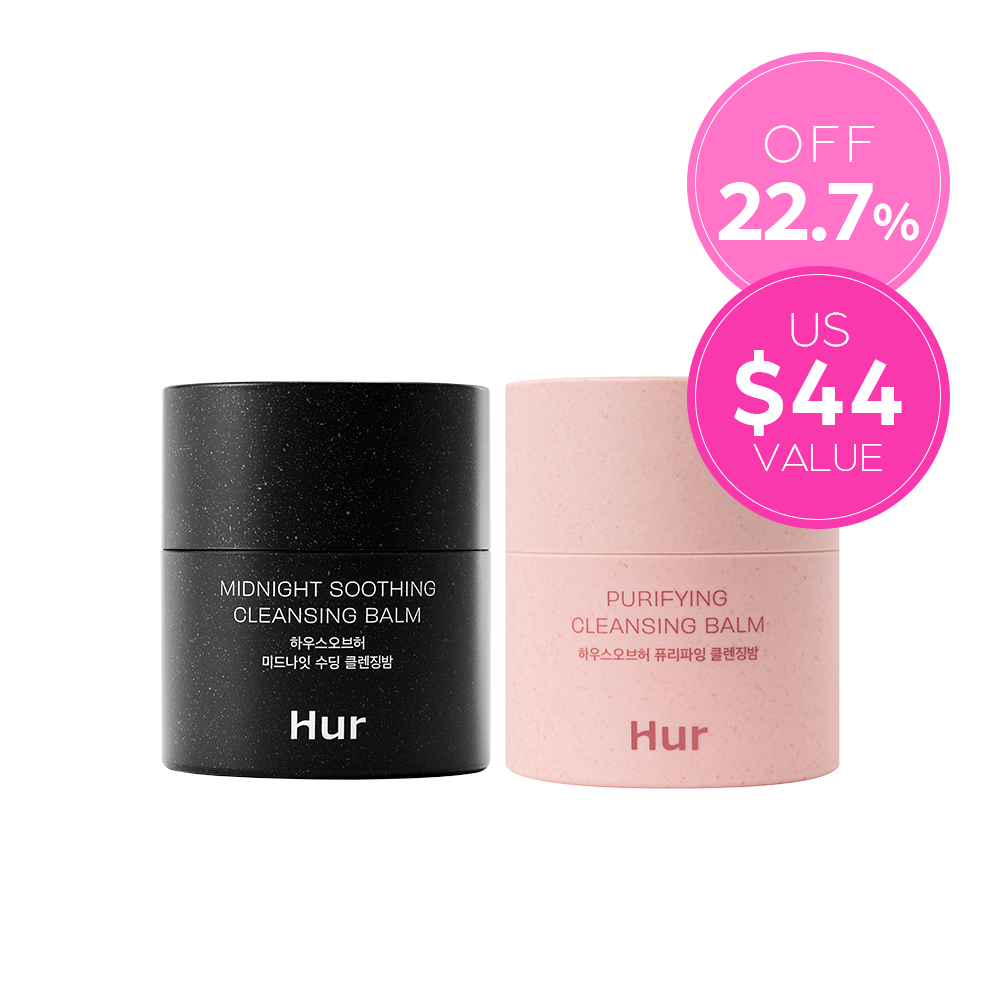
Cleansing Balm 50ml Set
House of Hur
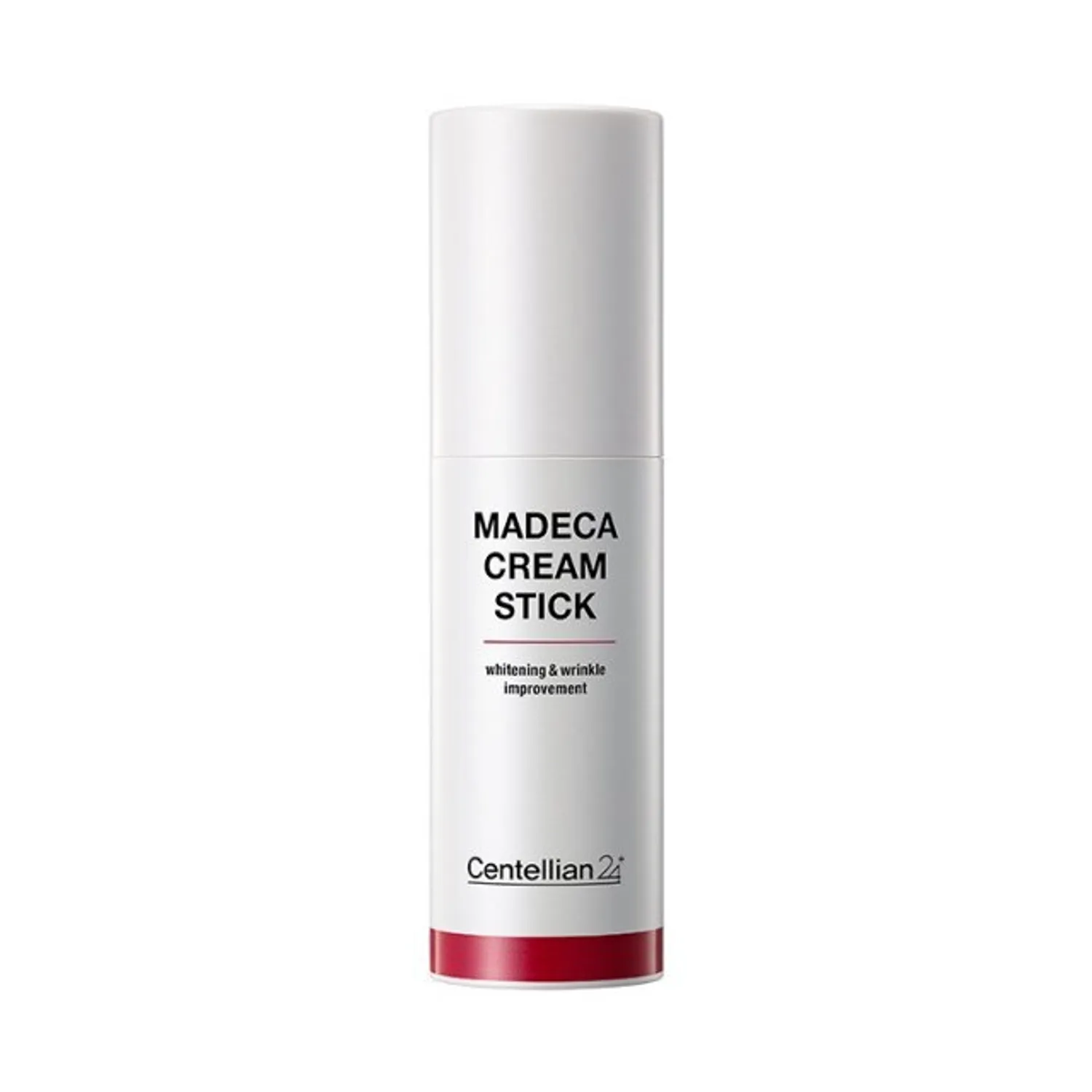
Madeca Cream Stick
Centellian24
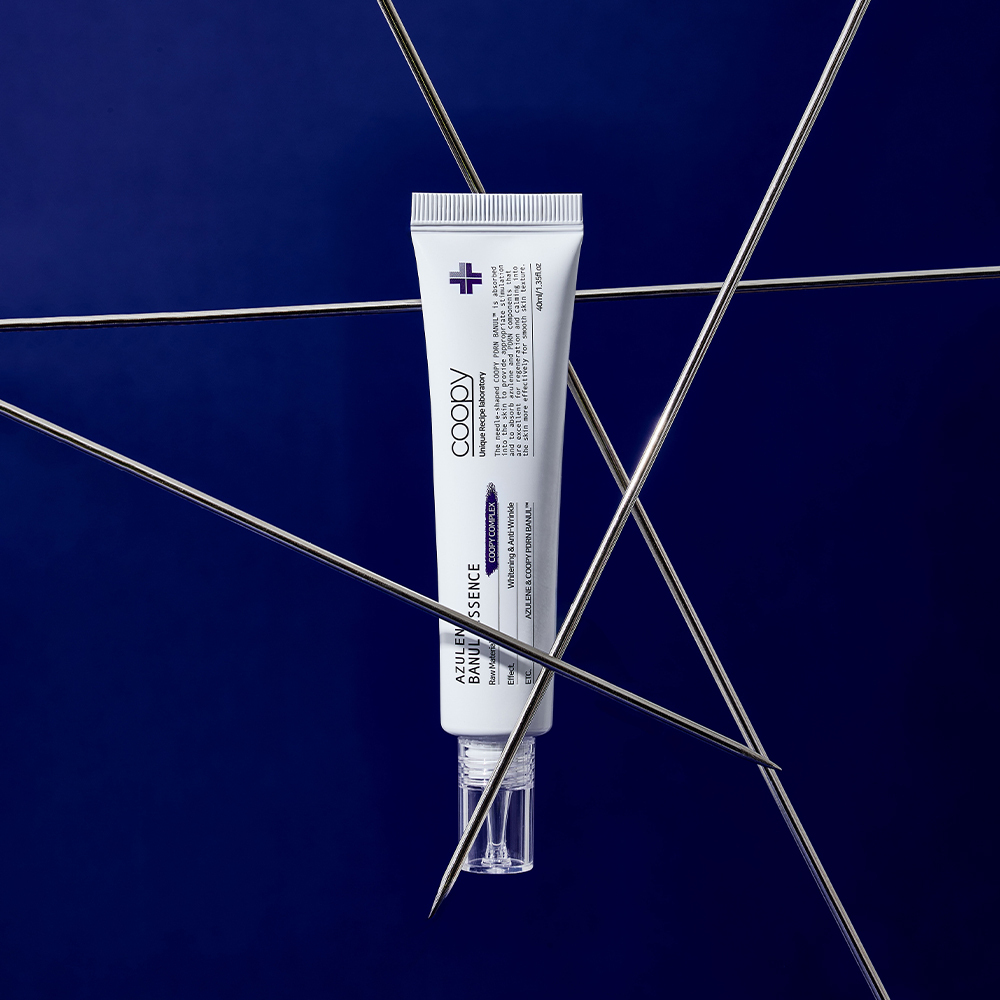
Azulene Banul Essence
Anua
Frequently Asked Questions
Is chia seed extract better than hyaluronic acid for hydration?▼
Can chia seed extract cause breakouts even with a low comedogenic rating?▼
How long does it take to see results from chia seed extract?▼
Is chia seed extract safe during pregnancy?▼
Explore More
Want personalized ingredient advice?
Yuri, our AI beauty advisor, can tell you how Chia Seed Extract works with your specific skin type, routine, and concerns.
Ask Yuri, free