Sandalwood Oil
INCI: Santalum Album (Sandalwood) Oil
Fragrant oil with anti-inflammatory and soothing properties
About Sandalwood Oil
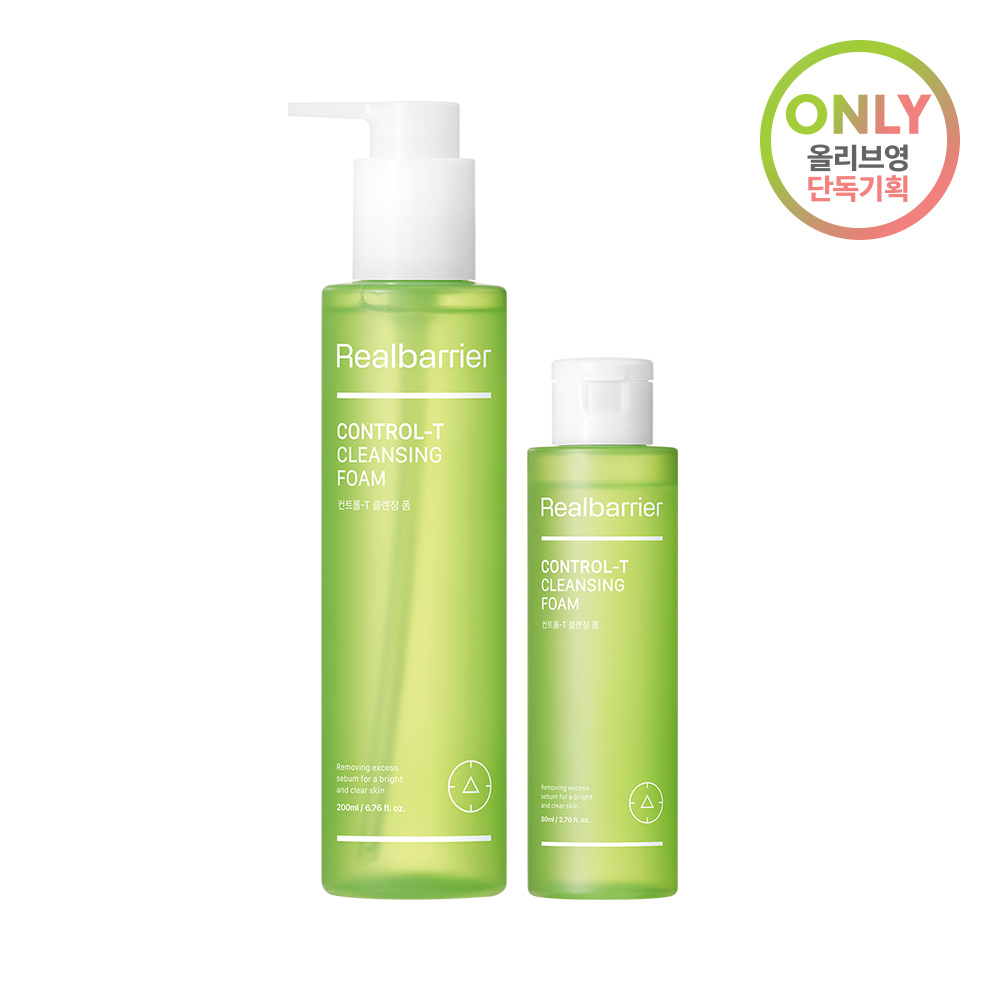
Sandalwood oil, derived from the heartwood of the Santalum album tree, is a prized fragrant ingredient in K-beauty formulations that offers more than just its distinctive warm, woody aroma. This essential oil contains alpha-santalol and beta-santalol, bioactive compounds that provide genuine anti-inflammatory and skin-soothing benefits alongside its sensory appeal. In Korean skincare, sandalwood oil appears in products ranging from gentle cleansers to lip treatments, where it serves a dual purpose: creating a luxurious sensory experience while supporting skin barrier health. With a comedogenic rating of 2 out of 5, it's considered relatively low-risk for pore clogging, though its status as a fragrance ingredient means those with very sensitive skin should patch test first. K-beauty brands particularly value sandalwood oil for formulations targeting irritation and redness, as seen in products like Real Barrier's Control-T Cleansing Foam and Banila Co's Clean It Zero Calming Cleansing Milk, both rated 5.0 by Seoul Sister users. The ingredient's ability to calm inflammation while imparting a sophisticated scent makes it a strategic choice for products that need to be both effective and experientially pleasant. Unlike synthetic fragrances that offer only sensory benefits, sandalwood oil brings functional skincare properties that align with K-beauty's emphasis on gentle, multi-benefit ingredients.
How Sandalwood Oil Works
Sandalwood oil's therapeutic effects stem primarily from its sesquiterpene alcohols, particularly alpha-santalol, which comprises 50-60% of the oil's composition. At the cellular level, these compounds modulate inflammatory pathways by inhibiting pro-inflammatory cytokines like TNF-alpha and IL-1beta, similar to how pharmaceutical anti-inflammatory agents work but with a gentler profile. The oil's molecules penetrate the stratum corneum (skin's outer layer) and interact with keratinocytes, the primary cells of the epidermis, promoting a balanced inflammatory response rather than suppressing it entirely. This makes sandalwood oil particularly effective for reactive skin conditions without compromising the skin's natural defense mechanisms. The sesquiterpenes also demonstrate antioxidant activity, neutralizing free radicals that contribute to premature aging and barrier damage. Additionally, sandalwood oil affects sensory neurons in the skin through olfactory receptor pathways, which research suggests can influence stress responses and potentially impact skin healing processes. The oil's antimicrobial properties, while secondary to its anti-inflammatory effects, provide additional support for maintaining a healthy skin microbiome, particularly in cleansing products where it appears in top-rated K-beauty formulations.
Sandalwood Oil by Skin Type
Oily Skin
Sandalwood oil can benefit oily skin types due to its anti-inflammatory properties that help calm the overactive sebaceous response often associated with acne and congestion. Its comedogenic rating of 2/5 suggests moderate use in rinse-off products like cleansers is preferable to leave-on treatments. The oil's antimicrobial effects may also help manage acne-causing bacteria without the harshness of conventional treatments.
Dry Skin
For dry skin, sandalwood oil provides soothing relief from the inflammation and irritation that often accompany compromised moisture barriers. Its emollient properties help improve skin texture and comfort, while the anti-inflammatory compounds support barrier repair processes. Products like Liplief's Steaming Lip Balm (rated 5.0) demonstrate how sandalwood oil can address dryness in particularly delicate areas.
Combo Skin
Combination skin responds well to sandalwood oil because it addresses multiple concerns without overwhelming either oily or dry zones. The ingredient calms reactive T-zone areas while providing comfort to drier cheek regions. Look for it in balancing cleansers like Real Barrier's Control-T Cleansing Foam, which targets combination skin specifically.
Sensitive Skin
Sensitive skin types should approach sandalwood oil with awareness that it's classified as a fragrance ingredient, which can trigger reactions in highly reactive individuals. However, its genuine anti-inflammatory and soothing properties often outweigh concerns for many people with mild sensitivity. The ingredient appears in calming formulations like Banila Co's Clean It Zero Calming Cleansing Milk, suggesting K-beauty brands trust it for gentler applications when properly formulated.
Normal Skin
Normal skin types can enjoy sandalwood oil's full range of benefits without significant concern. The ingredient maintains skin equilibrium, provides antioxidant protection, and delivers a sensory experience that elevates routine skincare steps. It's particularly pleasant in products used during relaxing rituals, like cleansing or lip care treatments.
How to Use Sandalwood Oil
- 1If you have sensitive skin or known fragrance sensitivities, start with rinse-off products containing sandalwood oil (like cleansers) before trying leave-on formulations to gauge your tolerance.
- 2Look for sandalwood oil in evening products or calming treatments, as the aroma has traditionally been associated with relaxation and may enhance your nighttime skincare ritual.
- 3When using products with sandalwood oil in combination with active treatments (retinoids, acids), the anti-inflammatory properties can help buffer potential irritation, making it a strategic pairing ingredient.
- 4For those concerned about the comedogenic rating, prioritize sandalwood oil in first-step cleansers or short-contact products rather than heavy creams that remain on skin for extended periods.
- 5Store products containing sandalwood oil away from direct sunlight and heat, as essential oils can oxidize over time and become more sensitizing when degraded.
Background
Sandalwood has been revered for over 4,000 years, with its use documented in ancient Sanskrit texts and traditional Ayurvedic medicine where it was prescribed for inflammatory skin conditions and wound healing. The sandalwood tree, native to India's Mysore region, became so valuable that by the 1990s, overharvesting led to strict regulations and the development of sustainable plantations in Australia and other regions. In Korean traditional medicine (hanbang), sandalwood was introduced through trade routes and incorporated into skincare preparations for its cooling and calming properties, particularly for heat-induced skin irritation. The modern K-beauty industry's adoption of sandalwood oil reflects a broader trend of validating traditional ingredients with contemporary research. Today's Korean skincare formulators appreciate that sandalwood oil offers functional benefits beyond fragrance, aligning with the K-beauty philosophy that every ingredient should earn its place in a formula. The ingredient's presence in 17 products on Seoul Sister, including highly-rated cleansers and lip treatments, demonstrates its continued relevance in formulations that prioritize both efficacy and sensory experience.
K-Beauty Products with Sandalwood Oil
View all 19 →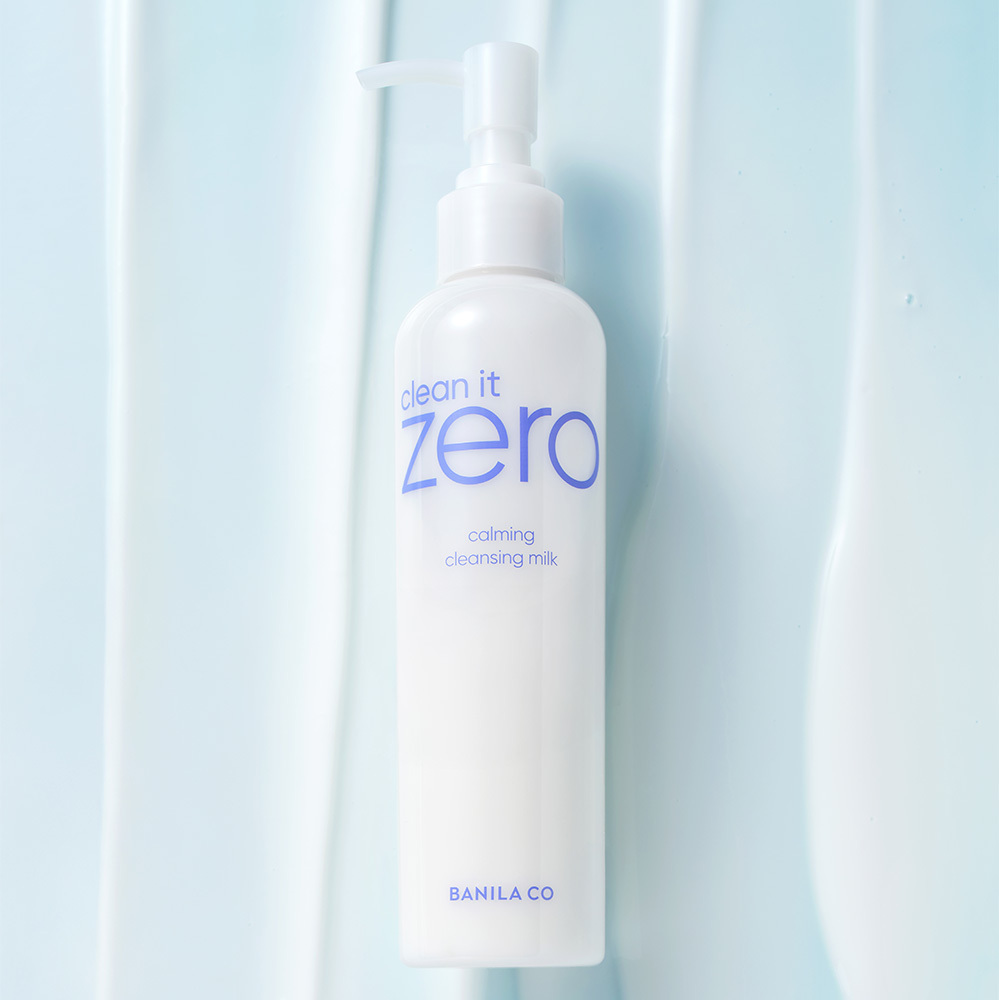
Clean It Zero Calming Cleansing Milk
Banila Co
Control-T Cleansing Foam
Real Barrier
Eau Briller Pad
Equlib

Steaming Lip Balm All Day Double Pack
Liplief
Time Revolution Night Repair Ampoule 5X Special Set
MISSHA
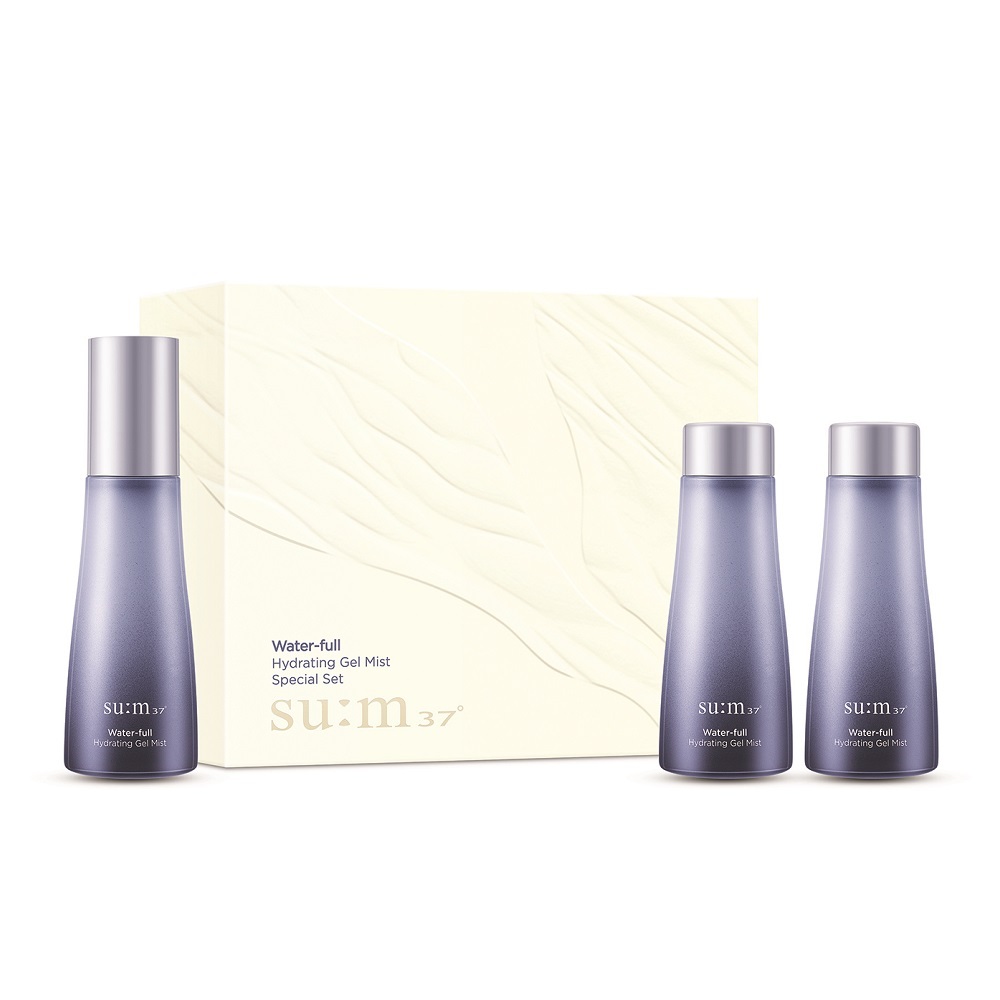
Water-full Hydrating Gel Mist
SUM37

Water-full Marine Relief Gel Cream
SUM37
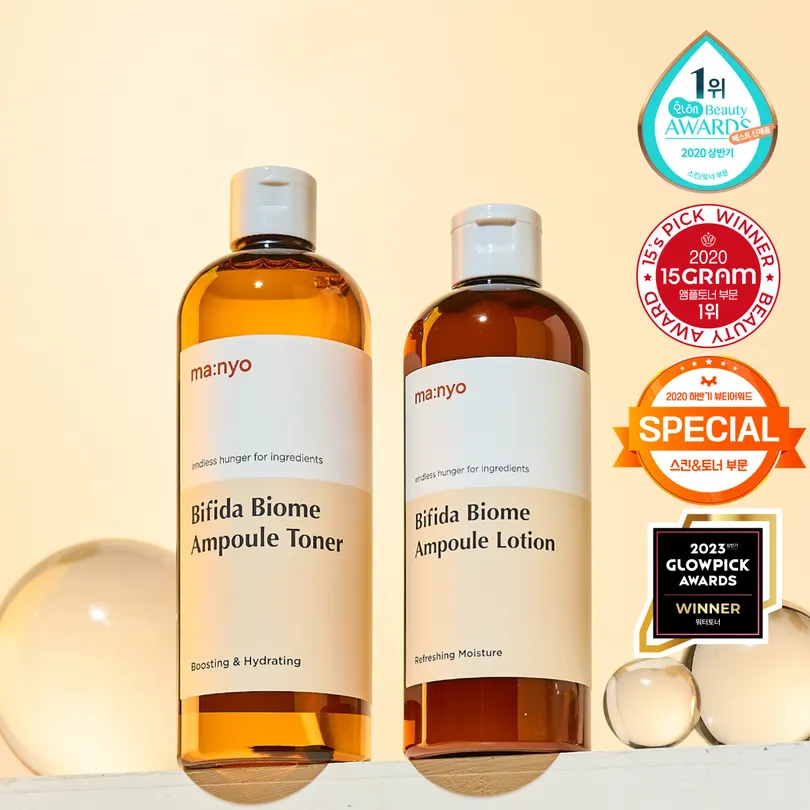
Bifida Biome Ampoule Toner + Ampoule Lotion Set
ma:nyo
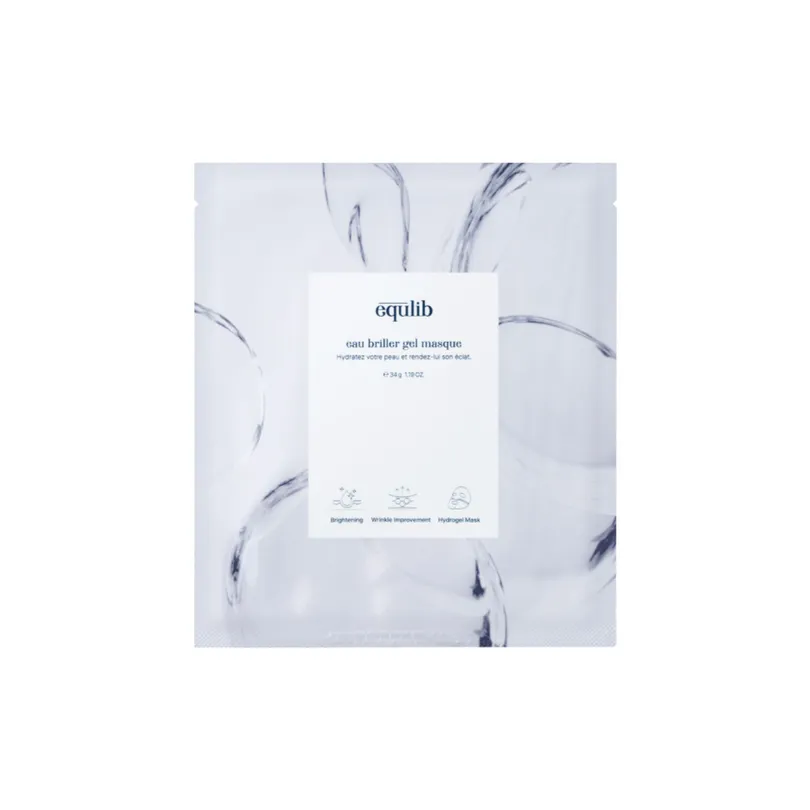
Eau Briller Gel Mask
Equlib
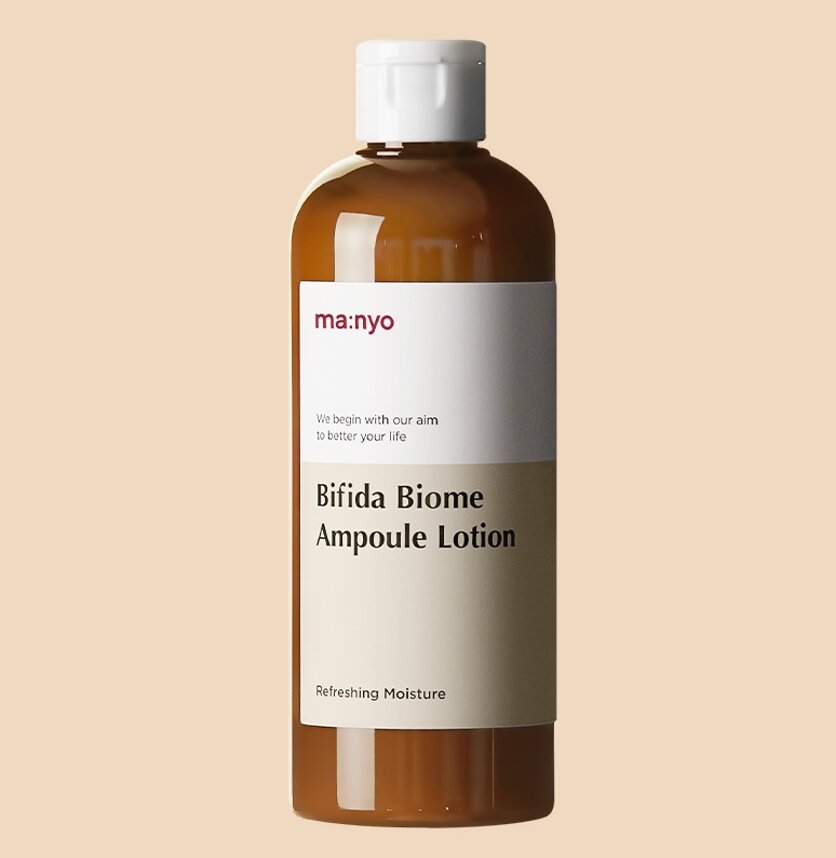
Bifida Biome Ampoule Lotion
ma:nyo
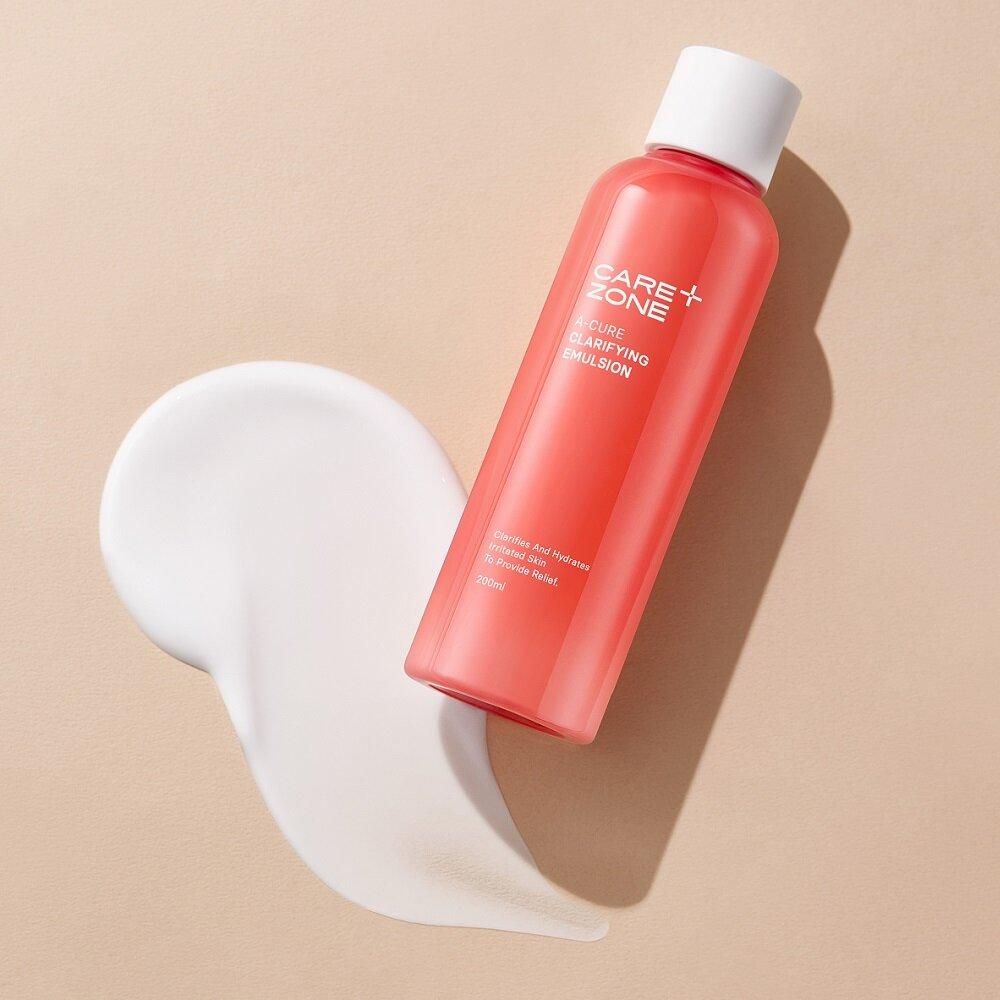
A-Cure Clarifying Emulsion
Aestura
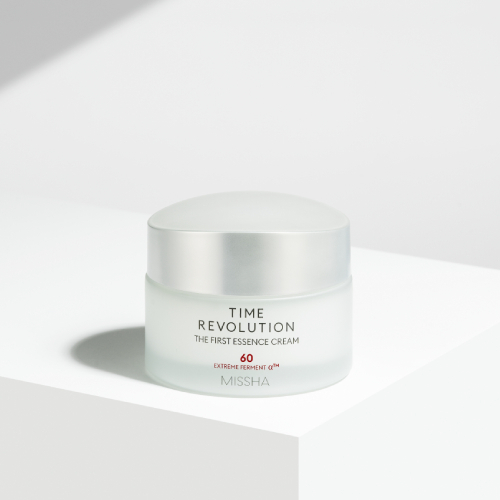
Time Revolution The First Essence Cream
MISSHA
Frequently Asked Questions
Is sandalwood oil safe for acne-prone skin?▼
Why does sandalwood oil have a 3/5 safety rating if it's in so many products?▼
Can I use sandalwood oil products if I'm pregnant?▼
What's the difference between sandalwood oil and synthetic sandalwood fragrance?▼
How can I tell if a product's sandalwood oil is high quality?▼
Explore More
Want personalized ingredient advice?
Yuri, our AI beauty advisor, can tell you how Sandalwood Oil works with your specific skin type, routine, and concerns.
Ask Yuri, free