Sea Salt
Exfoliant and skin texture refiner
About Sea Salt
Sea salt is a natural mineral compound harvested from evaporated seawater, rich in minerals like magnesium, calcium, and potassium that benefit skin health. In K-beauty formulations, sea salt serves as both a physical exfoliant and a skin-refining ingredient that helps remove dead cells, decongest pores, and improve overall texture. Unlike regular table salt, sea salt retains trace minerals that provide additional skin benefits, from supporting barrier function to delivering osmotic hydration. Korean skincare brands often incorporate sea salt into cleansing bars, massage treatments, and balm formulas where its granular texture can gently buff away impurities without the harshness of synthetic microbeads. With a comedogenic rating of 0/5, sea salt won't clog pores, making it particularly valuable in cleansing products designed to clarify skin while maintaining balance. The ingredient appears in 30 products on Seoul Sister, including top-rated formulas from Beplain and Hanyul that demonstrate how traditional mineral therapy integrates seamlessly with modern K-beauty innovation. Sea salt's dual action as both an immediate mechanical exfoliant and a mineral delivery system explains its enduring popularity in Korean skincare, especially in products targeting dull, congested, or uneven skin texture.
How Sea Salt Works
Sea salt functions through both physical and biochemical mechanisms to refine skin texture. The crystalline structure provides mechanical exfoliation, physically dislodging dead keratinocytes from the stratum corneum to reveal fresher skin underneath. This physical action stimulates microcirculation in surface capillaries, bringing oxygen and nutrients to skin cells while promoting natural cell turnover. At a biochemical level, sea salt's mineral content (particularly magnesium and calcium) supports the skin's natural desquamation process by regulating enzymes involved in cell adhesion and shedding. The osmotic properties of salt also draw excess fluid and sebum from congested pores, which explains its effectiveness in clarifying treatments. When dissolved in cleansing formulas, sea salt creates a hypertonic environment that helps extract impurities while the mineral ions interact with lipid bilayers in the skin barrier, temporarily increasing permeability for better absorption of subsequent products. Magnesium specifically has been shown to support barrier repair proteins, while potassium helps maintain cellular hydration balance. This combination of immediate physical refinement and ongoing mineral support makes sea salt particularly effective in multi-step Korean skincare routines where thorough cleansing sets the foundation for treatment products.
Sea Salt by Skin Type
Oily Skin
Sea salt is highly beneficial for oily skin due to its ability to absorb excess sebum and decongest enlarged pores without stripping skin completely. The osmotic action helps draw out impurities trapped in sebaceous follicles, reducing the appearance of blackheads and preventing future breakouts. Use 2-3 times weekly in cleansing products to maintain clarity without over-exfoliating.
Dry Skin
Dry skin types should use sea salt cautiously and infrequently, as the exfoliating action can potentially compromise an already fragile moisture barrier. When used, choose finely milled salt in creamy or oil-based formulas that provide cushioning, and limit use to once weekly. The mineral content can actually support barrier repair if not used too aggressively, so focus on gentle massage rather than scrubbing.
Combo Skin
Combination skin benefits significantly from sea salt's balancing properties, as it can address congestion in the T-zone while the mineral content supports drier cheek areas. Use salt-based cleansers or treatments primarily on oily zones, or opt for formulas with finely milled salt that won't create uneven exfoliation. Products like Beplain's cleansing bars work well for combination types when used 2-3 times weekly.
Sensitive Skin
Sensitive skin should approach sea salt with caution, as the physical exfoliation can trigger irritation or compromise a reactive barrier. If using, choose products with very fine salt particles suspended in soothing bases, avoid any scrubbing motion, and test on a small area first. The mineral content can be beneficial for barrier support, but the mechanical action often outweighs these benefits for truly sensitive types.
Normal Skin
Normal skin types can use sea salt liberally to maintain smooth texture and prevent the buildup that leads to dullness or congestion. The exfoliating and mineral-replenishing properties help keep normal skin in its balanced state. Use 2-3 times weekly in cleansing products or as directed, adjusting frequency based on how your skin responds to the level of exfoliation.
How to Use Sea Salt
- 1Always use sea salt products on damp skin with gentle, circular motions rather than aggressive scrubbing to prevent micro-tears and irritation.
- 2Follow sea salt exfoliation with hydrating toners and serums immediately while skin is still slightly damp to maximize absorption of treatment ingredients.
- 3Avoid using sea salt products on the same day as chemical exfoliants (AHAs, BHAs) or retinoids to prevent over-exfoliation and barrier damage.
- 4Choose salt particle size based on your skin's tolerance: finely milled for sensitive or dry skin, coarser granules for oily or resilient skin types.
- 5Store salt-based cleansing bars in a dry soap dish away from standing water to preserve the salt crystals and extend product life.
Background
Sea salt's use in skincare dates back thousands of years across coastal cultures worldwide, from ancient Roman bathhouses to traditional Korean thalassotherapy practices. In Korean beauty tradition, sea salt from the clean waters surrounding the peninsula has been used for centuries in purifying rituals and skin treatments, valued for its ability to draw out impurities and restore mineral balance. The modern K-beauty incorporation of sea salt reflects this historical wisdom adapted for contemporary formulations. Korean brands particularly favor mineral-rich salts from the West and South Seas, regions known for pristine waters and high mineral content. The ingredient gained renewed popularity in K-beauty around 2015-2017 as the industry moved toward natural, mineral-based exfoliants to replace synthetic microbeads, which faced environmental concerns. Today, sea salt represents the intersection of traditional Korean wellness practices and modern clean beauty principles, appearing in everything from cleansing bars to massage treatments that honor the ingredient's therapeutic heritage.
K-Beauty Products with Sea Salt
View all 31 →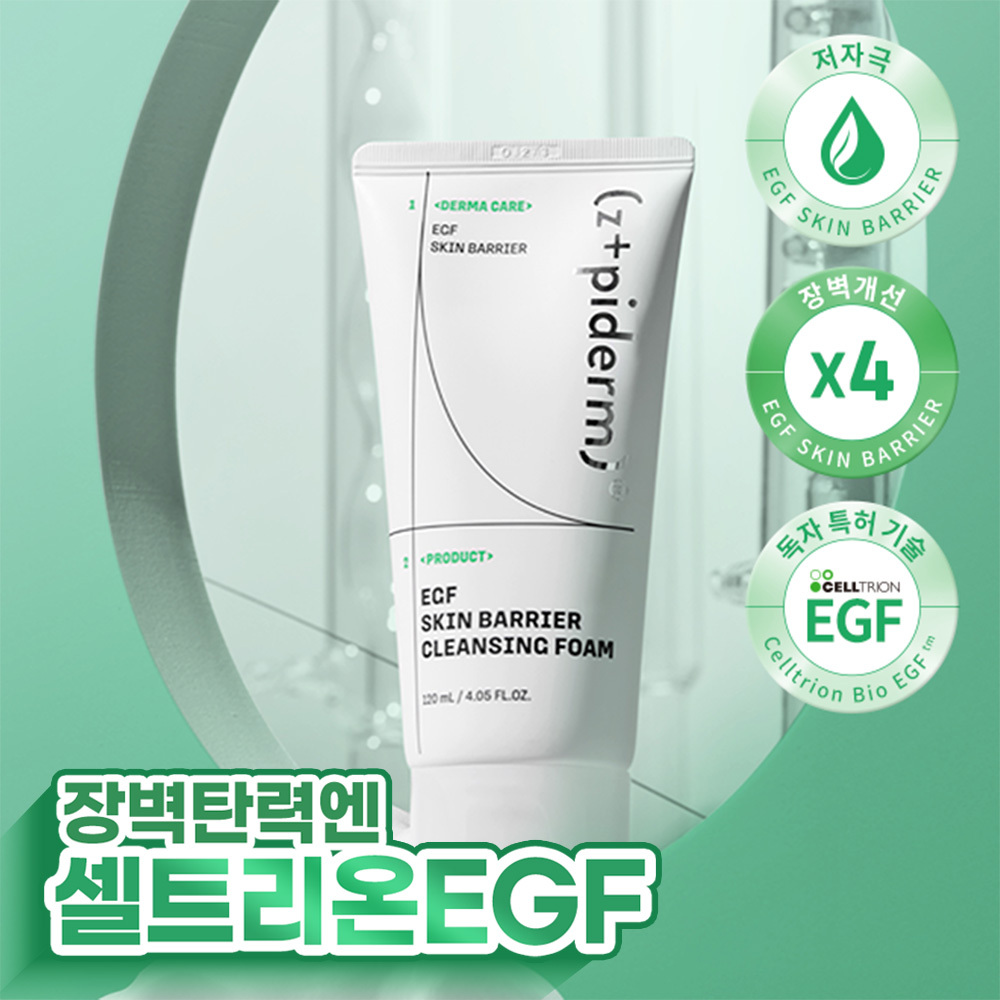
z+piderm EGF Skin Barrier Cleansing Foam
Beplain
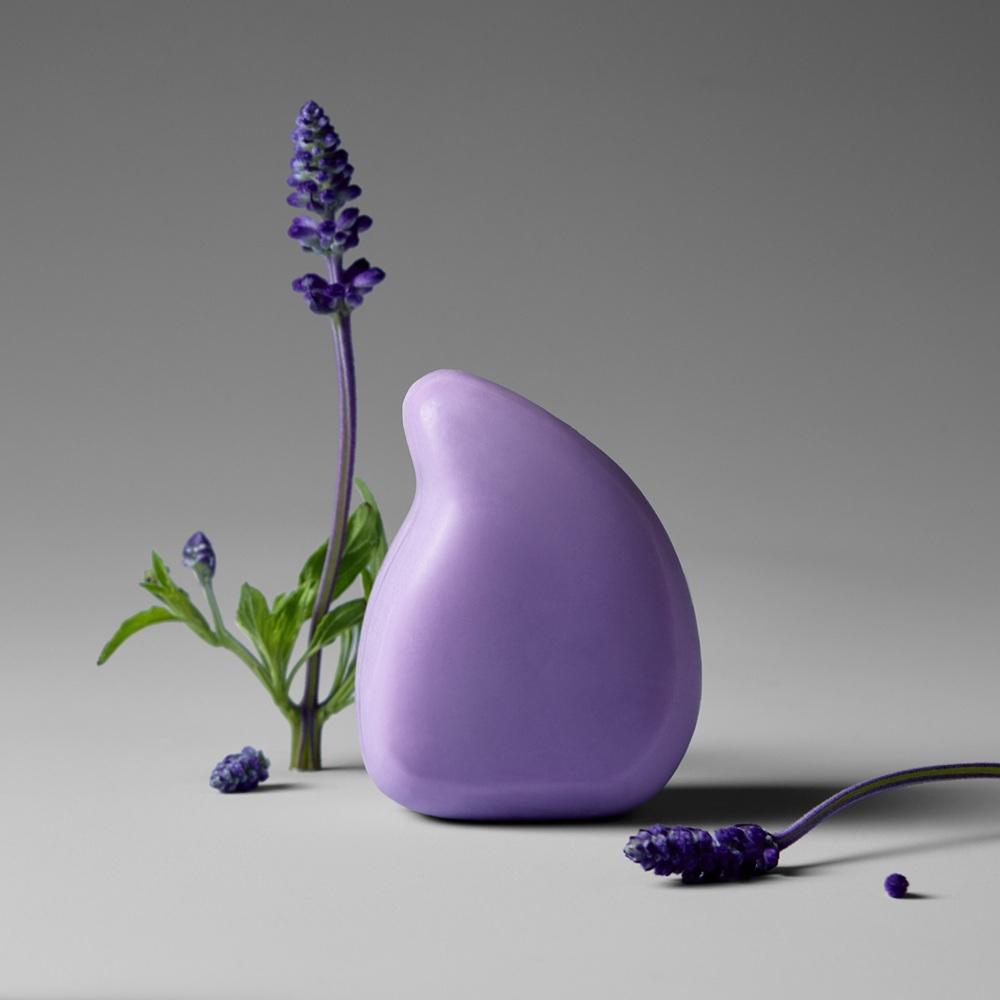
ReSaltZ Salt Massage Lavender Cleansing Bar
Beplain
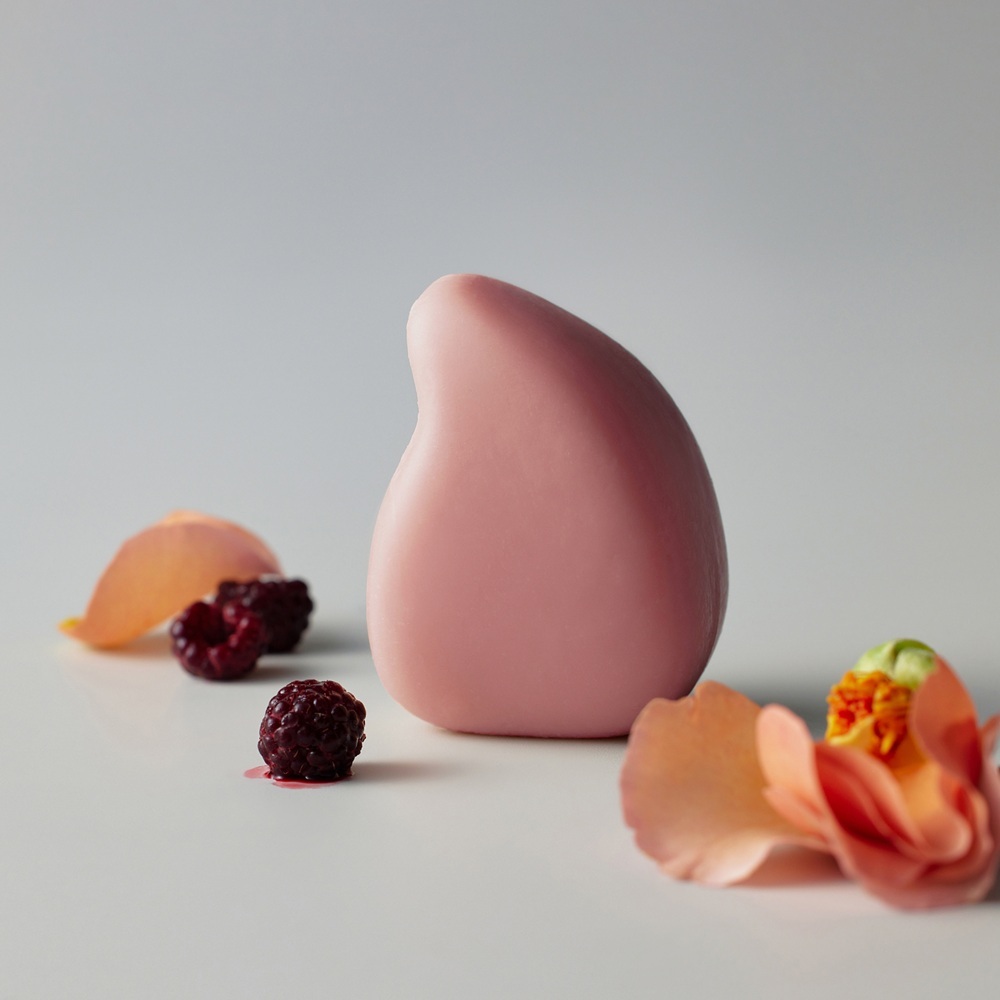
ReSaltZ Salt Massage Rose Cleansing Bar
Beplain
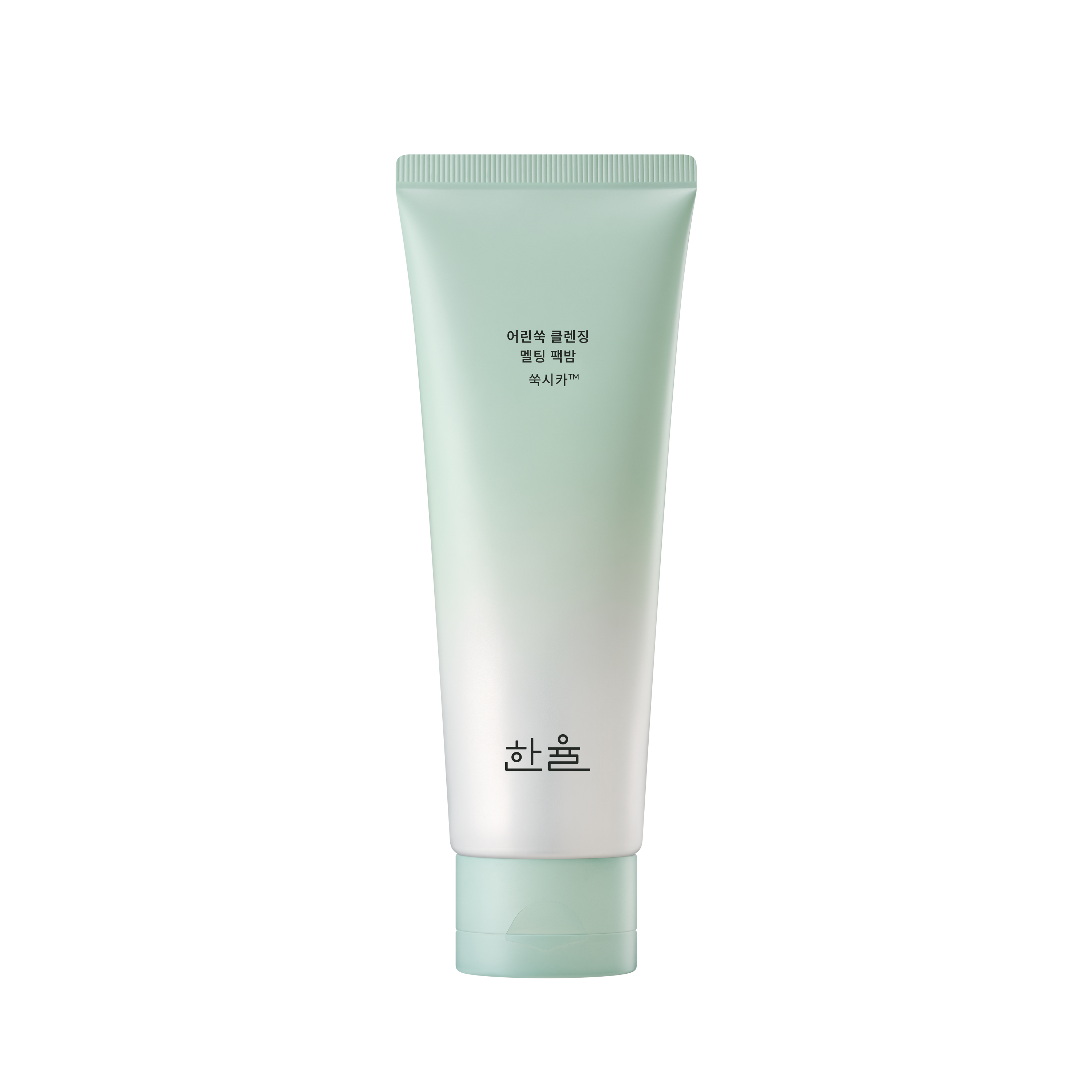
Pure Artemisia Cleansing Melting Pack Balm
Hanyul
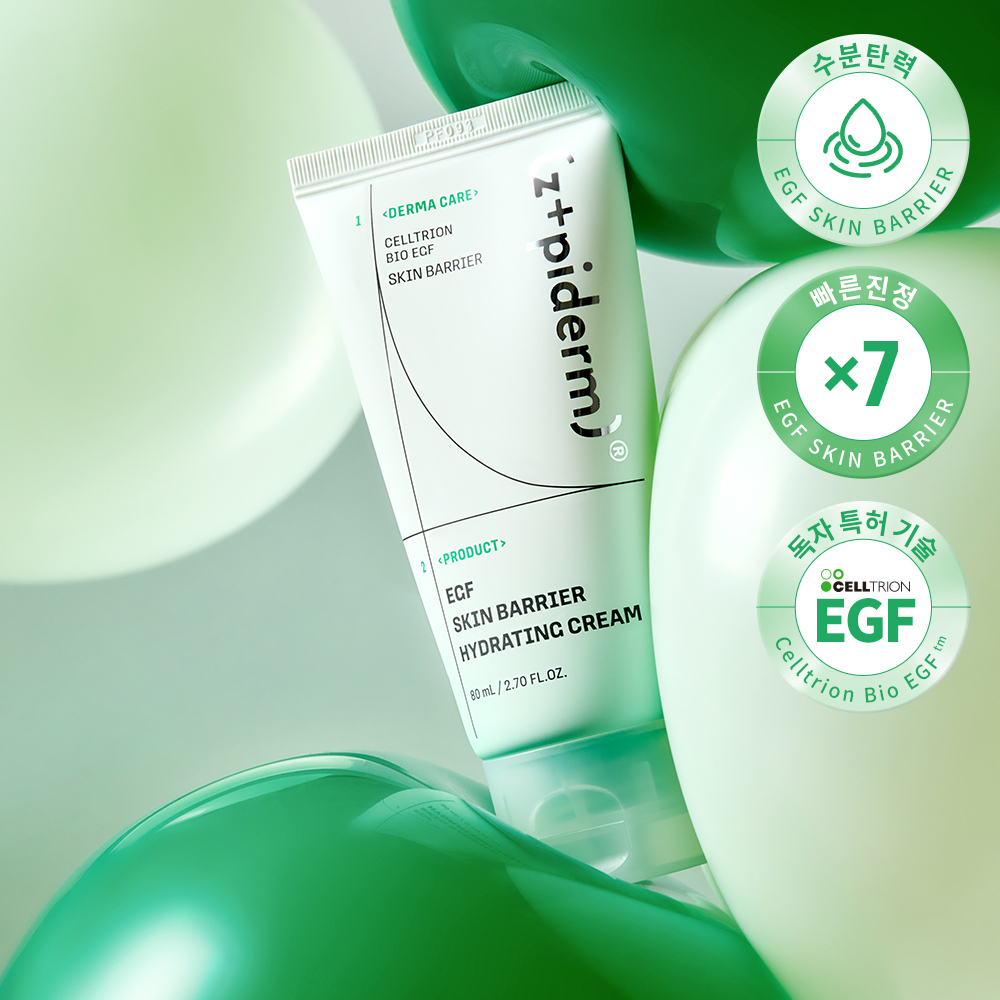
Aepiderm EGF Skin Barrier Hydrating Cream
Aestura
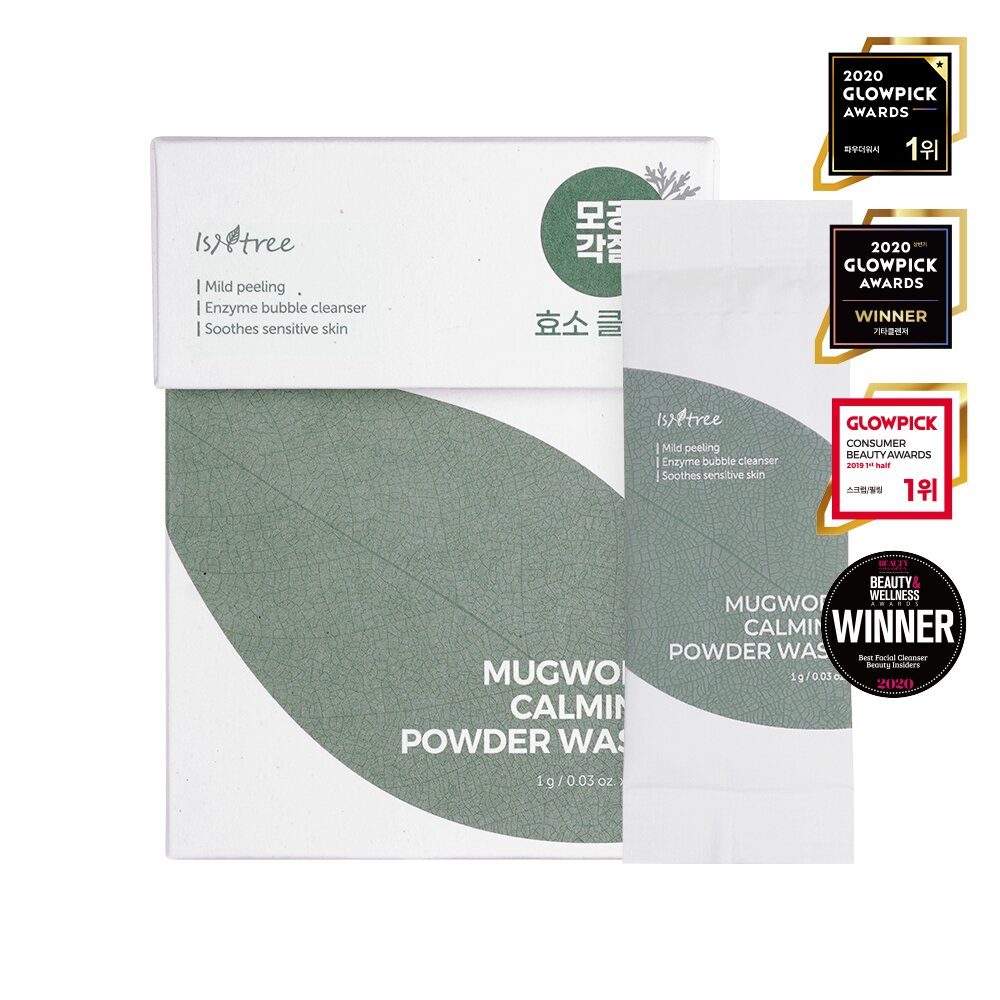
Mugwort Calming Powder Wash
Isntree

345 Relief Cream Mist
Dr. Althea
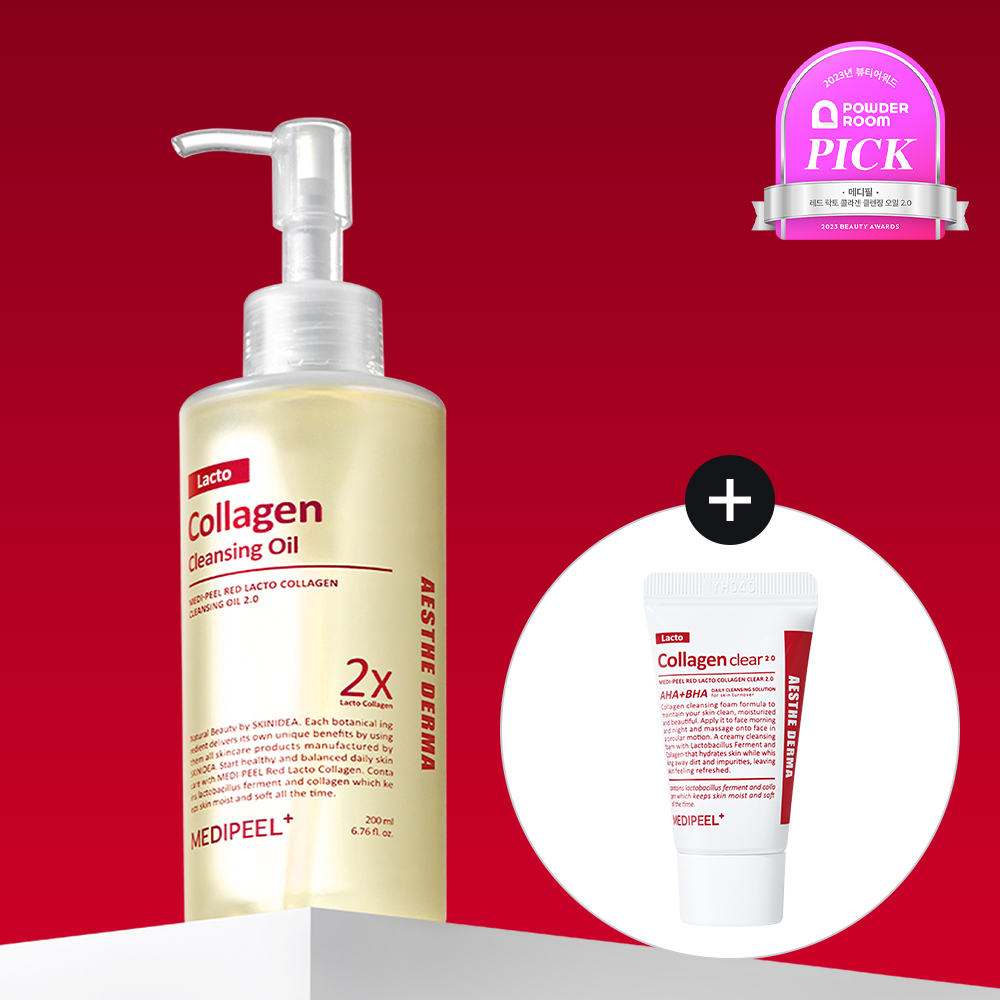
Red Lacto Collagen Cleansing Oil 2.0 Special Set
Medi-Peel
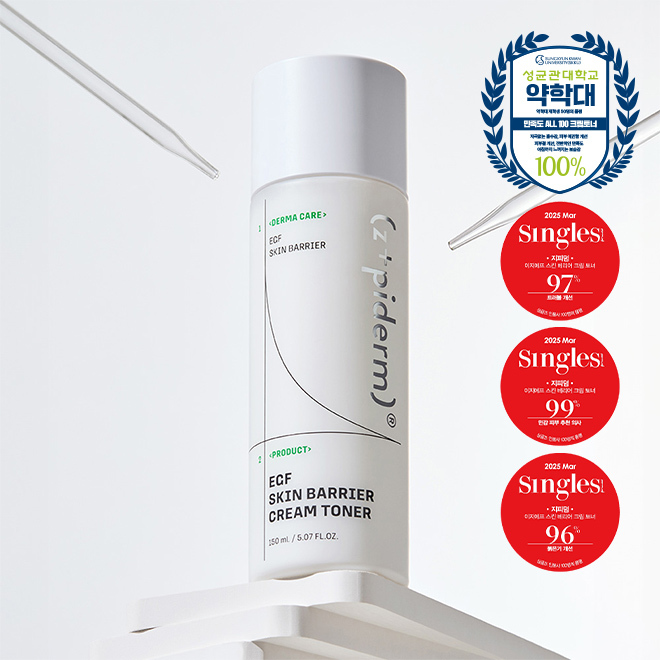
z+piderm EGF Skin Barrier Cream Toner
Anua
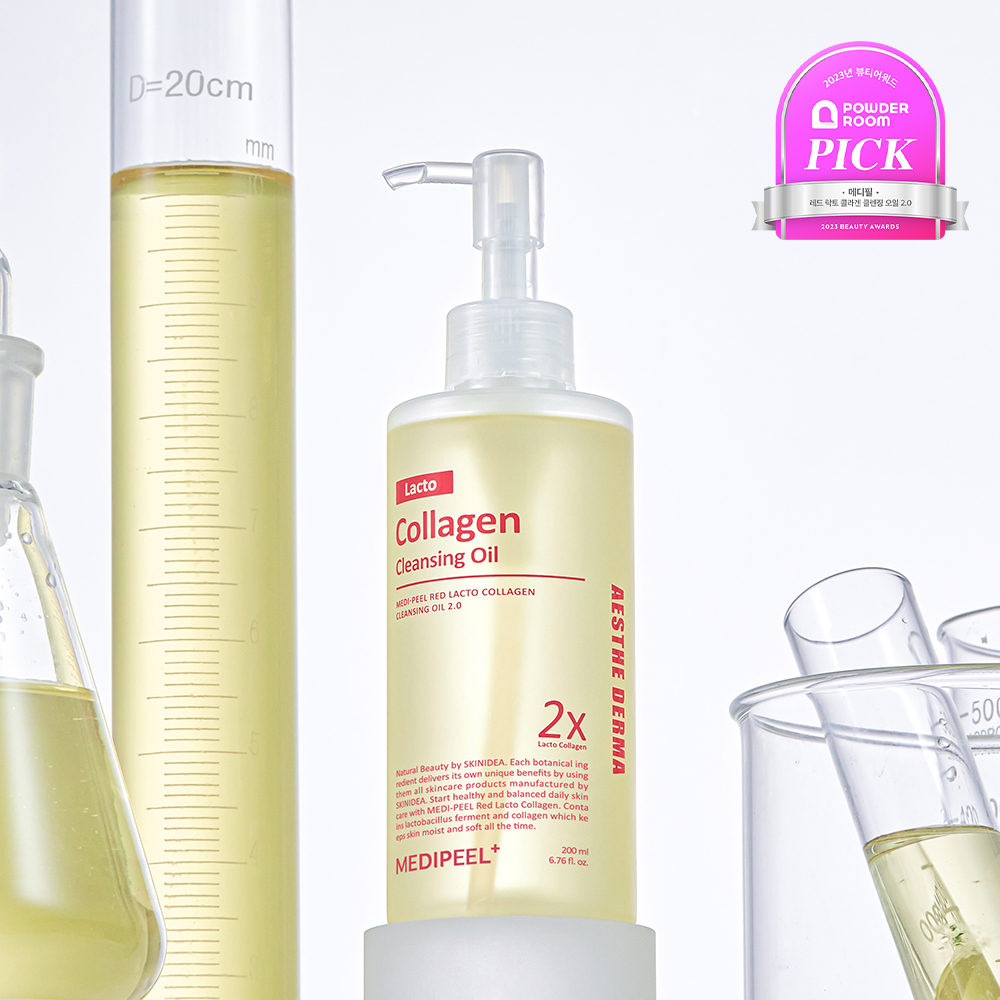
Red Lacto Collagen Cleansing Oil 2.0
MEDIPEEL
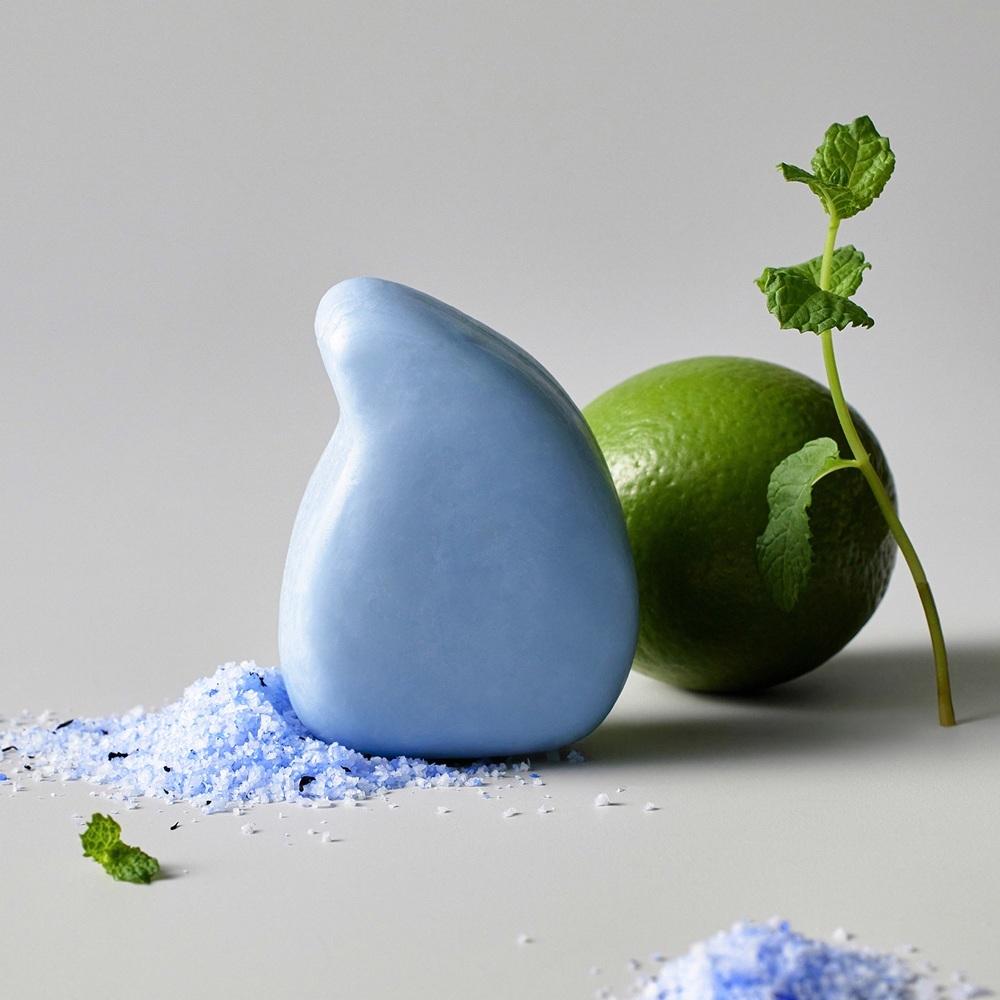
ReSaltZ Salt Massage Ocean Cleansing Bar
Beplain
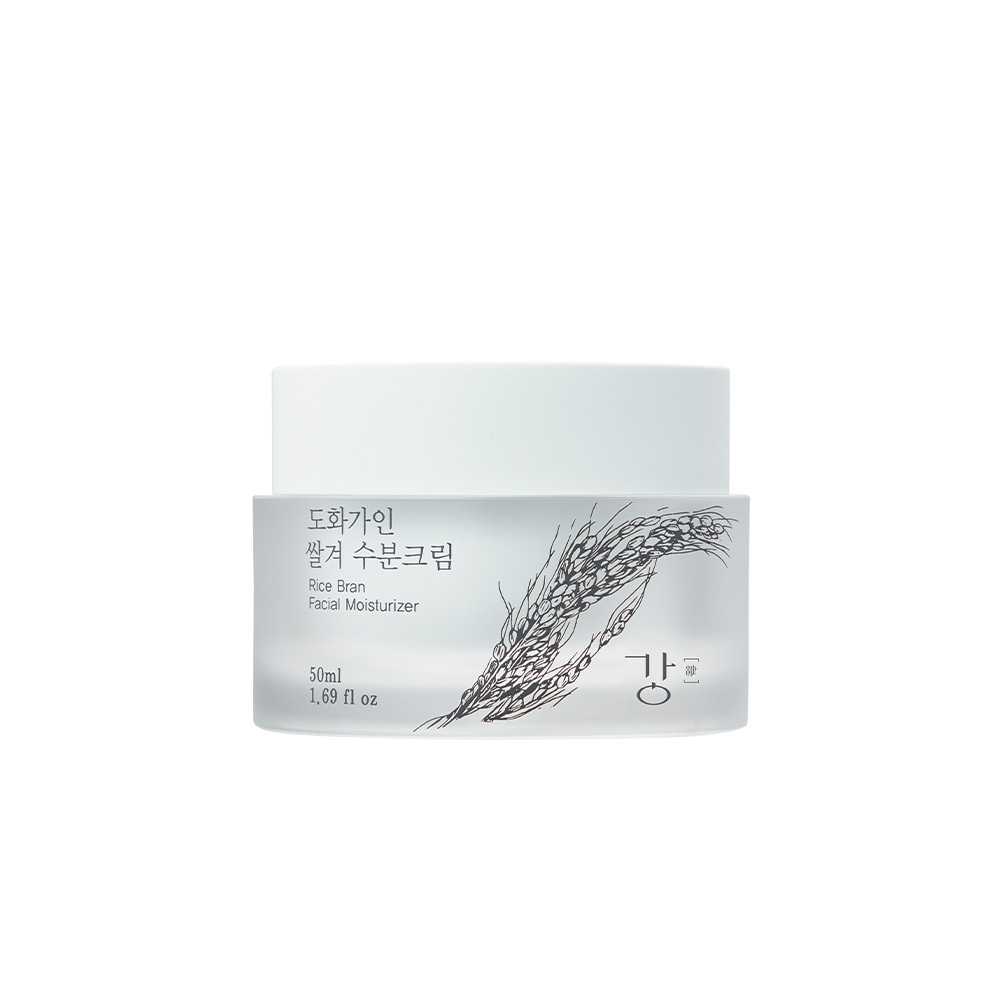
Rice Bran Facial Moisturizer
House of Dohwa
Frequently Asked Questions
Is sea salt too harsh for daily use on my face?▼
What's the difference between sea salt and Dead Sea salt in skincare?▼
Can sea salt help with acne and blackheads?▼
Why do some K-beauty products use sea salt in non-scrub formulas?▼
Explore More
Want personalized ingredient advice?
Yuri, our AI beauty advisor, can tell you how Sea Salt works with your specific skin type, routine, and concerns.
Ask Yuri, free