Sea Water
Mineral-rich hydrating and skin-conditioning agent
About Sea Water
Sea water in K-beauty formulations isn't just salty H2O from the ocean. It's a mineral-rich cocktail containing magnesium, calcium, potassium, and trace elements that work together to support skin barrier function and hydration. Korean beauty brands have embraced sea water, particularly from specific coastal regions, as a natural source of electrolytes that mirror the composition of healthy skin cells. The ingredient functions as both a humectant (drawing moisture into the skin) and a skin-conditioning agent that helps maintain the delicate pH balance your skin needs to stay resilient. With a comedogenic rating of 0/5, sea water is genuinely non-pore-clogging, making it a versatile ingredient across product types. Found in 139 K-beauty products on Seoul Sister, it appears most frequently in cleansers where it enhances the sensorial experience while delivering minerals during the cleansing process. The safety rating of 4/5 reflects that while generally well-tolerated, highly sensitive or compromised skin barriers might react to the salt content, though this is relatively uncommon. Korean brands often source sea water from pristine locations like Dokdo Island or Ulleungdo, emphasizing the purity and mineral concentration of their specific water source as a point of differentiation.
How Sea Water Works
Sea water's effectiveness comes from its mineral profile mimicking the natural mineral balance found in healthy skin. Magnesium, one of the primary minerals in sea water, helps regulate cellular regeneration and supports the skin's natural repair processes. It also acts as an anti-inflammatory agent at the cellular level, calming reactive skin responses. Calcium strengthens cell-to-cell connections in the epidermis, reinforcing barrier integrity. Potassium maintains proper hydration levels by regulating water movement across cell membranes. The osmotic properties of sea water create a gentle drawing effect that helps extract impurities from pores without harsh surfactants, which is why you see it frequently in cleansing formulations. The trace minerals (zinc, selenium, copper) function as cofactors for antioxidant enzymes, supporting your skin's defense against environmental stressors. Unlike drinking water or distilled water used as bases in most skincare, sea water contributes active components rather than serving as an inert carrier. The salt content also has mild antimicrobial properties, helping keep formulations stable while providing a subtle purifying effect on skin.
Sea Water by Skin Type
Oily Skin
Sea water is particularly beneficial for oily skin because its mineral content helps regulate sebum production without stripping skin. The gentle osmotic action can help draw out congestion from pores while the minerals balance skin pH, which is often disrupted in oily skin types that over-cleanse. Products like Round Lab's Dokdo Cleansing Oil (rated 4.9/5) leverage sea water to cleanse effectively without triggering the rebound oil production that harsh cleansers cause.
Dry Skin
For dry skin, sea water functions primarily as a mineral delivery system that supports barrier repair rather than as a primary hydrating ingredient. The magnesium and calcium help strengthen the skin barrier, reducing transepidermal water loss over time. However, dry skin types should ensure sea water products are paired with occlusive or emollient ingredients, as sea water alone won't provide the lipid replenishment dry skin needs.
Combo Skin
Combination skin benefits from sea water's balancing properties since it addresses both dryness and oiliness through mineral regulation rather than heavy moisturization or harsh astringents. The non-comedogenic nature (0/5 rating) means it won't clog pores in oily zones while the minerals support hydration in dry areas. This makes sea water-based cleansers particularly well-suited for combination skin that needs one product to handle multiple needs.
Sensitive Skin
Sensitive skin can generally tolerate sea water well, though the 4/5 safety rating reflects that some individuals with severely compromised barriers might experience stinging from the salt content. The anti-inflammatory properties of magnesium actually make sea water soothing for many sensitive skin types. Products like Laundryou's Mild Cleanser (rated 5.0/5) demonstrate that when formulated thoughtfully, sea water can be gentle enough even for reactive skin, particularly when the salt concentration is balanced appropriately.
Normal Skin
Normal skin maintains its balanced state beautifully with sea water, which provides minerals to support ongoing barrier health without disrupting the skin's natural equilibrium. The trace minerals act as maintenance nutrition, supporting cellular function without creating dependency or requiring adjustment periods. Sea water-based products work seamlessly into normal skin routines as reliable, non-reactive options.
How to Use Sea Water
- 1Look for products that specify their sea water source (Dokdo, Ulleungdo, deep sea water) as this indicates higher quality control and mineral consistency in the formulation
- 2Sea water works best in leave-on products or cleansers with sufficient contact time. Quick rinse-off formulas won't allow minerals to penetrate effectively
- 3If you have active breakouts or very compromised skin, patch test sea water products first as the salt content can sting broken skin even though it's generally beneficial for healing
- 4Pair sea water products with ceramides or hyaluronic acid in your routine to maximize the barrier-supporting benefits of the minerals while ensuring adequate hydration
- 5Products with sea water often perform better at body temperature, so let cleansers sit on skin for 30-60 seconds before rinsing to optimize mineral absorption
Background
Sea water's use in skincare traces back thousands of years to thalassotherapy, the therapeutic use of seawater practiced in ancient Greece and Rome. The practice was formalized in 18th century Europe when physicians began prescribing seaside stays for skin conditions. K-beauty's modern embrace of sea water began in the early 2010s as brands sought ingredients rooted in Korea's geography. The country's peninsula location and thousands of islands made sea water a logical focal point. Round Lab pioneered the trend with their Dokdo line, named after the islands between Korea and Japan, emphasizing the purity and specific mineral profile of that region's waters. The ingredient gained traction as Korean consumers increasingly valued locally-sourced, identity-driven ingredients over imported exotics. Today, different Korean coastal regions market their sea water based on depth (deep sea water contains more minerals), location, and purification methods, turning what could be a commodity ingredient into a differentiated skincare story.
K-Beauty Products with Sea Water
View all 153 →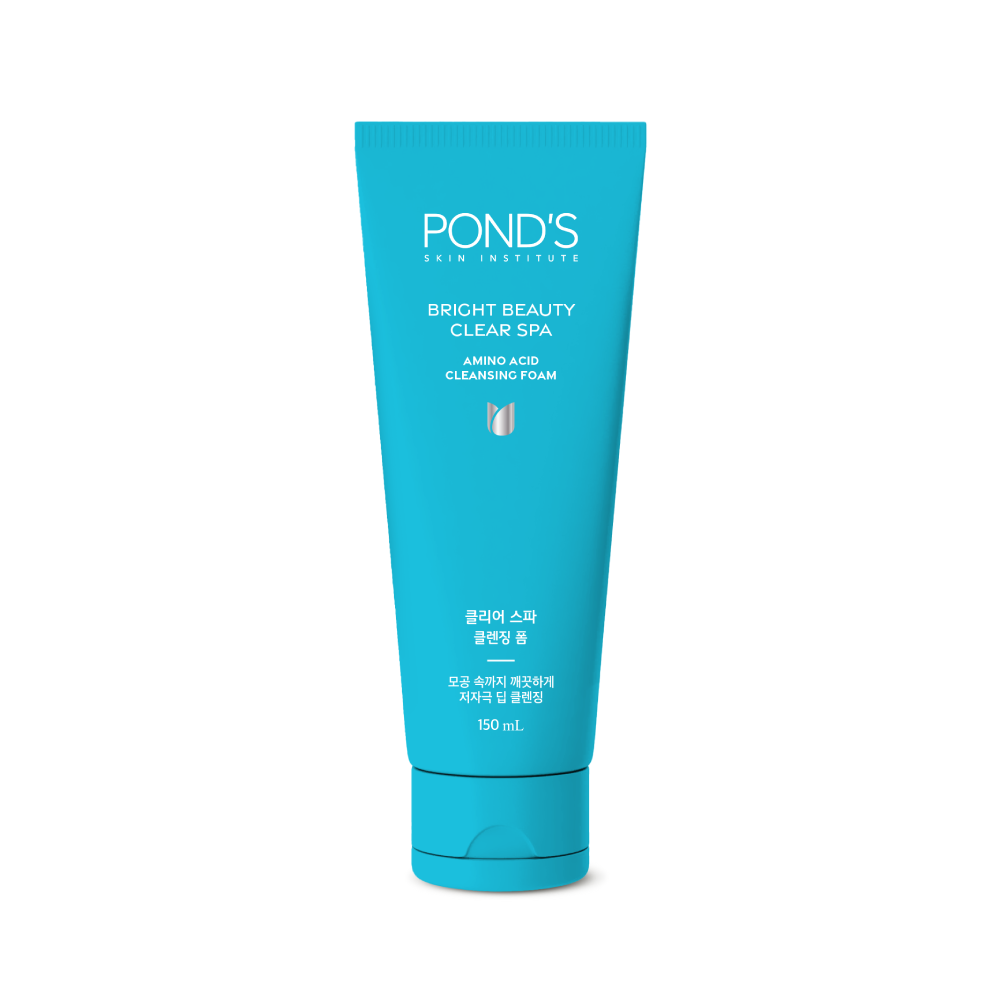
Bright Beauty Clear Spa Amino Acid Cleansing Foam
Pond's
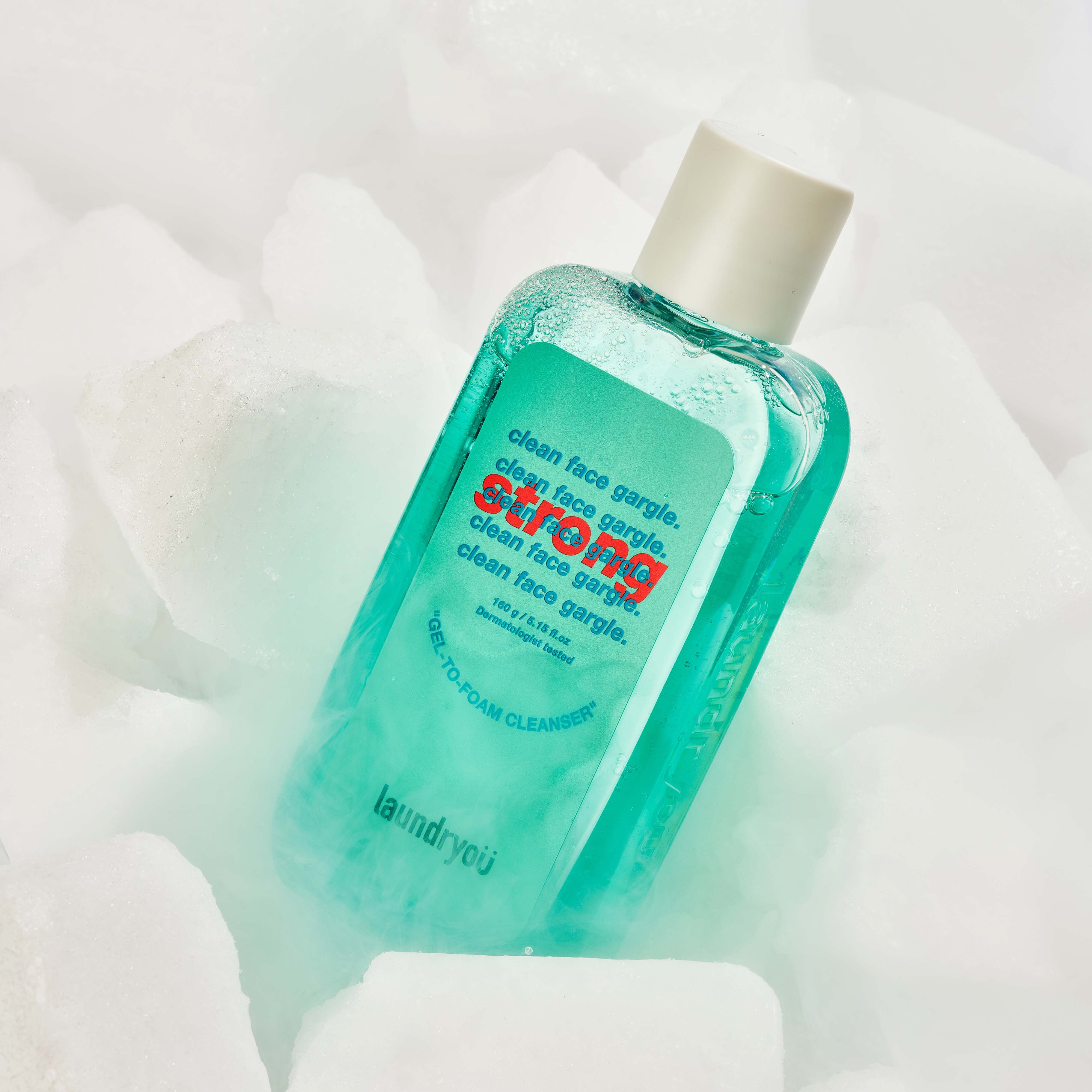
Clean Face Gargle Gel To Foam Cleanser Strong Set
Laundryou
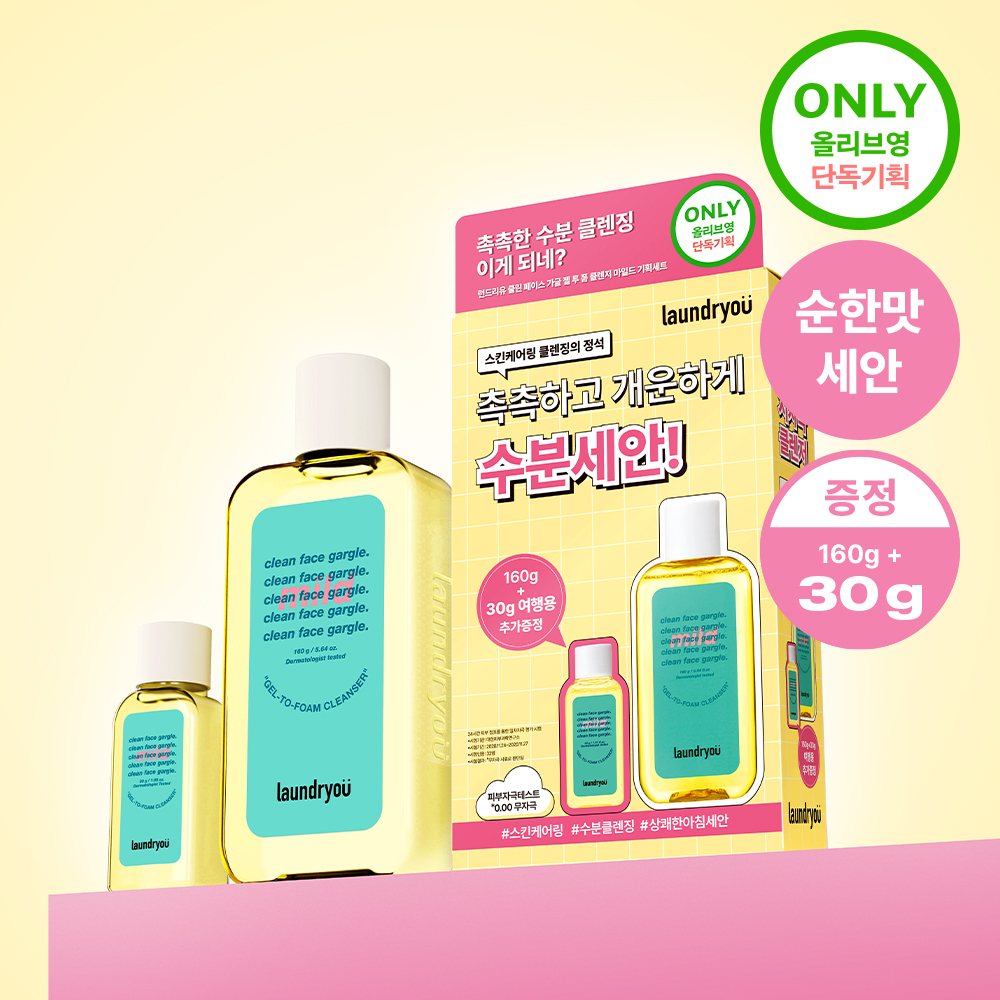
Clean Face Gargle Gel-To-Foam Cleanser Mild Set
Laundryou
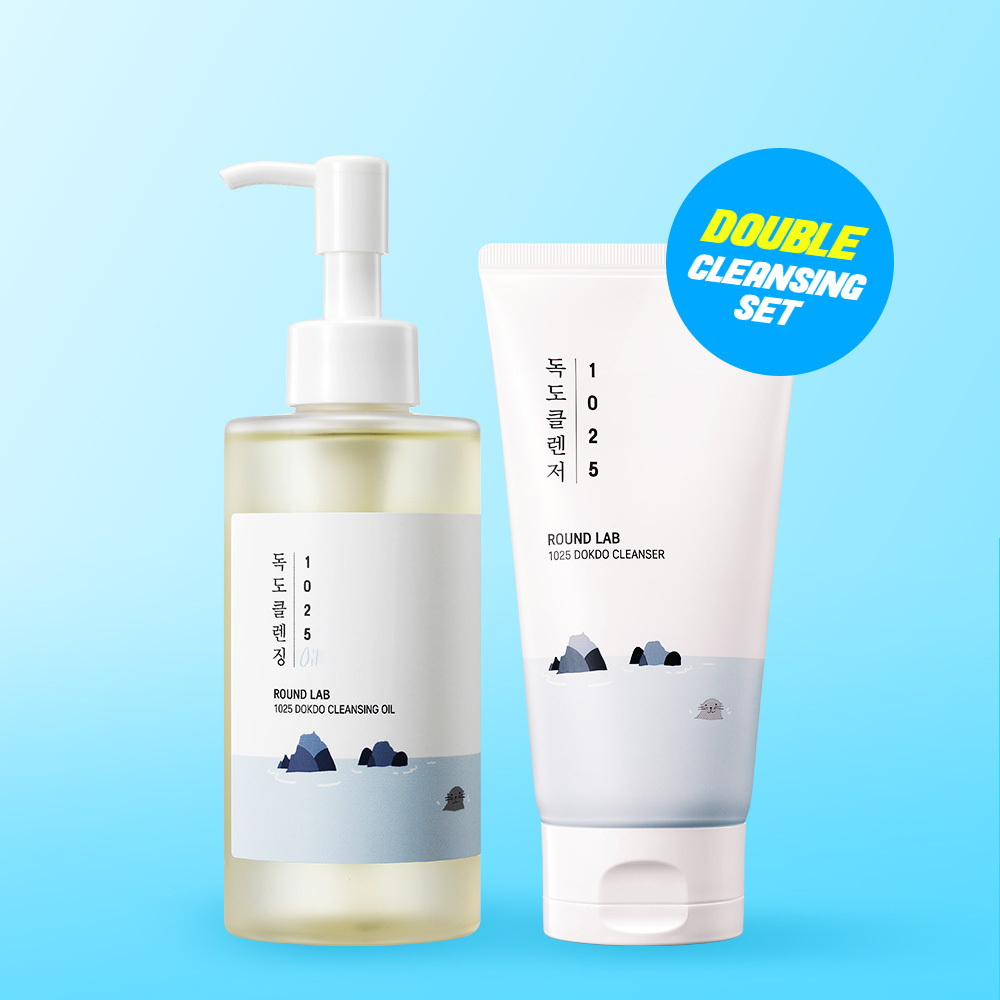
1025 Dokdo Cleansing Oil 200ml + Dokdo Cleanser 150ml Set
Round Lab
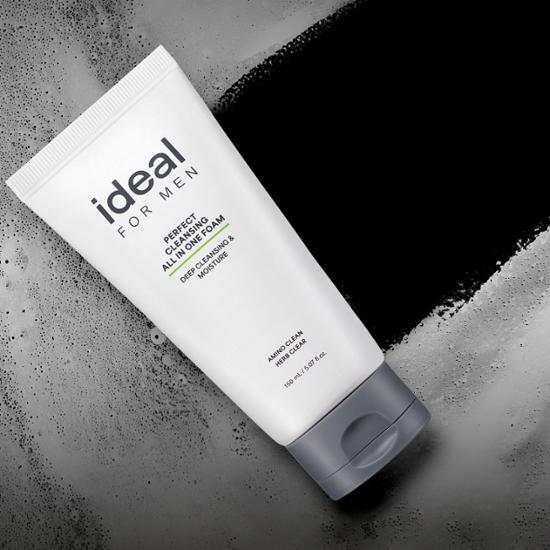
Perfect Cleansing All-in-One Foam
Ideal for Men
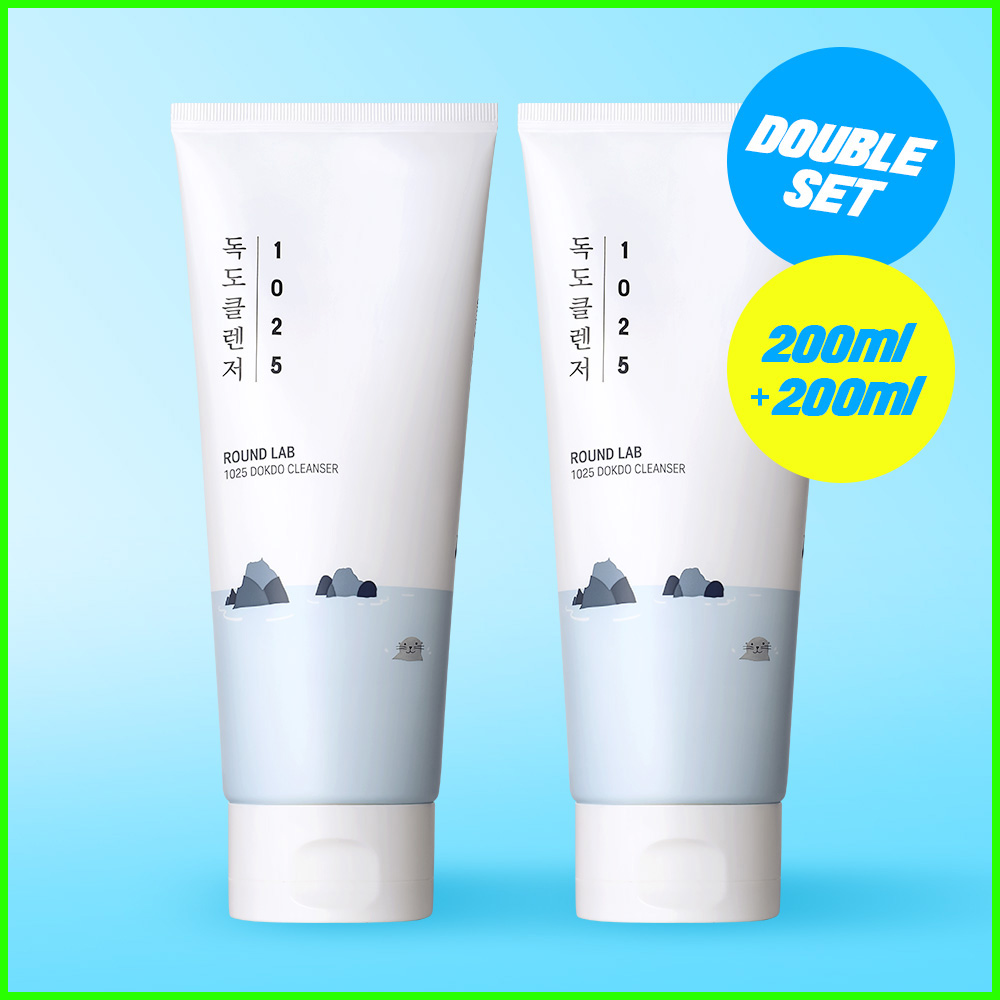
1025 Dokdo Cleanser
Round Lab
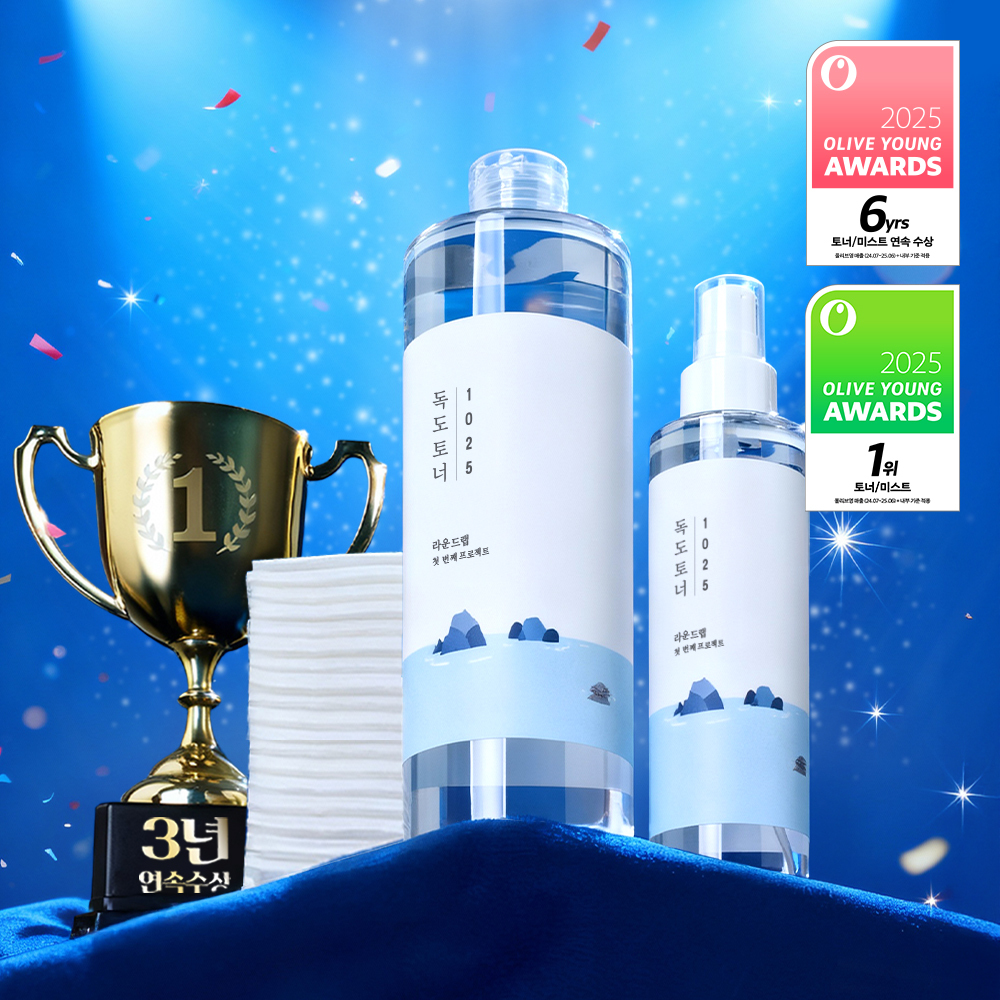
1025 Dokdo Toner
Round Lab
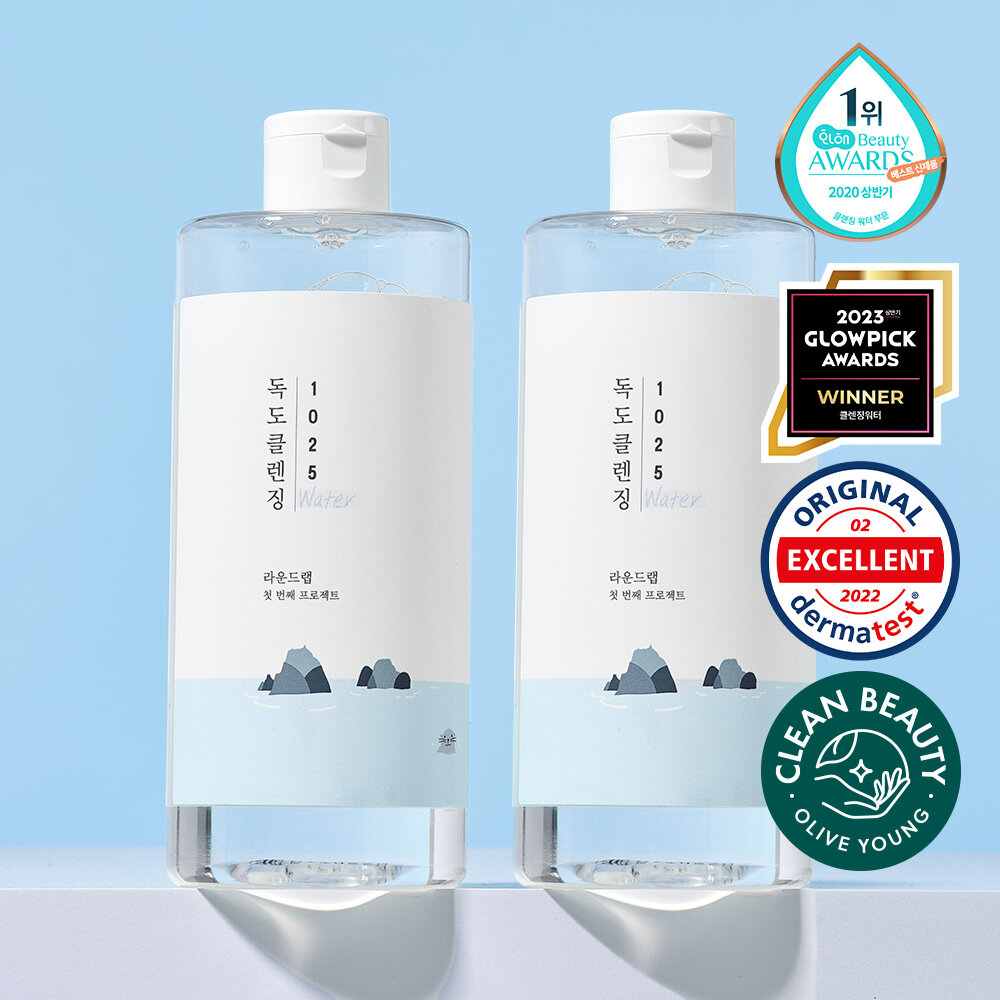
1025 Dokdo Cleansing Water
Round Lab
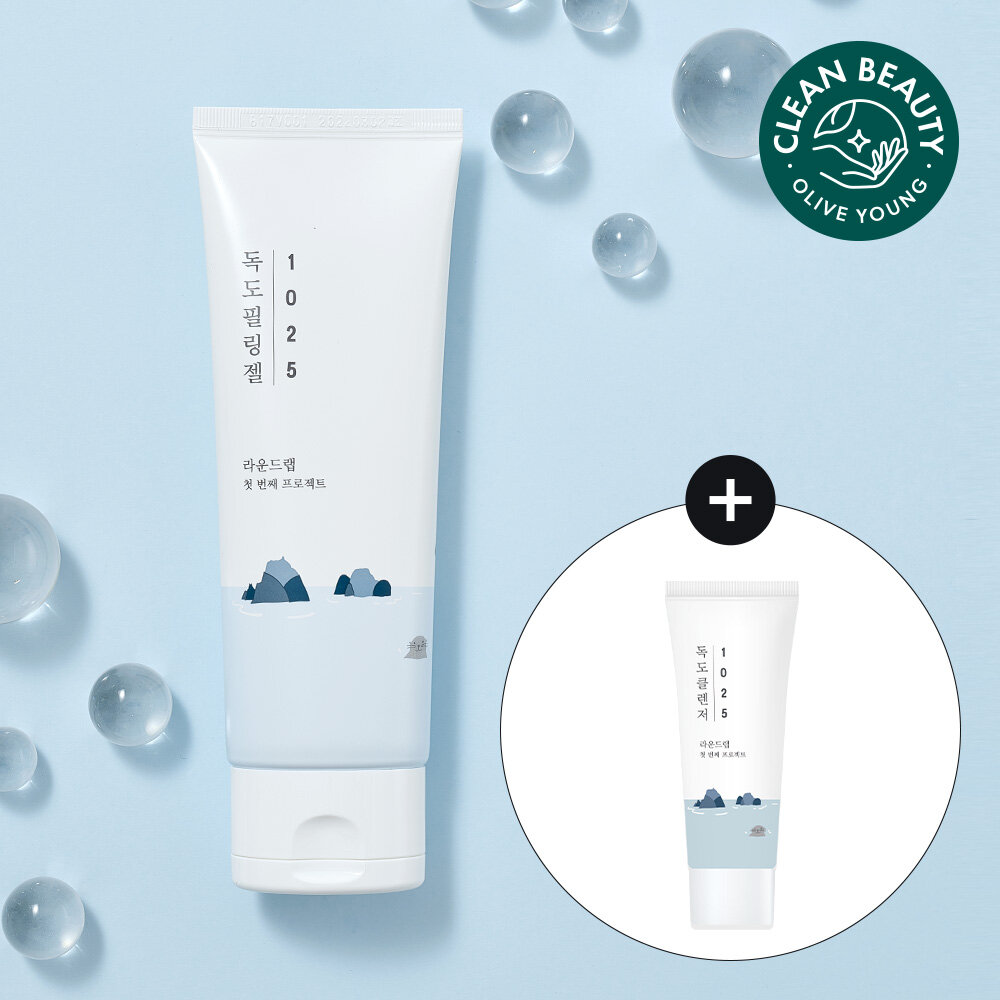
1025 Dokdo Peeling Gel
Round Lab
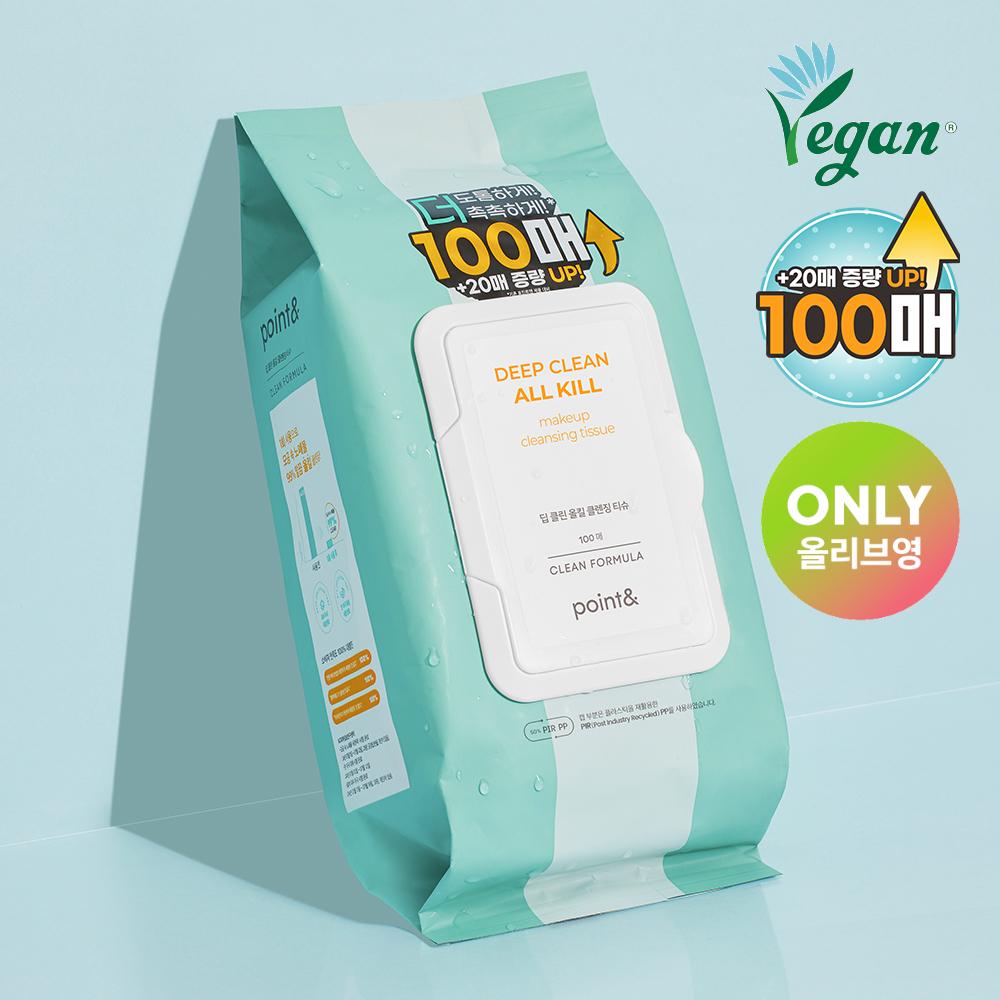
Deep Clean All Kill Makeup Cleansing Tissue
Ariul
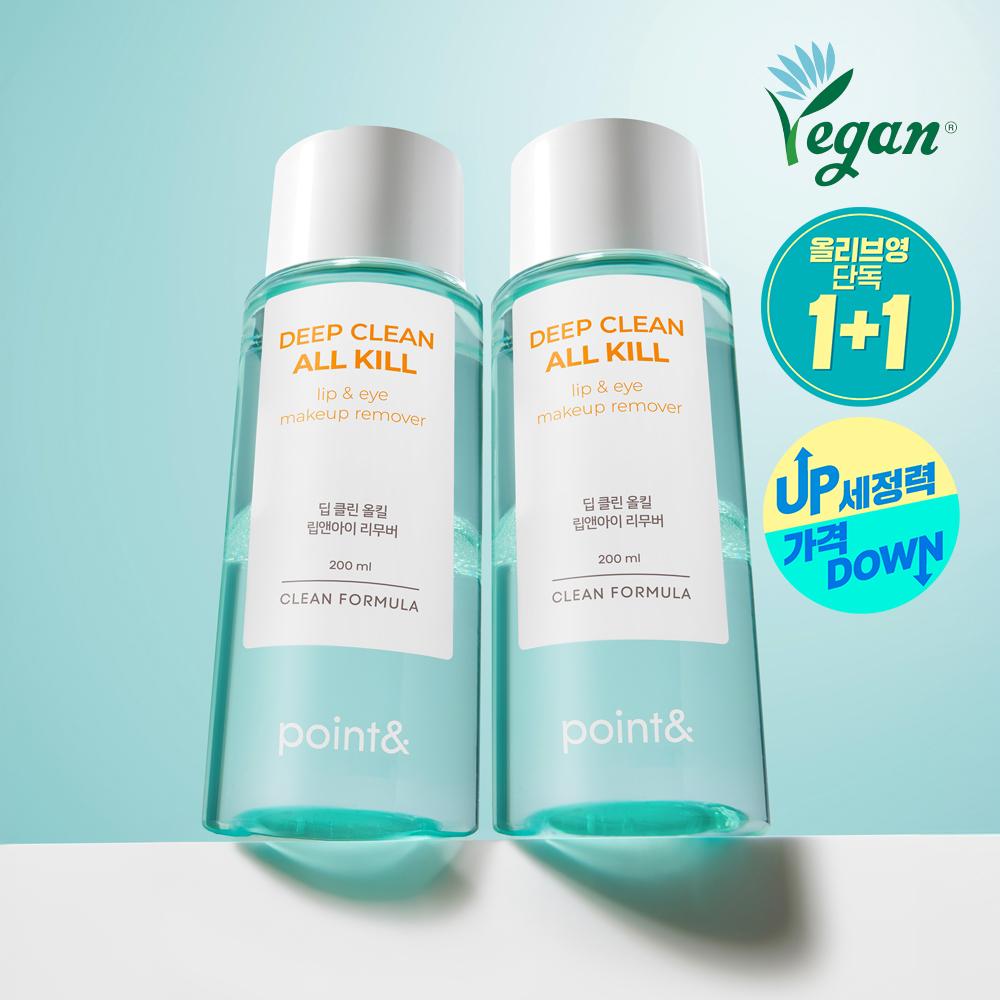
Deep Clean All Kill Lip & Eye Makeup Remover
Ariul
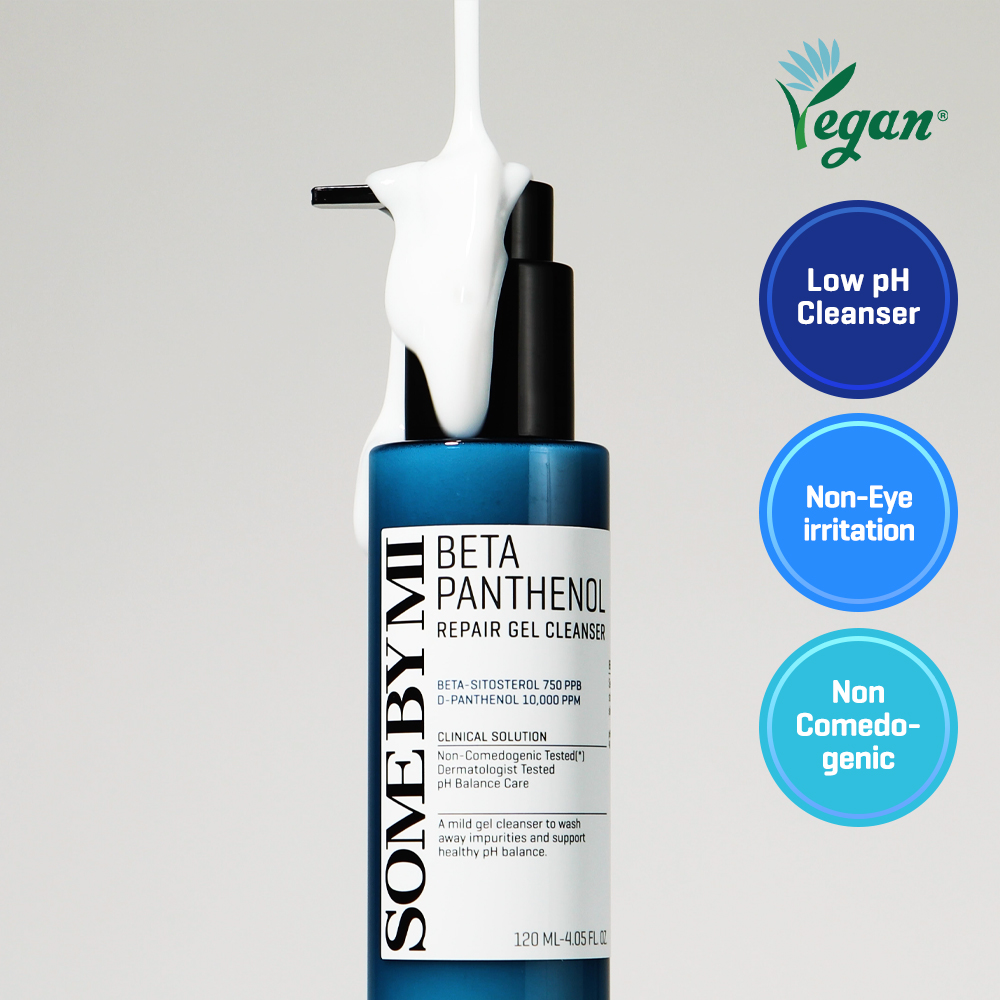
Beta Panthenol Repair Gel Cleanser
Some By Mi
Frequently Asked Questions
Is sea water in skincare the same as ocean water I'd swim in?▼
Can sea water dry out my skin like swimming in the ocean does?▼
Why do so many high-rated cleansers contain sea water?▼
Does the source of sea water matter, or is it marketing?▼
Articles About Sea Water
Explore More
Want personalized ingredient advice?
Yuri, our AI beauty advisor, can tell you how Sea Water works with your specific skin type, routine, and concerns.
Ask Yuri, free