EGF (Epidermal Growth Factor)
INCI: sh-Oligopeptide-1
Cell regeneration and skin renewal signaling peptide
About EGF (Epidermal Growth Factor)
EGF, or Epidermal Growth Factor (INCI: sh-Oligopeptide-1), is a bioengineered signaling peptide that communicates directly with skin cells to accelerate regeneration and renewal. Originally discovered in Nobel Prize-winning research, EGF became a K-beauty sensation when Korean skincare brands figured out how to stabilize and formulate it effectively in serums and essences. This ingredient works by binding to receptors on the surface of skin cells, triggering a cascade of repair processes that slow down as we age. Think of it as a messenger that tells your skin to act younger, producing more collagen, speeding up cell turnover, and improving overall skin texture. In K-beauty formulations, EGF is often paired with other regenerative ingredients like PDRN and NAD+ to create powerful anti-aging cocktails. The ingredient has gained particular popularity in Korea's professional skincare market, where it's used post-procedure to accelerate healing. While it sounds futuristic, EGF is actually a protein naturally present in human skin. The cosmetic version is produced through biotechnology, creating a synthetic but bio-identical molecule that mimics what your body already makes. Its non-comedogenic nature and relatively gentle profile make it accessible across skin types, though the concentration and supporting ingredients matter significantly for results.
How EGF (Epidermal Growth Factor) Works
EGF functions as a cellular communication molecule that binds to specific receptors (EGFR) on the surface of keratinocytes and fibroblasts. When EGF docks into these receptors, it activates internal signaling pathways, particularly the MAPK and PI3K cascades, that tell cells to divide, produce structural proteins like collagen and elastin, and accelerate wound healing processes. As we age, our natural EGF production declines dramatically, which contributes to slower skin renewal and visible signs of aging. Topically applied EGF can supplement this deficit, though there's scientific debate about how well the molecule penetrates intact skin versus compromised barrier states. The most current research suggests EGF works best when formulated with penetration enhancers or applied to recently exfoliated skin. Once absorbed, even small amounts can stimulate fibroblast proliferation and increase hyaluronic acid synthesis in the dermis. The result is faster cell turnover in the epidermis, improved skin thickness, and enhanced barrier function. Korean formulations often keep EGF concentrations between 0.1 to 1 ppm, as higher amounts don't necessarily increase benefits and may trigger sensitivity in some users.
EGF (Epidermal Growth Factor) by Skin Type
Oily Skin
EGF can benefit oily skin by improving overall skin quality and reducing the appearance of enlarged pores through enhanced cell turnover. Because it's completely non-comedogenic, it won't contribute to congestion or breakouts, making it safe for acne-prone individuals seeking anti-aging benefits without the heaviness of traditional anti-aging ingredients.
Dry Skin
Dry skin often sees dramatic improvements with EGF because the ingredient stimulates ceramide production and strengthens barrier function while accelerating renewal. The enhanced cell communication helps dry skin rebuild its protective lipid layers more efficiently. Pair EGF products with hydrating ingredients like hyaluronic acid (as seen in many K-beauty formulations) for optimal moisture retention.
Combo Skin
Combination skin responds well to EGF's balancing effects, as the ingredient helps normalize cell turnover across different zones without adding oil or causing dryness. The non-comedogenic profile means you can use it safely on your T-zone while still addressing dryness on cheeks. Look for lightweight essence formats rather than heavy creams to avoid overwhelming oilier areas.
Sensitive Skin
Sensitive skin should approach EGF with cautious optimism. While the ingredient itself is generally well-tolerated and can actually help strengthen a compromised barrier, some sensitive skin may react to the accelerated cell turnover initially. Start with lower concentrations (under 0.5 ppm) and patch test first. If your sensitivity stems from a damaged barrier, EGF's repair properties could ultimately help improve your tolerance to other actives.
Normal Skin
Normal skin is the ideal candidate for EGF, able to fully capitalize on the regenerative benefits without concern for adverse reactions. Use it proactively to maintain youthful skin quality and prevent visible aging before it starts. Normal skin can typically tolerate daily use and higher concentrations without issue, making it perfect for comprehensive anti-aging prevention protocols.
How to Use EGF (Epidermal Growth Factor)
- 1Apply EGF products to freshly cleansed, slightly damp skin for optimal absorption, ideally after toning and before heavier serums or moisturizers.
- 2Store EGF formulations in a cool, dark place and use within 6 months of opening, as the peptide can degrade with heat, light, and air exposure.
- 3Layer EGF with complementary ingredients like niacinamide, hyaluronic acid, or PDRN (as seen in products like Numbuzin's NAD formulations) for synergistic anti-aging effects.
- 4Avoid using EGF on the same day as strong exfoliating acids or retinoids initially, introducing the combination gradually once your skin adapts to prevent over-stimulation.
- 5Consider using EGF products primarily at night when skin's natural repair processes are most active, maximizing the ingredient's regenerative signaling.
Background
EGF was discovered by American scientist Stanley Cohen in the 1960s, work that earned him the Nobel Prize in Physiology or Medicine in 1986. Originally studied for wound healing in medical contexts, Korean scientists and cosmetic chemists pioneered its use in skincare during the early 2000s, developing stable formulations that could deliver the peptide effectively in cosmetic concentrations. Korea's advanced biotechnology sector allowed brands to produce synthetic, bio-identical EGF at scale, making it accessible beyond medical settings. The ingredient gained explosive popularity in Korea's dermatology clinics first, used post-laser and post-procedure, before transitioning into premium consumer skincare lines. Today, Korea remains the global leader in EGF cosmetic formulation, with brands like Numbuzin, Biodance, and Medicube incorporating it into multi-peptide complexes that represent the cutting edge of K-beauty science.
K-Beauty Products with EGF (Epidermal Growth Factor)
View all 108 →
No. 9 NAD Bio Lifting-sil Essence
Numbuzin
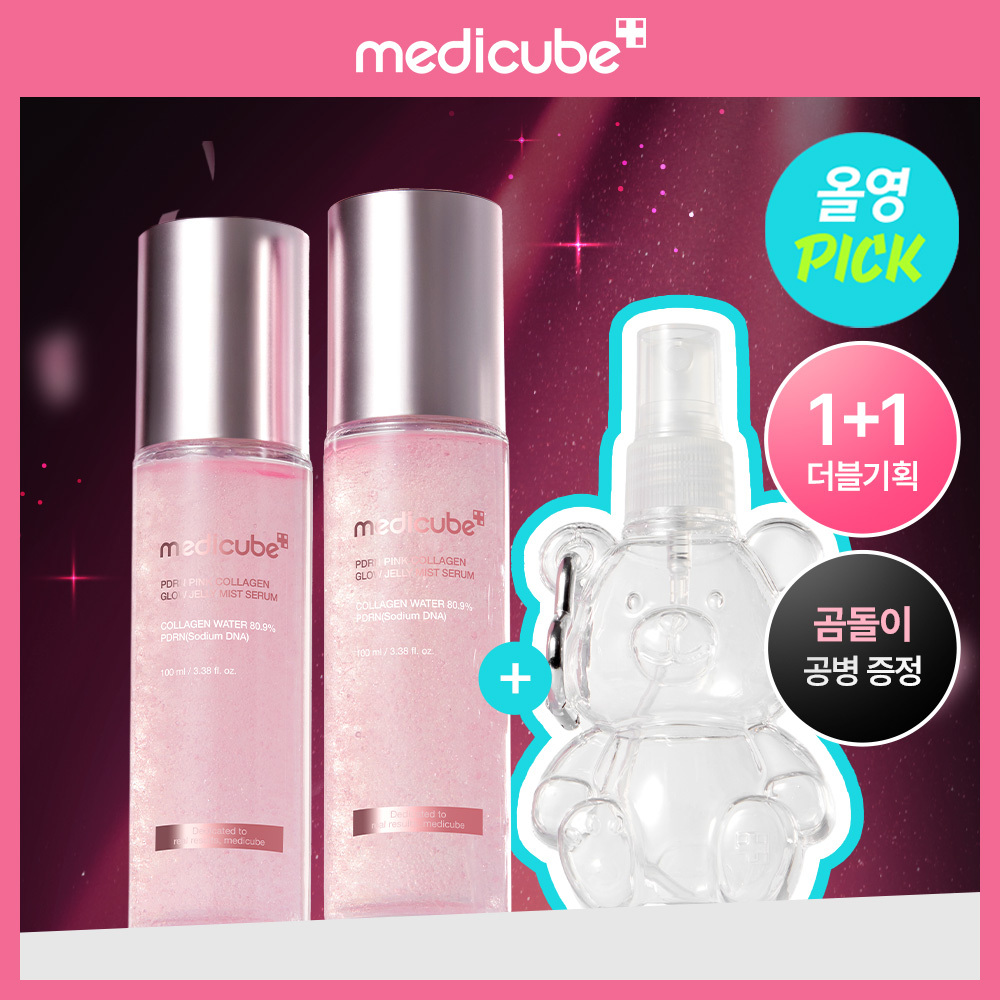
PDRN Pink Collagen Glow Jelly Mist Serum
Medicube

PDRN Reedle Shot Eye Lifter
VT
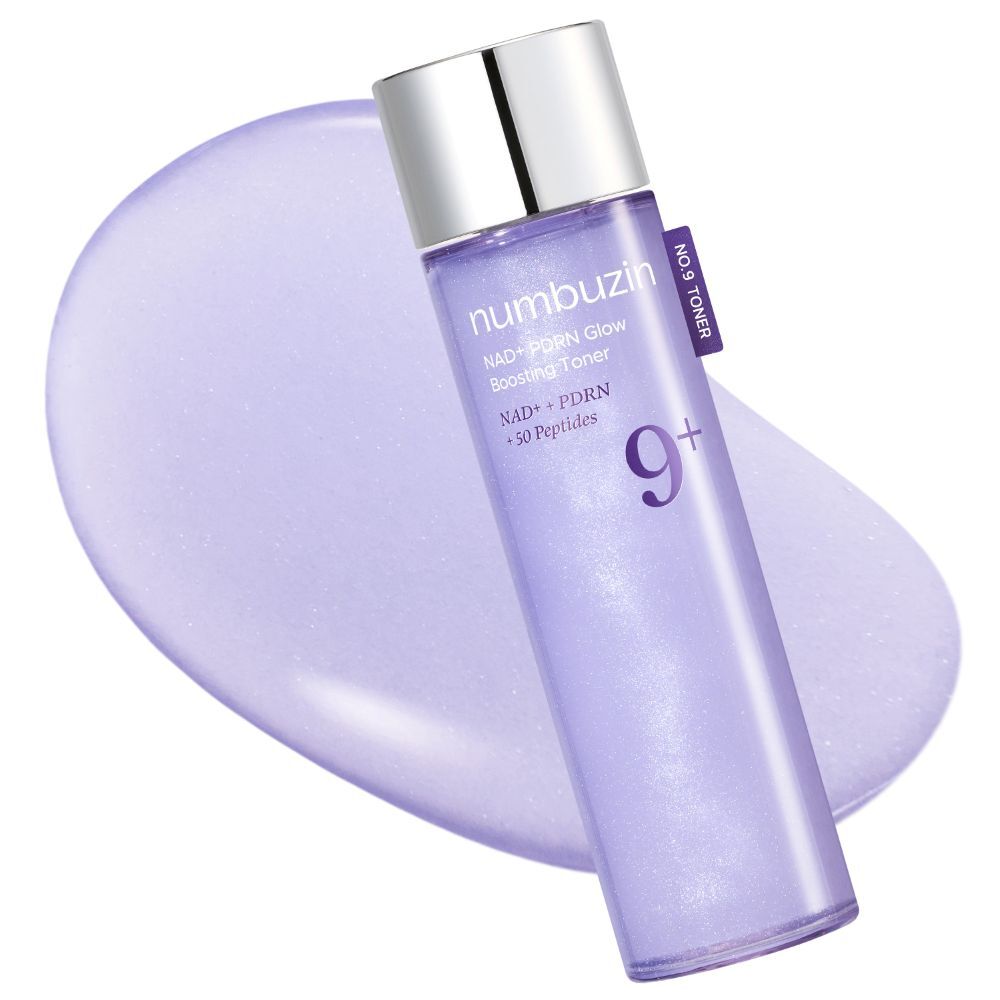
No. 9 NAD PDRN Glow Treatment Toner
Numbuzin
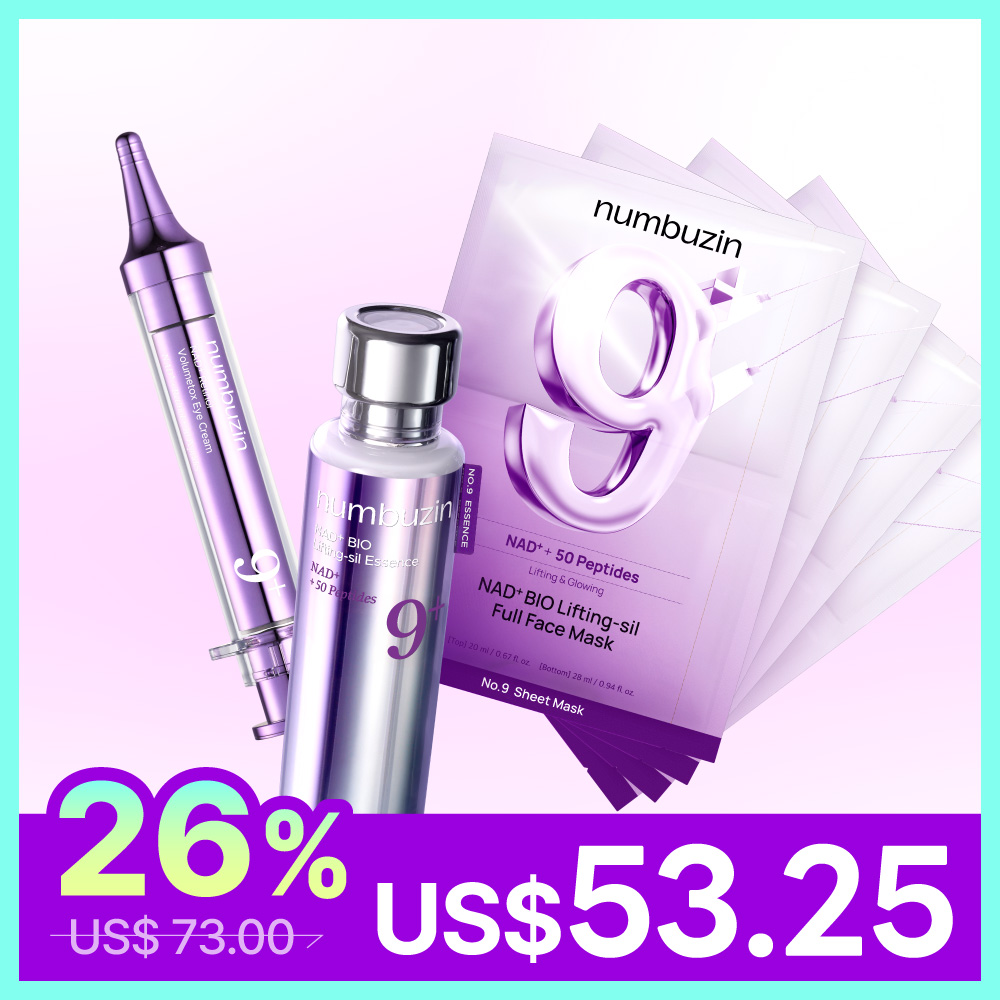
No. 9 NAD Ultimate Lifting Set
Numbuzin
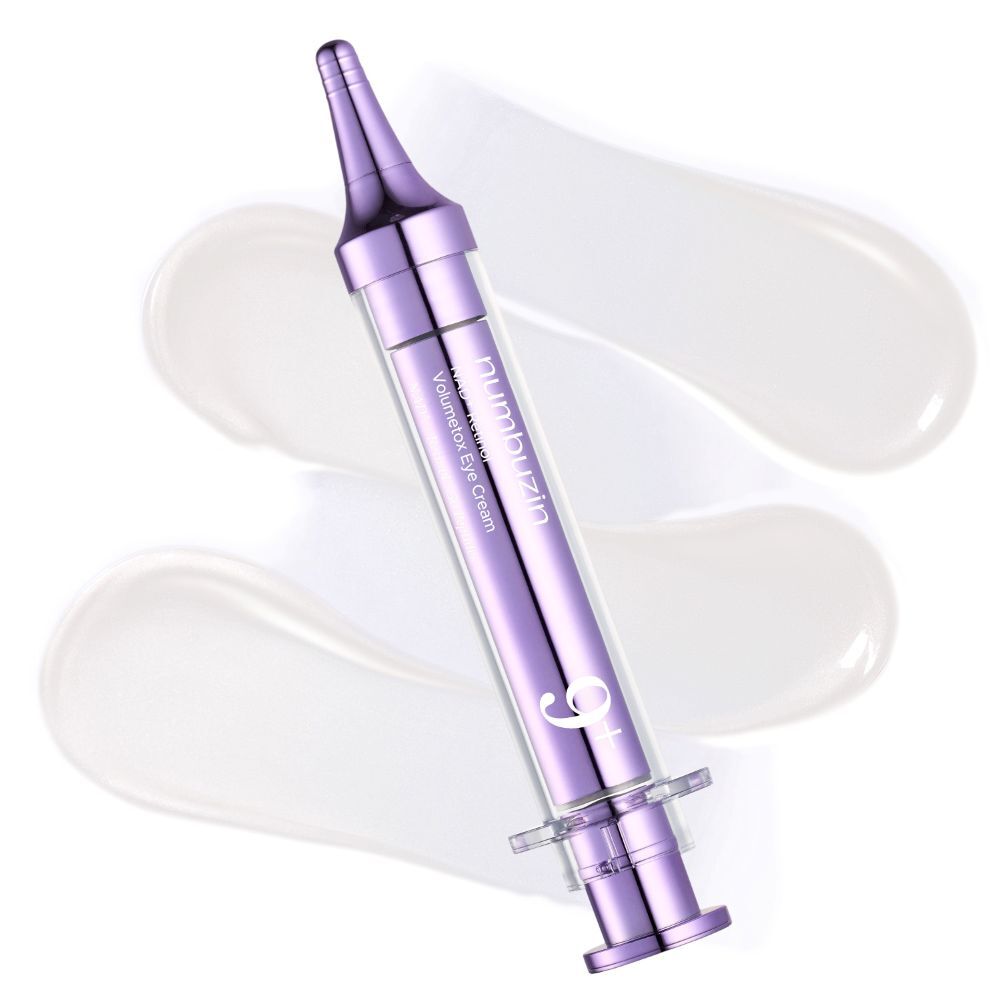
No. 9 NAD RetinA Volume Shot Eye Cream
Numbuzin
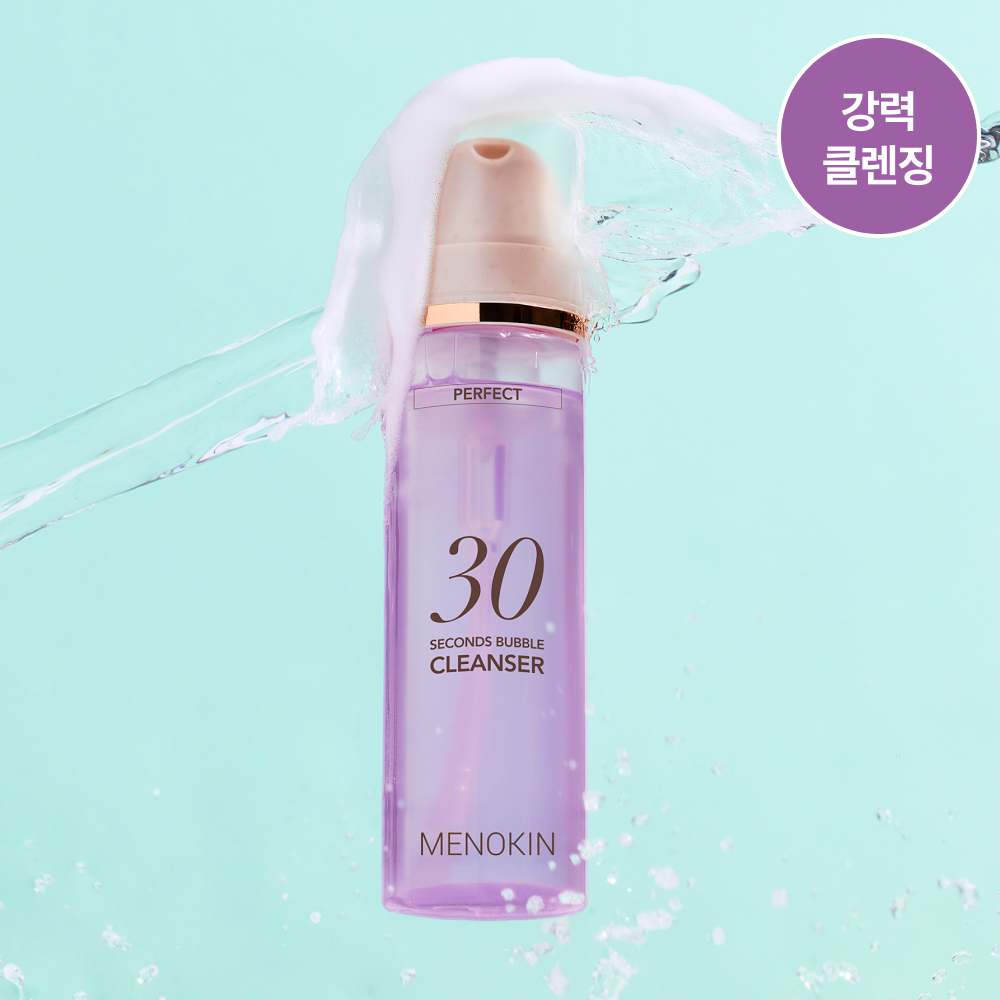
30 Seconds Bubble Cleanser Perfect
MENOKIN
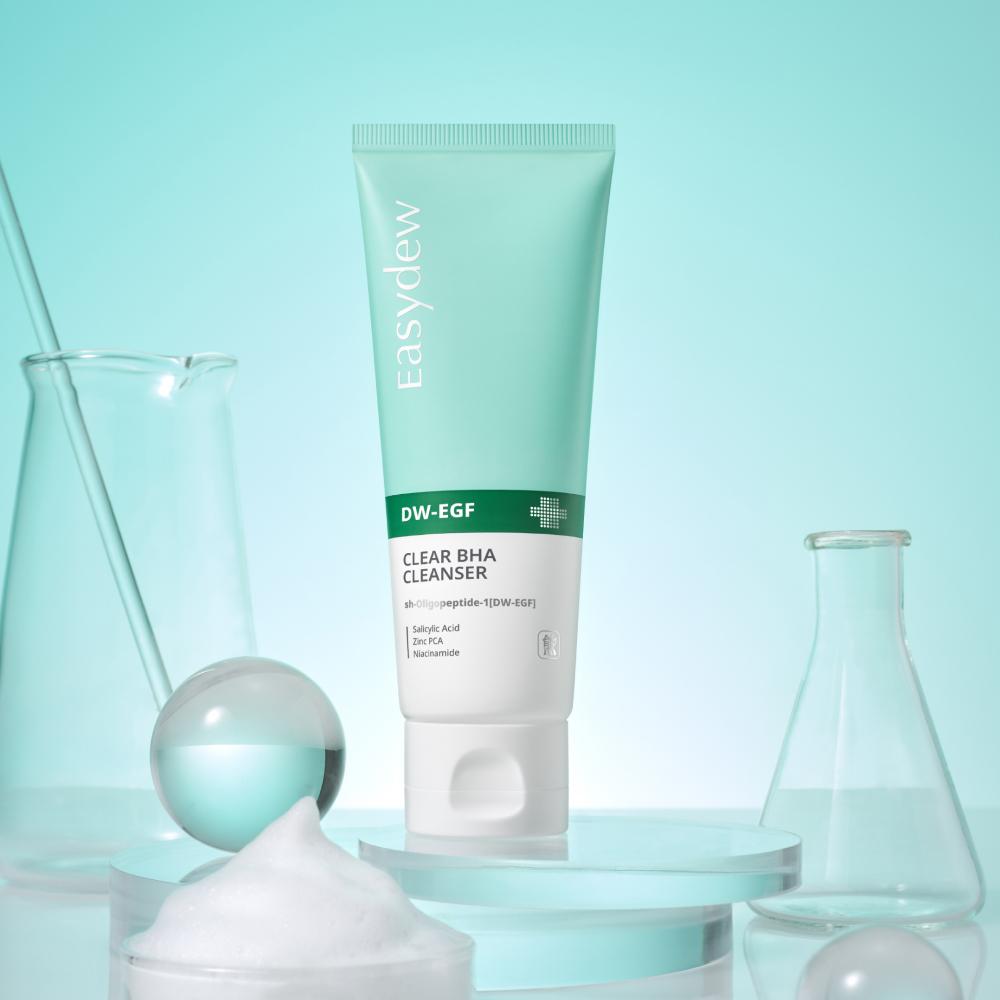
Clear BHA Cleanser
Easydew
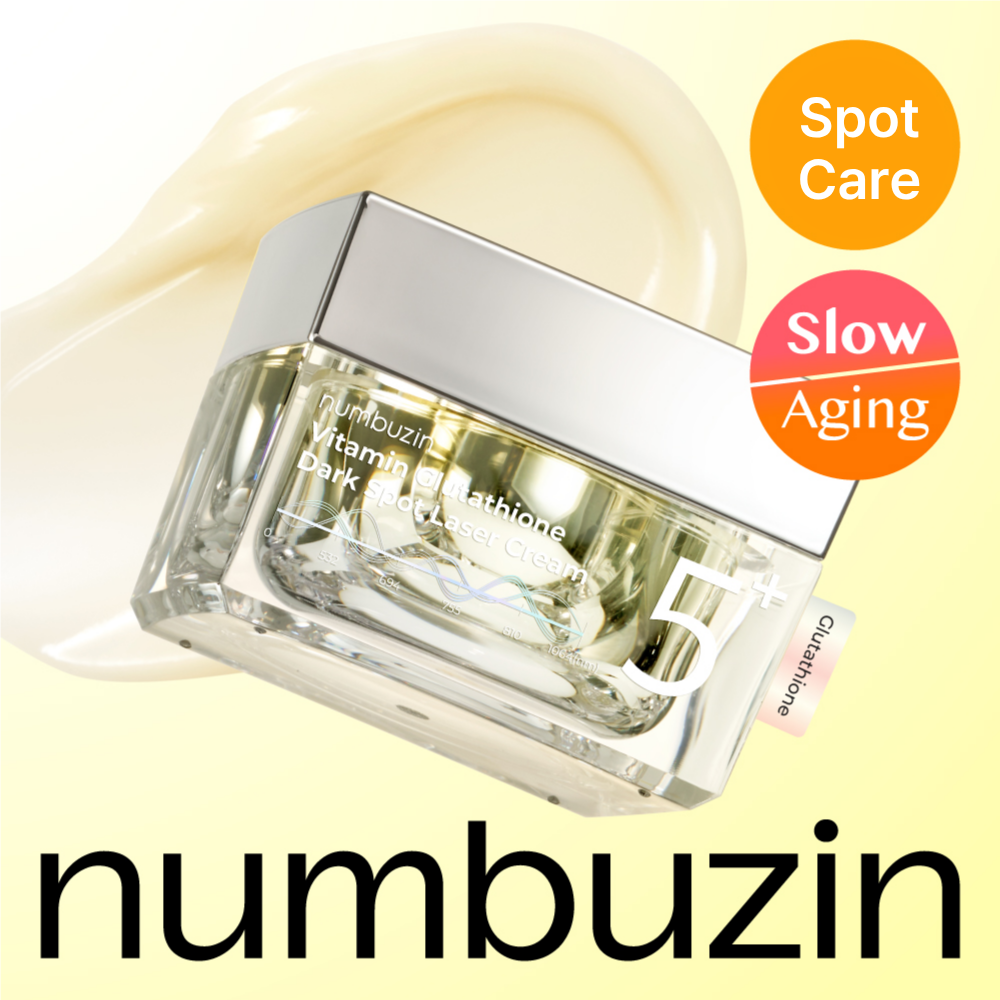
No. 5 Vitamin Glutathione Dark Spot Laser Cream
Numbuzin
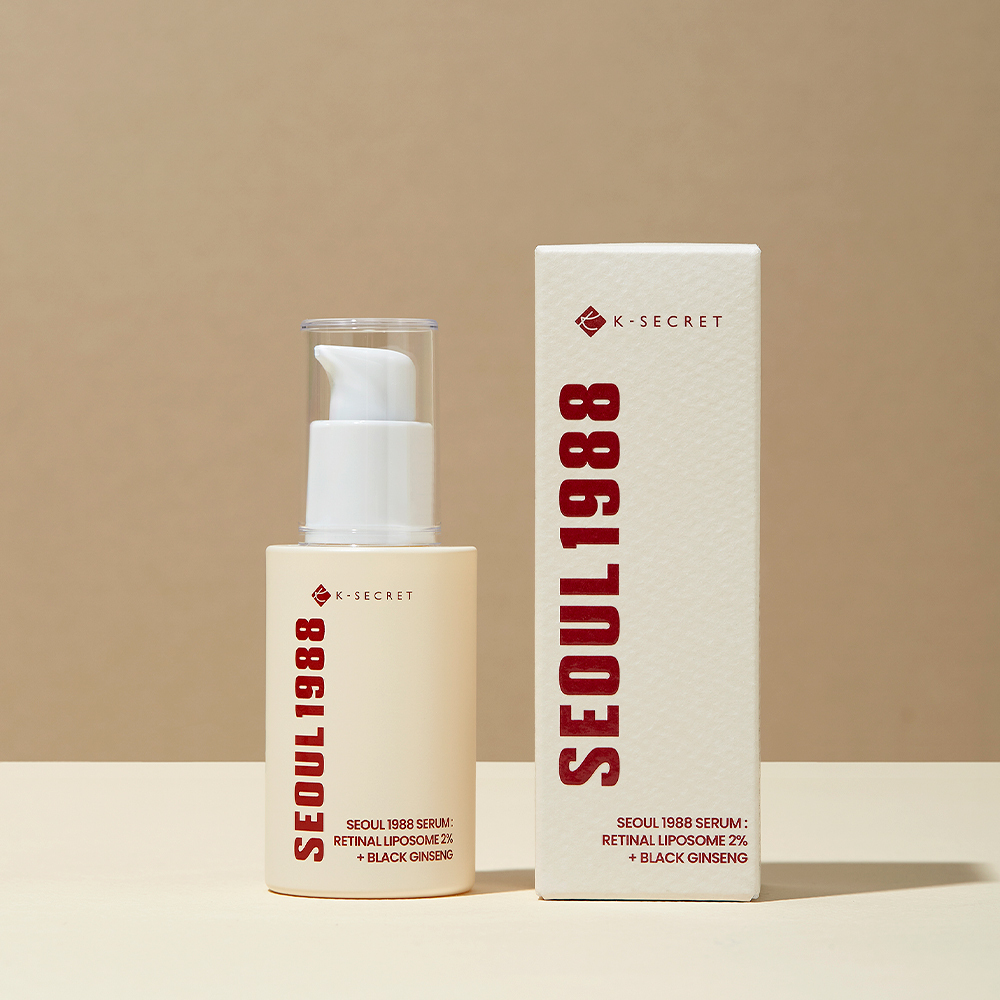
Seoul 1988 Serum: Retinal Liposome 2% + Black Ginseng
KSECRET
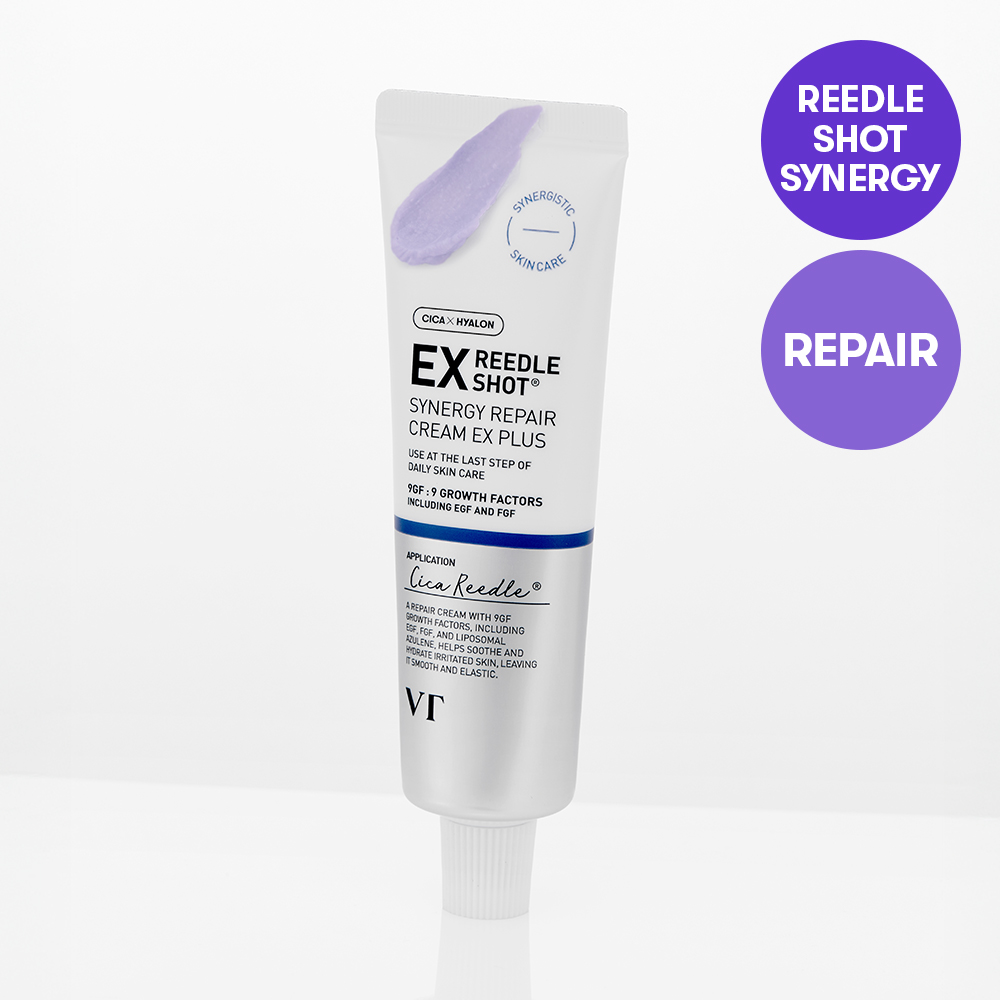
Reedle Shot Synergy Repair Cream EX Plus
VT

Melanon X Ampoule Cleanser
Medi-Peel
Frequently Asked Questions
Is EGF safe for long-term use or does it increase cancer risk?▼
How quickly can I expect to see results from EGF products?▼
Can I use EGF if I'm pregnant or breastfeeding?▼
Does EGF work better alone or combined with other peptides?▼
Why are some EGF products so expensive compared to other peptides?▼
Explore More
Want personalized ingredient advice?
Yuri, our AI beauty advisor, can tell you how EGF (Epidermal Growth Factor) works with your specific skin type, routine, and concerns.
Ask Yuri, free