Recombinant Human Basic Fibroblast Growth Factor (bFGF)
INCI: sh-Polypeptide-1
Cell proliferation and skin regeneration enhancer
About Recombinant Human Basic Fibroblast Growth Factor (bFGF)
Recombinant Human Basic Fibroblast Growth Factor (bFGF), listed as sh-Polypeptide-1 on ingredient labels, is a bioengineered peptide that mimics the naturally occurring growth factor responsible for cellular repair and regeneration in skin. Originally developed for medical wound healing applications, bFGF has become a cornerstone of advanced K-beauty formulations focused on anti-aging and skin recovery. This protein works by signaling fibroblast cells in the dermis to produce more collagen and elastin, essentially telling your skin to behave like younger skin. Unlike surface-level moisturizers, bFGF penetrates to influence cellular behavior at a foundational level, making it particularly valuable for addressing fine lines, loss of elasticity, and overall skin texture. With a comedogenic rating of 0/5, it won't clog pores, making it suitable even for acne-prone users seeking serious anti-aging benefits. Korean brands have embraced this ingredient as part of the science-forward approach that characterizes modern K-beauty, pairing it with complementary actives like panthenol, retinol, and PDRN in products like Demaf's Panthenol 30% Wonder Drops Ampoule (5.0/5) and Numbuzin's No. 9 NAD Bio Lifting-sil Essence (4.9/5). The 51 products containing bFGF on Seoul Sister demonstrate its growing recognition as a legitimate anti-aging powerhouse that delivers measurable results without irritation.
How Recombinant Human Basic Fibroblast Growth Factor (bFGF) Works
bFGF functions as a cellular messenger that binds to specific receptors on fibroblast cells in the dermis, the deeper layer of skin responsible for structural support. When bFGF attaches to these receptors, it triggers a cascade of biological processes including increased DNA synthesis, cell division, and protein production. Specifically, it stimulates fibroblasts to manufacture more collagen type I and III, the proteins that give skin its firmness, and elastin, which provides bounce and resilience. This growth factor also promotes angiogenesis, the formation of new blood vessels, which improves nutrient delivery to skin cells and enhances overall skin metabolism. Additionally, bFGF helps recruit stem cells to sites needing repair and can reduce inflammatory markers that contribute to skin aging. Because it's recombinant (laboratory-grown using biotechnology rather than extracted from human or animal tissue), the ingredient is highly pure, stable, and ethically produced. The "sh" prefix in sh-Polypeptide-1 stands for "synthetic human," indicating its bioidentical nature to the growth factor your body produces naturally, which declines with age.
Recombinant Human Basic Fibroblast Growth Factor (bFGF) by Skin Type
Oily Skin
bFGF is excellent for oily skin because its zero comedogenic rating means it won't contribute to congestion or breakouts while still delivering powerful anti-aging benefits. The lightweight peptide absorbs quickly without leaving residue, and by improving overall skin health and cell turnover, it can actually help normalize sebum production over time.
Dry Skin
Dry skin benefits immensely from bFGF as it addresses the underlying structural damage that often accompanies dehydration and barrier compromise. By stimulating collagen production and improving skin metabolism, bFGF helps restore the skin's ability to retain moisture naturally. Pair it with hydrating ingredients like panthenol (as in the Demaf ampoule) for maximum effect.
Combo Skin
Combination skin types can use bFGF confidently across the entire face thanks to its non-greasy, non-comedogenic profile. It targets aging concerns in drier cheek areas while remaining light enough for oilier T-zones. The cellular regeneration benefits work regardless of surface oil levels, making it an ideal universal treatment.
Sensitive Skin
While generally well-tolerated, sensitive skin should introduce bFGF gradually, especially in formulas combining it with retinol or acids. The safety rating of 4/5 reflects that some users may experience initial adjustment as their skin responds to increased cellular activity. Start with every other night application and monitor for any redness or irritation, though most sensitive users tolerate it well once acclimated.
Normal Skin
Normal skin is the ideal candidate for bFGF as a preventative anti-aging strategy. With no underlying concerns to complicate absorption or tolerance, normal skin types can fully leverage bFGF's regenerative properties to maintain youthful firmness and texture. This is the skin type most likely to see dramatic before-and-after improvements in elasticity and fine lines.
How to Use Recombinant Human Basic Fibroblast Growth Factor (bFGF)
- 1Apply bFGF serums to freshly cleansed skin before heavier creams, as the peptide needs direct contact with skin to bind to cellular receptors effectively.
- 2Store bFGF products in a cool, dark place or refrigerator, as peptides and growth factors can degrade with heat and light exposure over time.
- 3If combining with retinol (like in Skin&Lab's Retinol Repair Serum), start slowly with 2-3 times per week to allow skin to build tolerance to both powerful actives.
- 4Layer with hydrating ingredients like hyaluronic acid or panthenol to support the increased cellular activity bFGF stimulates, which requires adequate moisture for optimal collagen synthesis.
- 5Use consistently for at least 8-12 weeks to see measurable improvements in firmness and texture, as cellular regeneration is a gradual biological process, not an instant cosmetic effect.
Background
Basic Fibroblast Growth Factor was first identified in the 1970s by medical researchers studying tissue repair and wound healing. The protein naturally occurs in human bodies, concentrated in the brain and pituitary gland, where it regulates cell growth and differentiation. Throughout the 1980s and 1990s, scientists developed methods to produce recombinant versions using biotechnology, initially for treating serious burns and diabetic ulcers in clinical settings. Korean pharmaceutical and cosmetic companies were among the first to recognize bFGF's potential for aesthetic applications in the early 2000s, leveraging Korea's advanced biotech capabilities to create stable, effective formulations for consumer skincare. This transition from medical treatment to beauty product exemplifies K-beauty's science-driven innovation philosophy. Today, bFGF represents the convergence of dermatological research and accessible skincare, bringing hospital-grade regenerative technology to everyday routines.
K-Beauty Products with Recombinant Human Basic Fibroblast Growth Factor (bFGF)
View all 57 →
No. 9 NAD Bio Lifting-sil Essence
Numbuzin

PDRN Reedle Shot Eye Lifter
VT
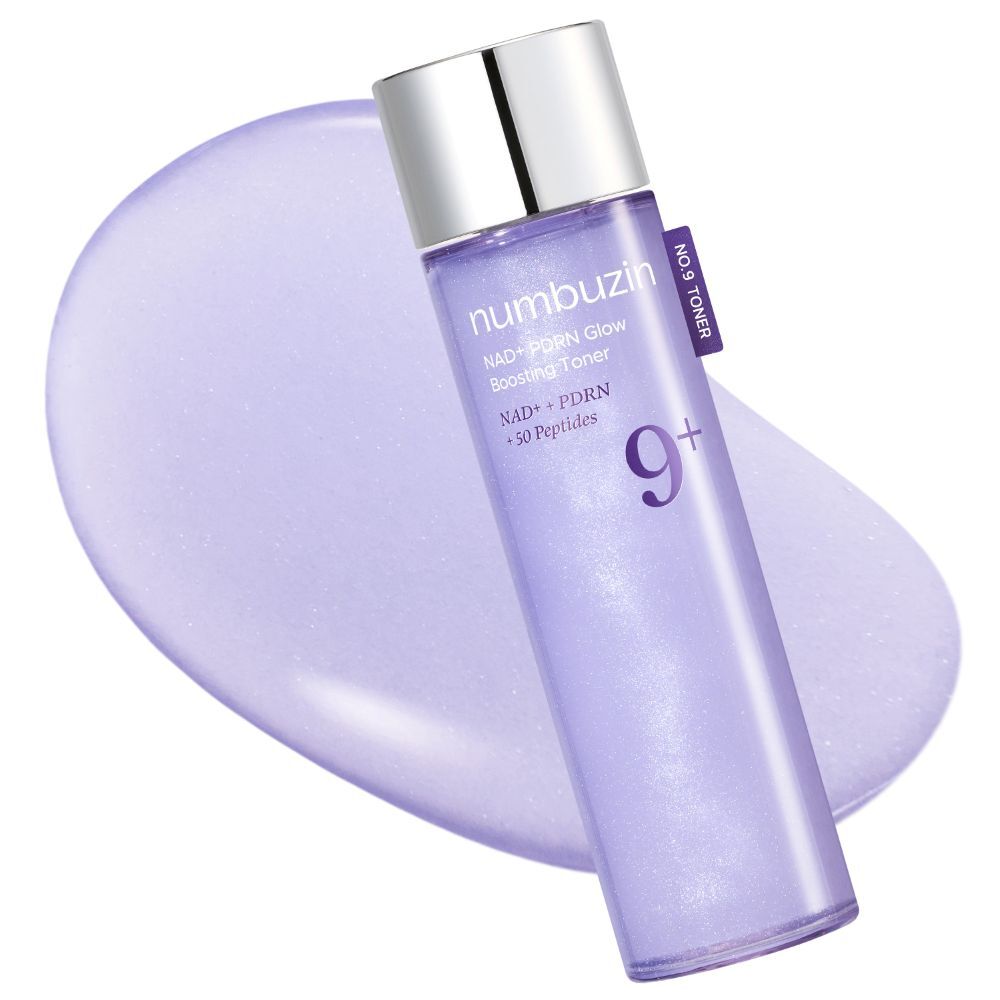
No. 9 NAD PDRN Glow Treatment Toner
Numbuzin
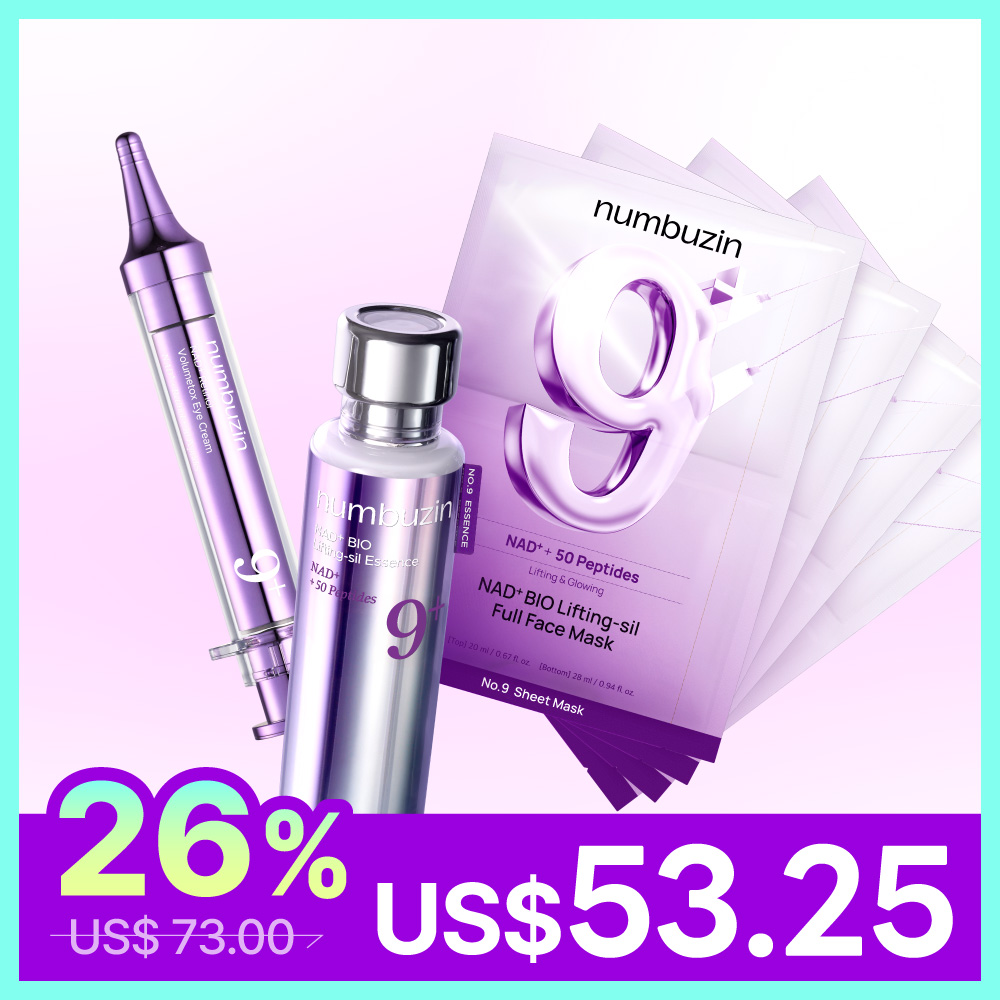
No. 9 NAD Ultimate Lifting Set
Numbuzin
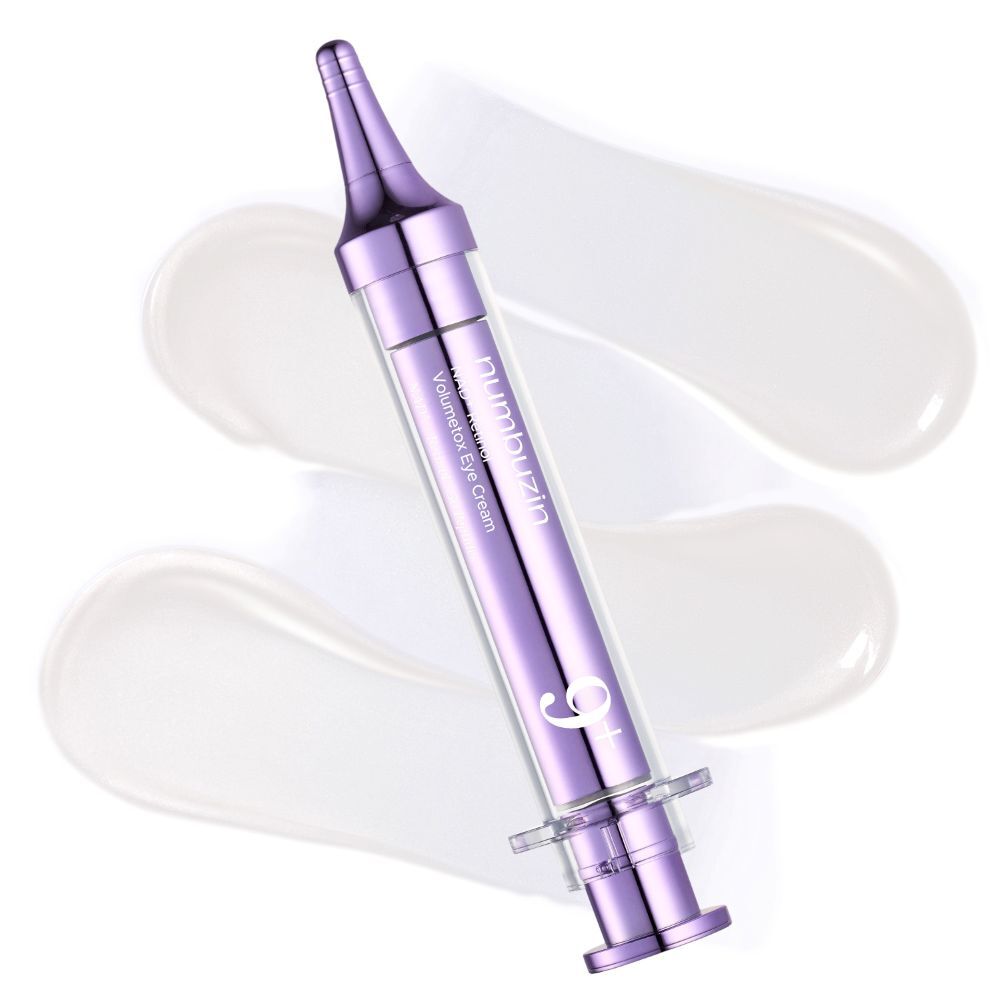
No. 9 NAD RetinA Volume Shot Eye Cream
Numbuzin
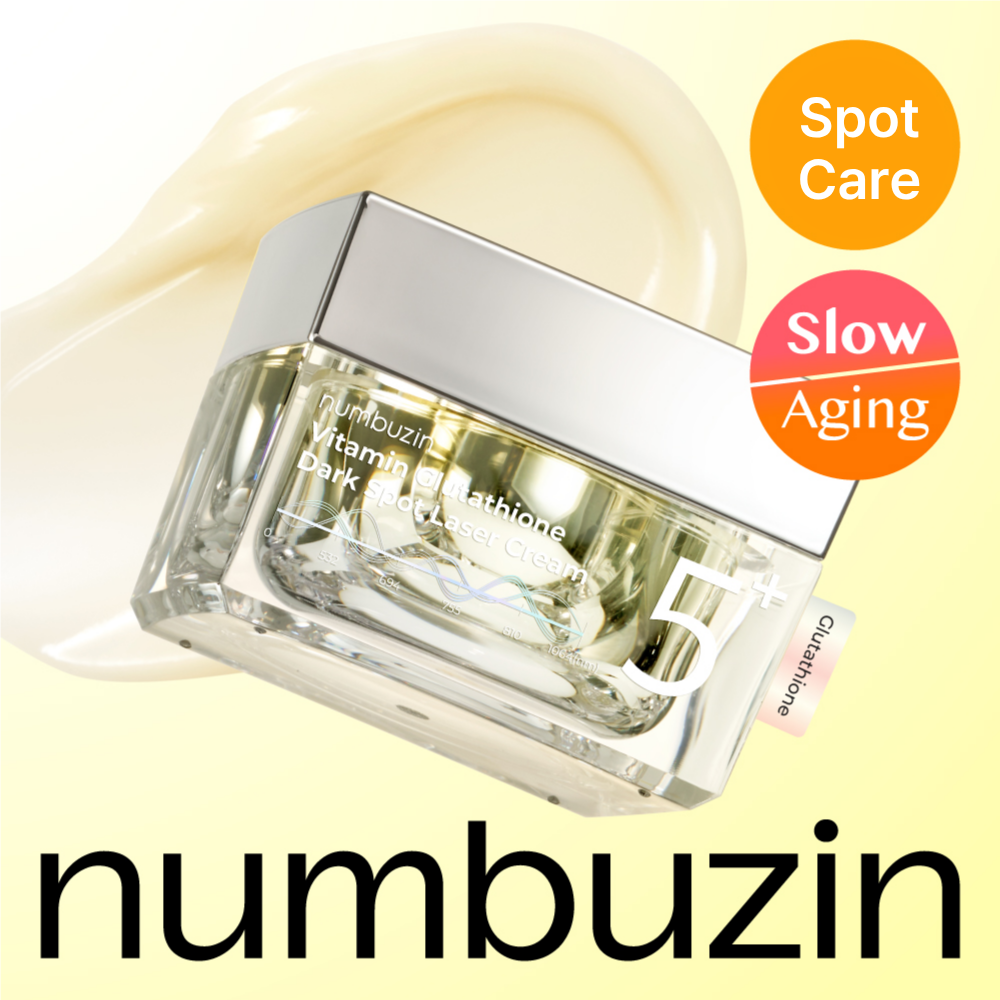
No. 5 Vitamin Glutathione Dark Spot Laser Cream
Numbuzin
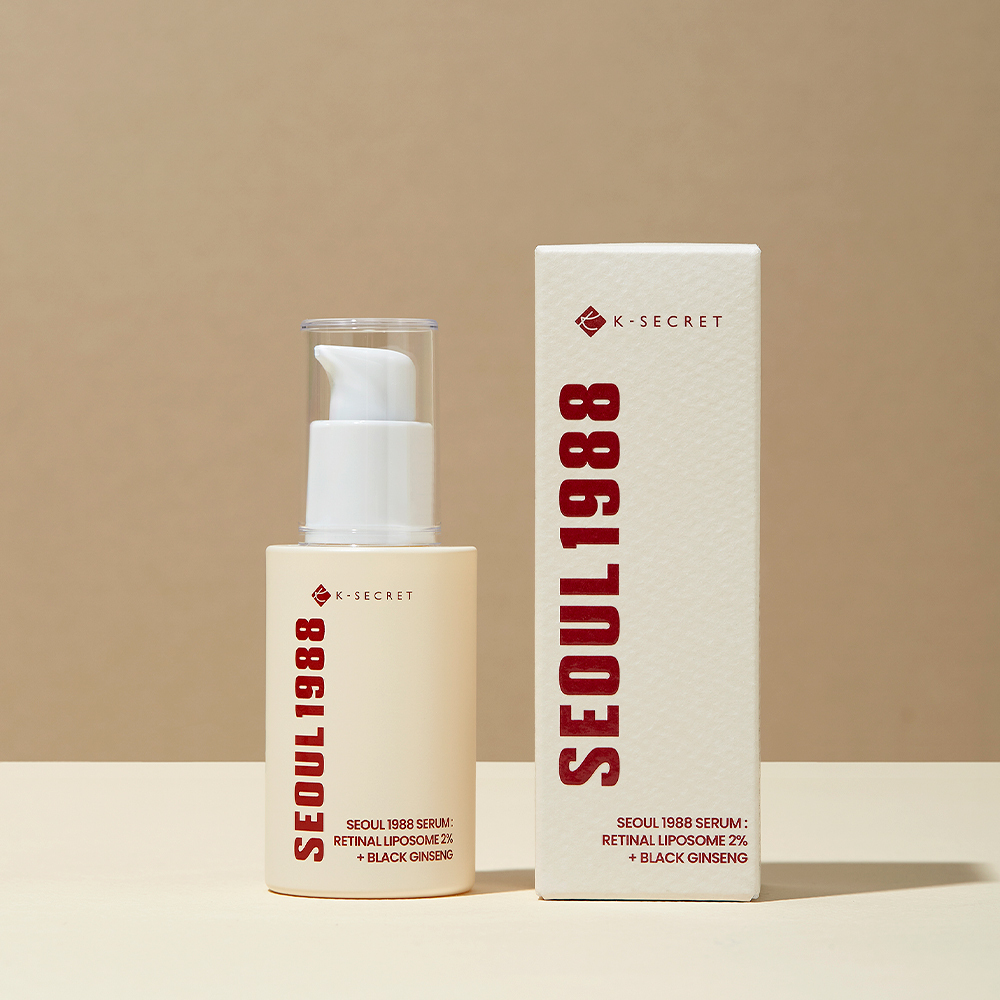
Seoul 1988 Serum: Retinal Liposome 2% + Black Ginseng
KSECRET
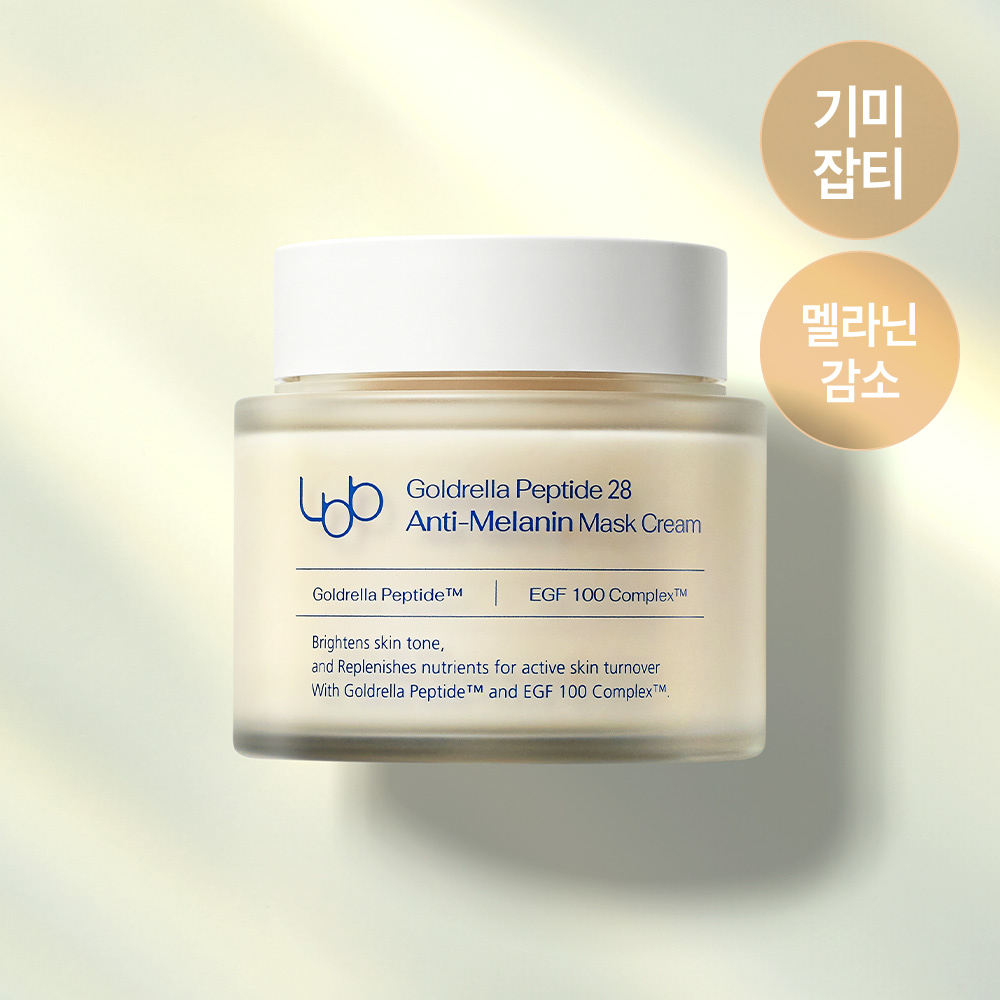
Goldrella Peptide 28 Anti-Melanin Mask Cream
LBB
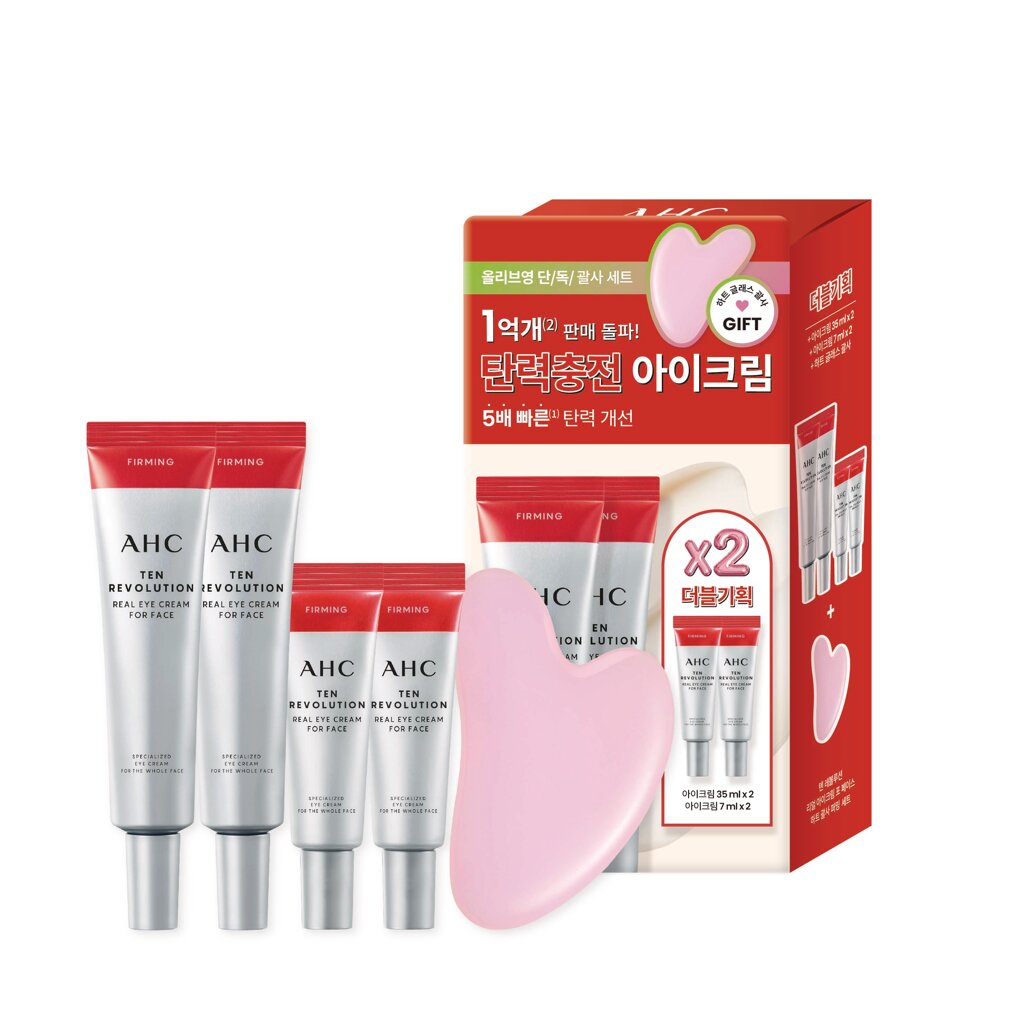
10 Revolution Real Eye Cream For Face
AHC
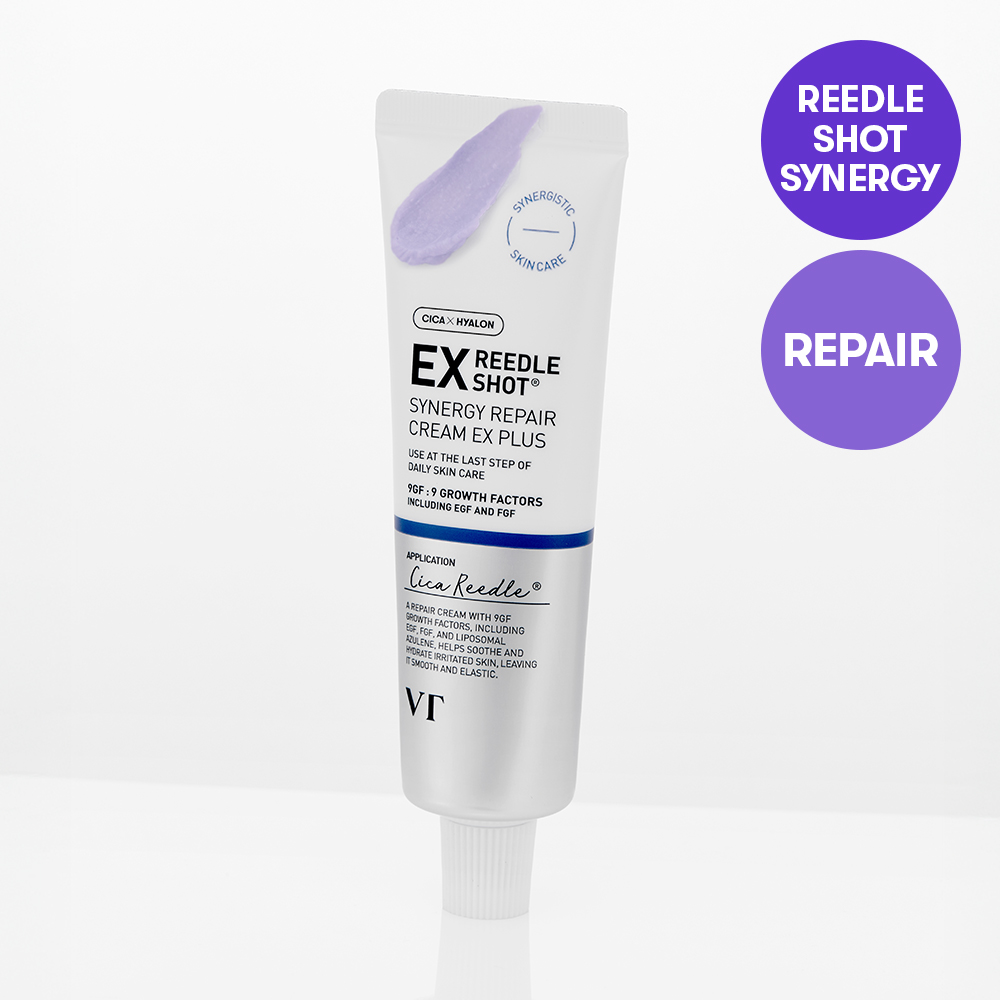
Reedle Shot Synergy Repair Cream EX Plus
VT
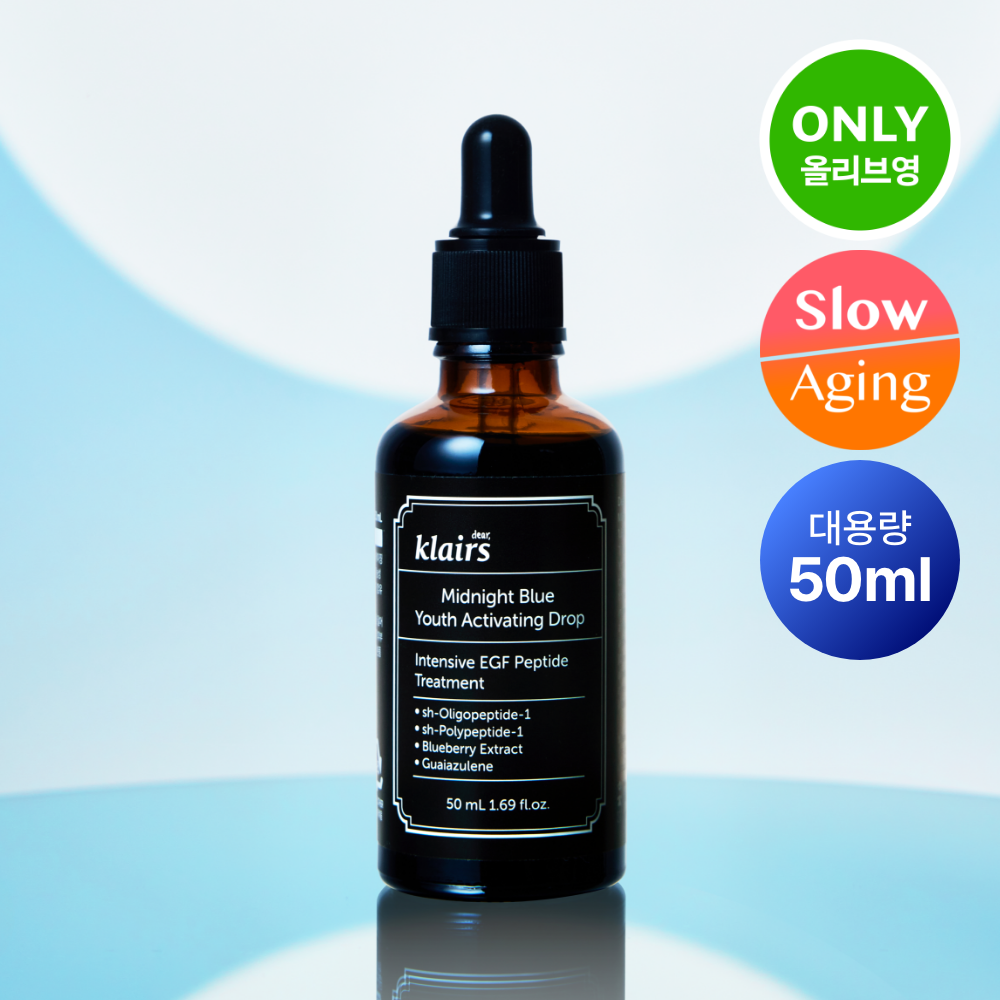
Midnight Blue Youth Activating Drop
Dear, Klairs

Melanon X Ampoule Cleanser
Medi-Peel
Frequently Asked Questions
Is bFGF the same as EGF (Epidermal Growth Factor)?▼
Can I use bFGF if I'm pregnant or breastfeeding?▼
How does bFGF compare to retinol for anti-aging?▼
Why is bFGF more expensive than other anti-aging ingredients?▼
Will bFGF make my skin dependent on it like some actives do?▼
Explore More
Want personalized ingredient advice?
Yuri, our AI beauty advisor, can tell you how Recombinant Human Basic Fibroblast Growth Factor (bFGF) works with your specific skin type, routine, and concerns.
Ask Yuri, free