Acidic Fibroblast Growth Factor (aFGF)
INCI: SH-Polypeptide-11
Stimulates collagen production and cellular regeneration
About Acidic Fibroblast Growth Factor (aFGF)
Acidic Fibroblast Growth Factor (aFGF), listed as SH-Polypeptide-11 on ingredient labels, is a bioengineered peptide that mimics naturally occurring growth factors in human skin. In K-beauty formulations, aFGF has emerged as a powerhouse anti-aging ingredient because it directly communicates with fibroblasts, the cells responsible for producing collagen, elastin, and hyaluronic acid. Unlike topical peptides that simply sit on the skin's surface, aFGF is designed with a smaller molecular structure that allows better penetration into the dermis where aging actually happens. Korean skincare brands have pioneered the use of aFGF in combination with other regenerative ingredients like PDRN (Polydeoxyribonucleotide) and centella asiatica, creating synergistic formulas that address multiple signs of aging simultaneously. With a safety rating of 4/5 and a comedogenic rating of 0/5, aFGF is considered safe for most skin types and won't clog pores, making it accessible to a broader audience than many other anti-aging actives. Currently found in 26 products on Seoul Sister, including top performers like Centellian24's CELLOLOGY Blue Eraser Cream (5.0/5) and Anua's Zeroca 81 Serum (4.9/5), this ingredient represents the cutting edge of K-beauty's science-driven approach to skincare. The ingredient's ability to stimulate cellular turnover means it not only addresses existing signs of aging but also helps prevent future damage by keeping skin cells functioning optimally.
How Acidic Fibroblast Growth Factor (aFGF) Works
At the cellular level, aFGF works by binding to fibroblast growth factor receptors (FGFR) on the surface of skin cells, triggering a cascade of biological signals that instruct cells to produce more collagen and elastin. When aFGF attaches to these receptors, it activates intracellular pathways involving mitogen-activated protein kinases (MAPK), which then travel to the cell nucleus and essentially tell your DNA to ramp up production of structural proteins. This process also stimulates the proliferation of fibroblasts themselves, meaning you get more collagen-producing cells over time. Additionally, aFGF promotes angiogenesis, the formation of new blood vessels, which improves nutrient delivery to skin cells and accelerates wound healing. The peptide also enhances the synthesis of glycosaminoglycans like hyaluronic acid, which helps maintain skin hydration and plumpness. Because aFGF is biosynthetic rather than animal-derived, it's more stable in formulations and less likely to cause immune reactions. The ingredient's regenerative effects become visible after consistent use (typically 4-8 weeks), as the increased collagen production gradually improves skin texture, reduces fine lines, and enhances overall firmness.
Acidic Fibroblast Growth Factor (aFGF) by Skin Type
Oily Skin
aFGF is excellent for oily skin because its non-comedogenic formula won't clog pores or contribute to breakouts. The ingredient helps regulate sebum production indirectly by improving overall skin health and barrier function. Products like VT's PDRN Reedle Shot Eye Lifter (4.8/5) combine aFGF with lightweight textures that absorb quickly without leaving residue.
Dry Skin
Dry skin benefits significantly from aFGF's ability to stimulate hyaluronic acid production within the skin, addressing dehydration at its source rather than just adding temporary moisture. The collagen-boosting effects also help repair compromised skin barriers common in chronically dry skin. Formulas like Centellian24's CELLOLOGY Blue Eraser Cream (5.0/5) pair aFGF with rich moisturizing bases for maximum hydration.
Combo Skin
For combination skin, aFGF offers balanced benefits without disrupting the delicate equilibrium between oily and dry zones. Its cellular regeneration properties work uniformly across different areas, improving texture and tone without exacerbating oiliness in the T-zone. The non-comedogenic rating makes it safe for use all over the face, including congestion-prone areas.
Sensitive Skin
Sensitive skin types should introduce aFGF gradually, as the increased cellular activity can sometimes cause temporary irritation during the adjustment period. However, its regenerative properties actually help strengthen sensitive skin over time by improving barrier function. Products like Dear, Klairs Midnight Blue Calming Cream (4.8/5) formulate aFGF alongside soothing ingredients like centella asiatica to minimize irritation potential.
Normal Skin
Normal skin can use aFGF as a preventative anti-aging measure, maintaining optimal collagen levels before significant degradation occurs. The ingredient helps preserve skin's youthful function and appearance when started in the mid-to-late twenties. Lightweight options like Anua's Zeroca 81 Serum (4.9/5) work perfectly for normal skin that doesn't need heavy moisturization.
How to Use Acidic Fibroblast Growth Factor (aFGF)
- 1Apply aFGF products to slightly damp skin after cleansing and toning for better absorption, as the peptide penetrates more effectively when the skin barrier is temporarily more permeable.
- 2Start with once-daily application (preferably at night) for the first two weeks to let your skin adjust to the increased cellular activity, then increase to twice daily if no sensitivity occurs.
- 3Layer aFGF serums or creams before heavier occlusives but after watery essences, typically as the third or fourth step in your K-beauty routine to ensure proper penetration.
- 4Pair with vitamin C in your morning routine and retinoids at night (on alternating nights if you're new to actives) for comprehensive anti-aging benefits, though introduce new actives one at a time.
- 5Store aFGF products in a cool, dark place and use within six months of opening, as peptides can degrade with heat and light exposure, reducing their effectiveness over time.
Background
Fibroblast growth factors were first discovered in the 1970s during research into wound healing and tissue regeneration. Scientists identified 23 different FGF proteins in the human body, with acidic FGF (FGF-1) being one of the first characterized. Originally studied for medical applications like burn treatment and diabetic wound healing, the cosmetic potential of aFGF became apparent in the 1990s when researchers observed its remarkable ability to stimulate collagen synthesis in aging skin. Korean biotech companies pioneered the development of biosynthetic versions of aFGF in the early 2010s, using recombinant DNA technology to produce stable, vegan-friendly peptides that could be incorporated into skincare formulations. This breakthrough allowed K-beauty brands to move beyond traditional peptides and offer more targeted, scientifically advanced anti-aging solutions. The ingredient gained massive popularity in Korea around 2018-2020 as part of the "dermocosmetics" trend, where pharmaceutical-grade ingredients crossed over into premium skincare. Today, aFGF represents K-beauty's commitment to evidence-based innovation, bridging the gap between medical treatments and accessible daily skincare.
K-Beauty Products with Acidic Fibroblast Growth Factor (aFGF)
View all 32 →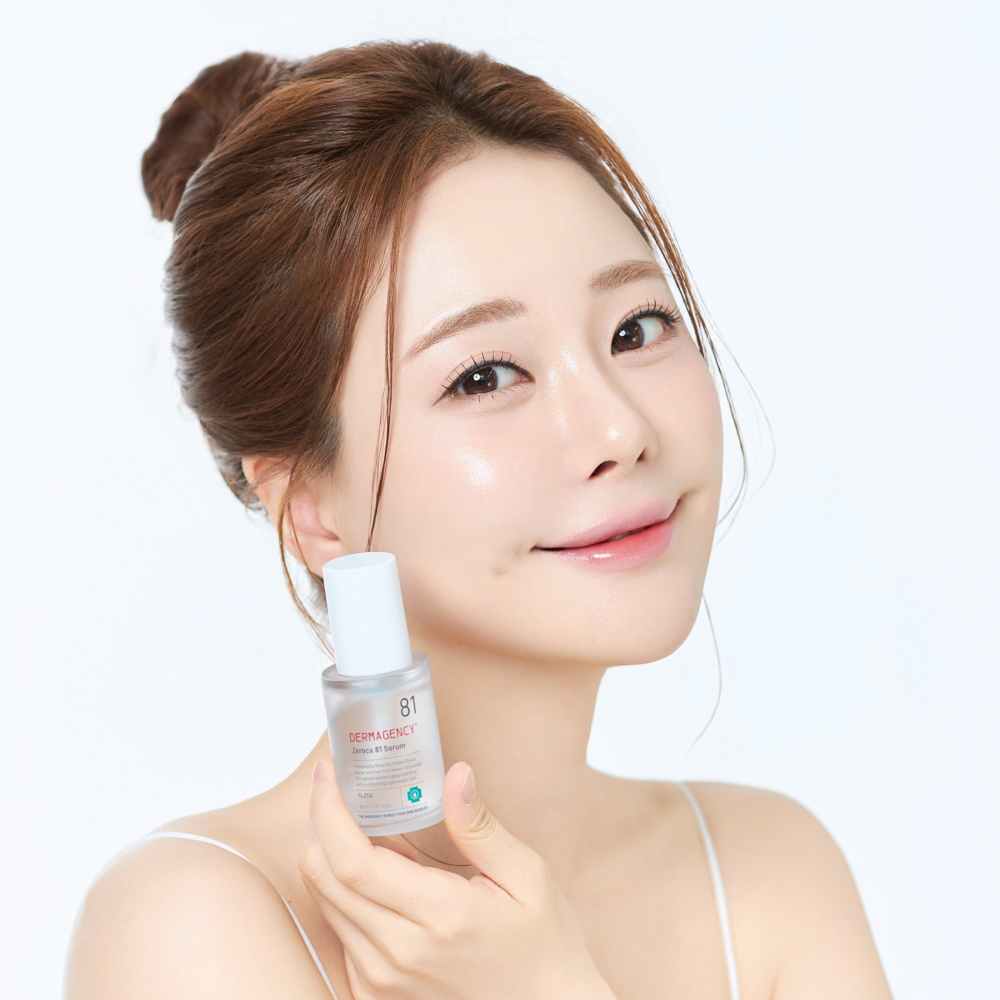
Zeroca 81 Serum
Anua

PDRN Reedle Shot Eye Lifter
VT
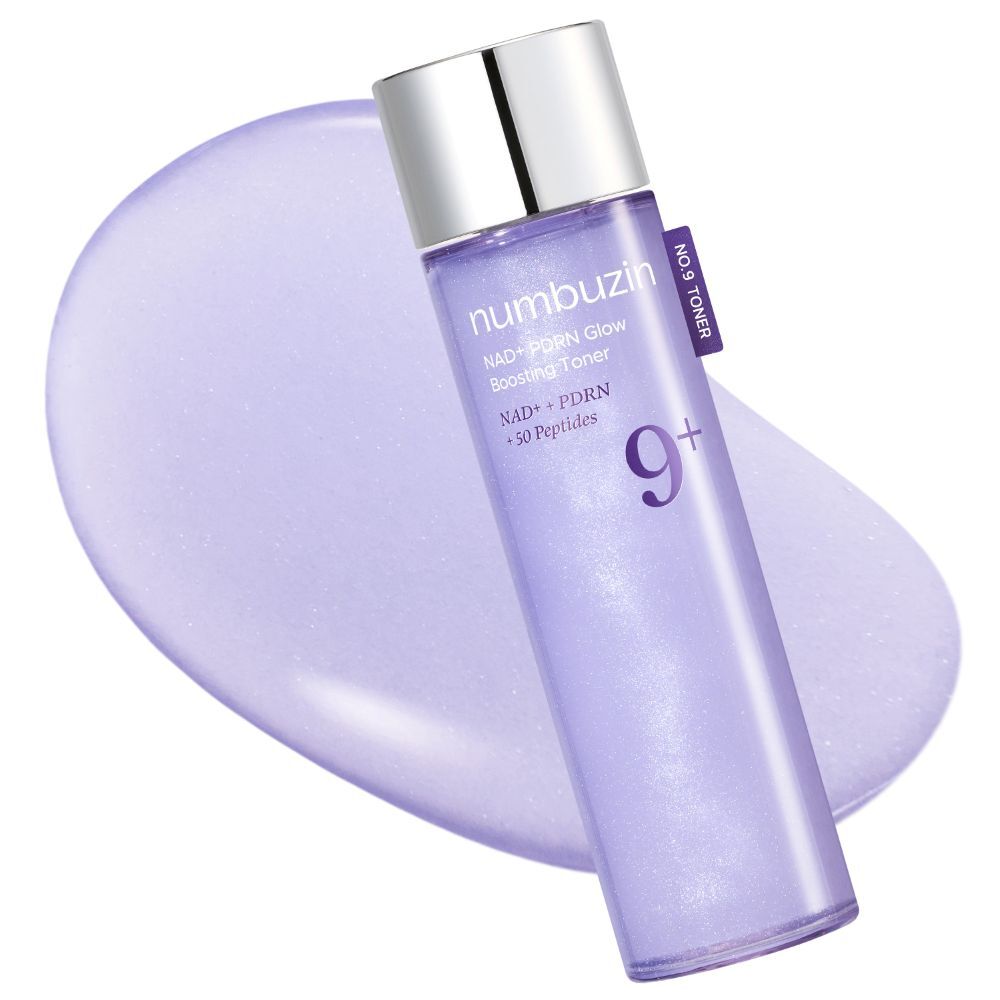
No. 9 NAD PDRN Glow Treatment Toner
Numbuzin
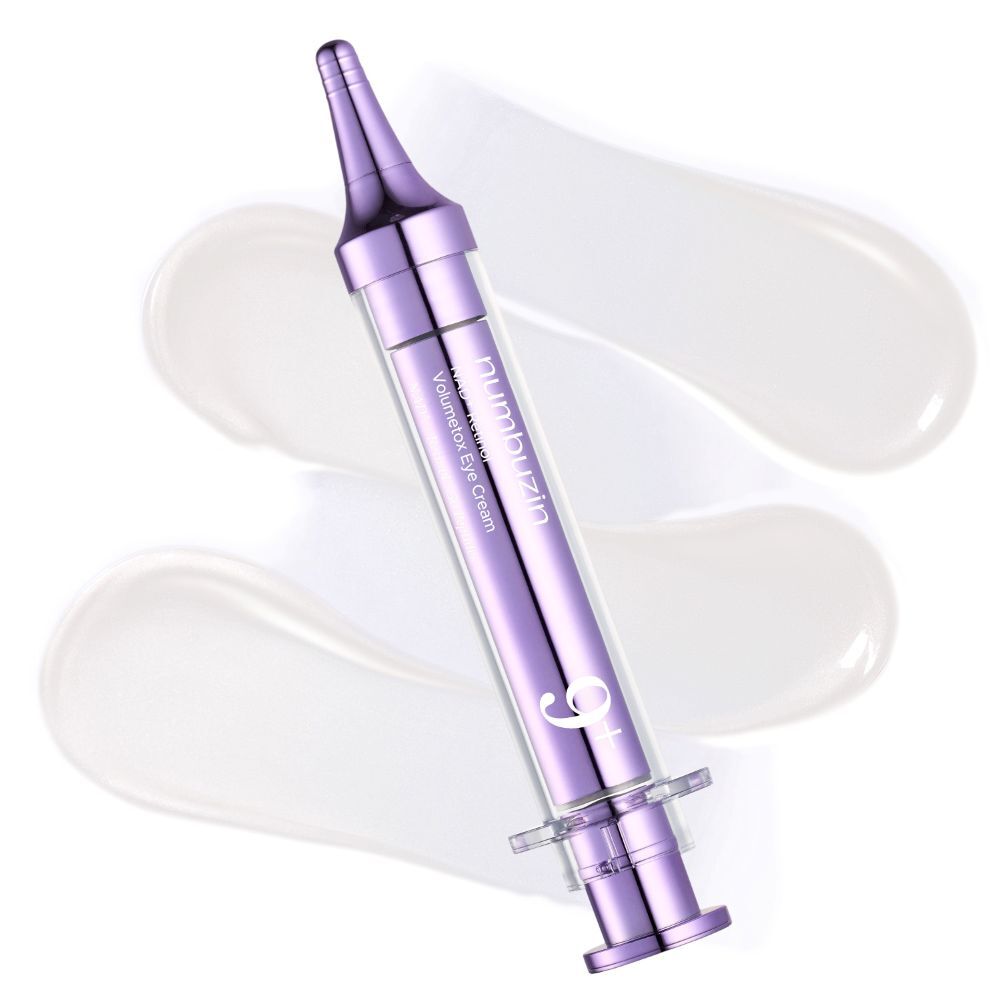
No. 9 NAD RetinA Volume Shot Eye Cream
Numbuzin
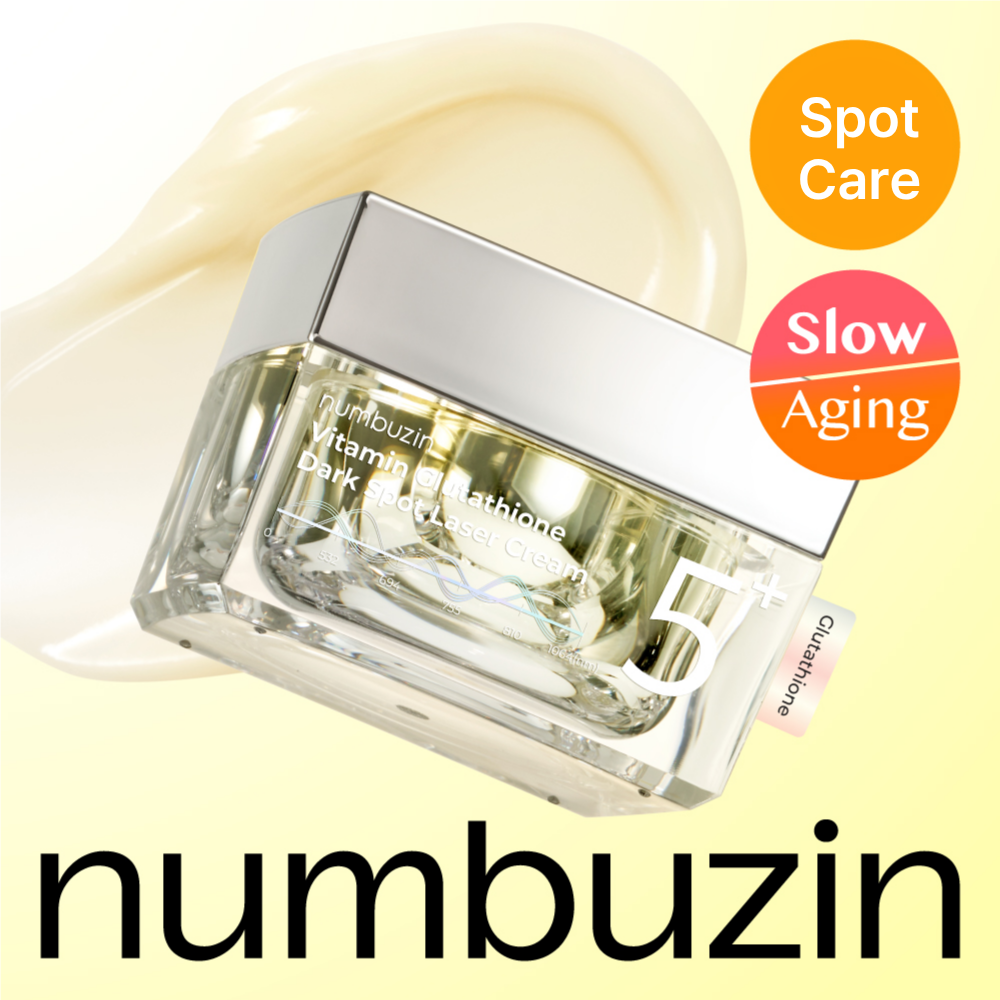
No. 5 Vitamin Glutathione Dark Spot Laser Cream
Numbuzin
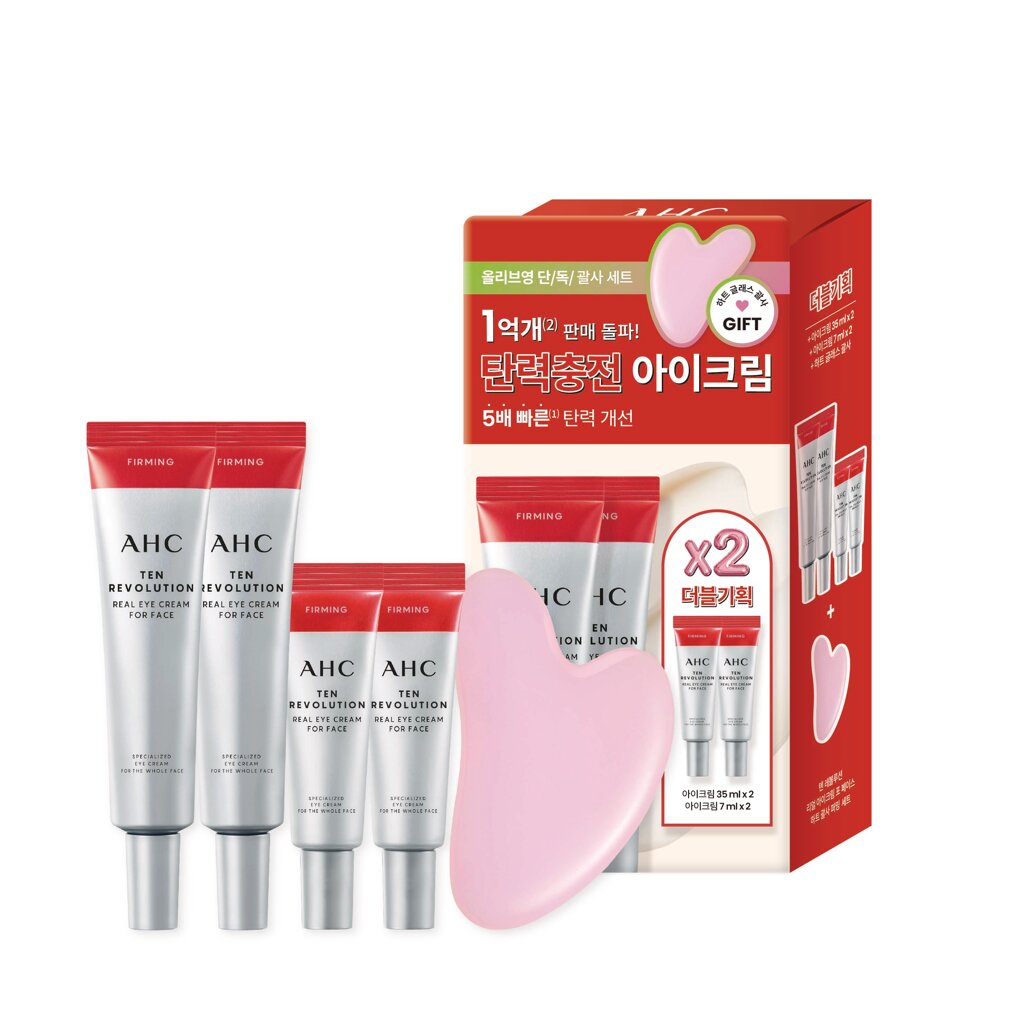
10 Revolution Real Eye Cream For Face
AHC
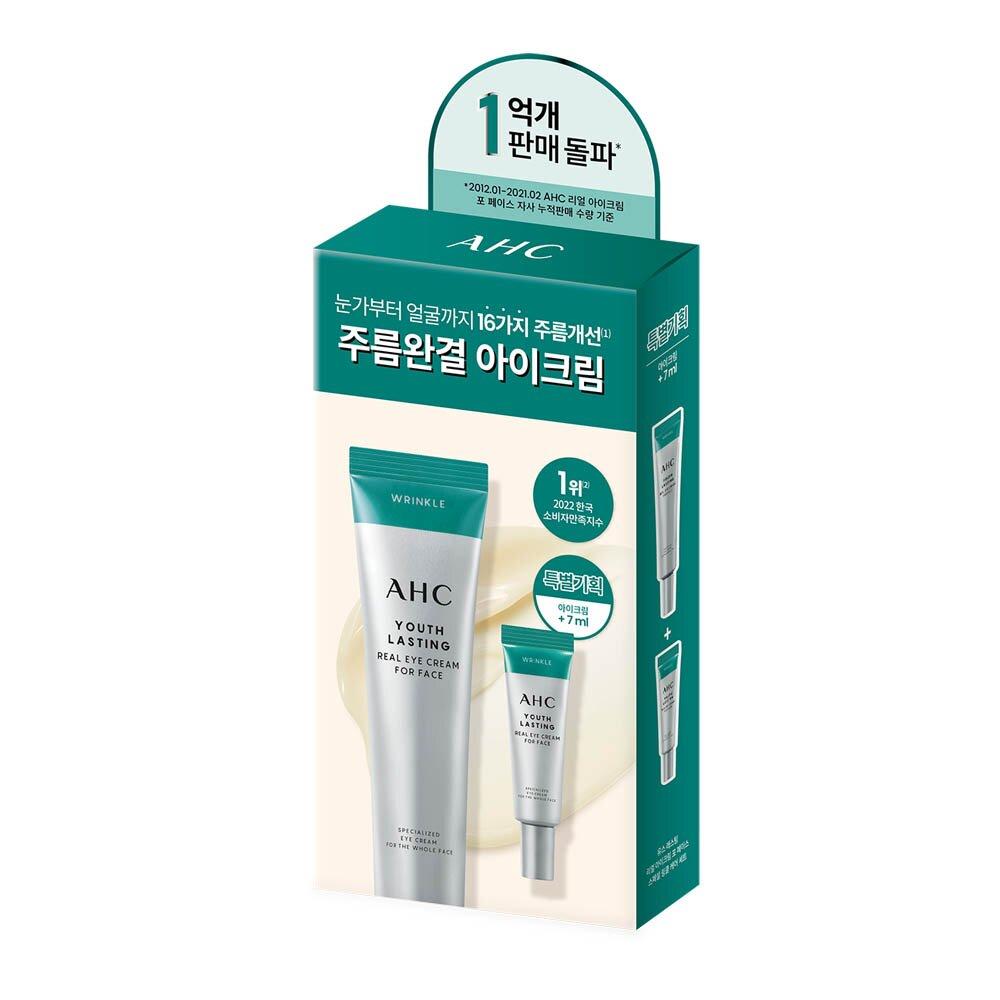
Youth Lasting Real Eye Cream For Face Special Wrinkle Care Set
AHC
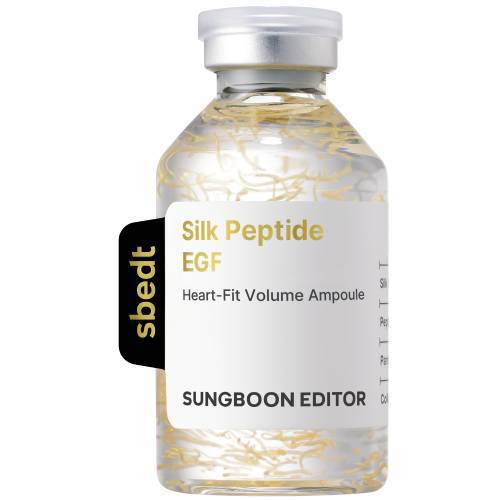
Silk Peptide EGF Heart Fit Volume Lifting Ampoule
Sungboon Editor
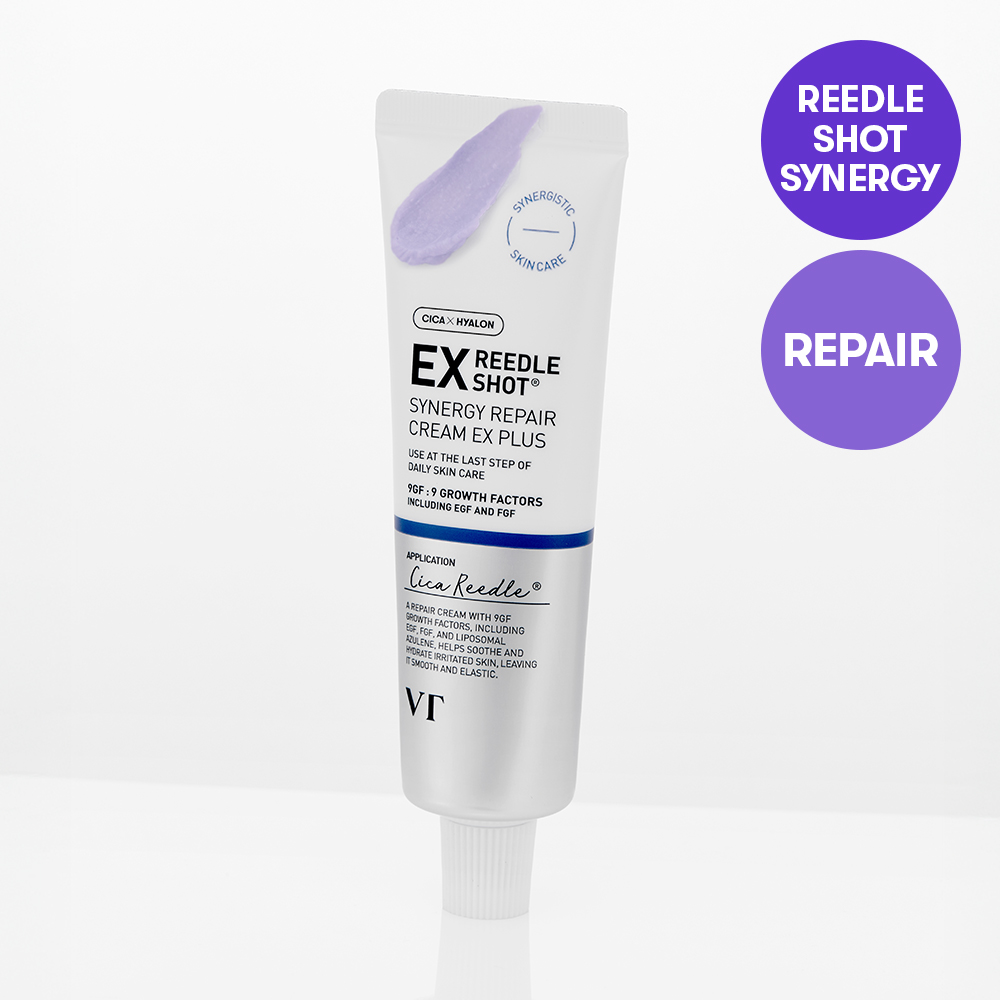
Reedle Shot Synergy Repair Cream EX Plus
VT
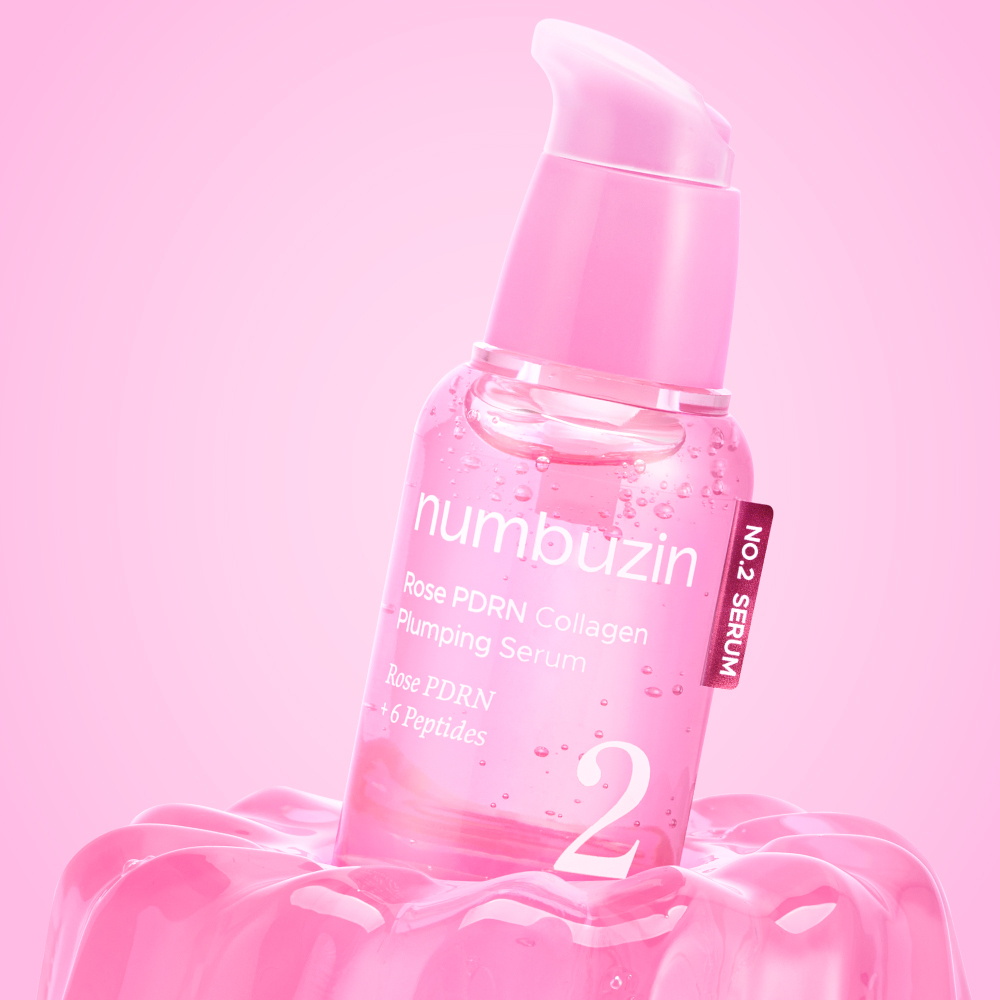
No. 2 PDRN Collagen Plumping Serum
Numbuzin
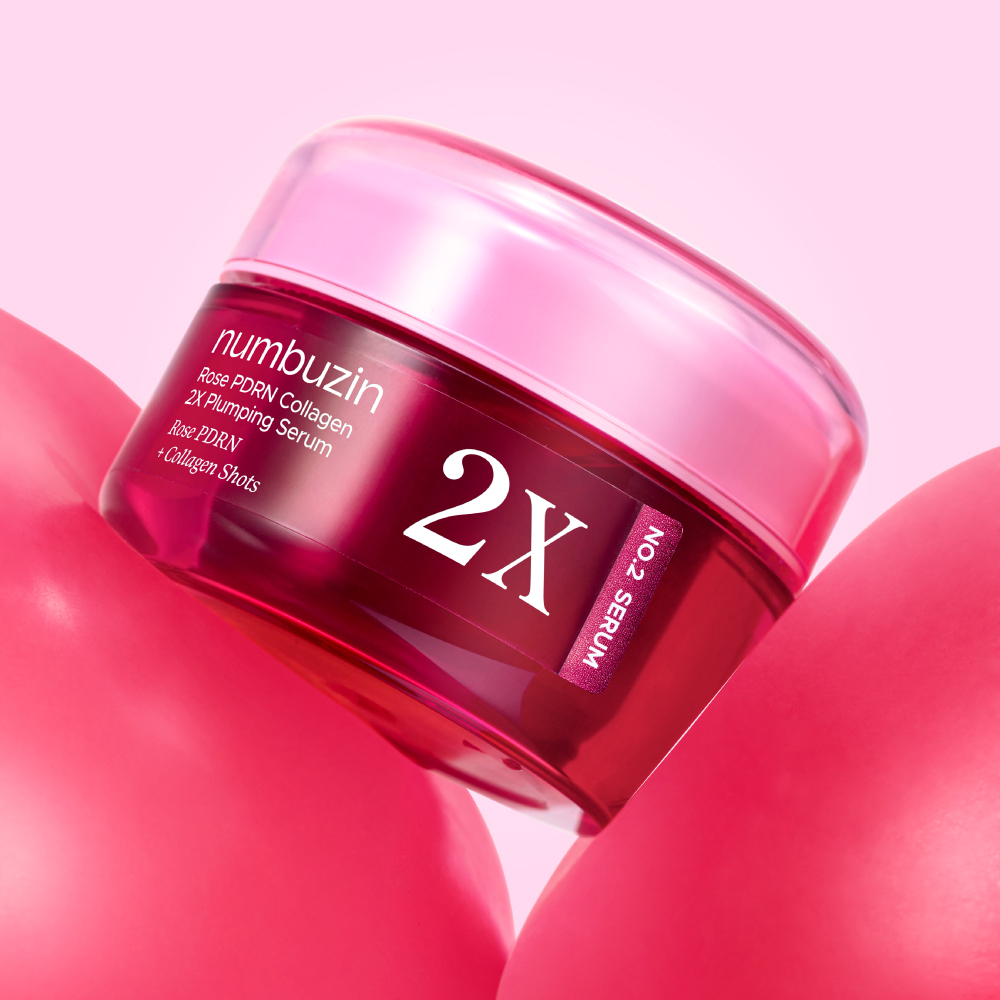
No. 2 Rose PDRN Collagen 2X Plumping Serum
Numbuzin

No. 2 Rose PDRN Collagen Plumping Serum Duo
Numbuzin
Frequently Asked Questions
How long does it take to see results from aFGF products?▼
Can I use aFGF with retinol or vitamin C?▼
Is aFGF suitable for acne-prone skin?▼
What's the difference between aFGF and other growth factors like EGF?▼
Are there any ingredients that conflict with aFGF?▼
Explore More
Want personalized ingredient advice?
Yuri, our AI beauty advisor, can tell you how Acidic Fibroblast Growth Factor (aFGF) works with your specific skin type, routine, and concerns.
Ask Yuri, free