Epidermal Growth Factor (EGF)
INCI: sh-Polypeptide-22
Cell regeneration and wound healing peptide
About Epidermal Growth Factor (EGF)
Epidermal Growth Factor (EGF), listed as sh-Polypeptide-22 on ingredient labels, is a bioengineered peptide that mimics the growth factors naturally produced by your skin cells. Originally discovered in wound healing research (which earned its discoverer a Nobel Prize in 1986), EGF became a K-beauty phenomenon in the 2010s when Korean labs perfected stable, synthetic versions that could survive in skincare formulations. This peptide signals your skin cells to produce more collagen, accelerate cell turnover, and repair damage at a cellular level. Think of it as a molecular messenger that tells aging or damaged skin to act young again. Korean brands particularly excel at incorporating EGF into serums and creams because they've mastered the delicate balance of keeping this sensitive ingredient stable while ensuring it penetrates effectively. With a non-comedogenic rating of 0/5, EGF won't clog pores, but its moderate safety rating of 3/5 reflects ongoing discussions in the scientific community about long-term use of growth-stimulating ingredients. Currently featured in 34 K-beauty products on Seoul Sister, EGF appears in highly rated formulations like Centellian24's CELLOLOGY Blue Eraser Cream (5.0/5) and Numbuzin's No. 9 NAD Bio Lifting-sil Essence (4.9/5), often combined with other anti-aging powerhouses for maximum regenerative effect.
How Epidermal Growth Factor (EGF) Works
EGF works by binding to specific receptors on the surface of your skin cells, triggering a cascade of cellular activities that essentially wake up dormant or sluggish cells. When EGF attaches to its receptor (called EGFR), it activates pathways inside the cell that increase DNA synthesis, protein production, and cell division. This means your skin produces fresh, healthy cells faster while simultaneously ramping up collagen and elastin production in the dermis. The peptide also enhances the skin's natural repair mechanisms by promoting fibroblast activity (the cells responsible for creating your skin's structural proteins). Unlike acids or retinoids that work by controlled irritation, EGF operates through biochemical signaling, making it gentler on the skin barrier. The synthetic version used in K-beauty (sh-Polypeptide-22) is derived from yeast or bacteria through recombinant DNA technology, creating a human-identical protein structure that your skin recognizes as its own growth factor. This bioidentical nature allows for efficient absorption and utilization without triggering immune responses.
Epidermal Growth Factor (EGF) by Skin Type
Oily Skin
EGF can benefit oily skin by improving cell turnover and refining skin texture without adding heaviness or oil. Its ability to normalize cell function may help regulate sebum production over time, though results vary individually. The non-comedogenic nature makes it safe for acne-prone oily skin.
Dry Skin
Dry skin responds exceptionally well to EGF because the peptide stimulates ceramide production and strengthens the moisture barrier at a cellular level. By accelerating healthy cell regeneration, EGF helps dry skin retain hydration more effectively. Look for EGF combined with hyaluronic acid or panthenol (like in Demaf's Panthenol 30% Wonder Drops Ampoule, rated 5.0/5) for maximum hydration benefits.
Combo Skin
Combination skin handles EGF beautifully since the ingredient is lightweight and targets cellular health rather than surface oil levels. It addresses dry patches by improving barrier function while not overwhelming oily zones. The balanced, non-greasy nature of most EGF serums makes them ideal for combination skin maintenance.
Sensitive Skin
Sensitive skin can tolerate EGF well because it works through biochemical signaling rather than exfoliation or irritation. However, the moderate safety rating reflects some concerns about growth factor use on highly reactive or compromised skin. Patch test first, and consider formulations that pair EGF with soothing ingredients like Centella (as seen in Centellian24 products).
Normal Skin
Normal skin uses EGF as preventative anti-aging maintenance, keeping cell turnover optimal and collagen production active before visible signs of aging appear. This proactive approach helps normal skin maintain its balanced state longer. EGF works synergistically with retinol (see Skin&Lab's Retinol Repair Serum, 4.9/5) for comprehensive age prevention.
How to Use Epidermal Growth Factor (EGF)
- 1Apply EGF serums to freshly cleansed skin before heavier creams, as the peptide needs direct contact with skin cell receptors to work effectively.
- 2Store EGF products in a cool, dark place (or even refrigerate) since growth factors can degrade with heat and light exposure.
- 3Use EGF consistently for at least 8-12 weeks to see visible results, as cellular regeneration is a gradual process that requires sustained signaling.
- 4Avoid mixing EGF with high-concentration acids or retinoids in the same routine step, as extreme pH levels can denature the peptide. Layer EGF first, wait 10 minutes, then apply actives.
Background
EGF was discovered in the 1960s by Dr. Stanley Cohen, who identified this protein while researching nerve growth in mice. His work revealed that EGF could stimulate cell division and differentiation, earning him the Nobel Prize in Physiology or Medicine in 1986. Initially used in medical settings for wound healing and burn treatment, EGF caught the attention of Korean dermatologists and cosmetic scientists in the early 2000s. Korean biotech companies pioneered the use of recombinant DNA technology to produce stable, synthetic EGF (sh-Polypeptide-22) suitable for cosmetic formulations. By the 2010s, K-beauty brands had perfected high-concentration EGF serums and creams, positioning Korea as the global leader in growth factor skincare. The ingredient became synonymous with Korean anti-aging innovation, representing the industry's shift toward biomimetic, science-based ingredients that work with your skin's natural biology.
K-Beauty Products with Epidermal Growth Factor (EGF)
View all 36 →
No. 9 NAD Bio Lifting-sil Essence
Numbuzin
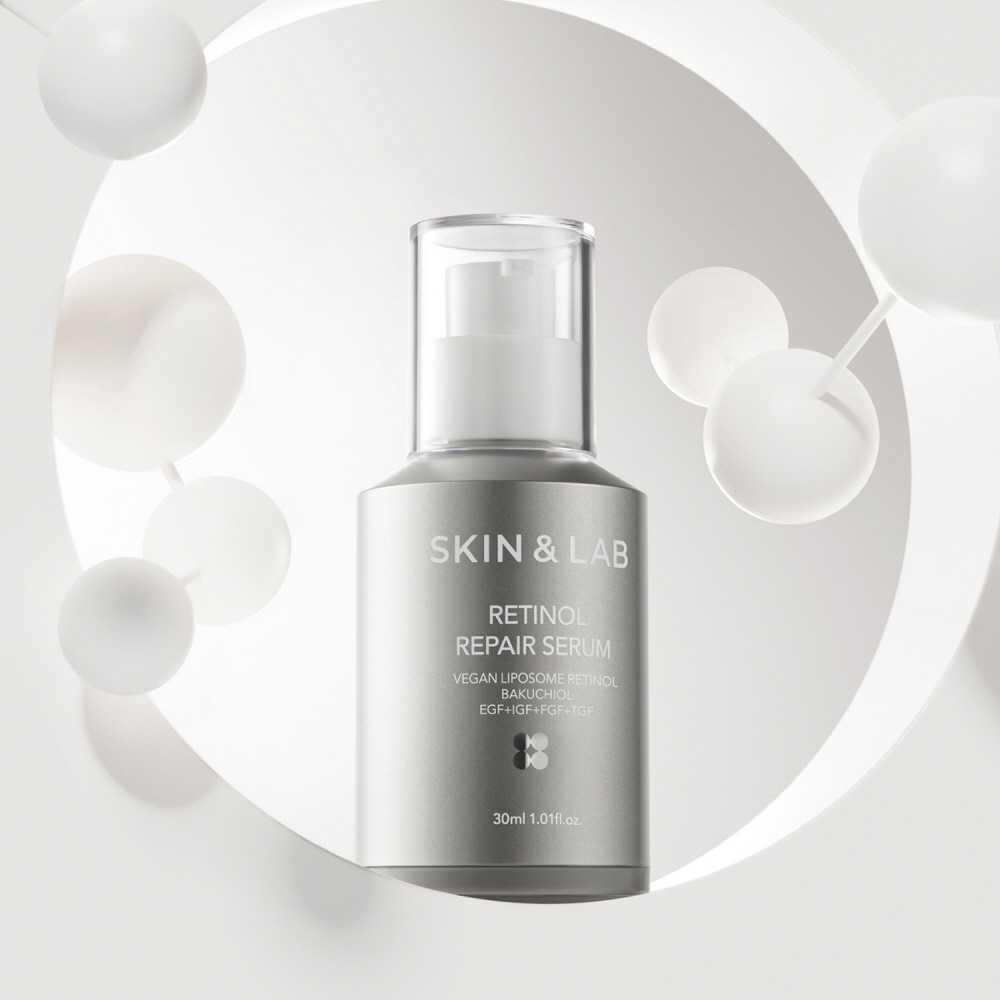
Retinol Repair Serum
Skin&Lab

PDRN Reedle Shot Eye Lifter
VT
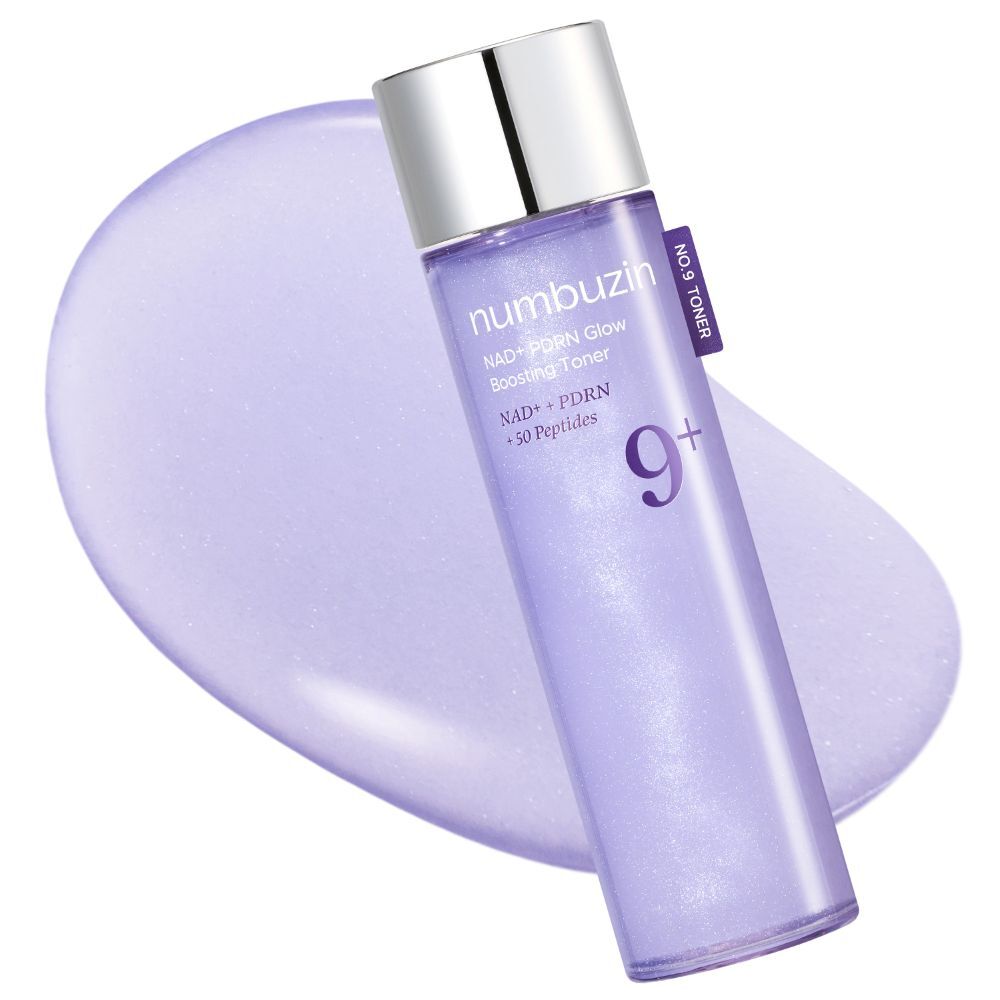
No. 9 NAD PDRN Glow Treatment Toner
Numbuzin
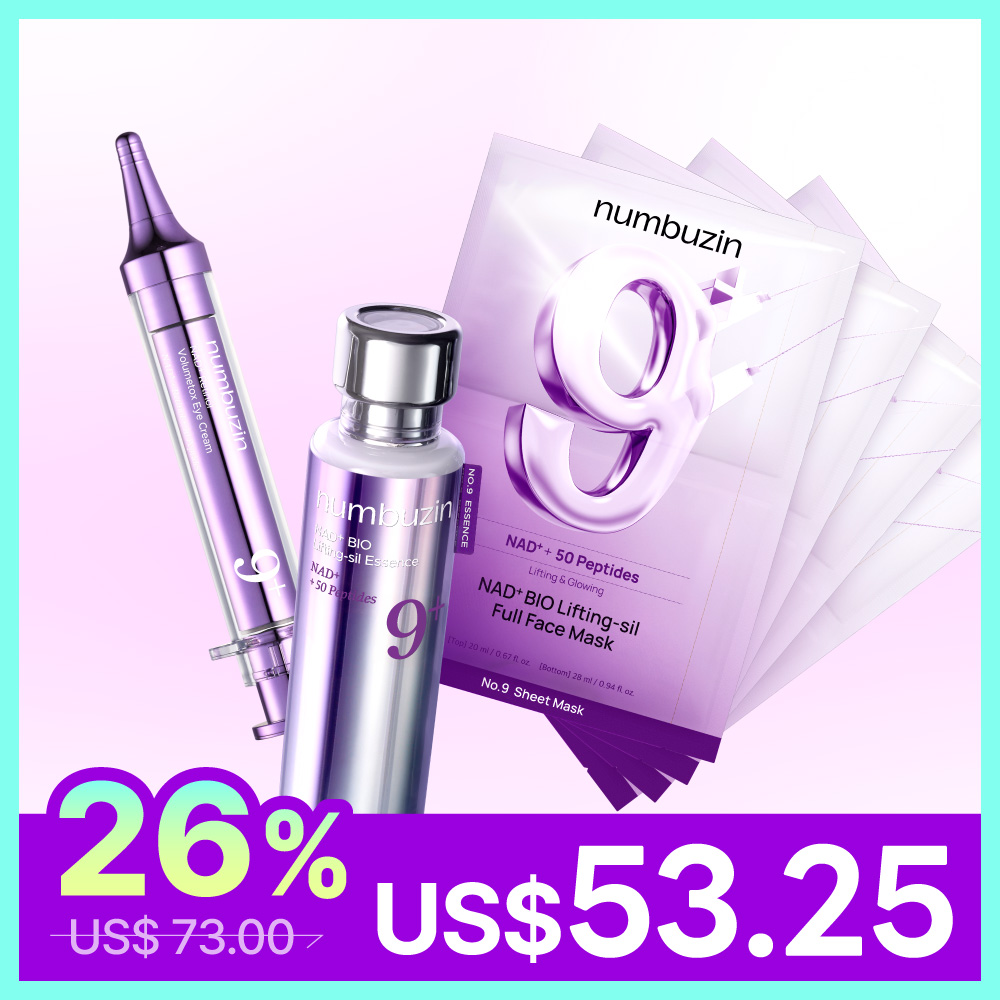
No. 9 NAD Ultimate Lifting Set
Numbuzin
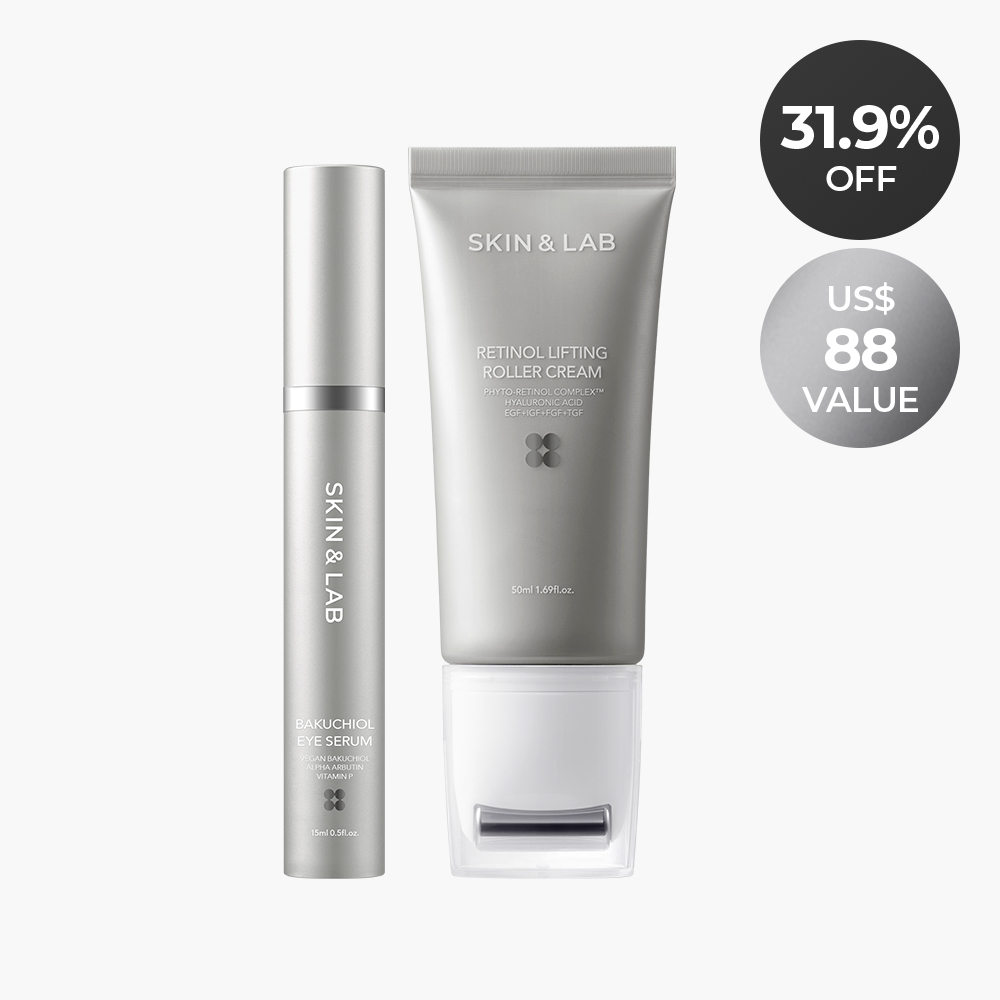
Slow-aging Super Deal
Skin&Lab
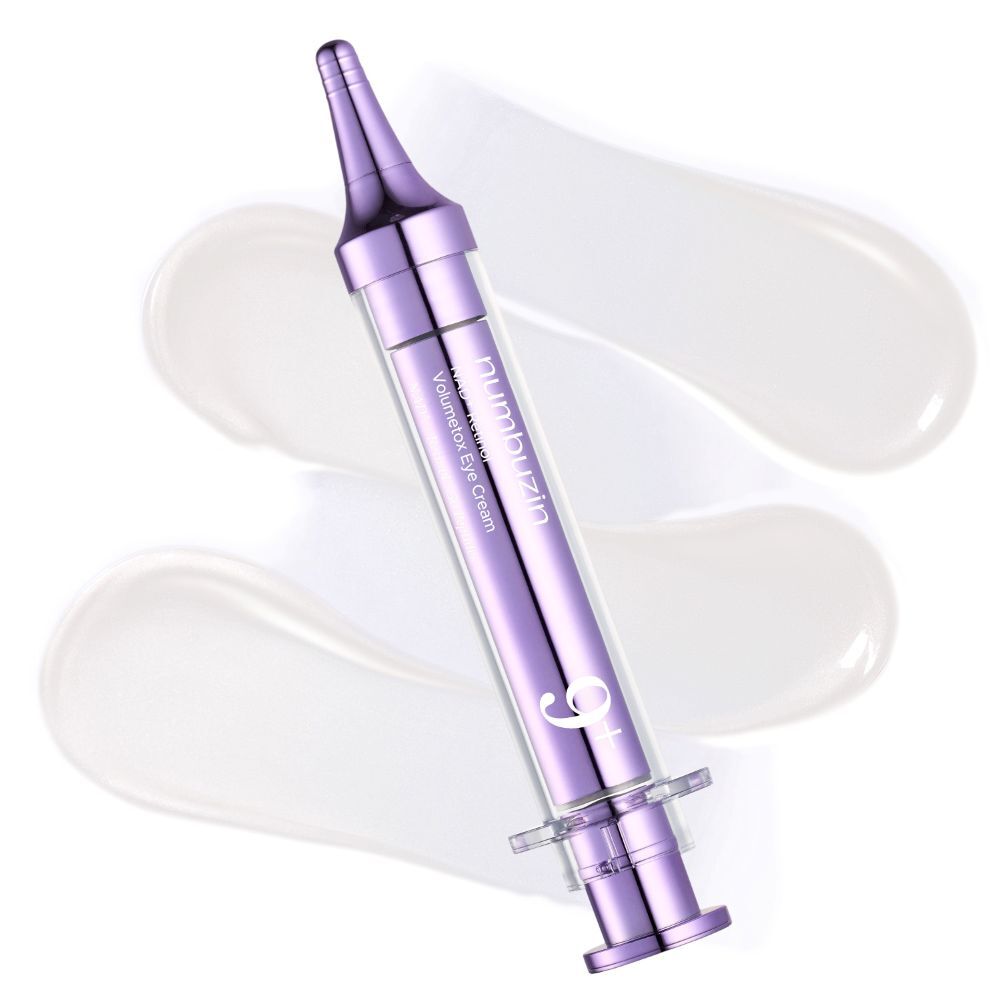
No. 9 NAD RetinA Volume Shot Eye Cream
Numbuzin
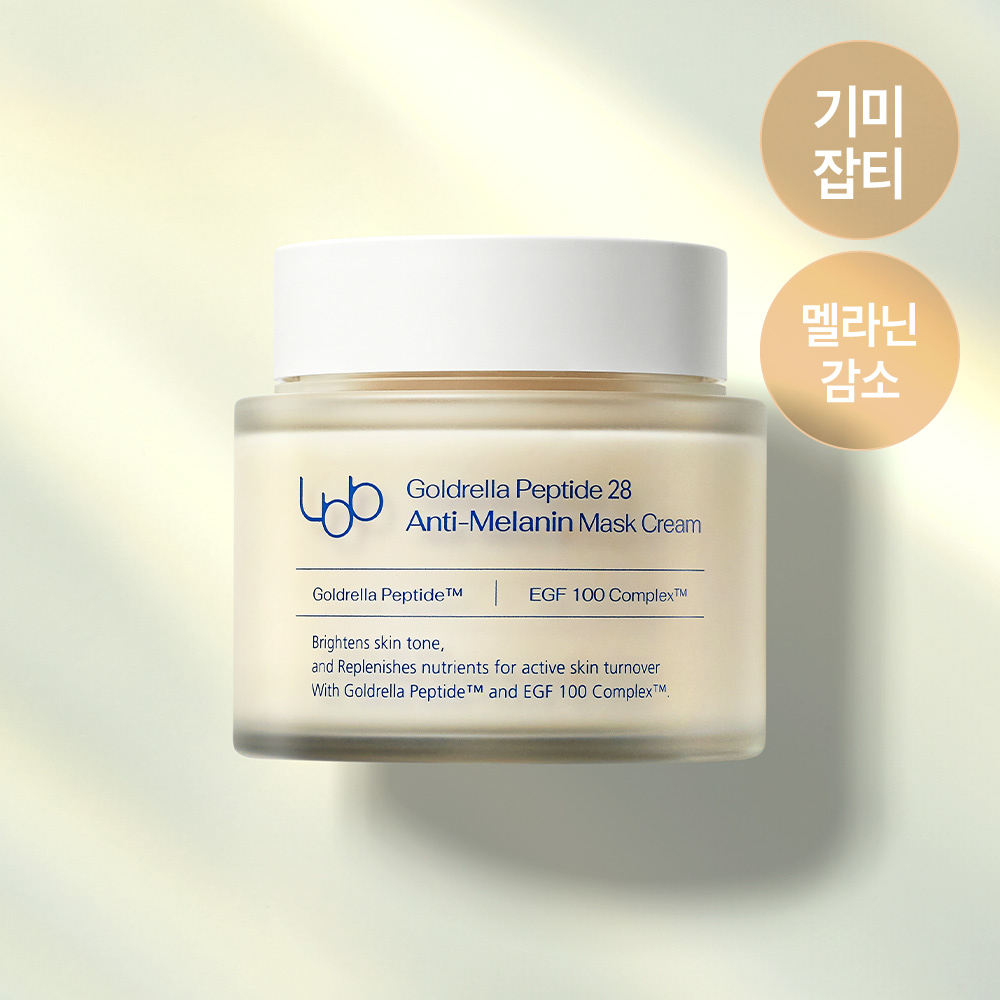
Goldrella Peptide 28 Anti-Melanin Mask Cream
LBB
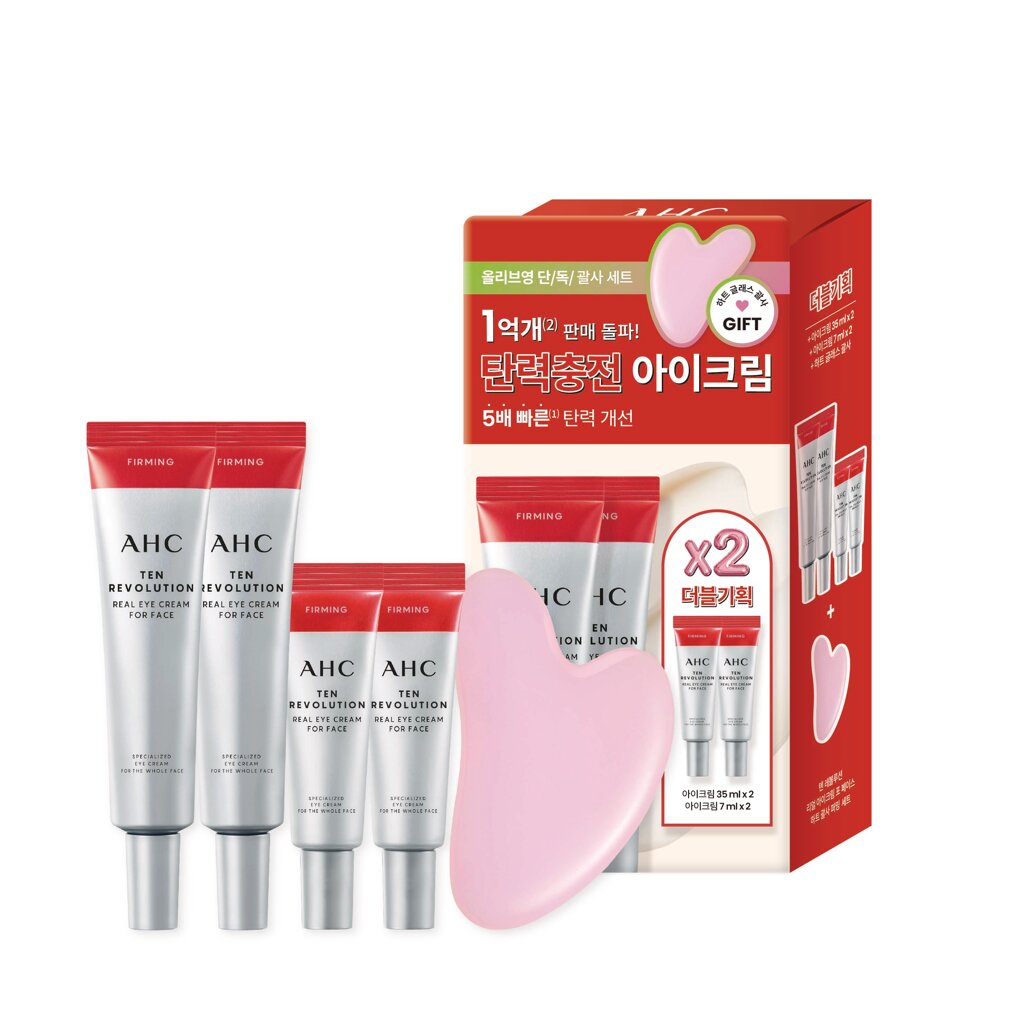
10 Revolution Real Eye Cream For Face
AHC
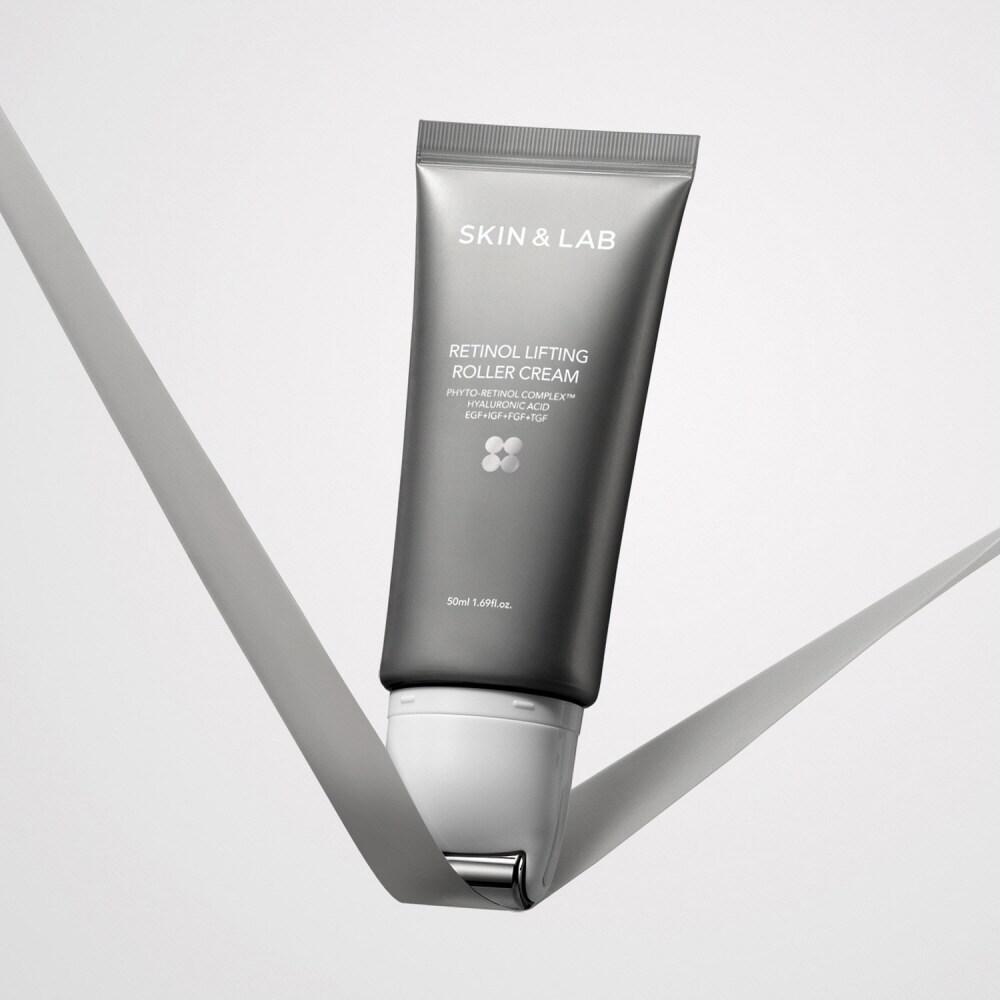
Retinol Lifting Roller Cream
Skin&Lab
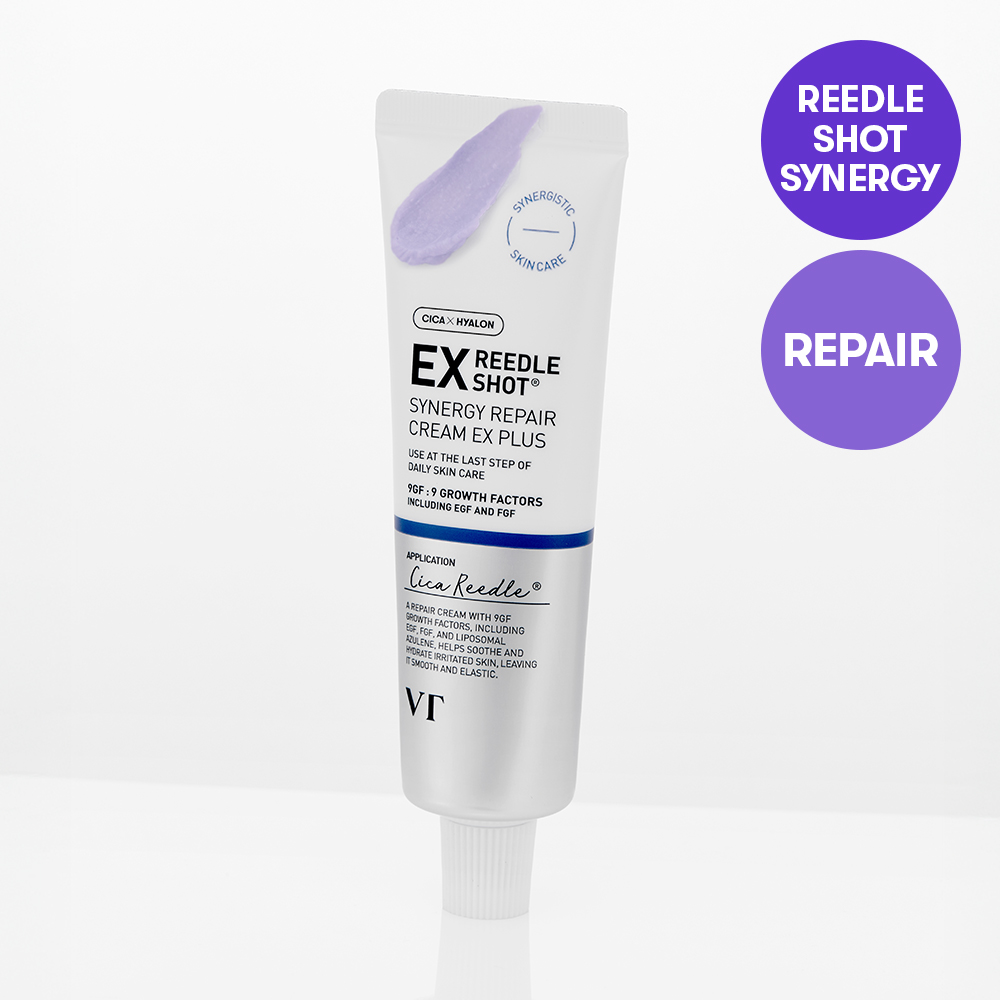
Reedle Shot Synergy Repair Cream EX Plus
VT
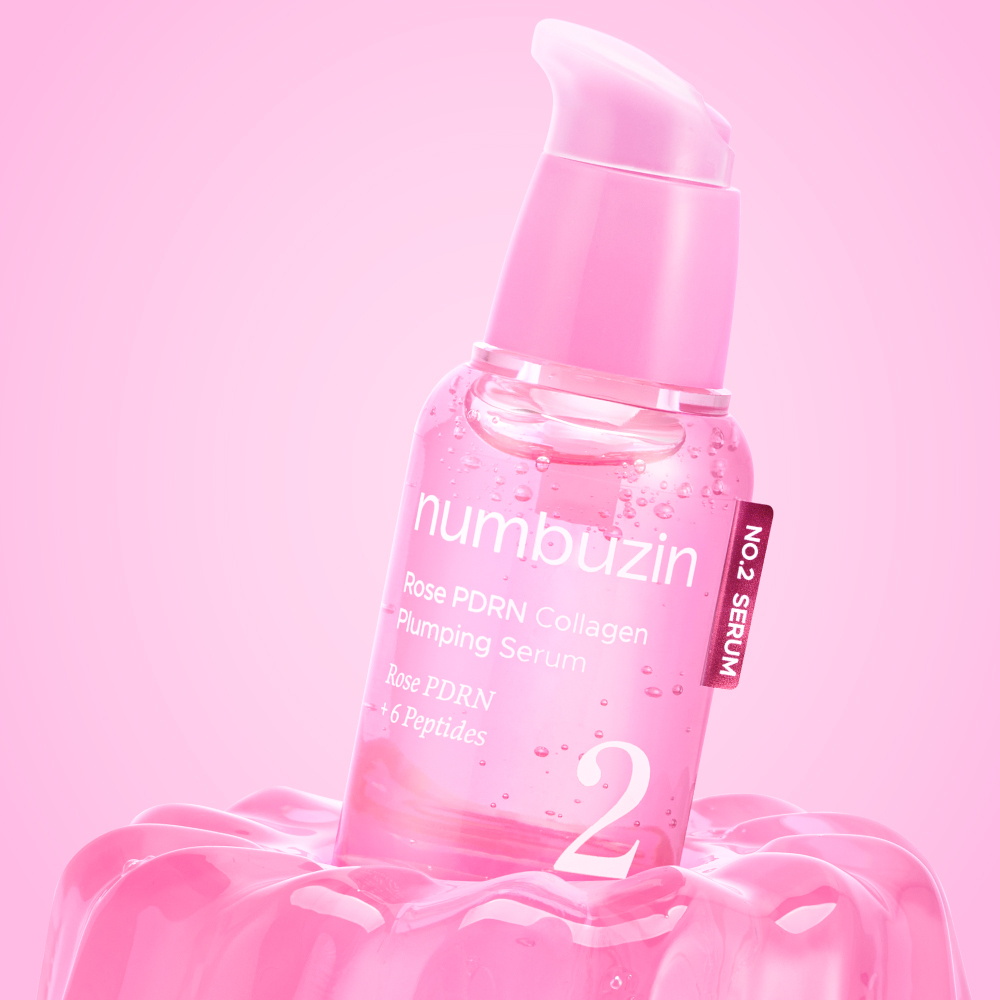
No. 2 PDRN Collagen Plumping Serum
Numbuzin
Frequently Asked Questions
Is EGF safe for long-term use, or does it increase cancer risk?▼
Can I use EGF and retinol together?▼
How quickly will I see results from EGF products?▼
What's the difference between EGF and other peptides in K-beauty?▼
Explore More
Want personalized ingredient advice?
Yuri, our AI beauty advisor, can tell you how Epidermal Growth Factor (EGF) works with your specific skin type, routine, and concerns.
Ask Yuri, free