Synthetic Human Growth Factor (bFGF)
INCI: sh-Polypeptide-3
Cell regeneration and anti-aging peptide
About Synthetic Human Growth Factor (bFGF)
Synthetic Human Growth Factor, specifically basic Fibroblast Growth Factor (bFGF) listed as sh-Polypeptide-3 in INCI nomenclature, is a bioengineered peptide that mimics the natural growth factors found in human skin. This cutting-edge ingredient has become a cornerstone of advanced K-beauty formulations because it directly signals skin cells to accelerate regeneration and repair processes. Unlike traditional peptides that simply send messages to collagen-producing cells, bFGF acts as a master regulator that can influence multiple aspects of skin healing and renewal simultaneously. It's particularly valued in Korean skincare for its ability to address visible signs of aging, reduce downtime after aesthetic procedures, and improve overall skin texture and resilience. The synthetic version used in cosmetics is produced through recombinant biotechnology, ensuring consistency, purity, and ethical sourcing without animal-derived materials. With a non-comedogenic rating of 0/5, it won't clog pores, making it suitable for acne-prone skin despite its rich regenerative properties. K-beauty brands have pioneered incorporating this ingredient into everything from serums to targeted patches, with products like Centellian24's CELLOLOGY Blue Eraser Cream (5.0/5 on Seoul Sister) demonstrating its effectiveness in real-world formulations. The safety rating of 4/5 reflects its generally excellent tolerance profile, though as with any potent active ingredient, some individuals may experience sensitivity during initial use.
How Synthetic Human Growth Factor (bFGF) Works
bFGF operates by binding to specific receptors on the surface of fibroblasts, the cells responsible for producing collagen, elastin, and hyaluronic acid in the dermis. Once bound, it triggers a cascade of cellular signals that activate genes related to proliferation and differentiation. This means fibroblasts not only multiply faster but also become more efficient at producing the structural proteins that keep skin firm and plump. Additionally, bFGF stimulates angiogenesis, the formation of new blood vessels, which improves nutrient delivery and waste removal in the skin. This enhanced microcirculation contributes to a healthier, more radiant complexion. The peptide also modulates the inflammatory response during wound healing, which is why it's often found in post-procedure products. At the cellular level, bFGF extends the lifespan of fibroblasts and helps them resist stress-induced damage, effectively slowing down the visible aging process. The synthetic version (sh-Polypeptide-3) is molecularly identical to the natural growth factor but produced in controlled laboratory conditions, ensuring it's free from contaminants and remains stable in cosmetic formulations where it can penetrate the upper layers of skin effectively.
Synthetic Human Growth Factor (bFGF) by Skin Type
Oily Skin
Oily skin can benefit significantly from bFGF due to its 0/5 comedogenic rating, meaning it won't contribute to clogged pores or breakouts. The ingredient helps regulate cell turnover, which can prevent the buildup of dead skin cells that often exacerbates oiliness and congestion. Its regenerative properties also support healing of acne scars and post-inflammatory marks that commonly affect oily, acne-prone complexions.
Dry Skin
Dry skin types experience excellent results with bFGF because it stimulates the production of natural moisturizing factors and supports the skin barrier's integrity. By increasing fibroblast activity, it helps restore the skin's ability to retain moisture and produce adequate lipids. The improved microcirculation also ensures better delivery of hydrating nutrients to the skin's surface, addressing the root causes of chronic dryness rather than just providing temporary relief.
Combo Skin
Combination skin benefits from bFGF's balanced approach to skin regeneration without adding excess oil or drying out areas that need moisture. The ingredient's ability to normalize cellular function helps even out skin texture across different zones of the face. Because it's non-comedogenic and doesn't interfere with sebum production, it can be used all over without worrying about making oily areas worse or dry patches tighter.
Sensitive Skin
Sensitive skin should approach bFGF with some caution initially, as the 4/5 safety rating reflects that while generally well-tolerated, potent growth factors can occasionally trigger reactivity in compromised skin barriers. However, many sensitive types benefit from its anti-inflammatory properties and ability to strengthen skin resilience over time. Start with lower concentrations or products that combine bFGF with soothing ingredients, like those found in Franz's Naked Sunshield EGF Patch (5.0/5).
Normal Skin
Normal skin types can use bFGF proactively to maintain youthful function and prevent premature aging signs. The ingredient enhances the skin's natural regeneration processes without disrupting its existing balance. Regular use helps preserve collagen density and skin elasticity that naturally decline with age, making it an excellent preventive measure for those wanting to maintain their healthy complexion long-term.
How to Use Synthetic Human Growth Factor (bFGF)
- 1Apply bFGF serums or essences on clean, slightly damp skin before heavier creams to maximize absorption, as the peptide works best when it can penetrate efficiently
- 2Use consistently for at least 8-12 weeks to see significant improvements in fine lines and texture, as cellular regeneration is a gradual process that requires sustained signaling
- 3Pair with antioxidants like vitamin C in your morning routine to protect the newly regenerated cells from environmental damage, or use with retinol at night for enhanced anti-aging synergy (but introduce gradually)
- 4Store products containing bFGF in a cool, dark place and avoid exposing them to direct sunlight or extreme temperatures, as growth factors can degrade when improperly stored
- 5Consider using targeted bFGF patches like Franz's Naked Sunshield EGF Patch (5.0/5) on specific concern areas such as smile lines or forehead wrinkles for concentrated treatment
Background
Growth factors were first isolated from mammalian tissues in the 1970s, with bFGF specifically discovered in 1984 by researchers studying brain and pituitary tissue. The breakthrough came when scientists realized these proteins could be synthetically produced through recombinant DNA technology, eliminating ethical concerns and ensuring purity. Korean skincare companies were among the first to commercialize synthetic growth factors in cosmetics during the early 2000s, recognizing their potential after seeing their success in medical wound healing applications. The "Cell-logy" trend in K-beauty, which focuses on cellular-level skincare, emerged partly from this innovation. Brands like Centellian24 pioneered stable formulations that could deliver these delicate peptides effectively, leading to the widespread adoption of bFGF in premium Korean skincare lines. Today, synthetic human growth factors represent the convergence of biotechnology and beauty, with Korean brands continuing to lead in both research and product development.
K-Beauty Products with Synthetic Human Growth Factor (bFGF)
View all 32 →
No. 9 NAD Bio Lifting-sil Essence
Numbuzin
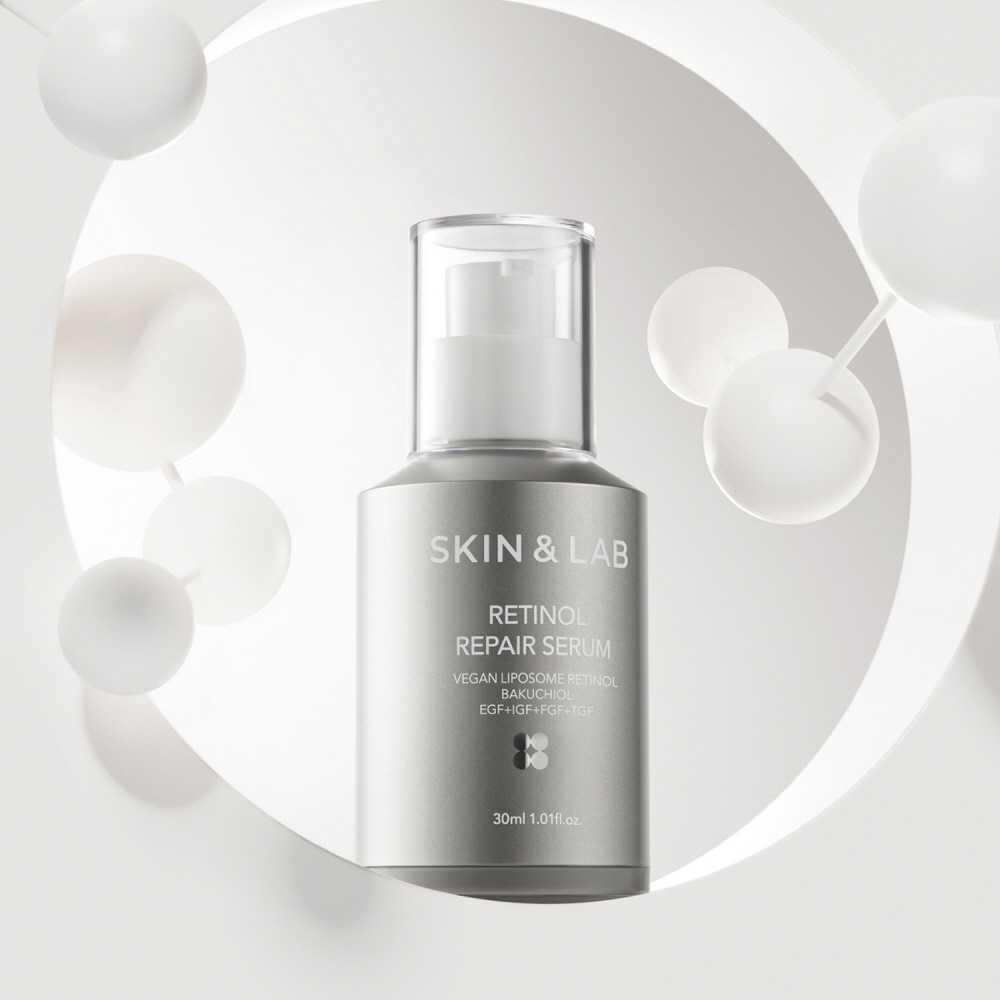
Retinol Repair Serum
Skin&Lab
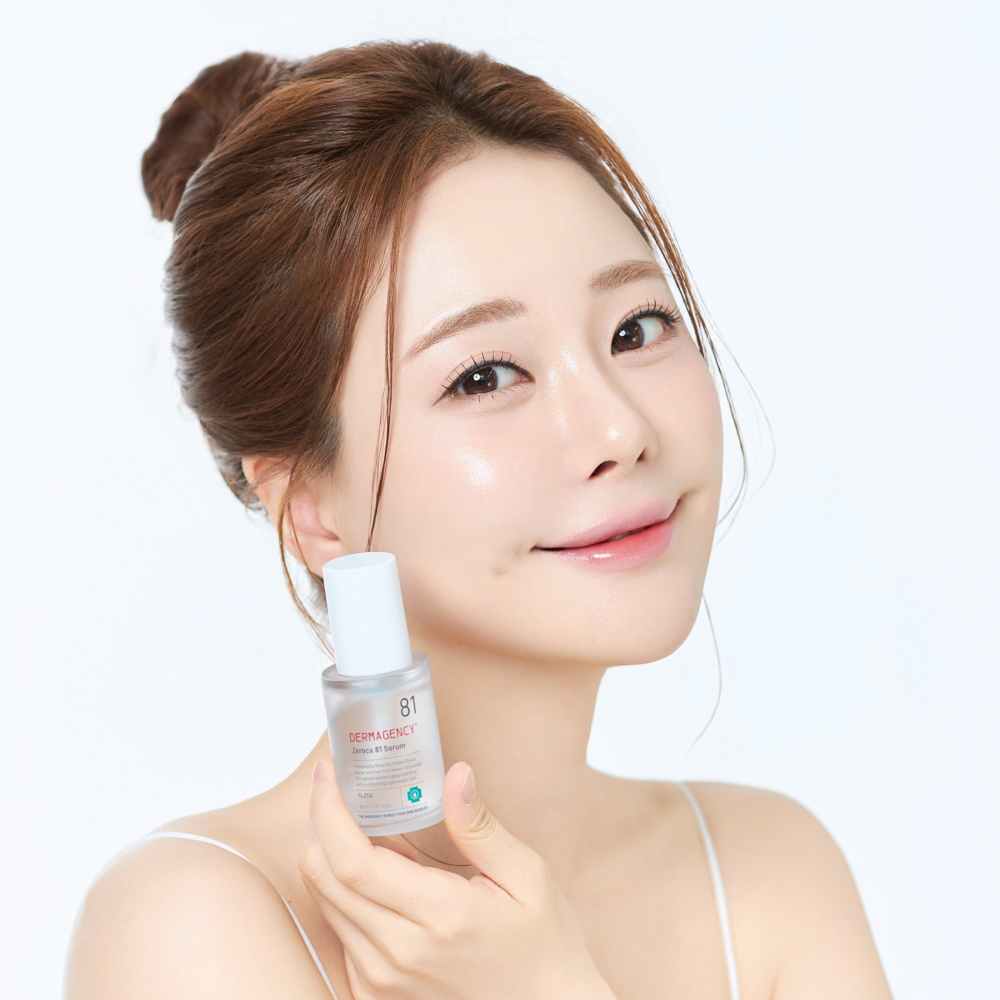
Zeroca 81 Serum
Anua

PDRN Reedle Shot Eye Lifter
VT
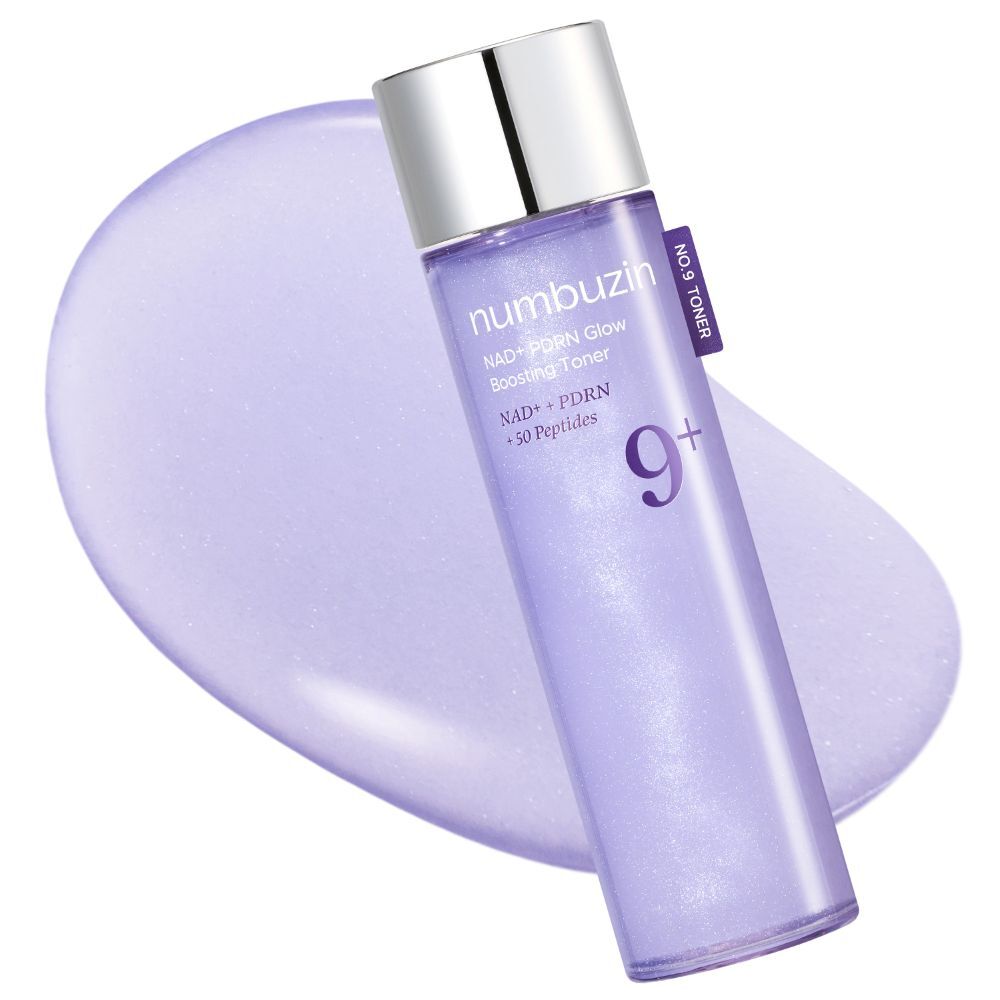
No. 9 NAD PDRN Glow Treatment Toner
Numbuzin
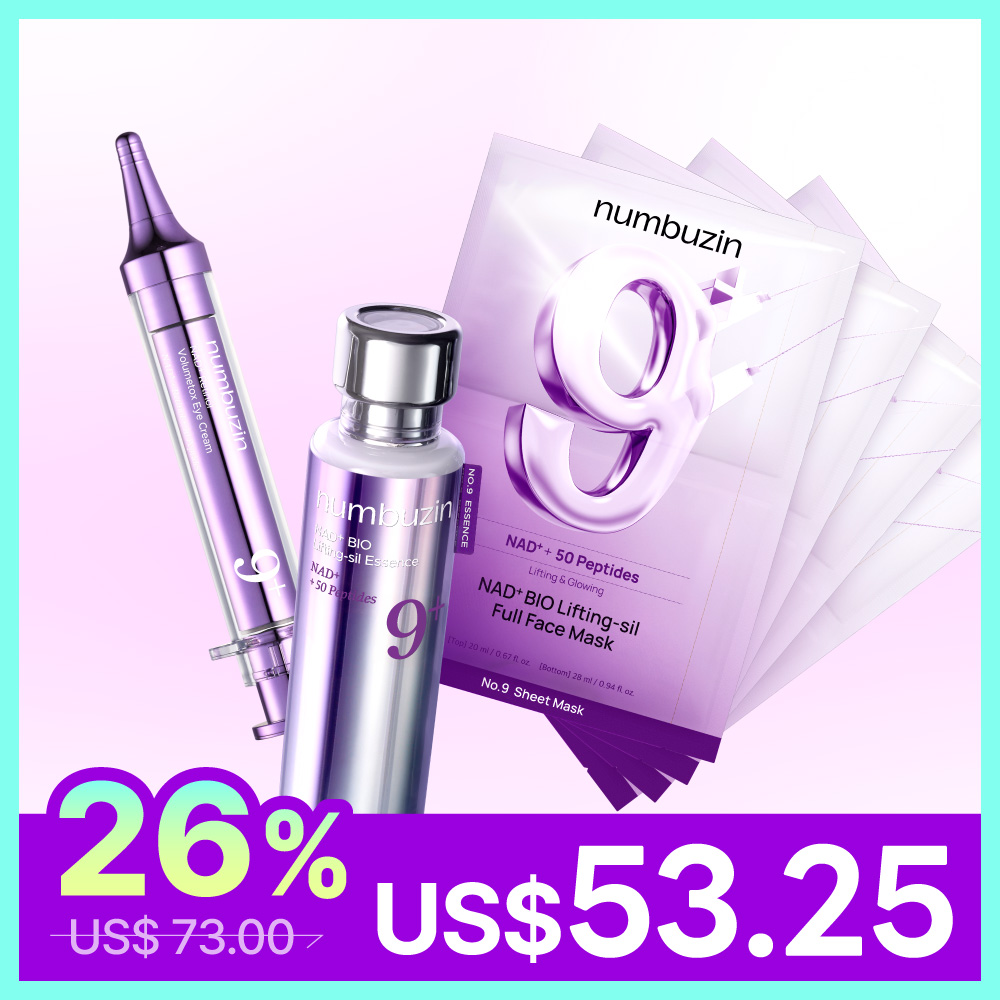
No. 9 NAD Ultimate Lifting Set
Numbuzin
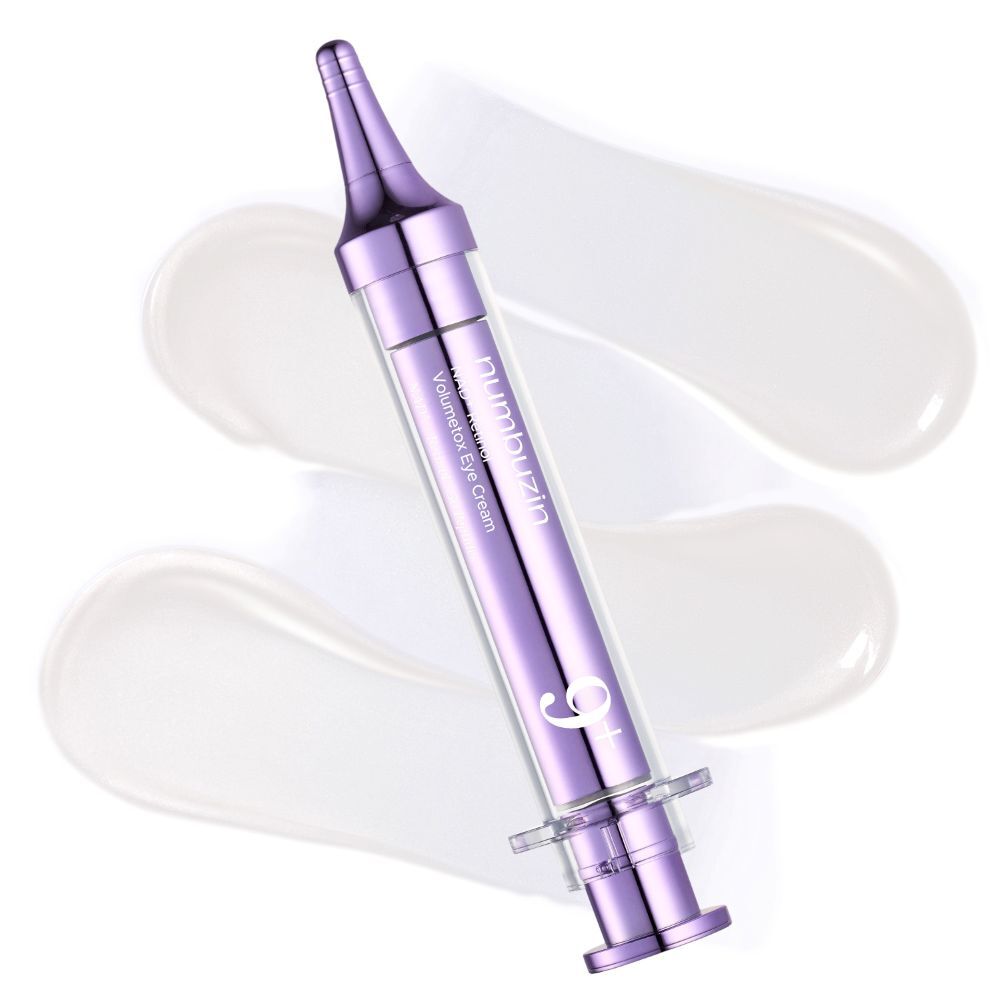
No. 9 NAD RetinA Volume Shot Eye Cream
Numbuzin
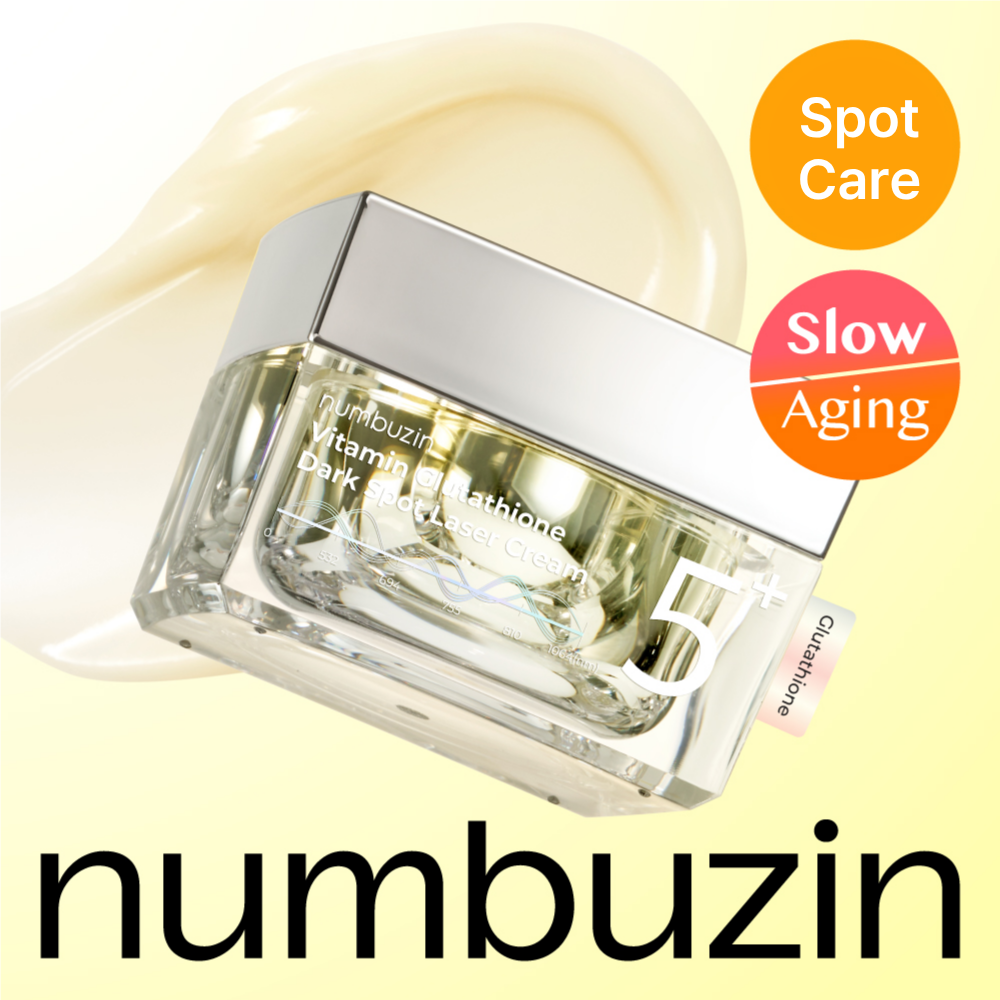
No. 5 Vitamin Glutathione Dark Spot Laser Cream
Numbuzin
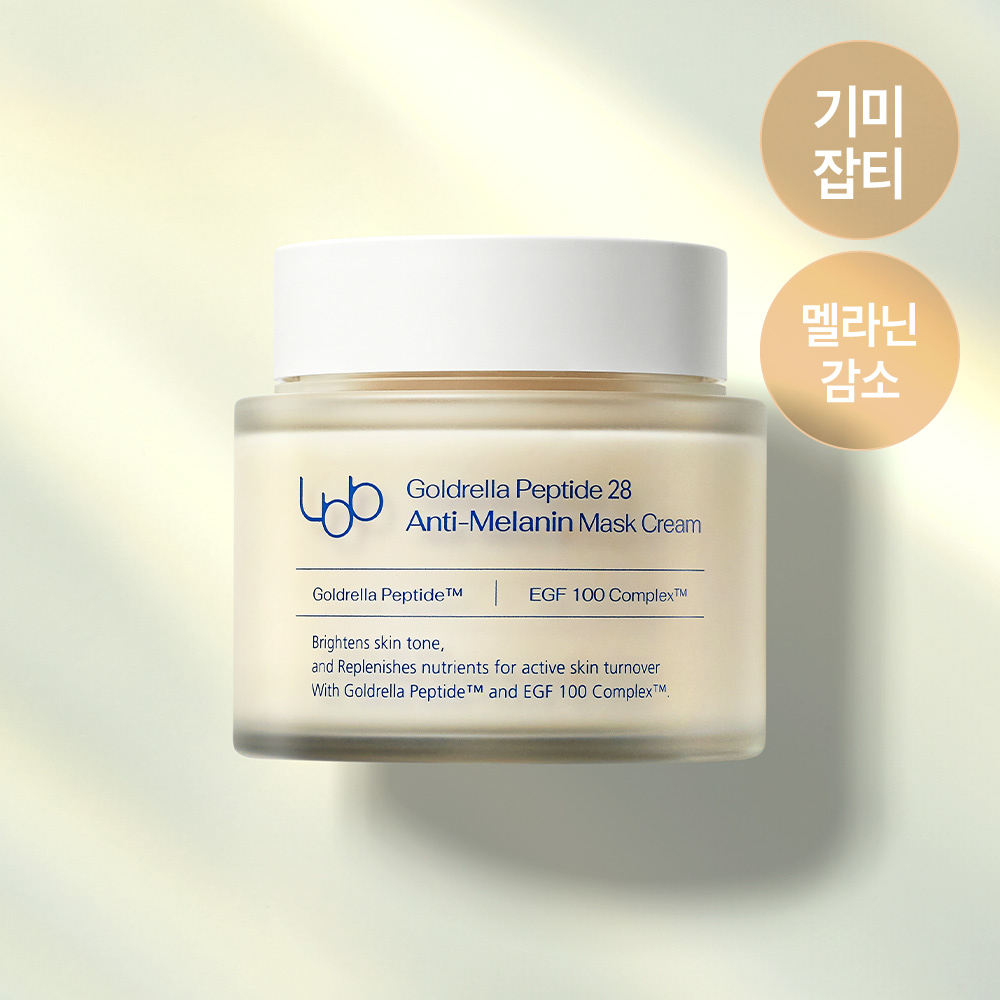
Goldrella Peptide 28 Anti-Melanin Mask Cream
LBB
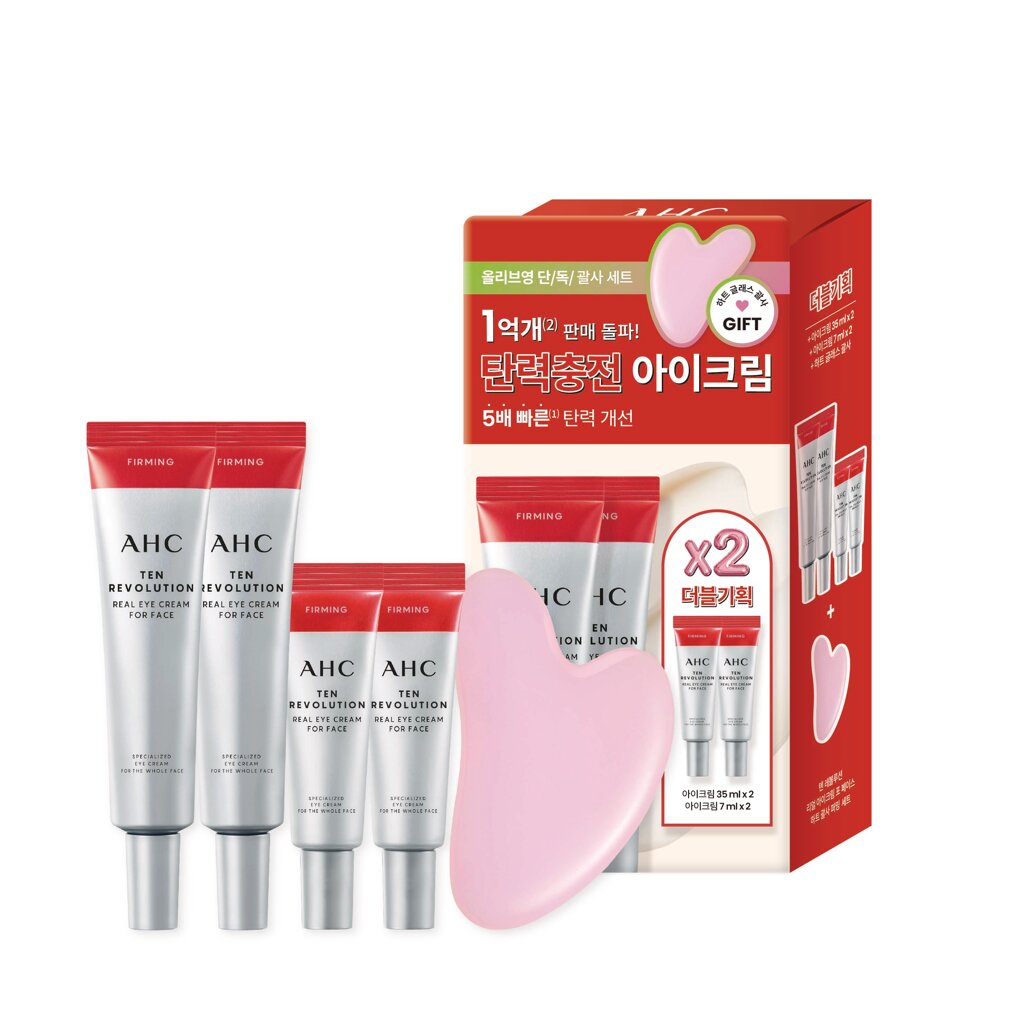
10 Revolution Real Eye Cream For Face
AHC
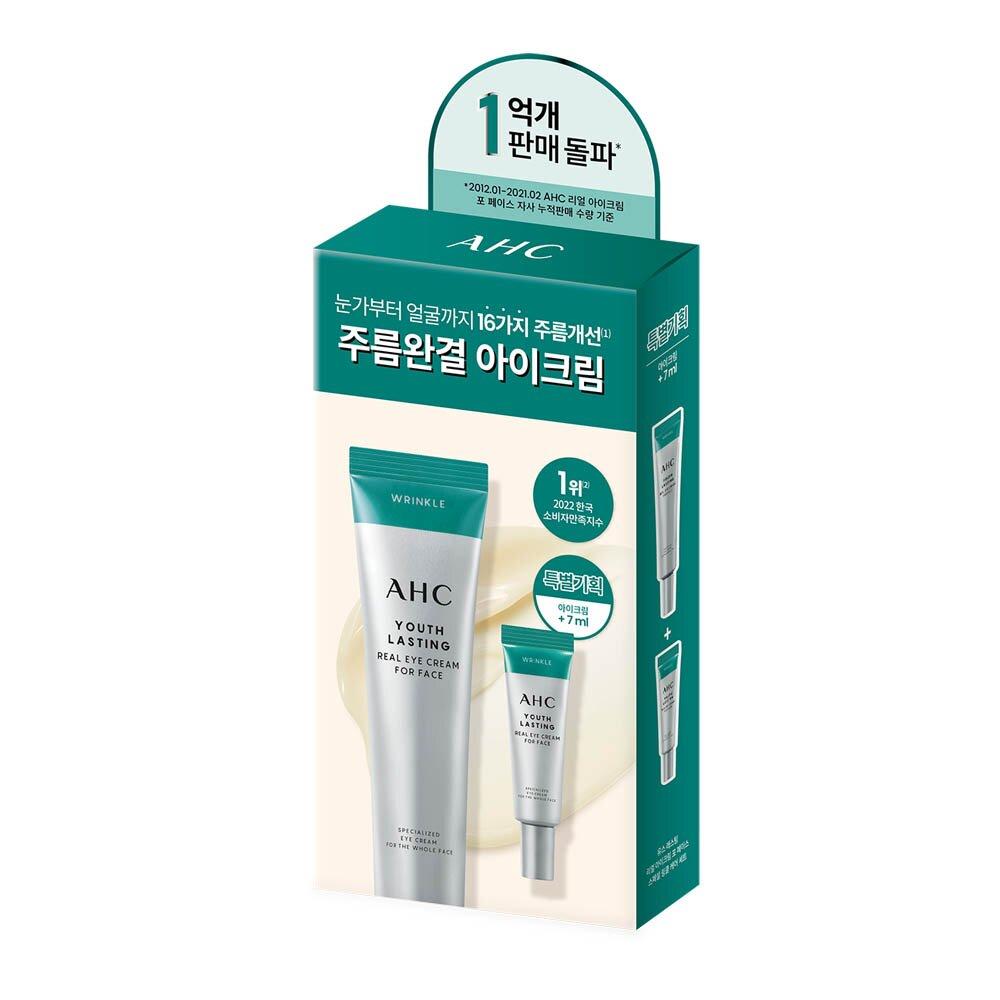
Youth Lasting Real Eye Cream For Face Special Wrinkle Care Set
AHC
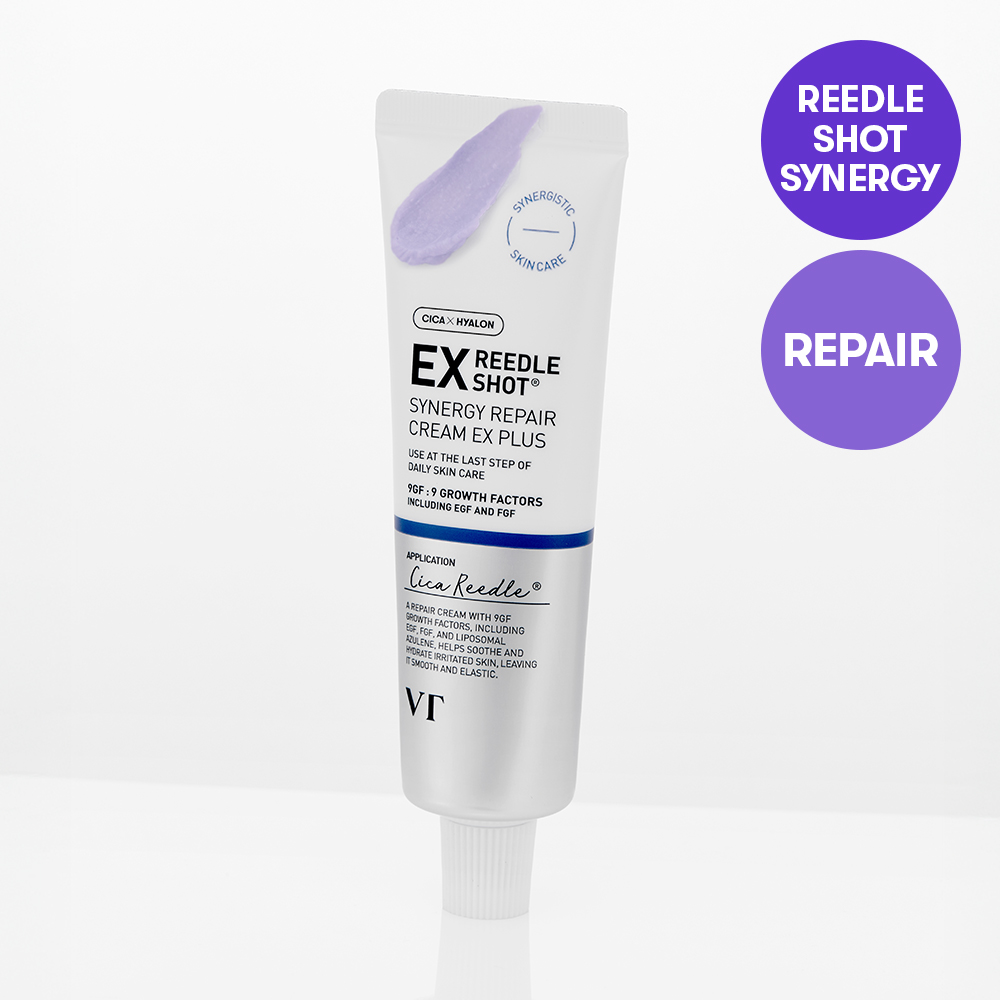
Reedle Shot Synergy Repair Cream EX Plus
VT
Frequently Asked Questions
Is synthetic bFGF safe if I have a history of cancer or abnormal cell growth?▼
How does bFGF compare to EGF (Epidermal Growth Factor) in effectiveness?▼
Can I use bFGF if I'm pregnant or breastfeeding?▼
Will I see results faster if I use multiple bFGF products at once?▼
Why are bFGF products often more expensive than other anti-aging ingredients?▼
Explore More
Want personalized ingredient advice?
Yuri, our AI beauty advisor, can tell you how Synthetic Human Growth Factor (bFGF) works with your specific skin type, routine, and concerns.
Ask Yuri, free