Sodium Guaiazulene Sulfonate
Anti-inflammatory and soothing agent for sensitive skin
About Sodium Guaiazulene Sulfonate
Sodium Guaiazulene Sulfonate is a water-soluble derivative of guaiazulene, a deep blue compound naturally found in chamomile oil. This synthetic modification makes it more stable and easier to incorporate into water-based skincare formulations while retaining the powerful anti-inflammatory properties of its parent molecule. In K-beauty, it's prized as a calming agent that reduces redness, soothes irritation, and supports the skin barrier without clogging pores or causing sensitivity. The ingredient's striking blue color (though usually diluted to invisibility in final products) comes from its unique molecular structure, which also gives it the ability to neutralize free radicals and reduce inflammatory cascades in stressed skin. Korean brands particularly value it for post-procedure care, sensitive skin lines, and products designed to calm reactive skin after cleansing or exfoliation. With a comedogenic rating of 0/5 and a strong safety profile, it's gentle enough for daily use across all skin types. Seoul Sister data shows it appears in 46 K-beauty products, often paired with other barrier-supporting ingredients like panthenol and ceramides in high-rated formulations.
How Sodium Guaiazulene Sulfonate Works
Sodium Guaiazulene Sulfonate works by inhibiting the production of pro-inflammatory mediators like prostaglandins and cytokines that trigger redness, swelling, and discomfort in skin. At a cellular level, it interferes with the cyclooxygenase (COX) pathway, similar to how anti-inflammatory medications work but with a gentler, topical effect. The sulfonate group makes it highly water-soluble, allowing it to penetrate the upper layers of skin where inflammation typically occurs. Once absorbed, it acts as both an anti-inflammatory and an antioxidant, neutralizing reactive oxygen species that damage cellular membranes and DNA. This dual action makes it particularly effective for skin that's inflamed and oxidatively stressed, like after UV exposure, harsh cleansing, or environmental irritation. The ingredient also supports the skin's natural repair processes by reducing the inflammatory signals that can slow down healing and barrier recovery.
Sodium Guaiazulene Sulfonate by Skin Type
Oily Skin
Oily skin benefits from Sodium Guaiazulene Sulfonate's non-comedogenic profile and its ability to calm inflammation without adding heaviness. It's especially useful in cleansers and lightweight gels that need to soothe post-cleansing tightness or irritation from active ingredients like BHA or retinoids. The anti-inflammatory properties can also help reduce the redness associated with active breakouts.
Dry Skin
For dry skin, this ingredient works as a supporting player that reduces inflammation-related moisture loss and barrier damage. It pairs beautifully with emollients and humectants in creams and cleansing milks, helping to prevent the reactive tightness that dry skin often experiences. Products like Jumiso's D-Panthenol Barrier Soothing Cleansing Milk (5.0/5 on Seoul Sister) combine it with hydrating agents for gentle, non-stripping cleansing.
Combo Skin
Combination skin appreciates Sodium Guaiazulene Sulfonate's ability to address different concerns simultaneously without causing imbalance. It soothes irritation in dry patches while remaining light enough not to overwhelm oily zones. The ingredient's versatility makes it ideal for all-over products like essences and lightweight creams that need to work across multiple skin conditions.
Sensitive Skin
This is where Sodium Guaiazulene Sulfonate truly shines. Sensitive skin experiences frequent inflammation from environmental triggers, fragrances, and other ingredients, and this compound provides immediate calming relief. Top-rated products on Seoul Sister like Aestura's Differensea Blue Biome Repair Soothing Cream (5.0/5) and HYGGEE's Relief Chamomile Cream (5.0/5) use it as a cornerstone soothing ingredient for reactive, easily irritated skin.
Normal Skin
Normal skin can use Sodium Guaiazulene Sulfonate preventatively to maintain calm, balanced skin and protect against occasional irritation from weather changes or new products. It's gentle enough for daily use and adds a layer of anti-inflammatory insurance without any downside risk, making it a smart addition to routine maintenance products.
How to Use Sodium Guaiazulene Sulfonate
- 1Look for it in cleansers if you experience tightness or redness after washing. Products like Dr. Althea's Pore Refresh Grinding Cleansing Balm (4.8/5) use it to prevent the post-cleanse irritation that can come from emulsifying oils.
- 2Layer it under actives like retinoids or acids to preemptively calm any potential irritation. Use a soothing toner or essence with this ingredient before applying stronger treatments.
- 3It works well in both leave-on and rinse-off products, but you'll get more anti-inflammatory benefit from creams and serums that stay on skin longer.
- 4Pair it with other barrier-repair ingredients like ceramides, panthenol, and centella asiatica for comprehensive sensitive skin care. Many top K-beauty formulations follow this strategy.
- 5If you're introducing new actives to your routine, consider using a product with Sodium Guaiazulene Sulfonate in your AM routine to calm any overnight irritation from nighttime treatments.
Background
Guaiazulene itself was first isolated from chamomile oil in the 1860s by German chemists studying the plant's traditional medicinal properties. The bright blue compound immediately caught attention for its anti-inflammatory effects, which had been observed anecdotally in chamomile-based remedies for centuries. Sodium Guaiazulene Sulfonate is a later synthetic modification developed to overcome guaiazulene's instability and poor water solubility. By adding a sulfonate group, chemists created a version that could be easily incorporated into modern skincare formulations without the oxidation and degradation issues of the original compound. Korean skincare brands adopted it relatively recently as consumer demand grew for clinically effective but gentle ingredients that could address the rise in sensitive skin conditions. Its appearance in premium calming and barrier-repair lines reflects K-beauty's commitment to combining traditional botanical wisdom with modern chemical innovation.
K-Beauty Products with Sodium Guaiazulene Sulfonate
View all 46 →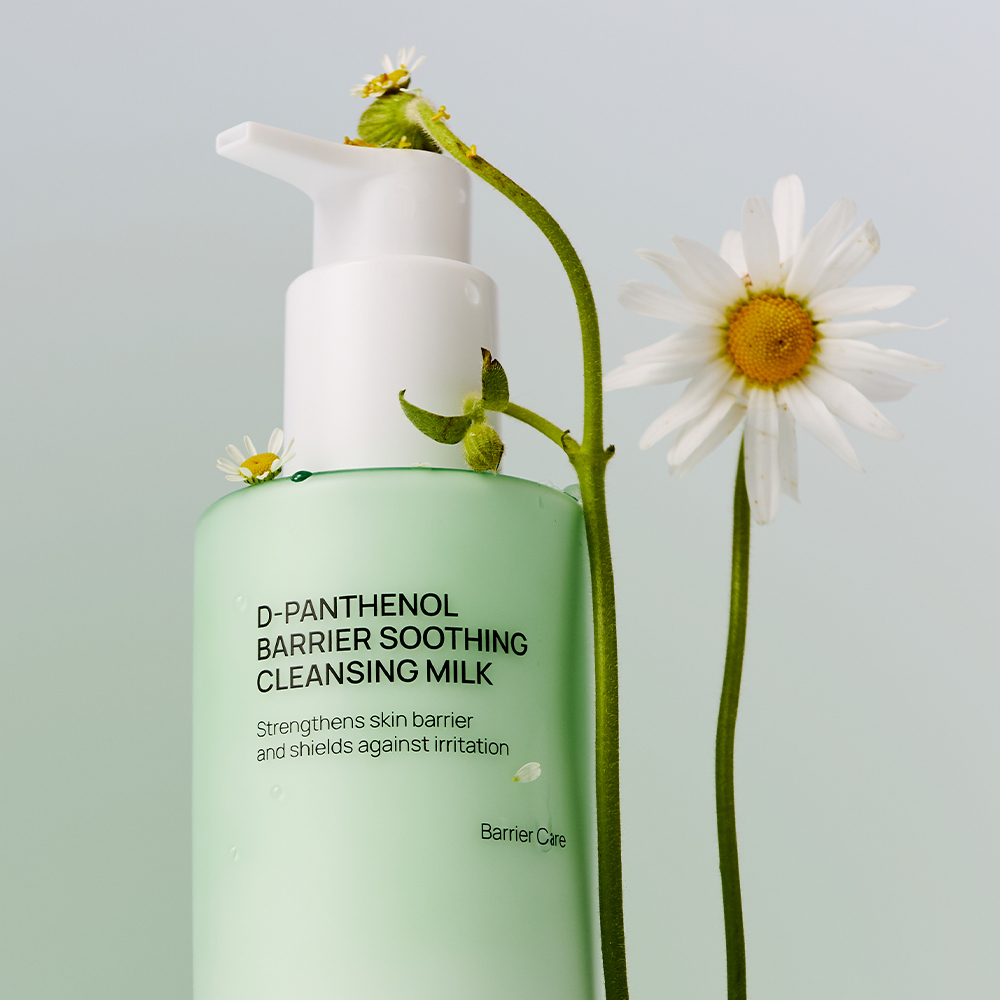
D-Panthenol Barrier Soothing Cleansing Milk
Jumiso
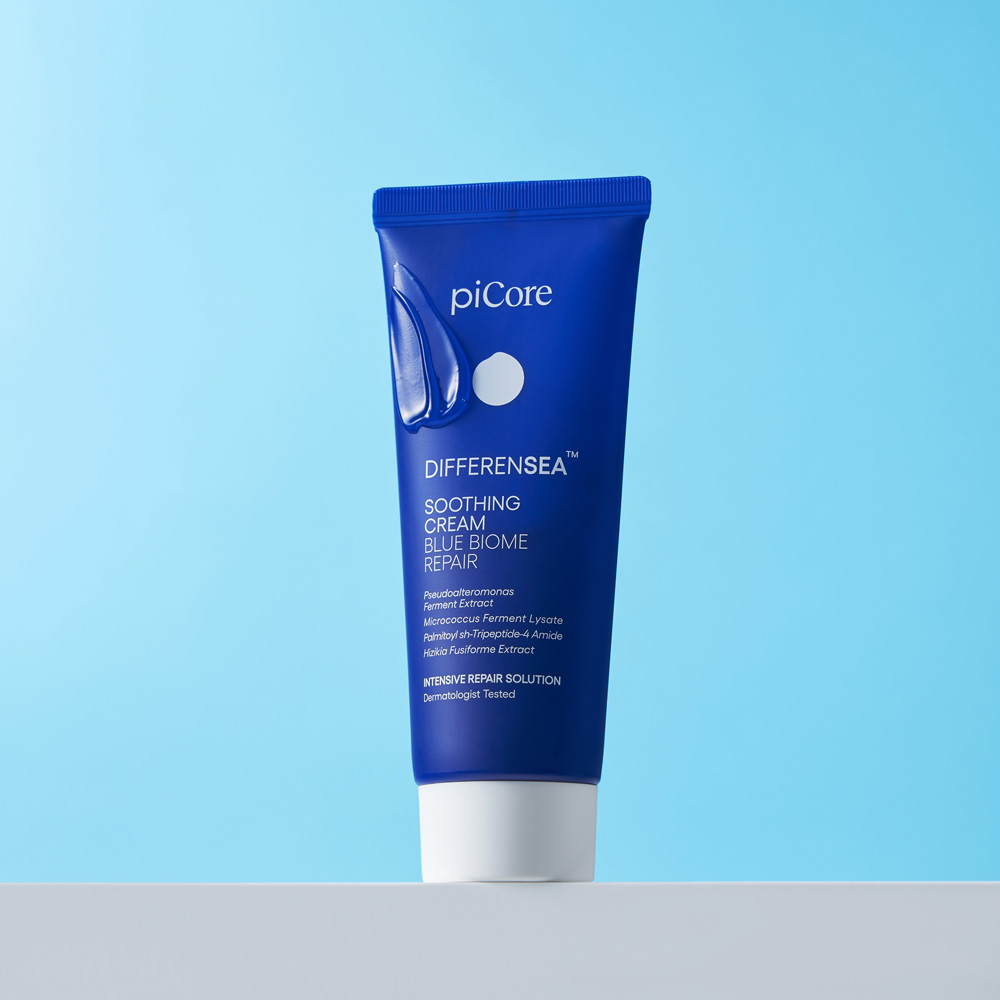
Differensea Blue Biome Repair Soothing Cream
Aestura
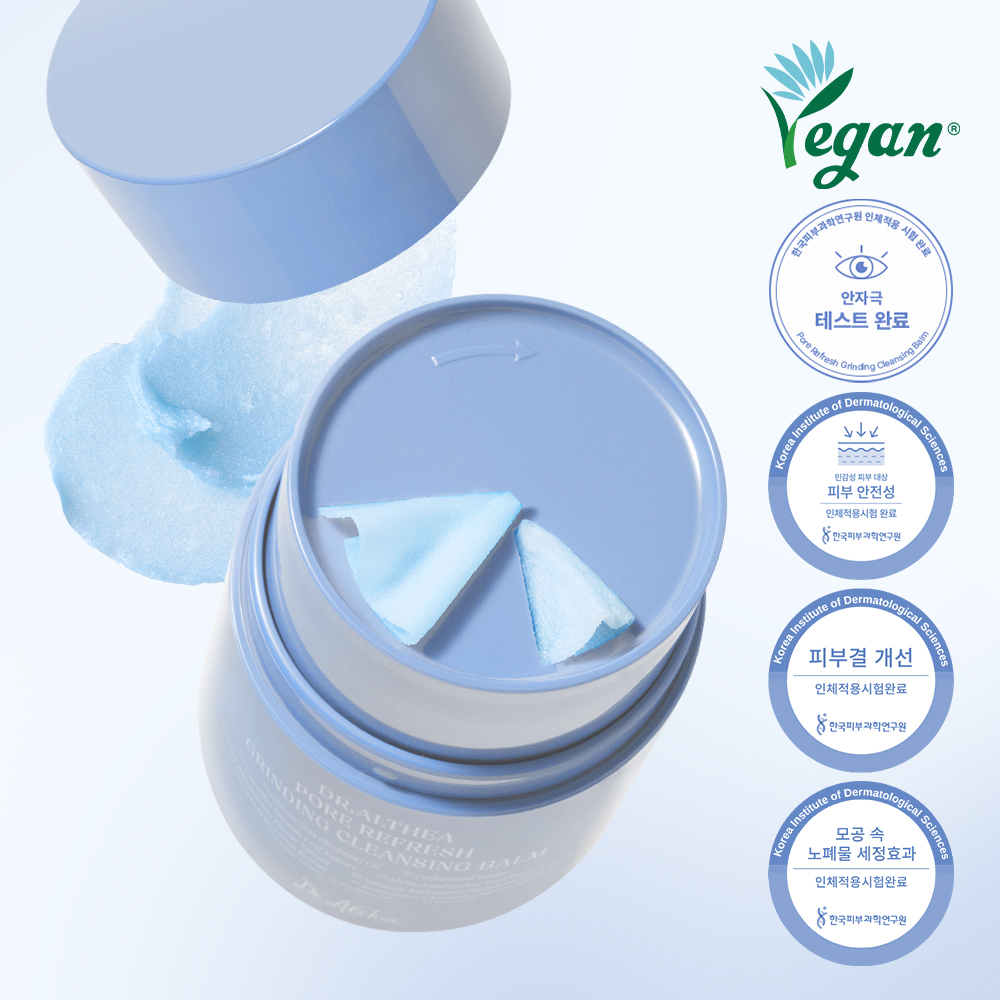
Pore Refresh Grinding Cleansing Balm
Dr. Althea
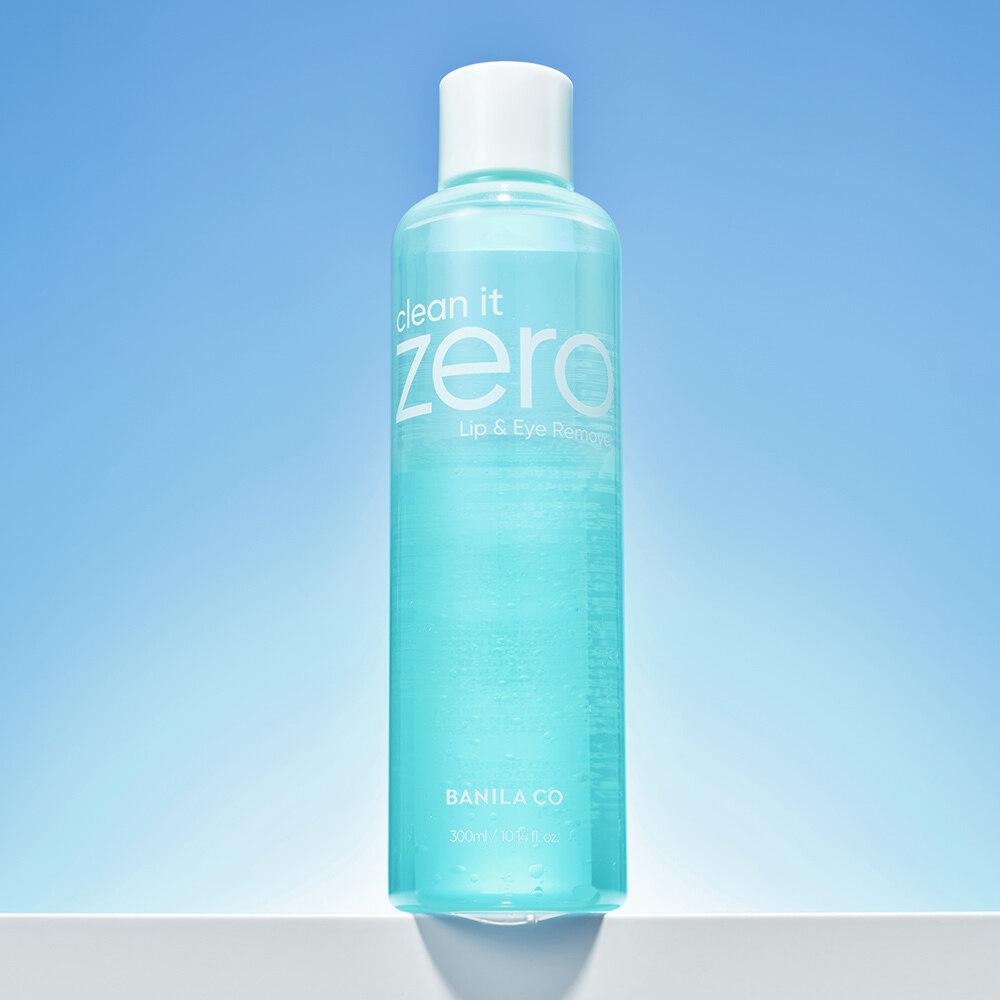
Clean It Zero Lip & Eye Remover
Banila Co
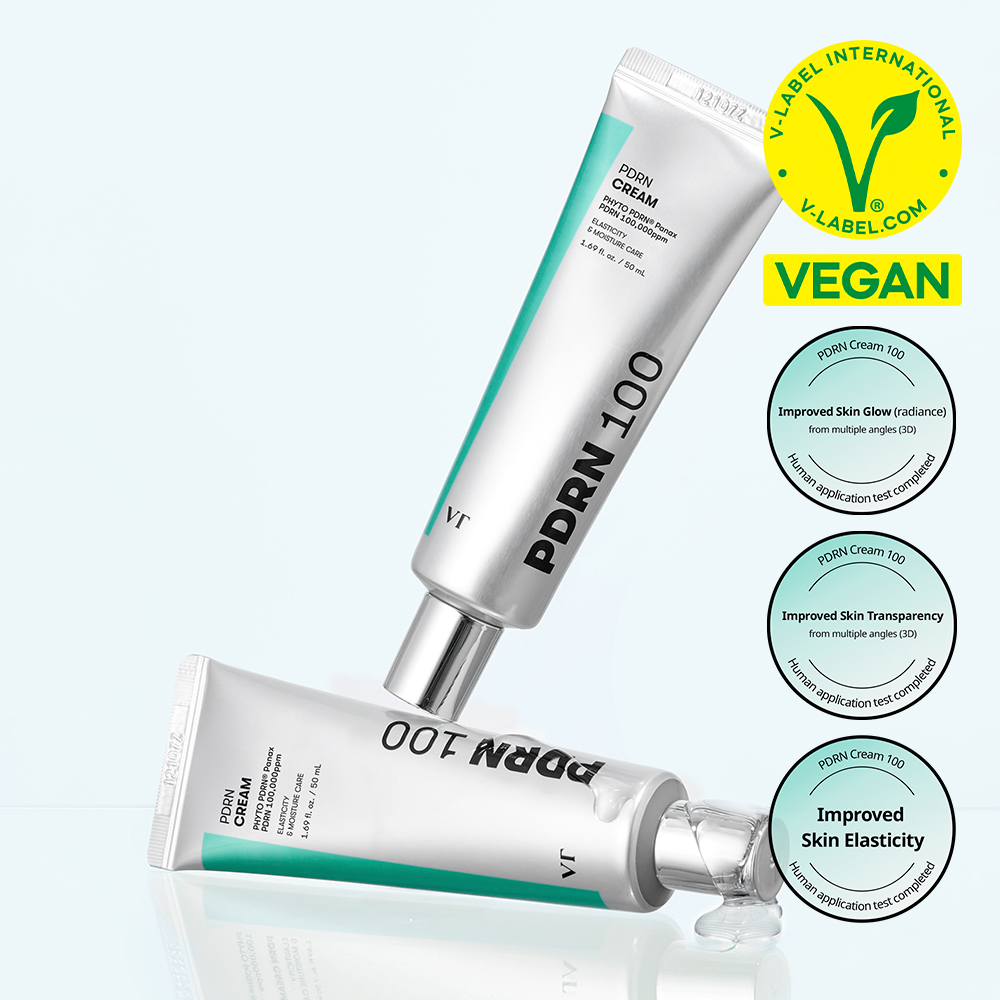
PDRN Cream 100
VT

Pore Refresh Grinding Cleansing Balm Set
Dr. Althea
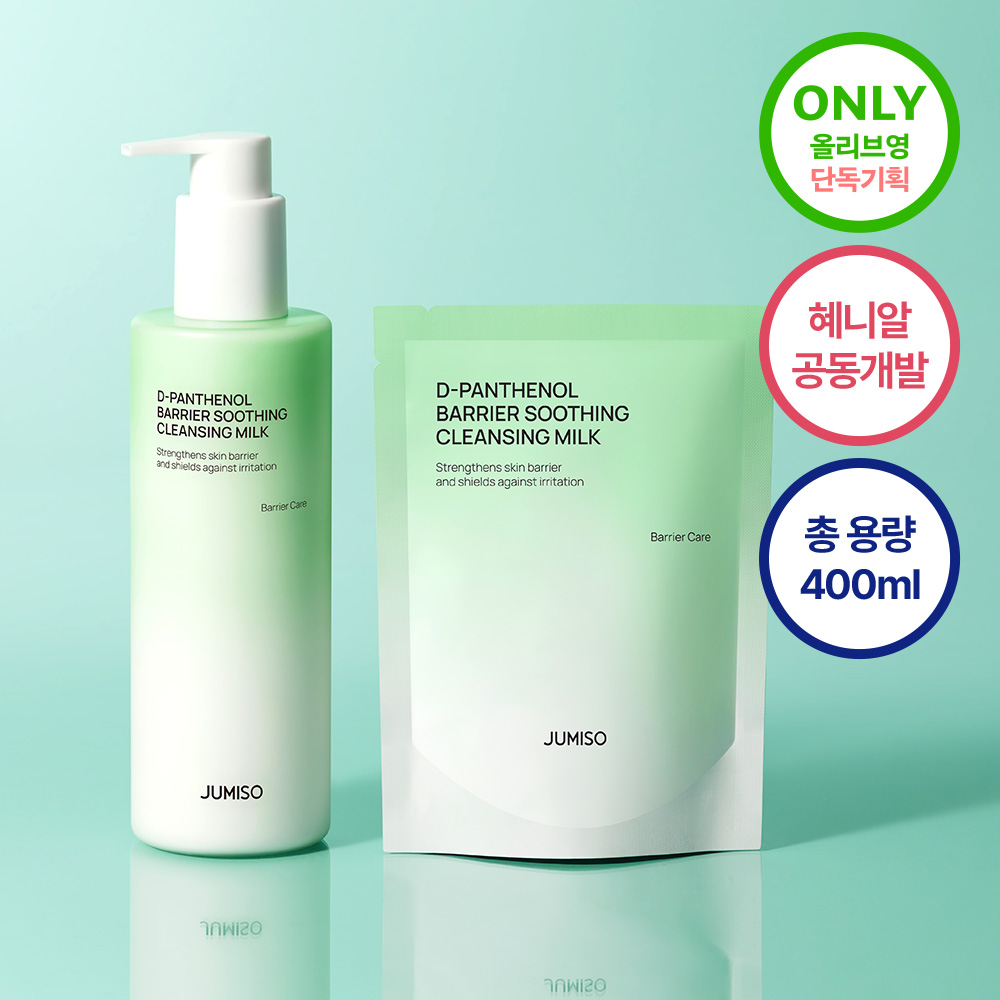
D-Panthenol Barrier Soothing Cleansing Milk 300ml Refill Set
Jumiso
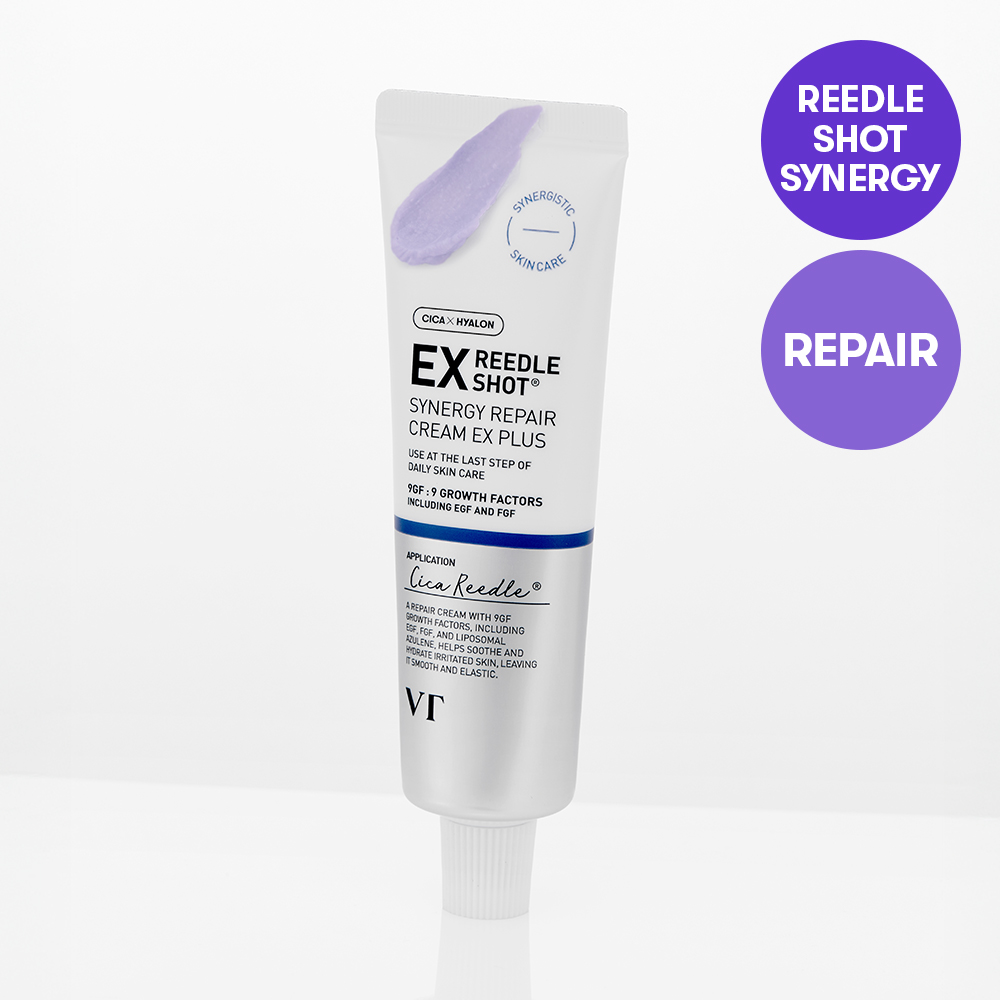
Reedle Shot Synergy Repair Cream EX Plus
VT
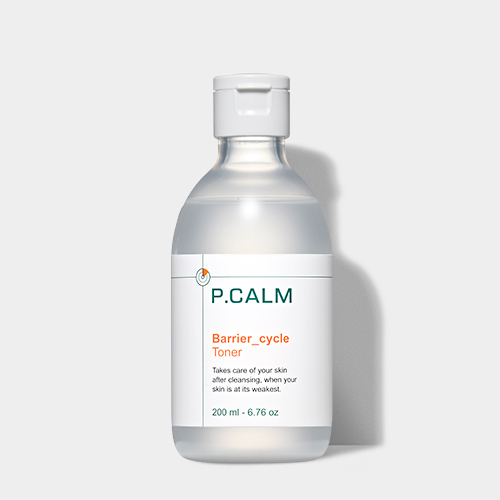
P.CALM Barrier Cycle Toner
Anua
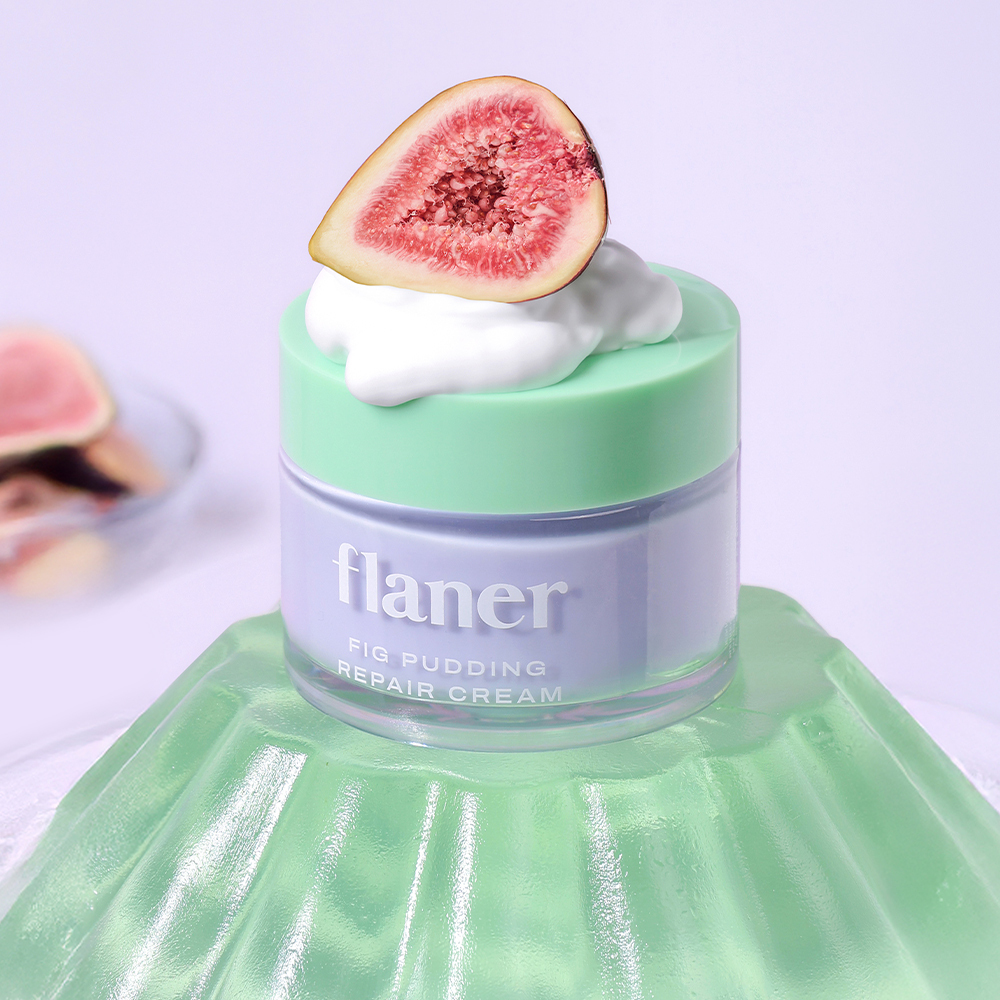
Fig Pudding Repair Cream
Aestura
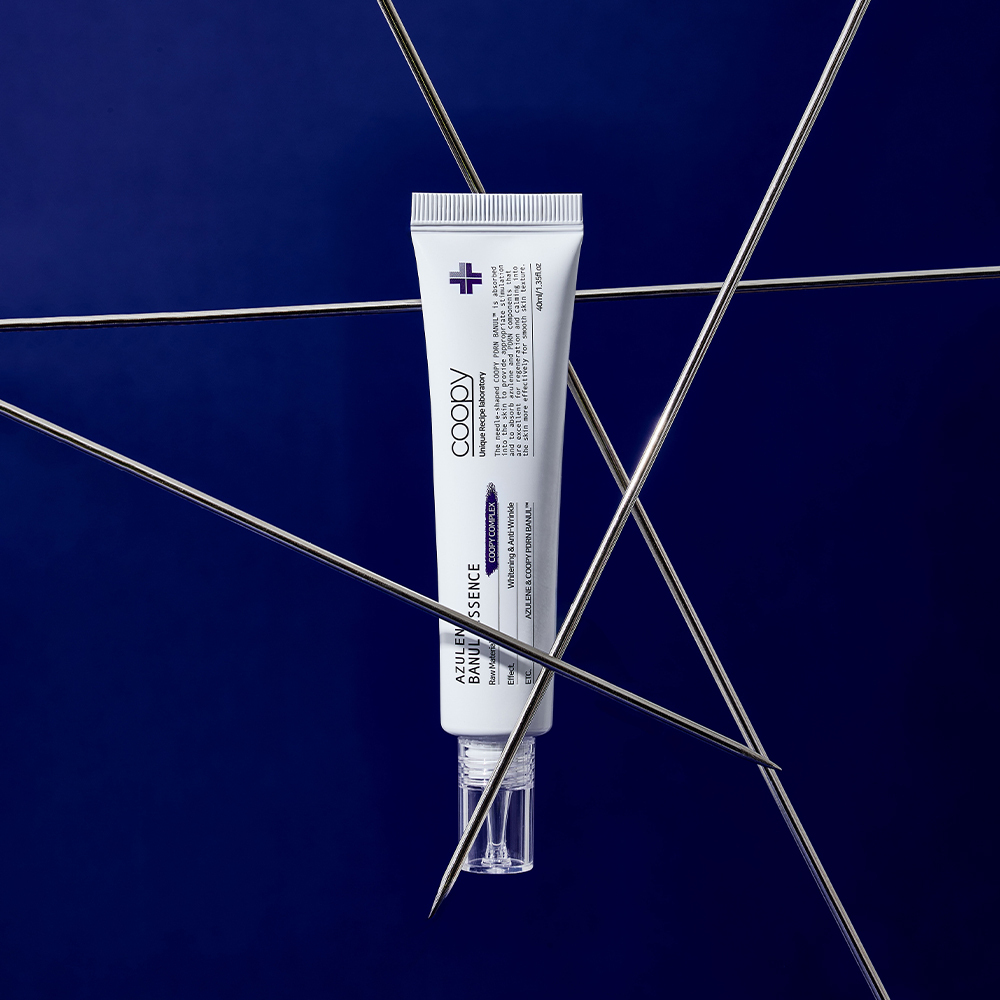
Azulene Banul Essence
Anua
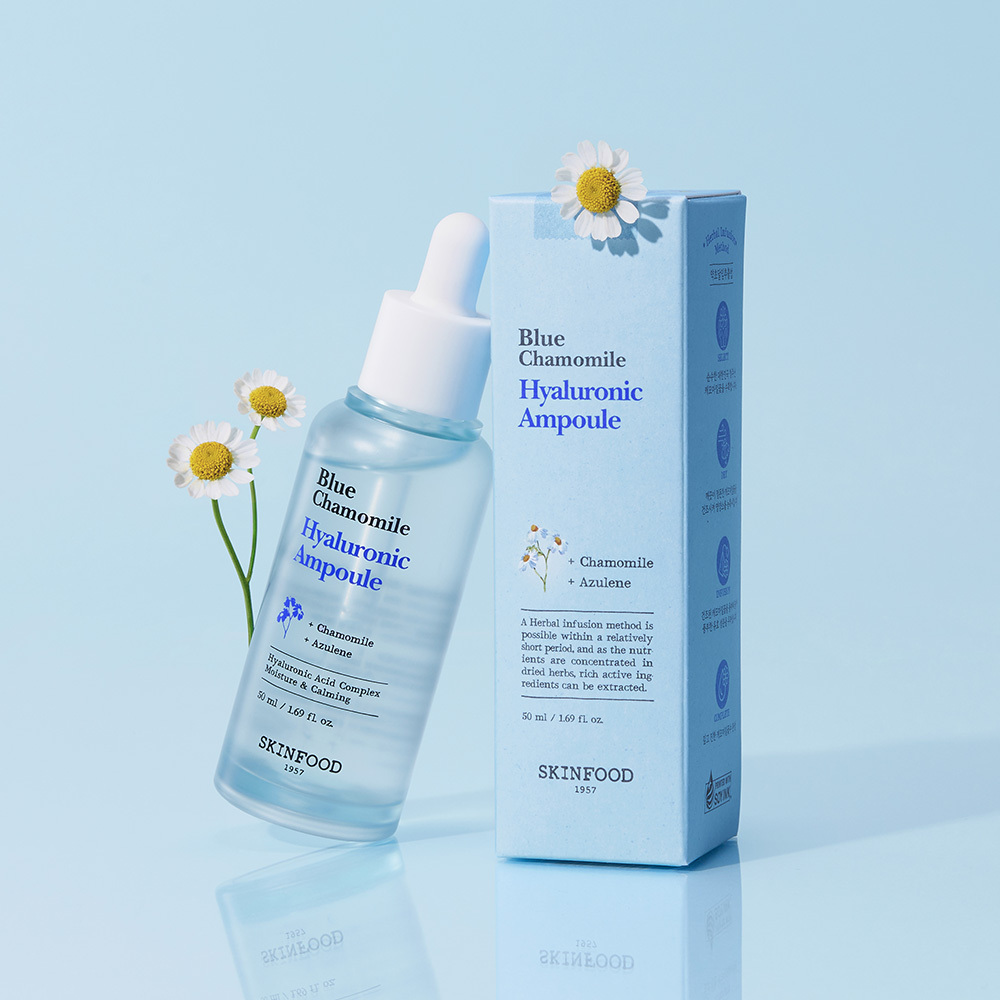
Blue Chamomile Hyaluronic Ampoule
Skinfood
Frequently Asked Questions
Is Sodium Guaiazulene Sulfonate the same as chamomile extract?▼
Will products with this ingredient stain my skin blue?▼
Can I use this ingredient with vitamin C or acids?▼
How quickly does it reduce redness?▼
Is this ingredient safe during pregnancy?▼
Explore More
Want personalized ingredient advice?
Yuri, our AI beauty advisor, can tell you how Sodium Guaiazulene Sulfonate works with your specific skin type, routine, and concerns.
Ask Yuri, free