Sodium Heparin
Anti-inflammatory and soothing agent for sensitive skin
About Sodium Heparin
Sodium Heparin is a pharmaceutical-grade anti-inflammatory ingredient that has crossed over from medical applications into K-beauty formulations targeting reactive and blemish-prone skin. Originally used in wound healing and anti-bruising treatments, this ingredient works by reducing inflammation at multiple stages of the inflammatory cascade. In K-beauty, it appears primarily in spot treatments and soothing products designed for compromised skin barriers. With a non-comedogenic rating of 0/5, it won't clog pores, making it particularly valuable for acne-prone users who need anti-inflammatory benefits without triggering breakouts. The ingredient appears in 24 products on Seoul Sister, with notable presence in the Fation Nosca9 line and CAREPLUS blemish patches, where it helps calm inflamed spots and accelerate skin recovery. While its safety rating of 3/5 reflects its pharmaceutical potency (requiring careful formulation), products containing sodium heparin consistently earn high ratings (4.8-5.0/5), suggesting effective and well-tolerated use when properly formulated.
How Sodium Heparin Works
Sodium Heparin functions as a glycosaminoglycan that interferes with multiple inflammatory pathways simultaneously. At the cellular level, it inhibits the adhesion of inflammatory cells to blood vessel walls, reducing the migration of immune cells to sites of irritation. This prevents the amplification of inflammatory responses that lead to redness, swelling, and prolonged healing times. The ingredient also modulates the activity of inflammatory mediators like histamine and certain proteases, effectively turning down the volume on your skin's alarm system. Additionally, sodium heparin supports microcirculation by preventing microthrombi formation, which improves nutrient delivery to stressed skin cells and accelerates the removal of inflammatory byproducts. This multi-pronged approach makes it particularly effective for post-breakout healing and calming reactive skin that tends to overreact to minor triggers.
Sodium Heparin by Skin Type
Oily Skin
Sodium Heparin excels for oily, acne-prone skin due to its zero comedogenic rating and targeted anti-inflammatory action. It helps reduce the angry redness around active breakouts without adding oils or occlusives that could worsen congestion. The ingredient is particularly useful in spot treatments and cleansers for oily types who need inflammation control without heaviness.
Dry Skin
Dry skin can benefit from sodium heparin's anti-inflammatory properties when experiencing irritation from environmental stress or compromised barriers. However, products containing this ingredient should be paired with hydrating and barrier-supporting ingredients, as sodium heparin itself doesn't provide moisture. Look for it in treatment creams like the Fation Nosca9 Trouble Cream that combine soothing with hydration.
Combo Skin
Combination skin often deals with localized inflammation in the T-zone while maintaining dryness elsewhere, making sodium heparin's targeted approach ideal. It can calm reactive zones without disrupting balanced areas. The non-comedogenic profile means it won't trigger breakouts in oilier regions while soothing irritation wherever it appears.
Sensitive Skin
This is where sodium heparin truly shines. Sensitive skin that experiences frequent redness, reactivity, and prolonged inflammation from minor triggers benefits from its ability to interrupt inflammatory cascades before they spiral. The ingredient helps train reactive skin to respond more proportionally to stimuli. However, the 3/5 safety rating means patch testing is essential, as some sensitive types may react to its pharmaceutical potency.
Normal Skin
Normal skin can use sodium heparin preventatively in products to address occasional inflammation from environmental stressors, hormonal fluctuations, or irritation from active ingredients. It's useful for maintaining skin stability during seasonal transitions or when incorporating new actives into your routine.
How to Use Sodium Heparin
- 1Use sodium heparin products as targeted treatments rather than all-over application, focusing on inflamed areas, active breakouts, or reactive zones that need intervention.
- 2Apply products containing this ingredient after cleansing but before occlusives to ensure the anti-inflammatory benefits penetrate effectively without barrier interference.
- 3When using sodium heparin spot treatments like the CAREPLUS Blemish Care Microcone Patch, apply to clean, dry skin for 6-8 hours (ideally overnight) for maximum inflammatory reduction.
- 4Pair with barrier-supporting ingredients like ceramides or centella asiatica for comprehensive repair, since sodium heparin addresses inflammation but not necessarily barrier reconstruction.
- 5Given the 3/5 safety rating, introduce sodium heparin products gradually and perform a patch test behind your ear for 24-48 hours before facial application, especially if you have sensitive skin.
Background
Sodium Heparin has a pharmaceutical heritage dating back to its discovery as an anticoagulant in the 1920s. For decades, it was used medically for preventing blood clots and treating bruising and inflammation in clinical settings. Korean dermatologists began incorporating it into topical formulations in the 2000s after observing its effectiveness in post-procedure healing and inflammation management. The ingredient gained traction in K-beauty as brands recognized its potential for addressing the chronic low-grade inflammation underlying many skin concerns, from persistent redness to slow breakout recovery. Fation's Nosca9 line represents the modern K-beauty approach, combining pharmaceutical-grade sodium heparin with complementary soothing ingredients in products designed for daily use rather than clinical treatment. This evolution from hospital to bathroom shelf reflects K-beauty's talent for adapting medical-grade ingredients into consumer-friendly formats.
K-Beauty Products with Sodium Heparin
View all 25 →
Nosca9 Cleansing Gel
Fation
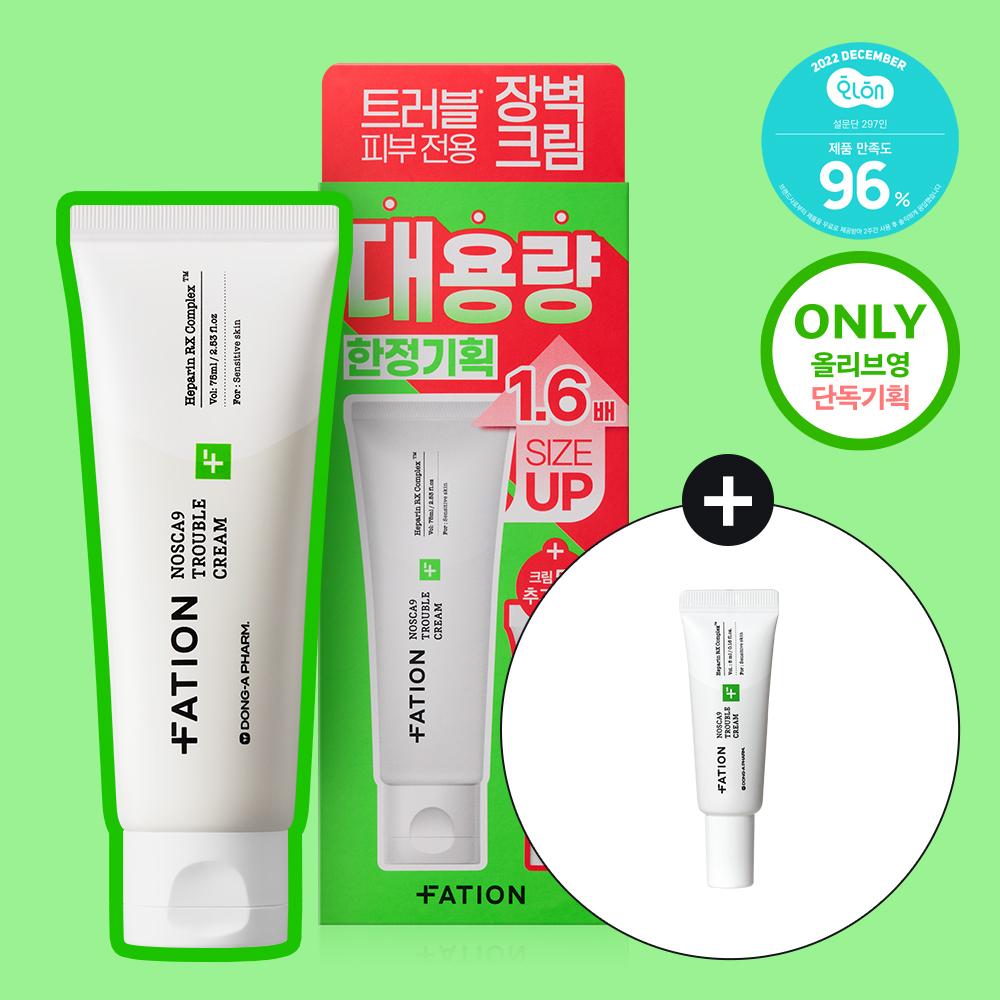
Nosca9 Trouble Cream
Fation
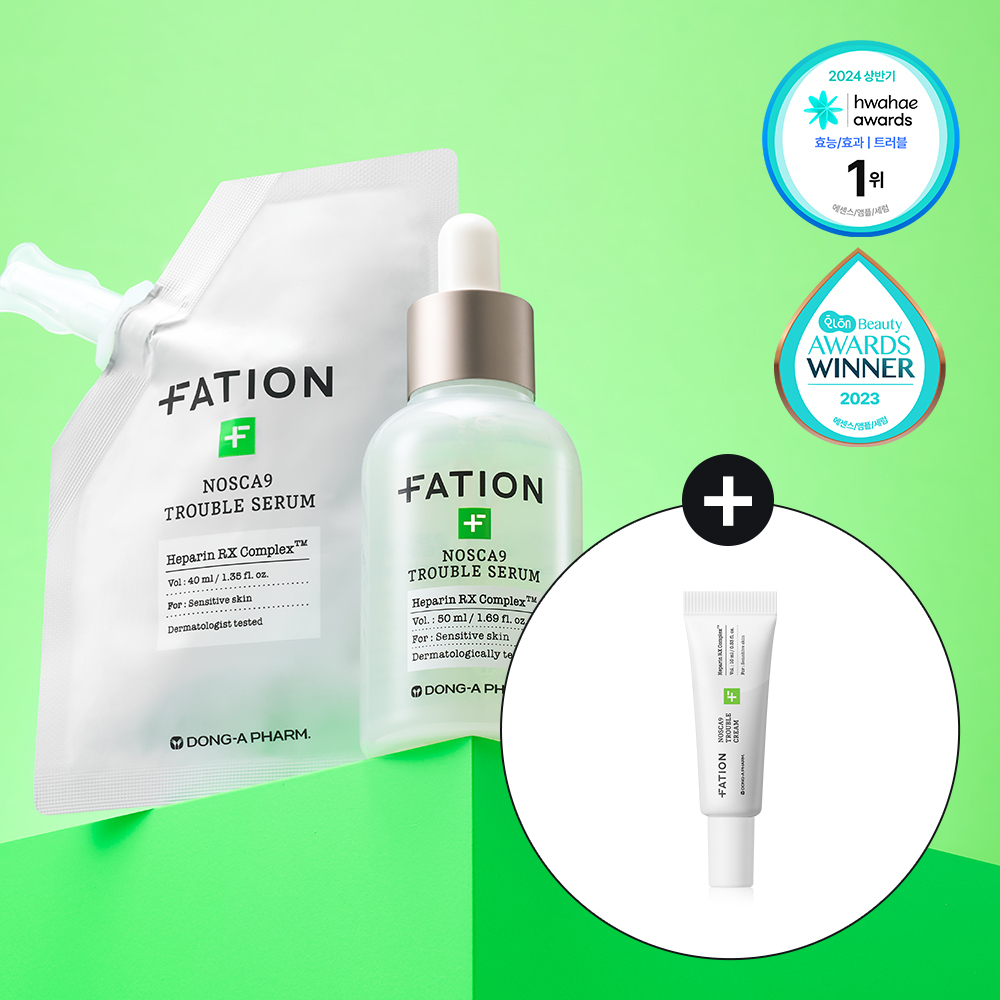
Nosca9 Trouble Serum
Fation
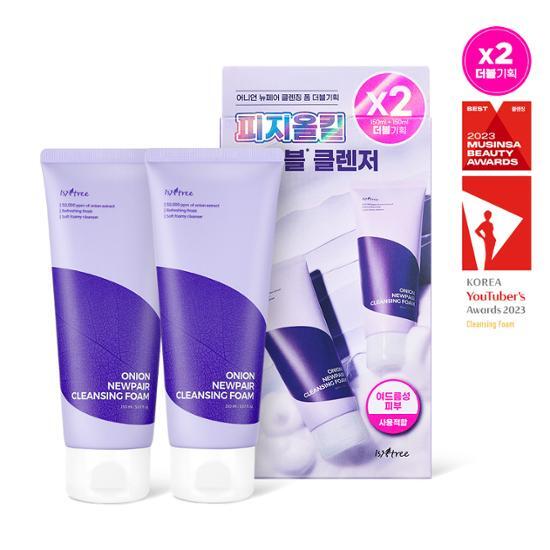
Onion Newpair Cleansing Foam Double Set
Isntree
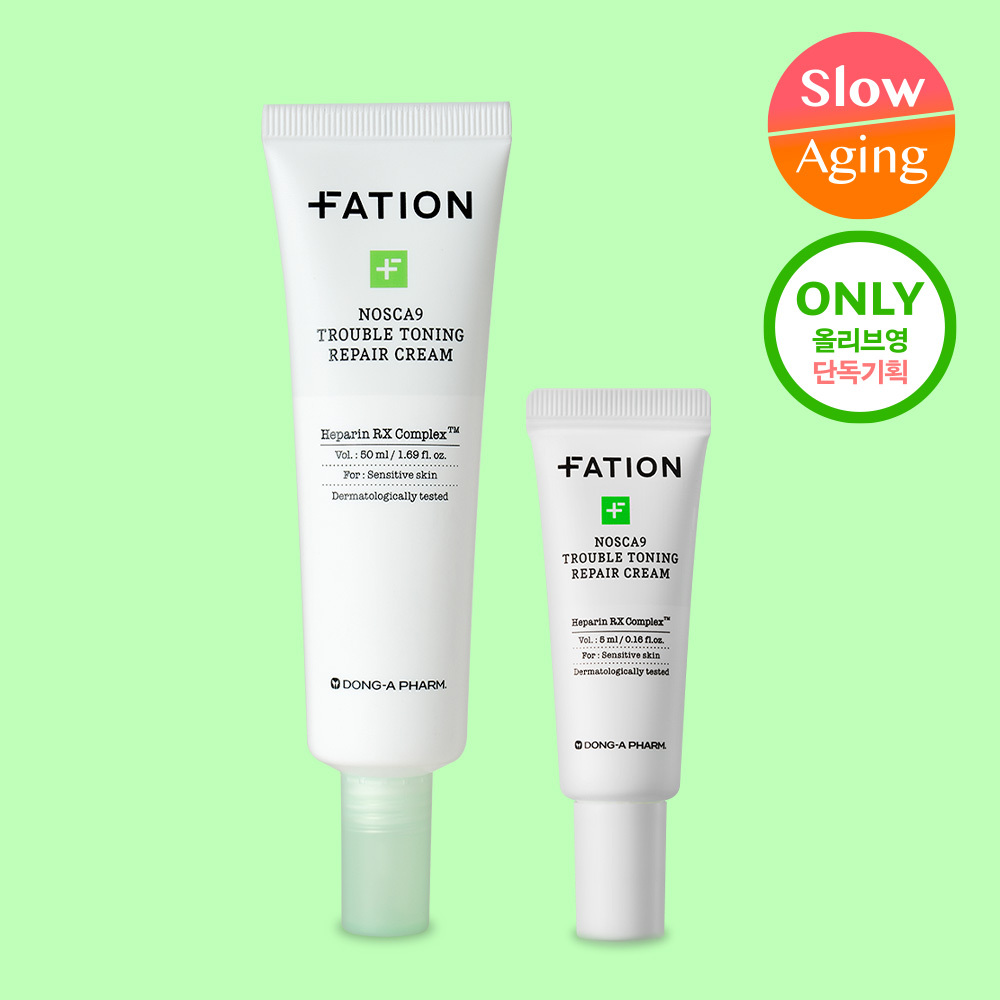
Nosca9 Trouble Toning Repair Cream Set
Fation
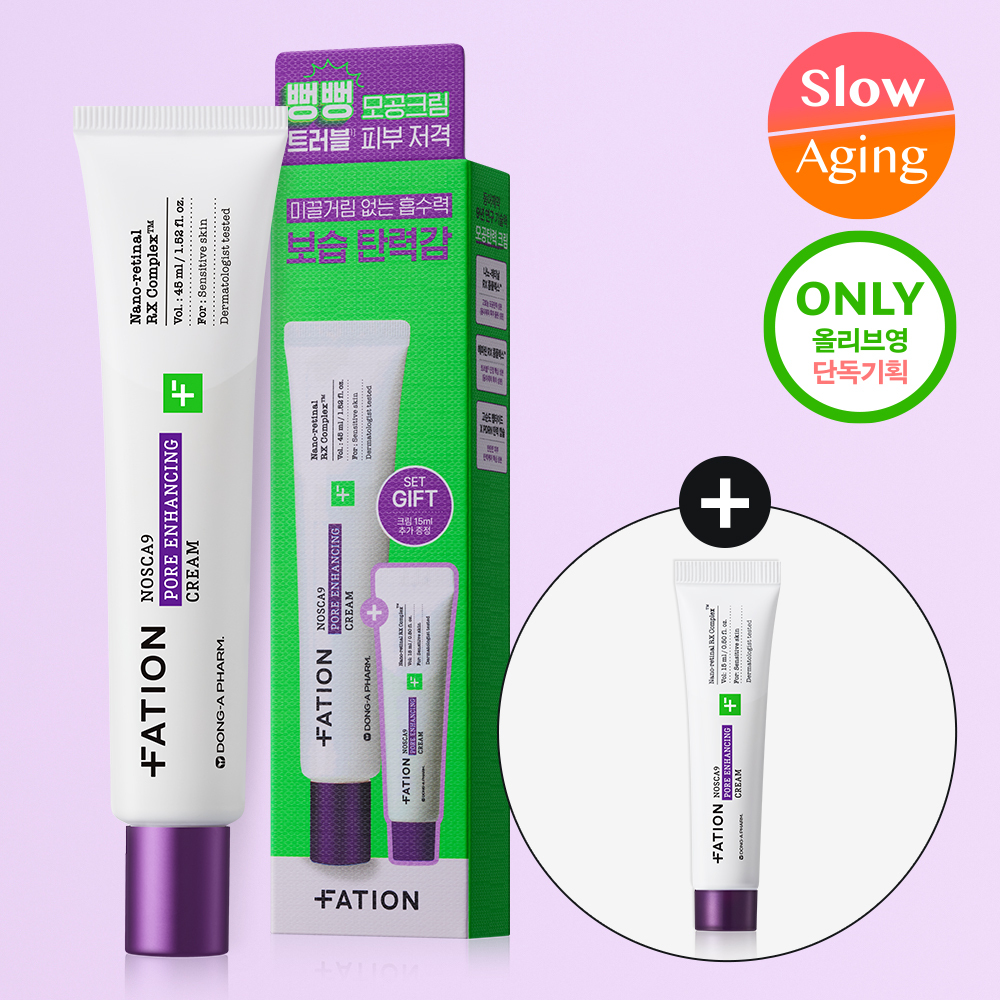
Nosca9 Pore Enhancing Cream Set
Fation
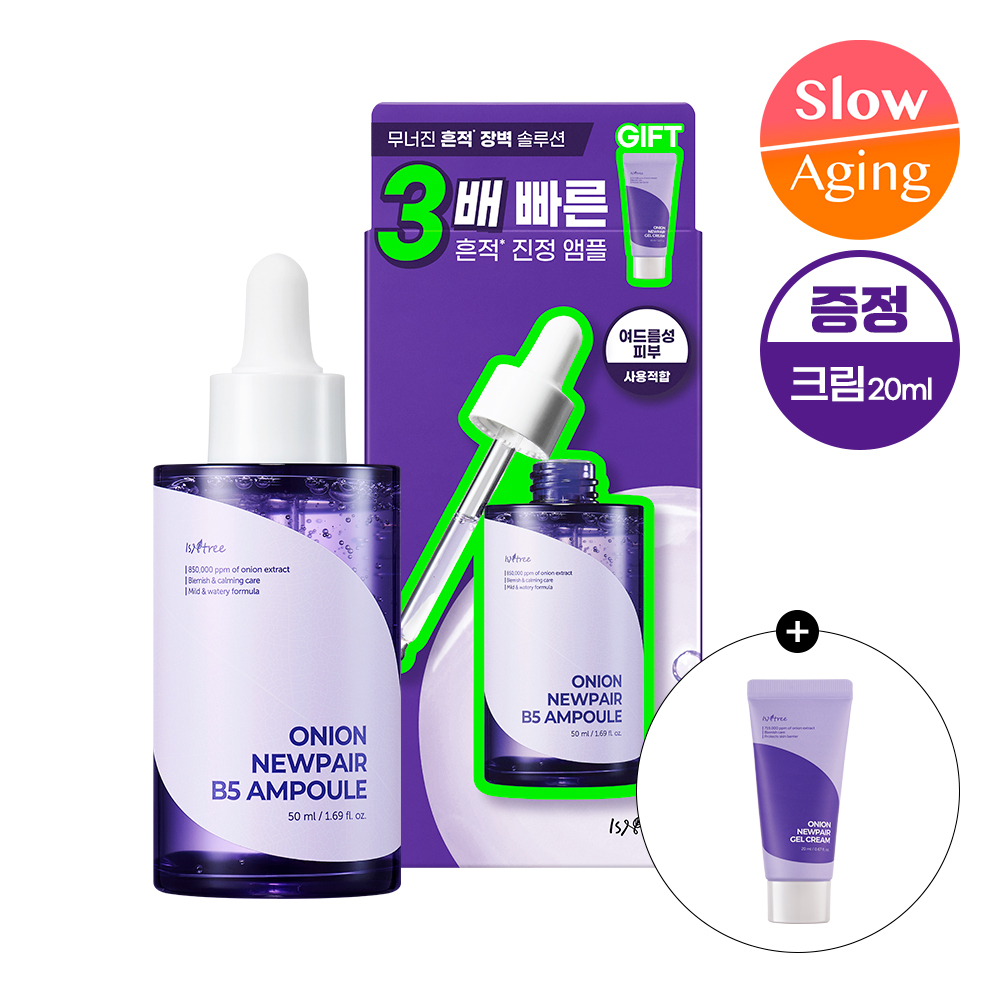
Onion Newpair B5 Ampoule
Isntree
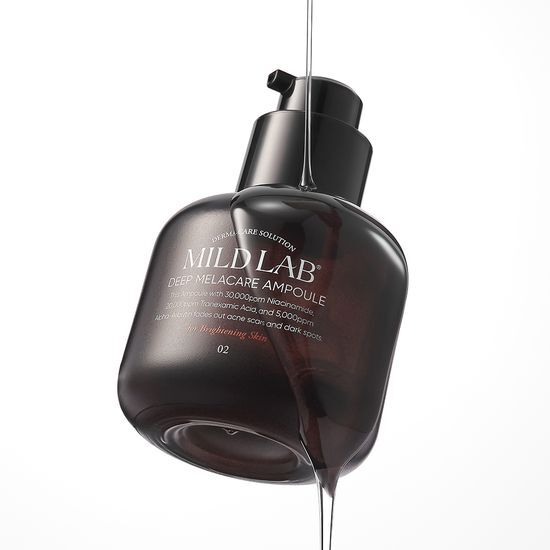
Deep Melacare Ampoule
MILD LAB
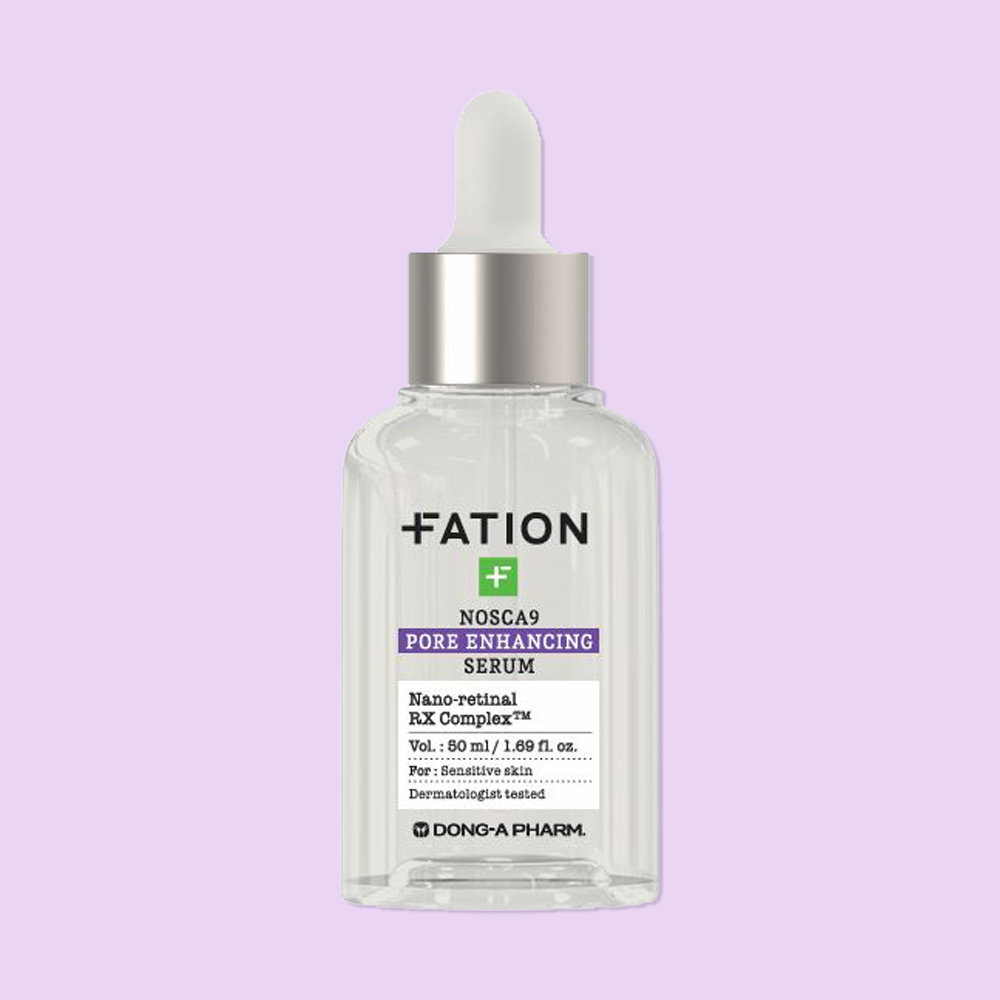
Nosca9 Pore Enhancing Serum
Fation
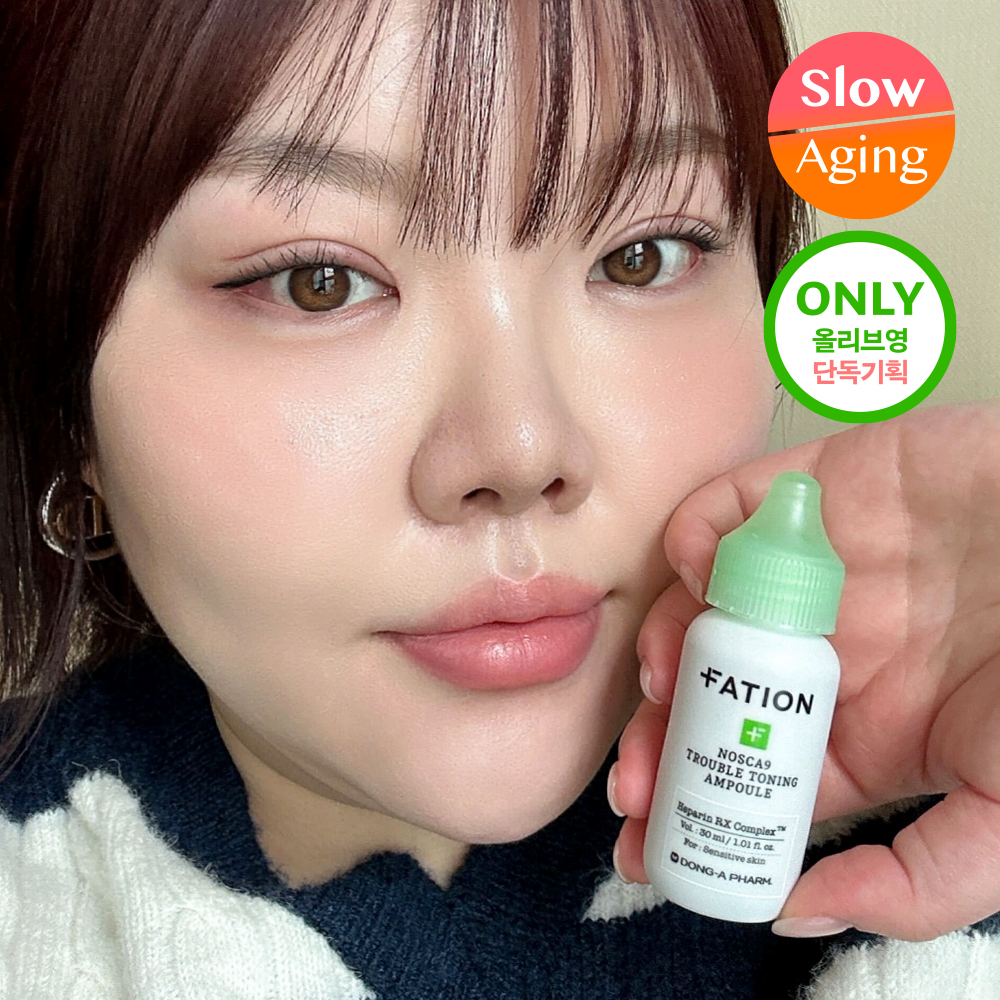
Nosca9 Trouble Toning Ampoule
Fation
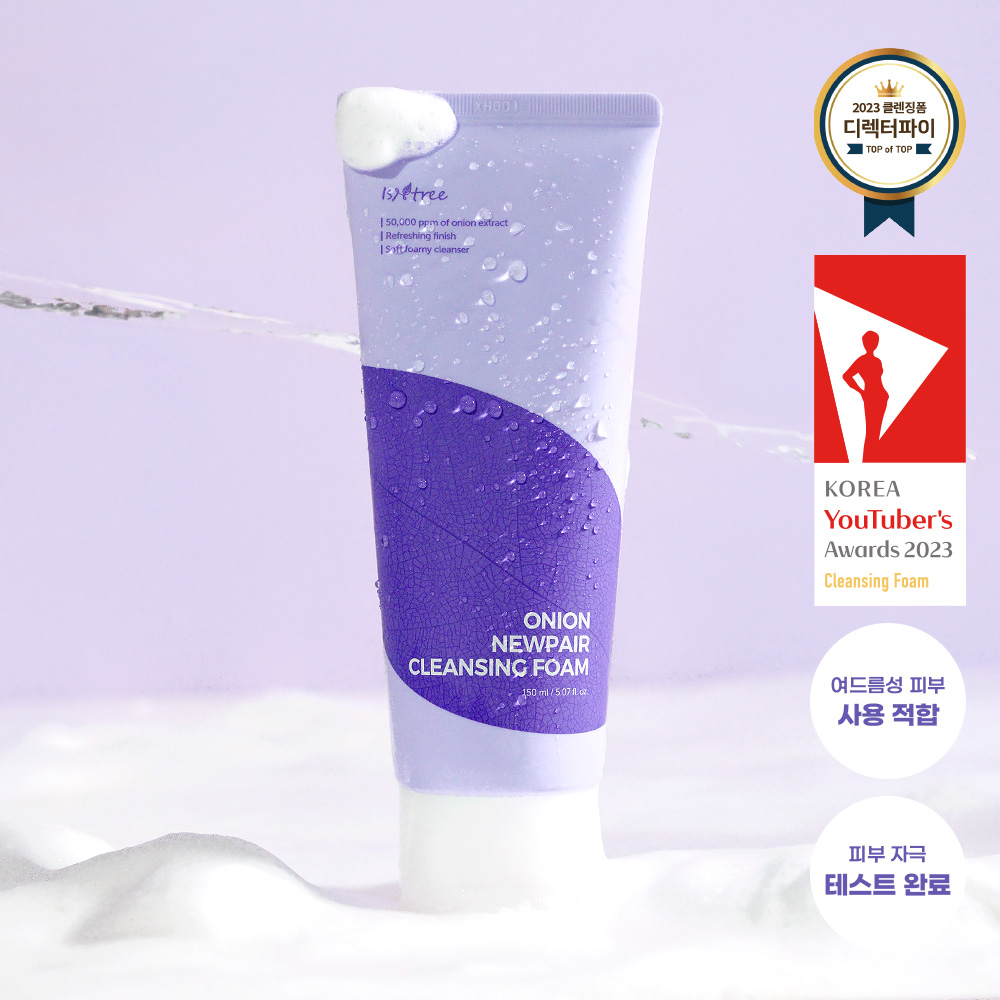
Onion Newpair Cleansing Foam
Isntree
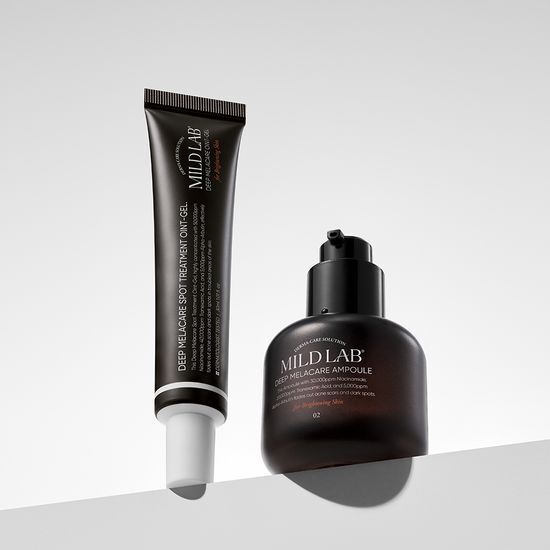
Deep Melacare Spot Treatment Oint-Gel
Aestura
Frequently Asked Questions
Is sodium heparin safe for daily use on my face?▼
Will sodium heparin help with acne scars and post-inflammatory hyperpigmentation?▼
Can I use sodium heparin with other active ingredients like retinol or acids?▼
Why do sodium heparin products like the Fation Nosca9 line have such high ratings?▼
Is sodium heparin the same as hyaluronic acid since they're both glycosaminoglycans?▼
Explore More
Want personalized ingredient advice?
Yuri, our AI beauty advisor, can tell you how Sodium Heparin works with your specific skin type, routine, and concerns.
Ask Yuri, free