Sodium Lactate
Humectant and pH adjuster for skin hydration
About Sodium Lactate
Sodium lactate is a naturally derived humectant and pH regulator that plays a dual role in Korean skincare formulations. As the sodium salt of lactic acid, it occurs naturally in the skin as part of the Natural Moisturizing Factor (NMF), a complex mixture of water-soluble compounds that keep the stratum corneum hydrated and flexible. Unlike its parent acid, sodium lactate is non-exfoliating and works purely to attract and retain moisture in the skin while helping maintain the optimal slightly acidic pH that healthy skin needs to function. With a perfect safety rating of 5/5 and zero comedogenic potential, it appears in 78 K-beauty products across categories from cleansers to essences. Korean brands value sodium lactate because it provides lightweight hydration without the sticky feel of heavier humectants, making it ideal for layered routines. You'll find it in top-rated products like Papa Recipe's Real Centella Pack & Foam and CNP's Propolis Energy Active Ampule, where it supports barrier function and helps other active ingredients work more effectively. Because it mimics a compound your skin already produces, sodium lactate integrates seamlessly into formulations without triggering sensitivity, making it one of the safest and most universally tolerated hydrating ingredients in modern skincare.
How Sodium Lactate Works
Sodium lactate functions through two primary mechanisms. As a humectant, its hygroscopic structure allows it to bind water molecules from both the environment and deeper skin layers, drawing moisture into the stratum corneum where it's most needed. Each sodium lactate molecule can attract and hold multiple water molecules, creating a reservoir of hydration that plumps the skin and smooths fine dehydration lines. Simultaneously, it works as a buffering agent to maintain skin pH between 4.5 and 5.5, the optimal range for enzyme activity, barrier lipid synthesis, and microbial defense. When skin pH drifts too alkaline (often after cleansing), barrier function weakens and water loss accelerates. Sodium lactate helps reset this balance quickly. Because it's a component of the skin's own NMF, which comprises up to 20-30% of the stratum corneum's dry weight, topical sodium lactate essentially replenishes what the skin already recognizes and uses. This biomimetic approach explains why it integrates so well with other ingredients and rarely causes irritation, even in compromised or sensitive skin.
Sodium Lactate by Skin Type
Oily Skin
Sodium lactate excels for oily skin because it provides essential hydration without adding oils or occlusives that might feel heavy. Oily skin still needs water, and dehydration can actually trigger more sebum production as the skin tries to compensate. The lightweight, non-greasy hydration from sodium lactate helps balance moisture levels without clogging pores (0/5 comedogenic rating), making it perfect for the essence and ampoule steps that oily skin types favor.
Dry Skin
For dry skin, sodium lactate acts as a humectant foundation that allows other moisturizing ingredients to work more effectively. It draws water into the skin, creating the hydrated base that barrier-repairing ingredients like ceramides and occlusives need to seal in. Products like ONE THING's Peptide Retinal Cream combine sodium lactate with richer textures to provide both immediate moisture attraction and long-term hydration, addressing the chronic water deficiency that characterizes dry skin.
Combo Skin
Combination skin benefits from sodium lactate's ability to hydrate without adding weight or oil. Because it works in the water phase of formulations, it can hydrate dry cheek areas while remaining lightweight enough for oilier T-zones. This makes it ideal for the K-beauty layering approach, where combination skin types build customized hydration in different facial zones. Its presence in products like Hanskin's Cleansing Oil shows how it maintains moisture even during the cleansing process.
Sensitive Skin
With a perfect 5/5 safety rating, sodium lactate is exceptionally gentle for sensitive skin. Since it occurs naturally in the skin's own moisturizing system, the body recognizes it as familiar rather than foreign, minimizing immune response or irritation. Its pH-adjusting properties are particularly valuable for sensitive skin, which often has a compromised barrier and elevated pH. Products like Papa Recipe's Real Centella Pack & Foam pair sodium lactate with soothing ingredients to deliver hydration while supporting barrier recovery.
Normal Skin
Normal skin maintains its balanced state more easily with sodium lactate supporting natural NMF levels. While this skin type may not show dramatic transformation, sodium lactate provides consistent background hydration that keeps skin functioning optimally. Its presence in high-performing essences like Numbuzin's No. 9 NAD Bio Lifting-sil Essence (4.9/5) shows how it works synergistically with advanced actives to maintain the healthy baseline that normal skin already possesses, preventing future issues rather than correcting existing ones.
How to Use Sodium Lactate
- 1Layer sodium lactate-containing products (essences, ampoules) on damp skin immediately after cleansing to maximize its humectant properties and help it draw maximum moisture into the skin.
- 2Use it in your morning routine before sunscreen, as the hydration it provides helps foundation apply more smoothly and creates a plump canvas for makeup.
- 3If you live in a dry climate, follow sodium lactate products with an occlusive moisturizer to prevent the water it attracts from evaporating back into the environment.
- 4Sodium lactate works well in all seasons but is particularly valuable in winter when indoor heating depletes skin moisture and in summer when lightweight hydration is preferable to heavy creams.
Background
Lactic acid and its salts have been used in skincare since ancient times, when Cleopatra famously bathed in sour milk to soften her skin. However, sodium lactate as an isolated ingredient emerged from 20th-century biochemical research into skin hydration. Scientists discovered in the 1950s and 60s that the skin's surface contains a complex mixture of hygroscopic substances collectively termed Natural Moisturizing Factor, with lactate compounds comprising a significant portion. This research revealed that dry, flaky skin often correlates with depleted NMF levels. Korean skincare chemists, known for their scientific approach to formulation, embraced sodium lactate in the 1990s and 2000s as they developed lightweight, layerable hydration products that aligned with the emerging K-beauty philosophy of multiple thin layers rather than single heavy creams. Its dual function as both humectant and pH adjuster made it particularly valuable as K-beauty cleansers evolved toward gentler, low-pH formulations that wouldn't strip the skin barrier.
K-Beauty Products with Sodium Lactate
View all 91 →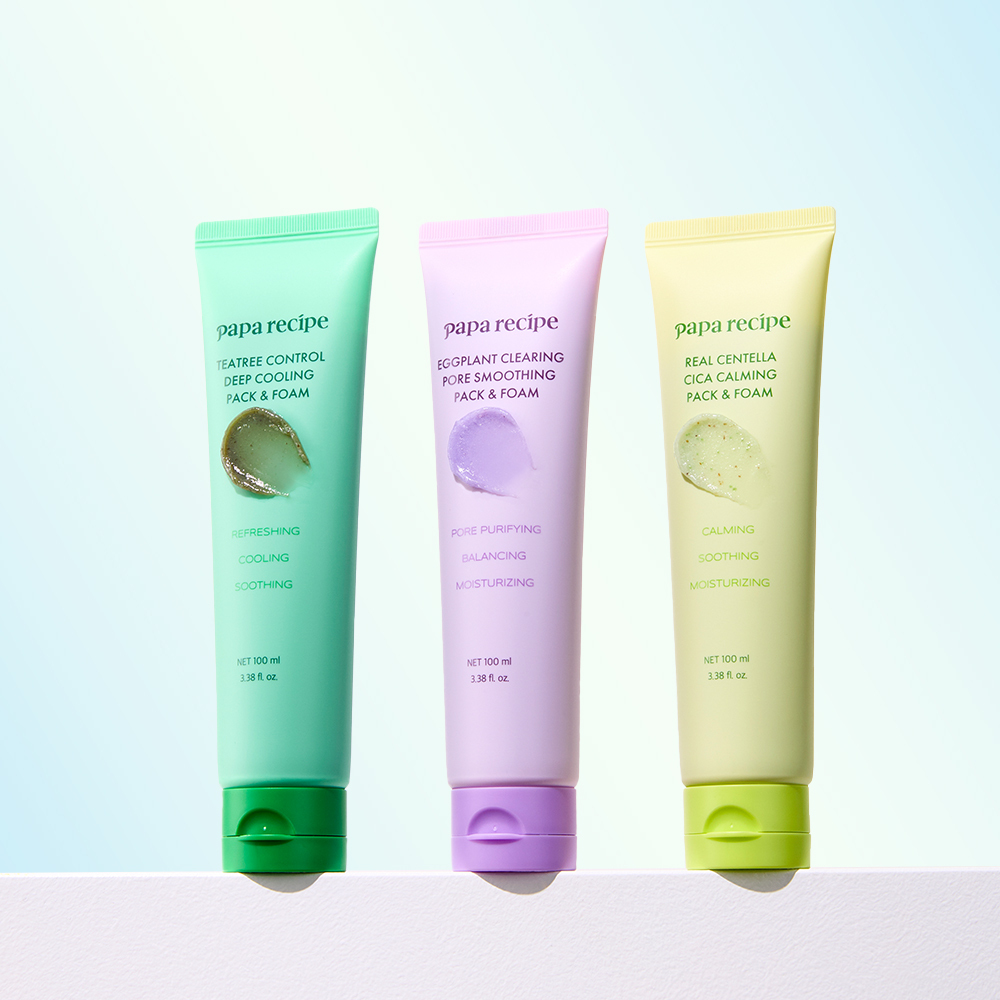
Pack & Foam (Real Centella/Eggplant Clearing/Teatree Control)
Papa Recipe
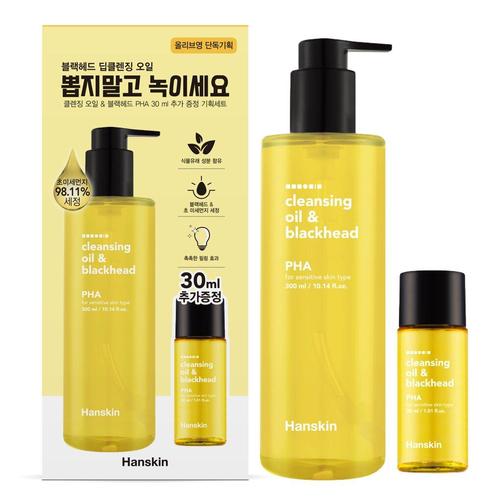
Cleansing Oil & Blackhead
Hanskin
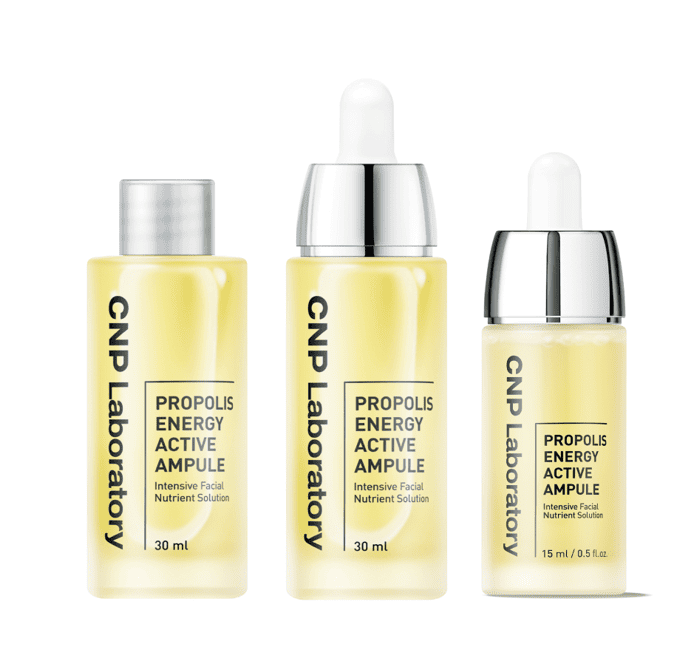
Propolis Energy Active Ampule
CNP

No. 9 NAD Bio Lifting-sil Essence
Numbuzin
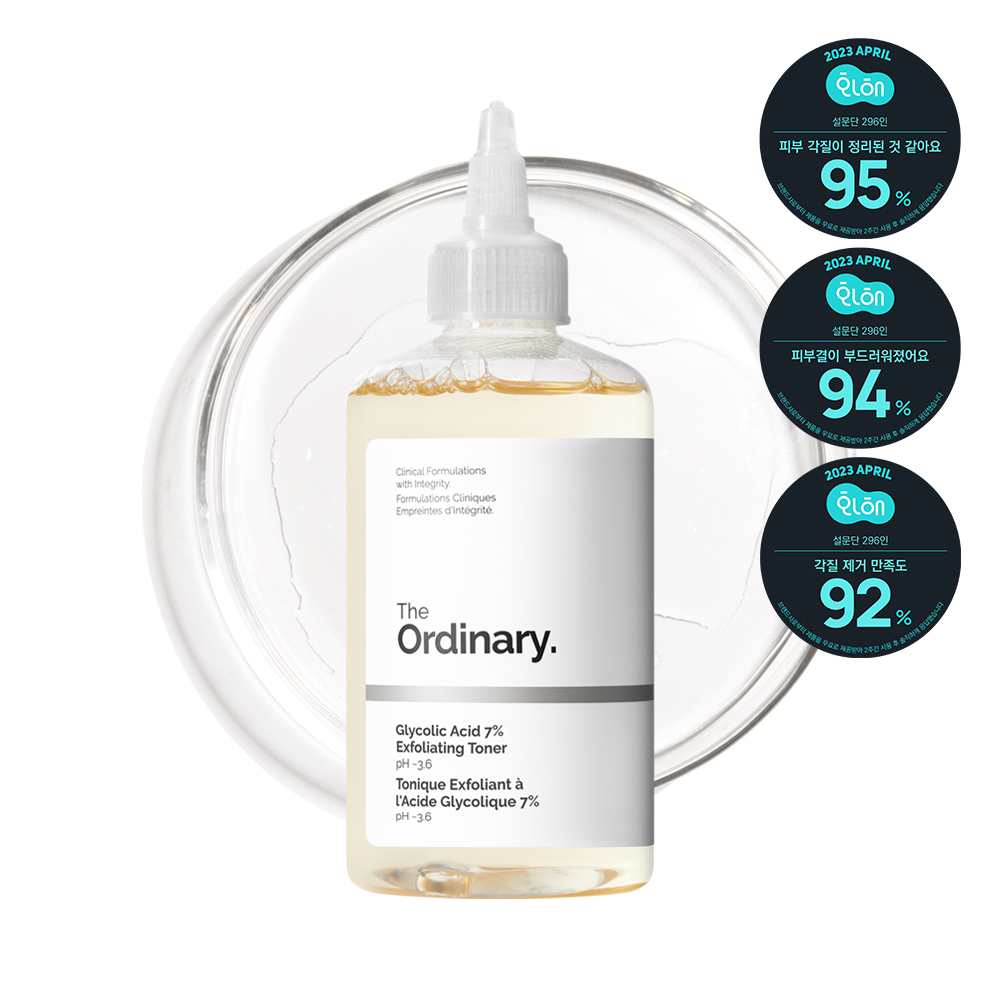
Glycolic Acid 7% Exfoliating Toner
The Ordinary
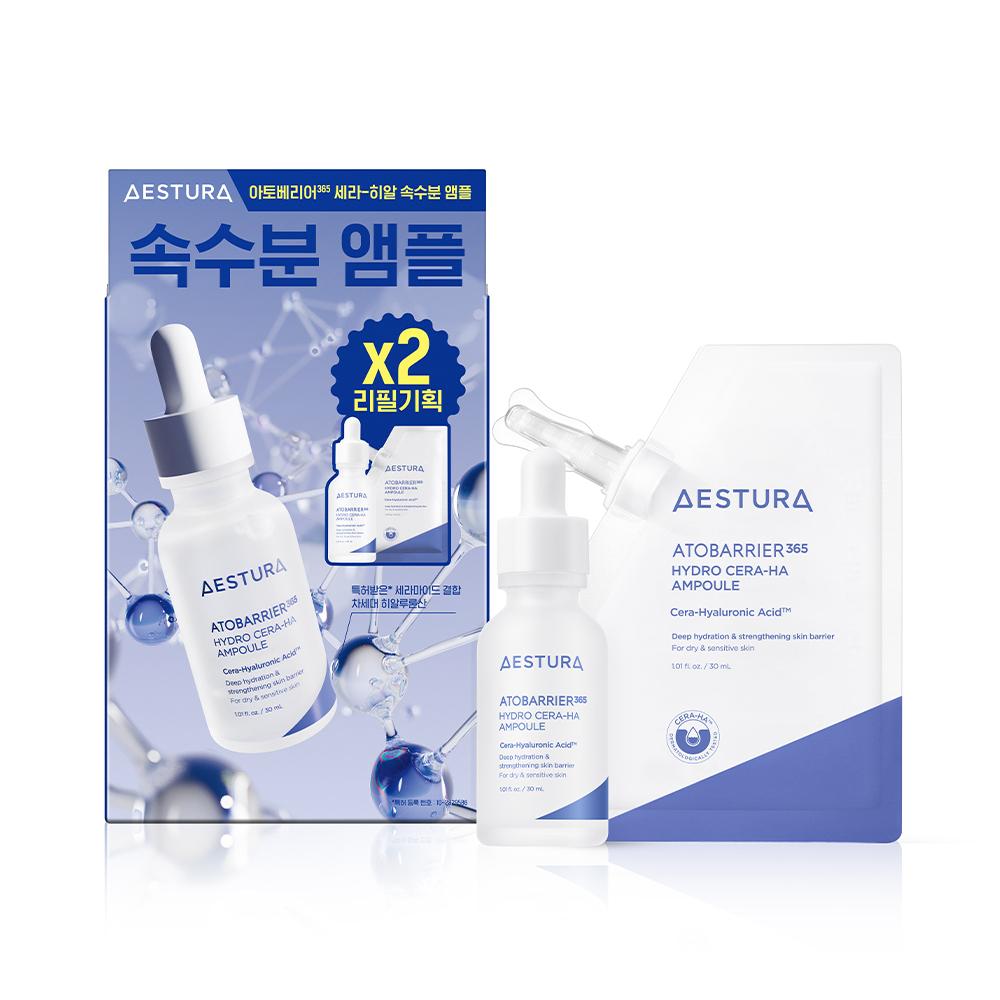
Atobarrier 365 Cera-Ha Ampoule 30ml Refill Set
Aestura
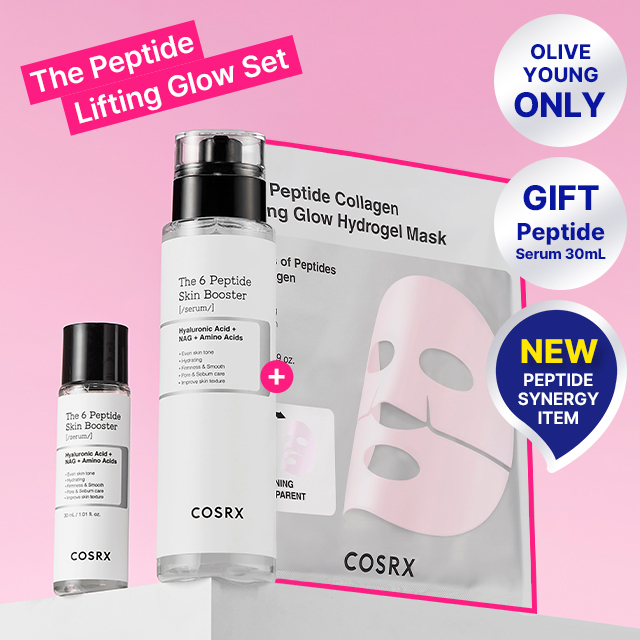
The Peptide Lifting Glow Set
COSRX
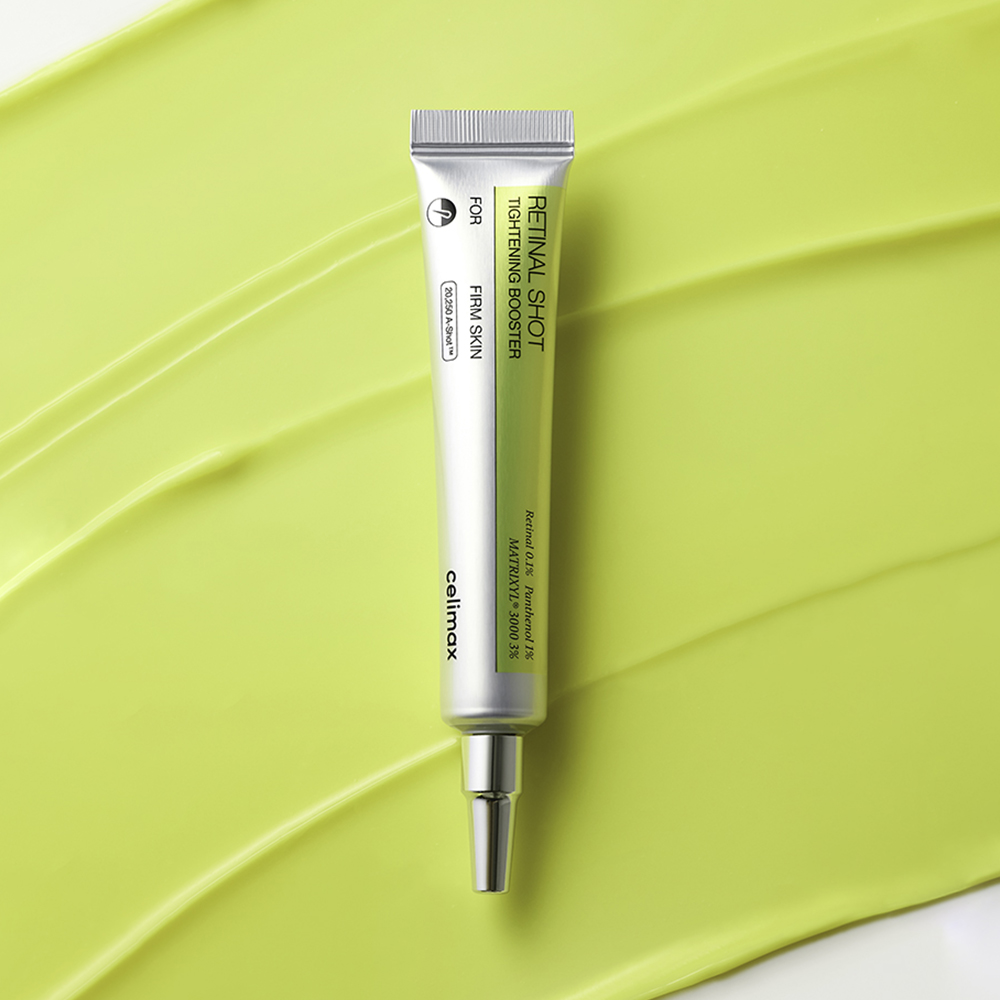
The Vita A Retinal Shot Tightening Booster
Celimax
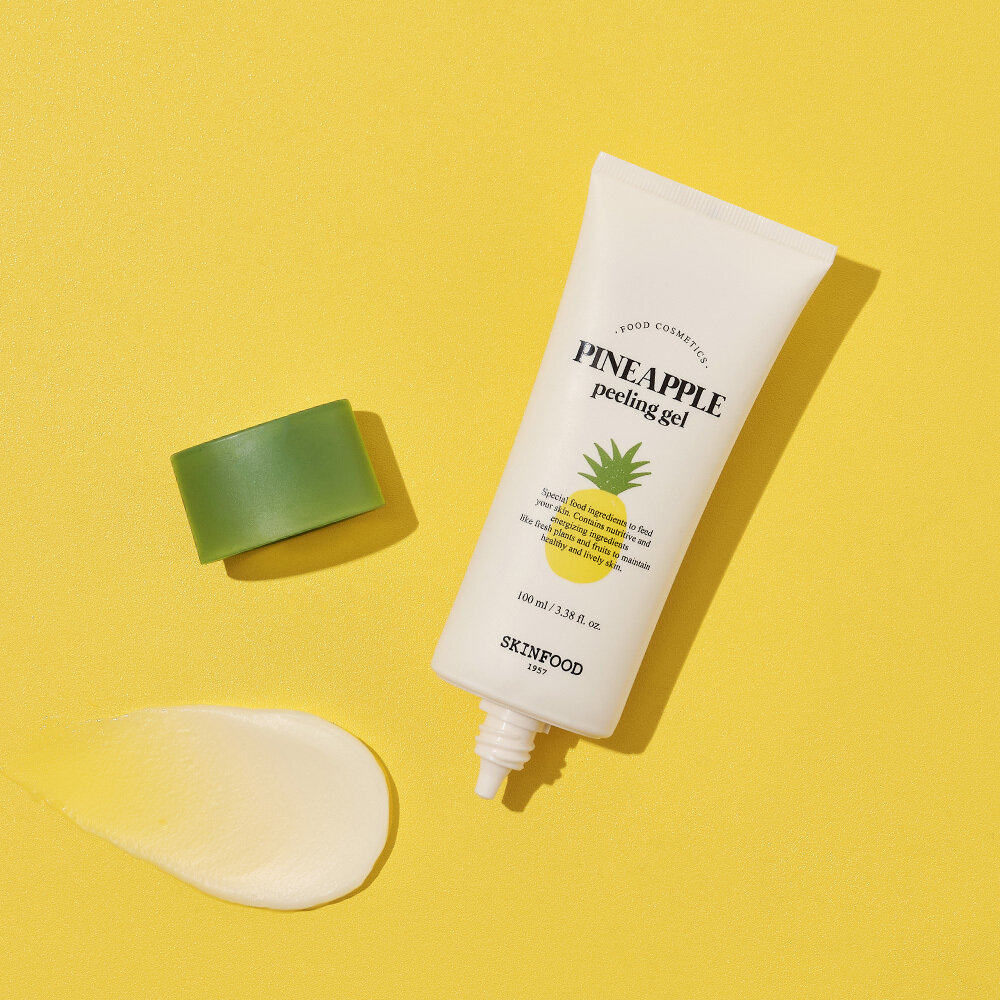
Pineapple Peeling Gel
Skinfood
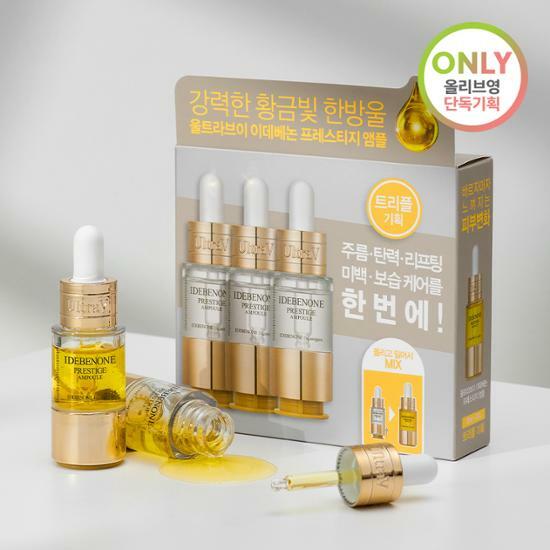
Ultra V Idebenone Prestige Ampoule 3ea
Anua
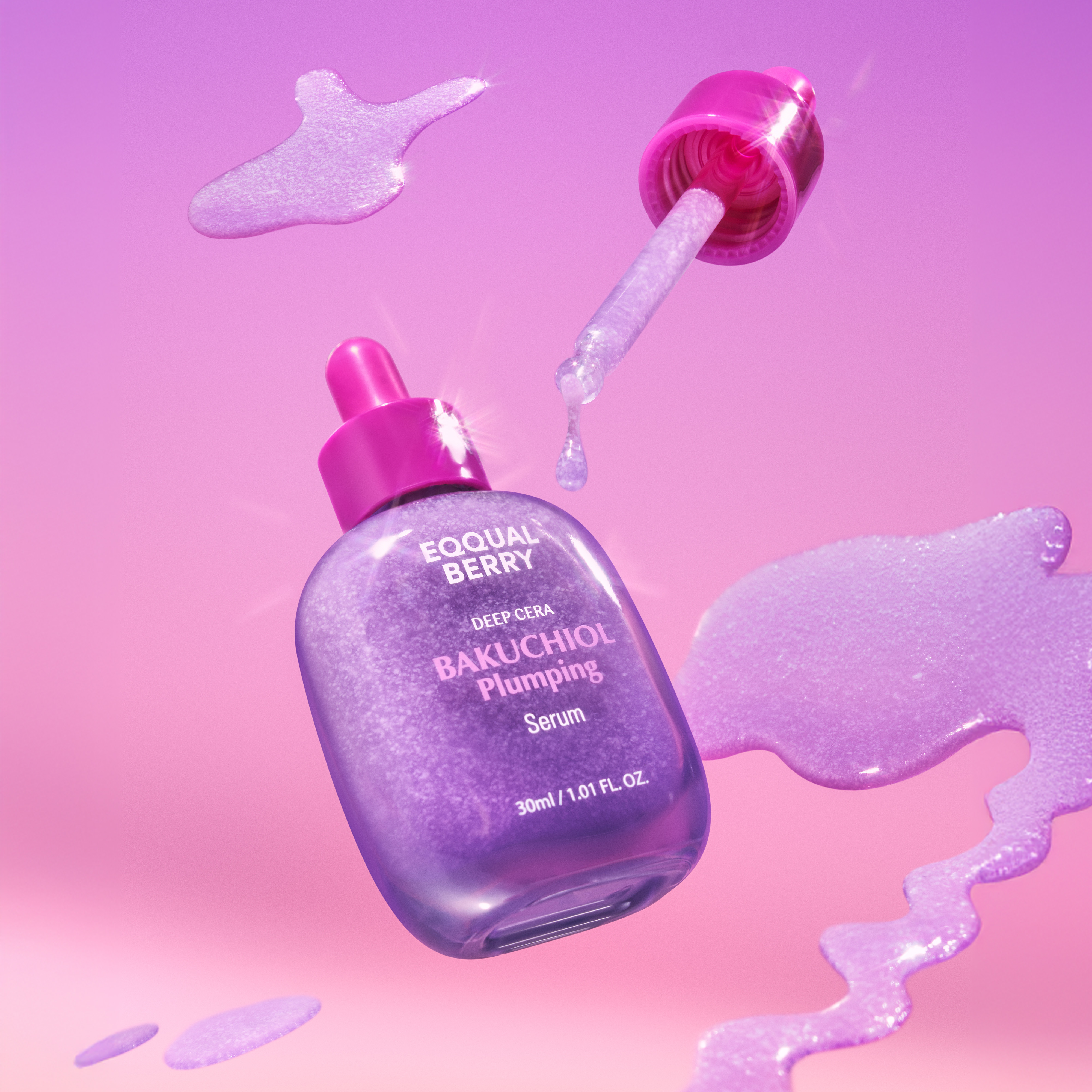
Bakuchiol Plumping Serum
Eqqualberry
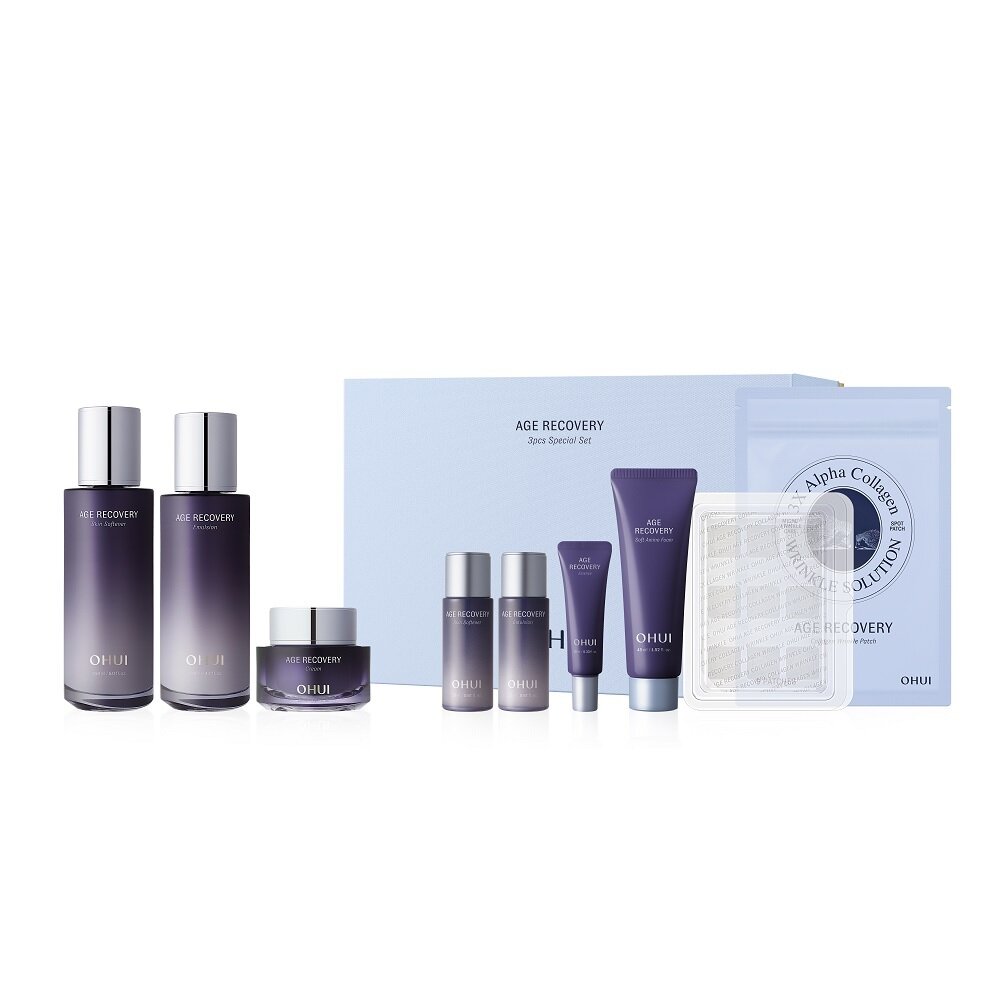
Age Recovery 3P Set
OHUI
Frequently Asked Questions
Is sodium lactate the same as lactic acid for exfoliation?▼
Can I use sodium lactate if I'm sensitive to AHAs?▼
Why is sodium lactate in cleansers if it's a humectant?▼
Will sodium lactate make my oily skin worse?▼
How does sodium lactate compare to hyaluronic acid for hydration?▼
Explore More
Want personalized ingredient advice?
Yuri, our AI beauty advisor, can tell you how Sodium Lactate works with your specific skin type, routine, and concerns.
Ask Yuri, free