Eggplant Extract
INCI: Solanum Melongena (Eggplant) Fruit Extract
Antioxidant and skin conditioning agent
About Eggplant Extract
Eggplant extract is a botanical antioxidant derived from the purple-skinned fruit of Solanum melongena, prized in K-beauty for its high concentration of nasunin, a potent anthocyanin pigment that gives eggplant its distinctive color. This ingredient offers powerful free radical scavenging properties while delivering skin conditioning benefits that help maintain a smooth, balanced complexion. Korean skincare brands have embraced eggplant extract for its ability to protect skin from oxidative stress caused by pollution and UV exposure, two major concerns in urban Asian beauty markets. Beyond antioxidant activity, eggplant extract contains vitamins B3 and C, along with minerals like potassium and magnesium that support skin barrier function. With a low comedogenic rating of 1/5, it's suitable for most skin types without clogging pores. Found in 250 K-beauty products on Seoul Sister, including high-performing cleansers like Beplain's Mung Bean pH-Balanced Cleansing Foam (4.9/5) and VT's PDRN Capsule Cream 100 (5.0/5), eggplant extract represents K-beauty's commitment to harnessing vegetable-derived actives for gentle yet effective skincare. Its presence in cleansing formulas is particularly strategic, as the extract's antioxidants help neutralize free radicals introduced during the cleansing process while conditioning agents prevent the tight, stripped feeling common with harsh cleansers.
How Eggplant Extract Works
Eggplant extract works primarily through nasunin, a nitrogen-containing anthocyanin compound that acts as a lipophilic antioxidant, meaning it can penetrate lipid-rich cell membranes to protect against oxidative damage. When applied topically, nasunin neutralizes reactive oxygen species (ROS) that form when skin is exposed to environmental aggressors like UV radiation and pollution particulates. This protection extends to preserving cell membrane integrity and preventing lipid peroxidation, the process that degrades skin's natural barrier and accelerates visible aging. The extract's phenolic compounds and chlorogenic acid derivatives further enhance antioxidant capacity through metal chelation, binding iron ions that would otherwise catalyze harmful free radical reactions. At a cellular level, eggplant extract has been shown to inhibit tyrosinase activity, the enzyme responsible for melanin production, though this effect is mild compared to dedicated brightening ingredients. The vitamins and minerals present support normal keratinocyte differentiation and maintain skin hydration by reinforcing the natural moisturizing factor (NMF). In cleansing products, these conditioning agents create a protective film that reduces transepidermal water loss immediately after washing.
Eggplant Extract by Skin Type
Oily Skin
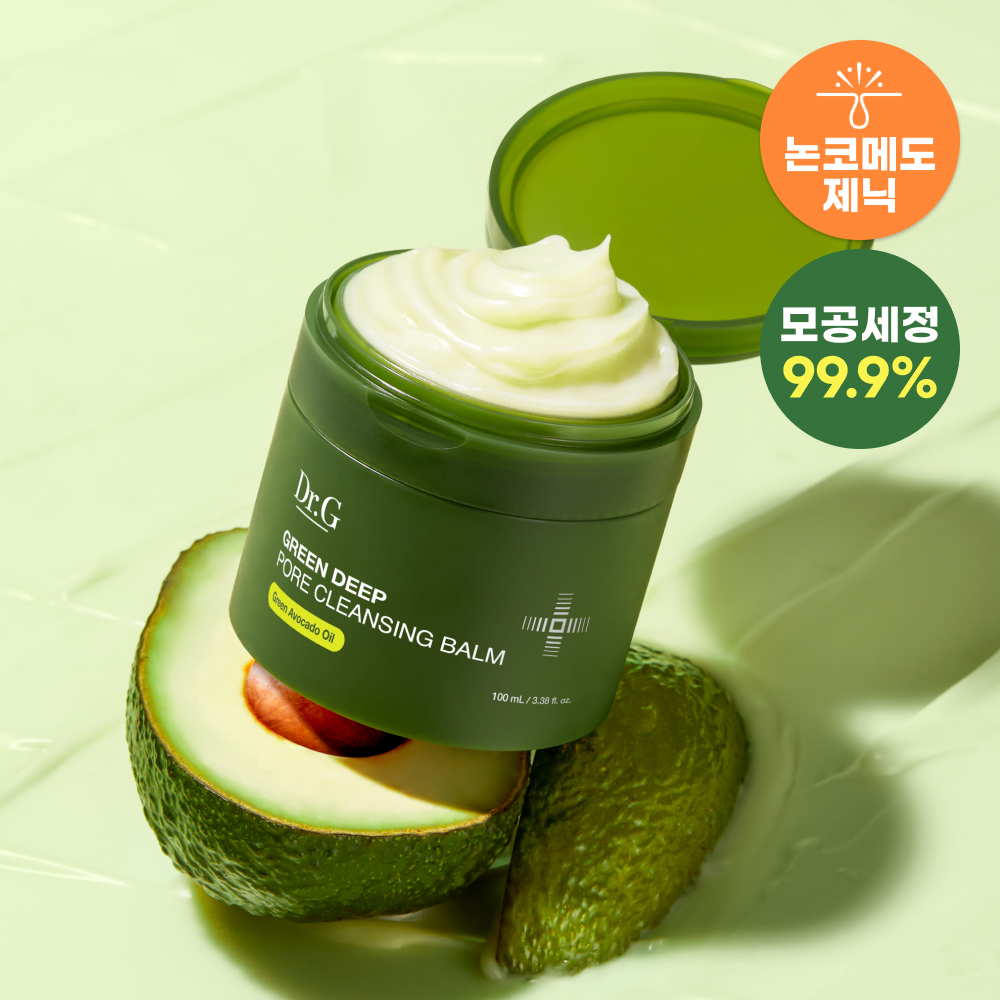
Eggplant extract works well for oily skin due to its non-greasy, low comedogenic profile that won't contribute to clogged pores or breakouts. The antioxidant properties help protect sebum from oxidizing into pore-clogging debris, while the lightweight conditioning agents maintain hydration without adding heaviness. Its frequent inclusion in K-beauty cleansing balms and foams for oily skin, like the Green Deep Pore Cleansing Balm by Dr.G (4.9/5), demonstrates its compatibility with formulas designed to remove excess oil.
Dry Skin
Dry skin benefits from eggplant extract's skin conditioning properties that help prevent moisture loss during and after cleansing. The vitamin and mineral content supports barrier repair, which is often compromised in chronically dry skin. However, eggplant extract should be paired with richer emollients and humectants in formulas for dry skin, as it functions more as a protective antioxidant than a primary moisturizer.
Combo Skin
Combination skin types get balanced benefits from eggplant extract since it addresses multiple concerns without exacerbating either dryness or oiliness. The lightweight conditioning helps dry cheek areas while the non-comedogenic nature keeps the T-zone clear. Products like Beplain's Mung Bean Pore Cleansing Milk Balm (4.9/5) that contain eggplant extract are particularly effective for combination skin, offering thorough cleansing without disrupting the skin's varied needs across different facial zones.
Sensitive Skin
Sensitive skin can generally tolerate eggplant extract well, as evidenced by its 4/5 safety rating and presence in gentle cleansing formulas across K-beauty lines. The antioxidant activity helps calm inflammation triggered by environmental stressors, while the natural origin appeals to those avoiding synthetic ingredients. However, individuals with nightshade sensitivities should patch test first, as eggplant belongs to the Solanaceae family.
Normal Skin
Normal skin maintains its balanced state with eggplant extract's preventive antioxidant protection and gentle conditioning. The ingredient helps preserve skin's naturally healthy function by defending against daily oxidative stress without overloading the complexion with unnecessary active ingredients. It's an ideal maintenance ingredient that supports long-term skin health without dramatic short-term effects.
How to Use Eggplant Extract
- 1Look for eggplant extract in your cleansing step, where it's most commonly formulated in K-beauty products. The antioxidants help neutralize free radicals introduced during makeup removal and face washing.
- 2Pair eggplant extract products with vitamin C or niacinamide serums to create a comprehensive antioxidant defense system that addresses multiple oxidative pathways.
- 3Use eggplant extract-containing cleansers in your evening routine when your skin has accumulated the most environmental damage from the day's pollution and UV exposure.
- 4If you have nightshade sensitivities (reactions to tomatoes, potatoes, peppers), patch test eggplant extract products on your inner arm for 24 hours before applying to your face.
Background
Eggplant has been cultivated in Asia for over 4,000 years, originating in India before spreading throughout China, Korea, and Japan where it became a dietary staple. Traditional Asian medicine systems recognized eggplant's cooling properties and used it topically for skin inflammation and to reduce swelling. Korean cuisine's extensive use of gaji (eggplant) in dishes like gaji-namul naturally led Korean cosmetic chemists to investigate its skincare potential in the early 2000s during K-beauty's botanical ingredient exploration phase. The discovery of nasunin's potent antioxidant properties in Japanese research labs sparked interest across the Korean beauty industry. By the 2010s, eggplant extract appeared in premium cleansing formulations as brands sought vegetable-derived alternatives to synthetic antioxidants. Its mild nature and compatibility with sensitive skin made it particularly valuable for the Korean market's preference for gentle, preventive skincare over aggressive treatments.
K-Beauty Products with Eggplant Extract
View all 274 →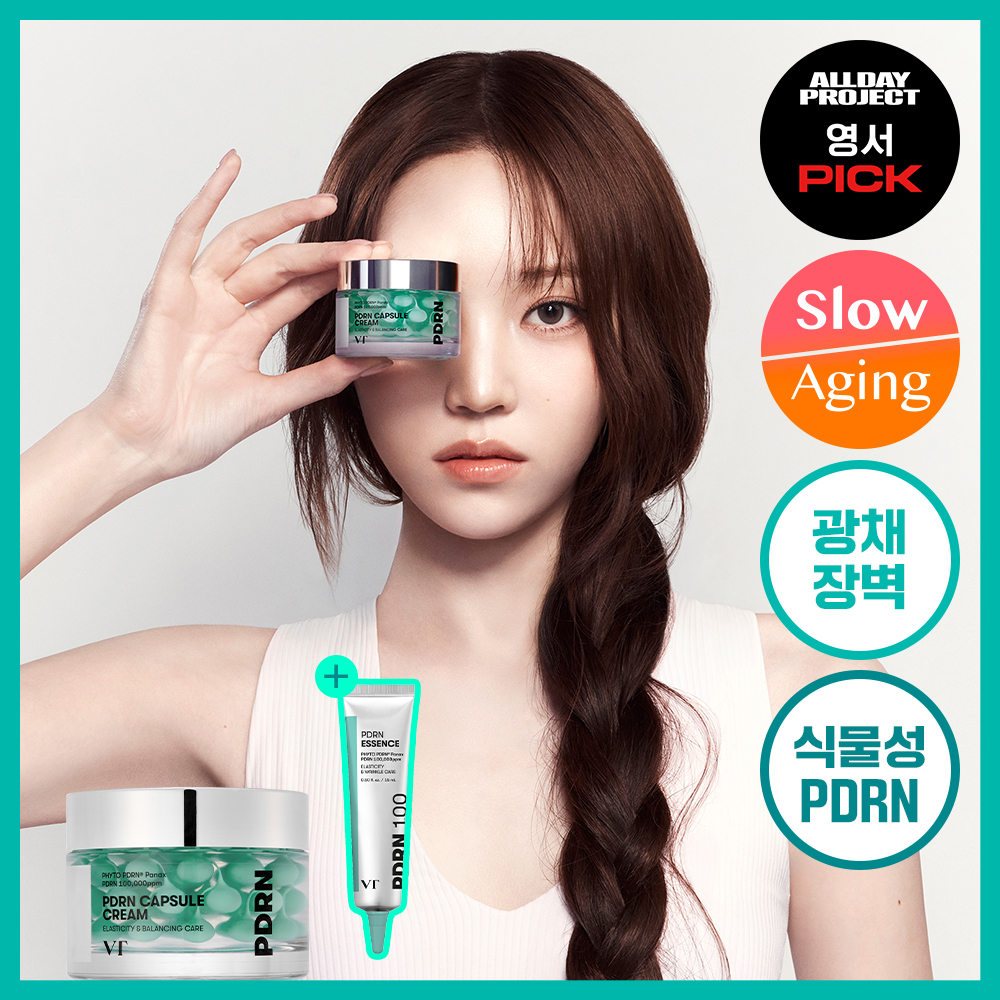
PDRN Capsule Cream 100
VT

Mung Bean pH-Balanced Cleansing Foam
Beplain
Green Deep Pore Cleansing Balm
Dr.G

PDRN Hyaluronic Capsule 100 Serum Refill Set
Anua

PDRN Hyaluronic Acid 100 Moisturizing Cream
Anua
Birch Juice Moisturizing Cream Double Set
Round Lab
Dive-in Soothing Cream Double Pack
Torriden
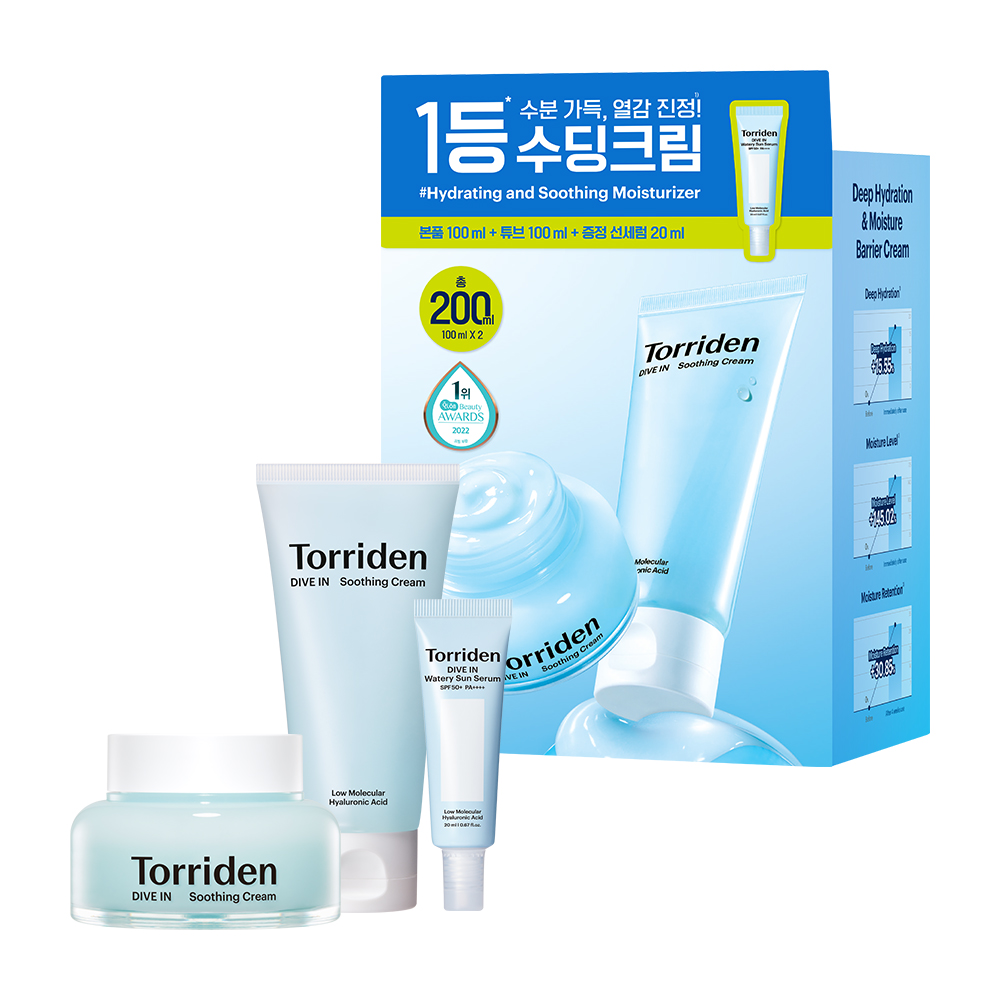
Dive-In Soothing Cream
Torriden
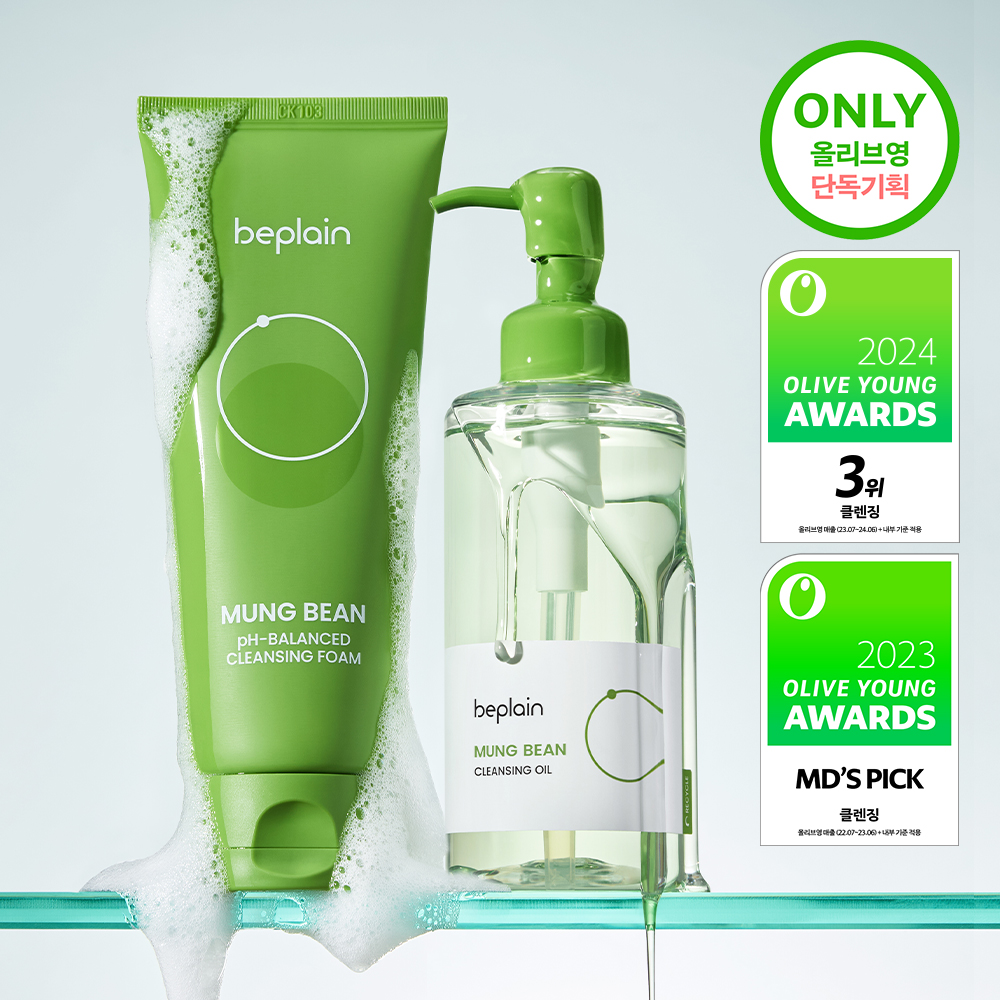
Mung Bean Double Cleansing Set
Beplain
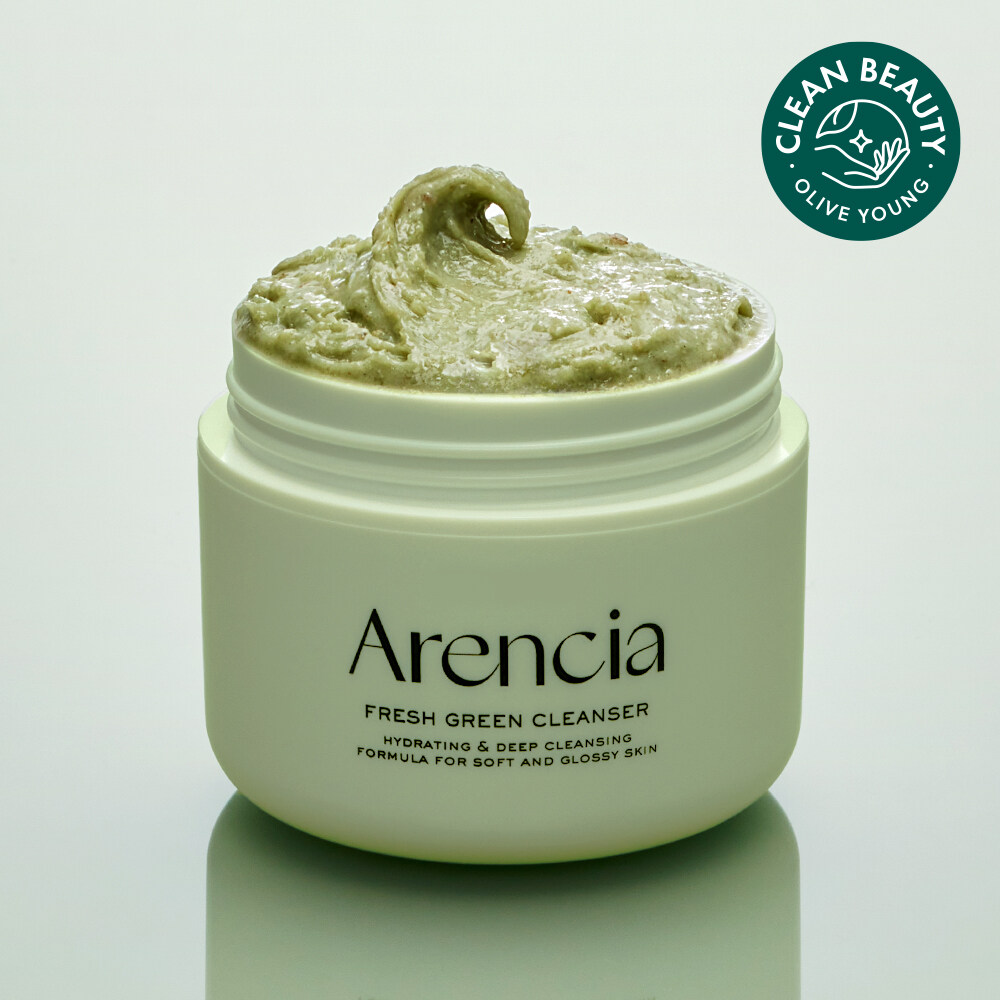
Fresh Green Rice Mochi Cleanser
Arencia
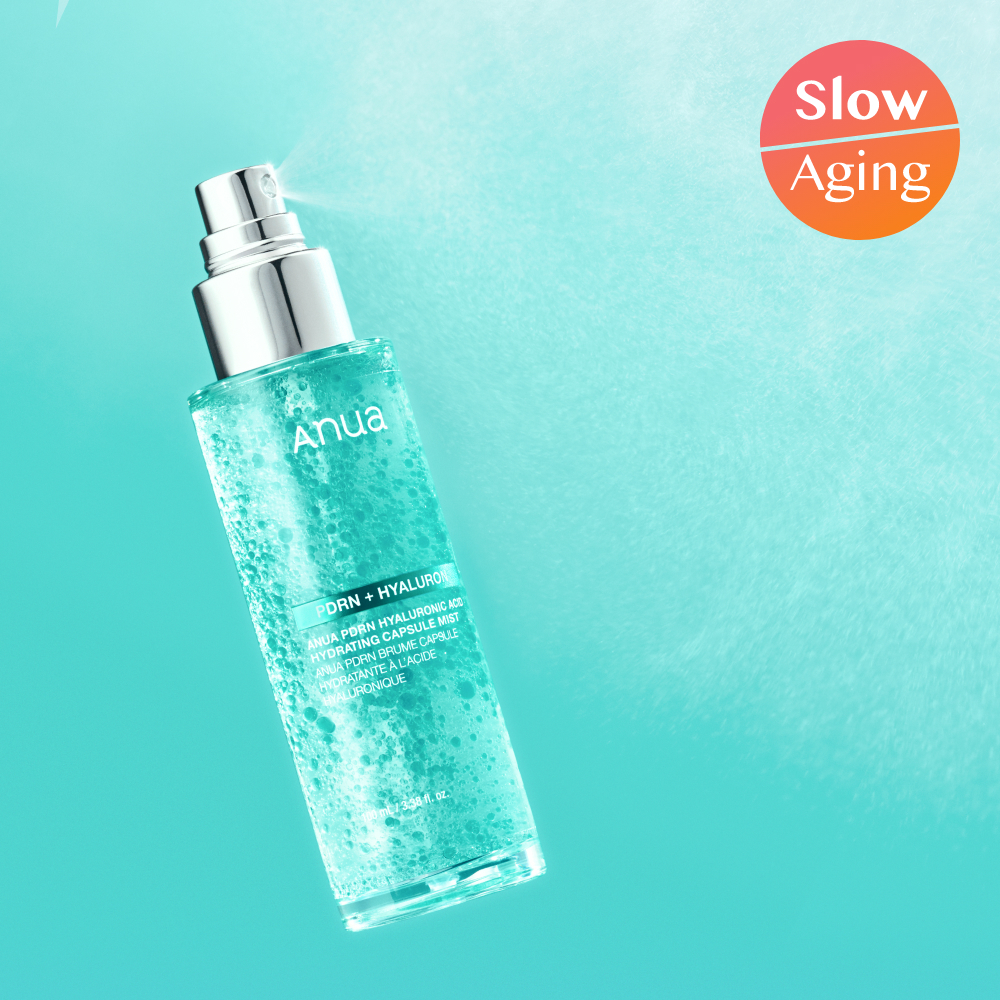
PDRN Hyaluronic Acid Hydrating Capsule Mist
Anua
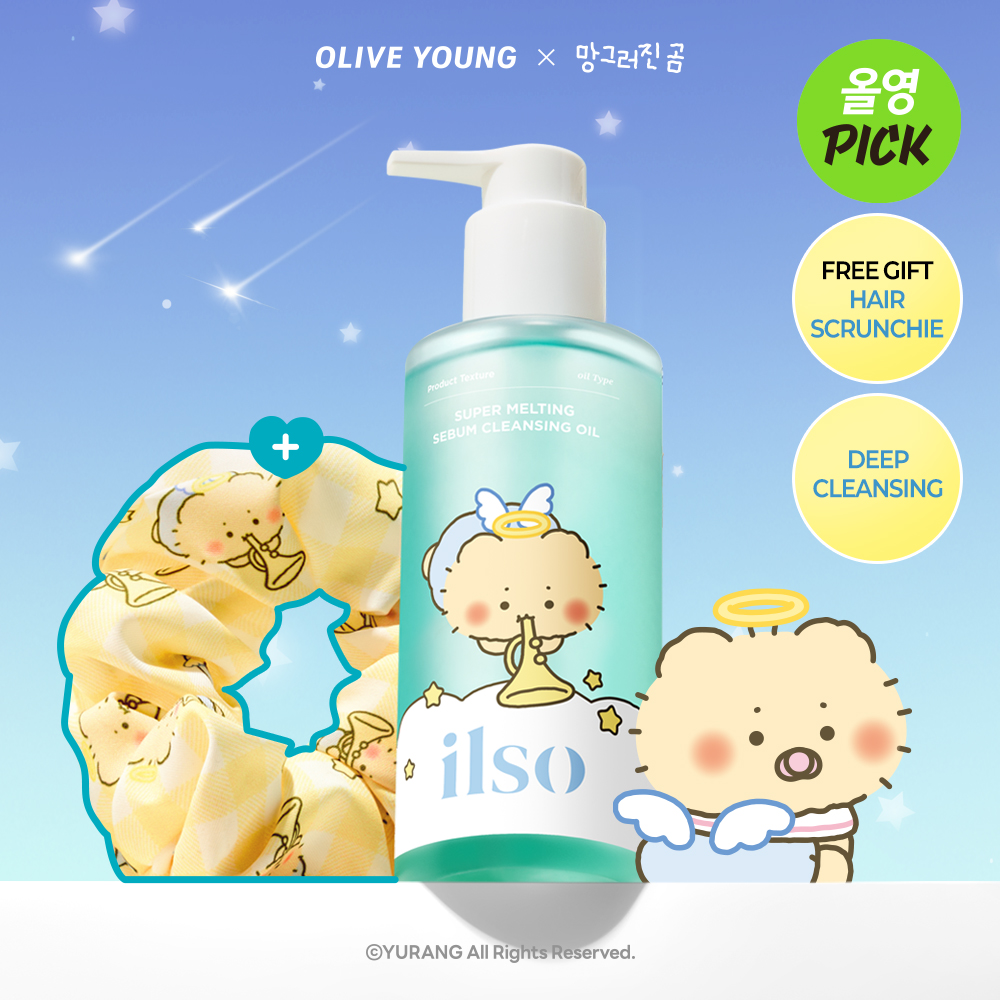
Super Melting Sebum Cleansing Oil
Ilso
Frequently Asked Questions
Is eggplant extract effective enough to see real anti-aging results?▼
Why is eggplant extract so common in K-beauty cleansers specifically?▼
Can I use eggplant extract if I'm allergic to eating eggplant?▼
Does eggplant extract actually brighten skin or is that just marketing?▼
Explore More
Want personalized ingredient advice?
Yuri, our AI beauty advisor, can tell you how Eggplant Extract works with your specific skin type, routine, and concerns.
Ask Yuri, free