Soluble Collagen
Hydrating film-former that improves skin texture
About Soluble Collagen
Soluble collagen is a hydrating film-forming ingredient derived from animal or marine sources (typically fish scales or bovine hide) that has been hydrolyzed into smaller peptide fragments. Unlike the collagen naturally found in your skin's dermis, topical soluble collagen cannot penetrate deeply enough to rebuild your skin's structural matrix. Instead, it works on the surface level as a powerful humectant and protective barrier. When applied, soluble collagen forms a thin, breathable film that locks in moisture and creates a temporary smoothing effect on skin texture. In K-beauty, it's particularly valued in multi-step routines where layering hydrating ingredients is key to achieving that coveted "chok chok" glow. You'll find it in everything from jelly cleansers to overnight masks, often paired with other moisture-binding ingredients like hyaluronic acid or ceramides. While it won't reverse deep wrinkles or rebuild lost collagen stores, it does provide immediate textural improvement and long-lasting hydration that makes skin appear plumper and more refined. The ingredient's moderate comedogenic rating (2/5) means it's suitable for most skin types, though those with very oily or acne-prone skin may want to patch test first.
How Soluble Collagen Works
Soluble collagen functions primarily through its hygroscopic properties and film-forming capabilities. The hydrolyzed collagen peptides (typically 300-3000 Daltons) are small enough to penetrate the uppermost layers of the stratum corneum, where they bind to water molecules and increase the skin's moisture content. Once applied, these peptides form a cohesive network on the skin's surface that creates a semi-occlusive barrier. This film reduces transepidermal water loss (TEWL) while still allowing the skin to breathe. The amino acid composition of collagen (particularly glycine, proline, and hydroxyproline) also provides temporary conditioning effects that make skin feel smoother and appear more refined. Additionally, soluble collagen can interact with keratinocytes in the outer skin layers, potentially supporting the skin's natural moisture retention mechanisms. While it cannot stimulate new collagen production in the dermis (the molecules are too large to reach fibroblasts), the immediate hydrating and smoothing effects create a visible improvement in skin texture that lasts as long as the film remains intact, typically several hours.
Soluble Collagen by Skin Type
Oily Skin
Soluble collagen can work for oily skin when used in lightweight formulations like serums or gel-based products. The film it creates is breathable and won't feel heavy, though the moderate comedogenic rating means you should monitor how your skin responds. Look for water-based products rather than cream formulations to minimize any potential for clogged pores.
Dry Skin
This is where soluble collagen truly excels. Its dual action of binding moisture and creating a protective film makes it ideal for dry skin that struggles with water loss throughout the day. The ingredient works beautifully in rich creams and overnight masks, providing both immediate hydration and long-term moisture retention that keeps skin feeling comfortable and supple.
Combo Skin
Combination skin can benefit from strategic application of soluble collagen products. Apply it to dry areas (typically cheeks and around the eyes) while using lighter formulations or skipping it entirely on your T-zone if that area tends toward oiliness. Gel or ampoule textures work particularly well for this skin type, providing hydration without overwhelming oilier zones.
Sensitive Skin
Soluble collagen is generally well-tolerated by sensitive skin, with a good safety rating of 4/5. Its film-forming properties can actually provide a protective barrier that shields sensitive skin from environmental irritants. Marine-derived collagen tends to be gentler than bovine sources, so check product descriptions if you have concerns about potential sensitivity or prefer certain sourcing.
Normal Skin
Normal skin can use soluble collagen without restrictions, enjoying all its textural and hydrating benefits. It layers well in multi-step routines and enhances the performance of other actives by maintaining optimal hydration levels. Use it in any format you prefer, from cleansers (like Round Lab's Camellia Deep Collagen Jelly Mask Cleanser) to creams and ampoules.
How to Use Soluble Collagen
- 1Layer soluble collagen products after lighter serums but before heavier creams to maximize absorption and allow the film to form properly on your skin surface.
- 2Apply to slightly damp skin for enhanced hydration, as the ingredient binds more effectively to water molecules when moisture is already present.
- 3If you have oily or combination skin, focus application on dry patches and avoid heavy layering on naturally oily areas to prevent a greasy feel.
- 4Pair with occlusive ingredients like ceramides or squalane in your final step to seal in the hydration that soluble collagen provides, especially for nighttime routines.
- 5When using in cleansers (like jelly-textured formulas), massage gently to allow the collagen to condition skin even during the cleansing process before rinsing.
Background
Collagen has been used in skincare since the 1960s, but its application in cosmetics required solving a fundamental problem: native collagen molecules are far too large to penetrate skin. The development of soluble (hydrolyzed) collagen in the 1970s transformed this structural protein into a viable topical ingredient. Early versions were primarily sourced from bovine hide, but concerns about disease transmission and allergies led to increased use of marine sources, particularly from fish skin and scales, which became popular in Asian beauty markets by the 1990s. K-beauty brands embraced soluble collagen in the 2000s as part of the broader trend toward multi-step hydration routines and "moisture barrier" focused skincare. Korean formulators particularly appreciated its compatibility with other hydrating ingredients and its ability to improve product texture without feeling heavy. Today, it's a staple in K-beauty formulations ranging from cleansers to sleeping masks, often combined with newer technologies like PDRN or retinol (as seen in products from VT and Dr.G) to address both immediate texture concerns and long-term skin health.
K-Beauty Products with Soluble Collagen
View all 133 →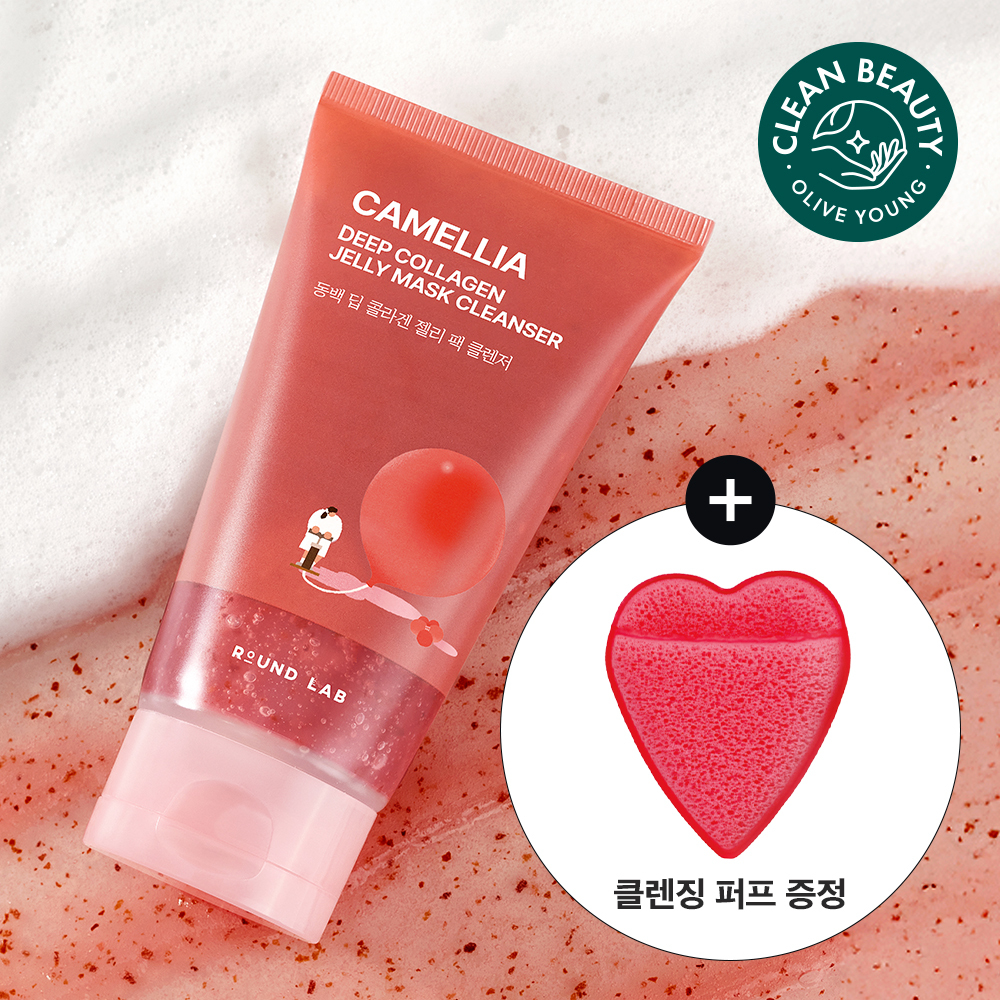
Camellia Deep Collagen Jelly Mask Cleanser
Round Lab
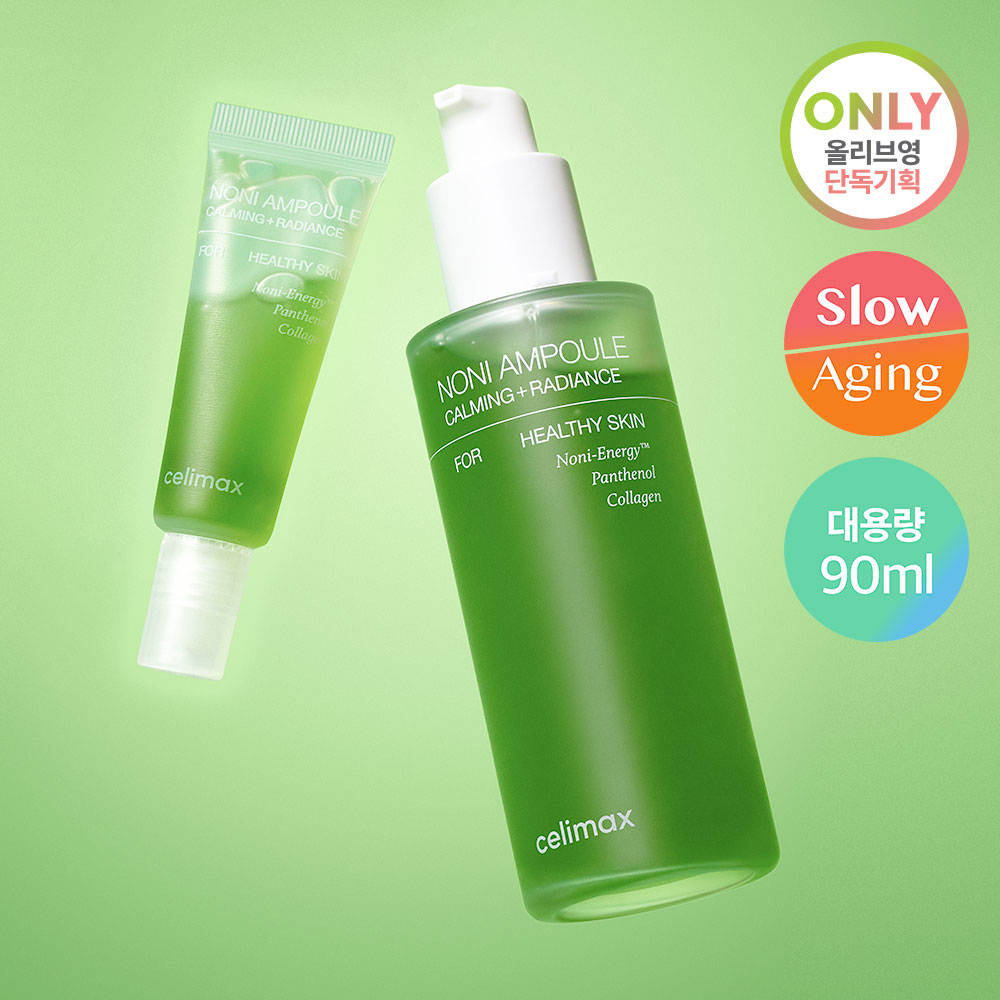
The Real Noni Energy Ampoule
Celimax

PDRN Reedle Shot Eye Lifter
VT
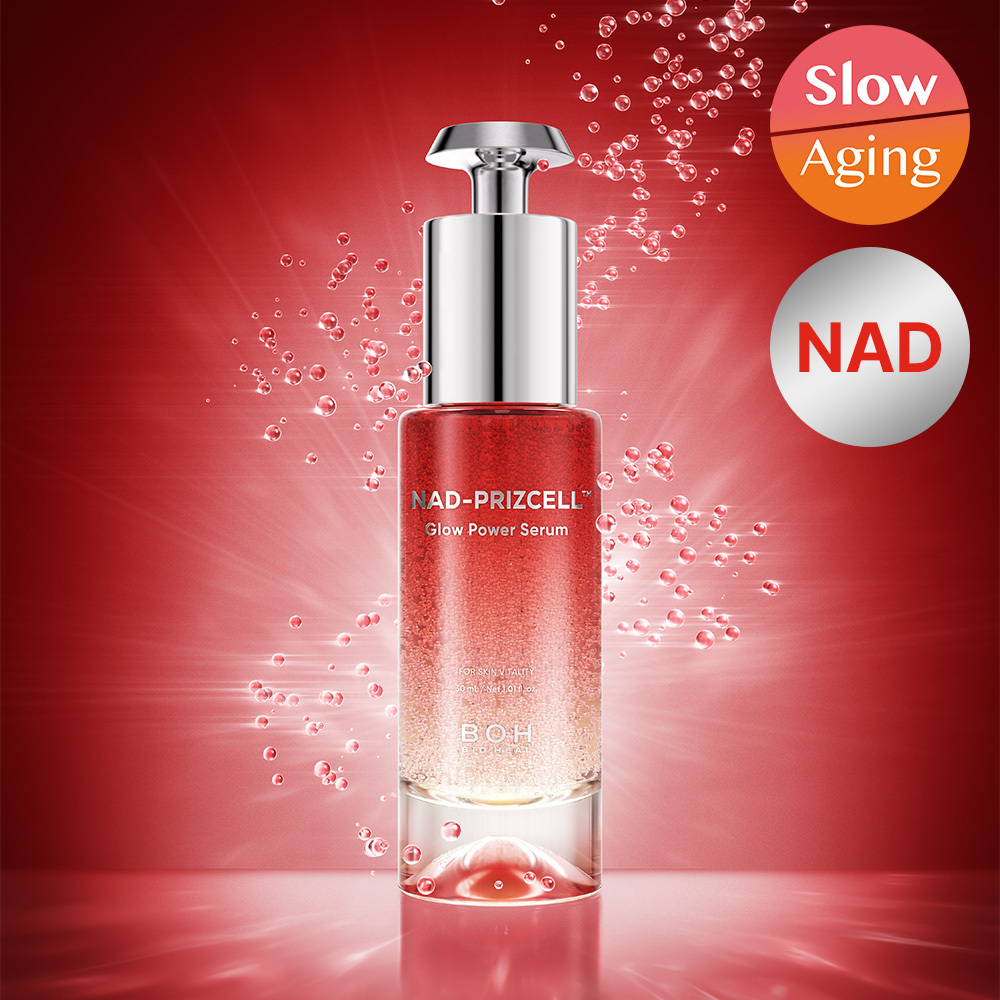
NAD-Prizcell Glow Power Serum
Bioheal BOH
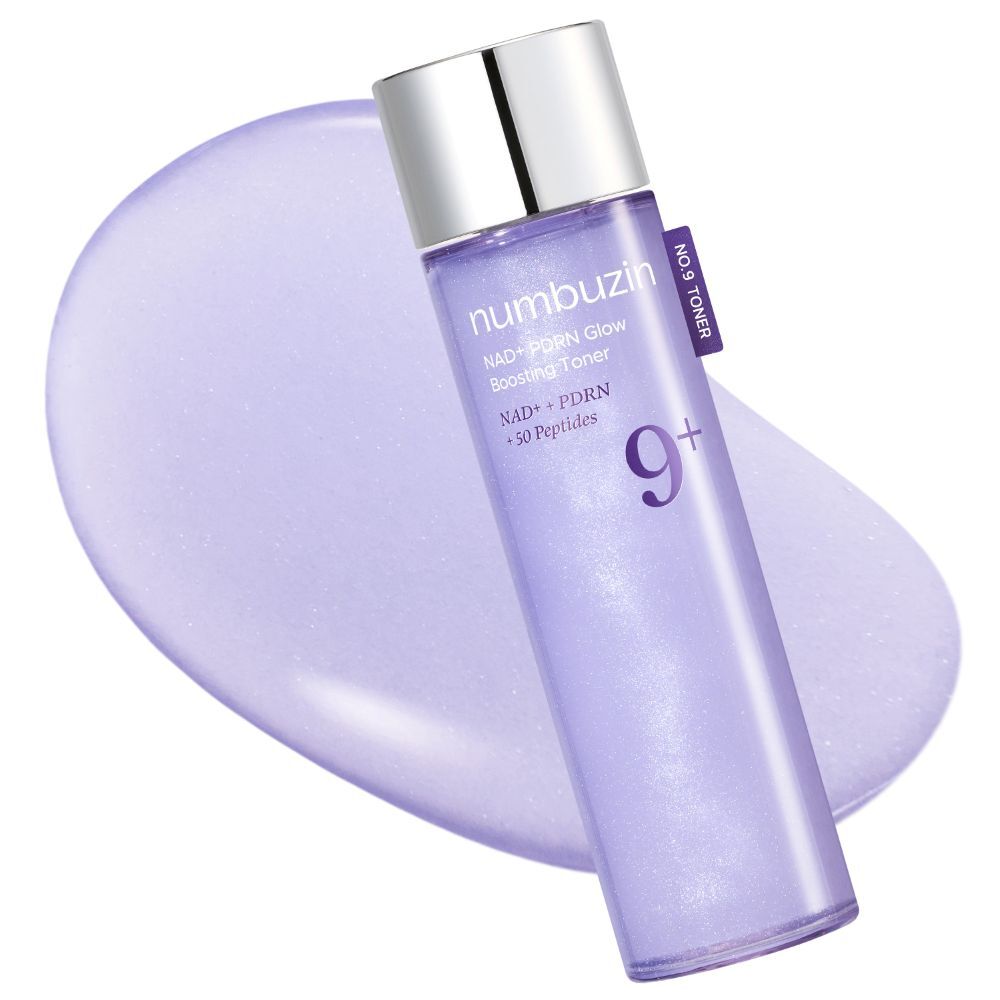
No. 9 NAD PDRN Glow Treatment Toner
Numbuzin
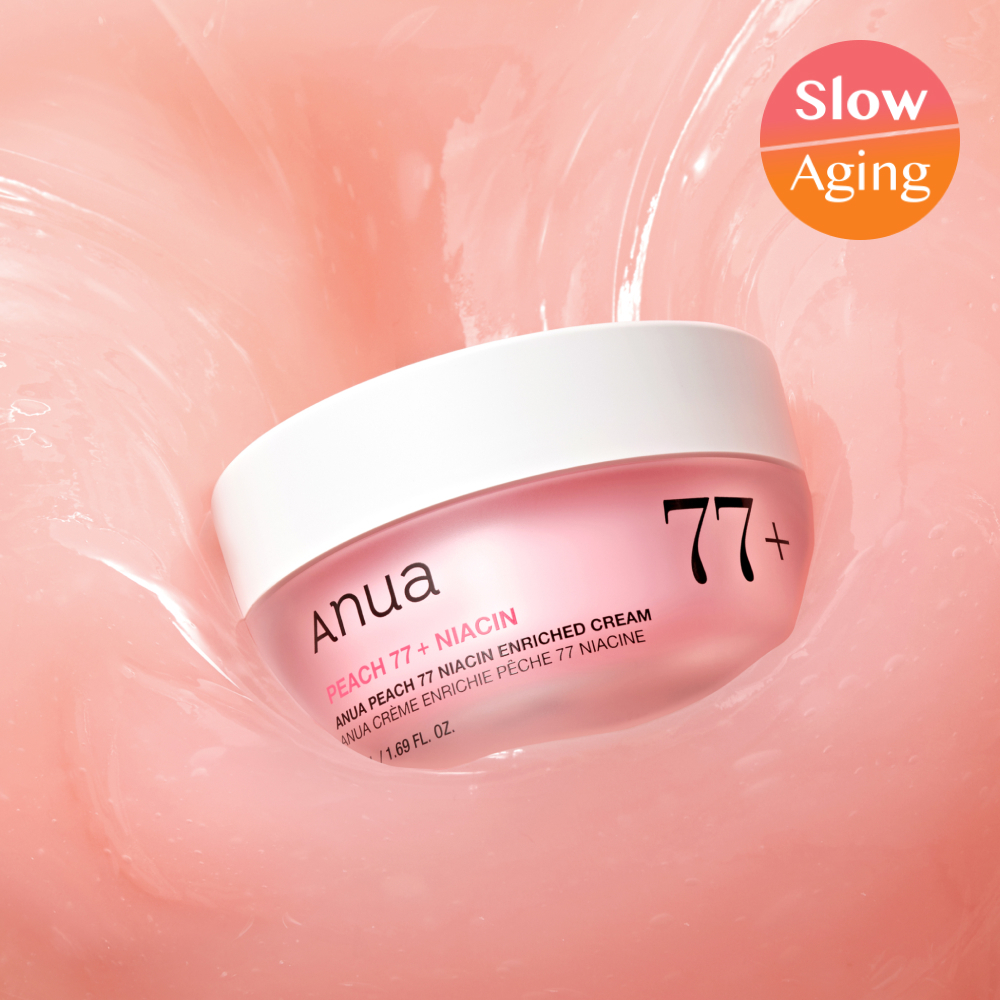
Peach 77 Niacin Enriched Cream
Anua
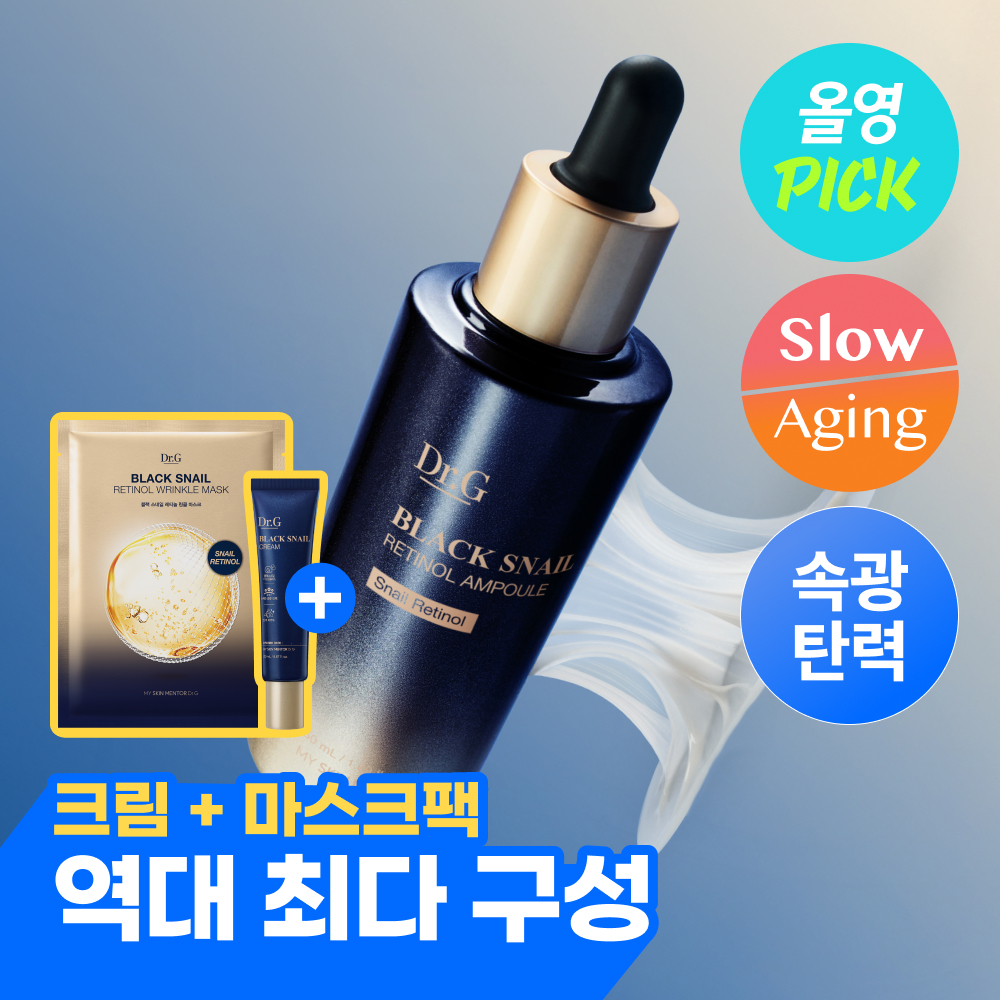
Black Snail Retinol Ampoule Set
Dr.G

Cellmazing Firming Eye Cream
Torriden
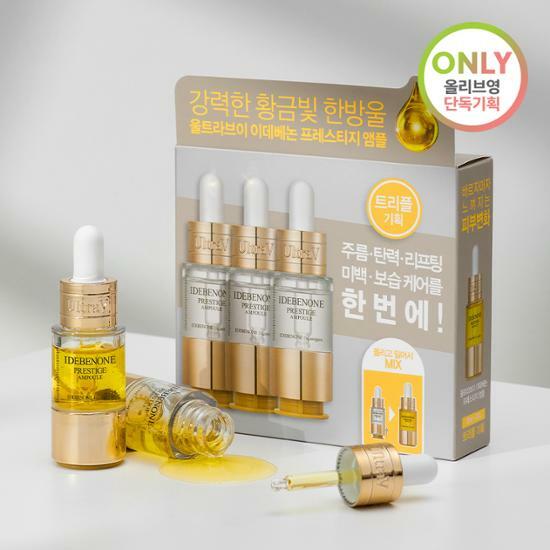
Ultra V Idebenone Prestige Ampoule 3ea
Anua
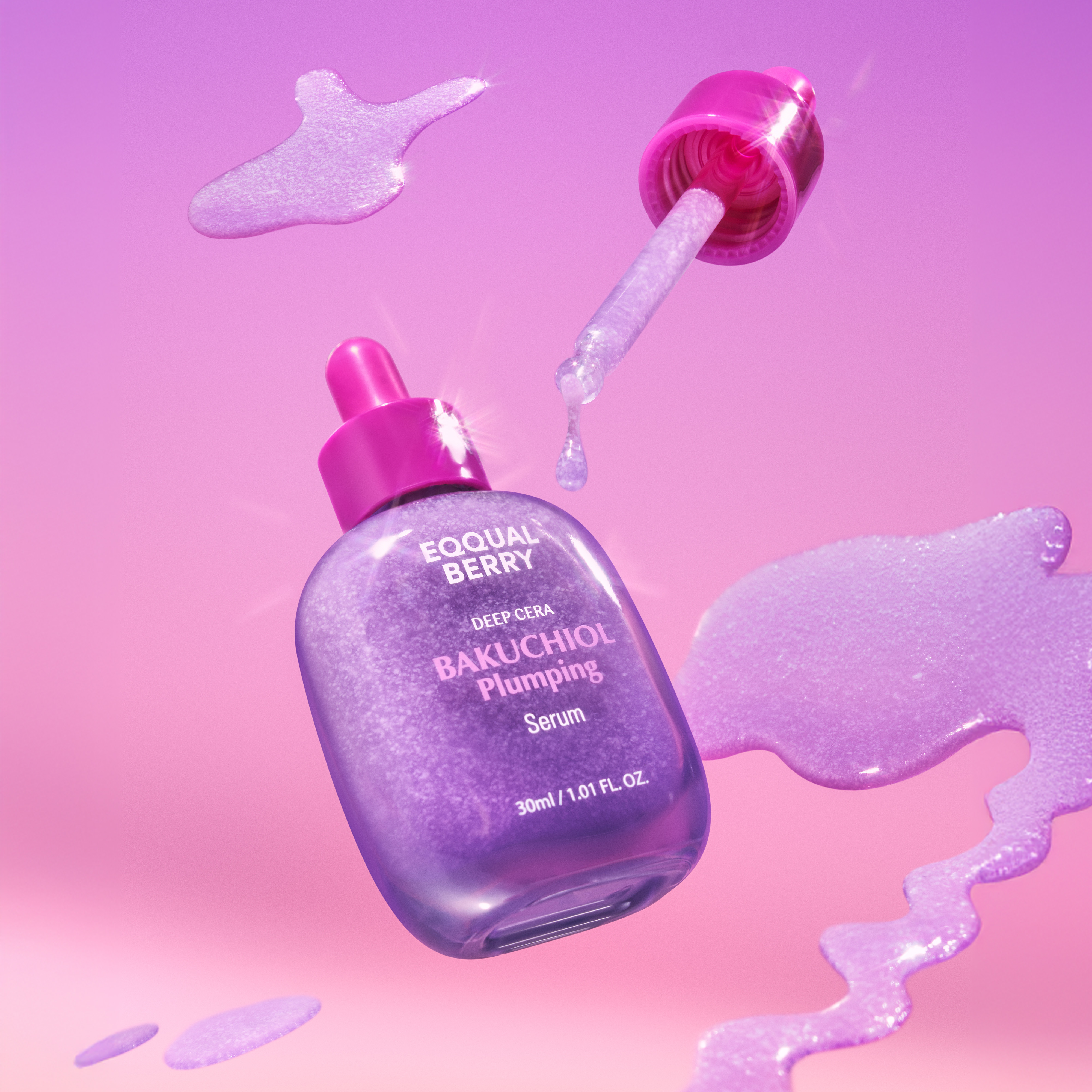
Bakuchiol Plumping Serum
Eqqualberry
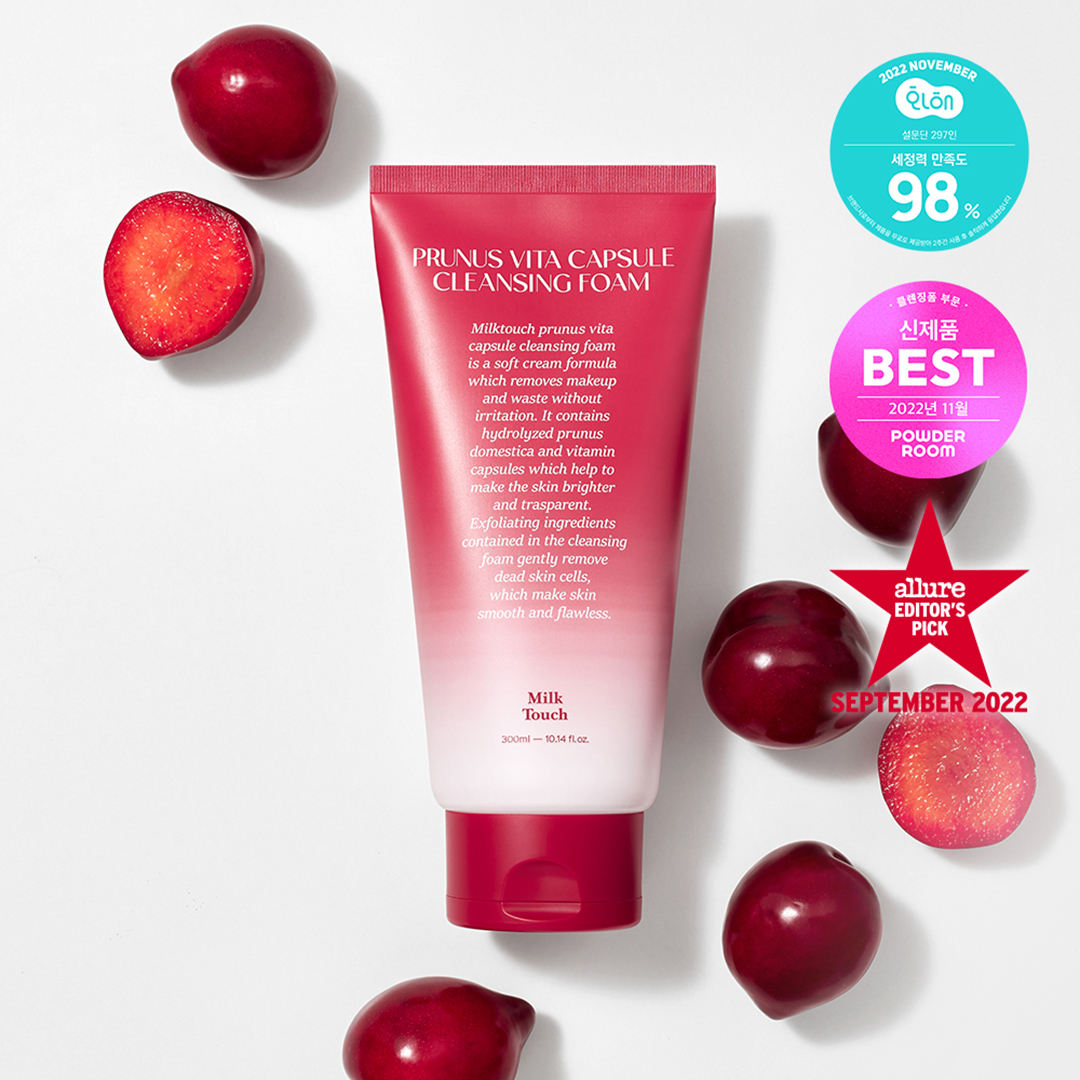
Prunus Vita Capsule Cleansing Foam
MilkTouch
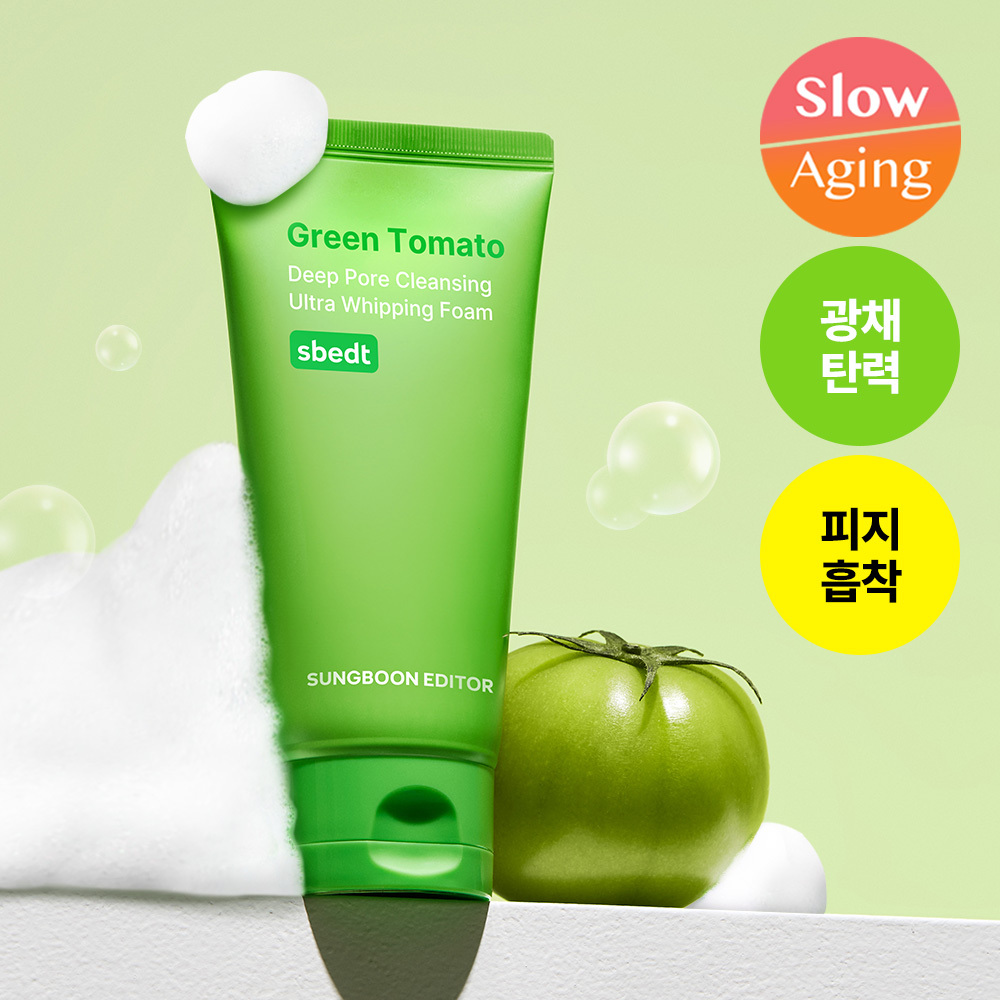
Green Tomato Deep Pore Cleansing Ultra Whipping Foam
Sungboon Editor
Frequently Asked Questions
Can topical soluble collagen actually rebuild the collagen in my skin?▼
Is there a difference between marine collagen and bovine collagen in skincare?▼
Will soluble collagen clog my pores if I have acne-prone skin?▼
Can I use soluble collagen products with retinol or vitamin C?▼
How long do the effects of soluble collagen last on my skin?▼
Articles About Soluble Collagen
What Your Korean Collagen Cream's Label Can (and Can't) Tell You
That collagen cream on your shelf might be listing an ingredient that literally can't get into your skin. The fix is one word on the label, and you can check it in about ten seconds without reading a word of Korean.
Best Milky Toners for a Sensitive, Dehydrated Skin Barrier
Milky toners promise hydration for sensitive skin, but half of them are loaded with stuff your compromised barrier hates. Here's how to pick one that actually calms instead of stings, and the ingredients worth checking for before you buy.
Explore More
Want personalized ingredient advice?
Yuri, our AI beauty advisor, can tell you how Soluble Collagen works with your specific skin type, routine, and concerns.
Ask Yuri, free