Soluble Proteoglycan
Hydrating and skin barrier supporting molecule
About Soluble Proteoglycan
Soluble Proteoglycan is a hydrating powerhouse that exists naturally in human skin, cartilage, and connective tissue. Think of it as your skin's built-in moisture magnet. These large molecules consist of a protein core attached to long chains of glycosaminoglycans (GAGs), which can hold up to 1,000 times their weight in water. In K-beauty formulations, soluble proteoglycan is prized for its ability to deeply hydrate while supporting the skin barrier's structural integrity. Unlike hyaluronic acid, which sits closer to the surface, soluble proteoglycan works at multiple skin depths to maintain plumpness and resilience. Korean brands have increasingly incorporated this ingredient across product categories, from cleansers like The Face Shop's Rice Water Bright Milk & Jelly Double Foaming Cleanser (5.0/5 on Seoul Sister) to treatment products like Sungboon Editor's Green Tomato NMN Pore Lifting Ampoule (4.9/5). Its presence in 44 K-beauty products on Seoul Sister reflects its versatility and compatibility with other actives. What makes soluble proteoglycan particularly valuable is its dual action: it doesn't just hydrate, it also helps organize and maintain the extracellular matrix that keeps skin firm and smooth. This makes it especially relevant for addressing early signs of aging and maintaining skin health across different life stages.
How Soluble Proteoglycan Works
Soluble proteoglycan functions at the cellular level by integrating into the extracellular matrix, the scaffolding that gives skin its structure. The GAG chains attached to the protein core are negatively charged, which attracts and binds water molecules through ionic interactions. This creates a hydrated gel-like environment that cushions cells and facilitates nutrient transport. Beyond simple hydration, soluble proteoglycan interacts with growth factors and cytokines, helping regulate cell signaling pathways involved in tissue repair and collagen synthesis. It also supports the organization of collagen fibers, contributing to skin firmness and elasticity. When applied topically, the soluble form can penetrate the stratum corneum and reach the viable epidermis, where it reinforces the skin barrier by promoting ceramide production and reducing transepidermal water loss. Studies suggest that proteoglycans also have mild anti-inflammatory properties, helping to calm irritation while strengthening the skin's defense mechanisms. This multi-layered mechanism makes it more than just a humectant, it's a skin health optimizer that addresses both immediate hydration needs and long-term structural support.
Soluble Proteoglycan by Skin Type
Oily Skin
Soluble proteoglycan works beautifully for oily skin because it provides lightweight, non-greasy hydration without adding oils that could trigger excess sebum production. Its non-comedogenic rating (0/5) means it won't clog pores, making it safe for acne-prone skin. The barrier-supporting properties can actually help regulate oil production over time by ensuring skin isn't overcompensating for dehydration.
Dry Skin
This ingredient is exceptionally beneficial for dry skin, delivering deep hydration that lasts throughout the day. Soluble proteoglycan's ability to hold 1,000 times its weight in water means it can significantly improve moisture retention, reducing flakiness and tightness. Its barrier-strengthening effects also help prevent moisture loss, addressing both the symptoms and underlying causes of dryness.
Combo Skin
For combination skin, soluble proteoglycan offers balanced hydration that adapts to different facial zones. It provides enough moisture for dry areas without overwhelming oily zones, thanks to its lightweight texture and non-comedogenic profile. Products like Bioheal BOH's Probioderm 3D Lifting Essential Toner (4.9/5) demonstrate how this ingredient can work across varying skin needs in a single formulation.
Sensitive Skin
Sensitive skin benefits from soluble proteoglycan's gentle, naturally-derived nature and mild anti-inflammatory properties. It strengthens the compromised barriers often seen in reactive skin without causing irritation. The high safety rating (4/5) reflects its excellent tolerance profile, making it suitable even for those who struggle with most actives.
Normal Skin
For normal skin, soluble proteoglycan serves as excellent preventative care, maintaining optimal hydration and barrier function before problems develop. It supports the skin's natural resilience and can help preserve that balanced, healthy state over time. Think of it as nutritional insurance for skin that's already doing well.
How to Use Soluble Proteoglycan
- 1Layer soluble proteoglycan products after cleansing but before heavier creams to maximize penetration and hydration benefits.
- 2It pairs exceptionally well with niacinamide and peptides, creating synergistic effects for barrier repair and anti-aging.
- 3Use morning and night for best results, as consistent application helps maintain the cumulative barrier-strengthening effects.
- 4During seasonal transitions when skin barrier can become compromised, increase frequency or layer multiple products containing this ingredient.
- 5Safe to use with chemical exfoliants (AHAs, BHAs) and can actually help mitigate potential irritation by supporting barrier integrity.
Background
Proteoglycans were first isolated and characterized in the 1960s during cartilage research, where scientists discovered these molecules played crucial roles in connective tissue structure. The skincare industry initially overlooked them in favor of simpler molecules like hyaluronic acid. However, Japanese researchers in the 1990s began extracting soluble forms from salmon cartilage and nasal septum, discovering that these marine-derived proteoglycans had excellent skin penetration and bioavailability. Korean beauty brands embraced this innovation in the 2010s, recognizing that proteoglycans offered more comprehensive benefits than single-function humectants. The ingredient gained particular traction in premium K-beauty lines focused on barrier science and anti-aging. Today, soluble proteoglycan represents K-beauty's characteristic approach of combining traditional natural sources with cutting-edge extraction technology to create multifunctional ingredients that address skin health holistically rather than targeting single concerns.
K-Beauty Products with Soluble Proteoglycan
View all 53 →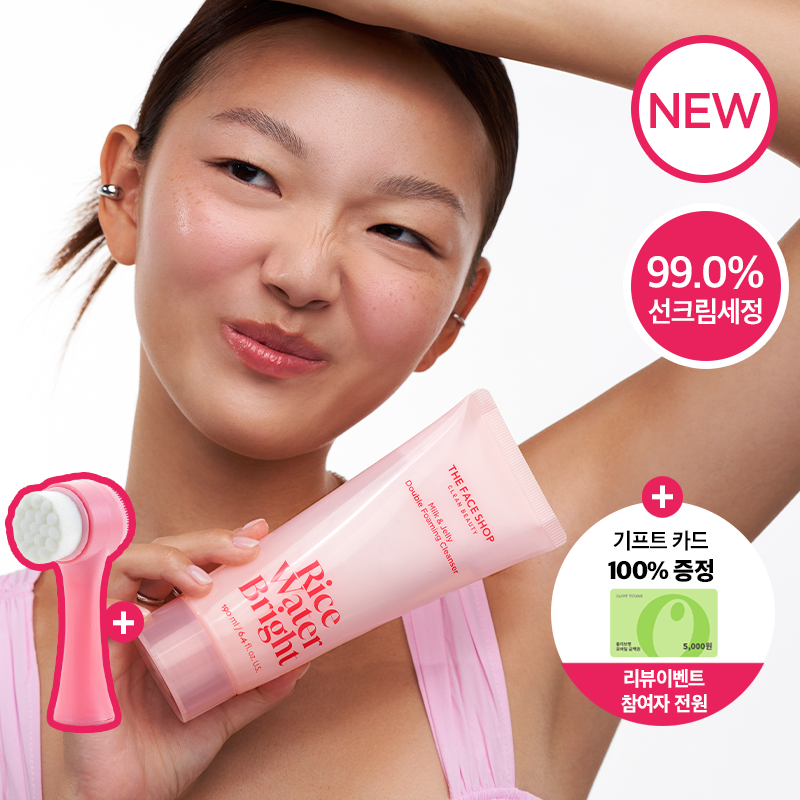
Rice Water Bright Milk & Jelly Double Foaming Cleanser
The Face Shop
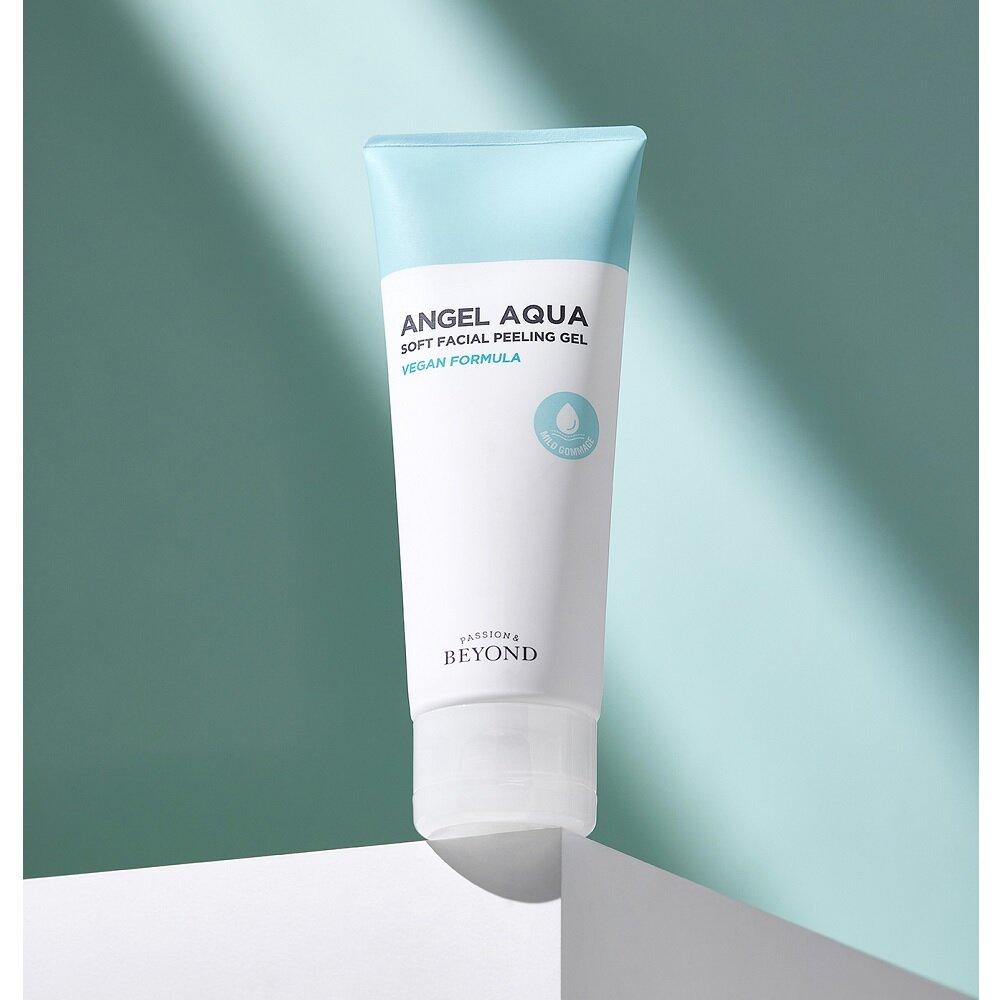
Angel Aqua Soft Facial Peeling Gel
Beyond
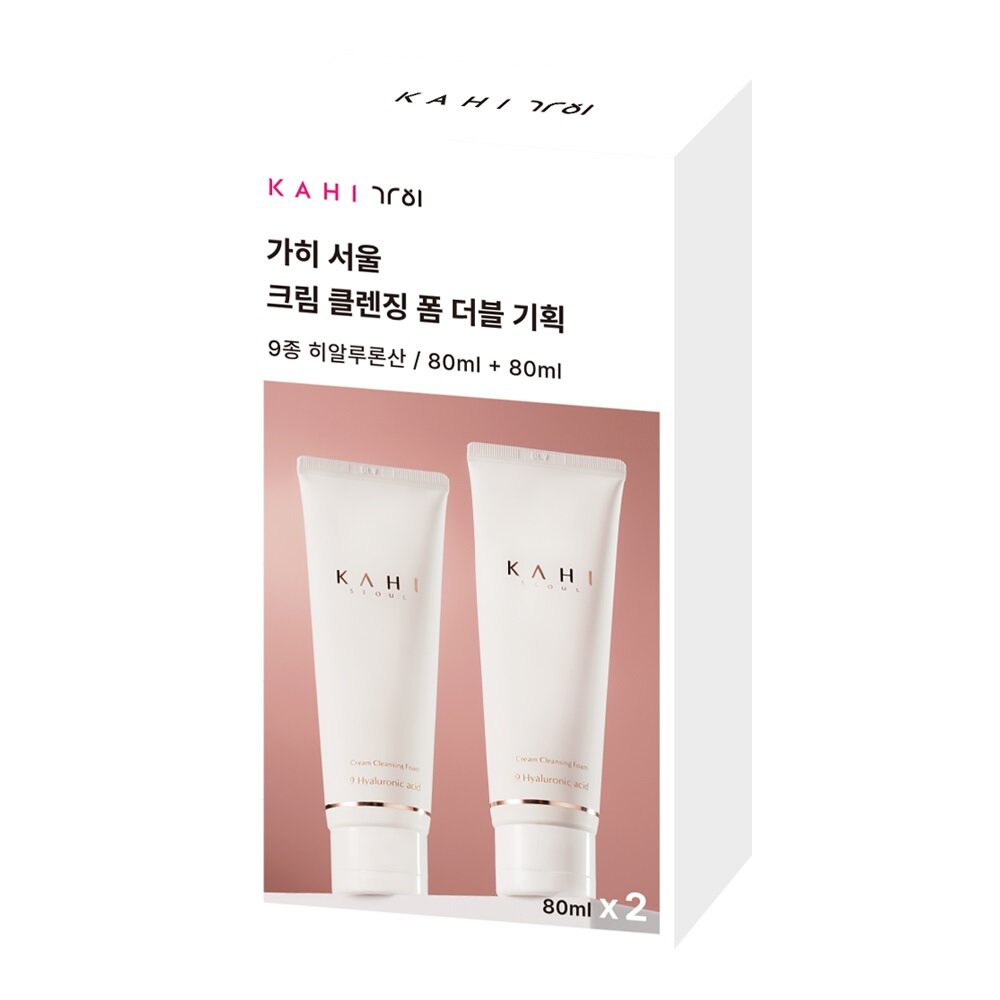
Cream Cleansing Foam Double Pack
KAHI
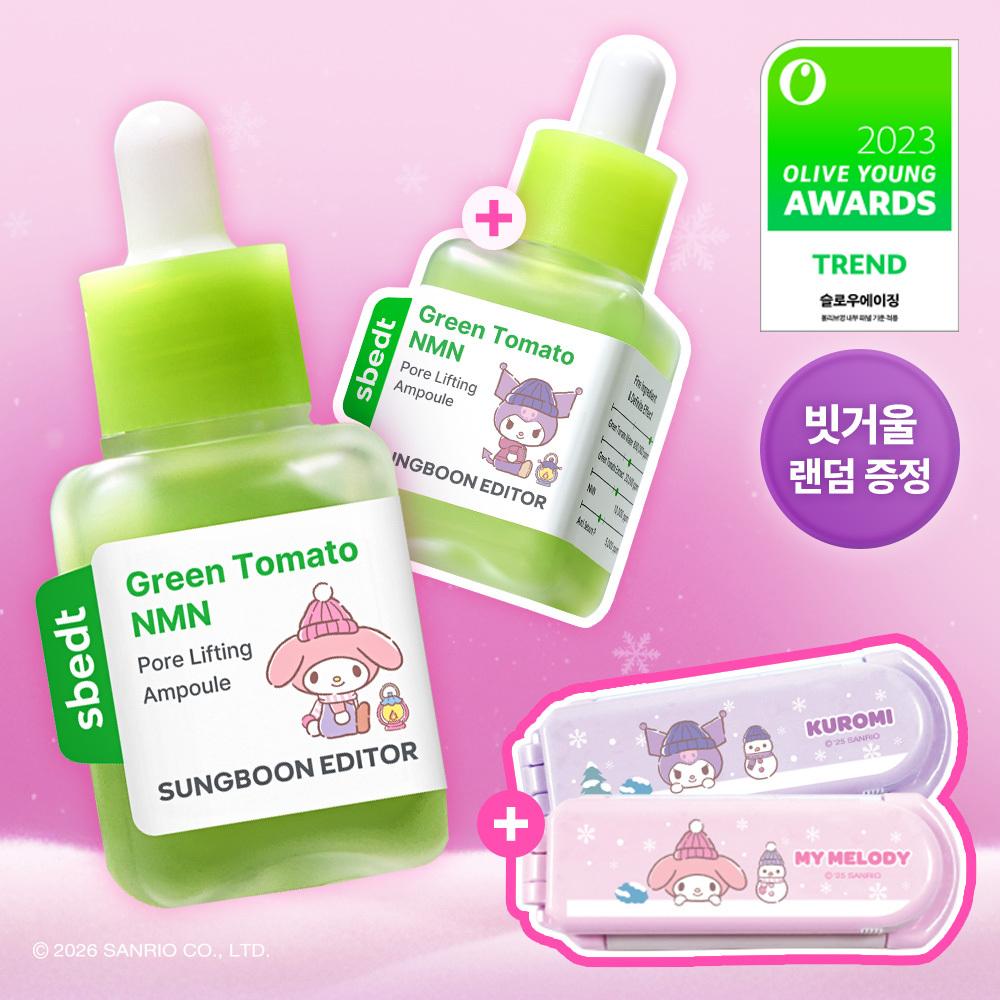
Green Tomato NMN Pore Lifting Ampoule
Sungboon Editor
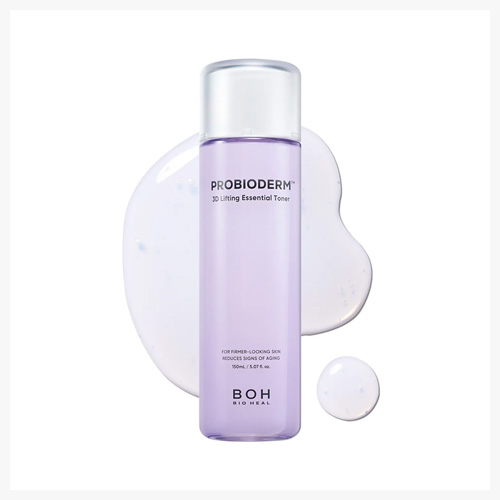
Probioderm 3D Lifting Essential Toner
Bioheal BOH
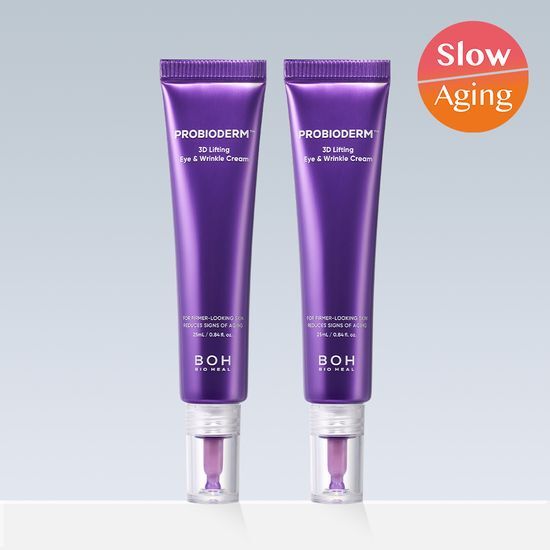
Probioderm 3D Lifting Eye & Wrinkle Cream Double Pack
Bioheal BOH
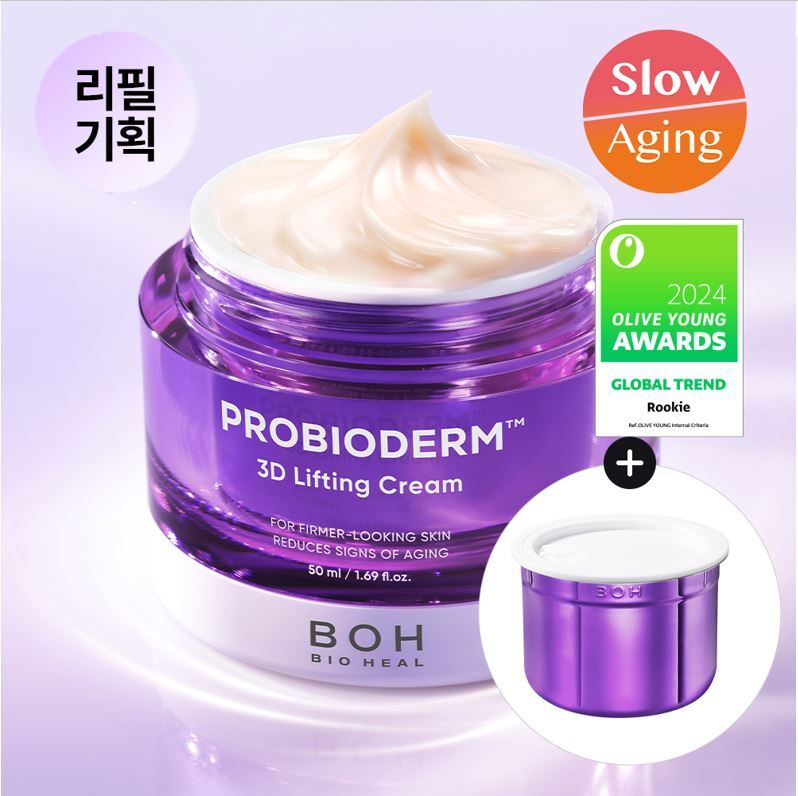
Probioderm 3D Lifting Cream
Bioheal BOH
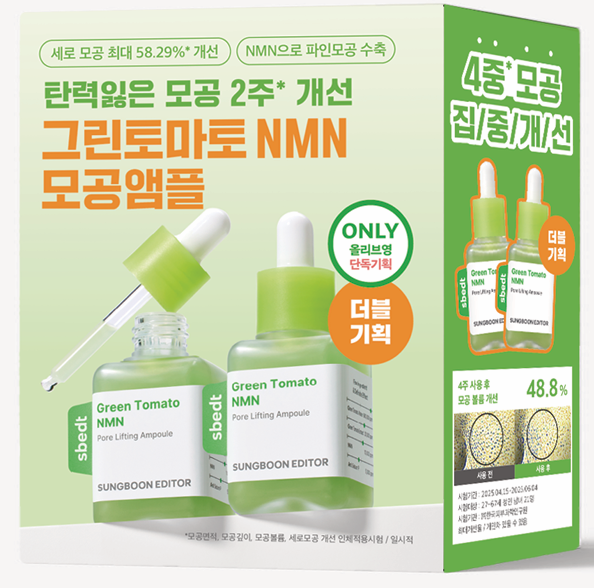
Green Tomato NMN Pore Lifting Ampoule Double Pack
Sungboon Editor
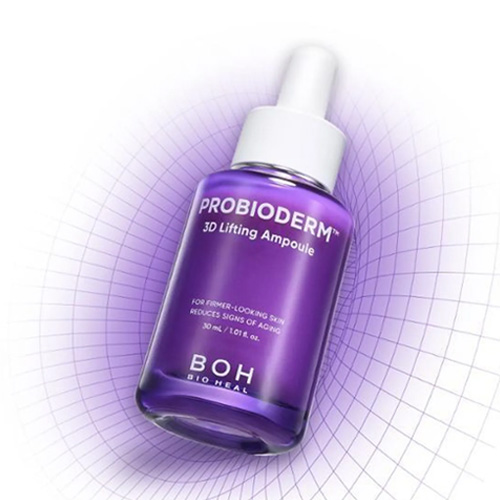
Probioderm 3D Lifting Ampoule
Bioheal BOH
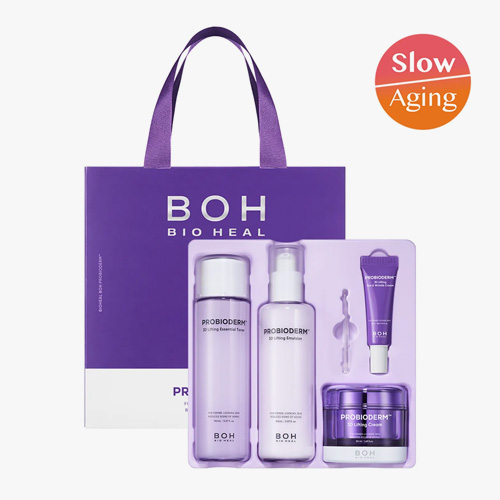
Probioderm 3D Lifting Skincare 3P Set
Bioheal BOH

Reedle Shot 1000
VT
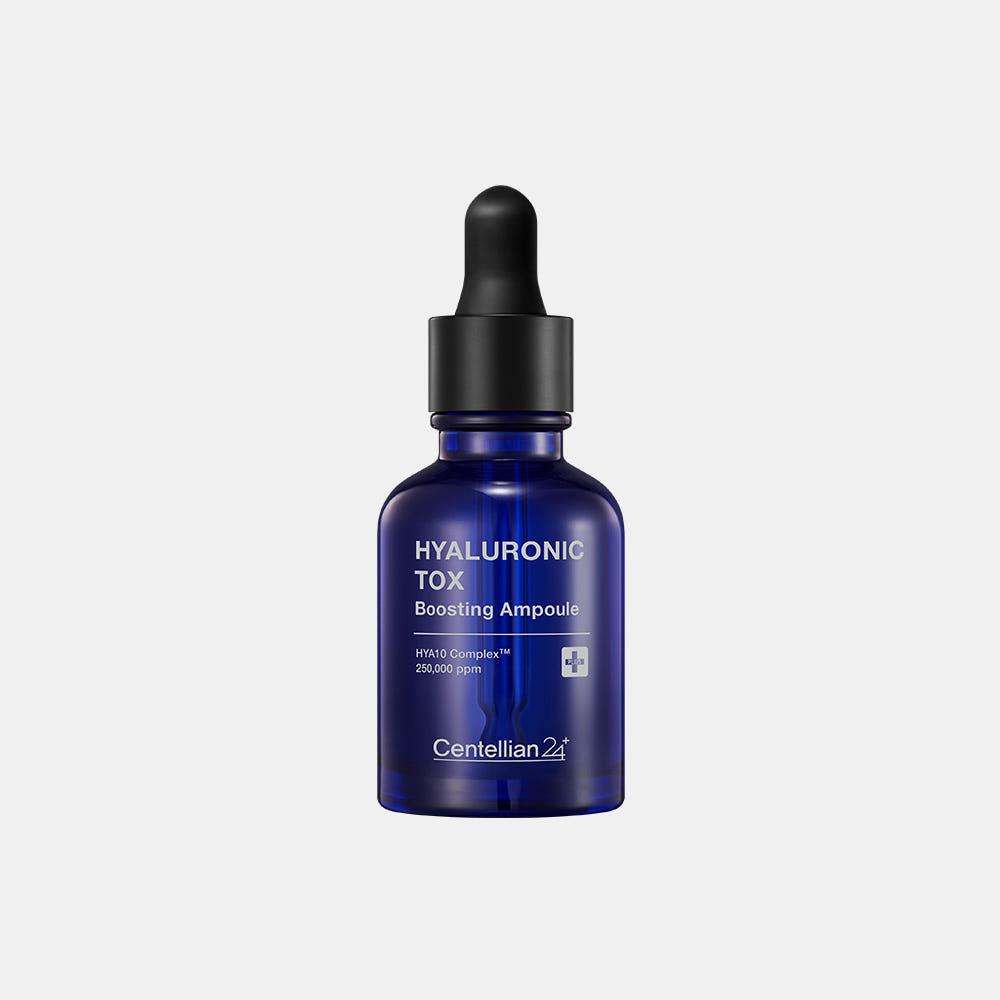
Hyaluronic Tox Boosting Ampoule
Centellian24
Frequently Asked Questions
Is soluble proteoglycan better than hyaluronic acid?▼
Can I use soluble proteoglycan if I'm acne-prone?▼
Where does soluble proteoglycan in skincare come from?▼
How long before I see results from soluble proteoglycan?▼
Can I use soluble proteoglycan with retinol or vitamin C?▼
Explore More
Want personalized ingredient advice?
Yuri, our AI beauty advisor, can tell you how Soluble Proteoglycan works with your specific skin type, routine, and concerns.
Ask Yuri, free