Sphingolipids
Lipid barrier repair and skin strengthening
About Sphingolipids
Sphingolipids are naturally occurring lipids (fats) that form a critical part of your skin's outermost barrier, the stratum corneum. Think of them as the mortar between the bricks of your skin cells. These molecules, which include ceramides, sphingomyelin, and glucosylceramide, work together to prevent water loss and keep irritants, allergens, and pathogens from penetrating your skin. In K-beauty formulations, sphingolipids are prized for their ability to repair compromised barriers, especially in products designed for sensitive or atopic skin. Aestura's Atobarrier 365 line, for instance, centers its entire philosophy around sphingolipid replenishment, earning perfect 5.0 ratings across its cleansers and near-perfect scores for its ampoules. Unlike temporary moisturizers that sit on the surface, sphingolipids integrate into your skin's existing lipid matrix, restoring its natural architecture from within. This makes them particularly valuable for anyone dealing with dryness, eczema, redness, or the aftermath of harsh treatments like retinoids or chemical peels. With an exceptional safety rating of 5/5 and a low comedogenic score of 1/5, sphingolipids are suitable for virtually every skin type, including acne-prone and reactive skin that can't tolerate heavier occlusive ingredients.
How Sphingolipids Works
Your skin barrier is organized like a brick wall, with corneocytes (dead skin cells) as the bricks and a lipid matrix composed of ceramides, cholesterol, and fatty acids as the mortar. Sphingolipids are the precursors and components of this mortar. When applied topically, they integrate into the intercellular lipid bilayers, filling gaps where your natural lipids have been depleted by age, environmental stress, or over-cleansing. At a molecular level, sphingolipids help regulate cell signaling pathways involved in inflammation and skin renewal. They modulate the production of inflammatory cytokines, which is why they're so effective for calming irritated or atopic skin. Sphingomyelin, one type of sphingolipid, also supports the structural integrity of cell membranes, while glucosylceramides serve as building blocks for more complex ceramides. By reinforcing this lipid architecture, sphingolipids dramatically reduce transepidermal water loss (TEWL) and improve your skin's ability to retain moisture and defend against external aggressors. The result is a measurably stronger, more resilient barrier that looks plumper, smoother, and healthier.
Sphingolipids by Skin Type
Oily Skin
Oily skin still needs barrier support, and sphingolipids deliver it without the greasiness of heavier oils or butters. Their low comedogenic rating (1/5) means they won't clog pores or trigger breakouts. In fact, many people with oily skin unknowingly have a compromised barrier from over-cleansing, which causes the skin to overproduce oil as compensation. Sphingolipids help normalize this cycle by restoring balance.
Dry Skin
Dry skin is often dry because it lacks sufficient lipids to hold onto water. Sphingolipids address the root cause by replenishing the intercellular lipid matrix, dramatically reducing water loss and improving moisture retention. Products like Aestura's Atobarrier line (rated 5.0/5) are specifically formulated for chronically dry, atopic-prone skin and show excellent results. You'll notice your skin feels softer and looks less flaky within days.
Combo Skin
Combination skin benefits from sphingolipids' ability to hydrate dry areas without overwhelming oily zones. Because they work within the skin's structure rather than sitting on the surface, they won't make your T-zone greasy. Look for lightweight formulations like ampoules or foaming cleansers that contain sphingolipids, allowing you to target barrier repair without heaviness.
Sensitive Skin
Sensitive skin thrives on sphingolipids. They're inherently calming because they reduce inflammation at a cellular level and restore the protective barrier that keeps irritants out. With a perfect 5/5 safety rating, they're among the gentlest actives available. K-beauty brands often pair sphingolipids with other soothing ingredients like beta-glucan (as in The Ordinary's NMF + Beta Glucan formula, rated 4.8/5) to create ultra-gentle, repair-focused products.
Normal Skin
Even normal skin loses lipids over time due to aging, pollution, and seasonal changes. Incorporating sphingolipids helps maintain your skin's natural resilience and prevents the barrier degradation that leads to premature aging. Think of it as preventative maintenance. Using a sphingolipid-rich cleanser or ampoule a few times a week keeps your skin functioning optimally without unnecessary heaviness.
How to Use Sphingolipids
- 1Layer sphingolipid products after water-based serums but before heavier creams or oils to maximize absorption into the lipid barrier.
- 2Use sphingolipid cleansers like Aestura's Atobarrier 365 Foaming Cleanser (5.0/5) if your skin feels tight or reactive after washing. Traditional cleansers strip lipids, but sphingolipid-infused formulas replenish while they cleanse.
- 3Pair sphingolipids with ceramides and cholesterol for maximum barrier repair. Many K-beauty formulas already do this (check ingredient lists for terms like ceramide NP, phytosphingosine, or cholesterol).
- 4Apply sphingolipid ampoules immediately after chemical exfoliation, retinoid use, or any treatment that compromises the barrier. They help your skin recover faster and reduce irritation.
- 5Don't wait until your skin is damaged. Sphingolipids work beautifully as preventative care, especially during winter months or in dry climates where barrier stress is inevitable.
Background
Sphingolipids were first identified by German chemist Johann Thudichum in the 1870s, who named them after the Sphinx because of their enigmatic structure. For decades, they were studied primarily in neuroscience (sphingomyelin is abundant in nerve tissue), but dermatological research in the 1980s and 1990s revealed their central role in the skin barrier. Korean skincare brands were early adopters of sphingolipid technology, recognizing that many skin concerns, from eczema to premature aging, stem from lipid depletion. The launch of targeted barrier-repair lines like Aestura's Atobarrier series marked a shift toward treating the skin's infrastructure rather than just symptoms. Today, sphingolipids are a cornerstone of K-beauty's science-driven approach to sensitive and compromised skin, often formulated alongside ceramides, hyaluronic acid, and beta-glucan for comprehensive barrier support.
K-Beauty Products with Sphingolipids
View all 13 →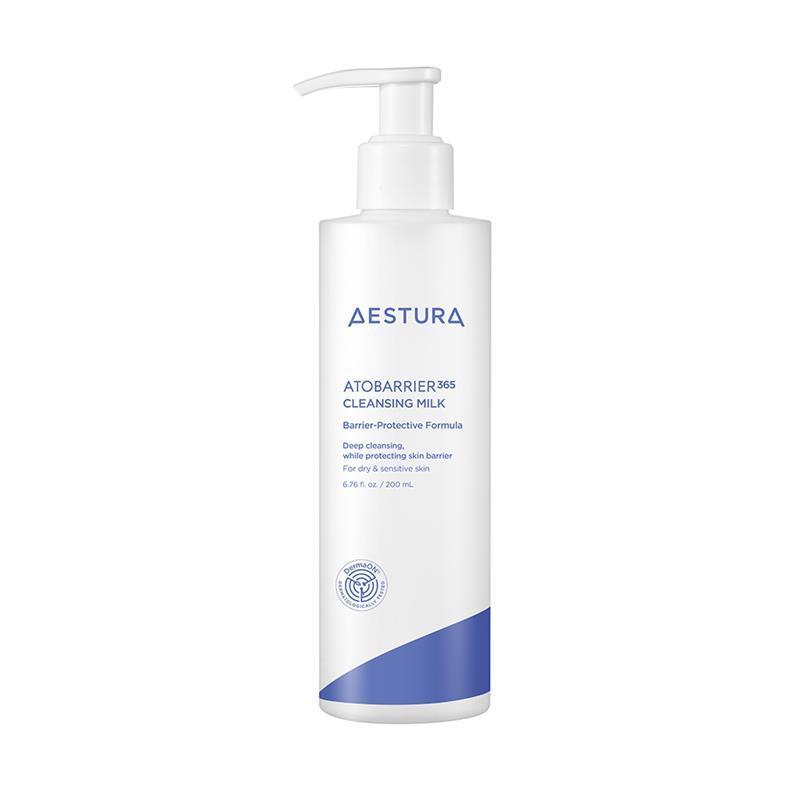
Atobarrier 365 Cleansing Milk
Aestura
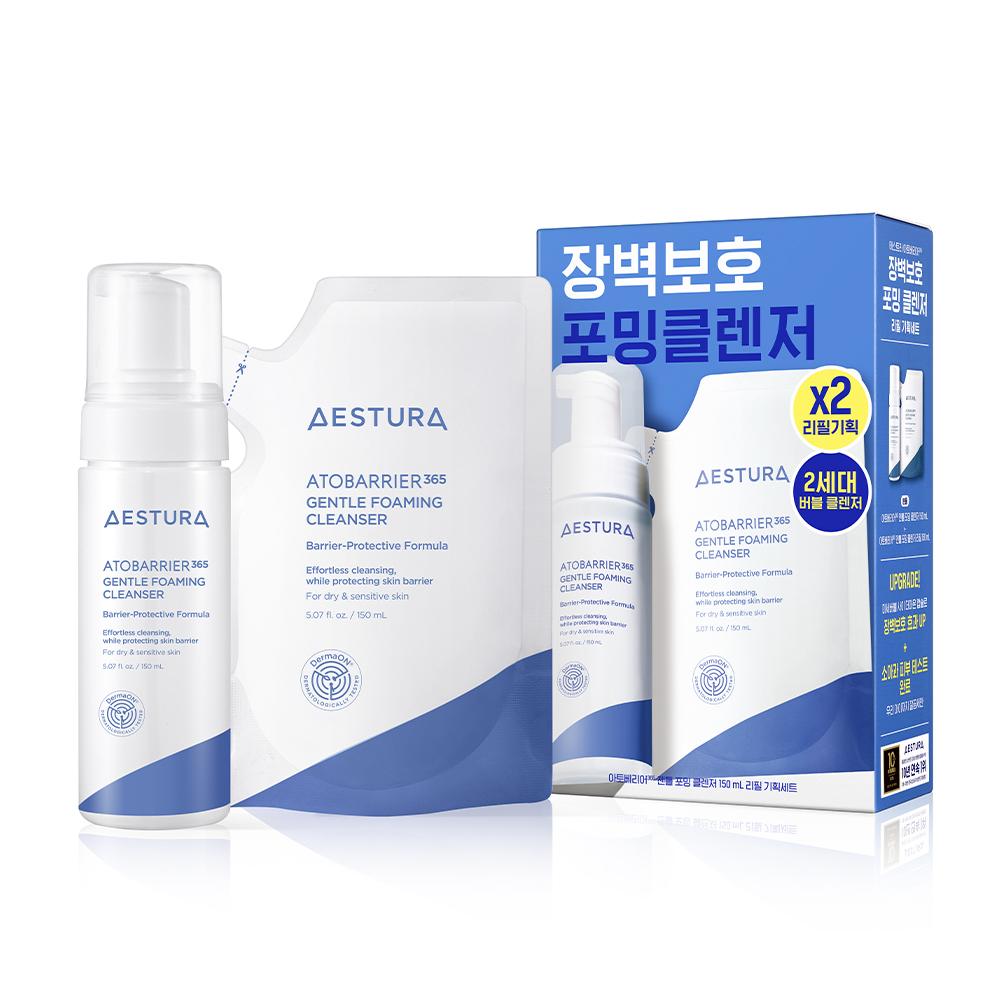
Atobarrier 365 Foaming Cleanser 150ml Refill Set
Aestura
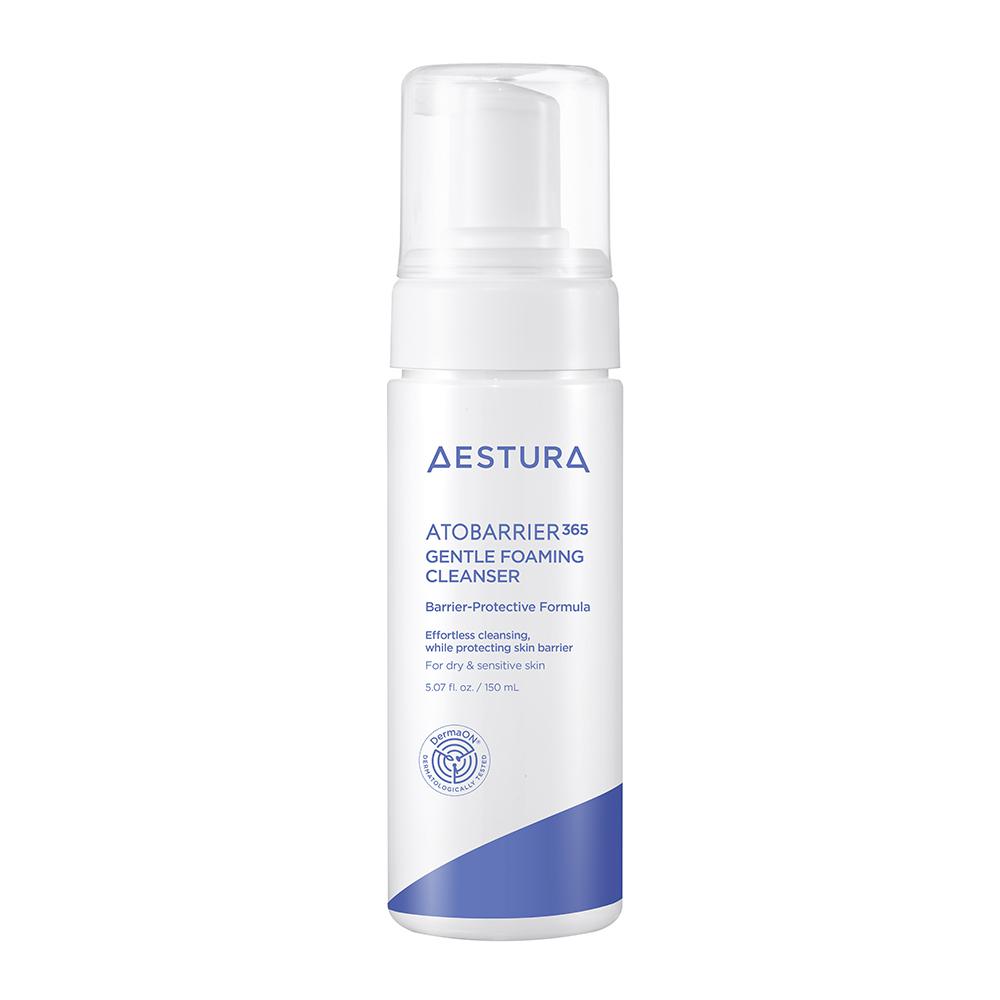
Atobarrier 365 Foaming Cleanser
Aestura
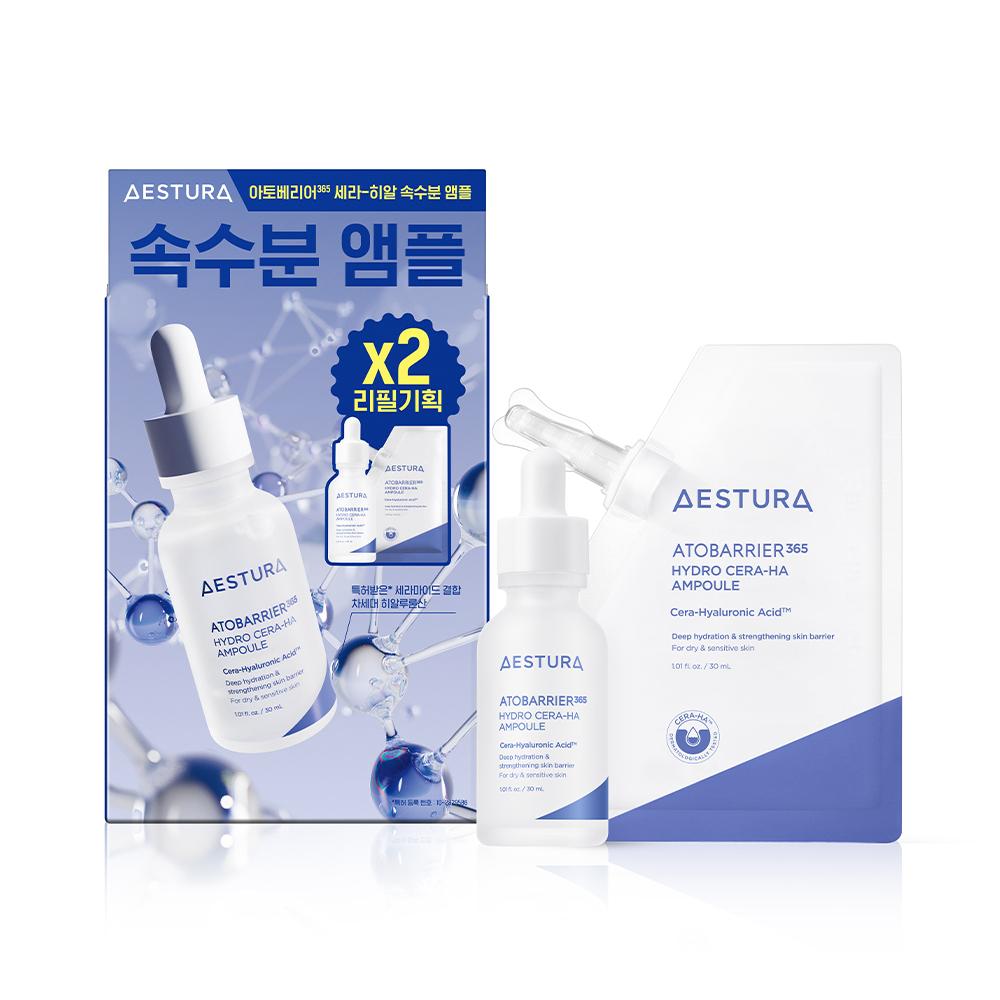
Atobarrier 365 Cera-Ha Ampoule 30ml Refill Set
Aestura
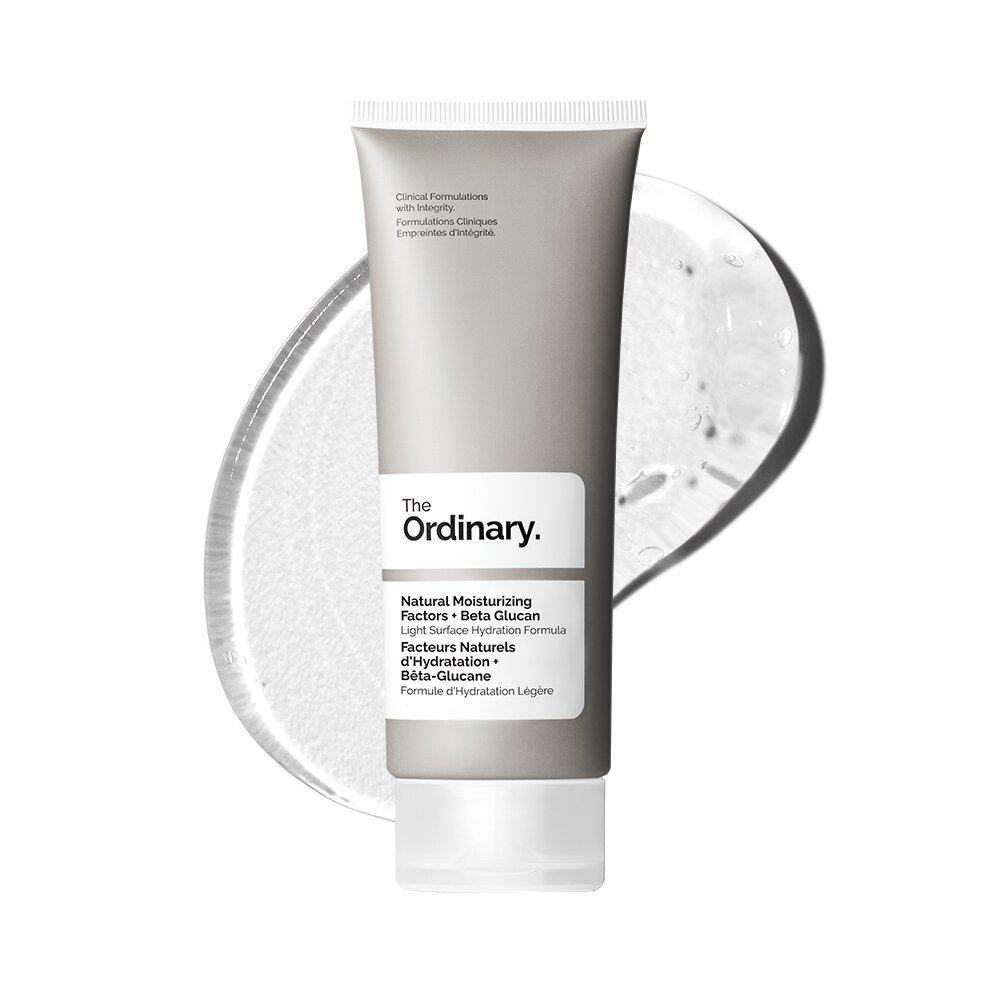
Natural Moisturizing Factors + Beta Glucan
The Ordinary
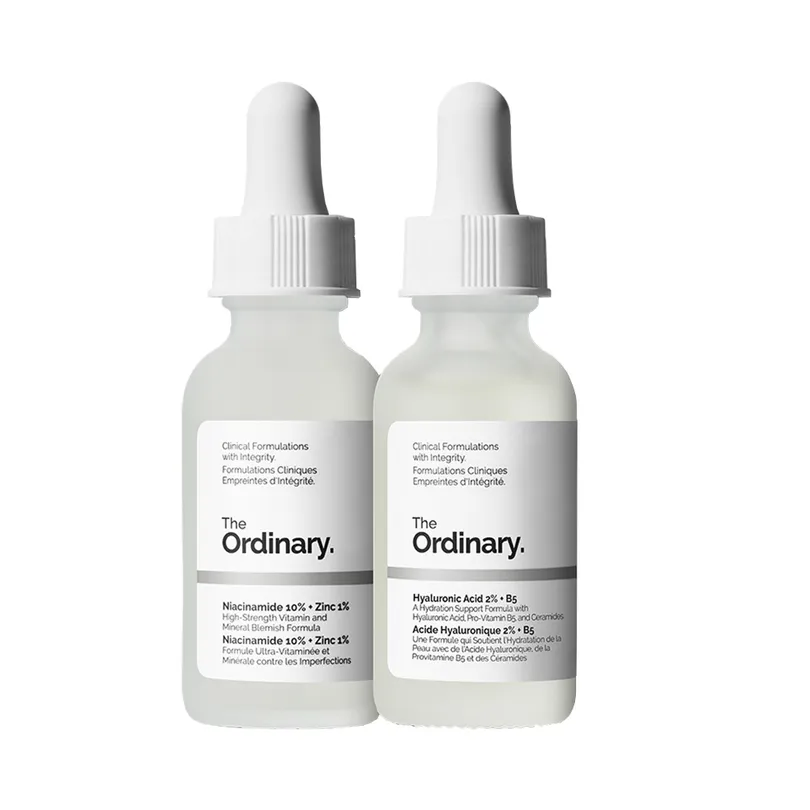
Skin Support Set (Niacinamide 10% + Zinc 1% + Hyaluronic Acid 2% + B5)
The Ordinary
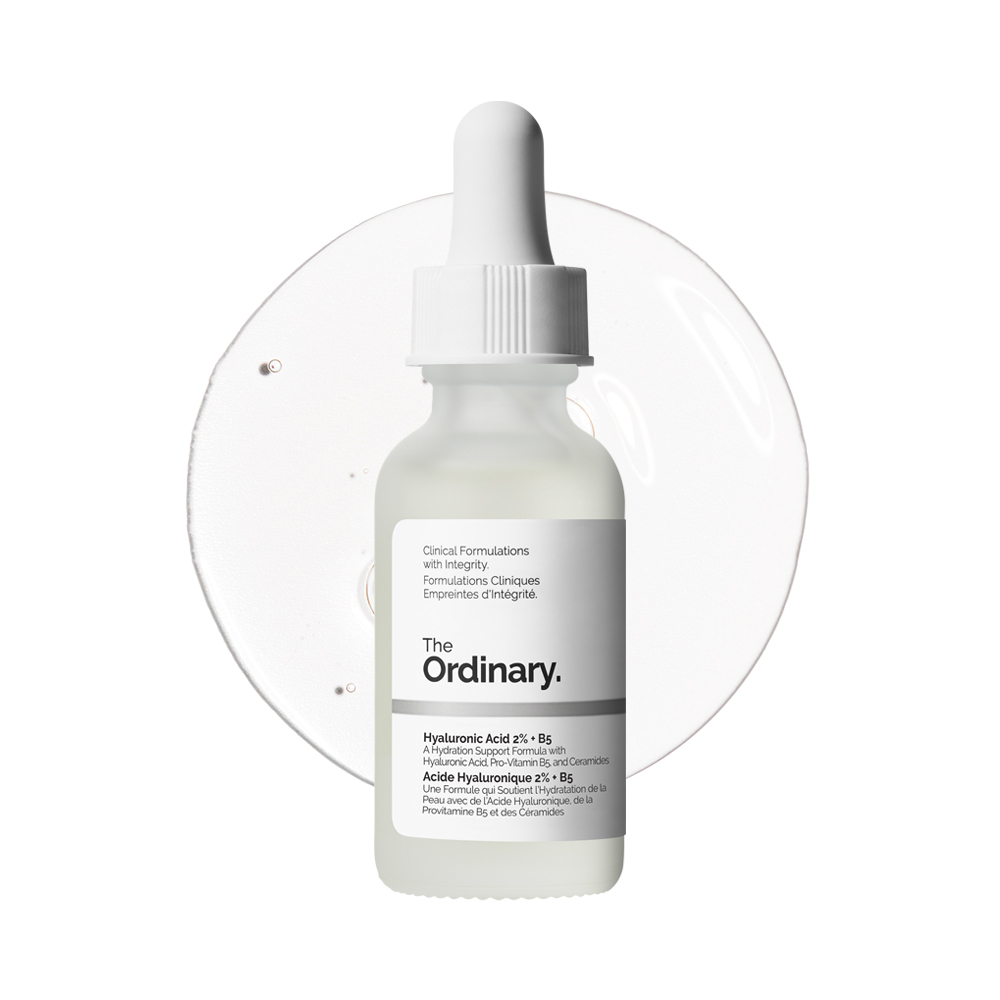
Hyaluronic Acid 2% + B5
The Ordinary
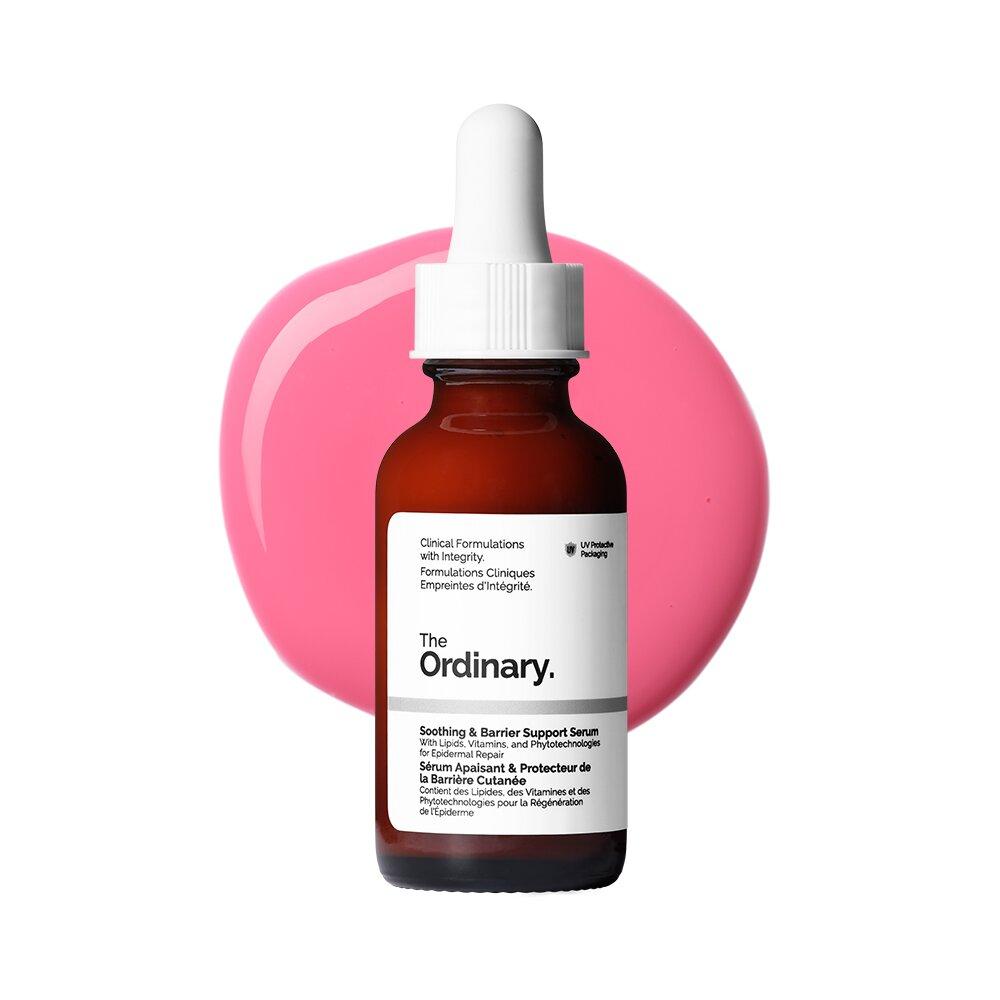
Soothing & Barrier Support Serum
The Ordinary
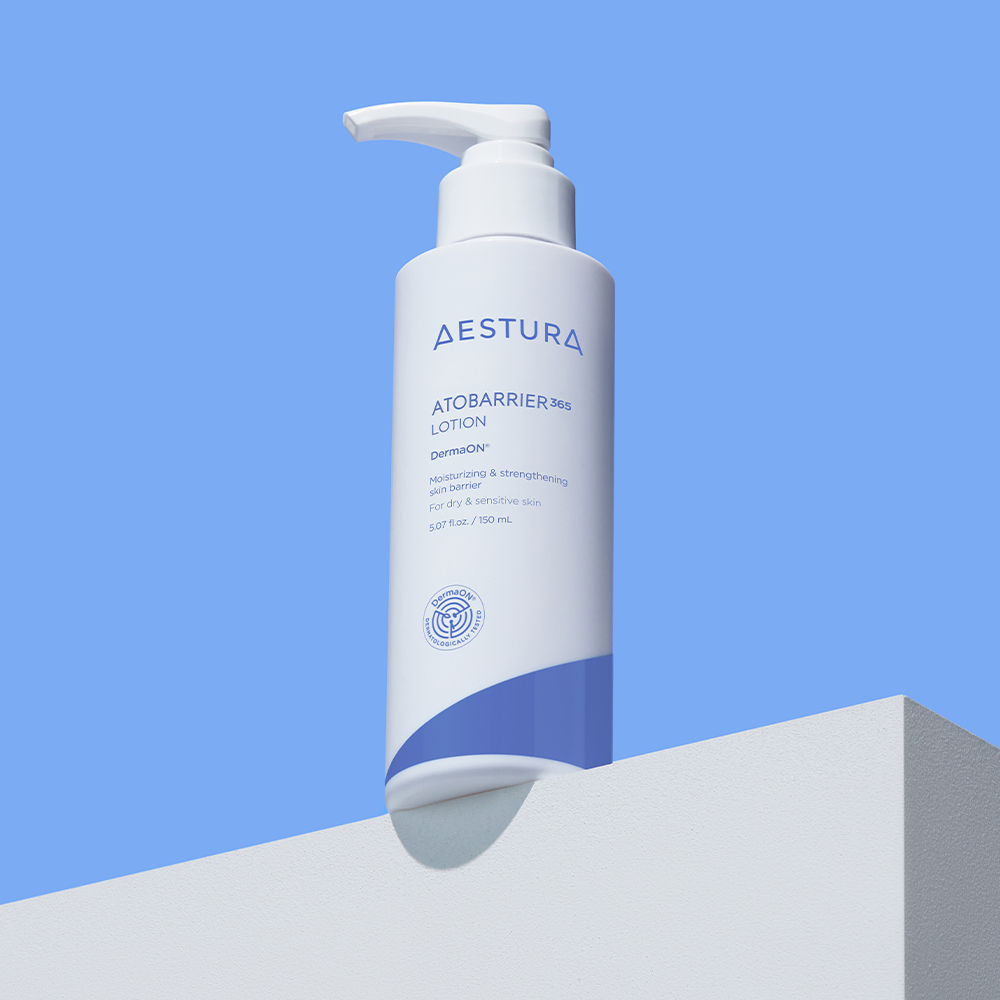
Atobarrier 365 Lotion
Aestura
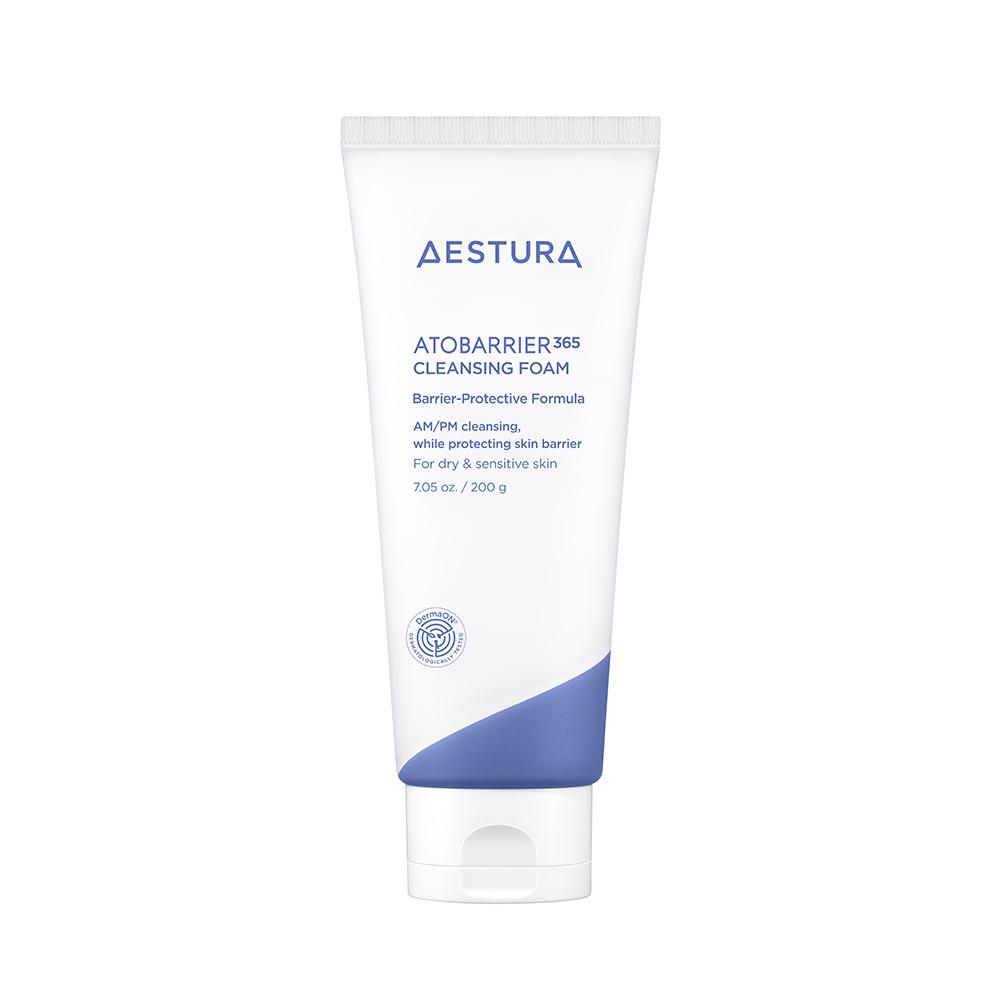
Atobarrier 365 Cleansing Foam
Aestura
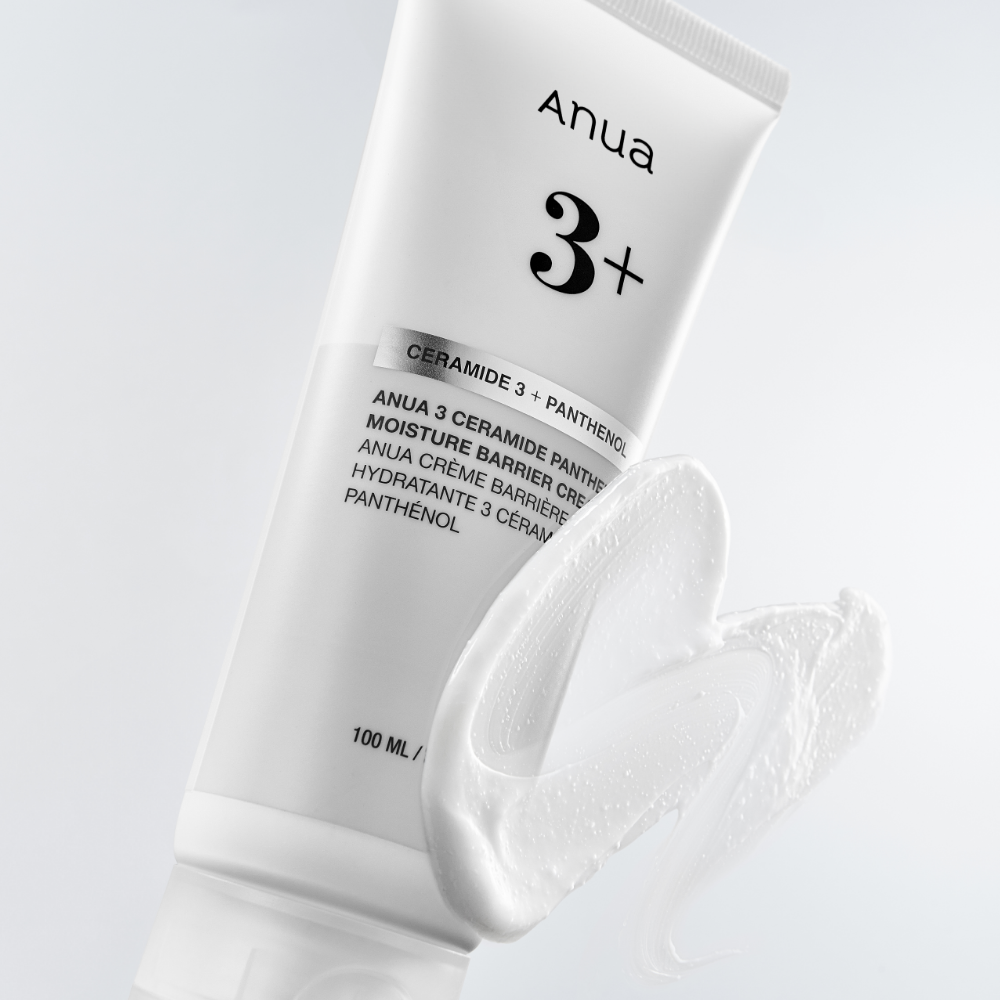
3 Ceramide Panthenol Moisture Barrier Cream
Anua
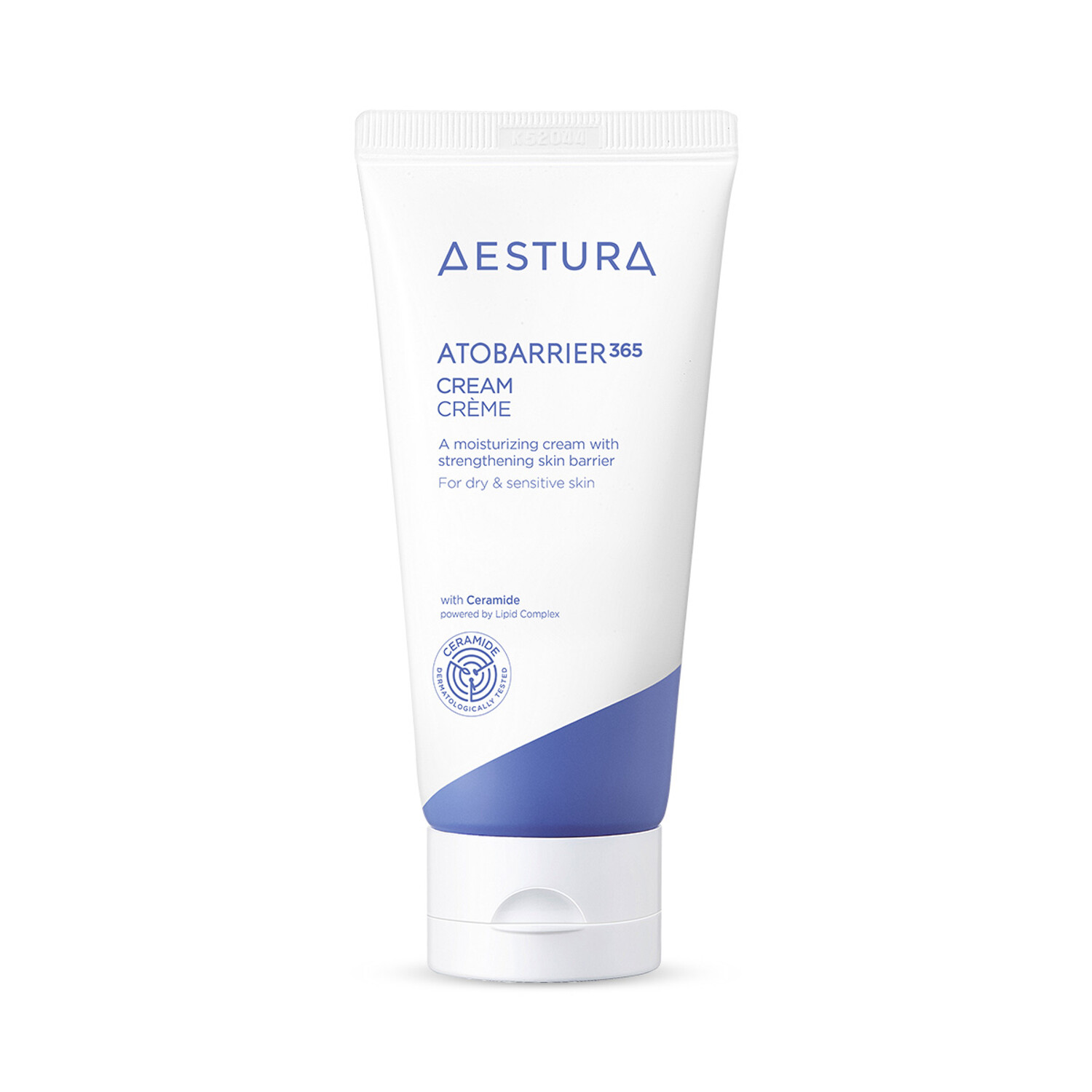
Atobarrier 365 Cream
Aestura
Frequently Asked Questions
Are sphingolipids the same as ceramides?▼
Can sphingolipids help with eczema or atopic dermatitis?▼
Will sphingolipids clog my pores if I'm acne-prone?▼
How long does it take to see results from sphingolipids?▼
Can I use sphingolipids with retinoids or acids?▼
Explore More
Want personalized ingredient advice?
Yuri, our AI beauty advisor, can tell you how Sphingolipids works with your specific skin type, routine, and concerns.
Ask Yuri, free