Succinic Acid
Exfoliant and pH adjuster
About Succinic Acid
Succinic acid is a gentle, multi-functional ingredient that's been quietly revolutionizing K-beauty formulations as both a mild exfoliant and pH stabilizer. Part of the alpha hydroxy acid (AHA) family, it stands out for being significantly less irritating than its better-known cousins like glycolic or lactic acid, making it ideal for sensitive skin types who still want chemical exfoliation benefits. In K-beauty products, succinic acid appears in everything from enzyme powder cleansers to trouble serums, where it helps unclog pores, fade post-acne marks, and keep formulas at optimal pH levels for skin barrier health. What makes this ingredient particularly interesting is its dual role: at higher concentrations, it works as an exfoliant to smooth texture and brighten; at lower concentrations, it functions as a pH adjuster to ensure other active ingredients can work effectively. With a comedogenic rating of 0/5, it won't clog pores, which is why you'll find it in 98 K-beauty products on Seoul Sister, often paired with other actives in acne-fighting and brightening formulations. Korean brands have embraced succinic acid as part of the movement toward gentler chemical exfoliation that respects the skin barrier while still delivering visible results.
How Succinic Acid Works
Succinic acid works through multiple pathways to improve skin health. As an AHA, it breaks down the bonds between dead skin cells on the stratum corneum (your skin's outermost layer), promoting gentle exfoliation without the harsh scrubbing action of physical exfoliants. This process helps speed up cell turnover, revealing fresher skin underneath and improving overall texture. What sets succinic acid apart from other AHAs is its larger molecular size, which means it penetrates more slowly and causes less irritation to the deeper layers of skin. Beyond exfoliation, succinic acid has antimicrobial properties that make it particularly effective against acne-causing bacteria, specifically Cutibacterium acnes (formerly P. acnes). It also demonstrates anti-inflammatory effects by modulating immune responses in the skin, helping to calm redness and reduce the appearance of active breakouts. When used as a pH adjuster in formulations, succinic acid helps maintain the slightly acidic environment (pH 4.5-5.5) that's optimal for skin barrier function and allows other active ingredients like vitamin C or niacinamide to remain stable and effective.
Succinic Acid by Skin Type
Oily Skin
Succinic acid is excellent for oily skin thanks to its pore-unclogging properties and antimicrobial action against acne-causing bacteria. Its gentle exfoliation helps control excess sebum by keeping pores clear without over-stripping the skin, which can actually trigger more oil production. Products like Dr.G's A-Clear Balancing Bubble Foam (4.9/5) and Fation's Nosca9 Trouble Serum (4.8/5) leverage succinic acid specifically to manage oily, acne-prone skin.
Dry Skin
While traditionally AHAs can be drying, succinic acid's gentler nature makes it more tolerable for dry skin when used in lower concentrations or combined with hydrating ingredients. It can help remove the buildup of dead skin cells that makes dry skin look dull and flaky, allowing moisturizers to penetrate better. However, dry skin types should start slowly and always follow with a good moisturizer, as any exfoliant can potentially exacerbate dryness if overused.
Combo Skin
Combination skin often benefits most from succinic acid because it addresses both concerns: controlling oil and breakouts in the T-zone while being gentle enough not to over-dry cheek areas. Its balanced exfoliation helps even out skin texture across different zones without the irritation that stronger acids might cause. Look for products like enzyme powder cleansers that can be adjusted in concentration by how much water you add.
Sensitive Skin
Succinic acid is one of the more sensitive-skin-friendly chemical exfoliants available, with significantly less irritation potential than glycolic or salicylic acid. Its larger molecular structure means slower, gentler penetration, and many sensitive skin types tolerate it well when introduced gradually. That said, if your skin is extremely reactive or you have conditions like rosacea, patch test first and consider products where succinic acid is used primarily as a pH adjuster rather than the main active.
Normal Skin
Normal skin can incorporate succinic acid easily for maintenance of smooth texture, brightness, and pore clarity. It's gentle enough for regular use without disrupting your skin's natural balance, making it ideal for preventative care against both aging and occasional breakouts. Products like I'm From's Fig Gelato Pack Cleanser (5.0/5) offer a luxurious way to incorporate this ingredient into your routine without any harsh effects.
How to Use Succinic Acid
- 1Start with products where succinic acid is lower on the ingredient list (meaning lower concentration) to gauge your skin's tolerance before moving to treatments where it's a primary active.
- 2Use succinic acid products in your evening routine rather than morning, as chemical exfoliants can increase sun sensitivity. Always follow with SPF the next day.
- 3If using succinic acid in a serum or treatment product, apply it after cleansing and toning but before heavier moisturizers, allowing 30 seconds for absorption between layers.
- 4Don't combine succinic acid with other strong exfoliants (retinol, glycolic acid, high-percentage vitamin C) in the same routine, especially when first introducing it. Layer different actives on alternate nights instead.
- 5Enzyme powder cleansers with succinic acid (like Cell Fusion C's PHA Enzyme Granule Peels Powder) can be gentler than leave-on treatments since they're rinsed off, making them a good entry point for acid-curious beginners.
Background
Succinic acid has a fascinating history that predates modern skincare by centuries. It's a naturally occurring compound found in amber, certain plants, and even produced by your own body during cellular metabolism in the Krebs cycle (the process that generates energy in cells). Historically, succinic acid was extracted from amber through distillation, and Baltic amber specifically has been used in traditional European medicine for its purported anti-inflammatory properties. In skincare, succinic acid remained relatively obscure until the 2010s, when the K-beauty industry began exploring gentler alternatives to popular but potentially irritating acids like glycolic acid. Korean chemists recognized that succinic acid's unique molecular structure and dual functionality (exfoliation plus antimicrobial action) made it perfect for the K-beauty philosophy of effective but gentle skincare. It gained particular traction in products targeting acne and sensitive skin, where its ability to fight bacteria without excessive irritation proved valuable. Today, succinic acid appears across multiple K-beauty categories, from cleansers to serums, often working behind the scenes as both an active ingredient and a formulation stabilizer.
K-Beauty Products with Succinic Acid
View all 98 →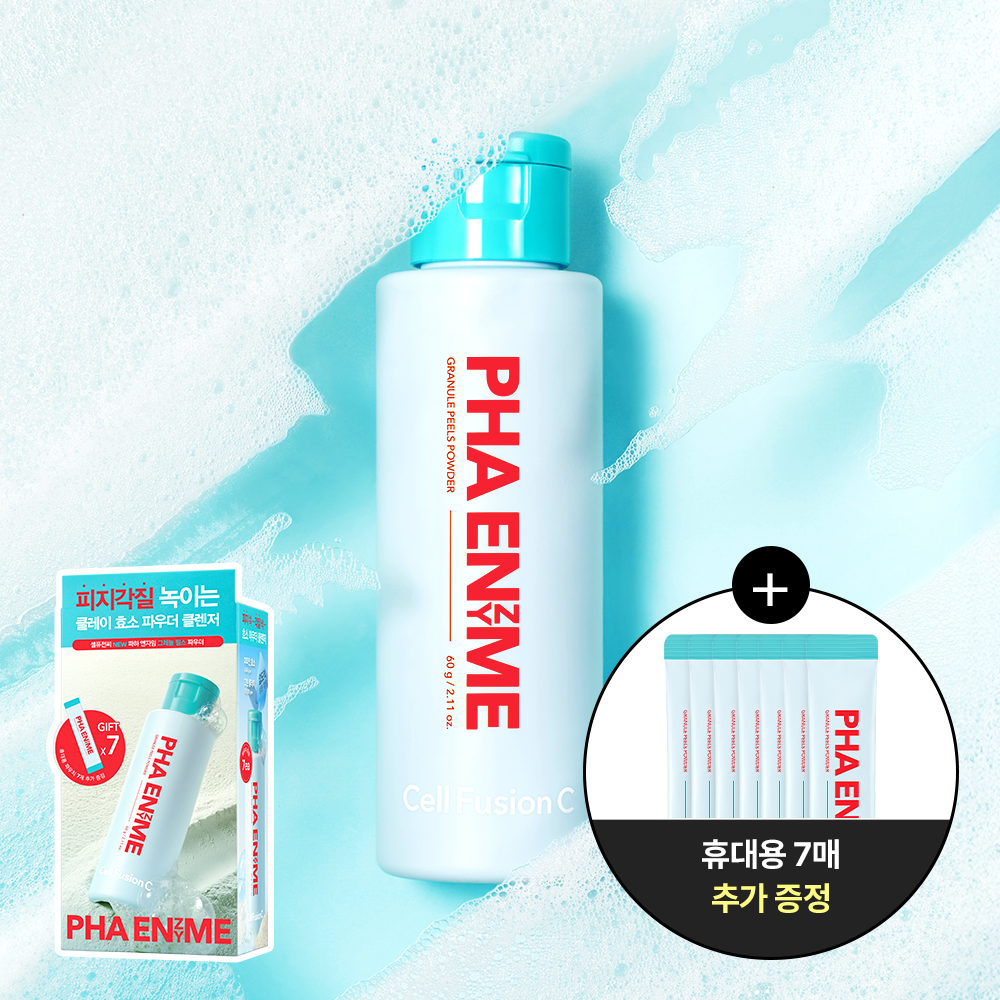
PHA Enzyme Granule Peels Powder
Cell Fusion C
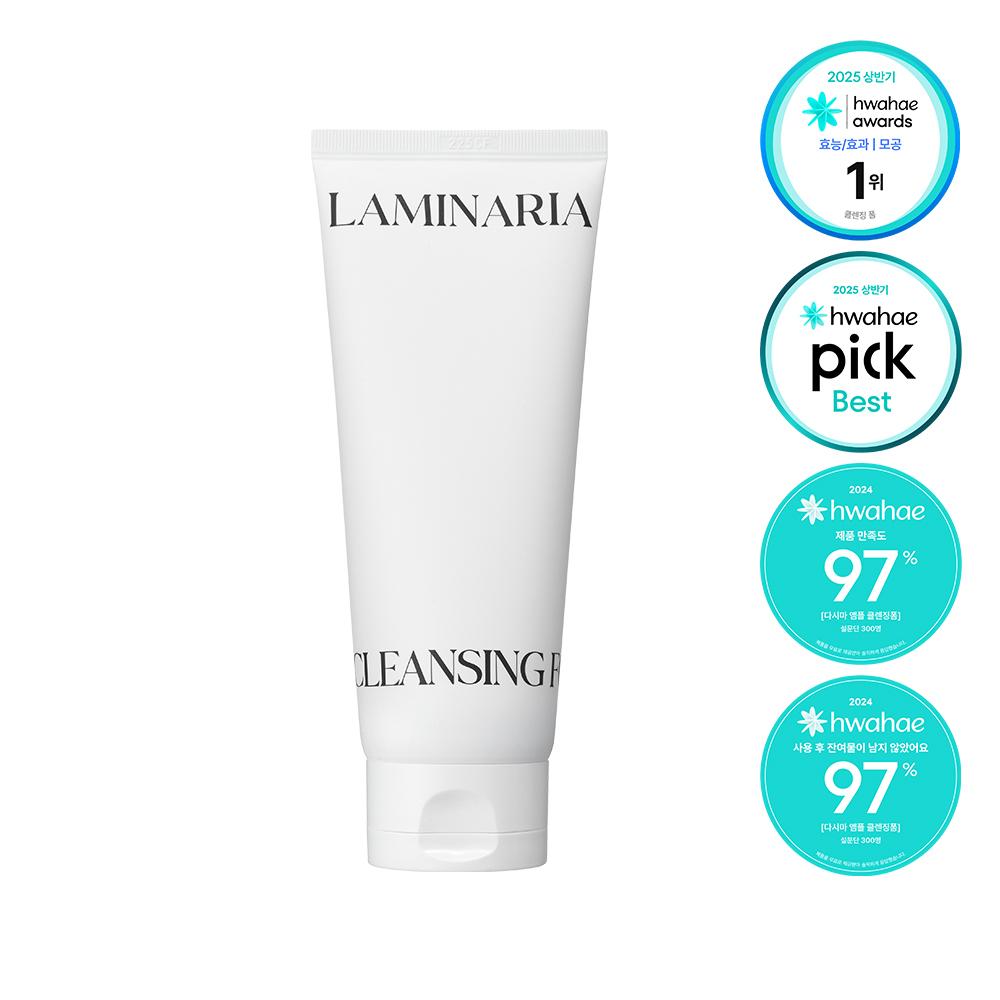
Laminaria Ampoule Cleansing Foam
ShionLe
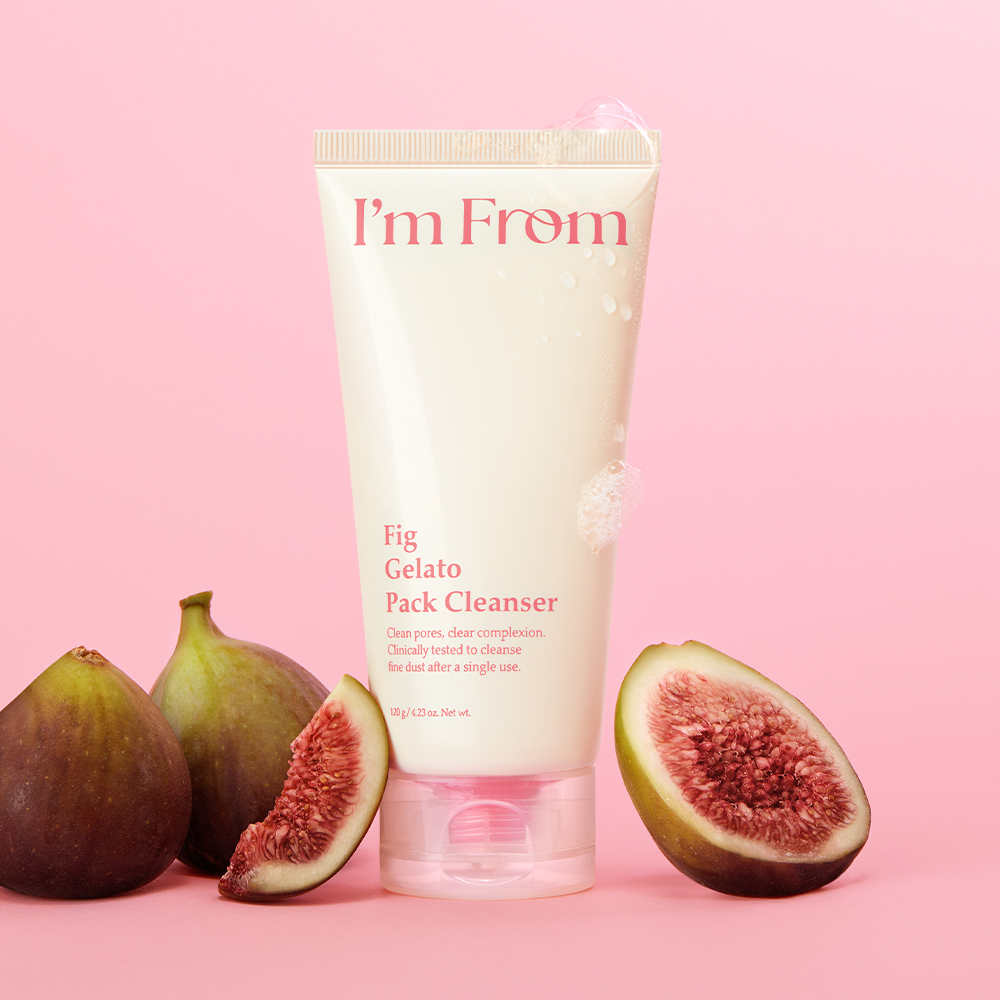
Fig Gelato Pack Cleanser
I'm From
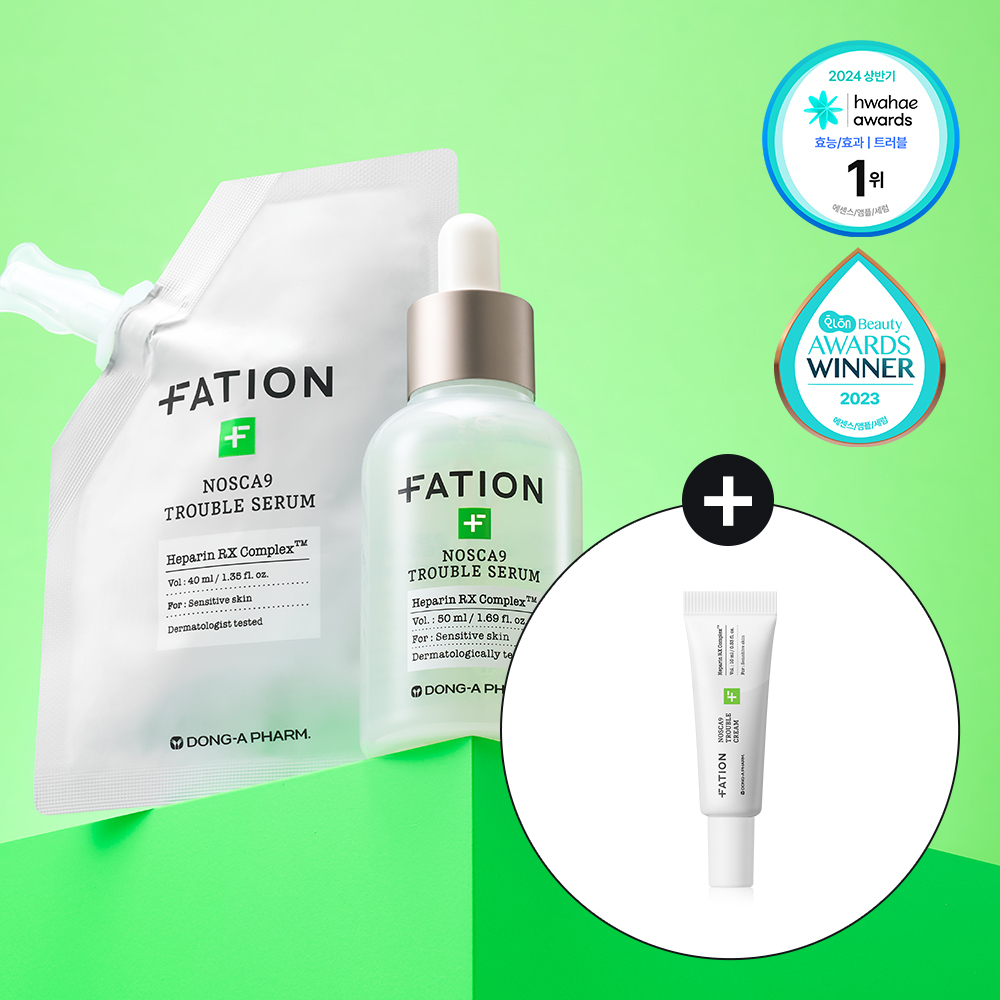
Nosca9 Trouble Serum
Fation
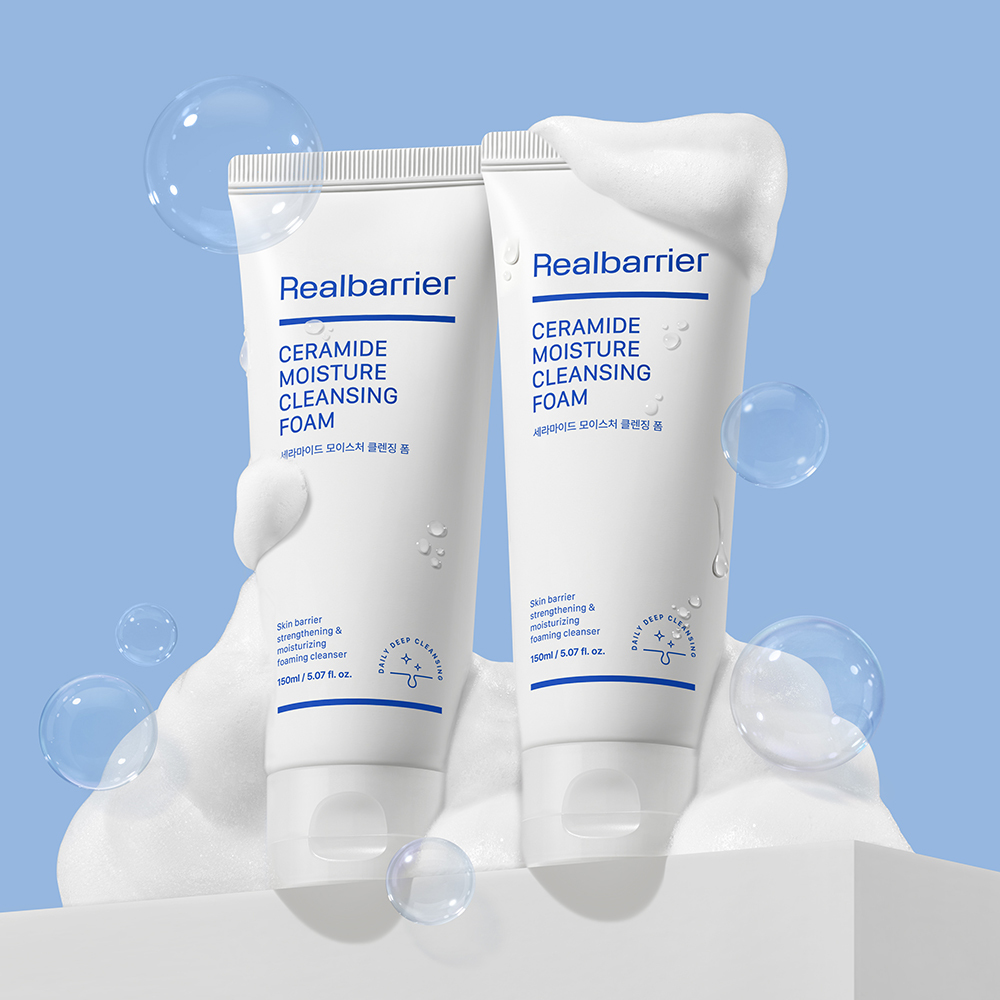
Ceramide Moisture Cleansing Foam
Real Barrier
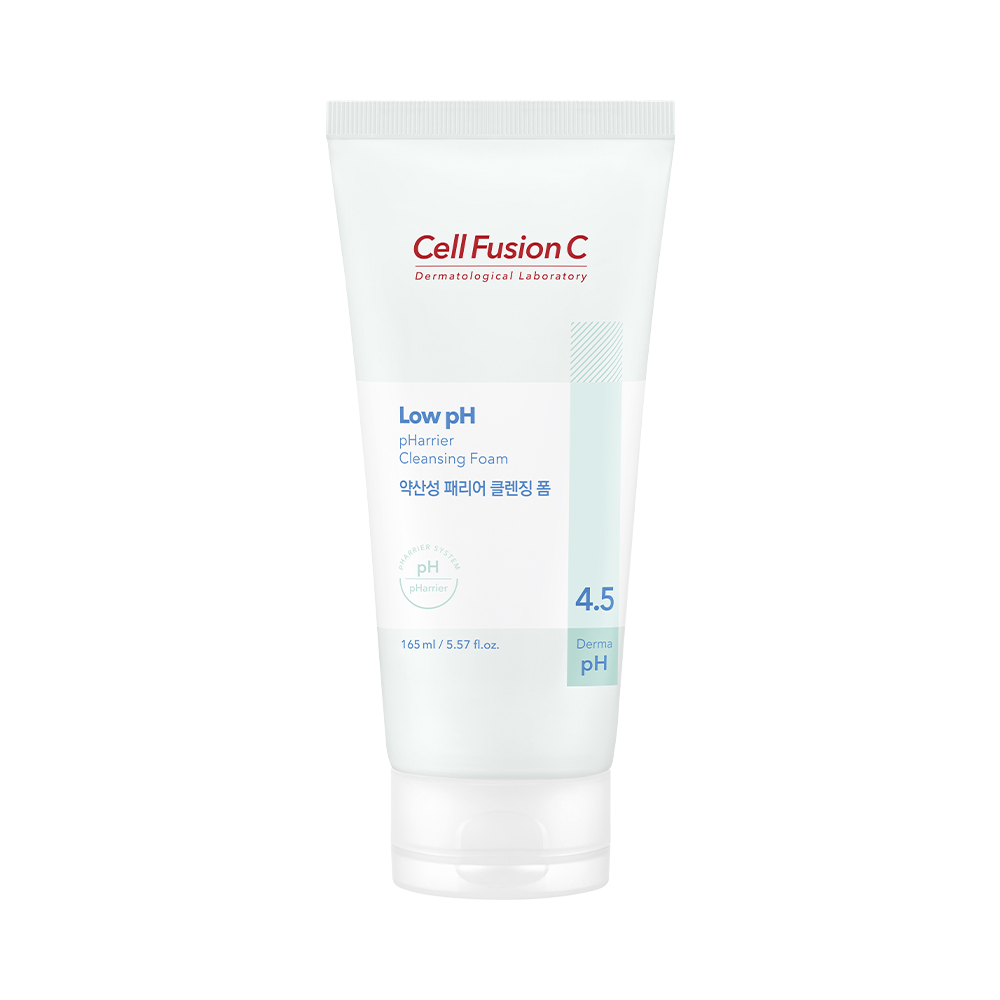
Low pH pHarrier Cleansing Foam
Cell Fusion C
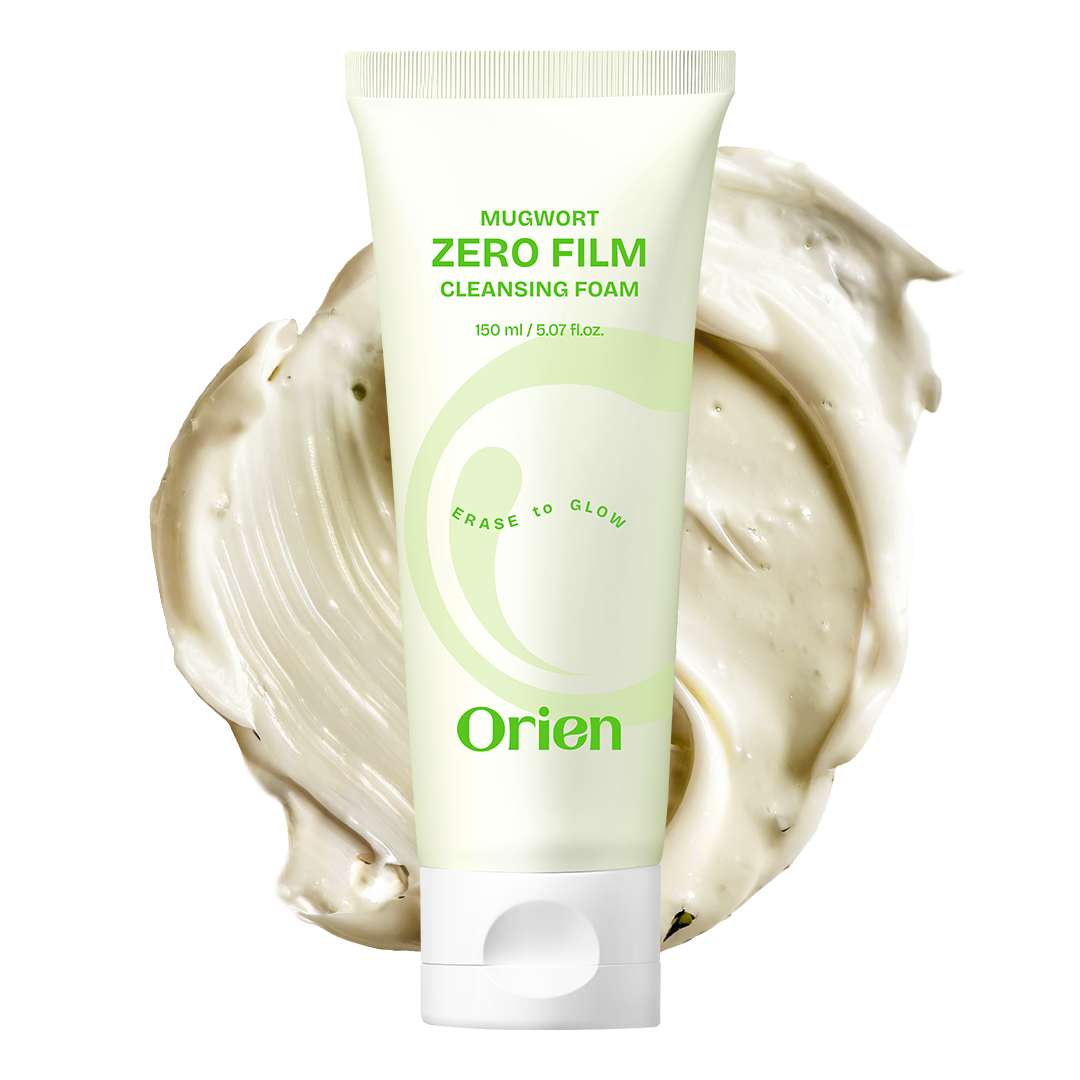
Mugwort Zero Film Cleansing Foam
Orien
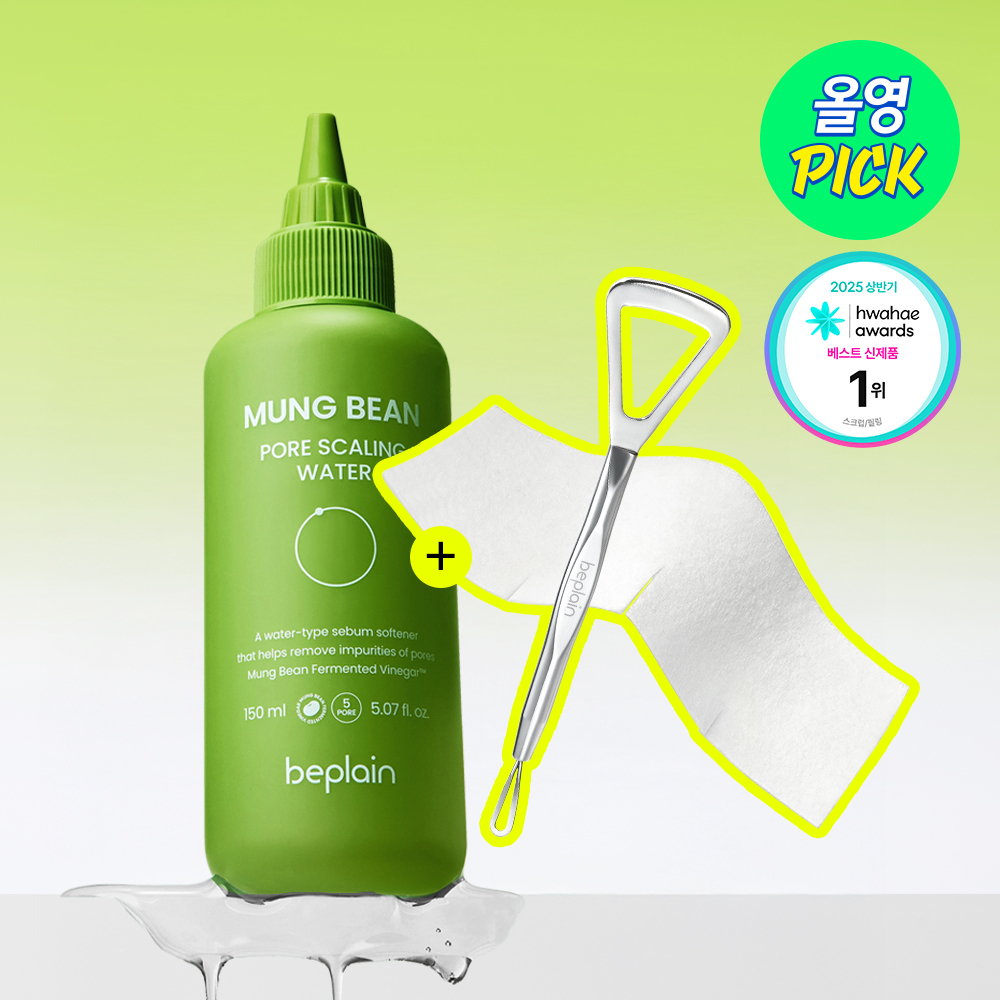
Mung Bean Pore Scaling Water Set
Beplain
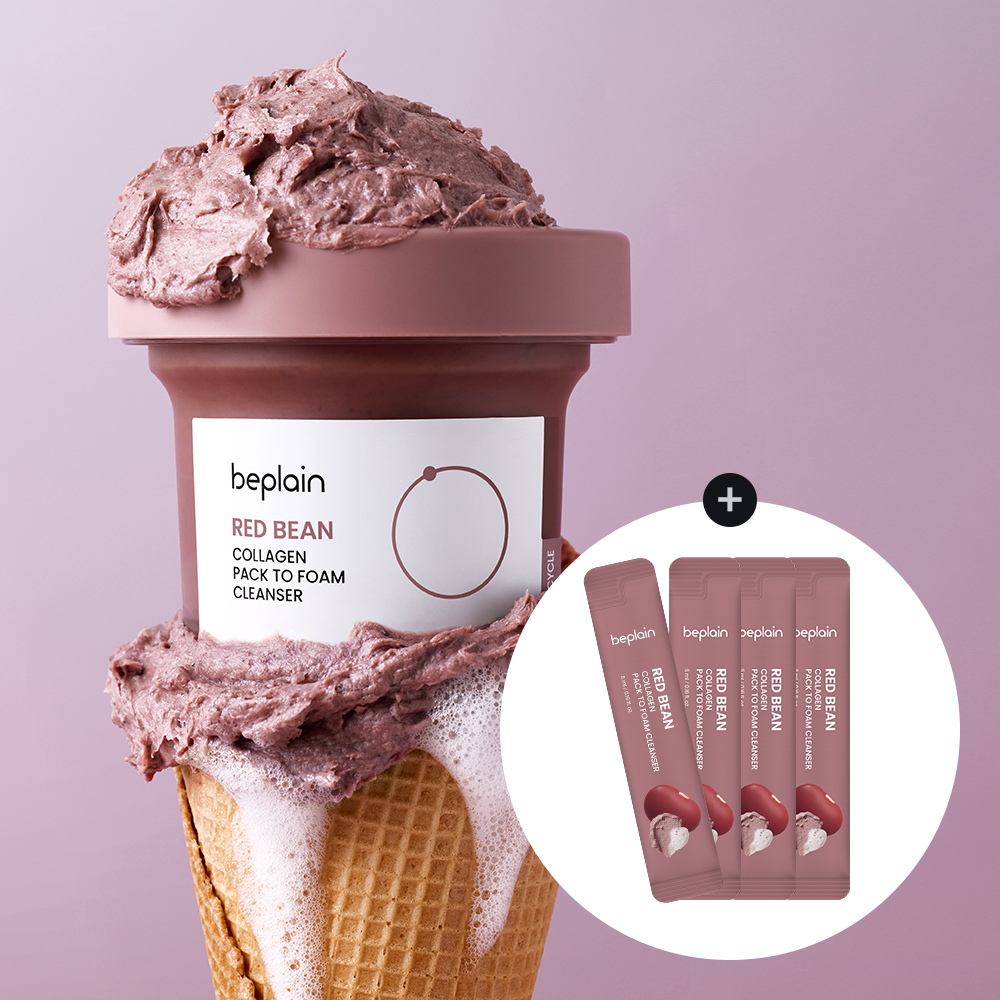
Red Bean Collagen Pack To Foam Cleanser
Beplain
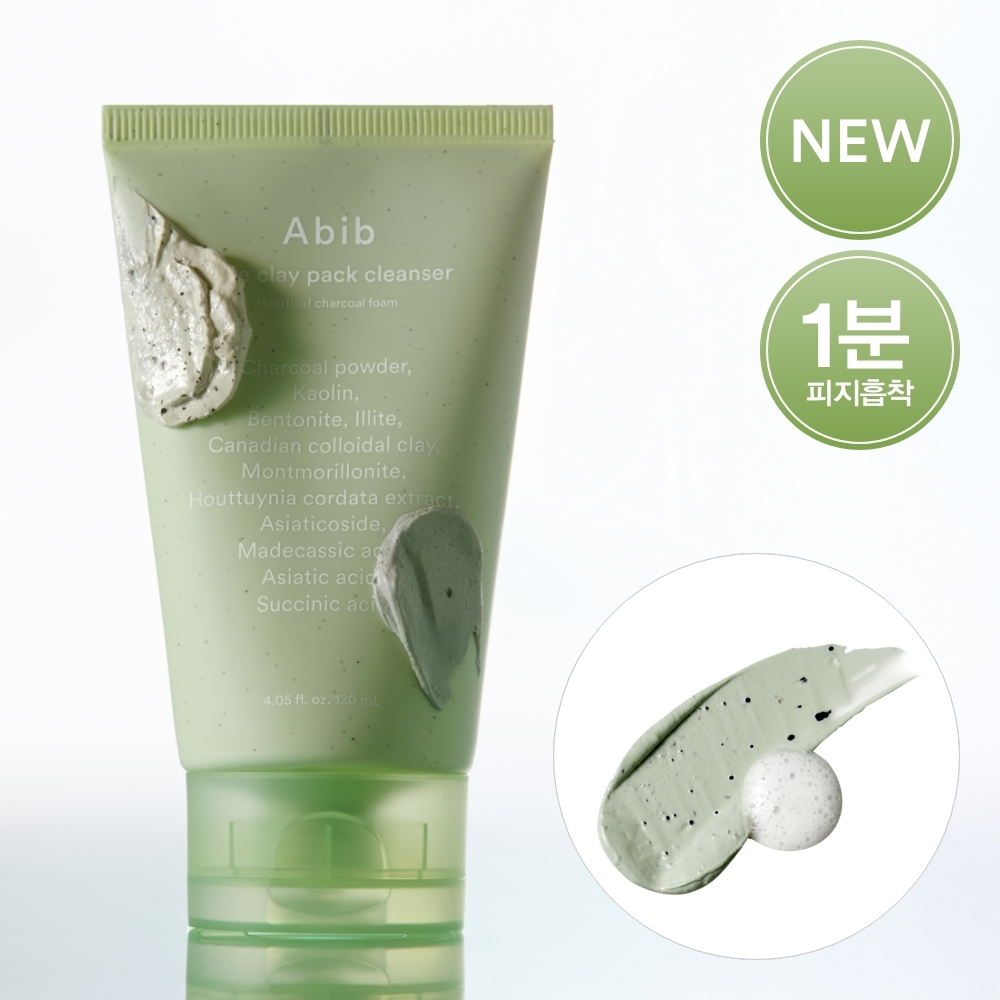
Pore Clay Pack Cleanser Heartleaf Charcoal Foam
Abib
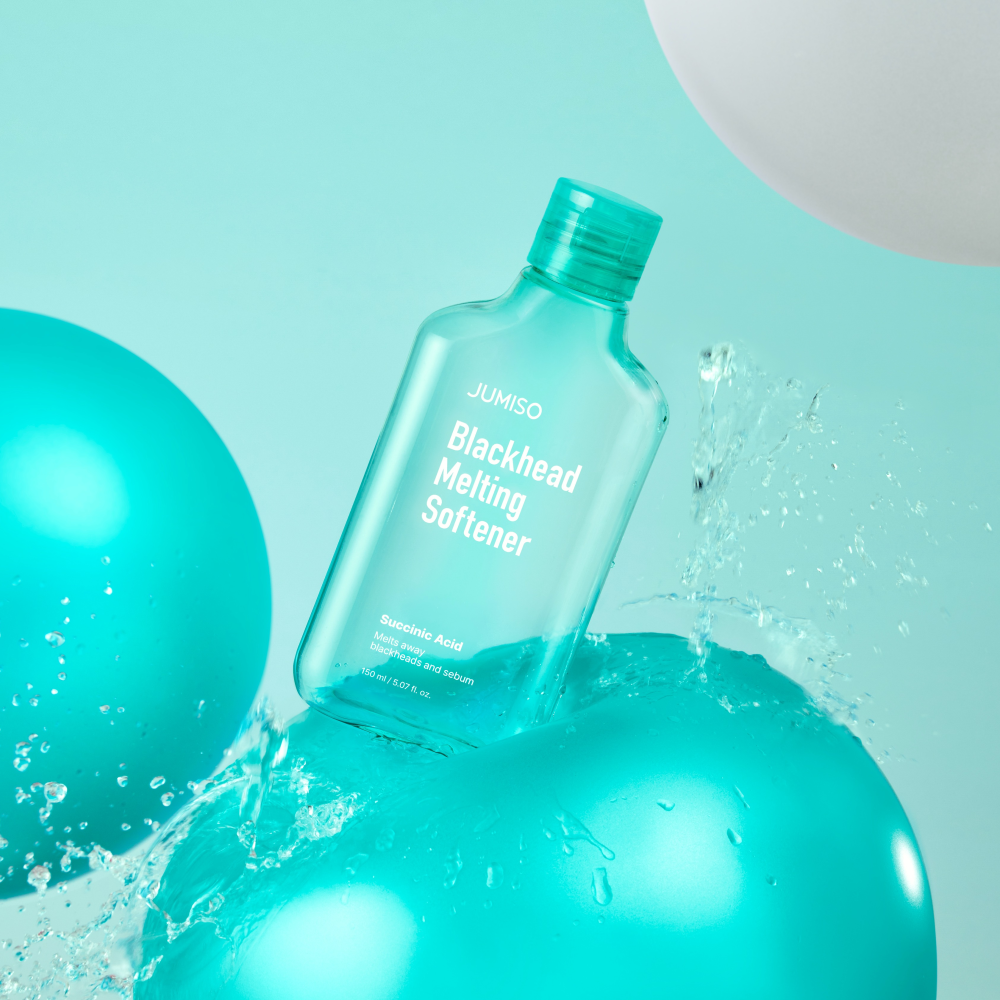
Blackhead Melting Softener
Jumiso
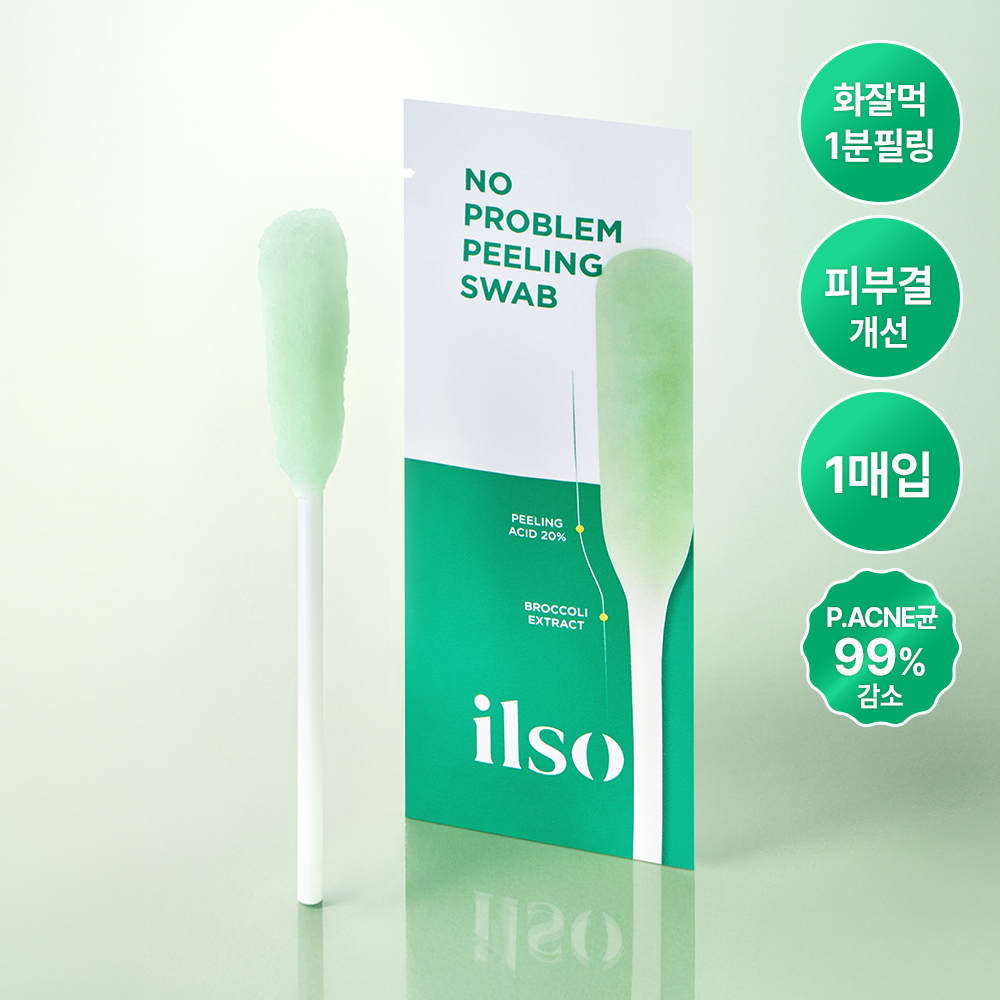
No Problem Peeling Swab
Ilso
Frequently Asked Questions
Is succinic acid the same as salicylic acid?▼
Can I use succinic acid if I'm pregnant or breastfeeding?▼
How often should I use products with succinic acid?▼
Will succinic acid help with acne scars and hyperpigmentation?▼
Why do some K-beauty products list succinic acid if it's just a pH adjuster?▼
Explore More
Want personalized ingredient advice?
Yuri, our AI beauty advisor, can tell you how Succinic Acid works with your specific skin type, routine, and concerns.
Ask Yuri, free