Sugar
INCI: Sucrose
Humectant and natural exfoliant
About Sugar
Sugar (sucrose) is a dual-action ingredient in K-beauty that works both as a humectant to attract moisture and as a physical exfoliant to buff away dead skin cells. While Western skincare often leans on chemical exfoliants like AHAs and BHAs, Korean beauty has long appreciated sugar's gentler mechanical exfoliation combined with its hydrating properties. When applied to damp skin, sugar granules dissolve gradually, providing a controlled exfoliation that's less aggressive than salt or synthetic beads. Beyond its scrubbing action, sugar is hygroscopic, meaning it pulls water from the environment into your skin, helping maintain moisture levels even as it sloughs off surface buildup. This makes it particularly valuable in wash-off masks and cleansers where you want both brightening and hydration in a single step. K-beauty brands incorporate sugar into everything from gentle daily cleansers to intensive weekly treatments, often pairing it with nourishing oils or soothing botanicals to balance the exfoliation. With a perfect safety rating of 5/5 and zero comedogenic potential, sugar is one of the most universally tolerated exfoliants available. Its presence in 291 K-beauty products on Seoul Sister reflects its versatility across formulations, from Papa Recipe's foam cleansers to NEEDLY's hydrating sheet masks, where it often works behind the scenes to enhance penetration of other actives.
How Sugar Works
Sugar exfoliates through physical abrasion when massaged onto skin, with its crystalline structure breaking down cell-to-cell adhesions that hold dead skin cells on the surface. As the granules dissolve in water and sebum, they become progressively gentler, offering a self-regulating exfoliation that reduces the risk of over-scrubbing. At the molecular level, sucrose is a disaccharide composed of glucose and fructose, both of which are humectants that bind to water molecules through hydrogen bonding. This hygroscopic property allows sugar to draw moisture from the dermis to the epidermis and from the surrounding environment into the stratum corneum, supporting skin barrier hydration. Unlike glycolic acid or other chemical exfoliants that work by breaking down the proteins holding skin cells together, sugar provides purely mechanical action, making it suitable for those who experience irritation with acids. The dissolving nature of sugar also means it rinses away completely without leaving microplastic residue, and its small molecular size allows some humectant benefit to penetrate even after the granules have dissolved. This dual mechanism makes sugar particularly effective in formulations designed for sensitive skin that still needs regular exfoliation.
Sugar by Skin Type
Oily Skin
Sugar is excellent for oily skin types because it physically removes excess sebum and dead cells that can clog pores, without stripping skin or triggering rebound oil production. Its zero comedogenic rating means it won't contribute to breakouts, and the gentle exfoliation helps improve skin texture and reduce the appearance of enlarged pores common in oily complexions.
Dry Skin
While exfoliation might seem counterintuitive for dry skin, sugar's humectant properties make it uniquely beneficial here. The physical exfoliation removes the flaky, rough patches that prevent moisturizers from penetrating properly, while the sucrose molecule simultaneously attracts and holds moisture in the newly revealed skin layers, leaving skin smoother and more receptive to hydrating products.
Combo Skin
Combination skin benefits from sugar's balanced approach, receiving gentle exfoliation in the T-zone where oil and congestion accumulate, while the humectant properties provide hydration to drier cheek areas. Because sugar dissolves progressively, you can control intensity by adjusting massage time, spending more time on oily areas and less on dry patches.
Sensitive Skin
Sugar is one of the gentler physical exfoliants available for sensitive skin, especially compared to harsher scrubs with irregular particles or high concentrations of acids. Its gradual dissolution prevents over-exfoliation, and when formulated in products like Papa Recipe's calming cleansers (rated 5.0/5), it's paired with soothing ingredients that minimize any potential irritation while still providing the cell turnover benefits sensitive skin needs.
Normal Skin
Normal skin types can use sugar as a maintenance exfoliant to preserve balanced texture and radiance without disrupting skin's natural equilibrium. The humectant properties support the already well-functioning moisture barrier, while regular gentle exfoliation prevents the dullness and uneven texture that can develop even in healthy skin over time.
How to Use Sugar
- 1Apply sugar-based products to damp skin rather than dry to control exfoliation intensity and prevent excessive abrasion
- 2Use gentle circular motions for 30-60 seconds maximum, letting the dissolving granules do the work rather than applying pressure
- 3Follow with a hydrating toner or essence immediately after rinsing to lock in the moisture-attracting benefits and support the freshly exfoliated barrier
- 4Limit sugar exfoliation to 1-2 times per week if combining with chemical exfoliants like the Glycolic Acid 7% Toner (rated 4.8/5), as over-exfoliation can compromise your barrier regardless of how gentle each individual product is
Background
Sugar's use in skincare traces back centuries across multiple cultures, from ancient Egyptian beauty rituals to traditional Middle Eastern body scrubs called 'halawa.' In Korean beauty traditions, natural ingredients from the kitchen have long been incorporated into skincare, with sugar featuring in homemade scrubs mixed with oils or honey for brightening and smoothing. The modern K-beauty industry began seriously incorporating sugar into commercial formulations in the early 2010s as the global market shifted away from plastic microbeads due to environmental concerns. Korean brands recognized sugar's dual functionality as both exfoliant and humectant, elevating it beyond simple DIY scrubs into sophisticated formulations like Chosungah Beauty's Wonder Bath Lemon Chung Pack Cleanser (rated 5.0/5), where sugar works synergistically with vitamin C and other actives. This ingredient perfectly embodies K-beauty's philosophy of gentle yet effective skincare, offering visible results without aggressive stripping or irritation.
K-Beauty Products with Sugar
View all 309 →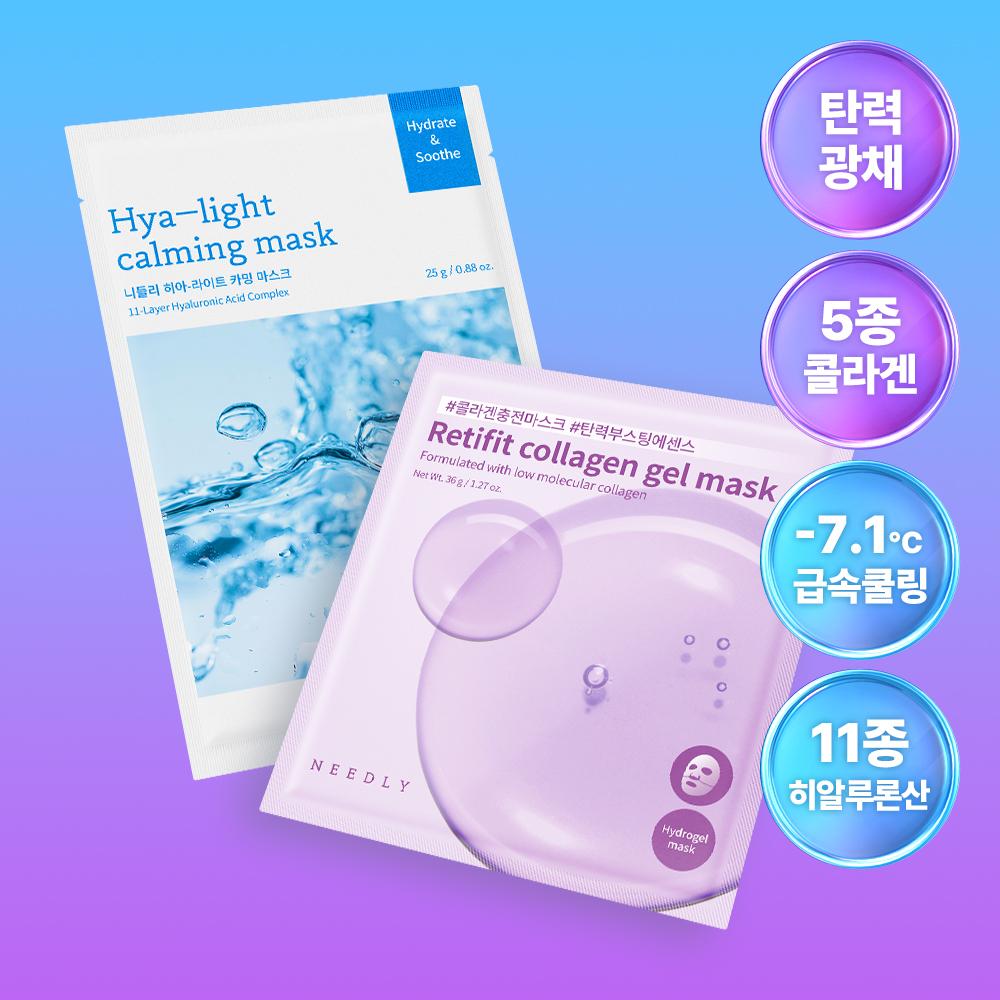
Mask Sheet (Retifit Collagen / Hya-light Calming)
NEEDLY
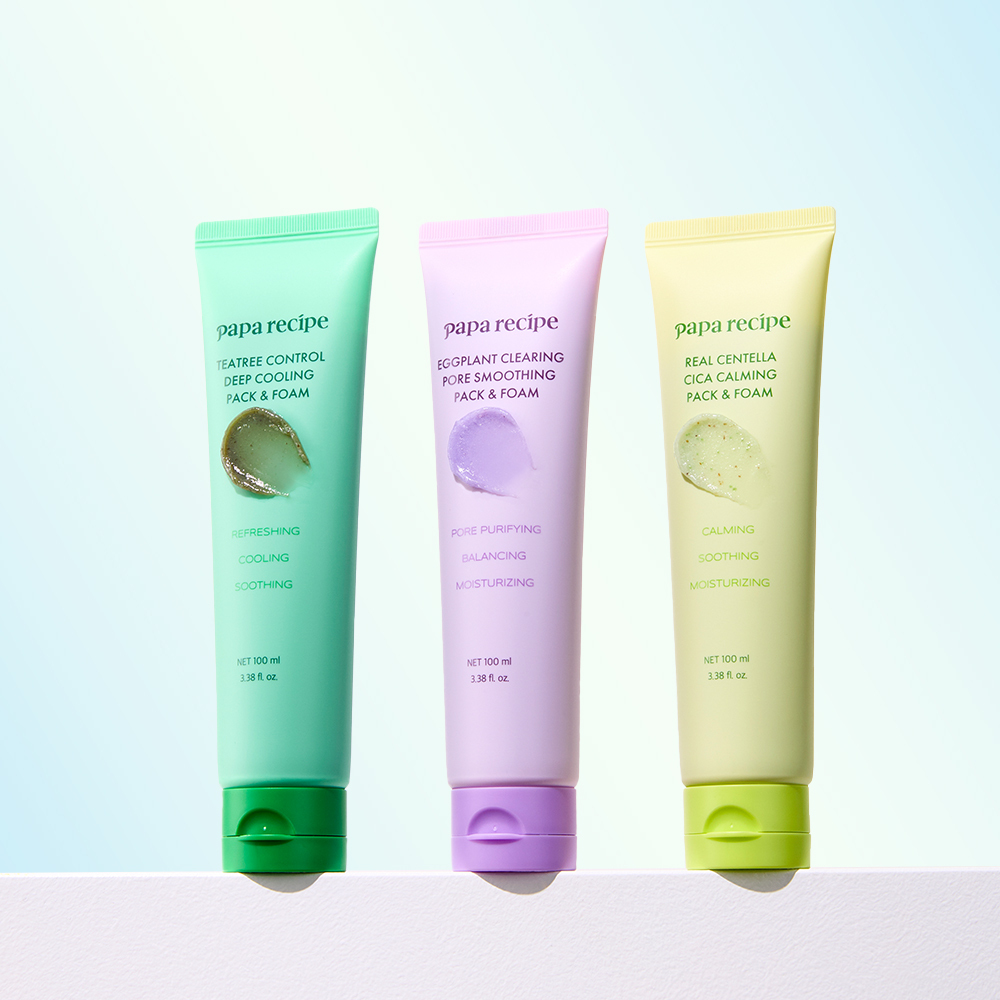
Pack & Foam (Real Centella/Eggplant Clearing/Teatree Control)
Papa Recipe
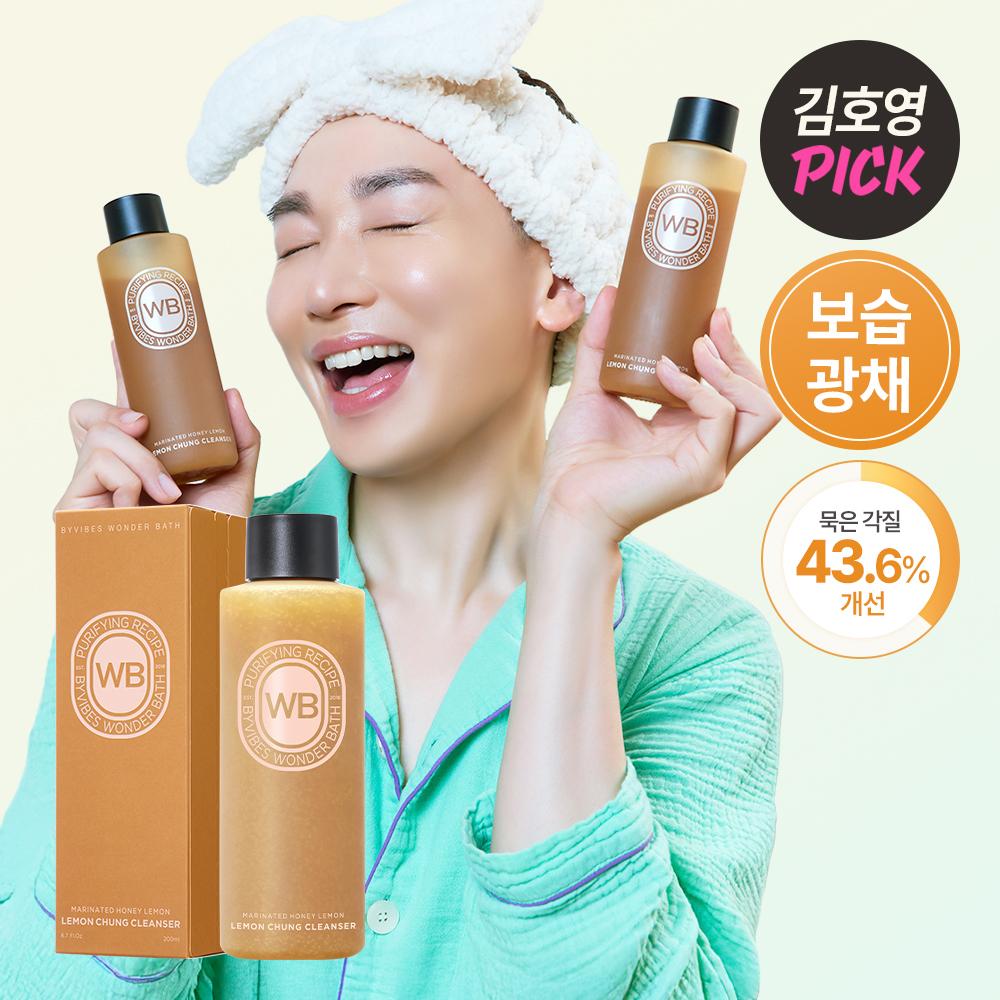
Wonder Bath Lemon Chung Pack Cleanser
Chosungah Beauty
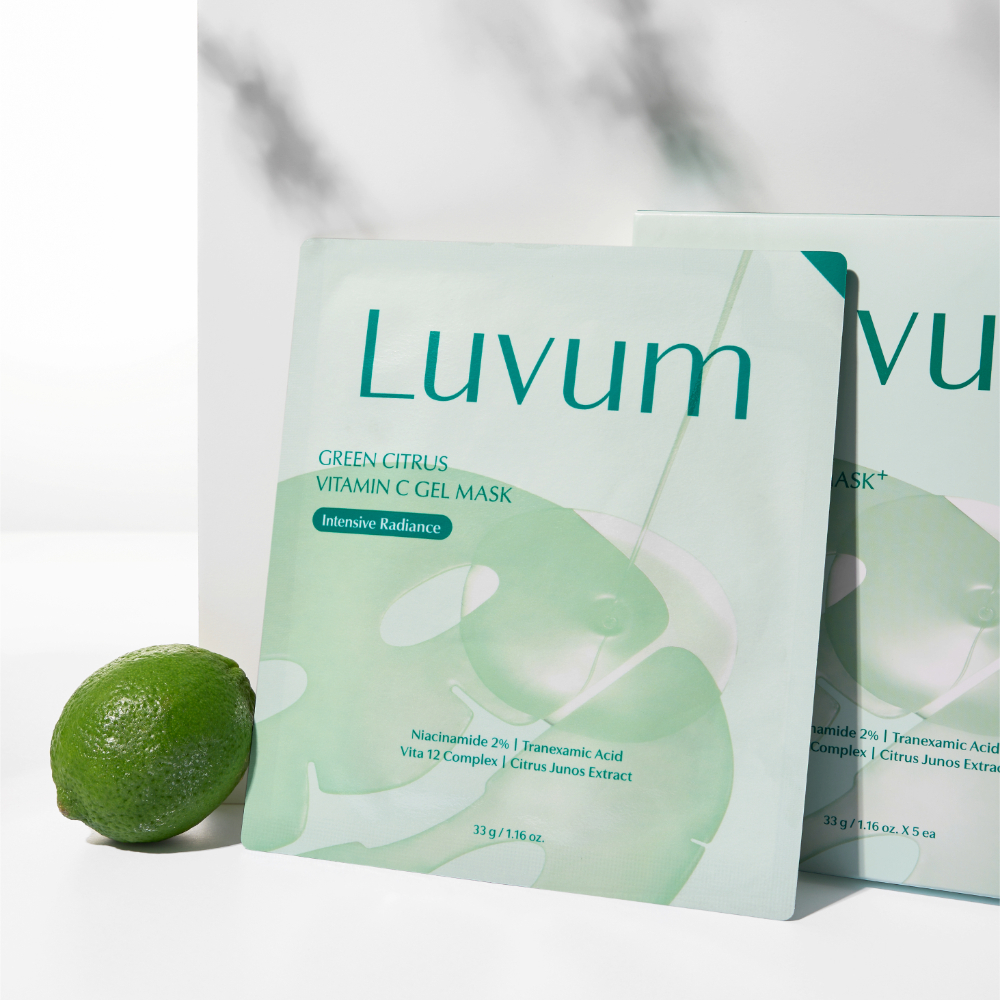
Green Citrus Vitamin C Gel Mask+ 5ea
Luvum
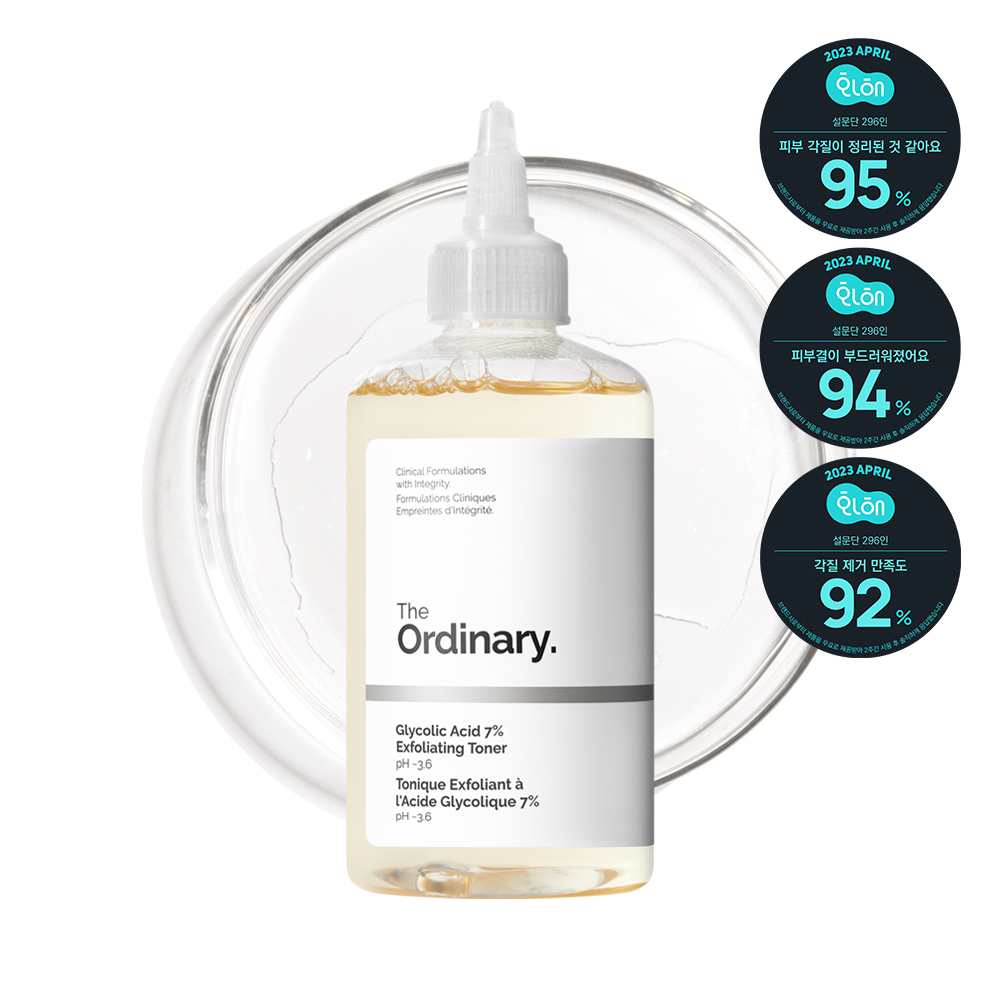
Glycolic Acid 7% Exfoliating Toner
The Ordinary
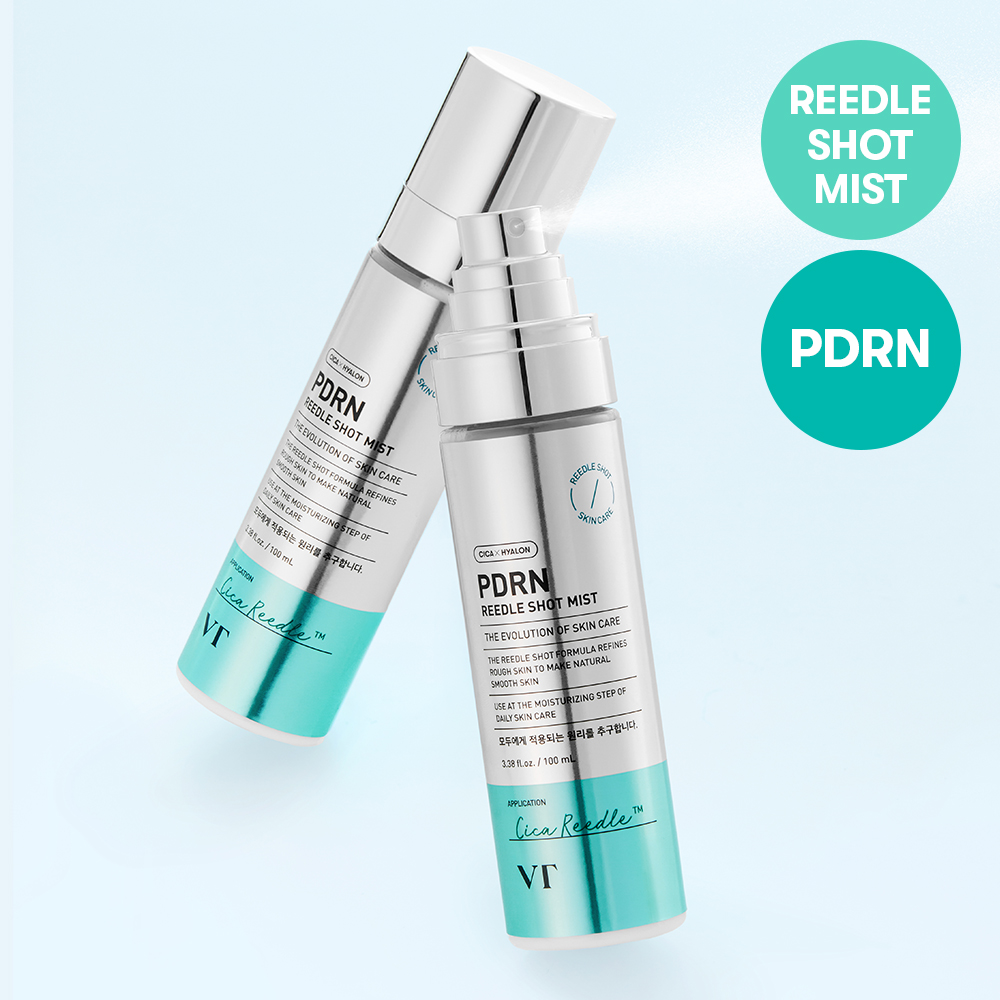
PDRN Reedle Shot Mist
VT
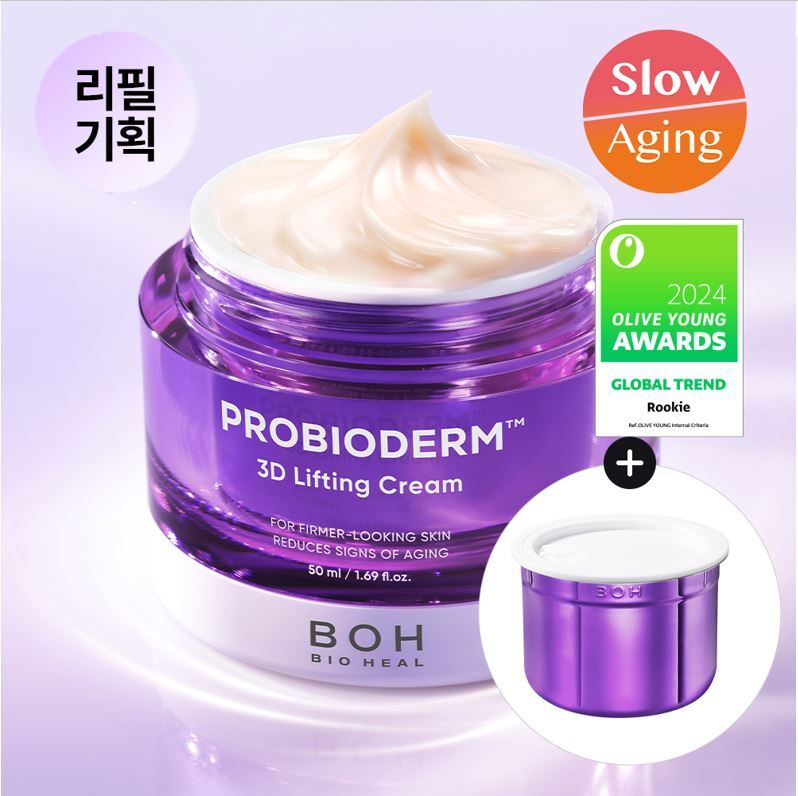
Probioderm 3D Lifting Cream
Bioheal BOH
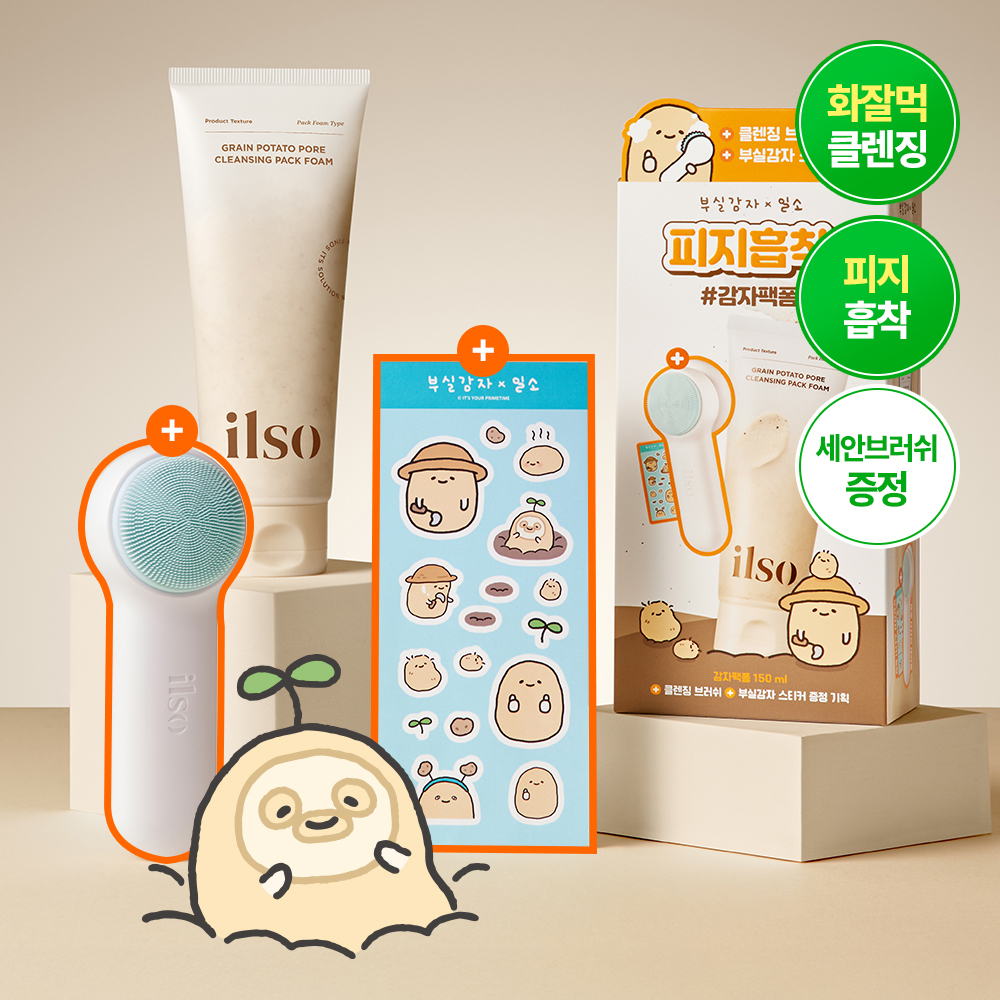
Grain Potato Cleansing Pack Foam
Ilso
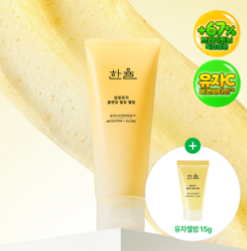
Yuja Cleansing Peeling Gel Balm
Hanyul
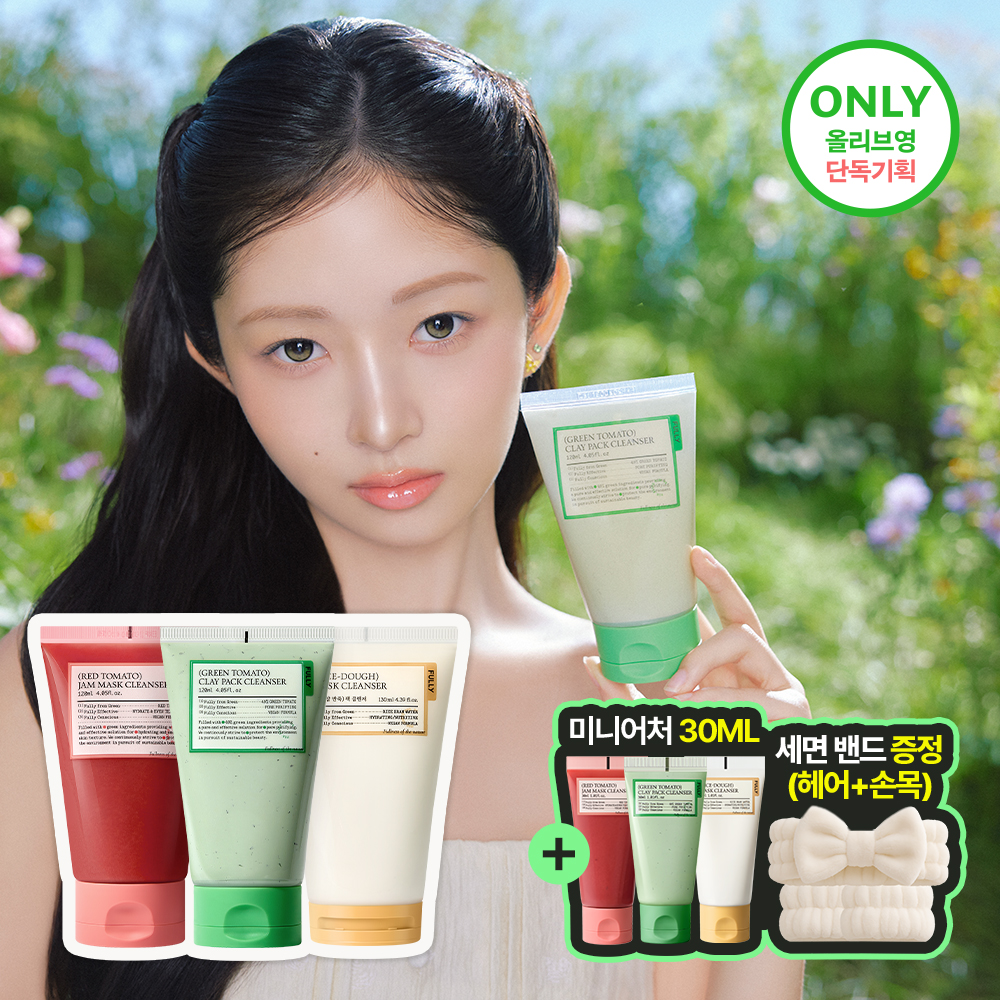
Pack Cleanser Set - Green Tomato / Red Tomato / Rice Dough
Fully
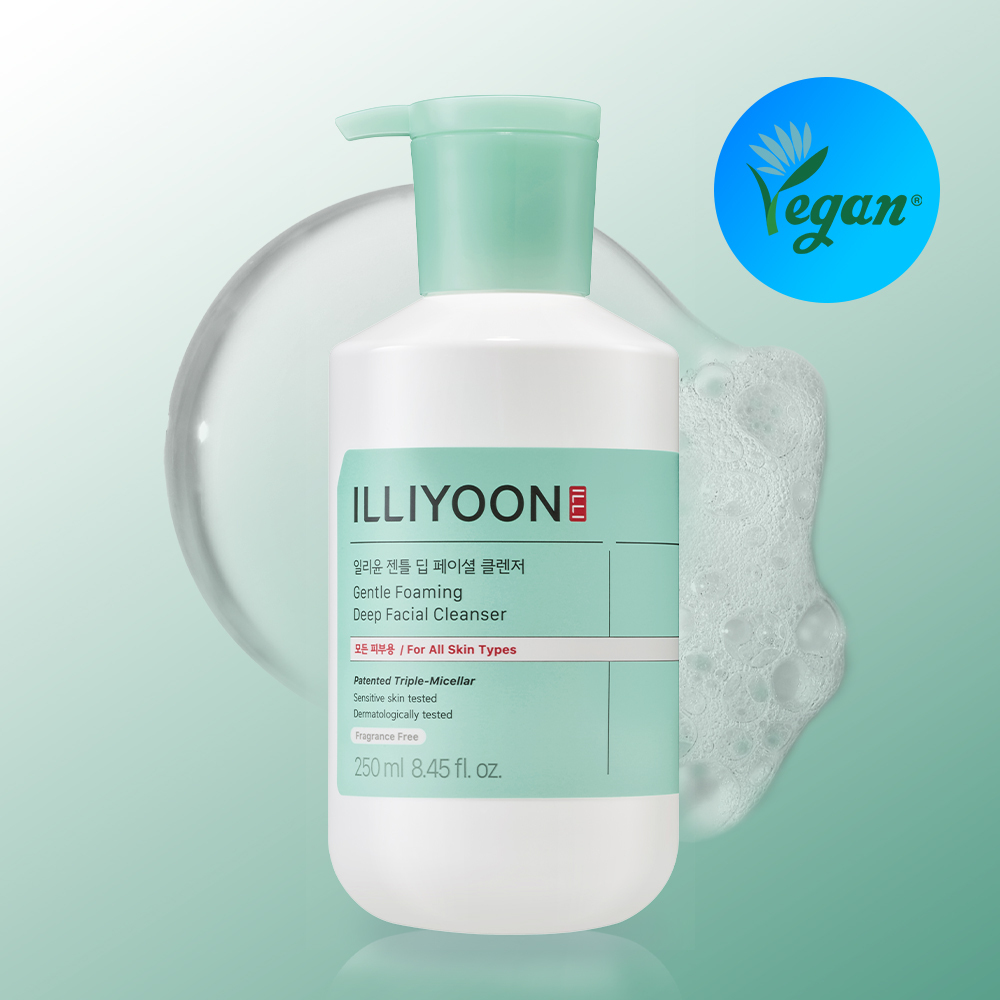
Gentle Foaming Deep Facial Cleanser
Illiyoon
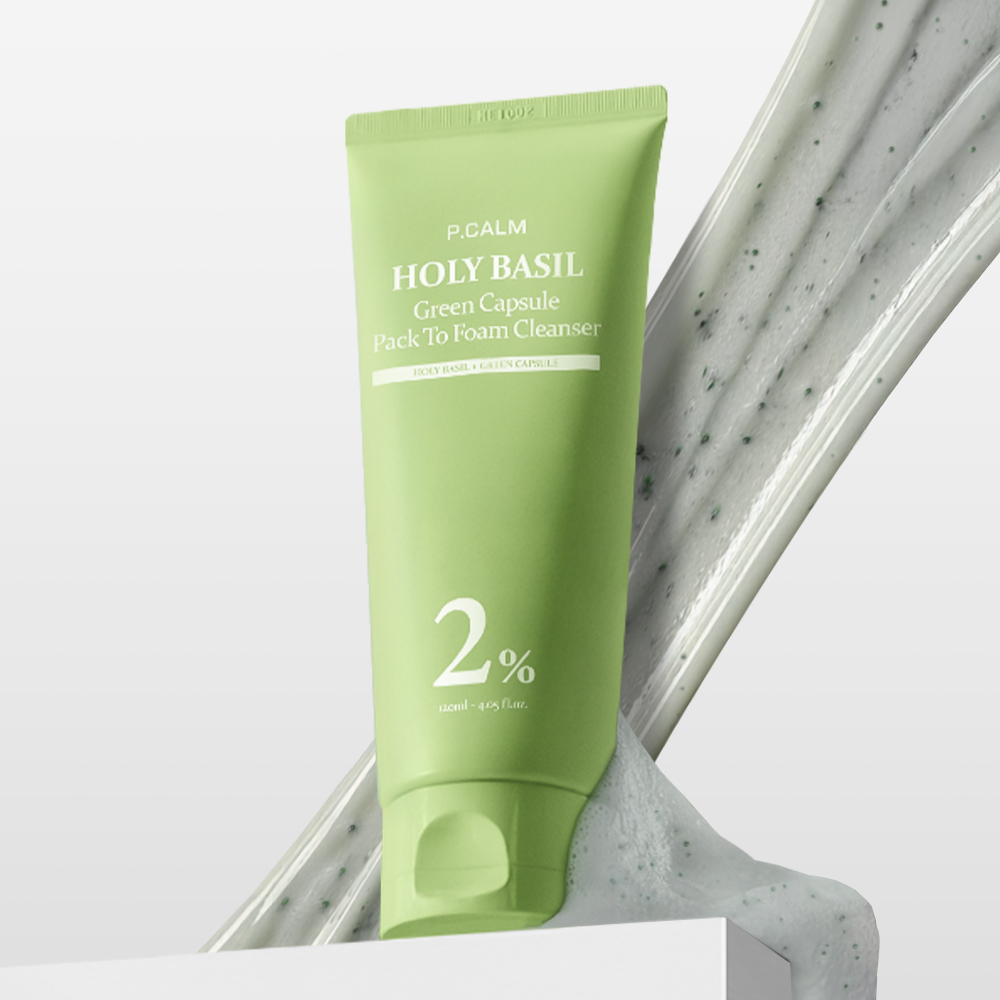
P.CALM Holy Basil Green Capsule Pack To Foam Cleanser
Beplain
Frequently Asked Questions
Is sugar too harsh for daily exfoliation?▼
Can I use sugar products if I'm already using chemical exfoliants like AHAs?▼
Does the humectant benefit of sugar actually make a difference in wash-off products?▼
Is sugar better than salt for facial exfoliation?▼
Articles About Sugar
Explore More
Want personalized ingredient advice?
Yuri, our AI beauty advisor, can tell you how Sugar works with your specific skin type, routine, and concerns.
Ask Yuri, free