Tartaric Acid
Alpha hydroxy acid for gentle exfoliation
About Tartaric Acid
Tartaric acid is a naturally derived alpha hydroxy acid (AHA) that offers gentle yet effective exfoliation for modern K-beauty routines. Originally sourced from grapes and tamarind, this water-soluble acid works by loosening the bonds between dead skin cells, revealing smoother, brighter skin underneath. In Korean skincare, tartaric acid has gained recognition for its ability to deliver visible results without the harsh irritation sometimes associated with stronger AHAs like glycolic acid. Its larger molecular size means it penetrates more slowly, making it an excellent choice for those new to chemical exfoliation or with reactive skin. You'll find it in 50 products on Seoul Sister, from enzyme powders to premium lifting masks, where it works to refine texture, fade hyperpigmentation, and boost overall radiance. The ingredient's dual action as both an exfoliant and an antioxidant makes it particularly valuable in K-beauty formulations that prioritize skin barrier health alongside effectiveness. With a safety rating of 4/5 and a comedogenic rating of 0/5, tartaric acid won't clog pores or cause breakouts, which explains its popularity in products targeting both aging concerns and congestion. Korean brands have mastered the art of pairing it with hydrating ingredients and skin soothers to maximize benefits while minimizing downtime.
How Tartaric Acid Works
Tartaric acid functions by disrupting the desmosomes, the protein structures that act like glue holding dead skin cells together on your skin's surface. Once these bonds weaken, your body's natural shedding process accelerates, revealing the fresher, healthier cells beneath. Because tartaric acid has a relatively large molecular structure compared to glycolic acid, it doesn't penetrate as deeply into the dermis. This superficial action makes it effective at addressing surface-level concerns like dullness, uneven texture, and mild discoloration without triggering significant inflammation. At the cellular level, tartaric acid also stimulates increased cell turnover in the basal layer of your epidermis, encouraging your skin to produce new cells more efficiently. Additionally, this AHA possesses antioxidant properties that help neutralize free radicals, the unstable molecules that accelerate aging and cause oxidative stress. The result is a multi-pronged approach: mechanical exfoliation of dead cells, acceleration of regeneration, and protection against environmental damage. This makes tartaric acid particularly effective in products like Anua's Rice Enzyme Brightening Cleansing Powder, where it works synergistically with enzymes to deliver a thorough but gentle cleanse.
Tartaric Acid by Skin Type
Oily Skin
Tartaric acid is excellent for oily skin types struggling with clogged pores and dullness from excess sebum. Its non-comedogenic nature (0/5 rating) means it exfoliates without adding congestion, as seen in products like Hanskin's Cleansing Oil & Blackhead, which combines it with oil-soluble ingredients to tackle both surface texture and deep pore buildup. Regular use helps regulate cell turnover, preventing the buildup that leads to blackheads and rough patches.
Dry Skin
While tartaric acid is safe for dry skin, it requires careful use since any AHA can potentially increase moisture loss. Look for formulations that pair it with hydrating ingredients like hyaluronic acid or ceramides to buffer potential dryness. The key is starting slowly (once or twice weekly) and always following with a rich moisturizer. Premium masks like those from Avajar combine tartaric acid with intensive hydration for this exact reason.
Combo Skin
Combination skin benefits significantly from tartaric acid's balanced approach to exfoliation. It addresses the congestion and texture issues in your T-zone without over-stripping drier areas like cheeks. Products containing tartaric acid can help normalize cell turnover across different zones of your face, creating more uniform texture and tone. Its gentler penetration compared to glycolic acid makes it ideal for skin that's partly oily, partly dry.
Sensitive Skin
Sensitive skin can tolerate tartaric acid better than many other AHAs due to its larger molecular size and slower penetration. However, start with low-frequency use (once weekly) and patch test first. Korean formulations often buffer it with soothing ingredients like centella or beta-glucan. If you experience stinging or redness beyond initial application, discontinue use and opt for enzyme exfoliants instead.
Normal Skin
Normal skin types can use tartaric acid confidently for maintenance exfoliation and prevention of early aging signs. You can safely incorporate it 2-3 times weekly to maintain smooth texture, even tone, and radiant glow. Products like LABOTTACH's Cheek Age Patch (rated 4.9/5) leverage tartaric acid for targeted anti-aging without disrupting your skin's natural balance. This skin type has the flexibility to experiment with different concentrations and formats.
How to Use Tartaric Acid
- 1Start with once-weekly application and gradually increase to 2-3 times per week as your skin builds tolerance. Morning sensitivity and potential sun reactivity make evening application ideal.
- 2Always follow tartaric acid products with SPF 30 or higher during the day, as AHAs temporarily increase sun sensitivity by removing the protective dead cell layer.
- 3Don't combine with other strong actives like retinol or vitamin C in the same routine. Space them out (tartaric acid at night, vitamin C in morning, retinol on alternate nights) to avoid irritation.
- 4If using powder formulas like Anua's Rice Enzyme Brightening Cleansing Powder, mix with lukewarm water rather than hot to avoid over-activating the exfoliants and potentially irritating skin.
- 5Skip tartaric acid products when your skin barrier is compromised (flaking, stinging, excessive dryness). Focus on repair first with ceramides and centella before resuming exfoliation.
Background
Tartaric acid was first isolated from wine sediments in ancient times, though its skincare applications are relatively modern. Derived primarily from grapes, tamarind, and other fruits, it has been used in food and wine production for centuries before cosmetic chemists recognized its exfoliating potential. In K-beauty, tartaric acid emerged as formulators sought gentler alternatives to glycolic acid that could deliver results without compromising the Korean skincare philosophy of barrier protection. Its rise coincided with the global boom in chemical exfoliation around the mid-2010s, when consumers began moving away from harsh physical scrubs. Korean brands quickly adopted tartaric acid for its dual benefits: effective exfoliation plus antioxidant protection. Today, it appears in everything from daily cleansers to luxury sheet masks, reflecting K-beauty's commitment to efficacy through gentle, sustained action rather than aggressive treatment.
K-Beauty Products with Tartaric Acid
View all 56 →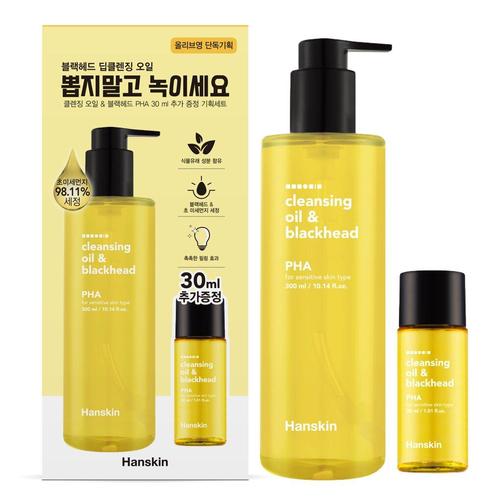
Cleansing Oil & Blackhead
Hanskin
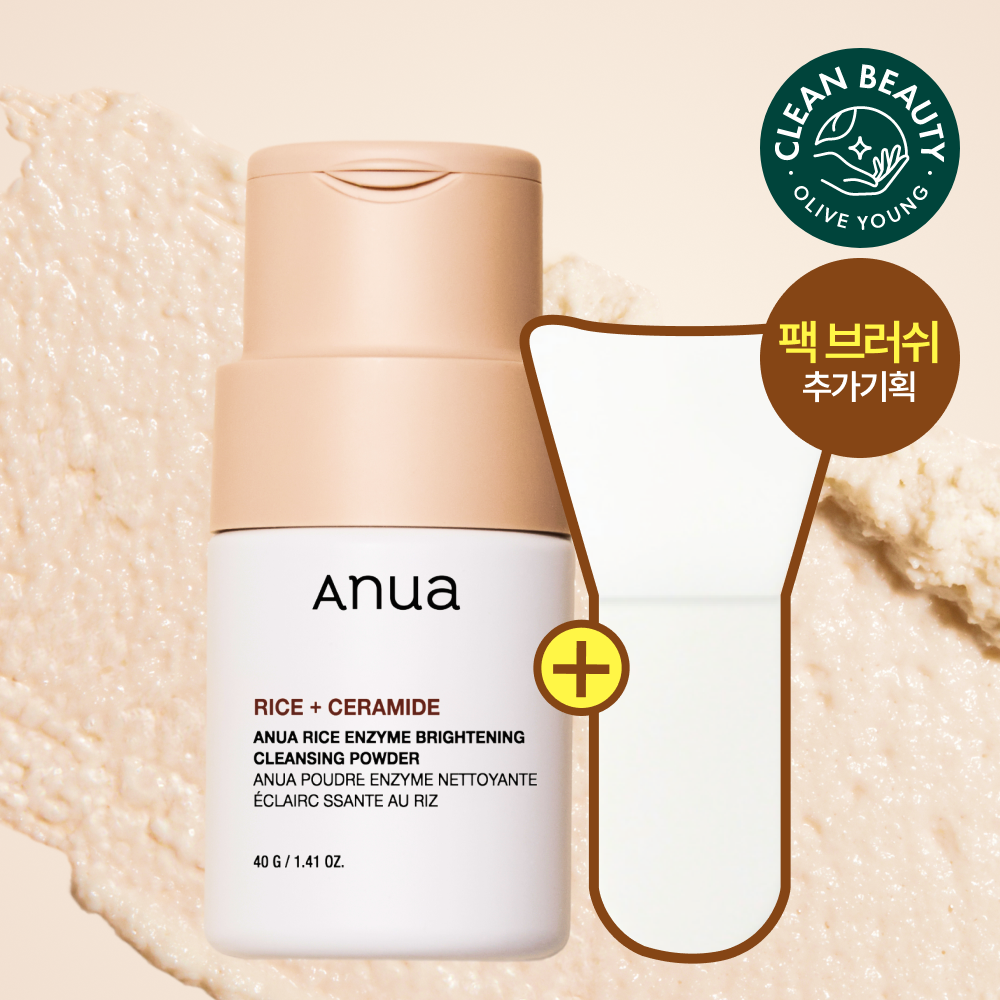
Rice Enzyme Brightening Cleansing Powder
Anua

Madeca Matcha Toning Peeling Gel
Centellian24
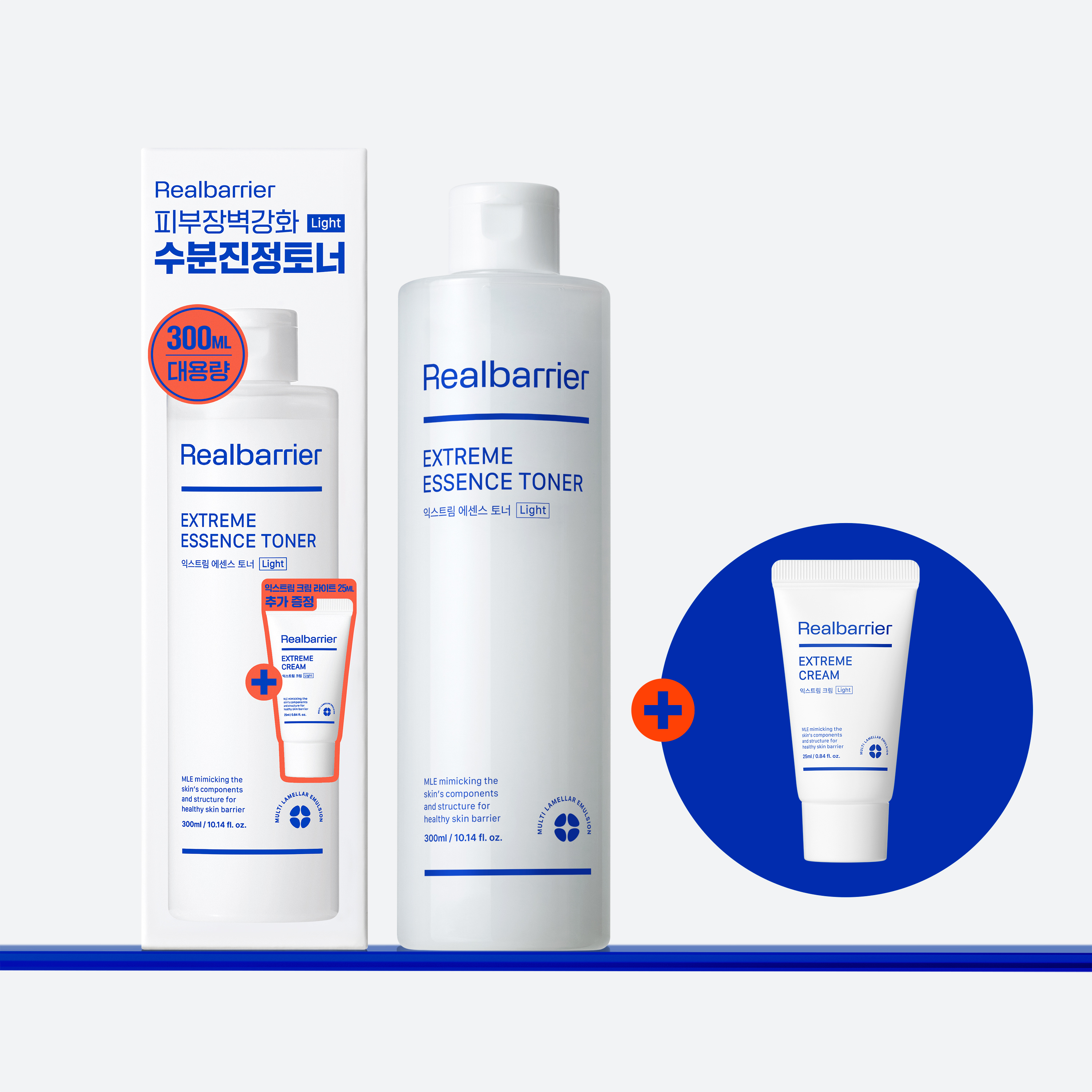
Extreme Essence Toner Light
Real Barrier
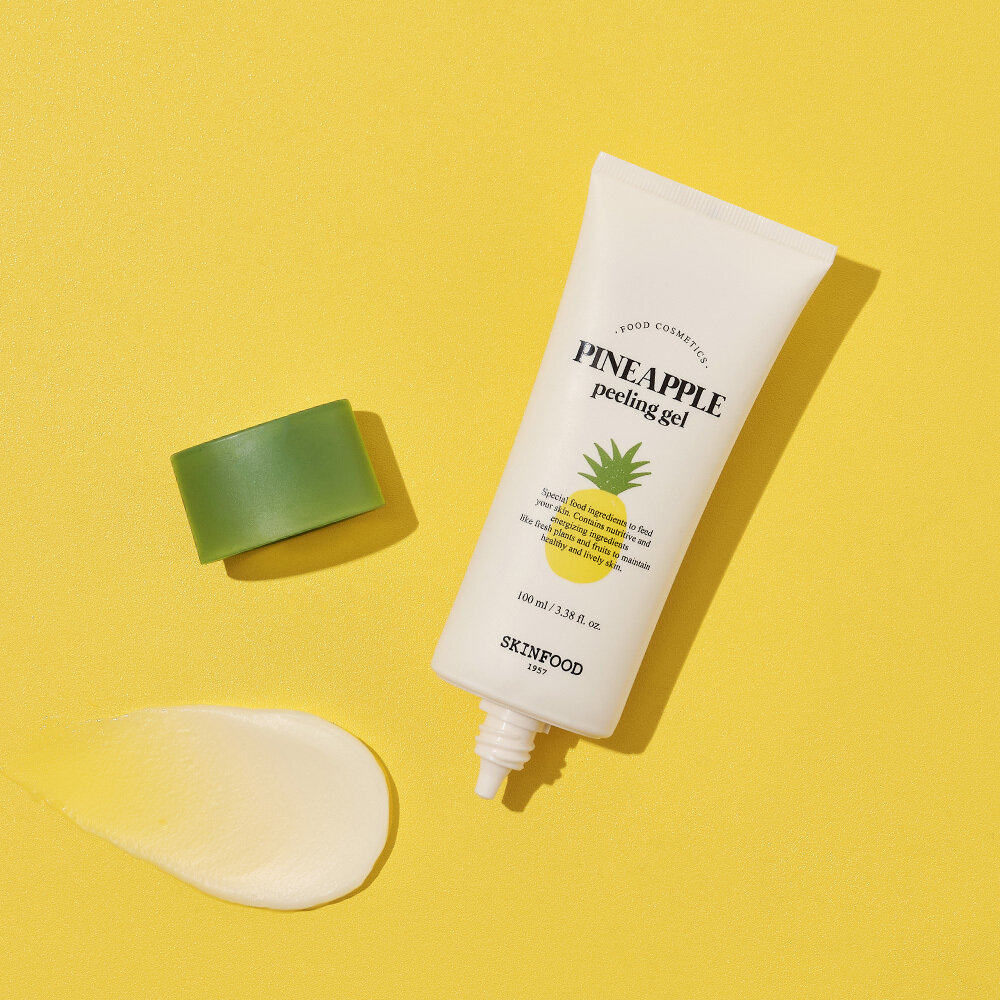
Pineapple Peeling Gel
Skinfood
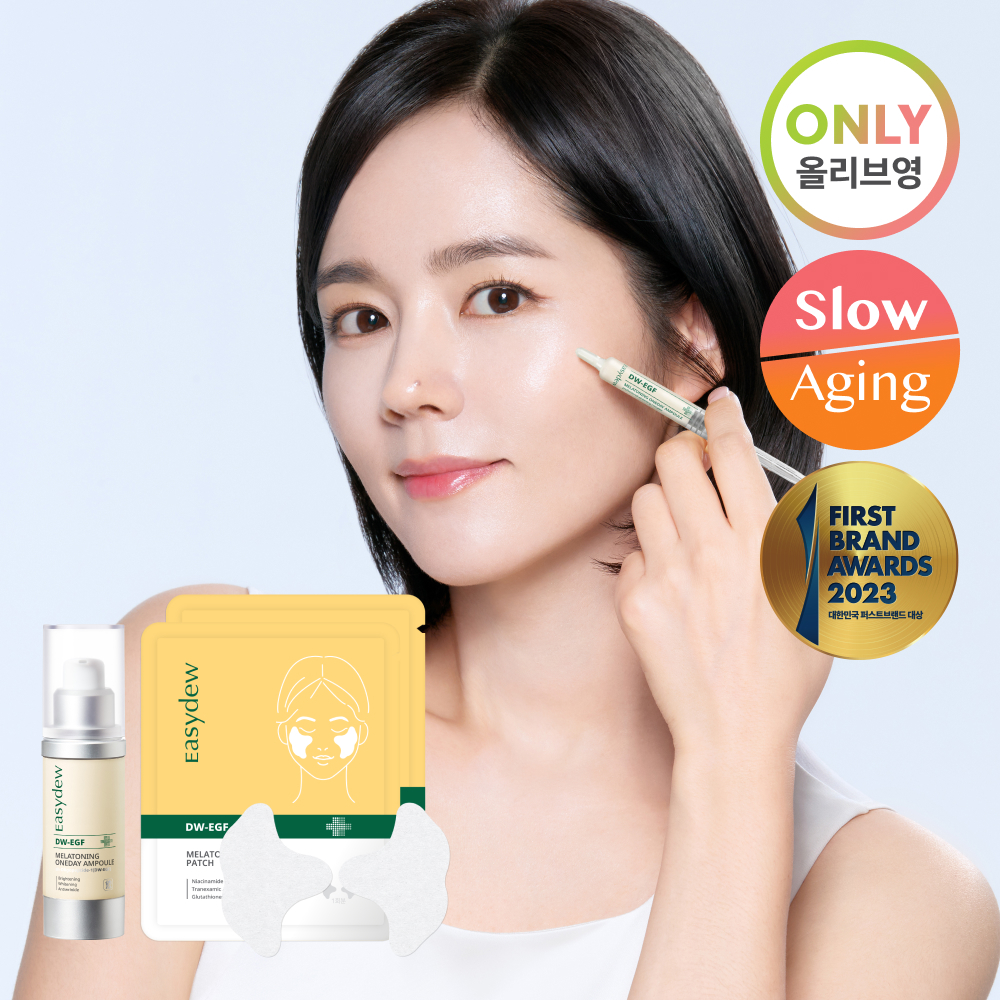
DW-EGF Melatoning One Day Ampoule Special Set
Easydew
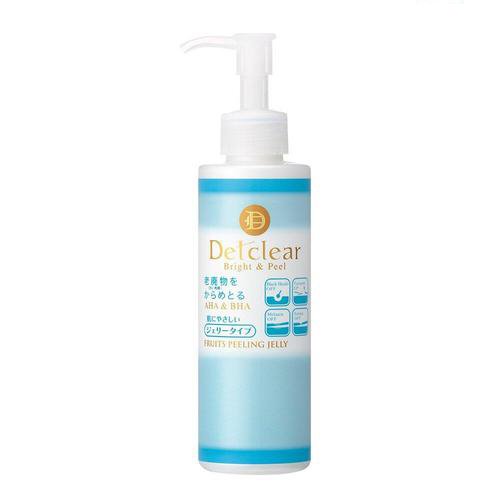
AHA Peeling Jelly (Unscented)
Detclear
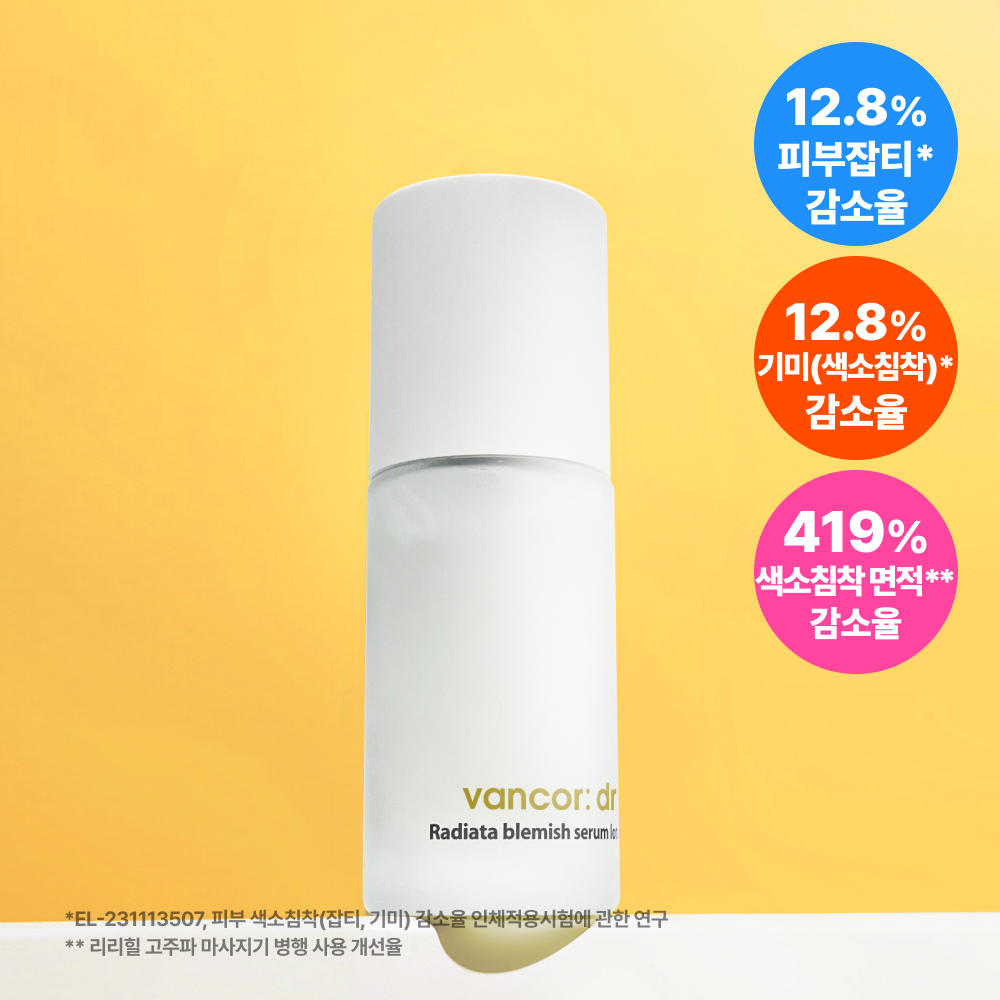
Dr. Radiata Blemish Serum Loto
Anua
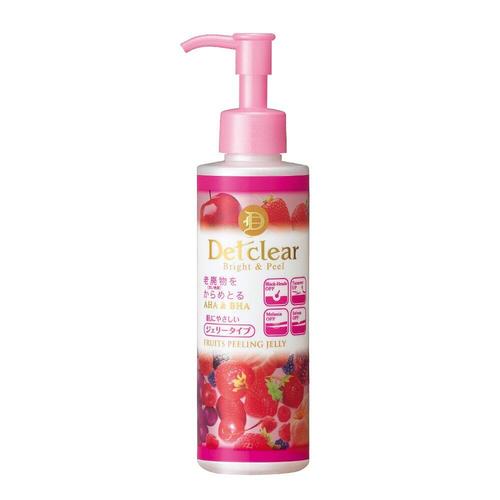
AHA Peeling Jelly (Mixed Berry)
Detclear
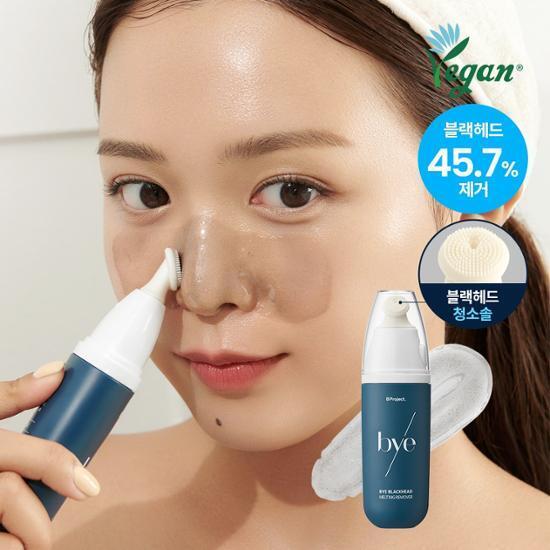
Bye Blackhead Melting Remover
Ilso
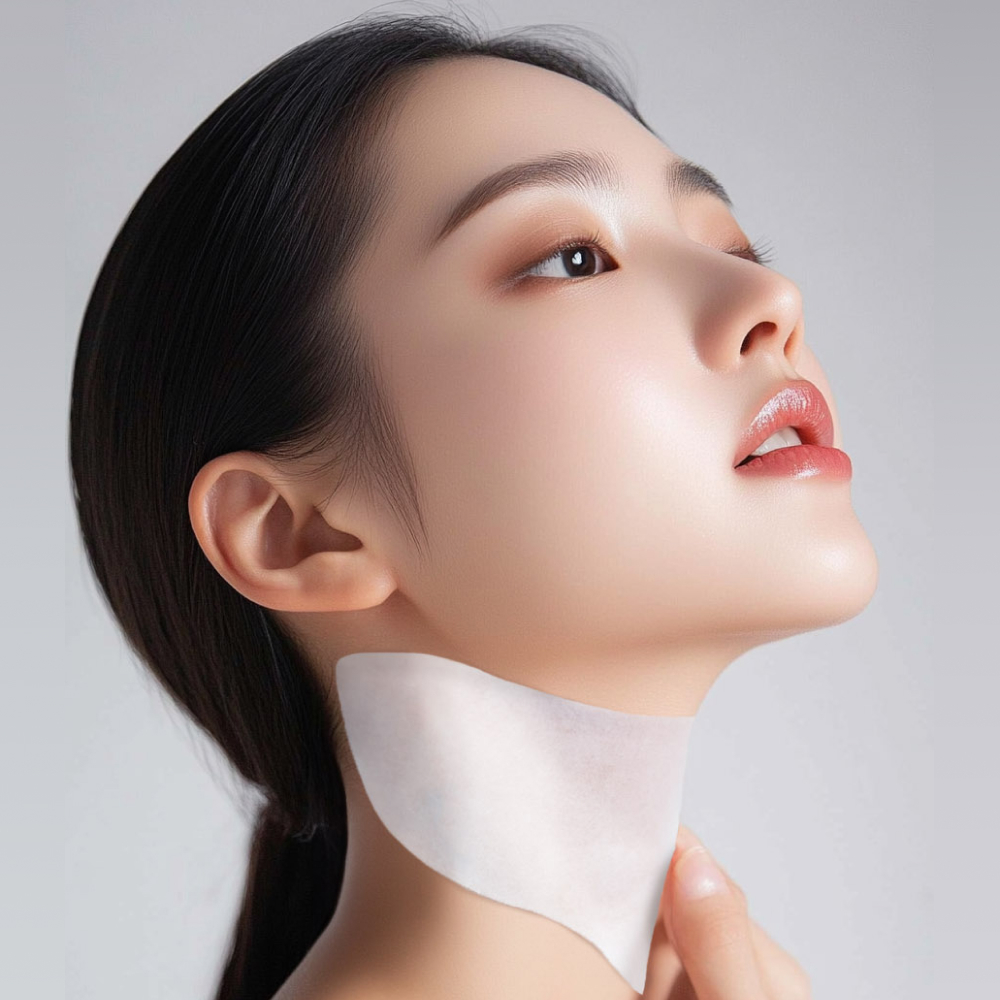
Lift PDRN Neck Patch
Easydew
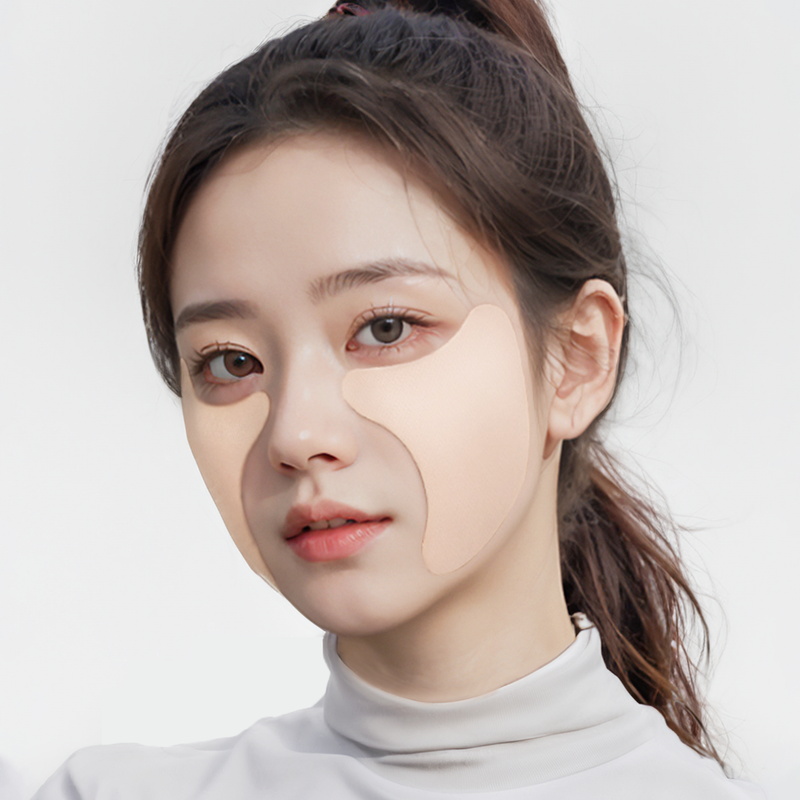
Outdoor Vita Toning Patch Large
OSEQUE
Frequently Asked Questions
Is tartaric acid better than glycolic acid for beginners?▼
Can I use tartaric acid products every day?▼
Why do premium masks like Avajar's include tartaric acid?▼
Will tartaric acid help with dark spots and hyperpigmentation?▼
Can tartaric acid cause purging like other AHAs?▼
Explore More
Want personalized ingredient advice?
Yuri, our AI beauty advisor, can tell you how Tartaric Acid works with your specific skin type, routine, and concerns.
Ask Yuri, free