Ecamsule
INCI: Terephthalylidene Dicamphor Sulfonic Acid
UVA sunscreen filter with photostable protection
About Ecamsule
Ecamsule, known by its INCI name Terephthalylidene Dicamphor Sulfonic Acid (or Mexoryl SX in branded formulations), is a photostable UVA filter that provides exceptional broad-spectrum sun protection. Originally developed by L'Oréal, this water-soluble ingredient has become a cornerstone of K-beauty sun care formulations because it addresses a critical gap: many chemical sunscreens excel at blocking UVB rays (which cause sunburn) but fall short on long-wavelength UVA protection (which drives premature aging and DNA damage). Ecamsule specifically targets the UVA-I range (340-400nm), making it particularly valuable for preventing photoaging, hyperpigmentation, and maintaining skin barrier integrity. In K-beauty products like Shingmulnara's Watery Sun Gel and Beplain's Mung Bean Cooling Moisture Sunscreen (both rated 5.0/5 on Seoul Sister), ecamsule is often paired with other filters to create comprehensive UV defense systems. Its water-soluble nature allows formulators to create lightweight, non-greasy textures that layer beautifully under makeup, a priority for Korean consumers who expect elegant sensorial experiences from their sun protection. With a safety rating of 4/5 and zero comedogenic potential, ecamsule represents the modern generation of sunscreen technology that doesn't compromise skin health or cosmetic elegance.
How Ecamsule Works
Ecamsule functions as an organic UV filter that absorbs high-energy ultraviolet radiation and converts it into harmless heat through a process called internal conversion. At the molecular level, its conjugated aromatic structure (with sulfonic acid groups for water solubility) allows electrons to absorb photons in the UVA spectrum, particularly the longer wavelengths between 340-400nm that penetrate deepest into skin. When UV light hits the ecamsule molecule, electrons jump to an excited state, then rapidly release that energy as molecular vibrations (heat) rather than allowing it to damage cellular DNA or generate reactive oxygen species. What makes ecamsule exceptionally valuable is its photostability. Many chemical filters degrade under sun exposure, losing effectiveness and generating potentially irritating breakdown products. Ecamsule maintains its structural integrity even after prolonged UV exposure, meaning protection doesn't diminish throughout the day. Its water-soluble nature also means it doesn't disrupt the lipid matrix of skin or interact negatively with oil-based ingredients, allowing for sophisticated formulations that combine multiple filter types for truly broad-spectrum coverage.
Ecamsule by Skin Type
Oily Skin
Ecamsule is particularly well-suited for oily skin because its water-soluble structure creates lightweight, non-greasy formulations that won't contribute to shine or clog pores (0/5 comedogenic rating). Products like Shingmulnara's Watery Sun Gel demonstrate how ecamsule enables gel and serum-like textures that absorb quickly without leaving heavy residue, making reapplication throughout the day more appealing for those with excess sebum production.
Dry Skin
While ecamsule itself doesn't provide moisturizing benefits, its compatibility with hydrating ingredients makes it ideal for dry skin formulations. In products like Mediheal's PDRN Lifting Derma Cream (4.9/5), ecamsule provides UVA protection while allowing formulators to incorporate rich emollients and humectants without compromising sun defense. The ingredient's photostability means you get consistent protection without the potential irritation that can occur when unstable filters degrade and interact with dry, compromised skin barriers.
Combo Skin
Combination skin benefits from ecamsule's versatility in formulation. Its water-soluble nature allows brands to create products that protect oily T-zones without exacerbating shine while still providing adequate coverage for drier cheek areas. The non-comedogenic profile means it won't trigger breakouts in oilier zones, while its compatibility with various textures allows for balanced formulations that address multiple needs simultaneously.
Sensitive Skin
Ecamsule's high safety rating (4/5) and photostability make it a gentler option for sensitive skin compared to filters that break down under UV exposure and generate irritating byproducts. Its large molecular size prevents significant skin penetration, reducing the likelihood of allergic reactions. Products like Beplain's Mung Bean Cooling Moisture Sunscreen pair ecamsule with soothing ingredients, creating formulations that protect without triggering inflammation or reactivity.
Normal Skin
Normal skin can fully leverage ecamsule's protective benefits without concern for potential issues. The ingredient provides robust UVA defense that prevents the cumulative damage responsible for premature aging, maintaining skin's healthy baseline. In high-rated products like BOHO's All In One Tone Up Cream (5.0/5), ecamsule contributes to multifunctional formulations that protect while enhancing skin's natural appearance with minimal risk of adverse effects.
How to Use Ecamsule
- 1Apply ecamsule-containing sunscreen as the final step of your morning skincare routine, waiting 2-3 minutes after moisturizer to ensure proper film formation and maximum protection effectiveness.
- 2Reapply every 2-3 hours during extended sun exposure, even though ecamsule is photostable, because mechanical removal (touching face, sweating) still reduces coverage over time.
- 3Layer ecamsule products under makeup without concern, their water-soluble nature means they won't interfere with foundation or cause pilling when applied to fully absorbed skincare.
- 4Combine ecamsule-based sunscreens with antioxidant serums (vitamin C, niacinamide) in your morning routine for synergistic photoprotection, as ecamsule handles UV rays while antioxidants neutralize any free radicals that slip through.
Background
Ecamsule was developed by L'Oréal laboratories in the 1990s as part of their Mexoryl sunscreen technology platform, specifically designed to address the inadequate UVA protection offered by existing filters. It gained FDA approval in the United States in 2006, significantly later than its European authorization, due to stricter American regulatory pathways for new sunscreen ingredients. The ingredient's adoption in K-beauty represents the Korean cosmetic industry's commitment to comprehensive photoprotection, a cultural priority driven by beauty ideals that emphasize preventing pigmentation and maintaining youthful skin. Korean formulators embraced ecamsule because it allowed them to create the lightweight, elegant textures consumers demanded without sacrificing broad-spectrum efficacy. Its water-soluble chemistry particularly appealed to K-beauty's preference for layerable, hydrating formulations. Today, ecamsule appears in 141 products on Seoul Sister, often combined with other filters in sophisticated sun care systems that reflect Korea's position at the forefront of sunscreen innovation and the cultural understanding that daily UV protection is non-negotiable for long-term skin health.
K-Beauty Products with Ecamsule
View all 145 →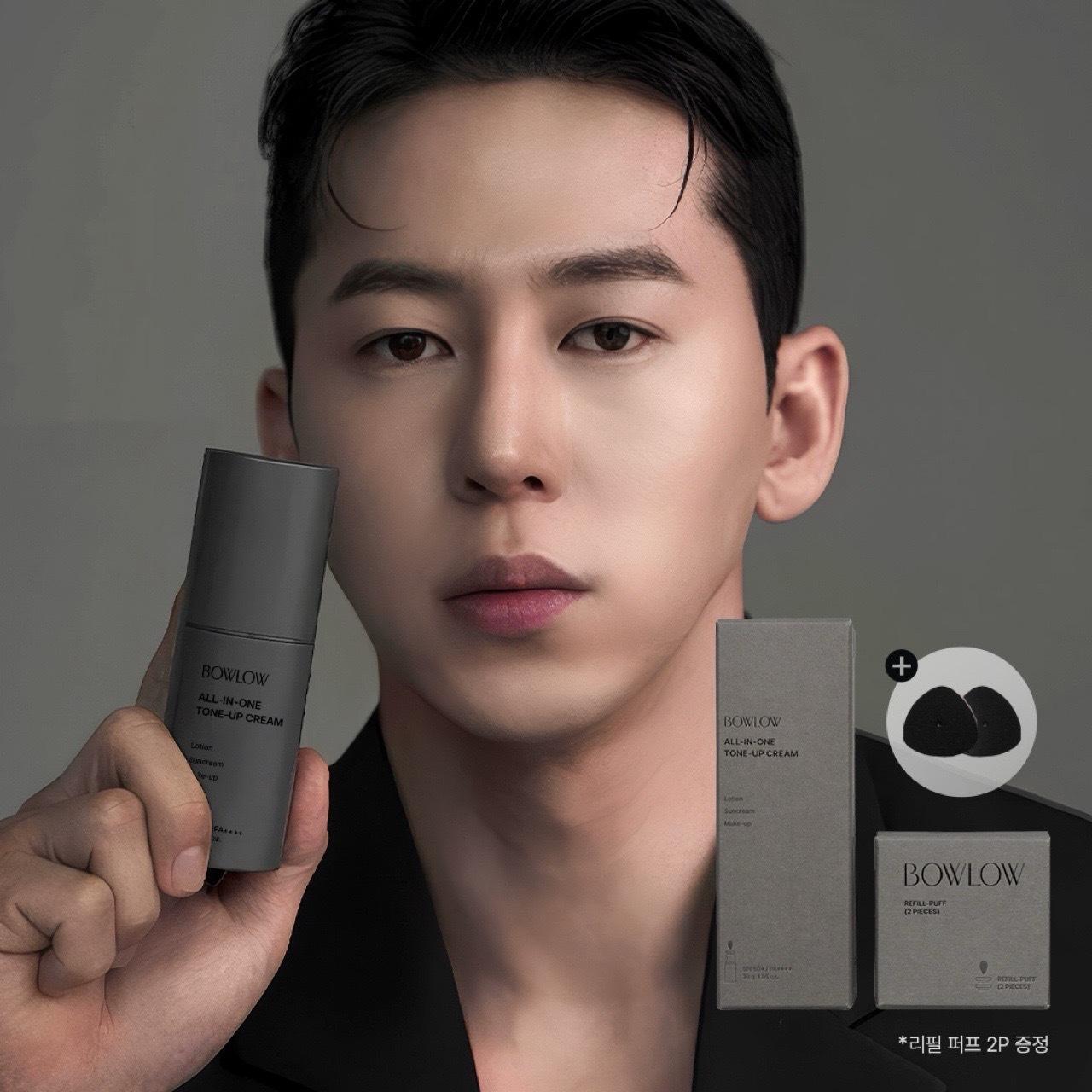
All In One Tone Up Cream
BOHO
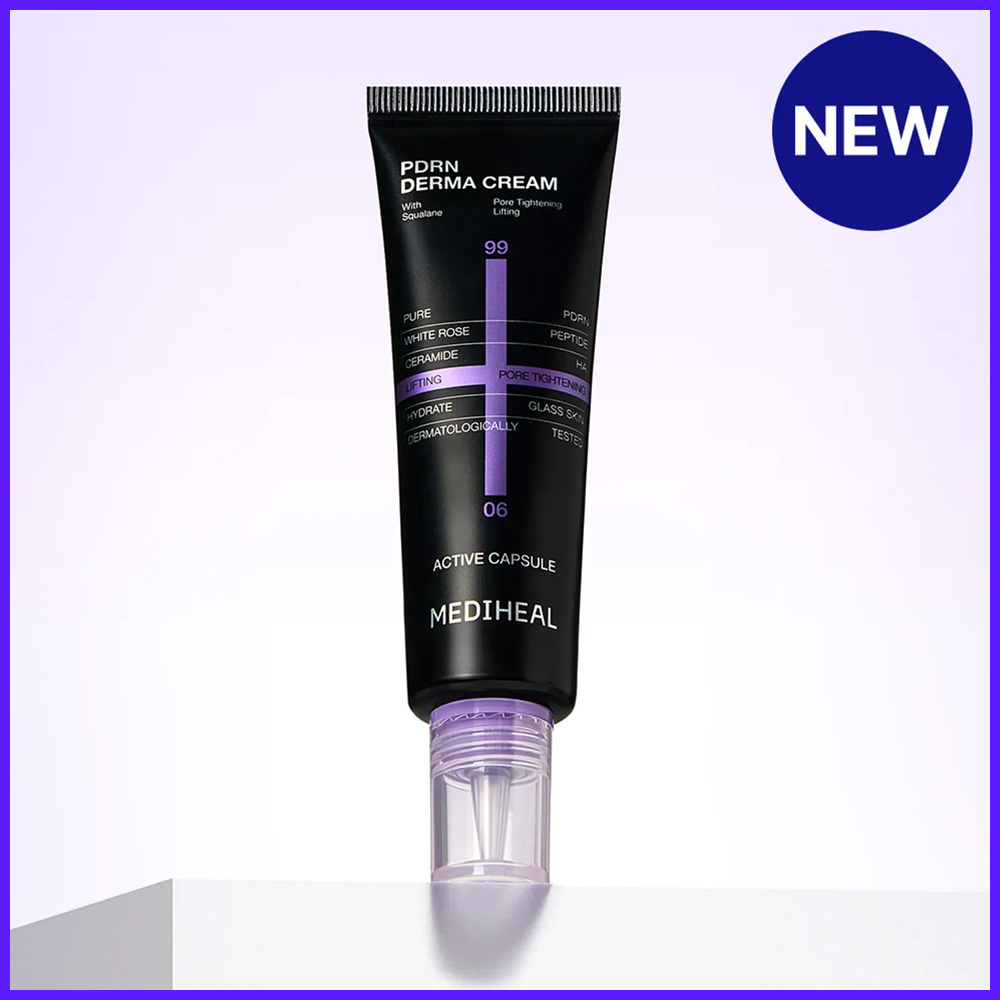
PDRN Lifting Derma Cream
Mediheal
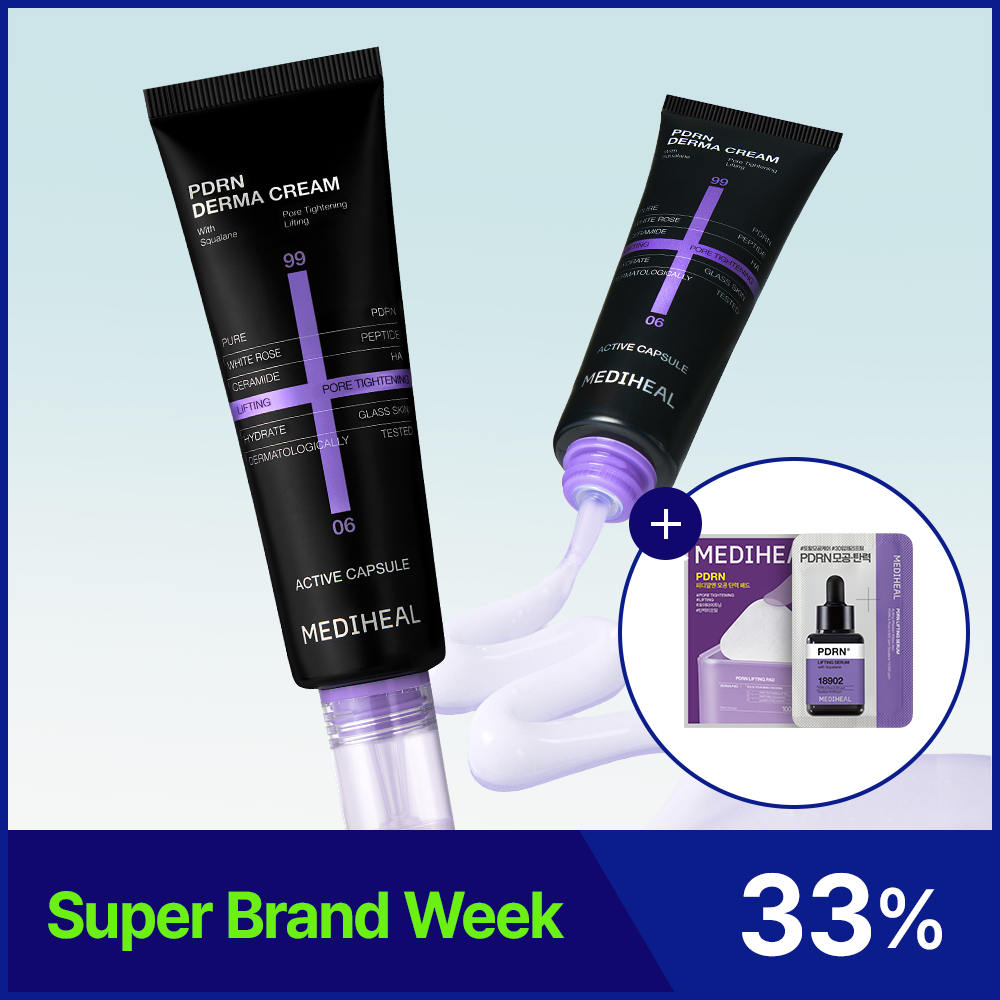
PDRN Cream
Mediheal
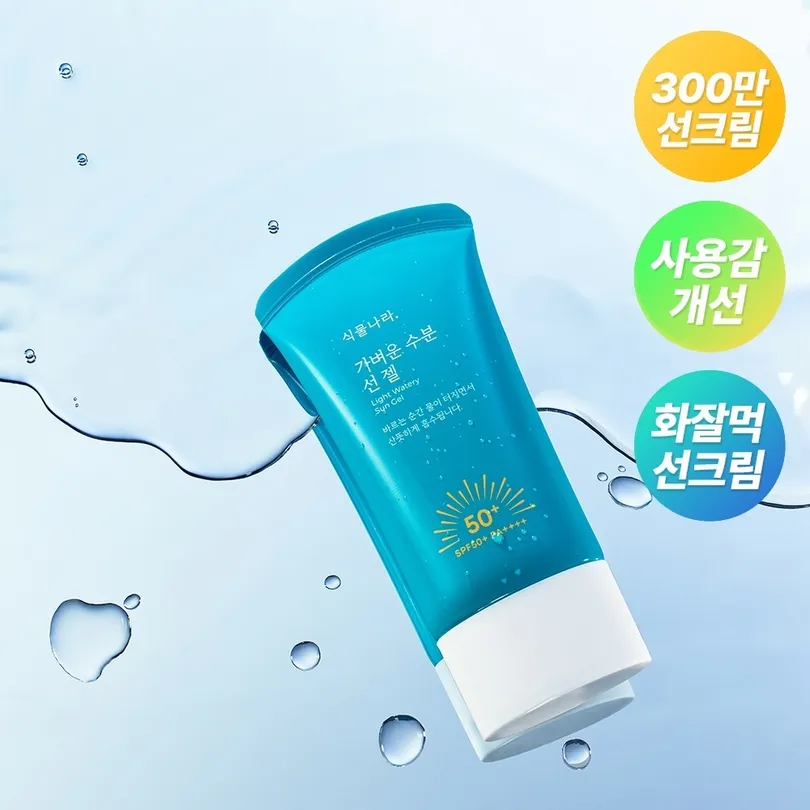
Light Watery Sun Gel Limited Edition
Shingmulnara

PDRN Cream Twin Pack
Mediheal
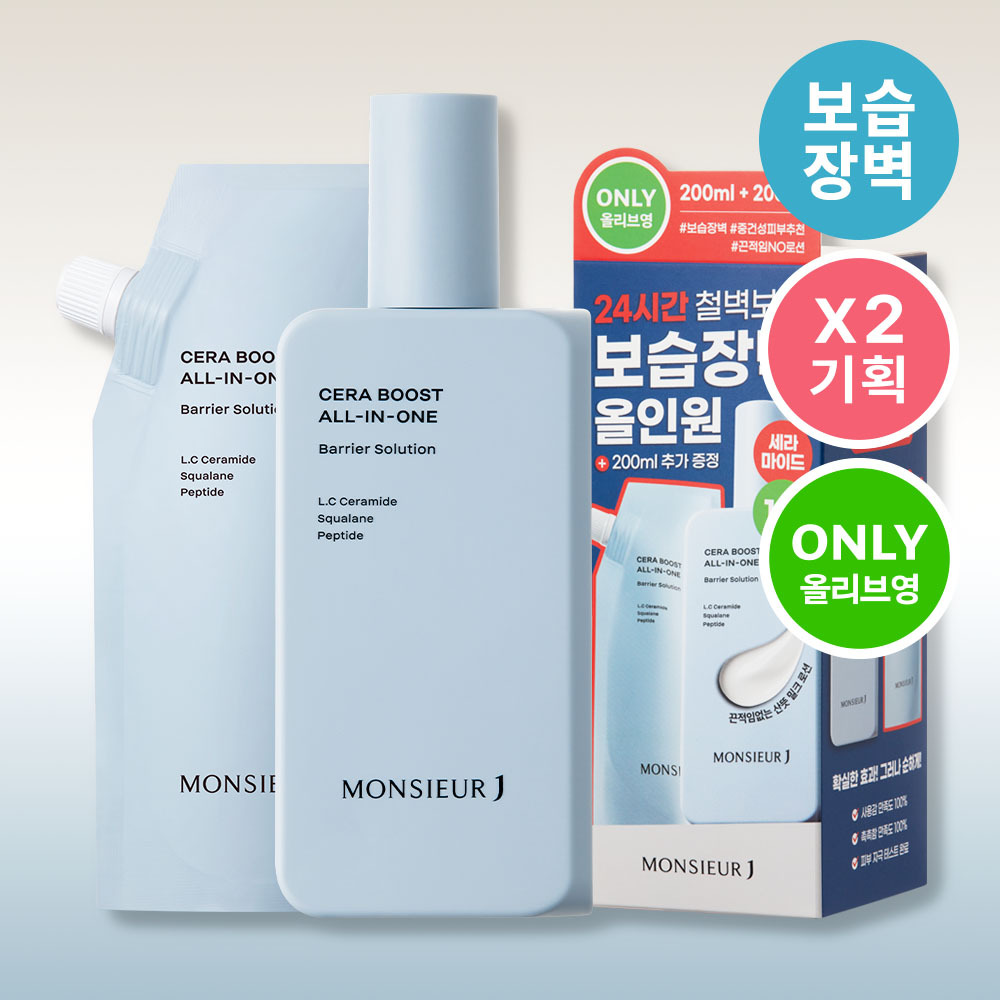
Cera Boost All-In-One Set
MONSIEUR J
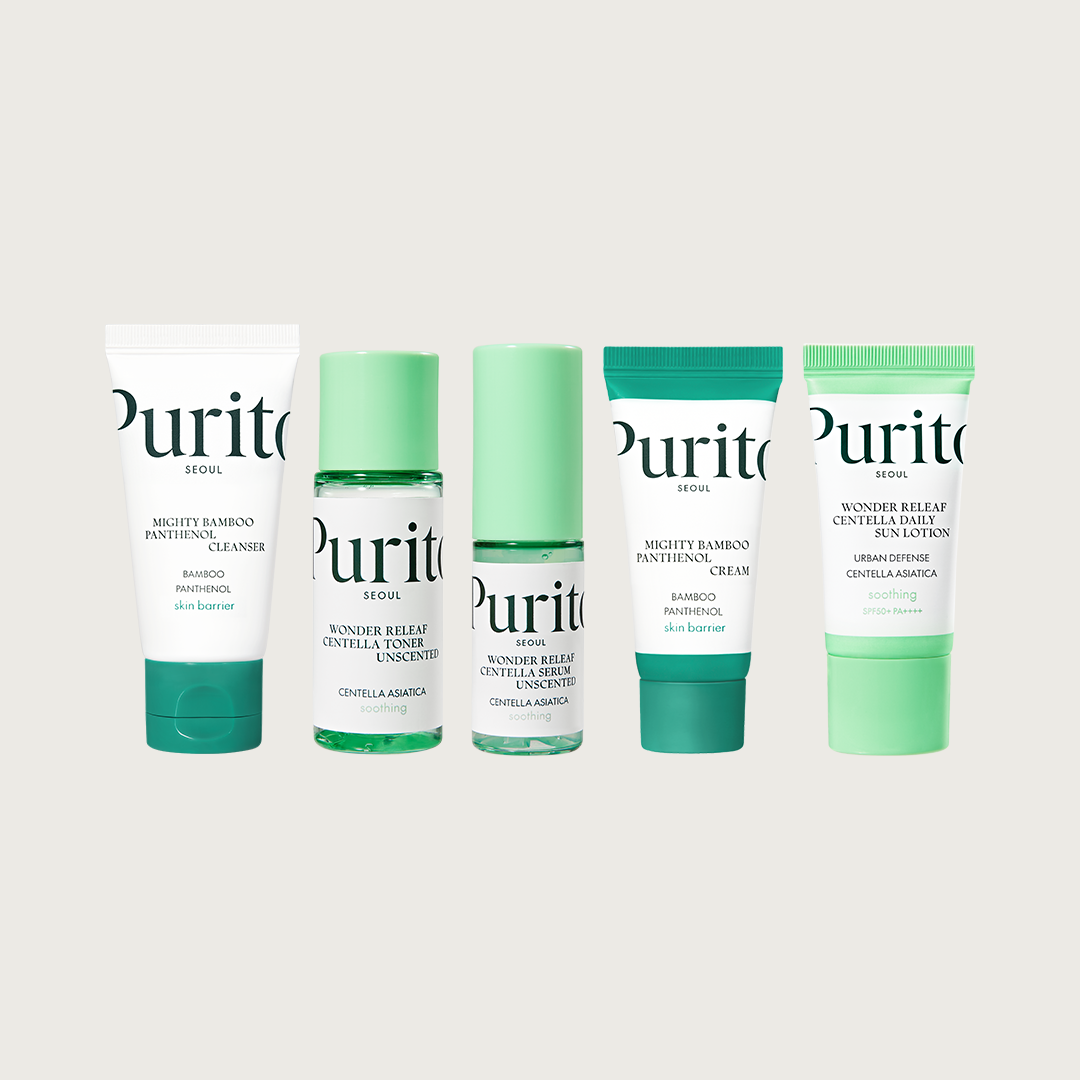
Best Kit 5P
Purito Seoul
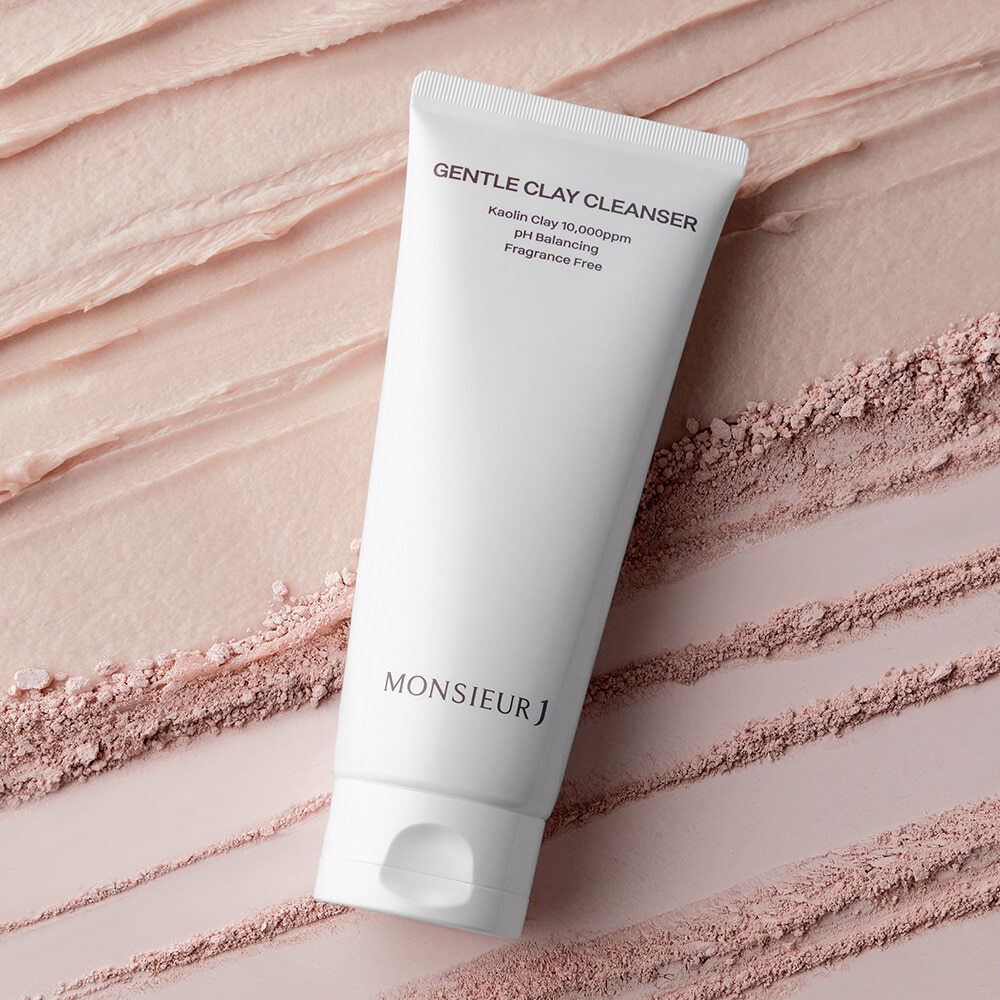
Gentle Clay Cleanser
MONSIEUR J
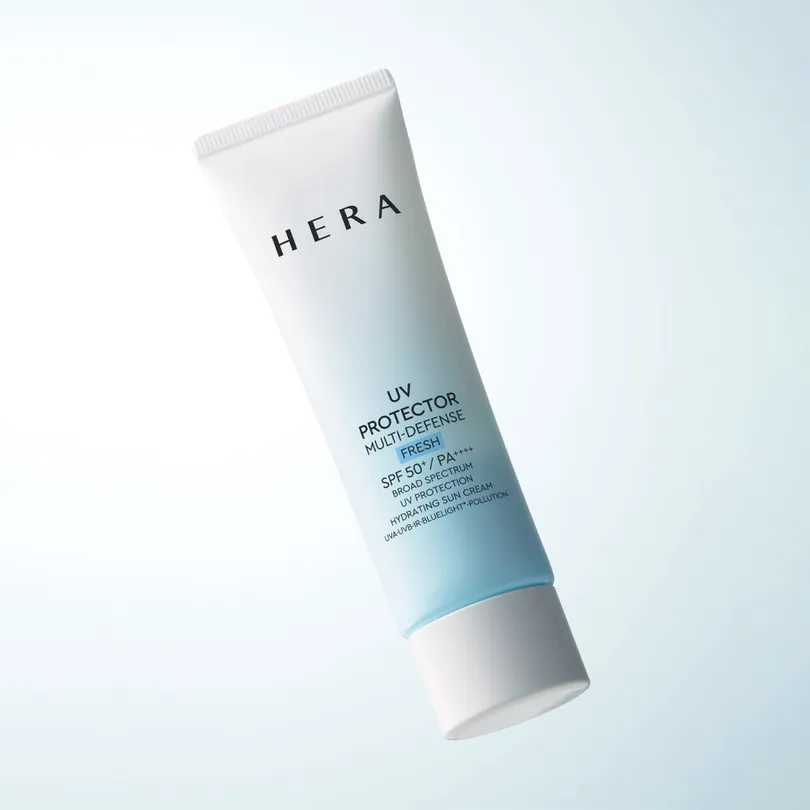
UV Protector Multi-Defense Fresh SPF50+ PA++++
HERA
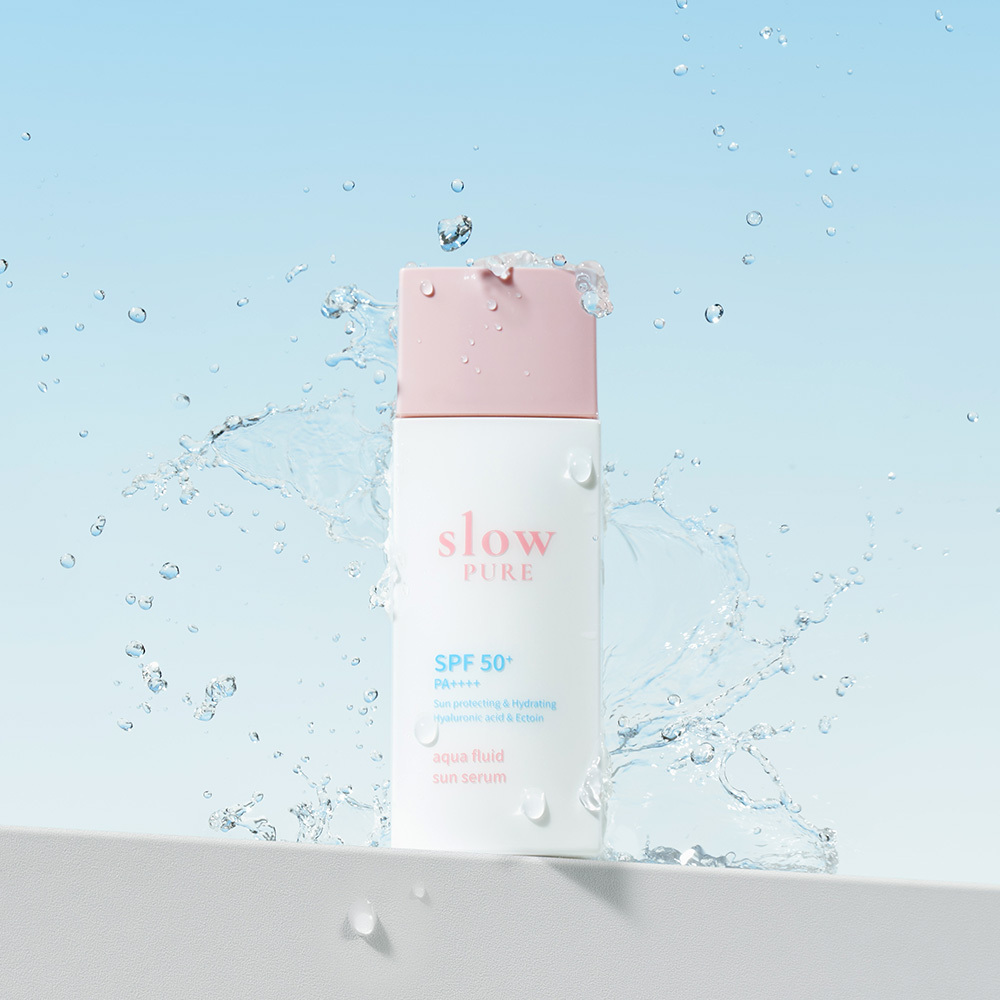
Slowpure Aqua Fluid Sun Serum
Anua
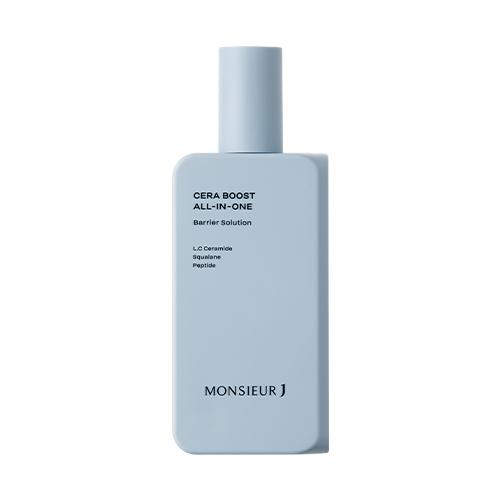
Cera Boost All-In-One
MONSIEUR J
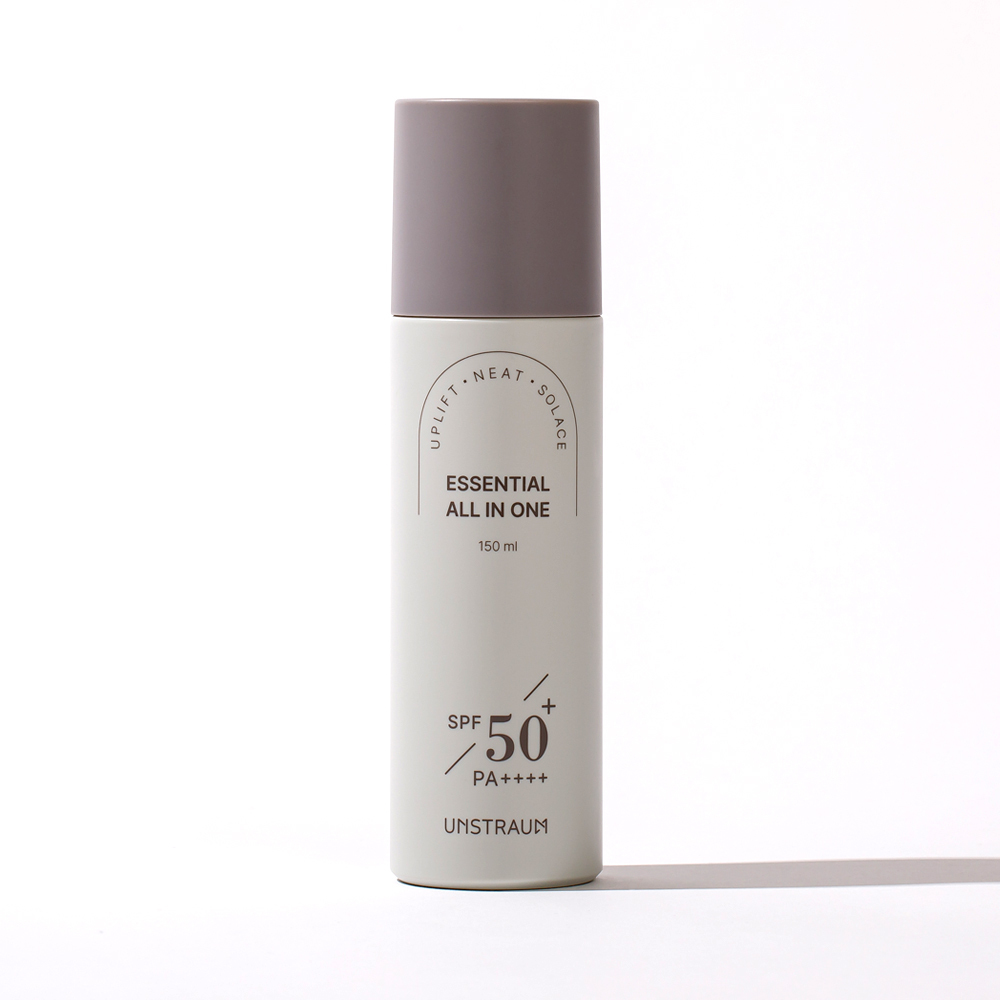
Essential All In One
BOHO
Frequently Asked Questions
Is ecamsule safe for daily use and does it cause skin irritation?▼
How does ecamsule compare to other UVA filters like avobenzone?▼
Can I use ecamsule sunscreen if I have acne-prone skin?▼
Do I still need to reapply sunscreen with ecamsule throughout the day?▼
Which Seoul Sister products combine ecamsule with other beneficial ingredients?▼
Explore More
Want personalized ingredient advice?
Yuri, our AI beauty advisor, can tell you how Ecamsule works with your specific skin type, routine, and concerns.
Ask Yuri, free