Tetradecyl Aminobutyroylvalylaminobutyric Urea Trifluoroacetate
Peptide derivative for skin firming and anti-aging
About Tetradecyl Aminobutyroylvalylaminobutyric Urea Trifluoroacetate
Tetradecyl Aminobutyroylvalylaminobutyric Urea Trifluoroacetate is a biomimetic peptide complex that targets skin firmness and structural integrity at a cellular level. This advanced peptide derivative works by stimulating fibroblast activity and supporting the natural production of collagen and elastin, the proteins responsible for keeping skin plump and resilient. What sets this ingredient apart in K-beauty formulations is its enhanced penetration profile. The tetradecyl chain acts as a lipophilic carrier, helping the active peptide sequence traverse the skin barrier more effectively than traditional water-soluble peptides. You'll find it in high-performance serums and treatment balms from brands like PURCELL, AHC, and Numbuzin, where it's often paired with complementary actives like colostrum, hyaluronic acid, and Centella asiatica. With a strong safety rating (4/5) and minimal comedogenic potential (1/5), this peptide works well across multiple skin types without clogging pores or causing irritation. Its trifluoroacetate salt form ensures stability in formulation, meaning the peptide maintains its efficacy throughout the product's shelf life. In Seoul Sister's database of 13 products featuring this ingredient, user ratings average exceptionally high (4.8-5.0/5), suggesting real-world effectiveness matches the clinical promise.
How Tetradecyl Aminobutyroylvalylaminobutyric Urea Trifluoroacetate Works
At the molecular level, this peptide complex functions as a signaling molecule that communicates with fibroblasts, the cells responsible for producing your skin's structural matrix. The aminobutyroylvalylaminobutyric sequence mimics natural growth factors, essentially tricking fibroblasts into behaving as if tissue repair is needed. When fibroblasts receive this signal, they upregulate collagen type I and III synthesis while also producing elastin and glycosaminoglycans. The tetradecyl lipid tail allows the peptide to integrate into cell membranes, facilitating internalization and prolonging contact time with cellular receptors. The trifluoroacetate counterion stabilizes the peptide's charge distribution, preventing premature degradation from enzymes and pH fluctuations. Additionally, this peptide may inhibit matrix metalloproteinases (MMPs), enzymes that break down collagen as part of natural aging and photoaging processes. By simultaneously boosting collagen production and reducing collagen breakdown, it creates a net positive effect on skin density and firmness. Results typically become visible after 4-8 weeks of consistent use as new collagen fibers mature and organize within the dermal matrix.
Tetradecyl Aminobutyroylvalylaminobutyric Urea Trifluoroacetate by Skin Type
Oily Skin
This peptide works beautifully for oily skin types because of its extremely low comedogenic rating (1/5). It delivers anti-aging benefits without adding heavy oils or occlusives that might trigger breakouts. The firming effect can also help minimize the appearance of enlarged pores, a common concern for oily complexions.
Dry Skin
Dry skin benefits significantly from this ingredient, especially when formulated in richer vehicles like the AHC Colla-Juvenation treatment balm. The peptide supports skin barrier function by promoting extracellular matrix components, which helps improve moisture retention over time. Pair it with hydrating ingredients like hyaluronic acid for optimal results.
Combo Skin
Combination skin types get the best of both worlds with this peptide. It addresses signs of aging in drier zones (cheeks, around eyes) while its non-comedogenic profile prevents congestion in the T-zone. Products like the Goodal Heartleaf Soothing Hyaluron Sun Serum demonstrate how well this peptide integrates into balanced, multi-functional formulations.
Sensitive Skin
With a strong safety rating (4/5), this peptide is generally well-tolerated by sensitive skin. The Centellian24 Madeca Micro Startoc Serum pairs it with Centella asiatica, suggesting formulators trust it alongside soothing ingredients. However, as with any active, introduce it gradually and watch for individual reactions, particularly if you're sensitive to other peptides.
Normal Skin
Normal skin types can use this peptide preventatively to maintain firmness and delay visible aging. Its effectiveness across highly-rated products (averaging 4.8-5.0/5) suggests it delivers noticeable improvements even when skin doesn't have pronounced concerns. It's an excellent choice for anyone in their mid-to-late twenties looking to invest in long-term skin quality.
How to Use Tetradecyl Aminobutyroylvalylaminobutyric Urea Trifluoroacetate
- 1Apply peptide serums to clean, slightly damp skin before heavier creams or oils, as peptides penetrate best when the skin barrier is optimally hydrated but not occluded.
- 2Use consistently for at least 8-12 weeks to see structural changes in skin firmness, since collagen remodeling is a gradual biological process.
- 3Layer this peptide with antioxidants like vitamin C in your morning routine for synergistic anti-aging benefits, but apply the peptide first to ensure direct skin contact.
- 4Store peptide products away from direct sunlight and extreme temperatures to maintain stability, even though the trifluoroacetate salt form offers better resilience than some peptides.
- 5Pair with SPF during the day, as this peptide supports collagen synthesis that UV exposure would otherwise degrade, maximizing your investment in skin firmness.
Background
This peptide represents the evolution of biomimetic skincare technology that emerged in the early 2000s as cosmetic chemistry advanced beyond simple moisturization. While peptides like Matrixyl gained popularity in Western skincare, K-beauty brands took a more sophisticated approach by developing lipidated peptide derivatives that address the historical challenge of peptide penetration. The tetradecyl modification is a direct response to the fact that most peptides, being water-soluble and relatively large molecules, struggle to cross the lipophilic stratum corneum effectively. Korean research labs pioneered these lipopeptide hybrids, combining the signaling benefits of bioactive peptides with the penetration-enhancing properties of fatty acid chains. The trifluoroacetate salt form became standard in premium formulations as brands prioritized stability and shelf-life without preservative overload. Its presence in 13 K-beauty products on Seoul Sister, particularly in next-generation serums and ampoules, reflects the Korean industry's commitment to scientifically-backed, results-driven ingredients rather than marketing hype.
K-Beauty Products with Tetradecyl Aminobutyroylvalylaminobutyric Urea Trifluoroacetate
View all 14 →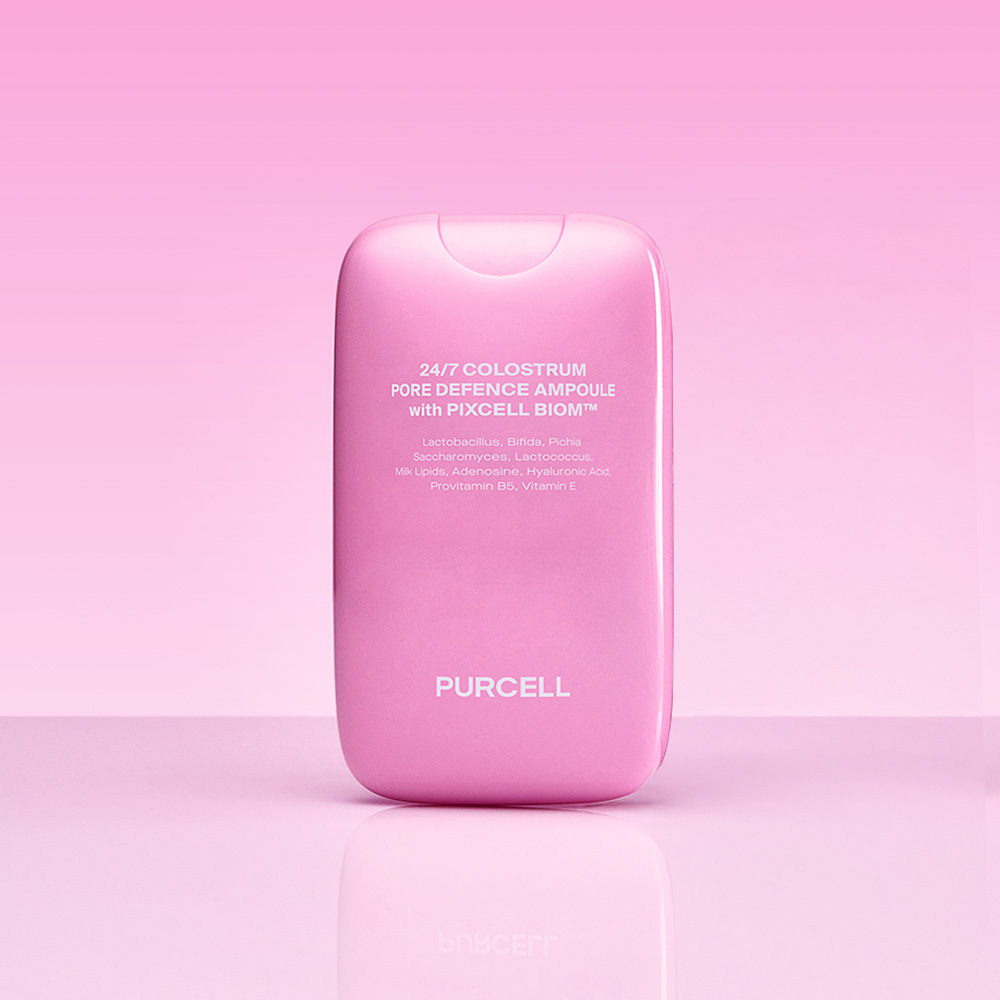
24/7 Colostrum Pore Defence Ampoule Pink
PURCELL
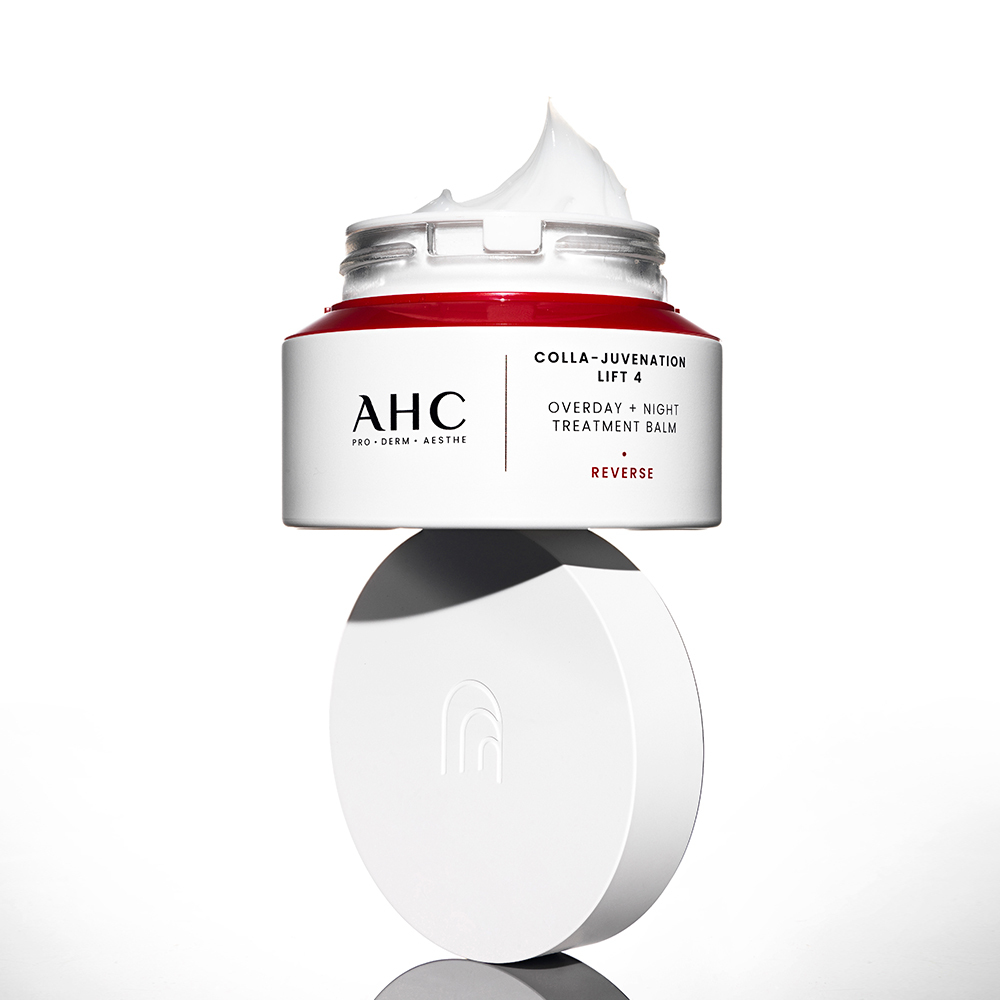
Colla-Juvenation Lift 4 Overday + Night Treatment Balm
AHC

No. 9 NAD Bio Lifting-sil Essence
Numbuzin
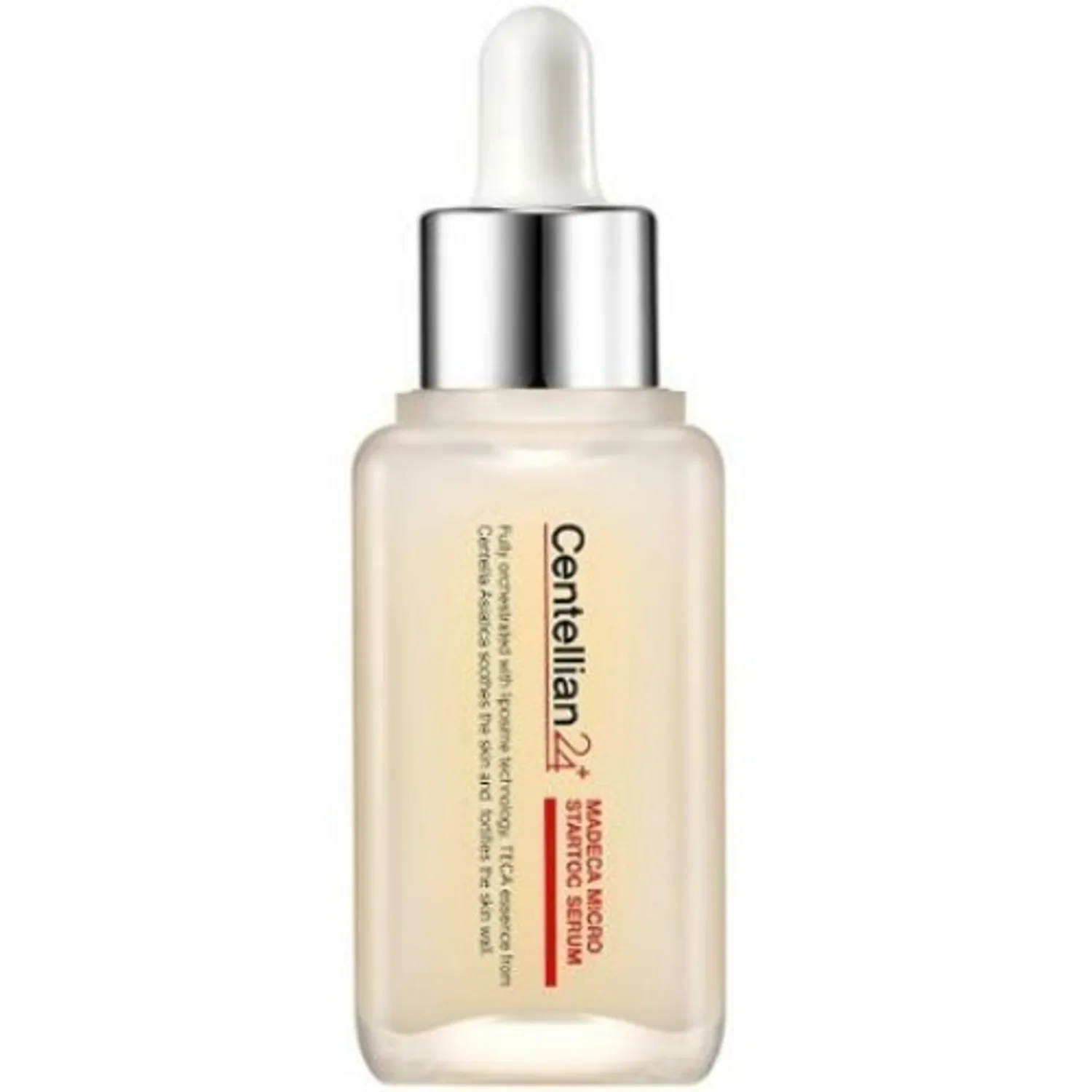
Madeca Micro Startoc Serum
Centellian24
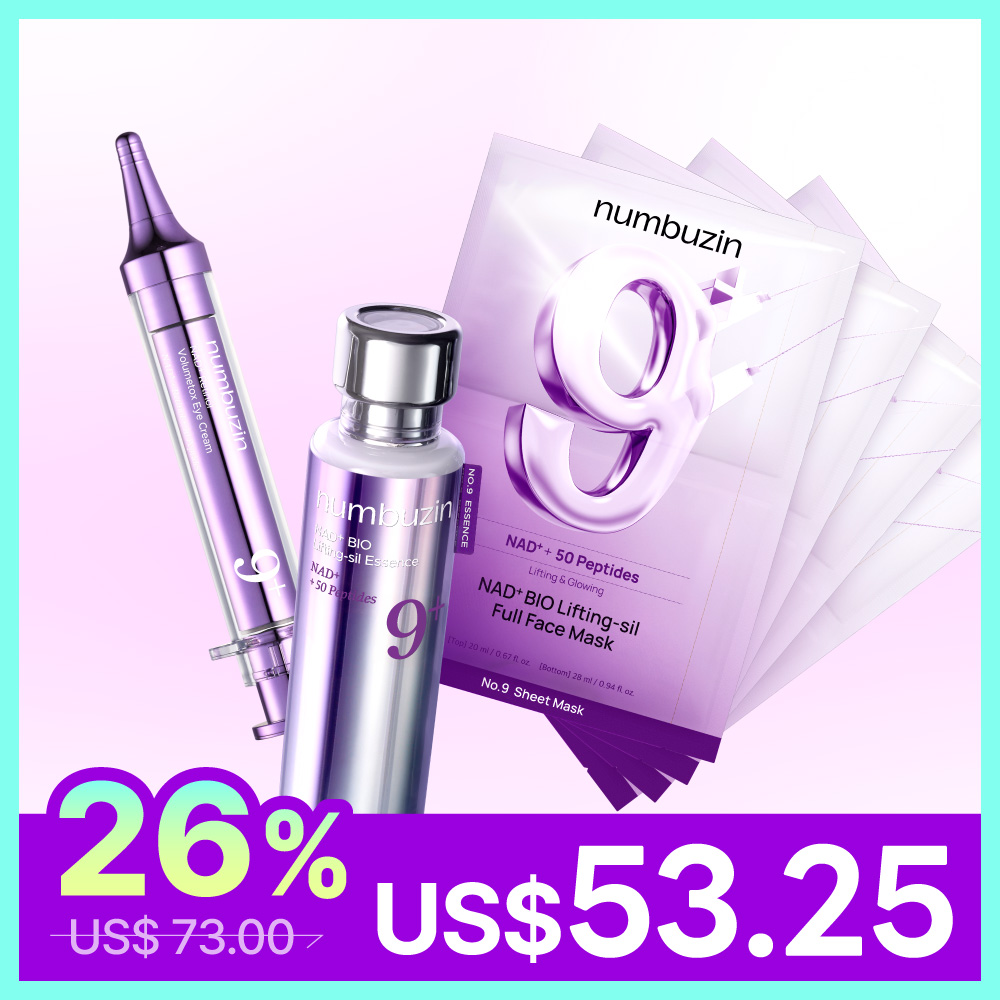
No. 9 NAD Ultimate Lifting Set
Numbuzin
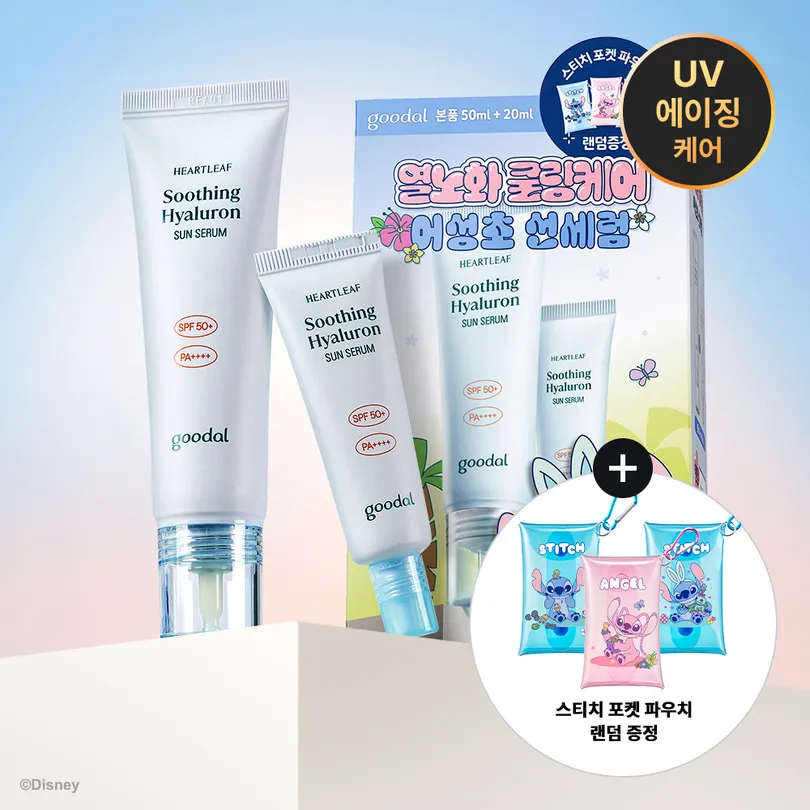
Heartleaf Soothing Hyaluron Sun Serum Set
Goodal
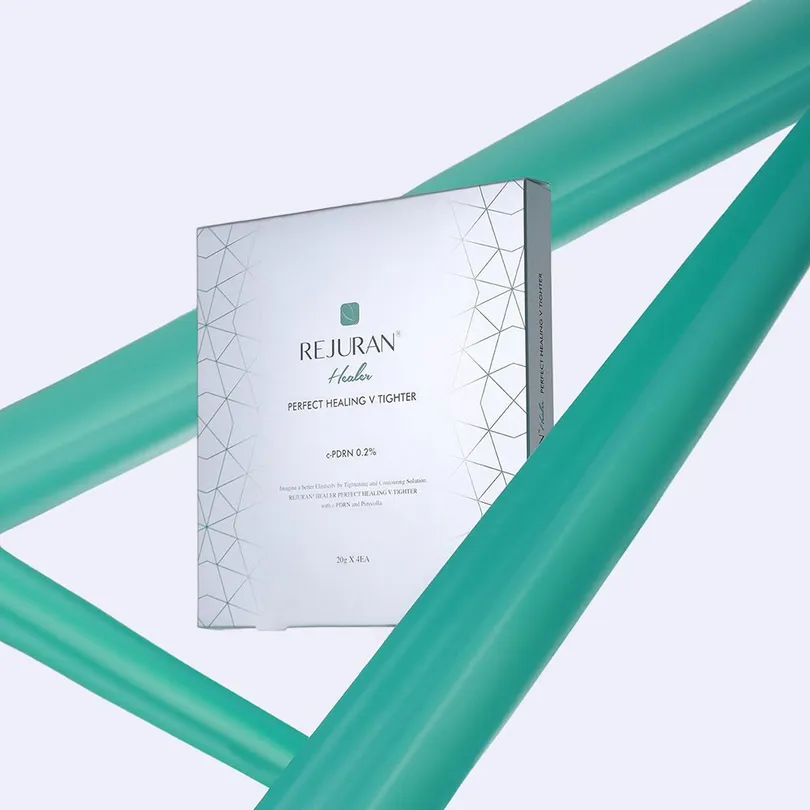
Healer Perfect Healing V Tighter
Rejuran
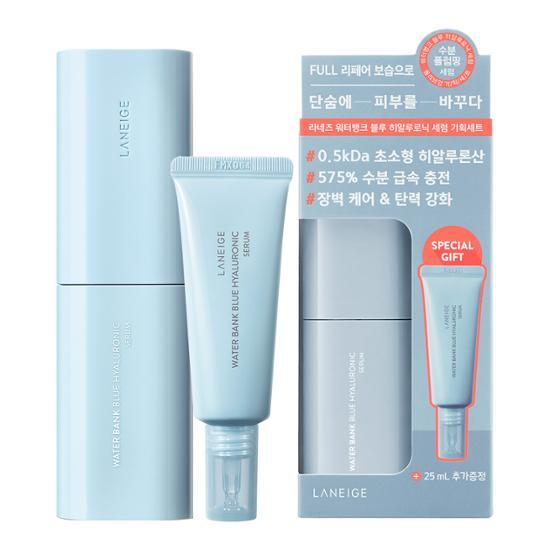
Water Bank BlueHA Serum Special Set
Laneige
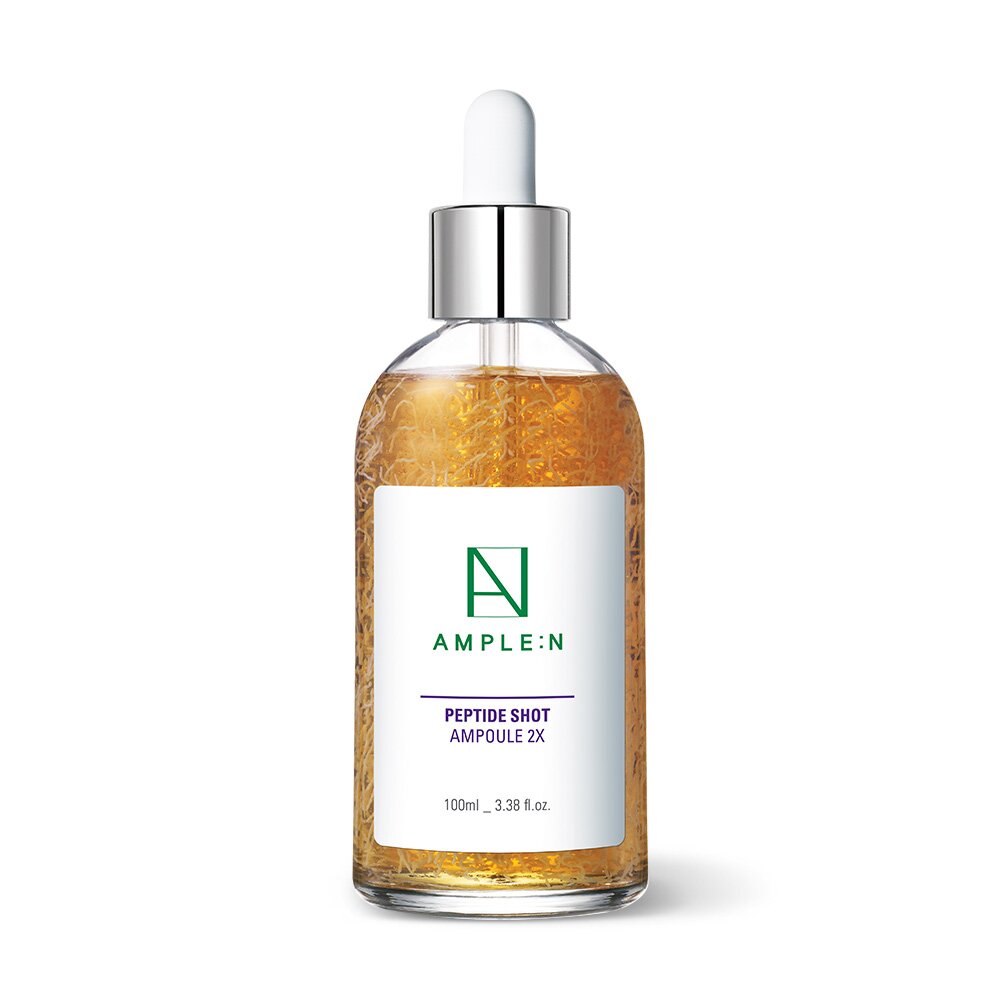
Peptide Shot Ampoule 2X
AMPLE:N
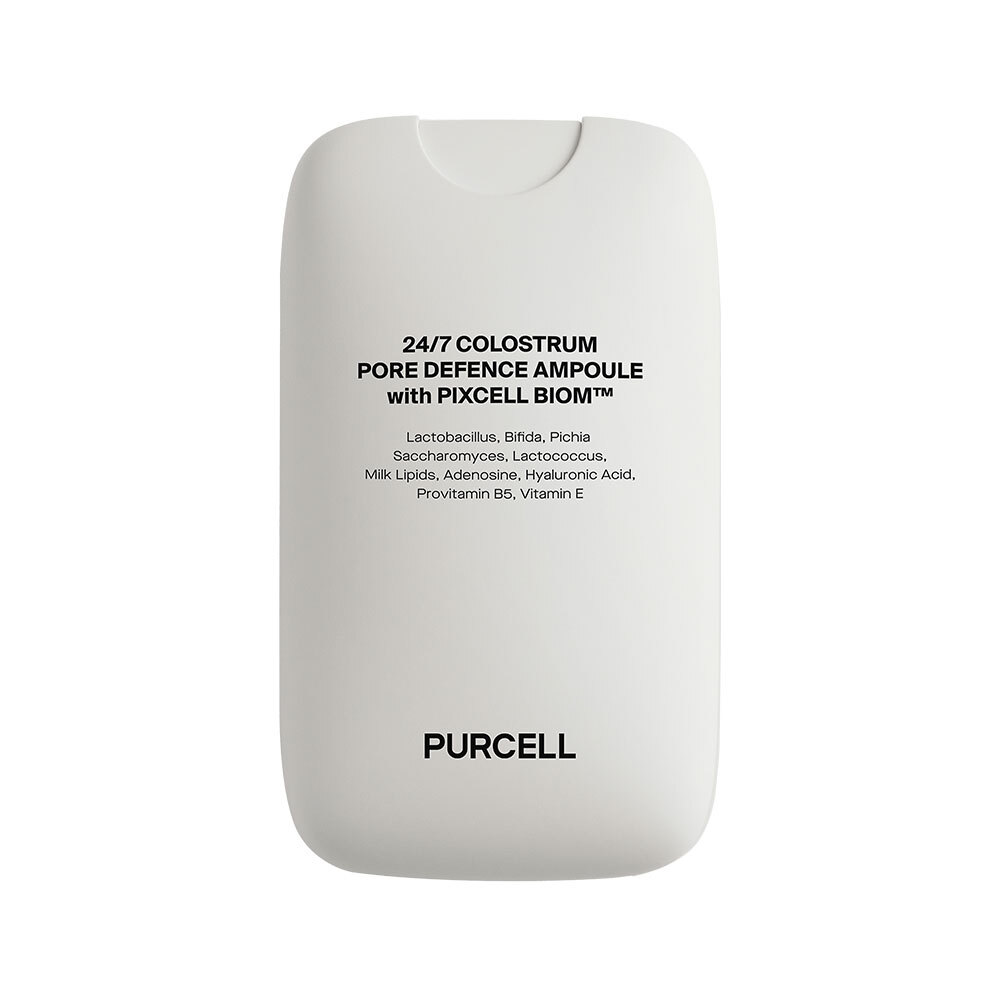
24/7 Colostrum Pore Defence Ampoule with Pixcell Biom
PURCELL
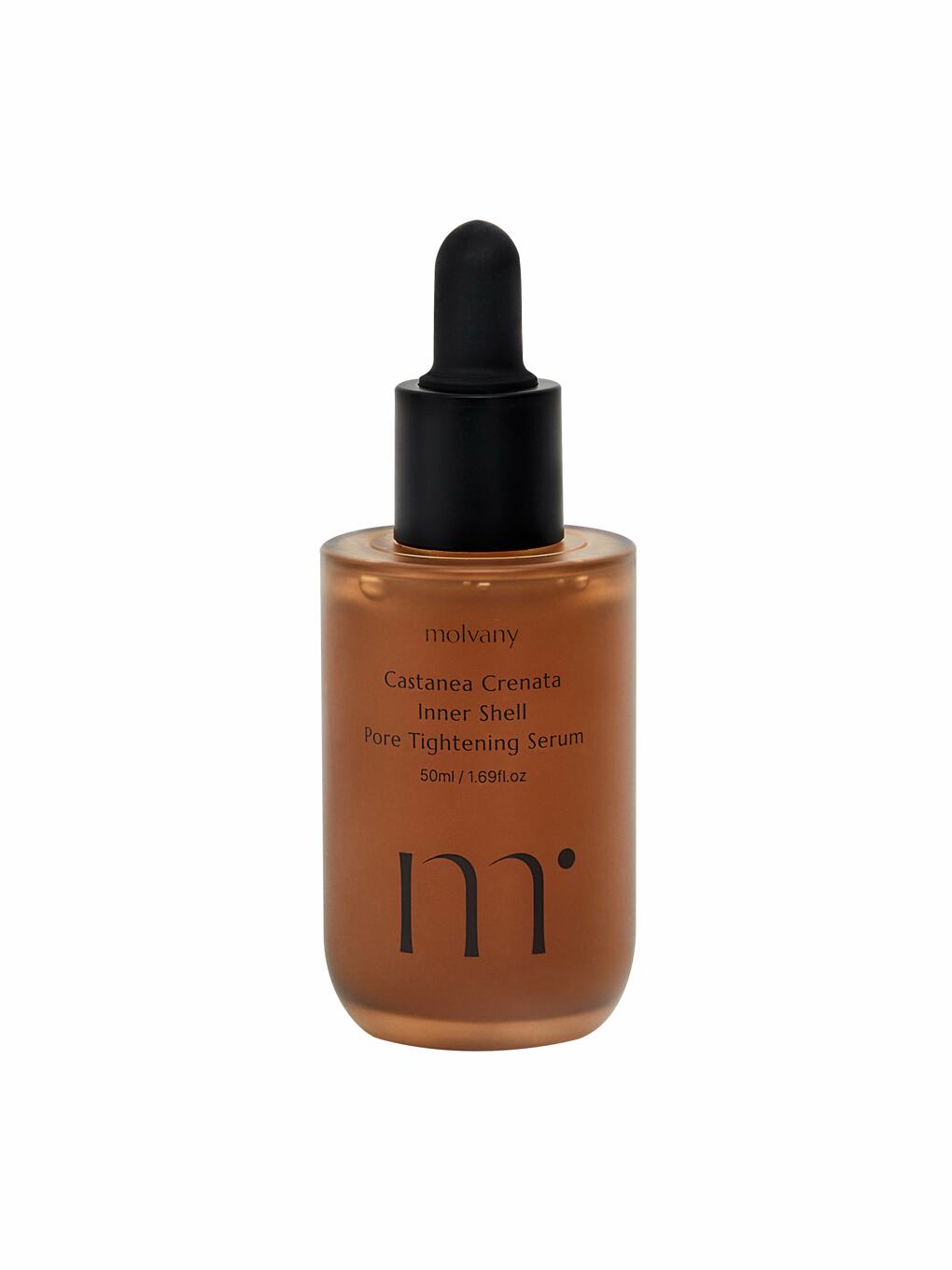
Castanea Crenata Inner Shell Pore Tightening Serum
MOLVANY
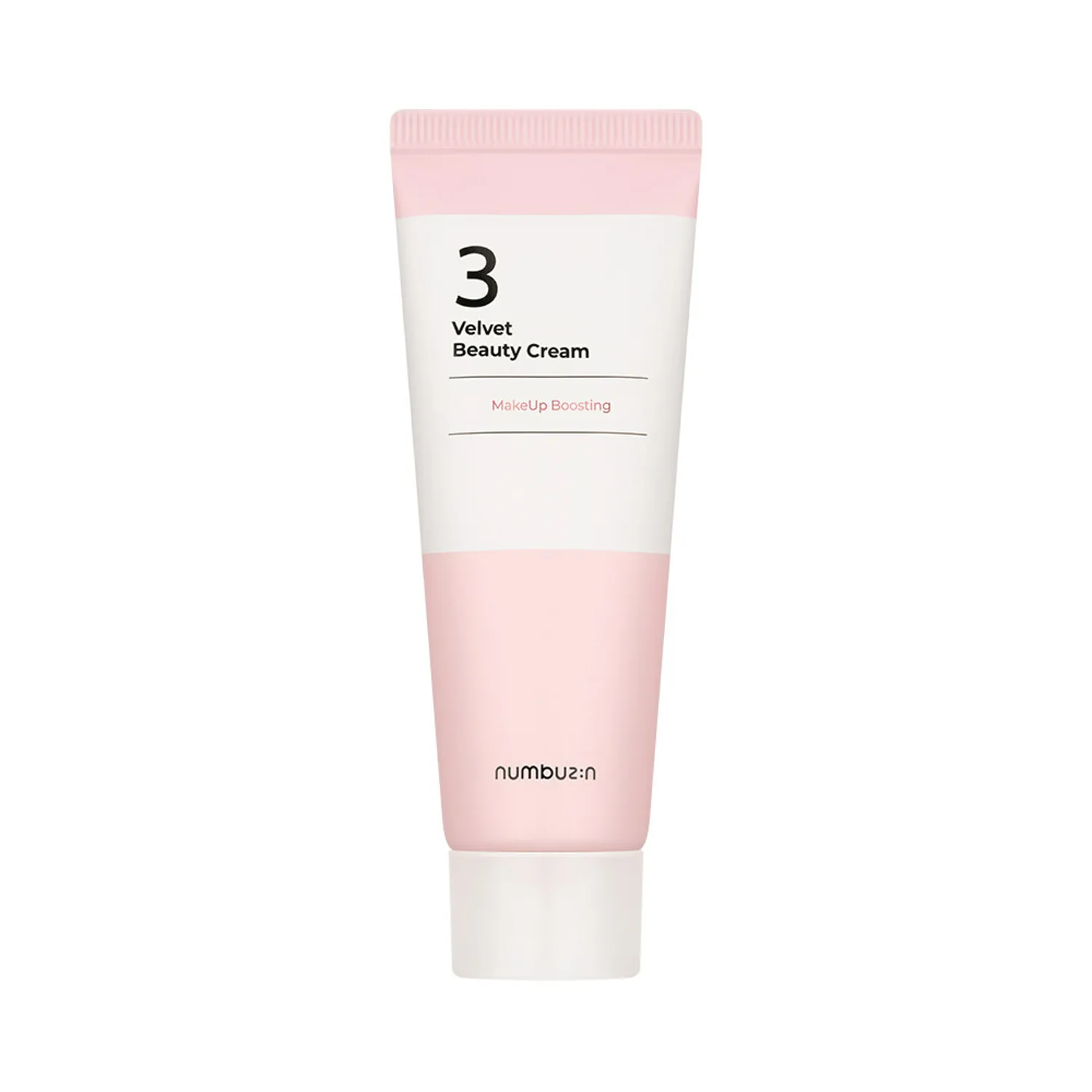
No. 3 Velvet Beauty Cream
Numbuzin
Frequently Asked Questions
How is this different from regular collagen in skincare products?▼
Can I use this peptide with retinol or vitamin C?▼
Why does this ingredient have such a complicated name?▼
Will this make my skin purge or break out?▼
At what age should I start using peptides like this?▼
Explore More
Want personalized ingredient advice?
Yuri, our AI beauty advisor, can tell you how Tetradecyl Aminobutyroylvalylaminobutyric Urea Trifluoroacetate works with your specific skin type, routine, and concerns.
Ask Yuri, free