Tetrahydropiperine
Penetration enhancer and bioavailability booster
About Tetrahydropiperine
Tetrahydropiperine is a synthetic derivative of piperine, the compound that gives black pepper its characteristic heat. In K-beauty formulations, it functions as a sophisticated penetration enhancer, designed to help other active ingredients cross the skin barrier more effectively. Think of it as a molecular escort that guides beneficial compounds deeper into the epidermis without disrupting the skin's natural structure. Unlike traditional penetration enhancers that can compromise barrier integrity, tetrahydropiperine works by temporarily modulating the lipid bilayer arrangement in the stratum corneum, creating transient pathways for active ingredients to pass through. This makes it particularly valuable in premium K-beauty products featuring collagen peptides, hyaluronic acid, or botanical extracts that would otherwise struggle to penetrate beyond the skin's surface. Korean formulators have embraced tetrahydropiperine in high-performance ampoules and serums, where maximizing ingredient efficacy is paramount. Its non-comedogenic profile (0/5 rating) makes it suitable for formulations targeting all skin types, though its moderate safety rating (3/5) reflects the need for proper concentration controls. The ingredient has gained traction in products focused on anti-aging and barrier repair, where delivering actives to deeper skin layers can make the difference between a product that merely sits on the surface and one that produces visible results.
How Tetrahydropiperine Works
Tetrahydropiperine enhances skin penetration through a mechanism called lipid fluidization. The stratum corneum, your skin's outermost layer, consists of dead skin cells surrounded by structured lipid bilayers (ceramides, cholesterol, and fatty acids arranged in tight, organized sheets). These lipids act as your skin's primary barrier, which is great for protection but challenging for ingredient delivery. Tetrahydropiperine temporarily increases the fluidity of these lipid structures by inserting itself between lipid molecules, slightly disrupting their rigid organization without causing structural damage. This creates microscopic channels that allow companion ingredients (like collagen fragments or hyaluronic acid) to move through the barrier more efficiently. The effect is reversible, with the lipid structure reorganizing within hours after application. Additionally, tetrahydropiperine inhibits certain enzymes that would normally break down active ingredients as they attempt to penetrate, effectively extending the working lifespan of beneficial compounds in the epidermis. This dual action (enhanced penetration plus metabolic protection) explains why products containing tetrahydropiperine alongside actives like collagen or centella asiatica extracts often show amplified results compared to formulations without penetration enhancement.
Tetrahydropiperine by Skin Type
Oily Skin
Tetrahydropiperine works exceptionally well for oily skin types because it enhances ingredient delivery without adding occlusive barriers or oils that could trigger excess sebum production. Its zero comedogenic rating means it won't clog pores, even when boosting the penetration of richer actives like collagen peptides. Oily skin often has a thicker stratum corneum due to accumulated dead cells, so a penetration enhancer can help lightweight serums work more effectively.
Dry Skin
For dry skin, tetrahydropiperine serves a strategic role by helping hydrating ingredients like hyaluronic acid penetrate deeper into the epidermis rather than evaporating from the surface. This creates longer-lasting moisture retention and improved barrier repair. The ingredient is particularly beneficial in dry skin formulations because it allows you to achieve better results with lighter textures, reducing reliance on heavy occlusives that some users find uncomfortable.
Combo Skin
Combination skin benefits significantly from tetrahydropiperine's ability to enhance targeted treatment without altering product texture or weight. You can use lightweight ampoules with penetration enhancement in your T-zone without worrying about greasiness, while still getting deep delivery of actives to drier cheek areas. The non-comedogenic profile prevents issues in oilier zones, making it ideal for the multi-zone management combination skin requires.
Sensitive Skin
Sensitive skin users should approach tetrahydropiperine with informed caution. While it doesn't directly irritate skin, its penetration-enhancing properties mean that other ingredients in the formula will also penetrate more deeply, which could amplify reactions to potential irritants. The moderate safety rating (3/5) reflects this concern. If you have sensitive skin, introduce products with tetrahydropiperine slowly and ensure all accompanying ingredients are gentle and well-tolerated.
Normal Skin
Normal skin types can maximize tetrahydropiperine's benefits without significant concerns. Your balanced barrier function works synergistically with the penetration enhancement, allowing you to extract maximum efficacy from premium actives like collagen or centella extracts. This is why tetrahydropiperine appears frequently in high-end K-beauty ampoules designed for anti-aging and preventive care, where normal skin users form a significant portion of the target audience.
How to Use Tetrahydropiperine
- 1Apply products containing tetrahydropiperine to slightly damp skin immediately after cleansing, when your barrier is most receptive to penetration enhancement.
- 2Layer tetrahydropiperine-enhanced products before heavier creams or oils, as the penetration booster works best when active ingredients have direct contact with skin before occlusive barriers form.
- 3If you have sensitive skin or are using actives like retinoids or acids, introduce tetrahydropiperine products cautiously, starting 2-3 times per week to assess tolerance before daily use.
- 4Pair with high-quality actives (collagen peptides, hyaluronic acid, niacinamide) to justify the penetration enhancement—the ingredient amplifies whatever you're using, so make it count.
- 5Store tetrahydropiperine products away from heat and direct sunlight, as the ingredient's efficacy can degrade with temperature fluctuations.
Background
Tetrahydropiperine is a bioengineered evolution of piperine, which has been used in Ayurvedic medicine for thousands of years to enhance the absorption of herbal remedies. Ancient practitioners observed that black pepper extract improved the therapeutic effects of other botanicals, leading modern researchers to isolate and study piperine's bioavailability-enhancing properties. Scientists discovered that piperine's molecular structure could be modified through hydrogenation to create tetrahydropiperine, a derivative with enhanced stability and reduced sensory impact (no tingling or warming sensation). Korean cosmetic chemists adopted tetrahydropiperine in the mid-2010s as the K-beauty industry shifted toward high-concentration active formulations requiring sophisticated delivery systems. The ingredient aligned perfectly with Korea's philosophy of lightweight textures delivering clinical-level results, allowing brands to create potent ampoules that felt elegant on skin while maximizing ingredient bioavailability.
K-Beauty Products with Tetrahydropiperine
View all 20 →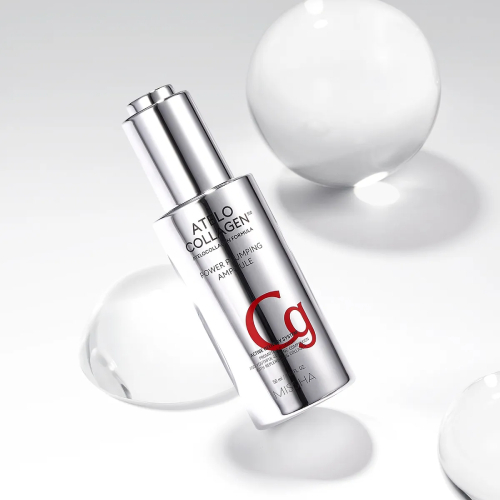
Atelo Collagen 500 Power Plumping Ampoule
MISSHA
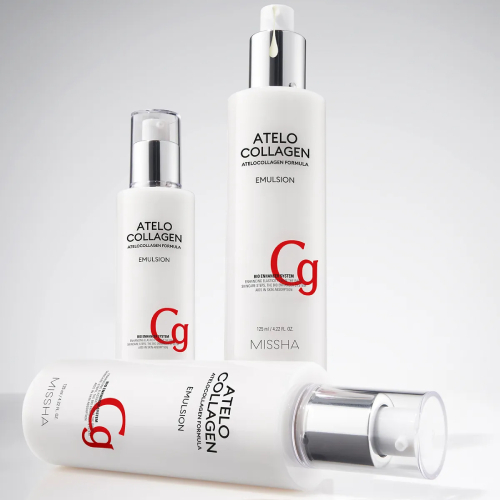
Atelo Collagen Emulsion
MISSHA
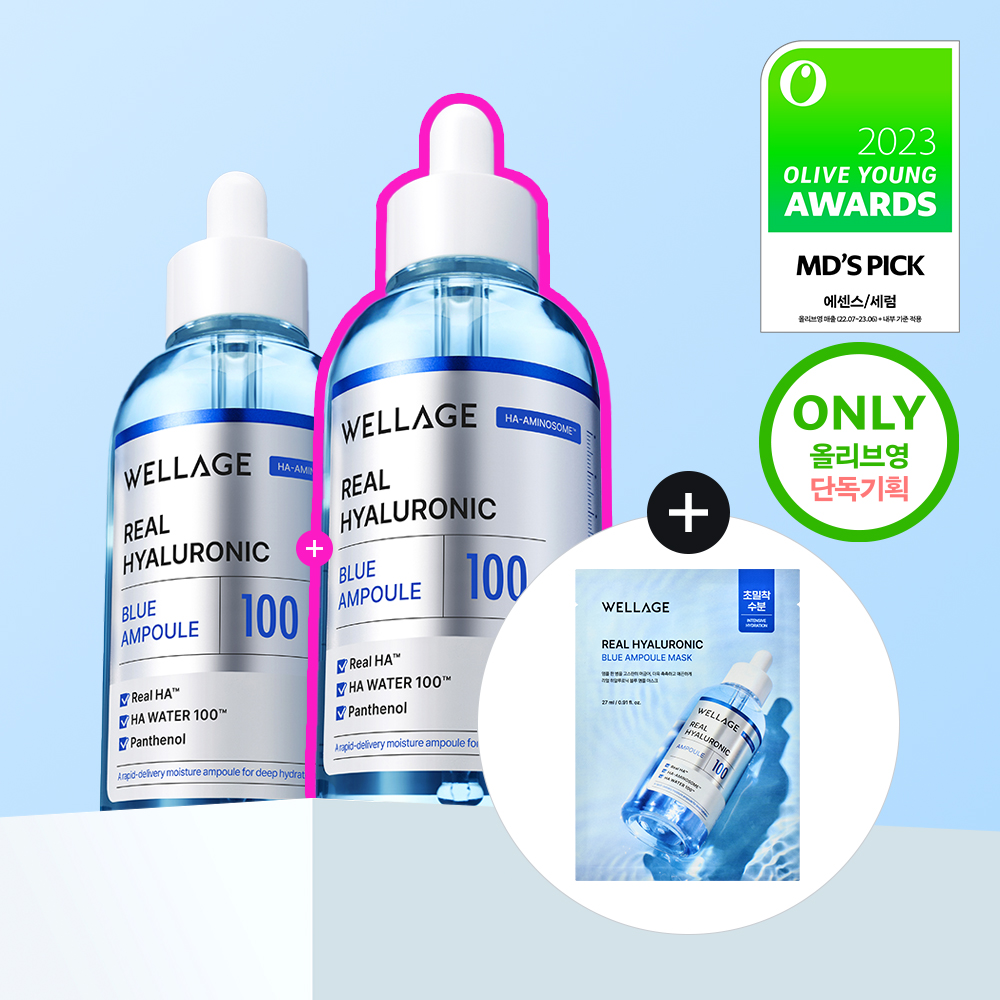
Real Hyaluronic Blue 100 Ampoule Double Pack
Wellage
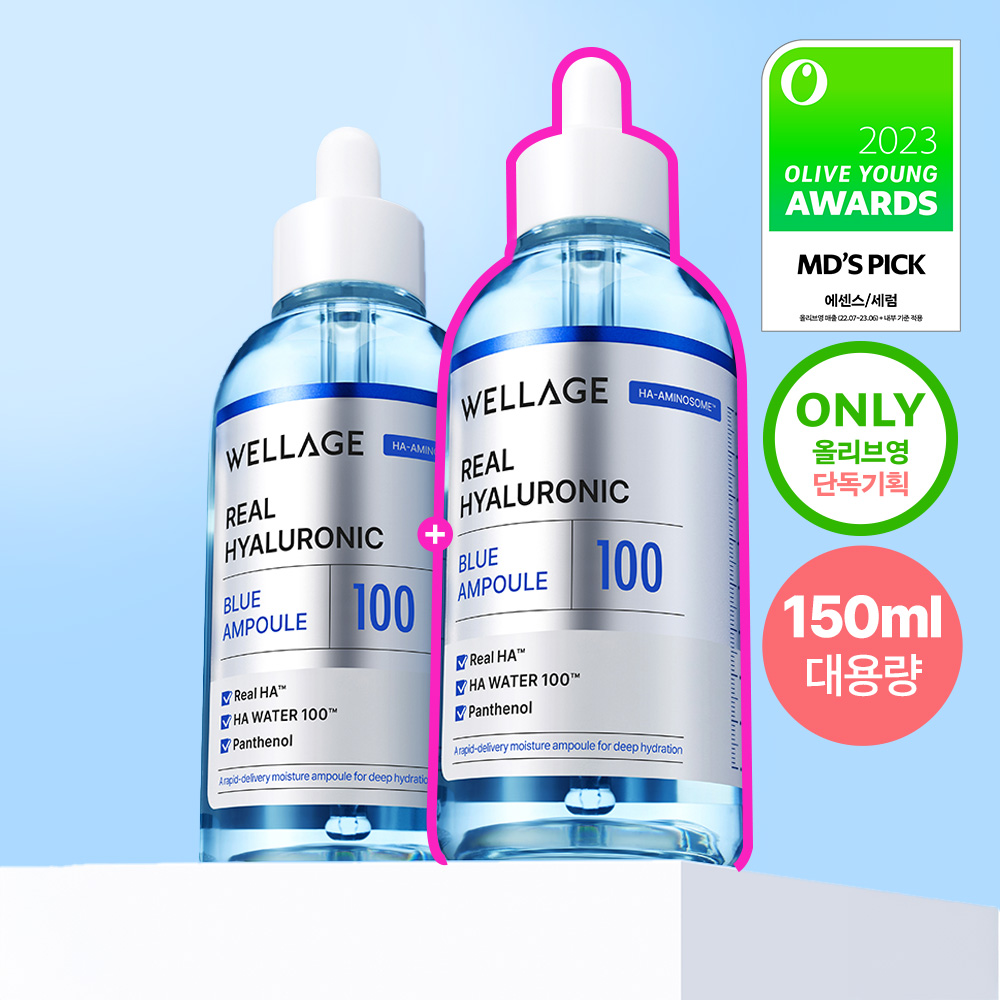
Real Hyaluronic Blue 100 Ampoule
Wellage
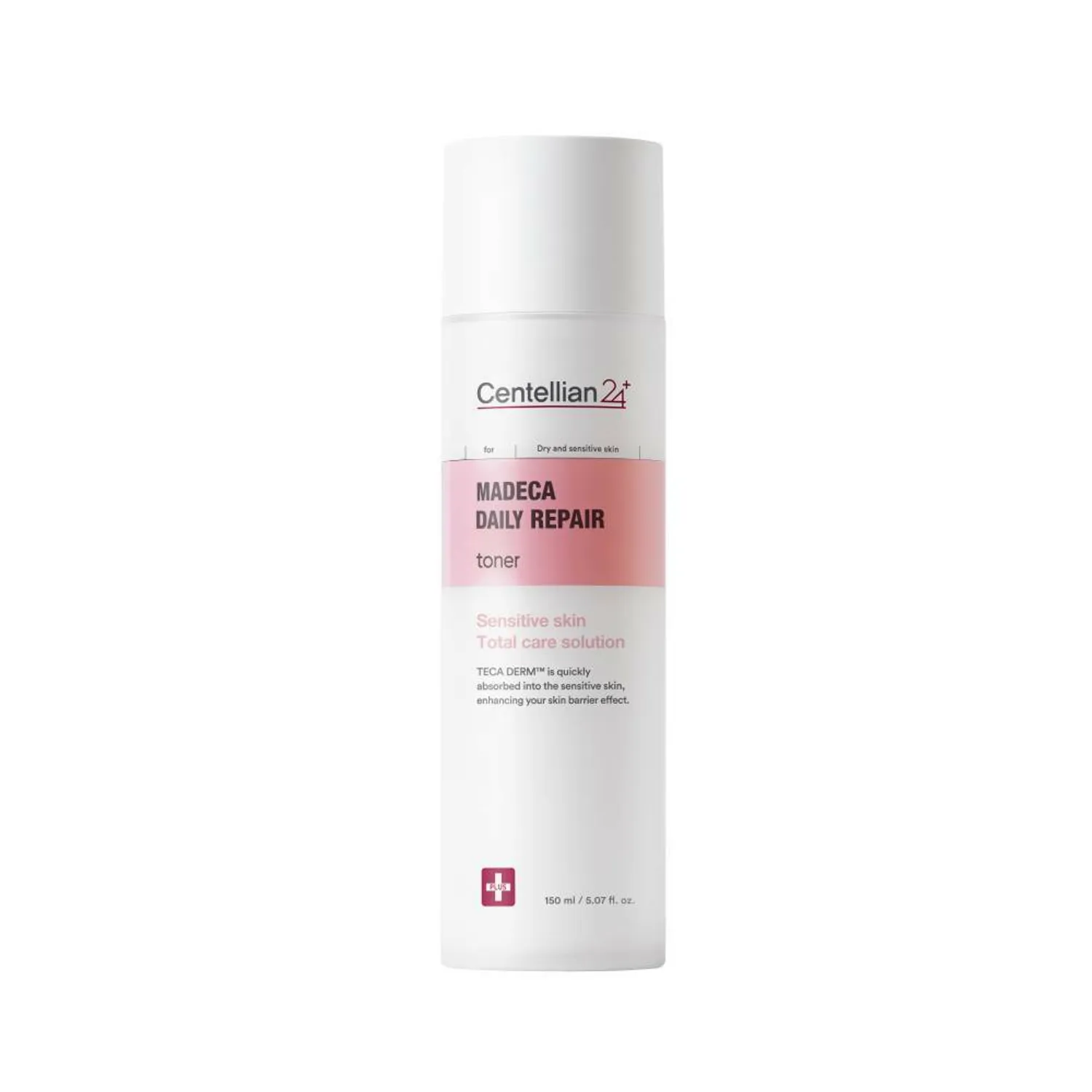
Madeca Daily Repair Toner Special Set
Centellian24
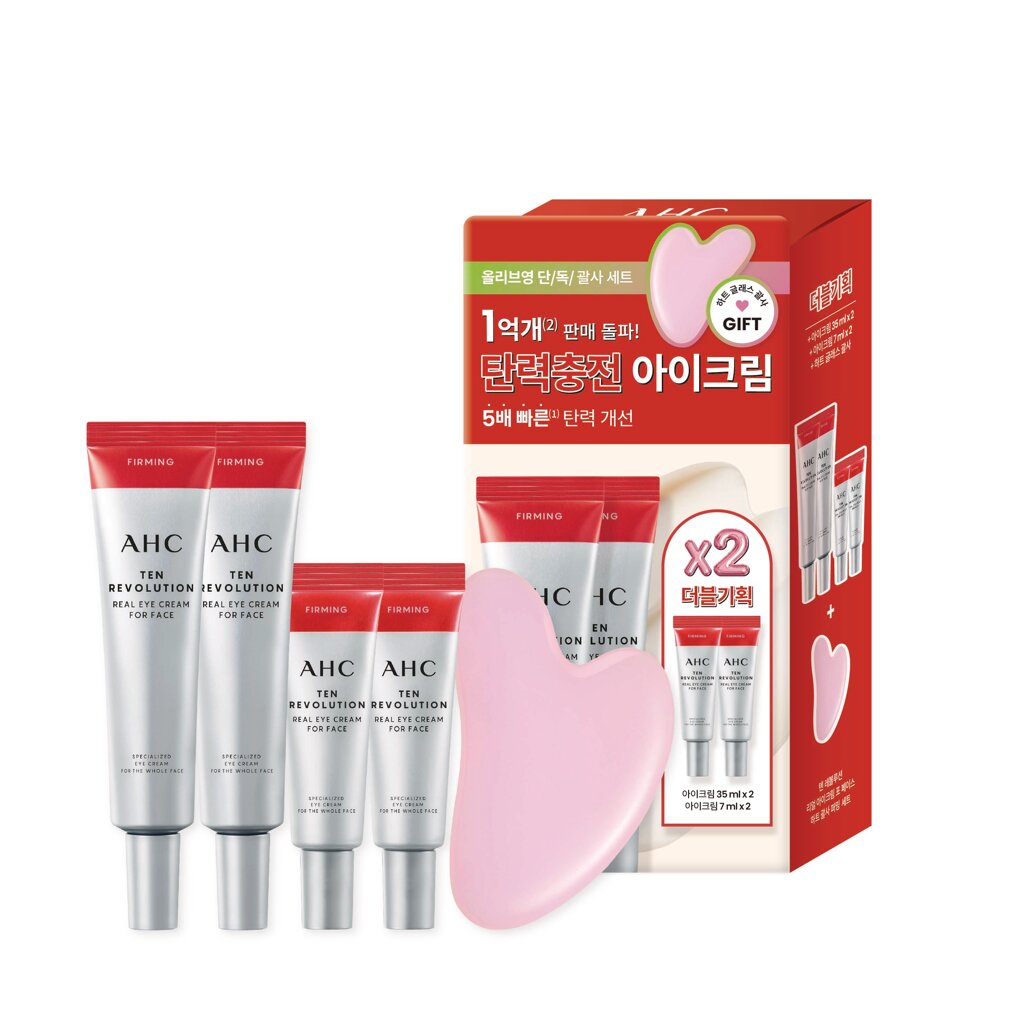
10 Revolution Real Eye Cream For Face
AHC
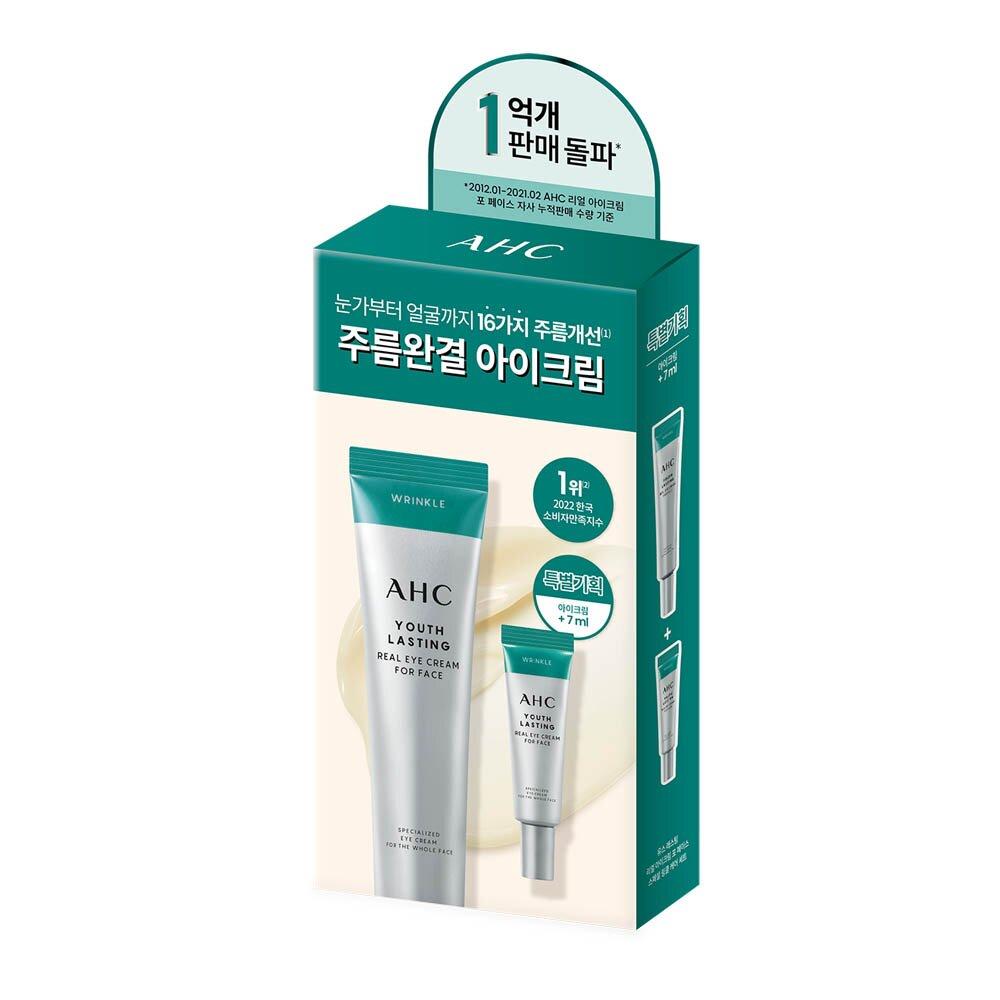
Youth Lasting Real Eye Cream For Face Special Wrinkle Care Set
AHC
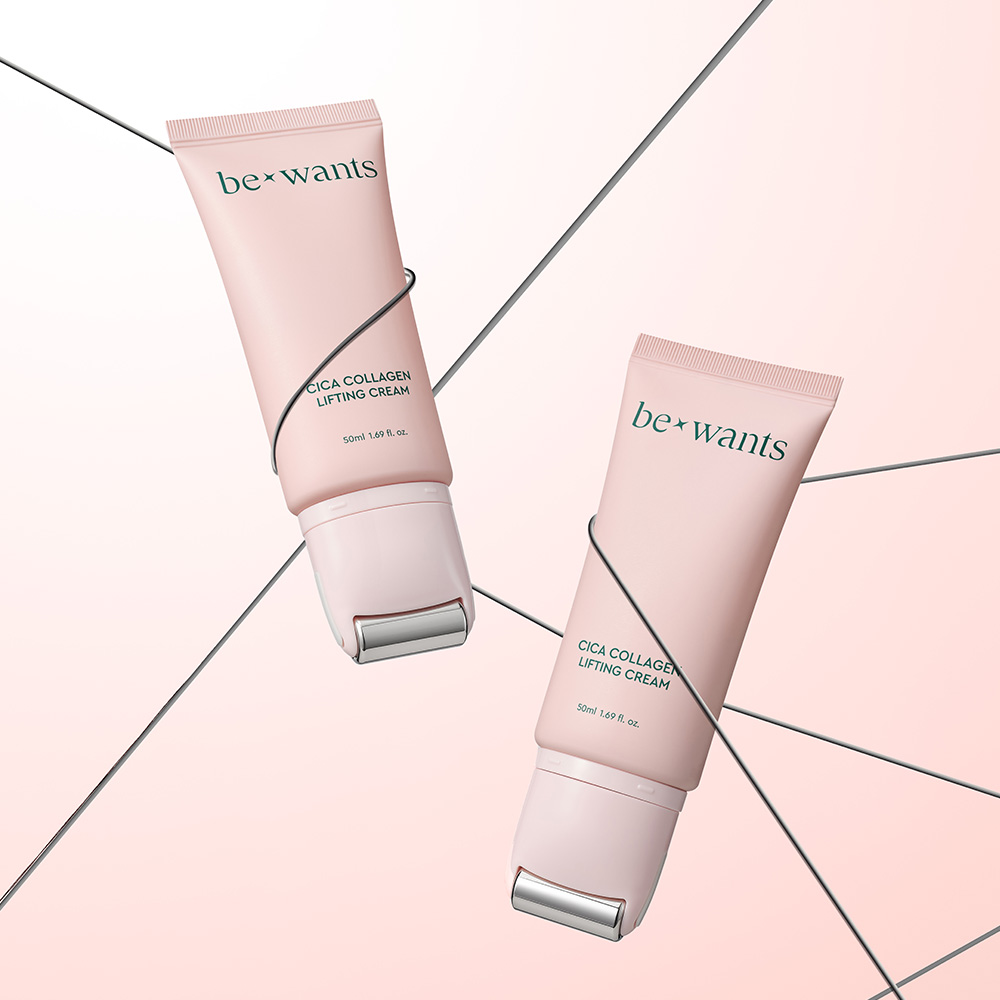
Cica Collagen Lifting Cream
Bewants
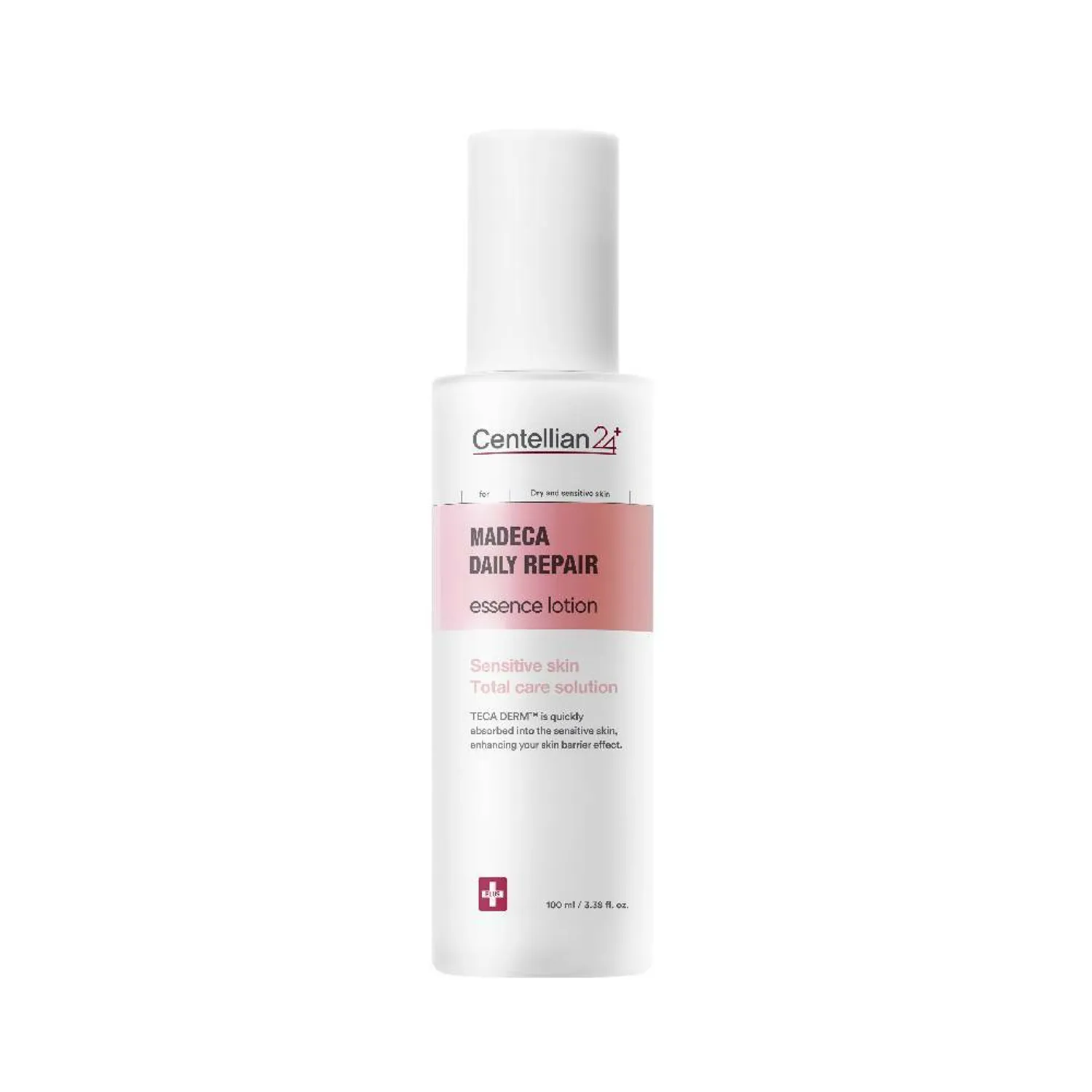
Madeca Daily Repair Essence Lotion
Centellian24
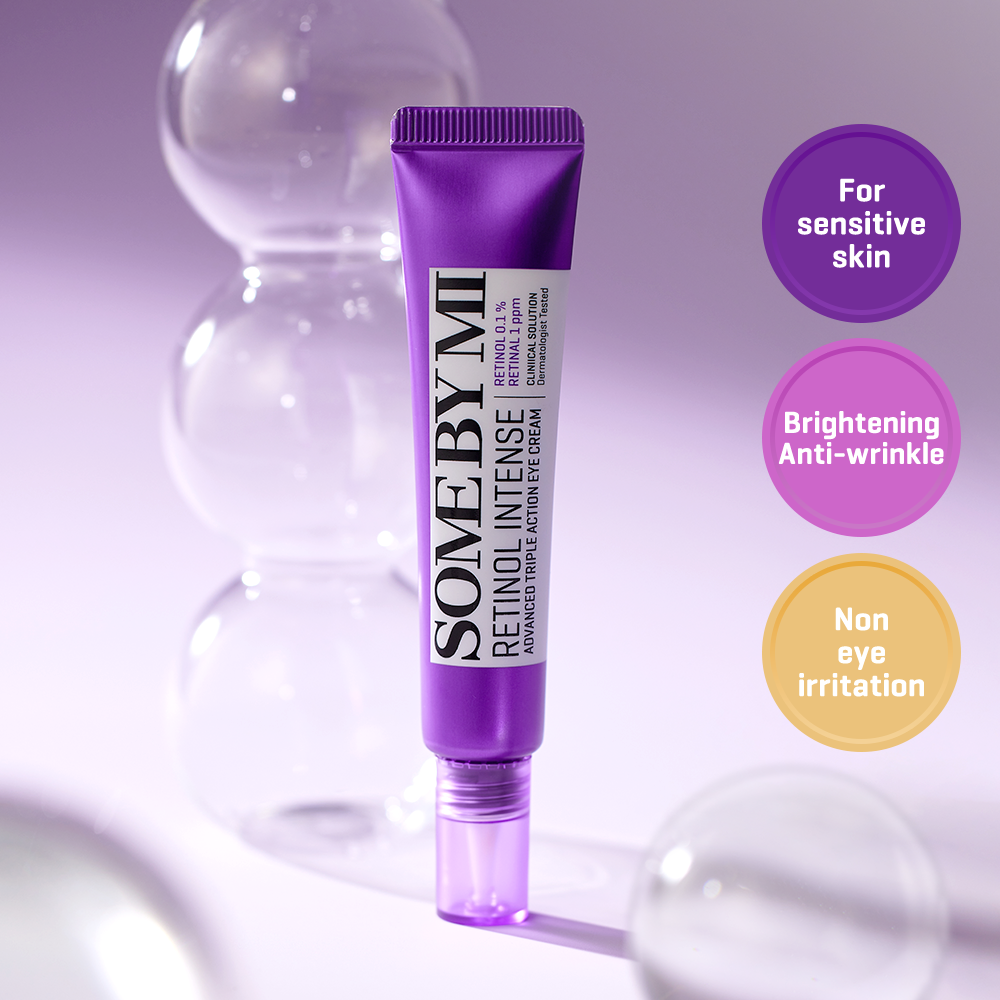
Retinol Intense Advanced Triple Action Eye Cream
Some By Mi
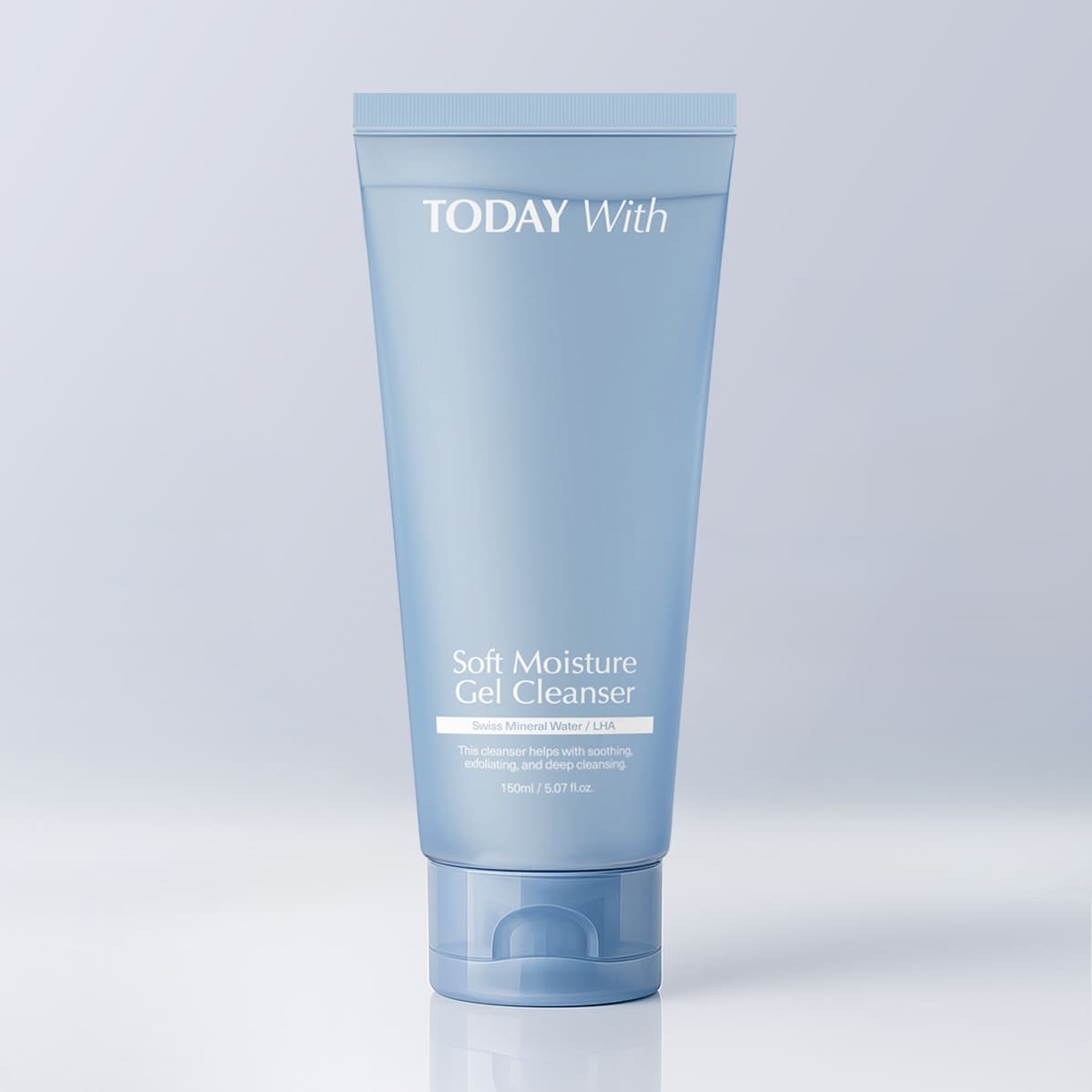
Soft Moisture Gel Cleanser
TODAYWITH
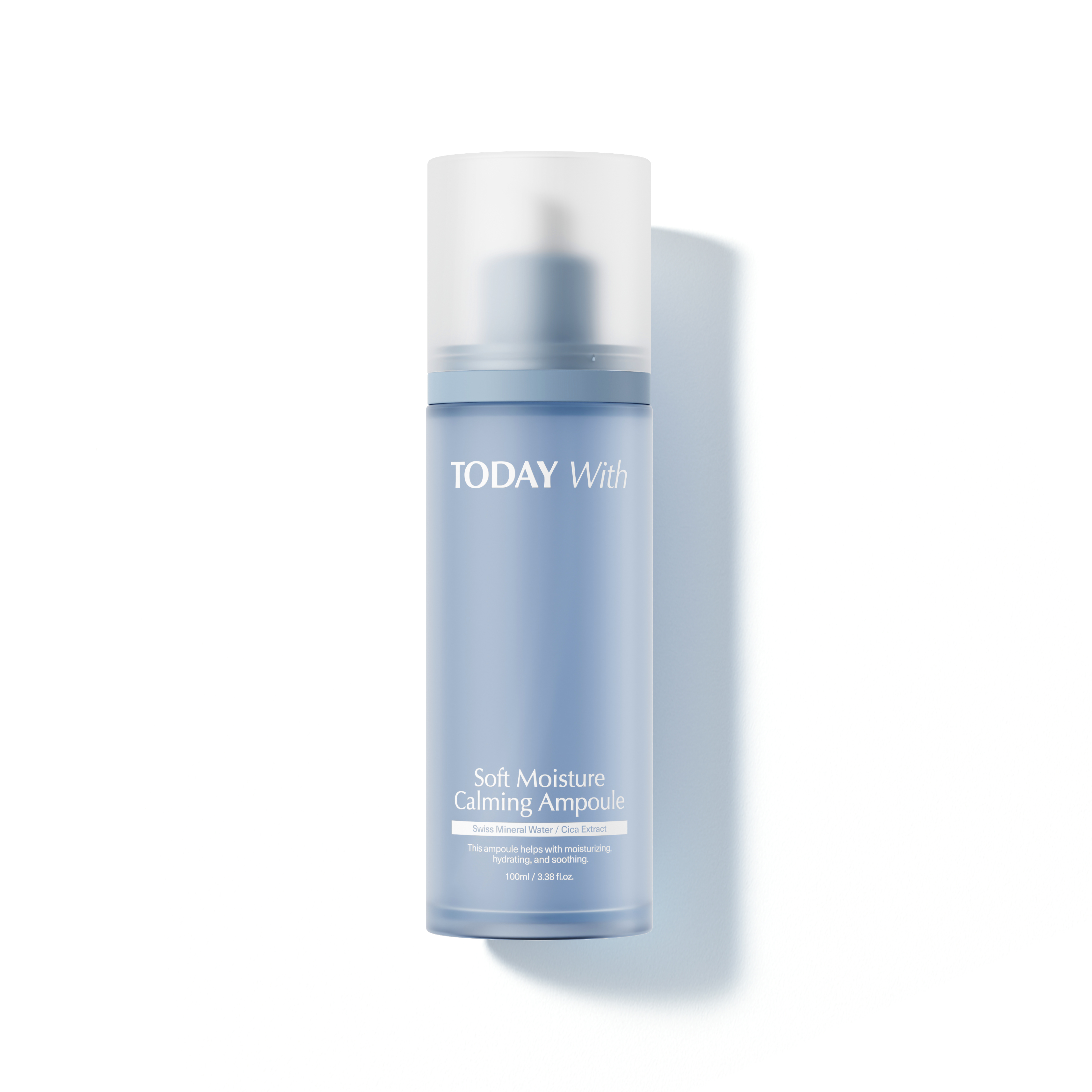
Soft Moisture Calming Ampoule
TODAYWITH
Frequently Asked Questions
Can tetrahydropiperine cause skin irritation or sensitivity?▼
How does tetrahydropiperine compare to other penetration enhancers like propanediol or ethoxydiglycol?▼
Why do so many collagen products contain tetrahydropiperine?▼
Is tetrahydropiperine safe to use during pregnancy?▼
Explore More
Want personalized ingredient advice?
Yuri, our AI beauty advisor, can tell you how Tetrahydropiperine works with your specific skin type, routine, and concerns.
Ask Yuri, free