Cocoa Butter
INCI: Theobroma Cacao (Cocoa) Seed Butter
Rich emollient that moisturizes and softens skin
About Cocoa Butter
Cocoa butter is a luxurious, plant-based fat extracted from cocoa beans (Theobroma cacao, literally 'food of the gods'). In K-beauty formulations, it functions as a rich emollient that creates a protective barrier on skin while delivering deep hydration. Unlike lighter oils that absorb quickly, cocoa butter melts at body temperature and forms a semi-occlusive layer that locks in moisture for hours. It's packed with fatty acids (primarily oleic, stearic, and palmitic acids) plus natural antioxidants like polyphenols and vitamin E that help protect skin from environmental stressors. Korean brands particularly value cocoa butter in cleansing balms and intensive night creams, where its thick texture transforms into a silky oil upon contact with skin. With 46 products on Seoul Sister featuring this ingredient, it's clear K-beauty formulators appreciate its ability to deliver serious hydration without synthetic additives. However, its comedogenic rating of 4/5 means it's best suited for dry or normal skin types rather than acne-prone complexions. The safety rating of 4/5 reflects that while it's generally well-tolerated and natural, its heavy texture can be problematic for some skin types. Products like Aestura's z+piderm EGF Skin Barrier Intensive Cream (rated 4.8/5) showcase how cocoa butter works beautifully in barrier-repair formulations, while Whipped's vegan cleansing packs (5.0/5) demonstrate its versatility in gentle, nourishing cleansers.
How Cocoa Butter Works
Cocoa butter functions through both occlusive and emollient mechanisms. At the molecular level, its high concentration of saturated fatty acids (about 60% of its composition) creates a physical barrier on the skin's surface that slows transepidermal water loss (TEWL). This occlusive layer doesn't suffocate skin but rather mimics the lipid structure of the stratum corneum, reinforcing the skin's natural moisture barrier. The oleic acid content (about 35%) penetrates slightly deeper into the epidermis, where it helps soften and condition skin cells by filling in gaps between corneocytes. Meanwhile, the polyphenols and tocopherols (vitamin E compounds) in cocoa butter act as antioxidants, neutralizing free radicals that damage collagen and elastin fibers. When applied to skin, cocoa butter's melting point of around 34-38°C means it liquefies on contact, allowing these beneficial compounds to spread evenly and absorb. The stearic acid component also has mild anti-inflammatory properties, which is why cocoa butter can help soothe irritated or damaged skin. This combination of barrier protection, hydration, and antioxidant activity makes it particularly effective for repairing compromised skin barriers.
Cocoa Butter by Skin Type
Oily Skin
Cocoa butter is generally not recommended for oily skin due to its comedogenic rating of 4/5, meaning it has a high likelihood of clogging pores. The heavy, occlusive nature can trap sebum and dead skin cells, potentially leading to breakouts. If you have oily skin and want to try cocoa butter, limit it to cleansing products that wash off rather than leave-on treatments.
Dry Skin
This is where cocoa butter truly excels. Dry skin lacks sufficient lipids in the barrier, and cocoa butter's fatty acid profile closely mimics natural skin lipids, making it ideal for replenishing what's missing. Its occlusive properties prevent moisture loss throughout the day or night, while its emollient texture immediately relieves that tight, uncomfortable feeling dry skin sufferers know well. Products like Aestura's barrier cream (4.8/5) leverage cocoa butter to deliver long-lasting hydration without irritation.
Combo Skin
Approach cocoa butter cautiously with combination skin. It works beautifully on dry cheeks and patches but can overwhelm oily T-zone areas. The best strategy is spot-treatment, applying cocoa butter-rich products only to dry areas, or choosing lighter formulations where cocoa butter is blended with non-comedogenic oils. Cleansing products like Beplain's salt massage bars (5.0/5) work well since they rinse off completely.
Sensitive Skin
Cocoa butter is generally gentle for sensitive skin, as it's a natural ingredient with anti-inflammatory properties that can soothe redness and irritation. Its occlusive barrier also protects sensitized skin from environmental triggers. However, some people with very reactive skin may experience sensitivity to the natural compounds in cocoa butter. The key is patch-testing first and choosing products from reputable K-beauty brands that use refined, purified cocoa butter rather than raw versions that may contain more potential irritants.
Normal Skin
Normal skin can enjoy cocoa butter's benefits without most concerns. It provides extra nourishment during harsh weather, supports healthy barrier function, and delivers antioxidant protection without overwhelming balanced skin. Use it in night creams or as part of your winter skincare routine when even normal skin needs additional moisture support. The vegan cleansers from Whipped (5.0/5 and 4.7/5) show how cocoa butter can enhance even simple cleansing routines.
How to Use Cocoa Butter
- 1Apply cocoa butter products to damp skin right after cleansing or toning to lock in that moisture and maximize hydration benefits.
- 2If you have combination or oily areas, use cocoa butter-rich products only on dry patches or as a targeted overnight treatment on rough spots like elbows and knees.
- 3Layer cocoa butter products last in your routine (after serums and lighter moisturizers) since its occlusive nature can prevent other products from penetrating if applied first.
- 4During summer or humid weather, consider switching to lighter alternatives or using cocoa butter products only at night when your skin can handle richer textures.
- 5When using cleansing products with cocoa butter, massage thoroughly and use warm water for complete removal to prevent any residue that might clog pores.
Background
Cocoa butter has been treasured for skincare since ancient Mesoamerican civilizations, where the Maya and Aztec peoples used it both as currency and as a healing salve for wounds and skin conditions. The scientific name Theobroma cacao translates to 'food of the gods,' reflecting how highly these cultures valued the cocoa plant. European explorers brought cocoa to the West in the 16th century, but it wasn't until the 19th century that cocoa butter was isolated and recognized for its cosmetic properties. In K-beauty, cocoa butter gained popularity as part of the 'clean beauty' movement of the 2010s, when Korean brands began emphasizing natural, plant-derived ingredients that delivered results without synthetic chemicals. Its incorporation into vegan formulations (like Whipped's 5.0-rated cleanser sets) reflects K-beauty's commitment to ethical, sustainable ingredients. Korean formulators particularly appreciate cocoa butter's ability to provide Western-style richness while maintaining the skin-barrier focus central to K-beauty philosophy. Today, it appears in everything from cleansing bars to intensive repair creams, bridging traditional ingredient wisdom with modern dermatological science.
K-Beauty Products with Cocoa Butter
View all 46 →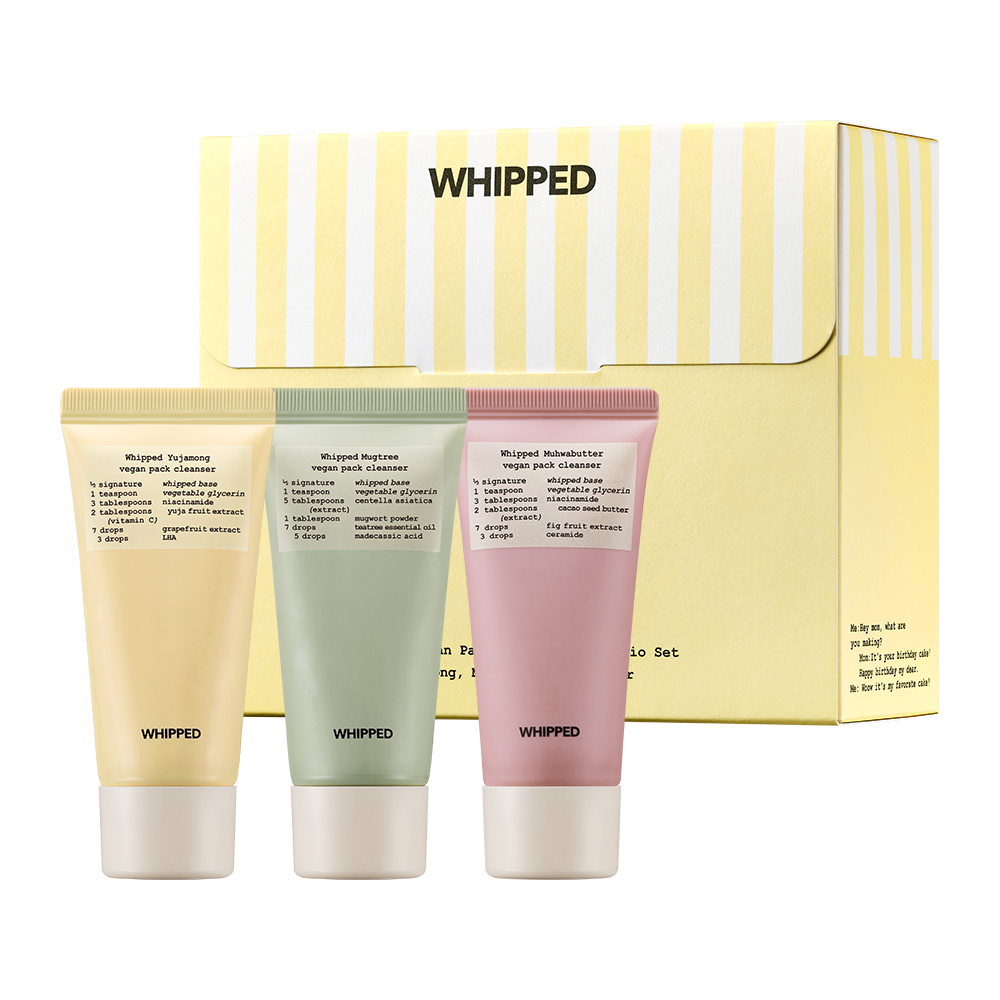
Vegan Pack Cleanser Gift Set (Mugtree + Muhwabutter + Yujamong)
Whipped
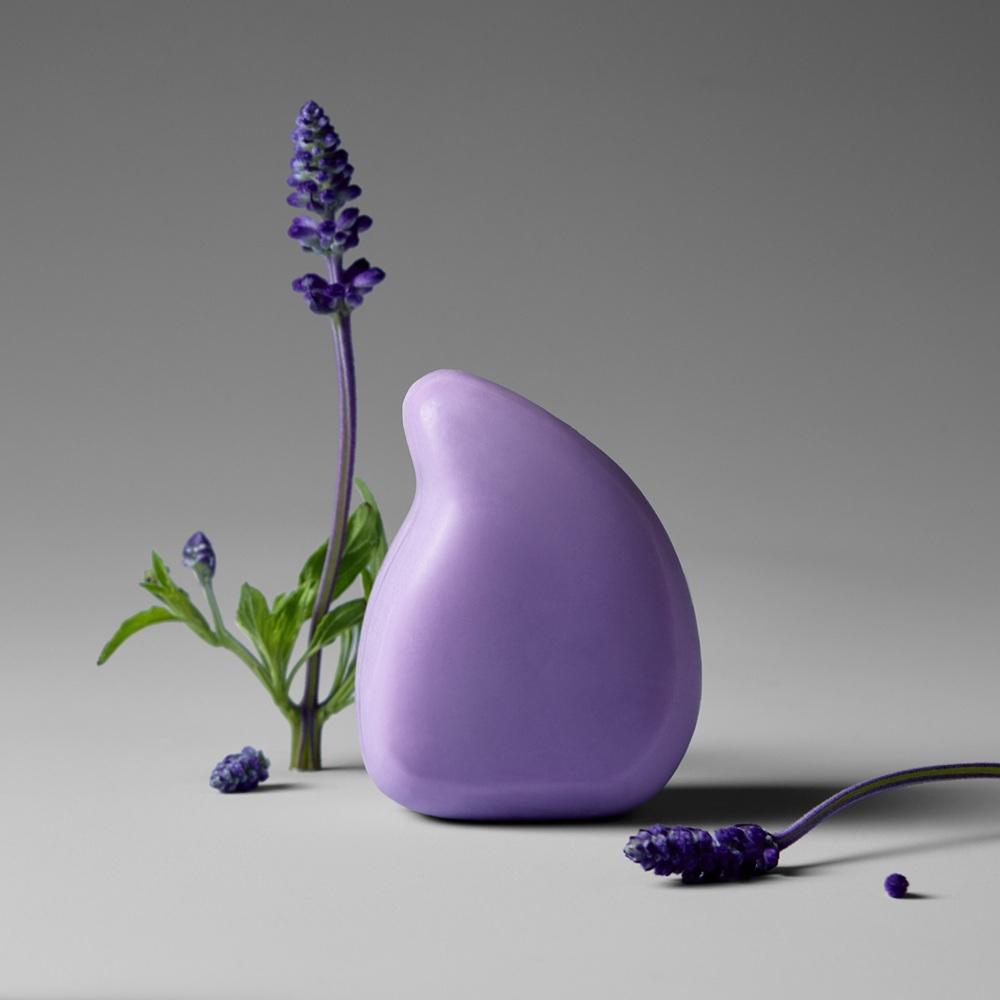
ReSaltZ Salt Massage Lavender Cleansing Bar
Beplain
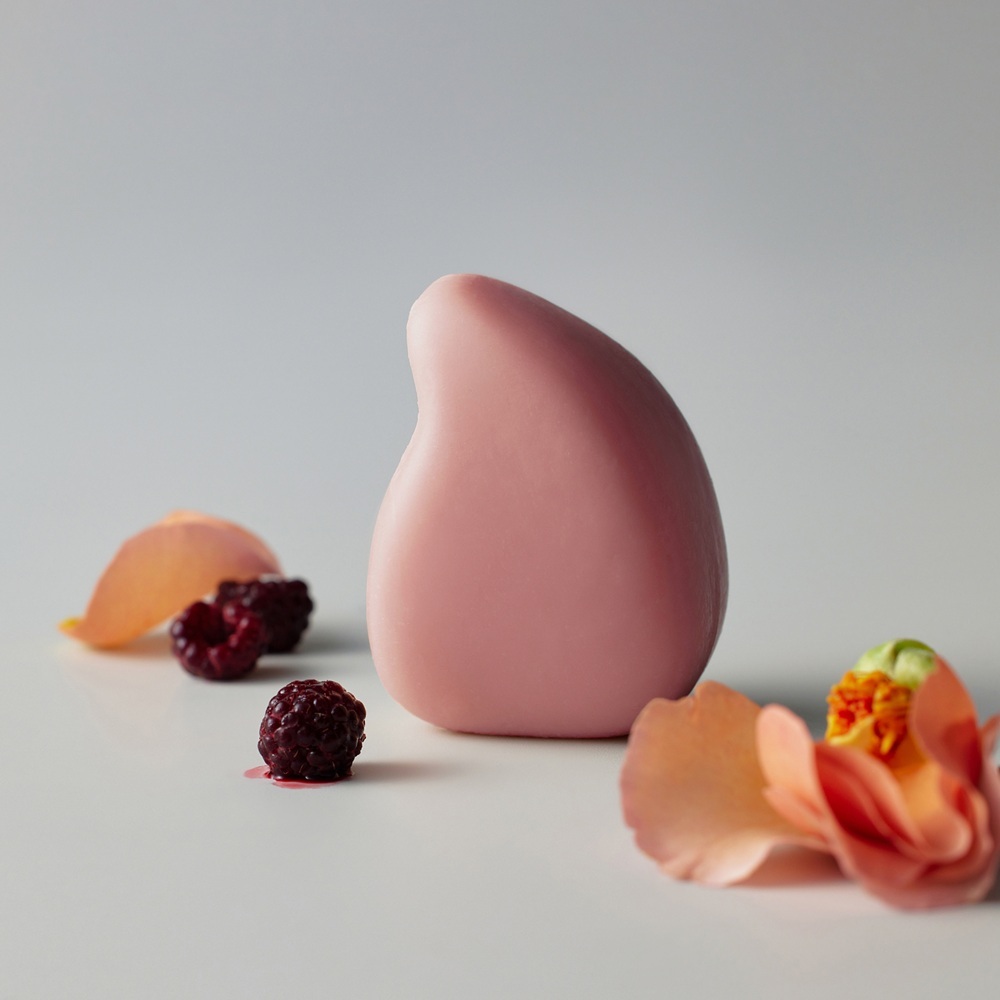
ReSaltZ Salt Massage Rose Cleansing Bar
Beplain
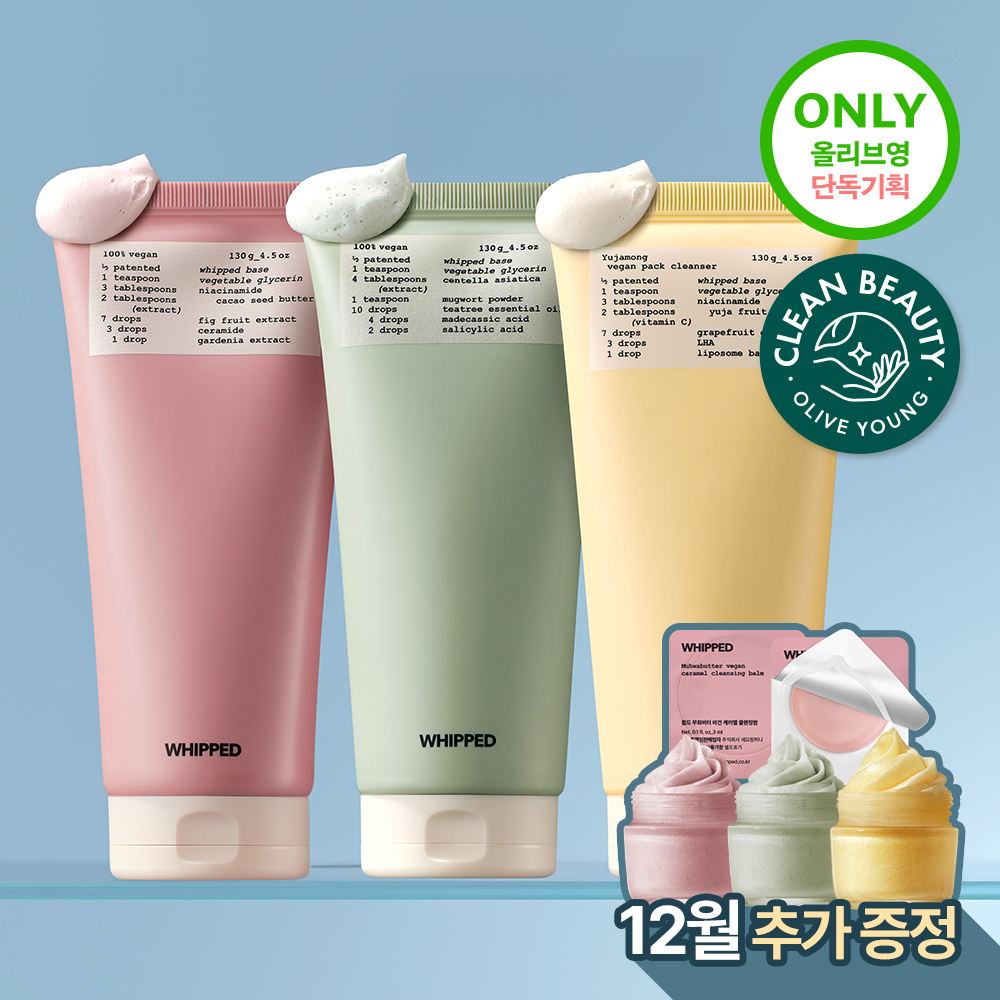
Vegan Pack Cleanser Set
Whipped
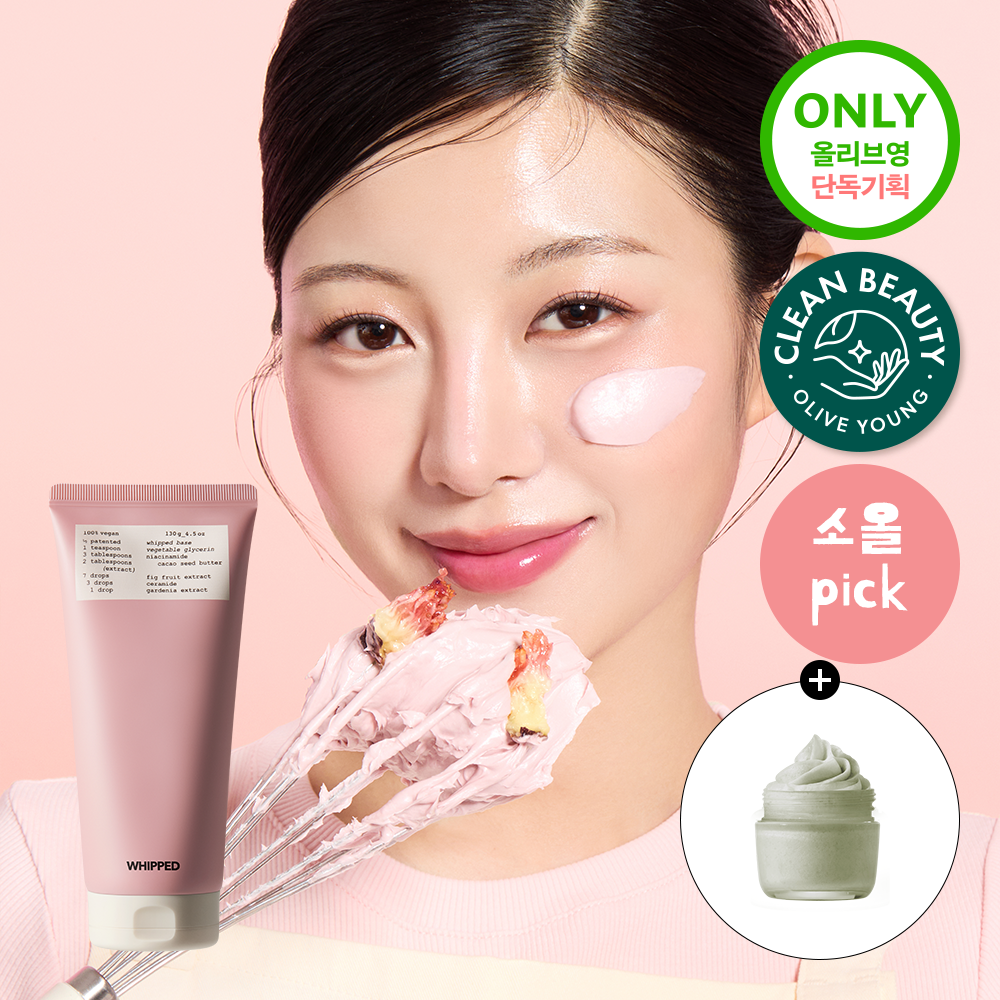
Muhwabutter Vegan Pack Cleanser Set
Whipped
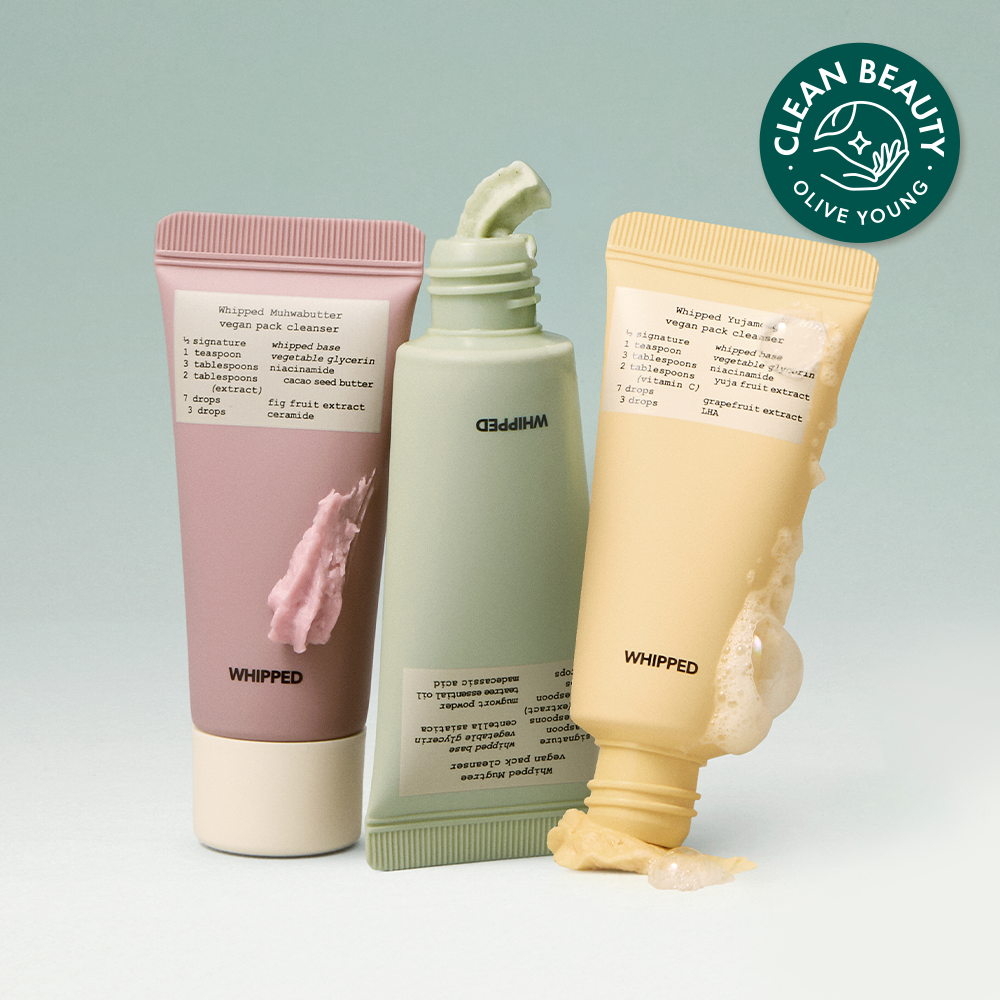
Vegan Pack Cleanser
Whipped
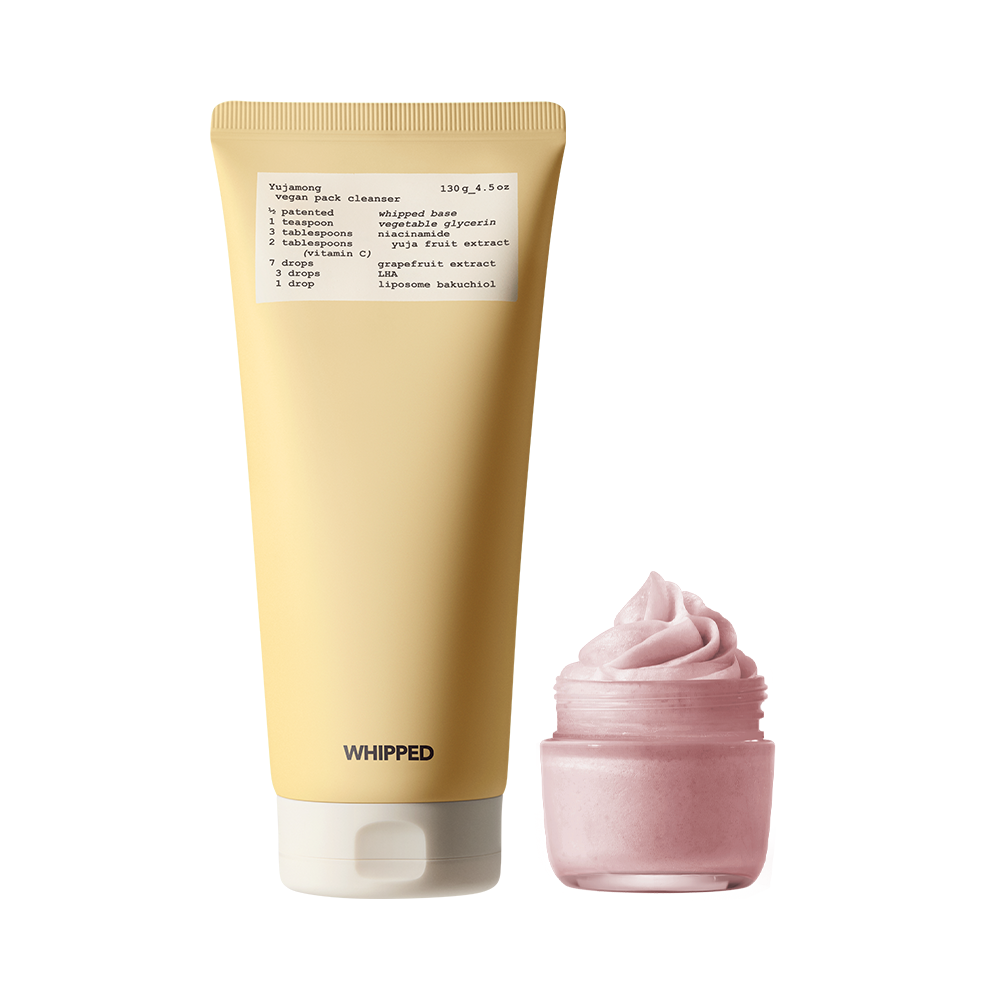
Yujamong Vegan Pack Cleanser Set
Whipped
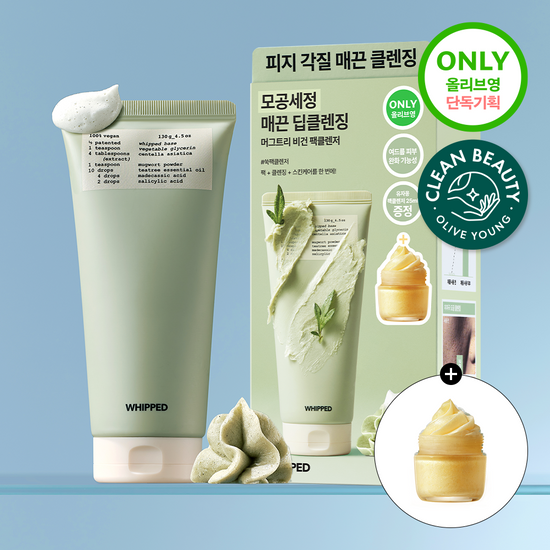
Mugtree Vegan Pack Cleanser Set
Whipped
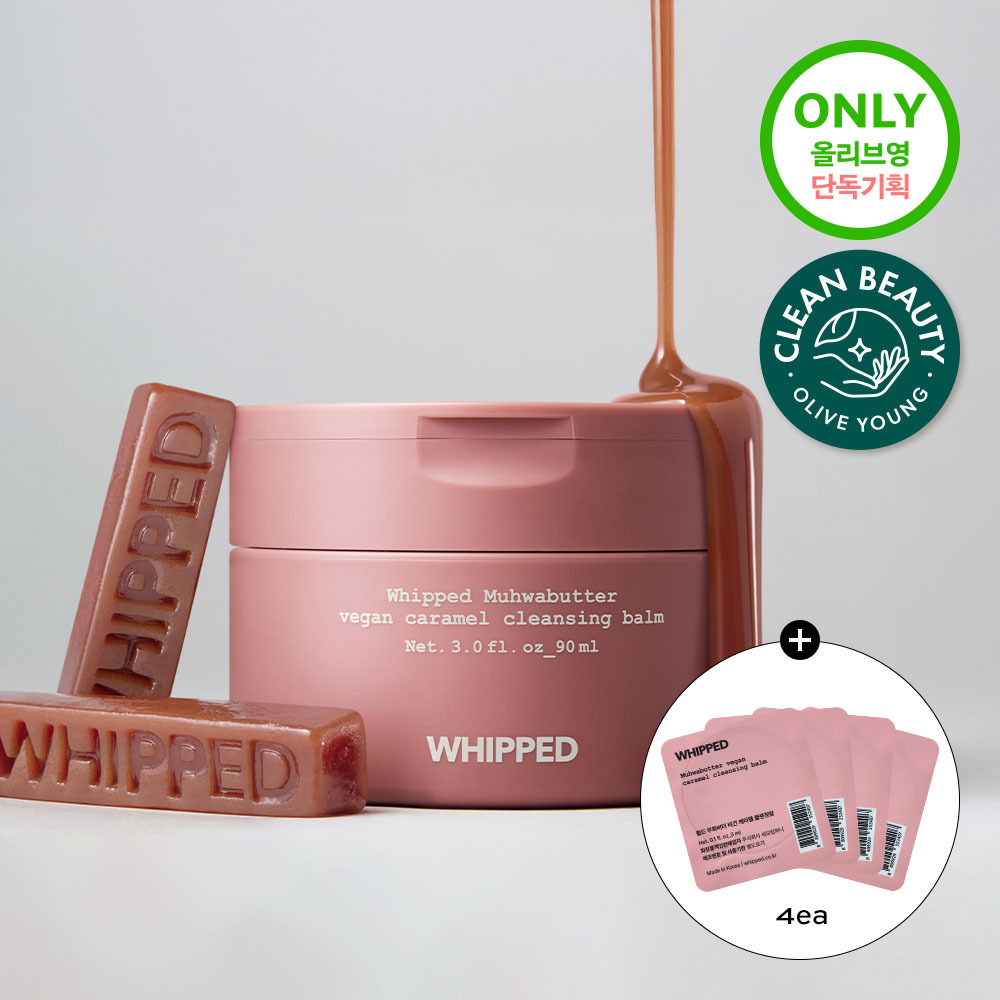
Muhwabutter Vegan Caramel Cleansing Balm
Whipped

Mugtree Vegan Pack Cleanser
Whipped
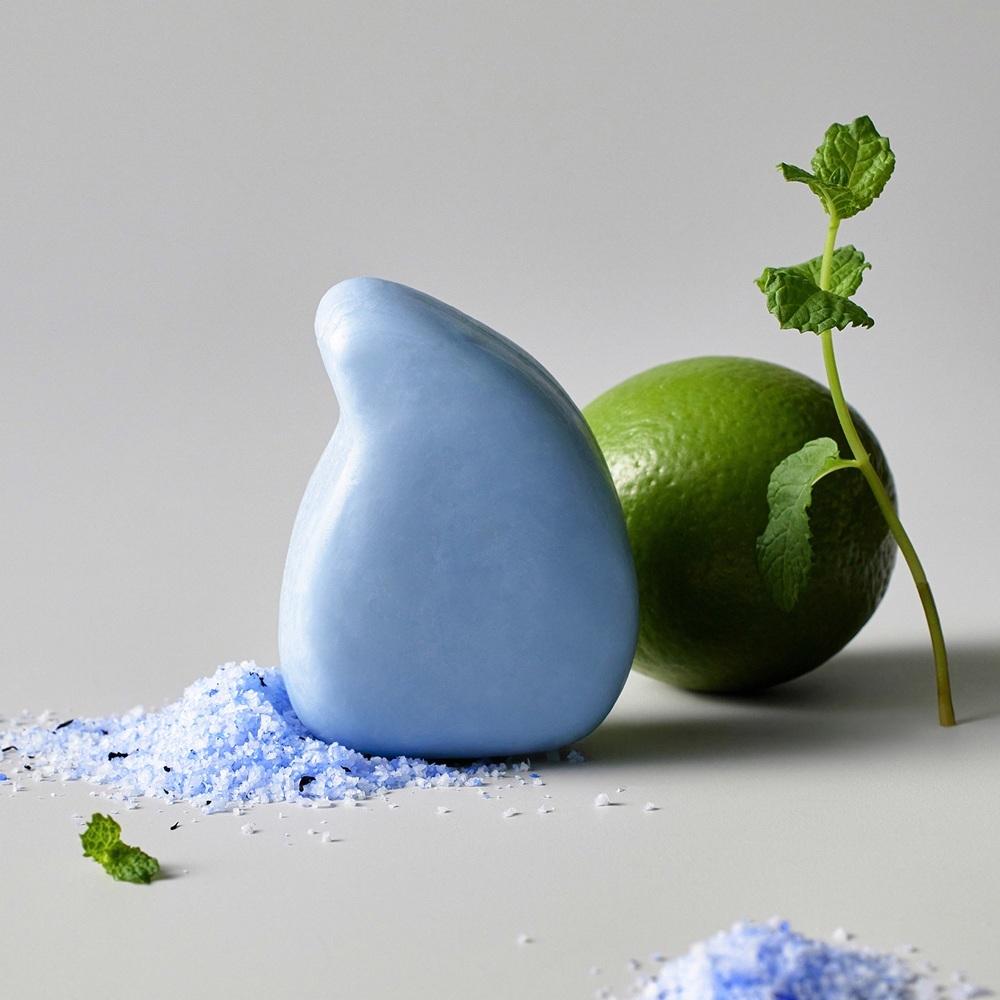
ReSaltZ Salt Massage Ocean Cleansing Bar
Beplain
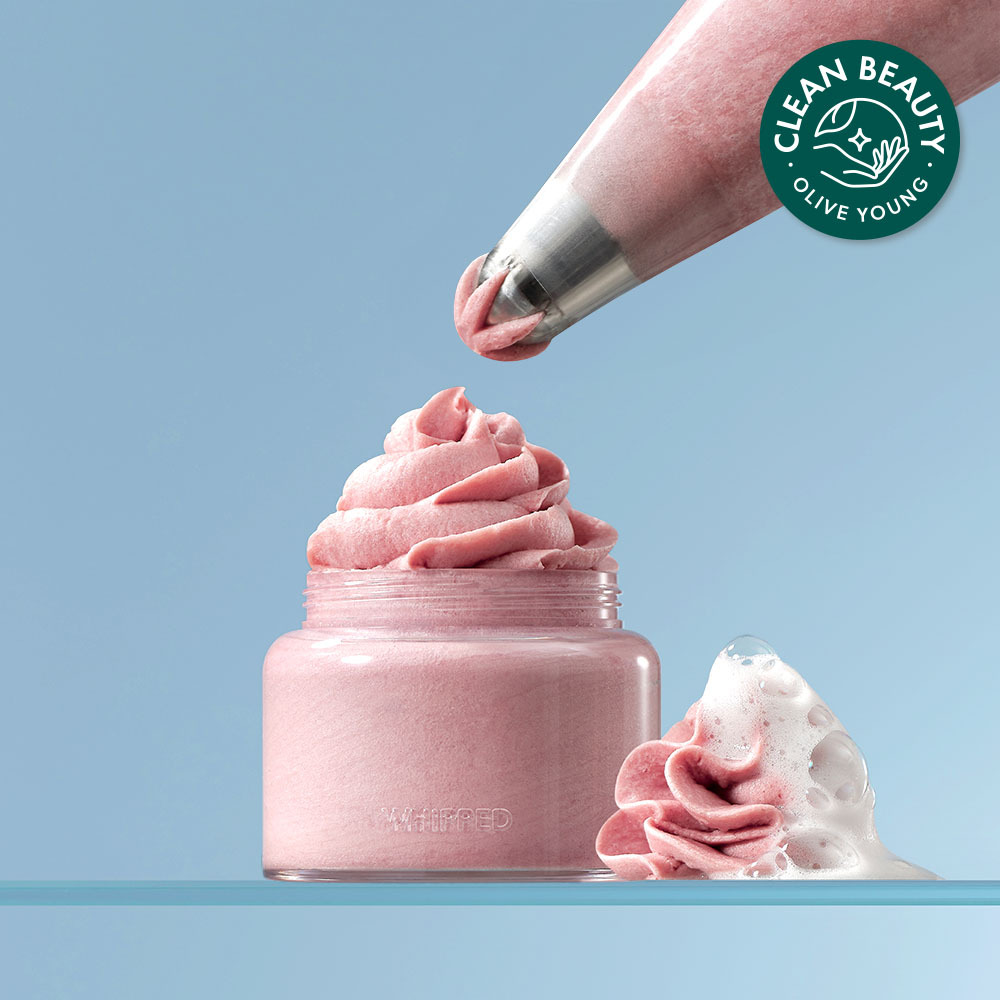
Muhwabutter Vegan Pack Cleanser
Whipped
Frequently Asked Questions
Will cocoa butter break me out if I'm acne-prone?▼
Can I use cocoa butter on my face every day?▼
Is cocoa butter better than shea butter for skincare?▼
Does cocoa butter help with scars or stretch marks?▼
Why do some cocoa butter products smell like chocolate and others don't?▼
Explore More
Want personalized ingredient advice?
Yuri, our AI beauty advisor, can tell you how Cocoa Butter works with your specific skin type, routine, and concerns.
Ask Yuri, free