Vitamin B1
INCI: Thiamine HCl
Antioxidant and skin conditioning agent
About Vitamin B1
Vitamin B1, scientifically known as thiamine hydrochloride (Thiamine HCl), is a water-soluble vitamin that has quietly become a valuable player in K-beauty formulations. While it's best known for its essential role in cellular metabolism and energy production within the body, topical application offers impressive antioxidant and skin conditioning benefits. In Korean skincare, Vitamin B1 often appears alongside other B vitamins in multivitamin complexes, working to protect skin from environmental stressors while supporting overall skin health. Its antioxidant properties help neutralize free radicals generated by UV exposure and pollution, two major concerns in Korean urban environments. Beyond protection, thiamine contributes to maintaining skin's moisture barrier and improving overall texture. The ingredient's excellent safety profile (5/5 rating) and non-comedogenic nature (0/5) make it suitable for all skin types, which explains its presence in over 105 K-beauty products ranging from cleansers to serums. Korean brands particularly value Vitamin B1 for its ability to work synergistically with other actives, enhancing the effectiveness of vitamin C, niacinamide, and other antioxidants commonly found in K-beauty routines.
How Vitamin B1 Works
At the cellular level, Vitamin B1 functions as a coenzyme in metabolic pathways, but when applied topically, its mechanism shifts to protective and conditioning actions. The thiamine molecule contains a thiazole ring that can directly scavenge reactive oxygen species (ROS), those unstable molecules that damage cellular structures and accelerate aging. By neutralizing these free radicals before they can harm skin cells, thiamine helps prevent oxidative stress that leads to collagen breakdown, hyperpigmentation, and inflammation. Additionally, Vitamin B1 supports the skin's natural barrier function by helping maintain adequate ceramide levels in the stratum corneum. It also plays a role in supporting healthy microcirculation in the skin, which can improve nutrient delivery to skin cells and enhance that coveted Korean skincare glow. When formulated with other B vitamins (like B3 or B5), thiamine creates a synergistic effect, boosting overall antioxidant capacity and moisture retention. Its water-soluble nature means it absorbs readily into the skin's aqueous layers without leaving residue or clogging pores.
Vitamin B1 by Skin Type
Oily Skin
Vitamin B1 is excellent for oily skin types due to its lightweight, water-soluble nature that won't add heaviness or contribute to congestion. Its antioxidant properties help protect sebum from oxidizing (a process that can trigger inflammation and breakouts), while its non-comedogenic profile (0/5 rating) ensures it won't clog pores even when layered with other products.
Dry Skin
For dry skin, Vitamin B1 offers gentle antioxidant protection while supporting the moisture barrier without potential irritation from stronger actives. It works particularly well in hydrating toners and serums (like the Glutathione Ampoule Toner by Skin&Lab, rated 4.8/5) where it can help lock in moisture and protect against environmental damage that further depletes skin's hydration levels.
Combo Skin
Combination skin benefits from Vitamin B1's balanced approach to skin health, providing universal antioxidant protection without disrupting the delicate balance between oily and dry zones. The ingredient works well in multi-functional products like the Double Vita Capsule Cleansing Foam by Neogen (4.9/5), which can address different needs across various facial areas without over-treating or under-treating any zone.
Sensitive Skin
Sensitive skin types can confidently incorporate Vitamin B1 thanks to its perfect 5/5 safety rating and gentle, non-irritating nature. Unlike some stronger antioxidants that can cause redness or stinging, thiamine provides protective benefits without triggering inflammation, making it ideal for reactive skin that needs defense against environmental stressors but can't tolerate aggressive ingredients.
Normal Skin
Normal skin can use Vitamin B1 as part of a preventative skincare strategy, maintaining healthy barrier function and protecting against future damage. It works beautifully in comprehensive formulas like the Bichup Ultimate Recovery Youth Serum by The Whoo (4.9/5), where it contributes to overall skin vitality without risk of disrupting an already balanced complexion.
How to Use Vitamin B1
- 1Layer Vitamin B1 products early in your routine, after cleansing and toning but before heavier serums, since its water-soluble nature allows it to penetrate effectively when applied to damp skin.
- 2Pair with vitamin C serums (like the Green Citrus Vitamin C Serum+ by Luvum, rated 5.0/5) for enhanced antioxidant protection, as B vitamins can help stabilize and boost the effectiveness of ascorbic acid.
- 3Use products containing Vitamin B1 both morning and night, as its gentle nature and protective benefits make it suitable for twice-daily application without risk of over-treatment.
- 4For maximum antioxidant defense, apply Vitamin B1 products before sun exposure to help neutralize free radicals generated by UV radiation throughout the day, complementing your sunscreen's protective effects.
Background
Thiamine was first isolated in 1926 by Dutch chemist Barend Coenraad Petrus Jansen, who extracted it from rice bran while researching beriberi, a disease caused by B1 deficiency. This discovery earned thiamine its name from the Greek word 'thio' (sulfur) due to its sulfur-containing structure. While thiamine has been used in oral supplements for decades, its application in skincare is relatively recent, gaining traction in the 2000s as researchers explored the topical benefits of B-complex vitamins. Korean beauty brands were among the early adopters of including thiamine in skincare formulations, recognizing its potential as a gentle yet effective antioxidant suitable for the multi-step K-beauty routine. The ingredient's rise in K-beauty specifically connects to the Korean emphasis on prevention and barrier health rather than aggressive treatment, with thiamine fitting perfectly into this philosophy of gentle, sustained care.
K-Beauty Products with Vitamin B1
View all 111 →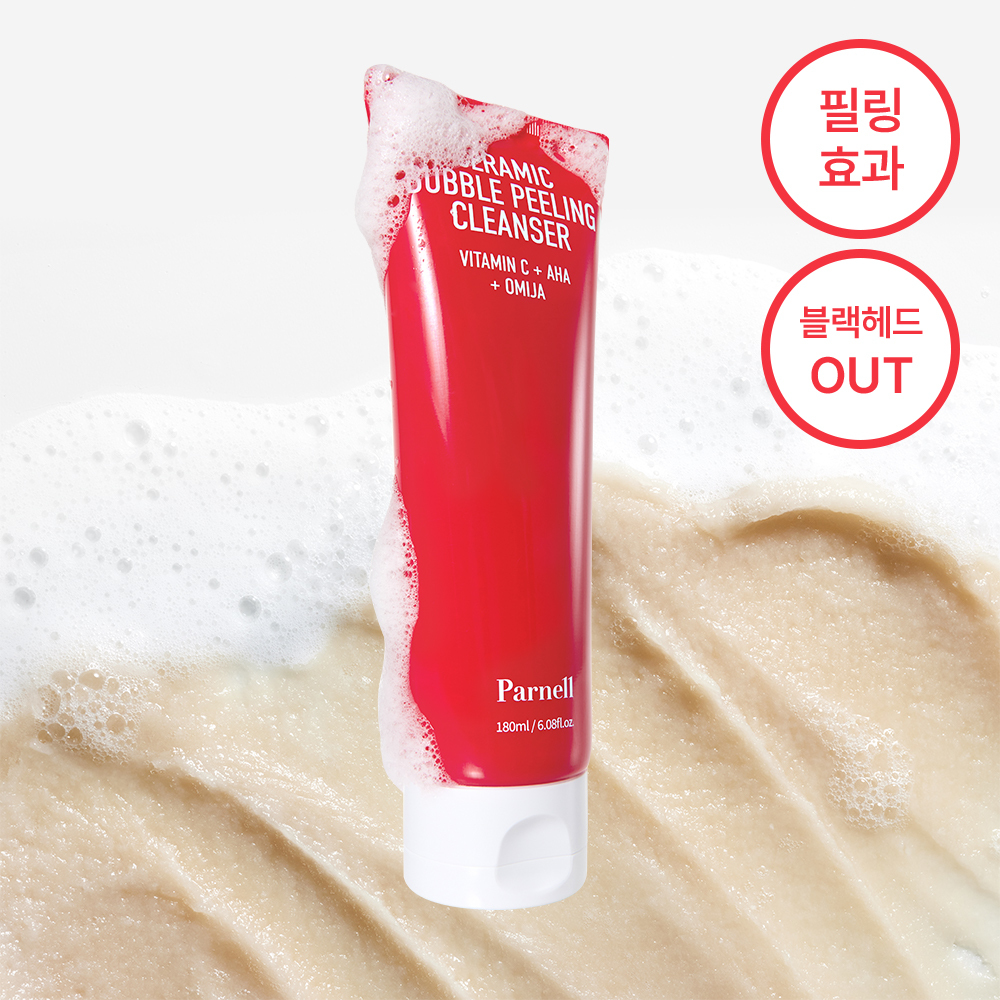
Ceramic Bubble Peeling Cleanser
Parnell
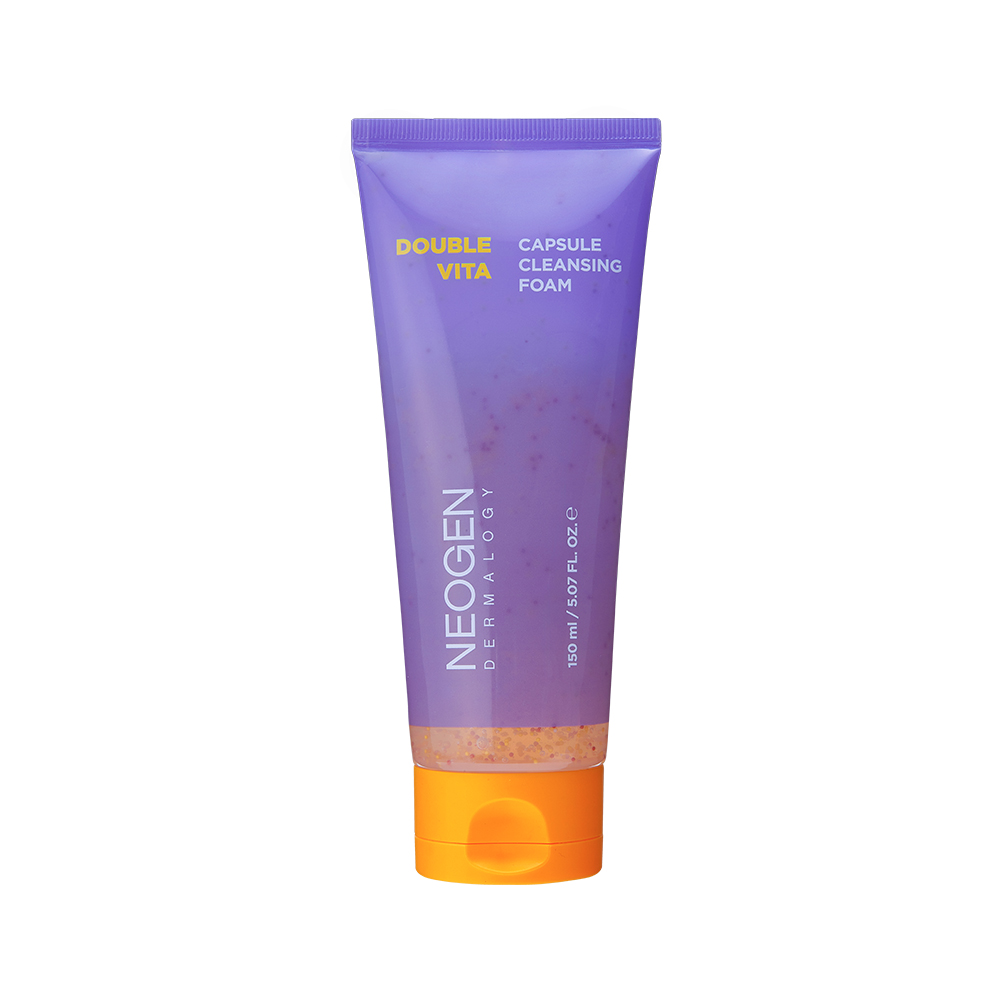
Double Vita Capsule Cleansing Foam
Neogen
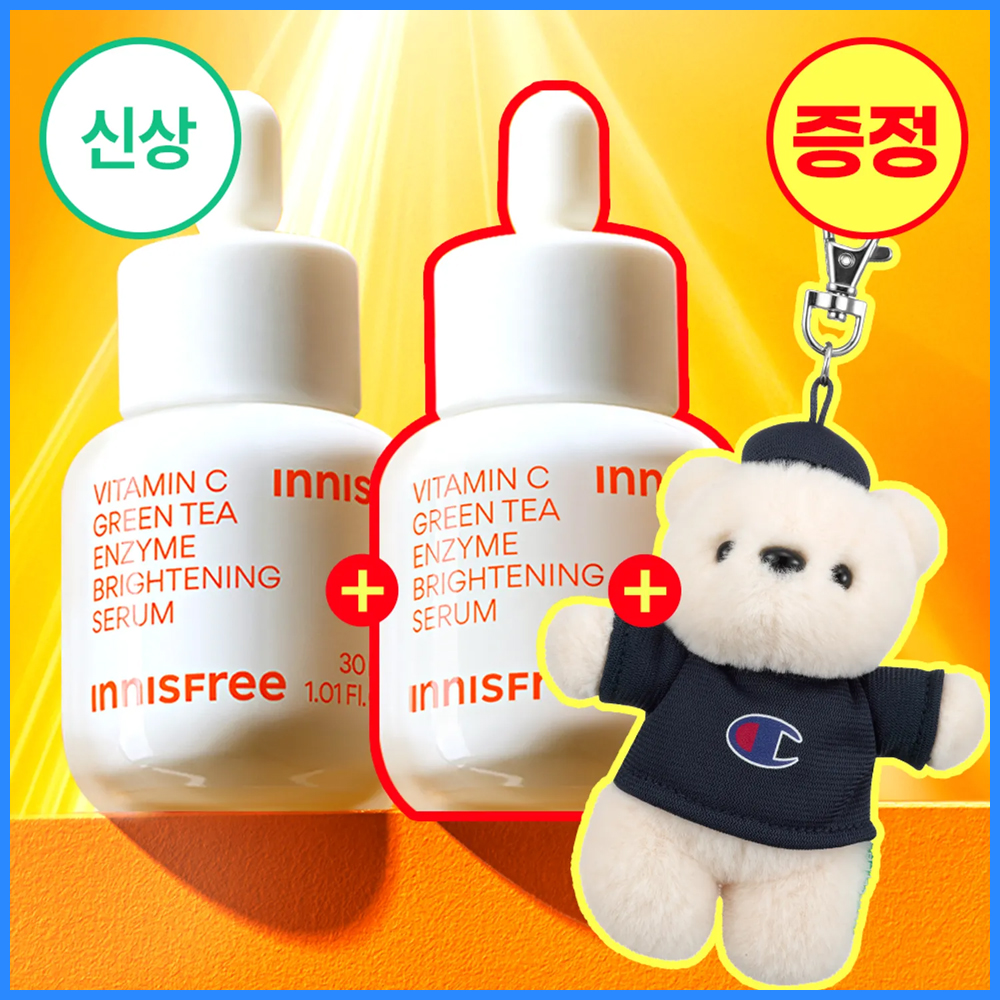
Vitamin C Green Tea Enzyme Brightening Serum
Innisfree
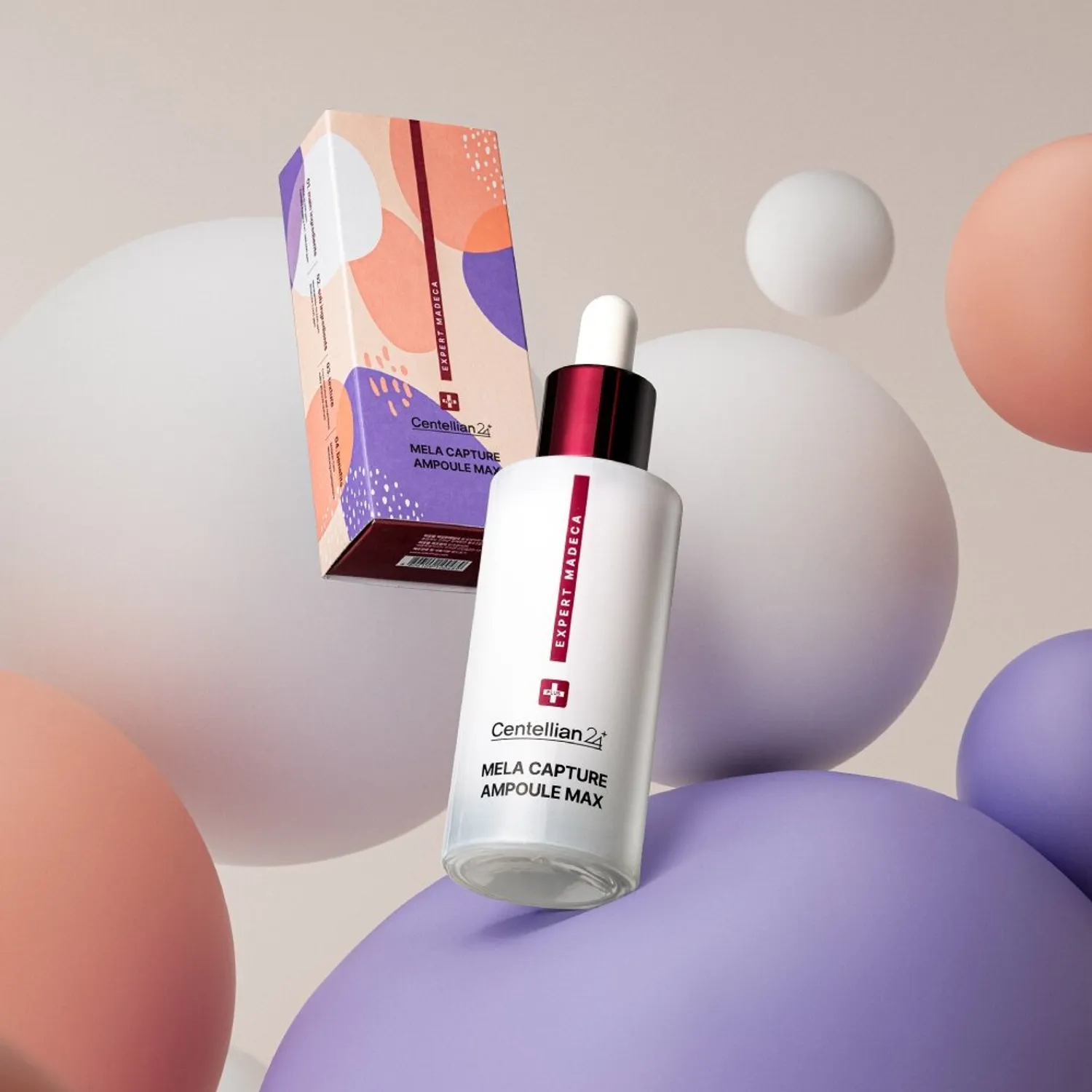
Expert Madeca Mela Capture Ampoule Max
Centellian24
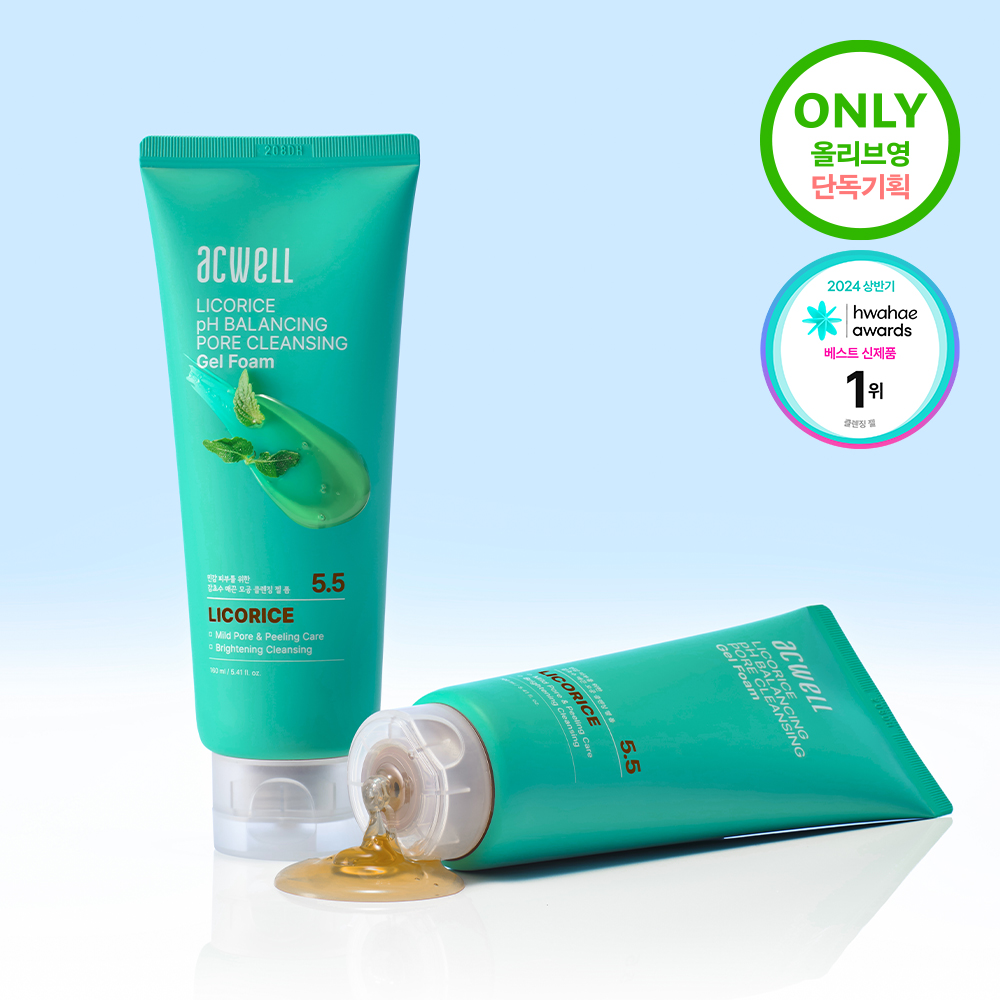
Licorice pH Balancing Pore Cleansing Gel Foam Double Set
Acwell
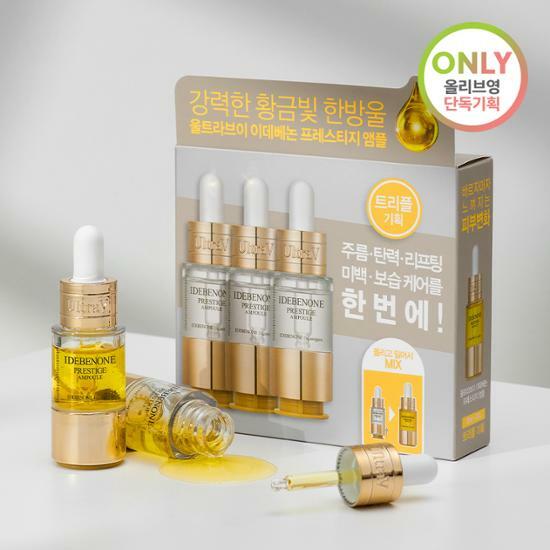
Ultra V Idebenone Prestige Ampoule 3ea
Anua
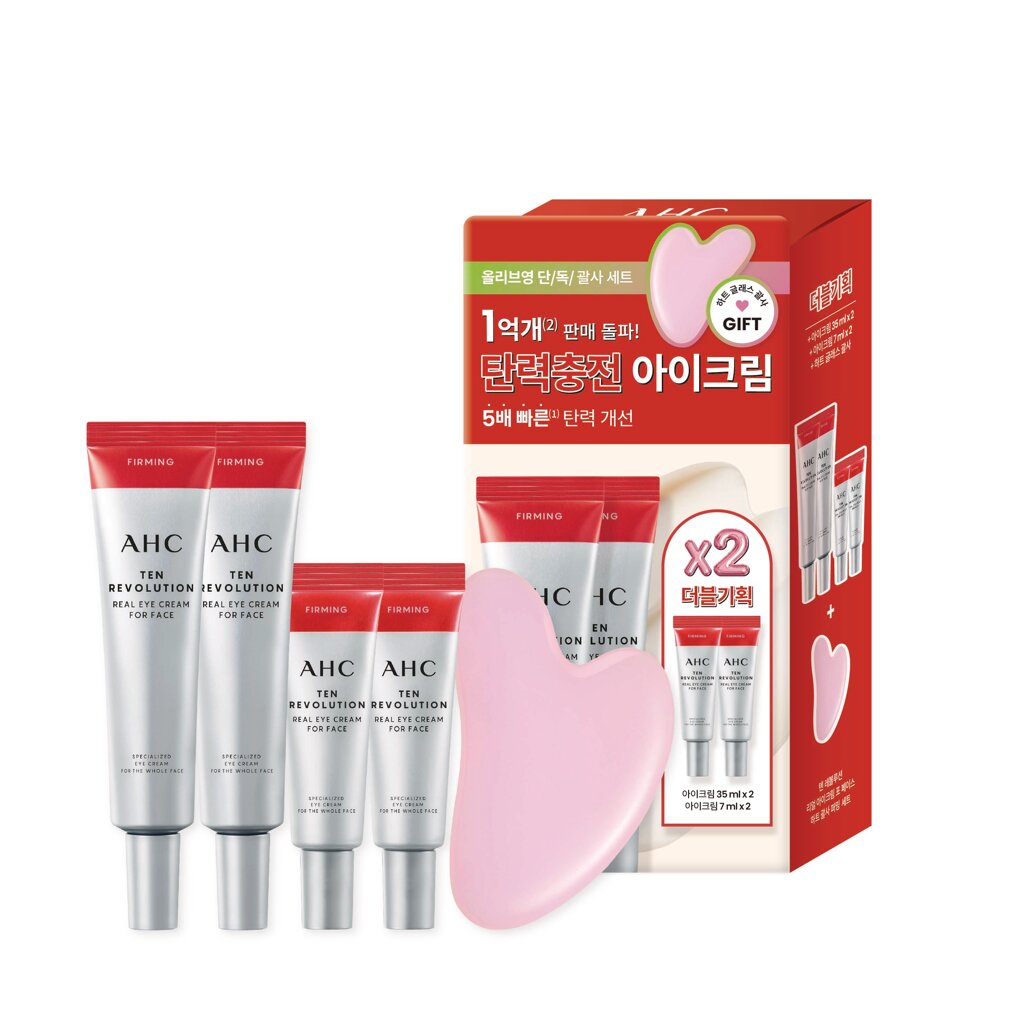
10 Revolution Real Eye Cream For Face
AHC
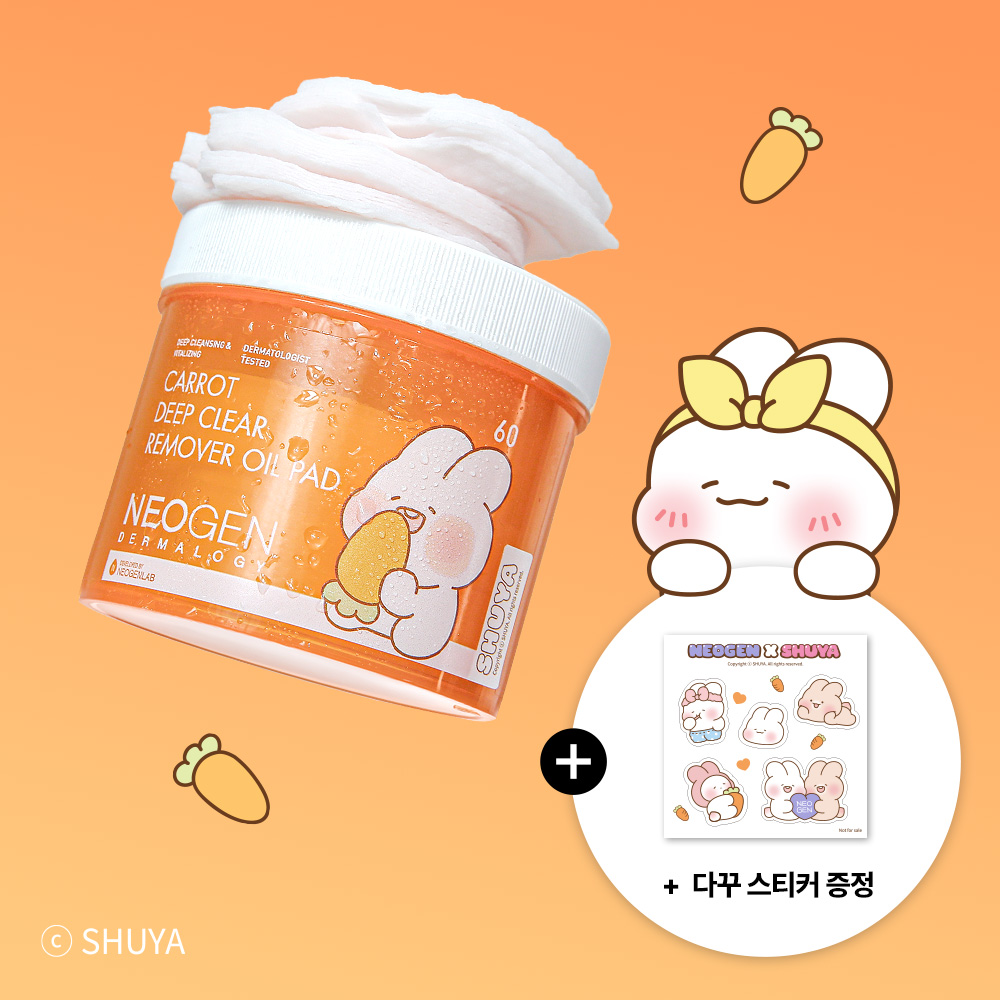
Dermalogy Carrot Deep Clear Remover Oil Pad
Neogen
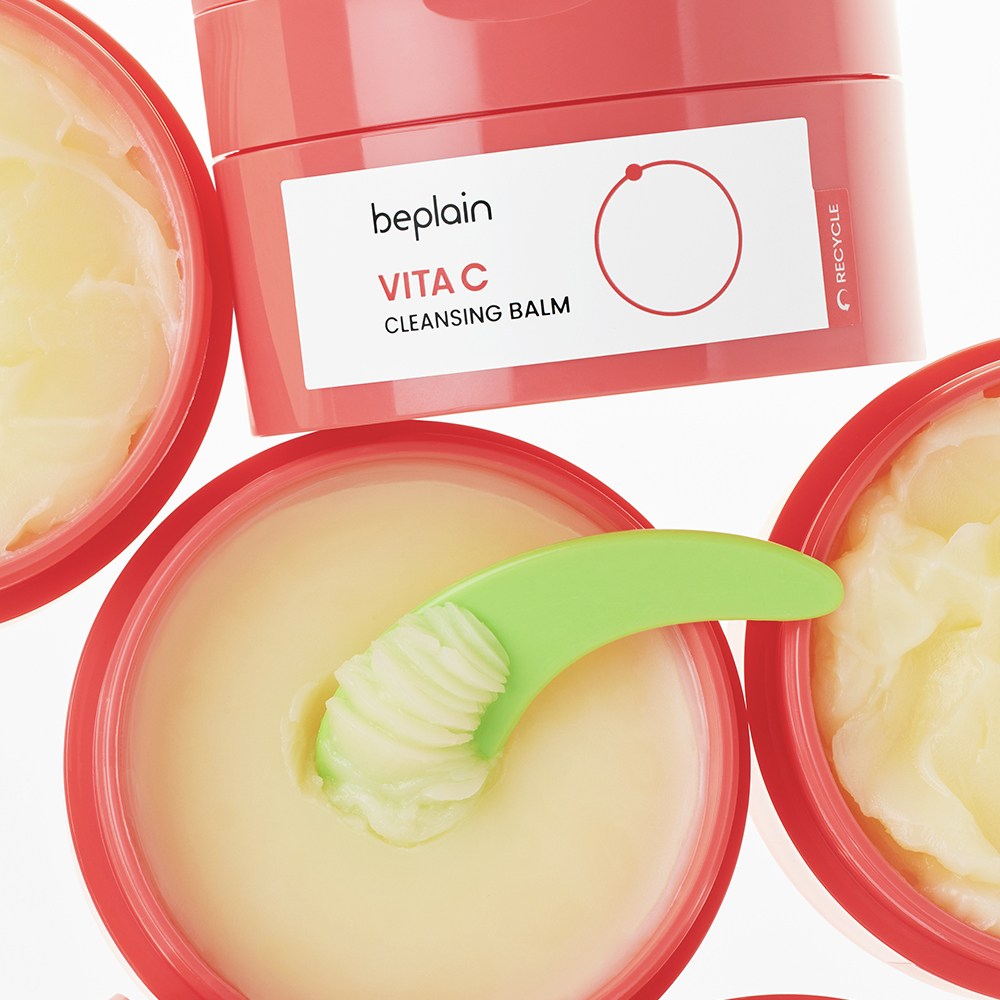
Vita C Cleansing Balm
Beplain
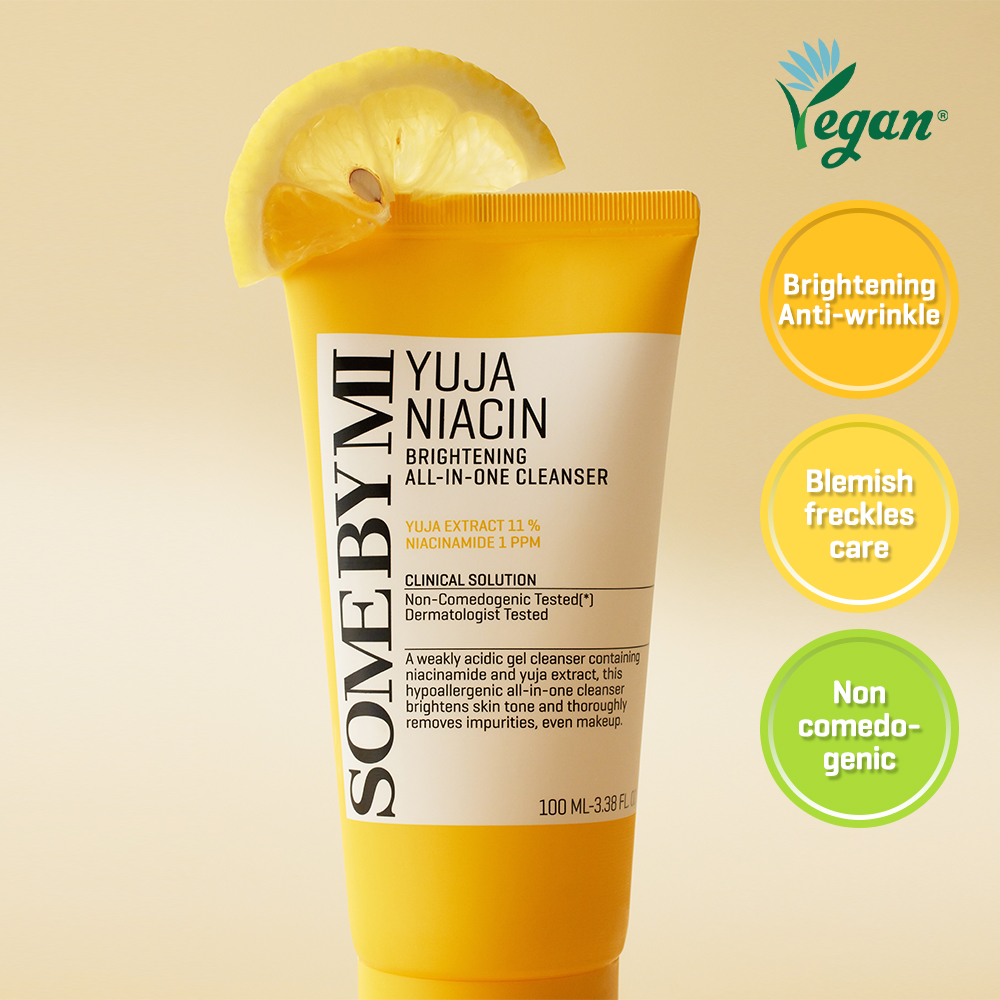
Yuja Niacin Brightening All In One Cleanser
Some By Mi
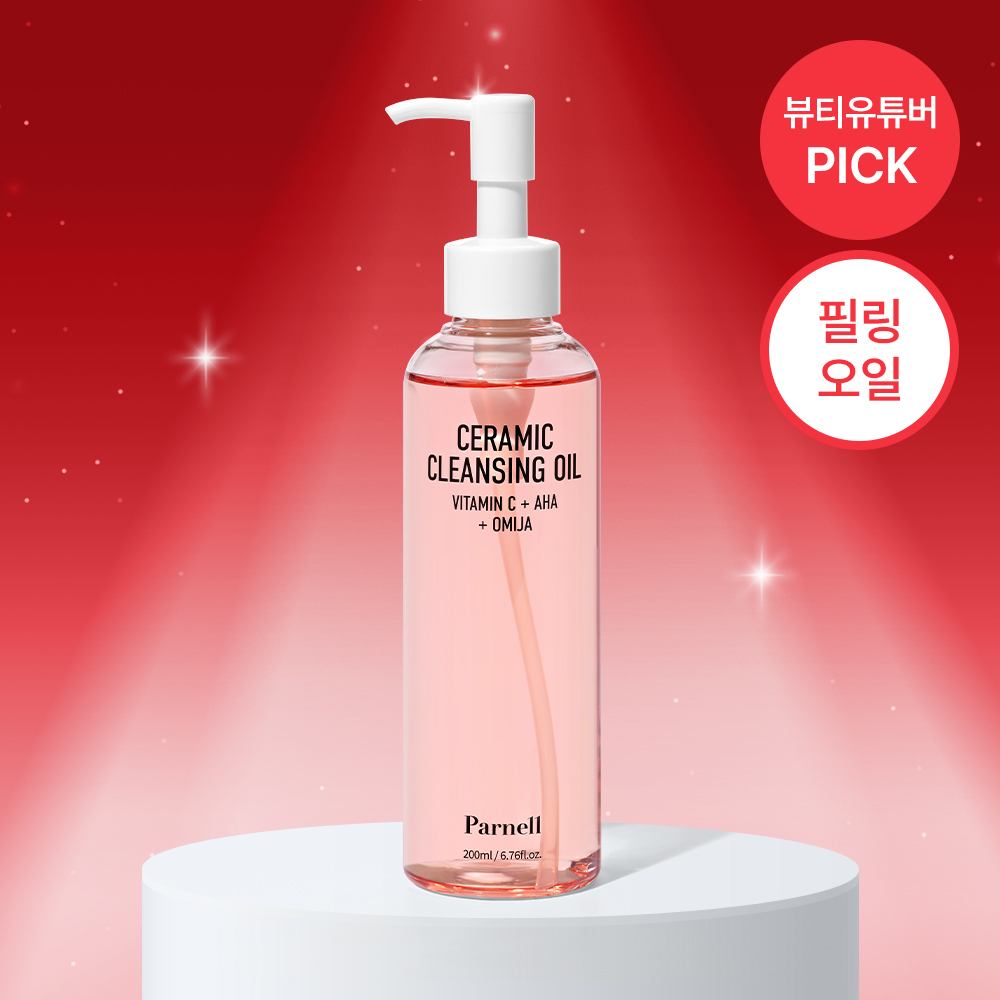
Ceramic Cleansing Oil
Parnell
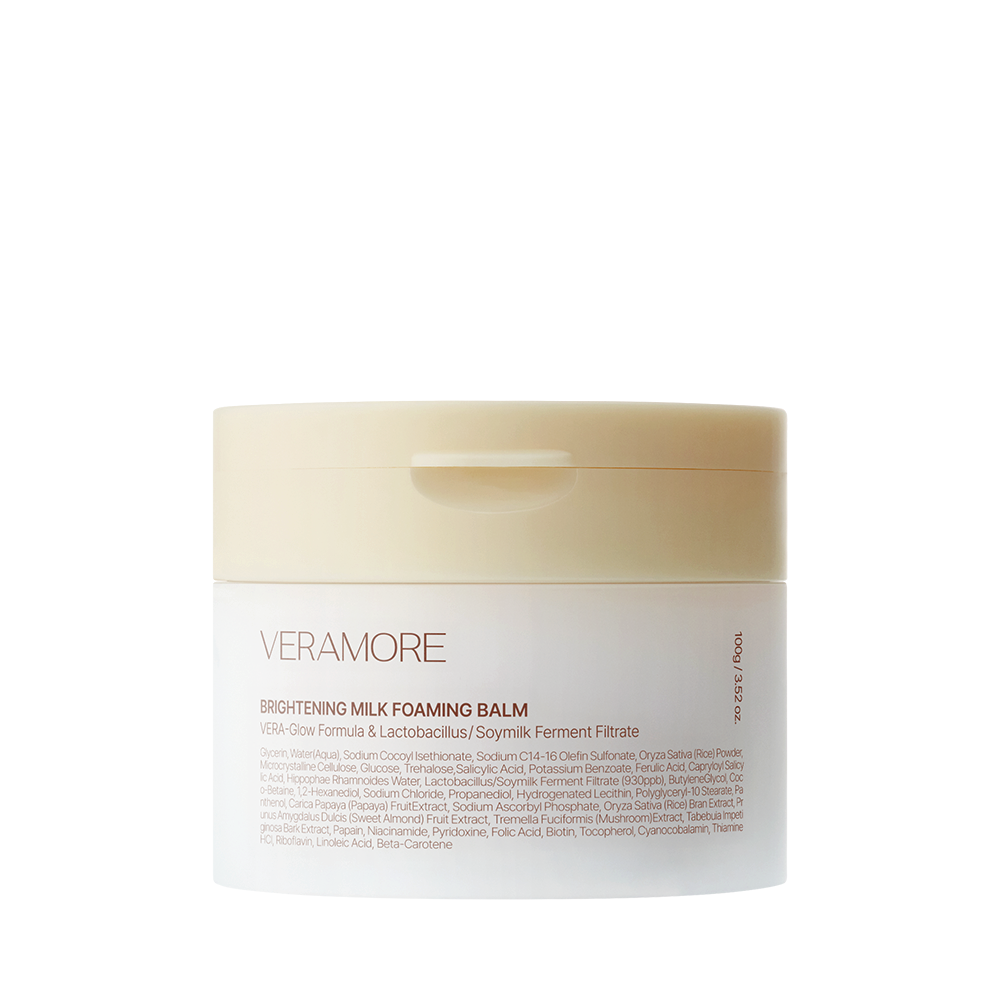
Veramore Brightening Milk Foaming Balm
Banila Co
Frequently Asked Questions
Can Vitamin B1 replace vitamin C in my routine?▼
Is Vitamin B1 effective enough to see visible results?▼
Can I use Vitamin B1 if I'm pregnant or breastfeeding?▼
Does Vitamin B1 help with acne or breakouts?▼
Explore More
Want personalized ingredient advice?
Yuri, our AI beauty advisor, can tell you how Vitamin B1 works with your specific skin type, routine, and concerns.
Ask Yuri, free