Alpha Lipoic Acid
INCI: Thioctic Acid
Antioxidant that reduces inflammation and improves skin texture
About Alpha Lipoic Acid
Alpha Lipoic Acid (ALA), also known by its INCI name Thioctic Acid, is a powerful antioxidant that works both in water and oil-based environments, making it uniquely effective at penetrating all layers of skin. Unlike most antioxidants that only function in one medium, ALA's dual solubility allows it to neutralize free radicals throughout the skin barrier and even inside cells. In K-beauty formulations, it's prized for its ability to reduce visible signs of aging, minimize pore appearance, and create a smoother, more refined skin texture. The ingredient gained traction in Korean skincare around 2015 when brands started combining it with vitamin C and niacinamide for comprehensive brightening and anti-aging benefits. Alpha Lipoic Acid also helps regenerate other antioxidants like vitamins C and E after they've been oxidized, essentially recycling them back into active form. This makes it an excellent supporting player in multi-ingredient serums and creams. With a safety rating of 4 out of 5 and a comedogenic rating of 0, it's considered safe for most skin types and won't clog pores. Currently found in 34 K-beauty products on Seoul Sister, ALA appears in everything from targeted spot treatments to comprehensive anti-aging systems, often paired with other brightening actives for synergistic effects.
How Alpha Lipoic Acid Works
Alpha Lipoic Acid functions at the cellular level by neutralizing reactive oxygen species (ROS) that damage collagen, DNA, and cell membranes. Its small molecular size (206 Da) allows it to penetrate deeply into skin tissue, unlike larger antioxidants that remain on the surface. Once inside cells, ALA chelates metal ions like iron and copper that catalyze oxidative reactions, effectively stopping chain reactions of damage before they start. The ingredient also upregulates the body's natural antioxidant production by activating the Nrf2 pathway, which triggers genes responsible for creating glutathione and other protective compounds. This means ALA doesn't just neutralize existing damage but helps skin build its own defense system. Additionally, ALA inhibits the activation of NF-kB, a protein complex that triggers inflammatory responses. By calming this pathway, it reduces redness and helps prevent the collagen breakdown that leads to wrinkles and enlarged pores. The ingredient also improves glucose metabolism in skin cells, which enhances cellular energy production and promotes faster repair and regeneration. This metabolic boost is why users often notice improved texture and firmness within weeks of consistent use.
Alpha Lipoic Acid by Skin Type
Oily Skin
Alpha Lipoic Acid works exceptionally well for oily skin because it helps regulate sebum production through its anti-inflammatory effects and doesn't add any occlusive properties that could trap oil. The ingredient's ability to tighten pores through collagen support creates a smoother surface that reflects less light from enlarged openings. Its zero comedogenic rating means it won't contribute to breakouts even when used daily in serum or cream form.
Dry Skin
While Alpha Lipoic Acid itself isn't hydrating, it supports dry skin by protecting the lipid barrier from oxidative damage that can increase transepidermal water loss. Look for formulations that pair ALA with moisturizing ingredients like hyaluronic acid or ceramides, as some users with very dry skin report mild tingling if using it alone. The ingredient's anti-inflammatory properties also help calm the irritation that often accompanies dehydrated skin.
Combo Skin
Combination skin benefits significantly from Alpha Lipoic Acid because it addresses multiple concerns without overloading any particular zone. It can reduce oiliness in the T-zone while protecting drier cheek areas from environmental damage, making it ideal for Korean skincare routines that layer multiple products. Apply it after toner but before heavier creams to ensure even distribution across different facial zones.
Sensitive Skin
Alpha Lipoic Acid can be beneficial for sensitive skin due to its anti-inflammatory properties, but some people experience tingling or temporary redness, especially at higher concentrations. Start with products that contain ALA lower in the ingredient list (like ONE THING's Niacinamide Glutathione Cream) and use it every other day initially to assess tolerance. The ingredient's ability to calm NF-kB inflammatory pathways can actually reduce sensitivity over time once skin adapts.
Normal Skin
Normal skin types can use Alpha Lipoic Acid preventatively to maintain youthful texture and defend against environmental aging. It's an excellent maintenance ingredient that works quietly in the background, protecting collagen and preventing the oxidative damage that gradually compromises even healthy skin. Normal skin typically tolerates ALA well at any concentration, making it easy to incorporate into both morning and evening routines.
How to Use Alpha Lipoic Acid
- 1Start with products where Alpha Lipoic Acid appears mid-list in ingredients (like Numbuzin's No. 9 NAD Bio Lifting-sil Essence) before progressing to formulations where it's a star ingredient to build tolerance.
- 2Apply ALA products to damp skin after cleansing and toning to enhance penetration, but wait 30 seconds before layering other actives to prevent potential tingling from pH interactions.
- 3Store Alpha Lipoic Acid products in a cool, dark place and replace them within 6 months of opening, as the ingredient can oxidize and lose effectiveness when exposed to light and air repeatedly.
- 4Pair with vitamin C serums (like Goodal's Green Tangerine Vita-C Dark Spot Care Serum) in the morning for enhanced antioxidant protection, since ALA helps regenerate oxidized vitamin C back into active form.
- 5If you experience tingling, reduce frequency to every other day and ensure you're using a gentle, pH-balanced cleanser, as ALA works best at slightly acidic pH levels and can feel more intense on compromised barriers.
Background
Alpha Lipoic Acid was first isolated from beef liver in 1951 by American biochemist Lester Reed, who discovered its crucial role in cellular energy production. For decades, it remained primarily in the medical field as a treatment for diabetic neuropathy in Germany, where it's still prescribed as a pharmaceutical. The ingredient crossed into cosmetic use in the late 1990s when Dr. Nicholas Perricone popularized it as an anti-aging powerhouse in American dermatology. K-beauty brands adopted ALA around 2015, integrating it into their science-driven formulations alongside niacinamide and fermented ingredients. Korean chemists recognized its unique dual solubility made it perfect for essence and ampoule formats that prioritize deep penetration. Today, it appears in sophisticated multi-active formulations like Redence's Tone & Spot Recovery Cream and It's Skin's Dr. Savers Vita Glow Serum, where its regenerative properties complement other brightening and firming ingredients in comprehensive skincare systems.
K-Beauty Products with Alpha Lipoic Acid
View all 39 →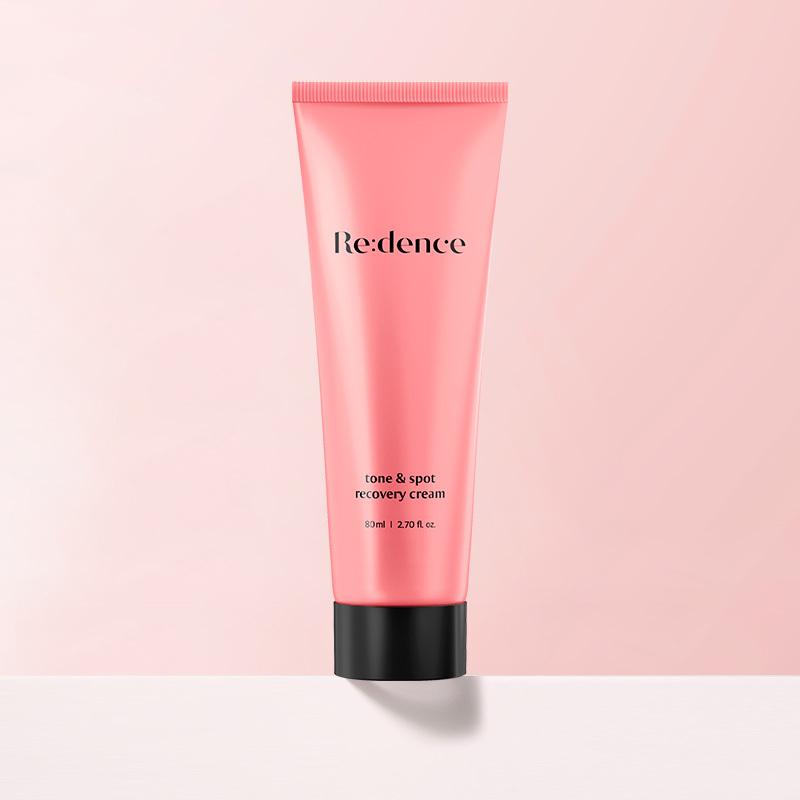
Tone & Spot Recovery Cream
Redence
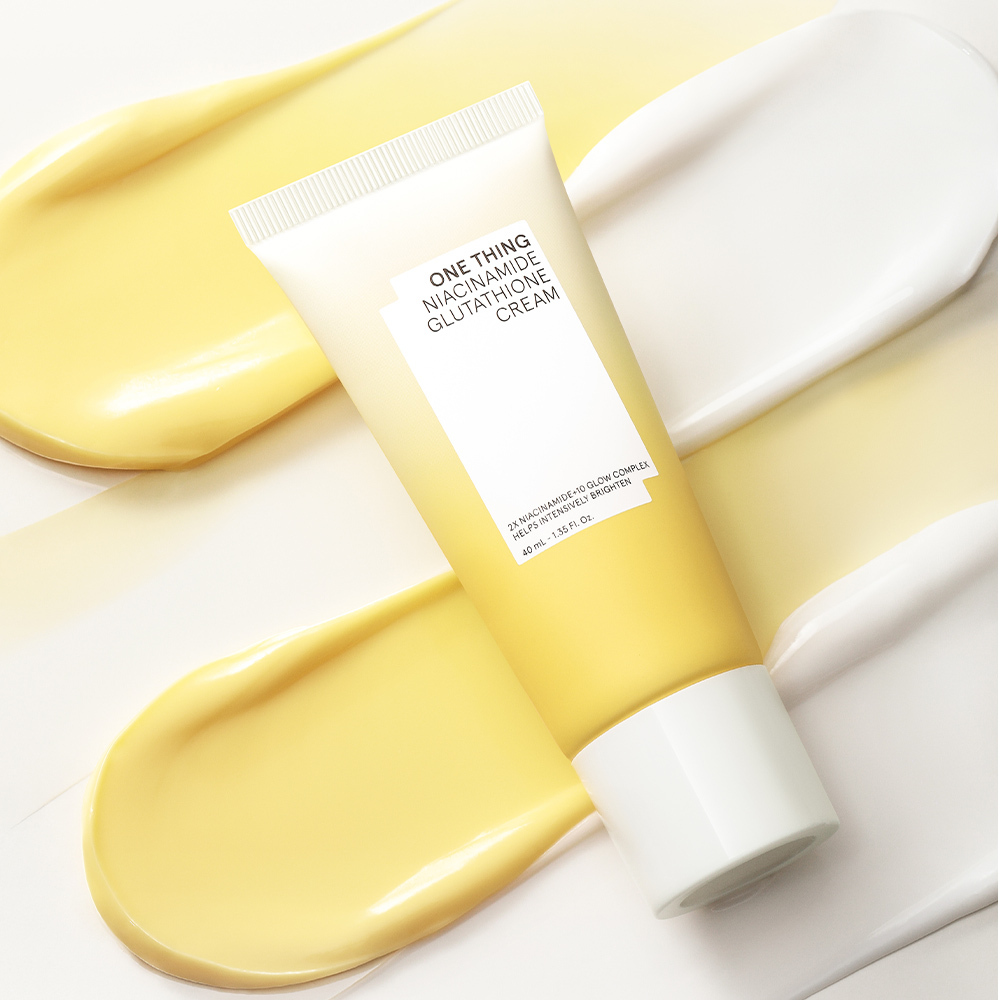
Niacinamide Glutathione Cream
ONE THING

No. 9 NAD Bio Lifting-sil Essence
Numbuzin
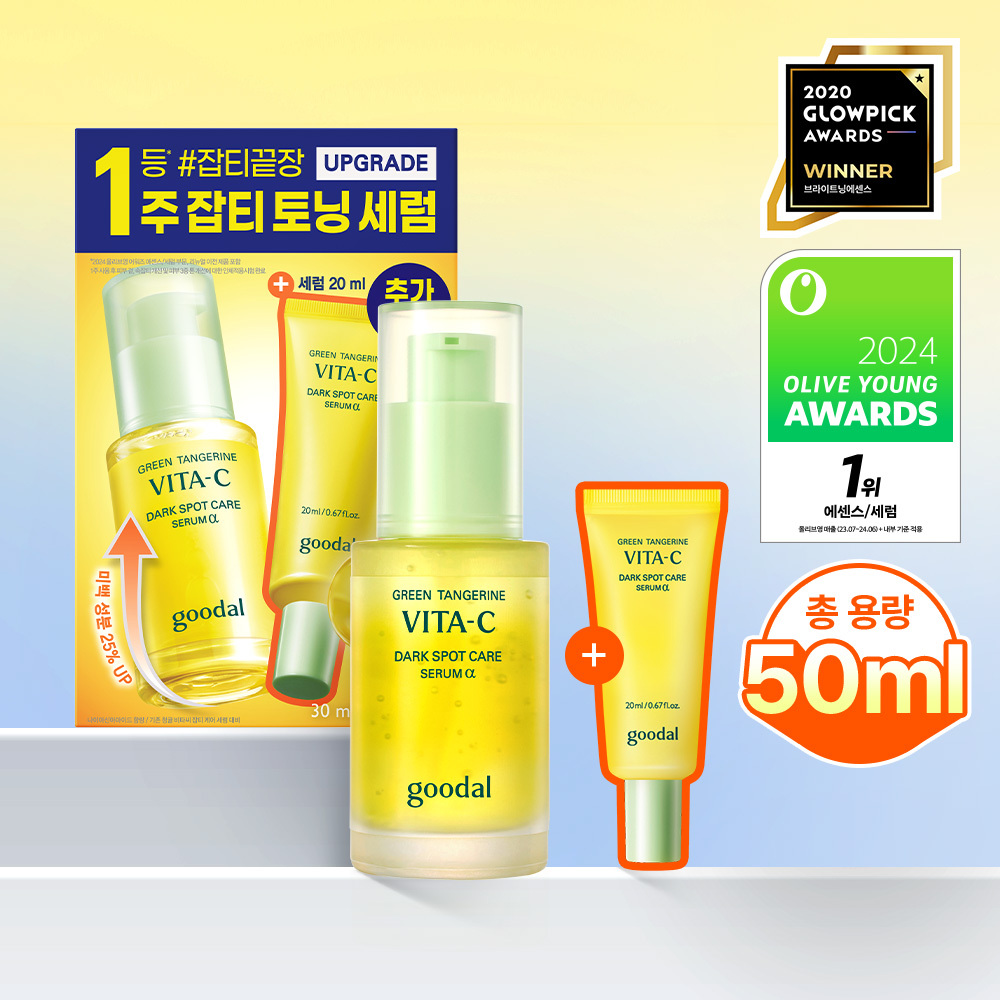
Green Tangerine Vita-C Dark Spot Care Serum α
Goodal
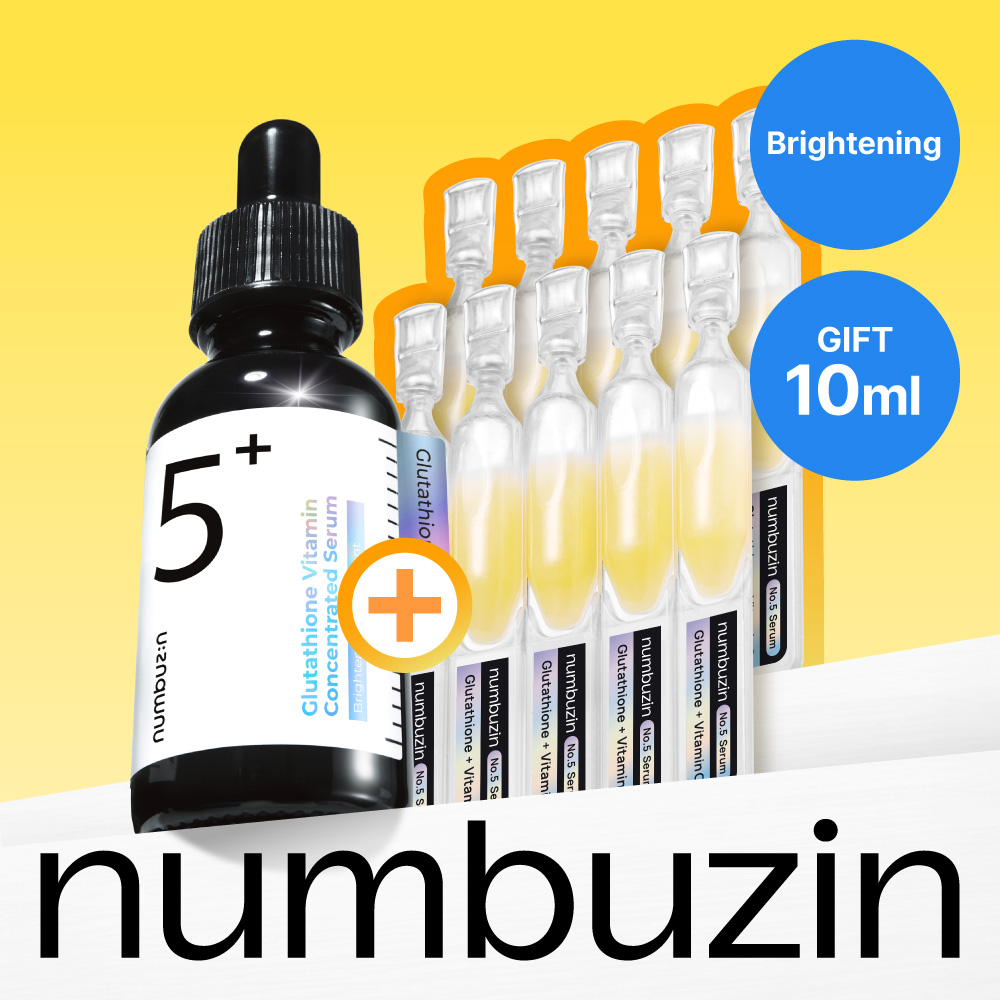
No. 5 Glutathione Vitamin Concentrated Serum
Numbuzin
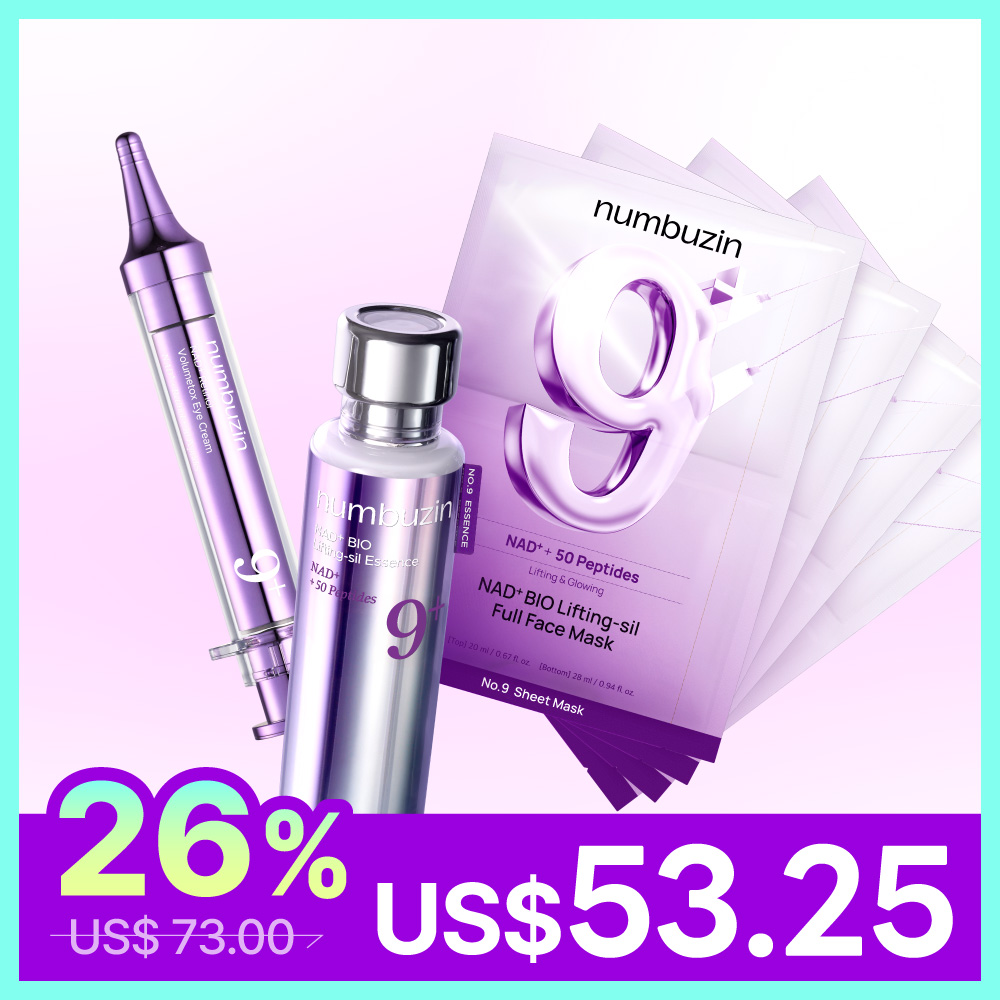
No. 9 NAD Ultimate Lifting Set
Numbuzin
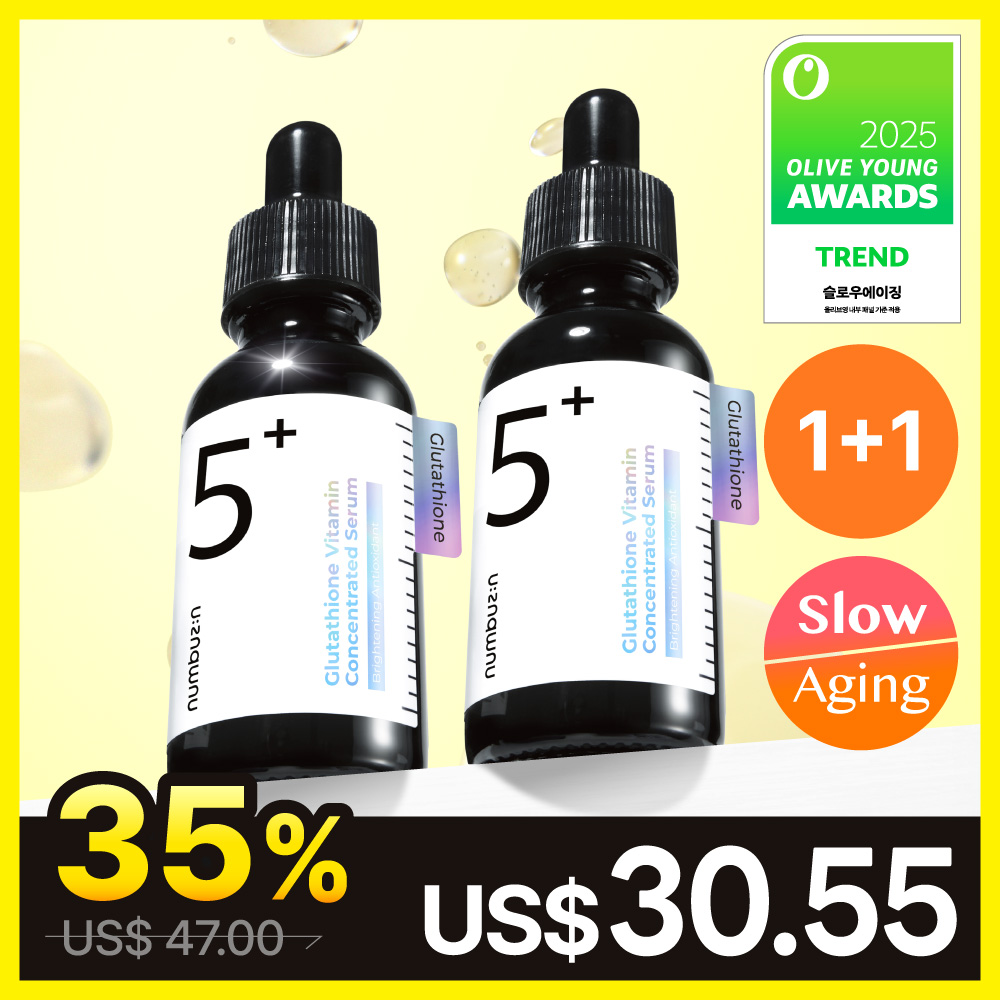
No.5+ Vitamin Concentrated Serum Duo Set
Numbuzin
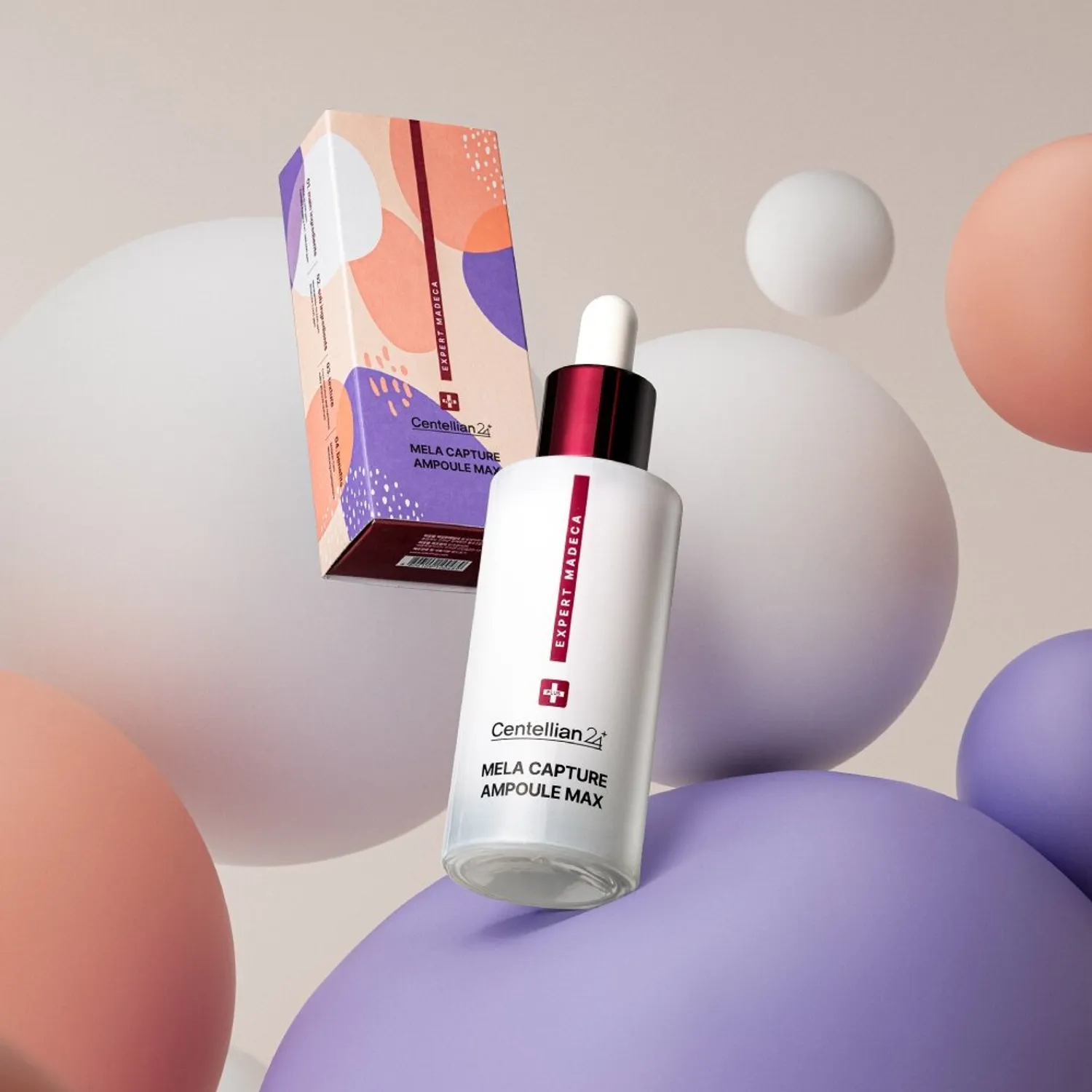
Expert Madeca Mela Capture Ampoule Max
Centellian24
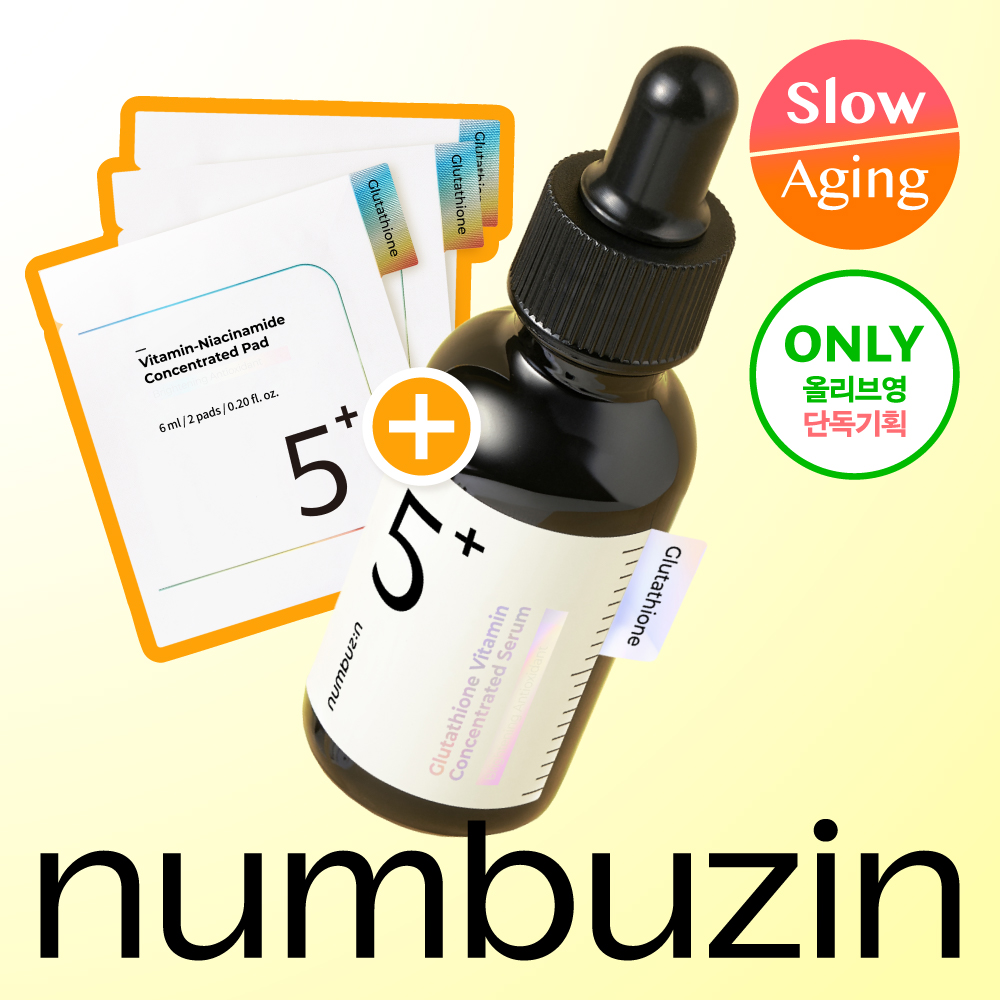
No.5+ Vitamin Concentrated Serum
Numbuzin
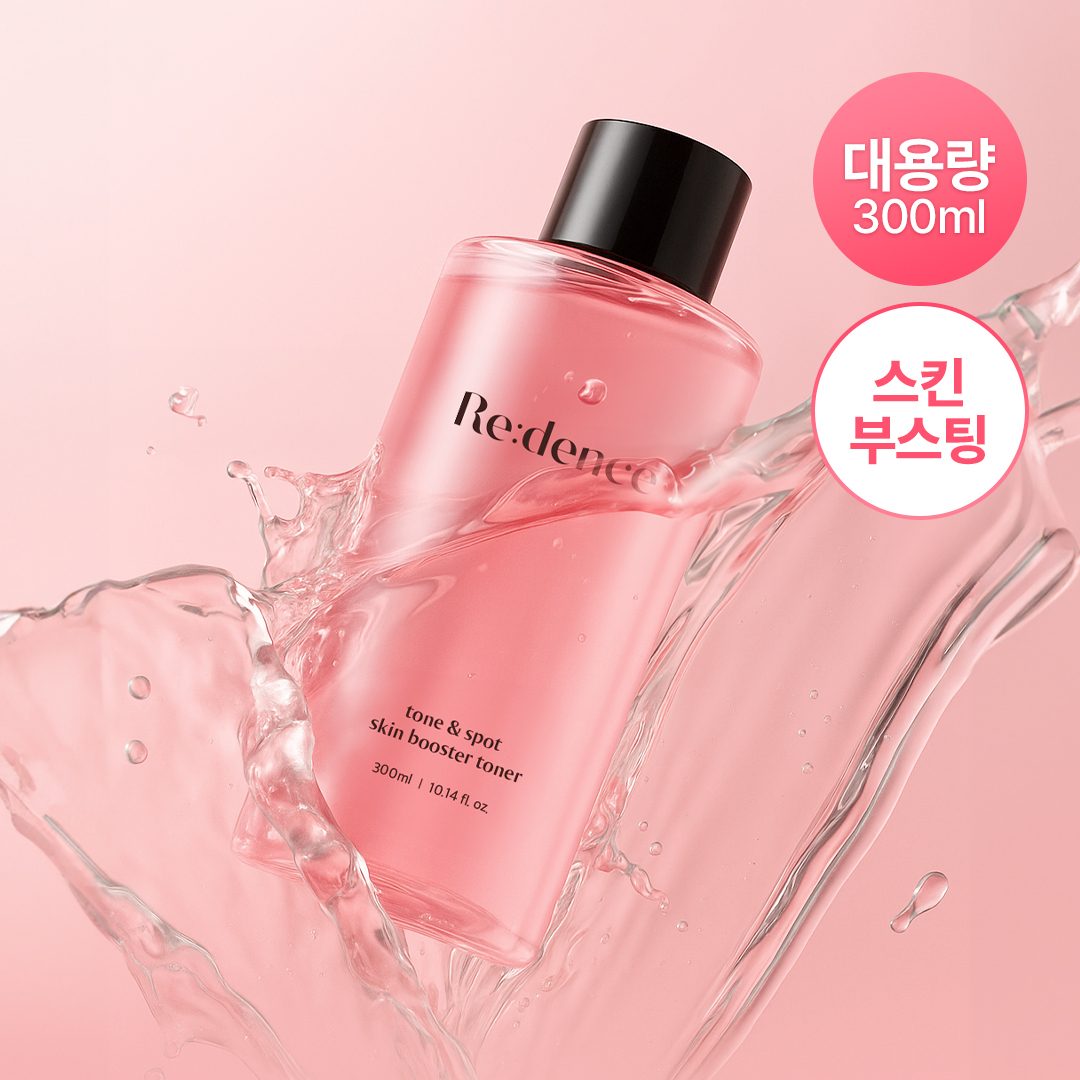
Tone & Spot Skin Booster Toner
Redence
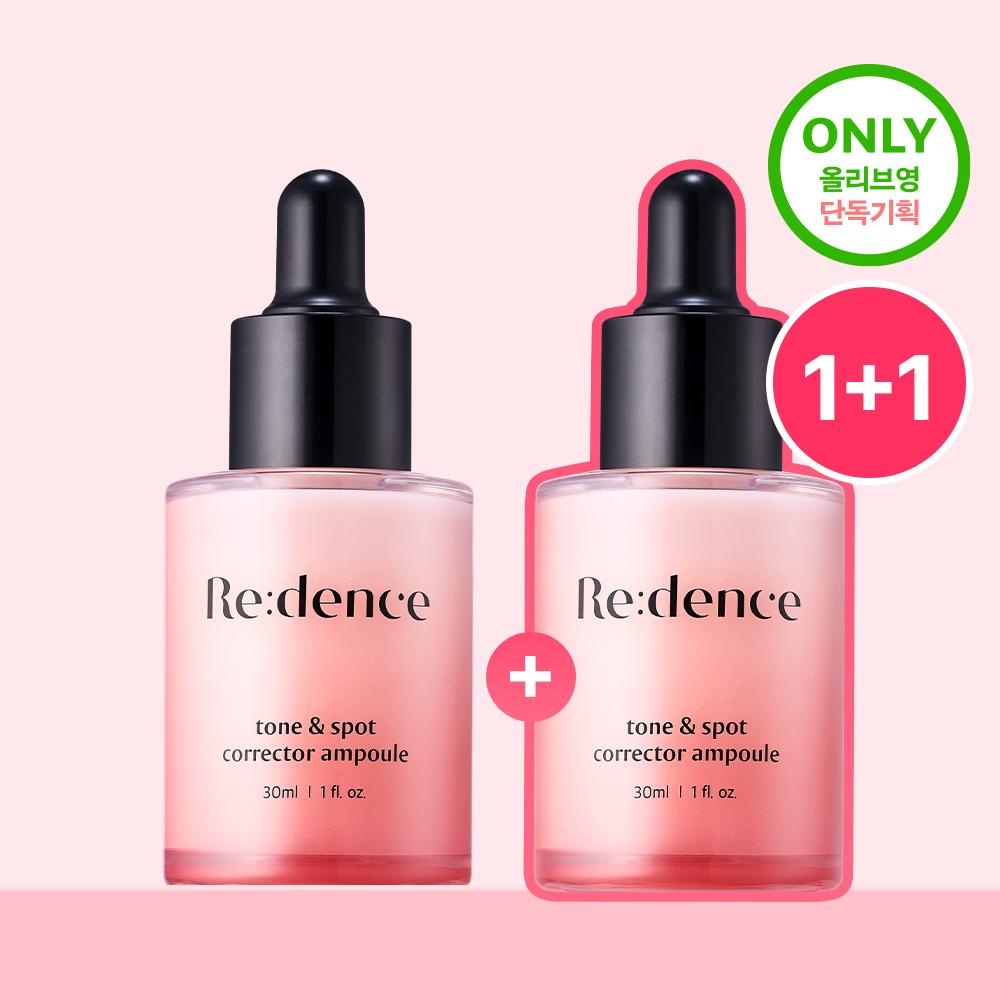
Redence Tone & Spot Corrector Ampoule Double Pack
Anua
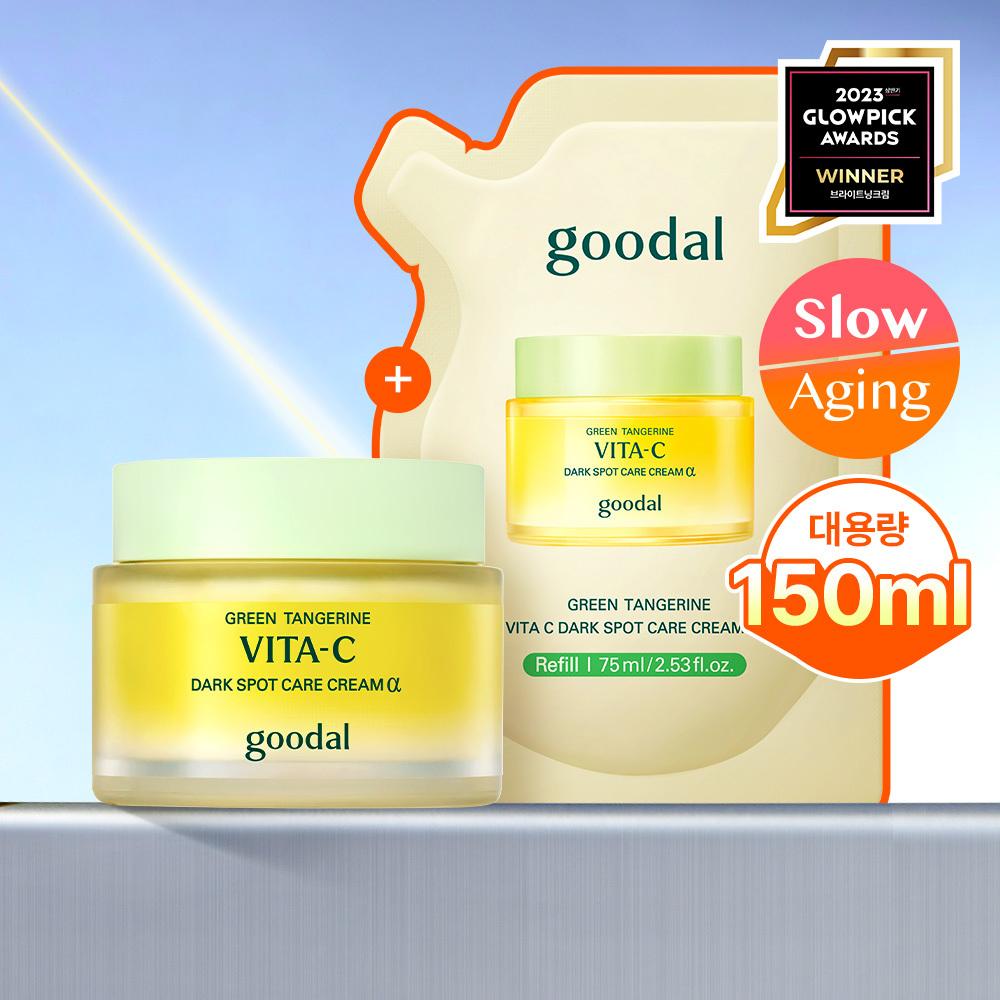
Green Tangerine Vita-C Dark Spot Care Cream α
Goodal
Frequently Asked Questions
Can I use Alpha Lipoic Acid with retinol or vitamin C?▼
Why does Alpha Lipoic Acid cause tingling on my skin?▼
How long does it take to see results from Alpha Lipoic Acid?▼
Is Alpha Lipoic Acid safe to use during pregnancy?▼
Does Alpha Lipoic Acid help with hyperpigmentation and dark spots?▼
Explore More
Want personalized ingredient advice?
Yuri, our AI beauty advisor, can tell you how Alpha Lipoic Acid works with your specific skin type, routine, and concerns.
Ask Yuri, free