Chinese Arborvitae Extract
INCI: Thuja Orientalis Extract
Antioxidant and soothing botanical extract
About Chinese Arborvitae Extract
Chinese Arborvitae Extract, derived from the leaves and stems of Thuja orientalis (also known as Oriental arborvitae or biota), is a traditional botanical ingredient making waves in modern K-beauty formulations. This evergreen conifer has been used in East Asian medicine for centuries, and Korean skincare brands have adapted it as a multi-functional ingredient that delivers both antioxidant protection and soothing benefits. The extract contains flavonoids, polyphenols, and essential oils that help neutralize free radicals while calming inflammation and redness. What makes Chinese Arborvitae particularly interesting in K-beauty is its compatibility with advanced actives like EGF and PDRN. You'll find it in products ranging from gentle cleansers to intensive barrier repair creams, where it serves as a supporting player that enhances skin tolerance to more powerful ingredients. With a low comedogenic rating of 1/5, it's suitable for most skin types, though its moderate safety rating of 3/5 means formulation concentration matters. Korean brands like Aestura and Beplain incorporate it into their barrier-focused lines, recognizing that antioxidant protection and inflammation control are fundamental to maintaining healthy skin resilience.
How Chinese Arborvitae Extract Works
At the cellular level, Chinese Arborvitae Extract functions through multiple pathways. Its flavonoid compounds (including quercetin and amentoflavone derivatives) scavenge reactive oxygen species (ROS) that damage cellular membranes and DNA, effectively interrupting the oxidative stress cascade that leads to premature aging and inflammation. The polyphenolic content inhibits pro-inflammatory cytokines like IL-6 and TNF-alpha, which your skin produces in response to UV exposure, pollution, or irritation. This dual antioxidant and anti-inflammatory action helps prevent the breakdown of collagen and elastin while supporting your skin's natural repair mechanisms. The extract's essential oil components (primarily thujone and pinene) provide additional antimicrobial benefits, which is why you'll see it in pore-focused products like the Ilso nose patches. When combined with barrier repair ingredients like EGF or ceramides (as in the Aestura and Beplain products rated 4.8-5.0 on Seoul Sister), Chinese Arborvitae helps create an environment where skin can heal without additional inflammatory stress, essentially acting as a protective buffer while more active ingredients do their work.
Chinese Arborvitae Extract by Skin Type
Oily Skin
Chinese Arborvitae Extract works well for oily skin, particularly in cleansers and pore treatments where its antimicrobial properties help manage excess sebum and prevent congestion. The low comedogenic rating (1/5) means it won't clog pores, and products like the Some By Mi Green Tea Tox Bubble Cleanser (4.7/5) use it to soothe skin while addressing blackheads and oil buildup.
Dry Skin
For dry skin, this extract provides antioxidant protection without stripping moisture, making it a good supporting ingredient in barrier repair formulations. The Aestura z+piderm Intensive Cream (4.8/5) pairs it with EGF for enhanced barrier recovery, where the soothing properties help calm the irritation that often accompanies dryness and compromised skin barriers.
Combo Skin
Combination skin benefits from Chinese Arborvitae's balanced profile, as it addresses both the oiliness of the T-zone and the sensitivity of drier areas. Its presence in multi-functional products like the Medicube PDRN toner pads (4.8/5) demonstrates how it can support skin without tipping the balance in either direction.
Sensitive Skin
The anti-inflammatory action makes Chinese Arborvitae particularly valuable for sensitive skin, helping to reduce redness and reactivity. However, the moderate safety rating of 3/5 suggests that concentration matters, so look for it in well-formulated products from reputable brands rather than standalone high-concentration applications.
Normal Skin
Normal skin can use Chinese Arborvitae as a preventative antioxidant that maintains skin health without disrupting balance. Its versatility across product types (cleansers, creams, toners) means you can incorporate it into any step of your routine where additional antioxidant support makes sense.
How to Use Chinese Arborvitae Extract
- 1Pair Chinese Arborvitae products with other barrier-supporting ingredients like ceramides, EGF, or PDRN for enhanced skin resilience (the high ratings of products like Aestura's cream and Beplain's cleanser suggest this combination works particularly well)
- 2Use it in your morning routine to provide antioxidant protection against daily environmental stressors like UV radiation and pollution
- 3If you have sensitive skin, introduce Chinese Arborvitae gradually and choose products where it appears mid-list in the ingredient deck rather than in very high concentrations
- 4For pore concerns, look for it in cleansers or nose patches where its antimicrobial properties can help prevent congestion while soothing post-extraction irritation
- 5Layer it before stronger actives like retinol or acids to pre-calm skin and potentially reduce irritation from these more aggressive ingredients
Background
Thuja orientalis has roots in traditional Chinese and Korean medicine dating back over 2,000 years, where various parts of the plant were used to treat inflammation, infections, and even hair loss. Korean herbalists called it "측백나무" (cheukbaek-namu) and valued it for its cooling, detoxifying properties. The transition from traditional medicine to modern K-beauty happened as Korean cosmetic chemists began identifying and isolating the specific bioactive compounds responsible for the plant's therapeutic effects. The presence of potent flavonoids and polyphenols made it an attractive candidate for skincare formulations, particularly as the K-beauty industry shifted toward combining traditional botanical wisdom with scientific validation. Today, Chinese Arborvitae Extract represents this bridge between heritage ingredients and evidence-based skincare, appearing in products that emphasize gentle efficacy and skin barrier health.
K-Beauty Products with Chinese Arborvitae Extract
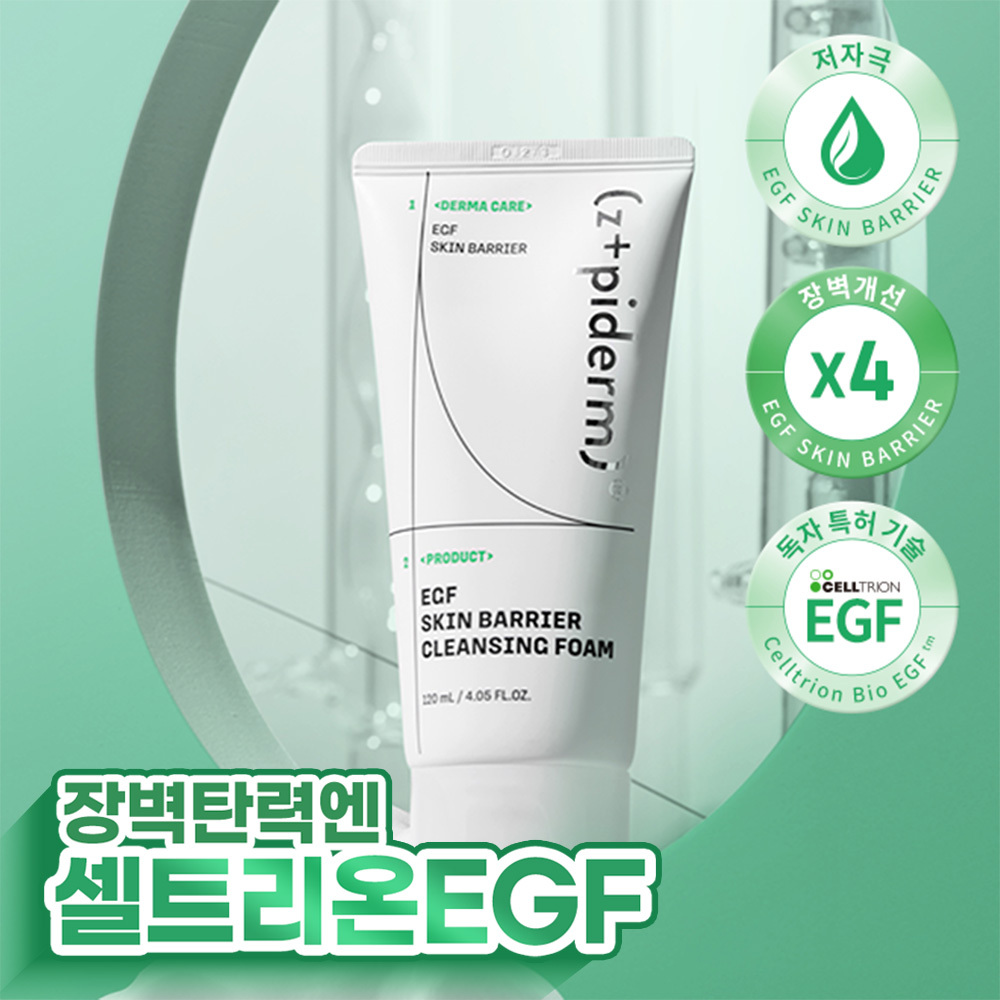
z+piderm EGF Skin Barrier Cleansing Foam
Beplain
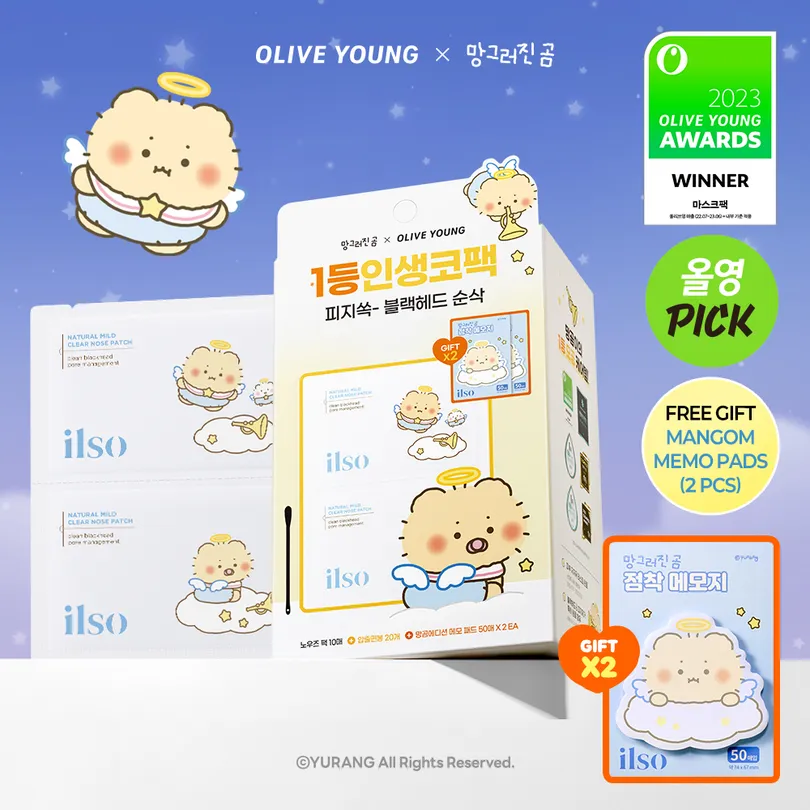
Natural Mild Clear Nose Patch 10P Set
Ilso
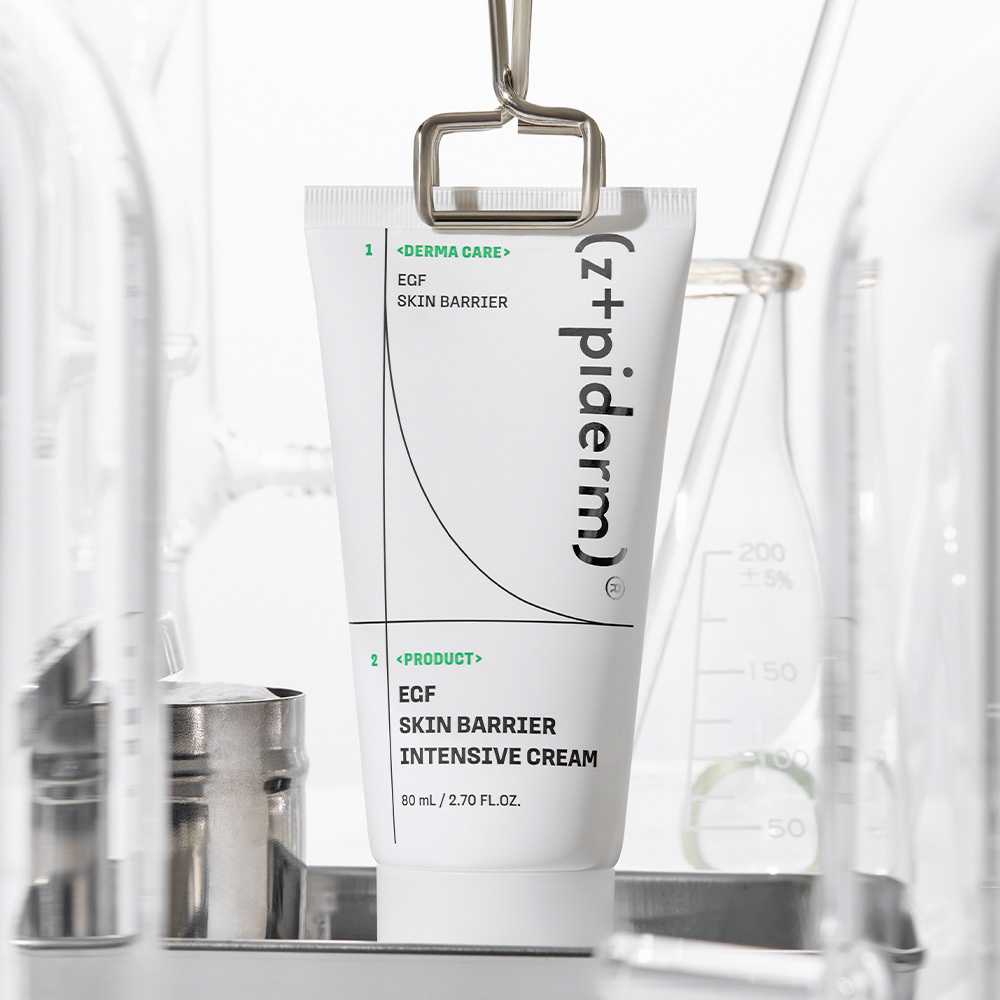
z+piderm EGF Skin Barrier Intensive Cream
Aestura
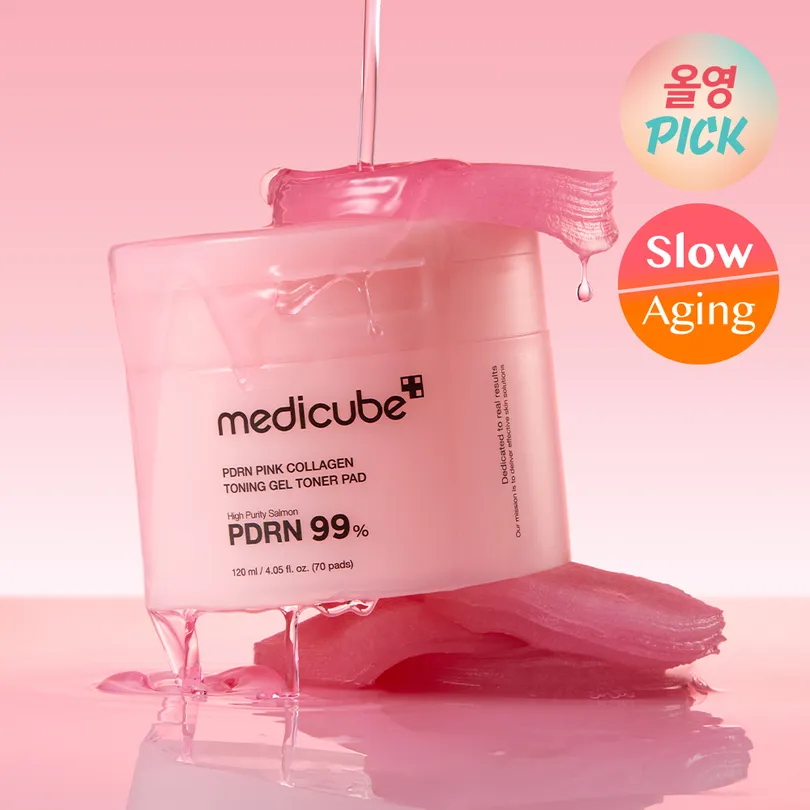
PDRN Pink Collagen Toning Gel Toner Pads
Medicube
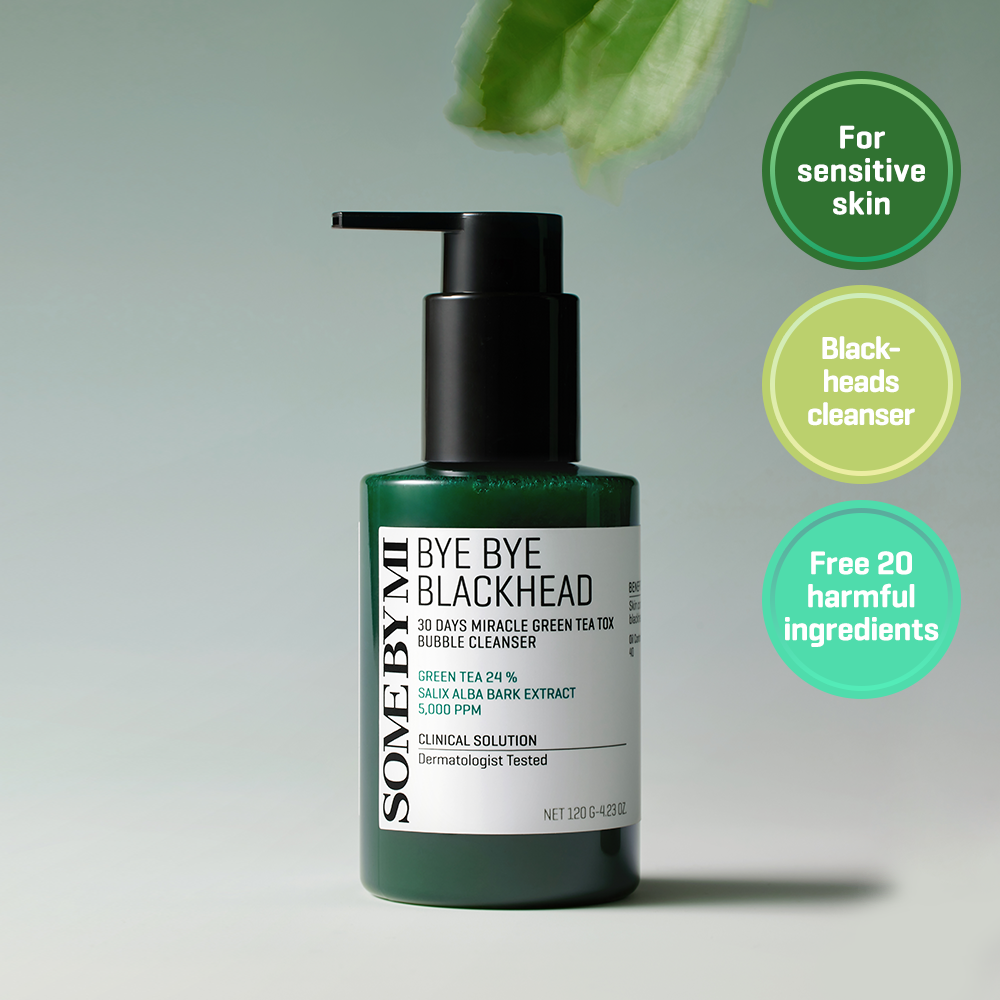
Bye Bye Blackhead 30 Days Miracle Green Tea Tox Bubble Cleanser
Some By Mi
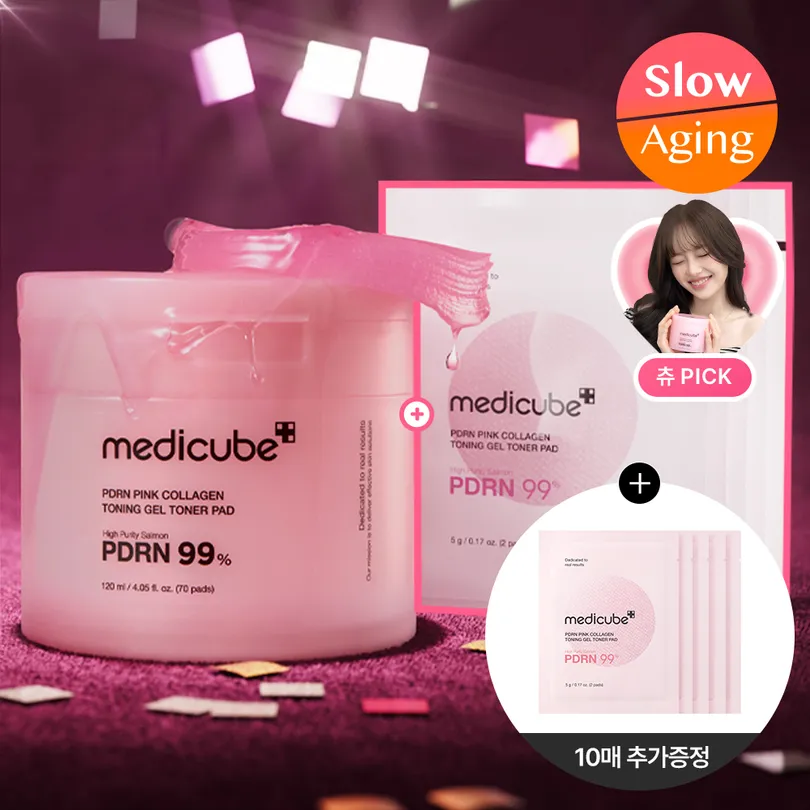
PDRN Pink Collagen Toning Gel Toner Pad
Medicube
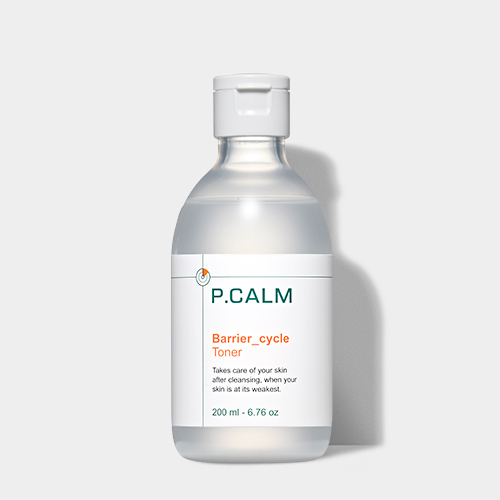
P.CALM Barrier Cycle Toner
Anua
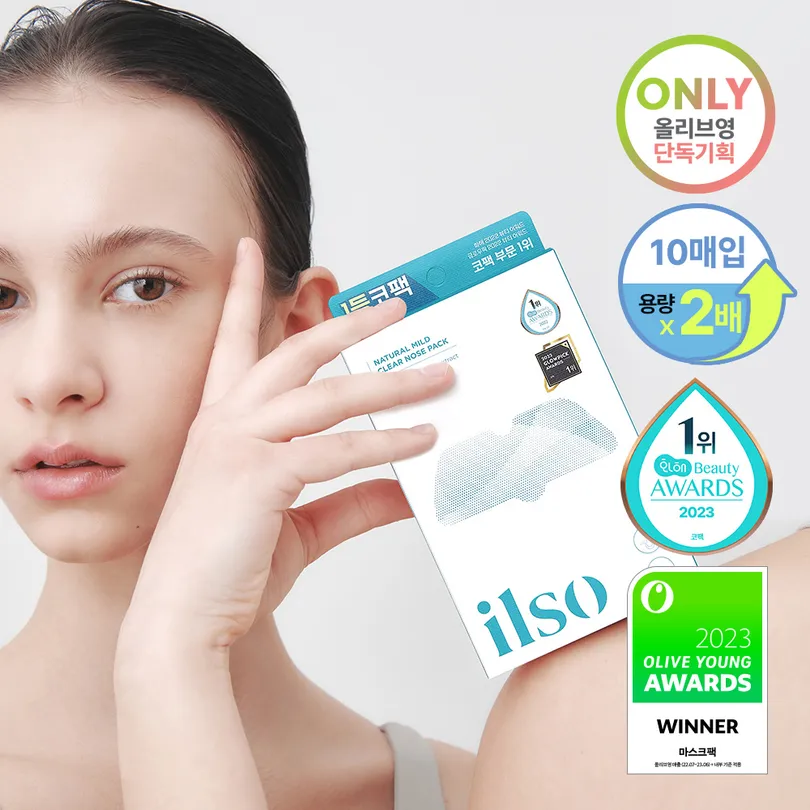
Natural Mild Clear Nose Patch
Ilso
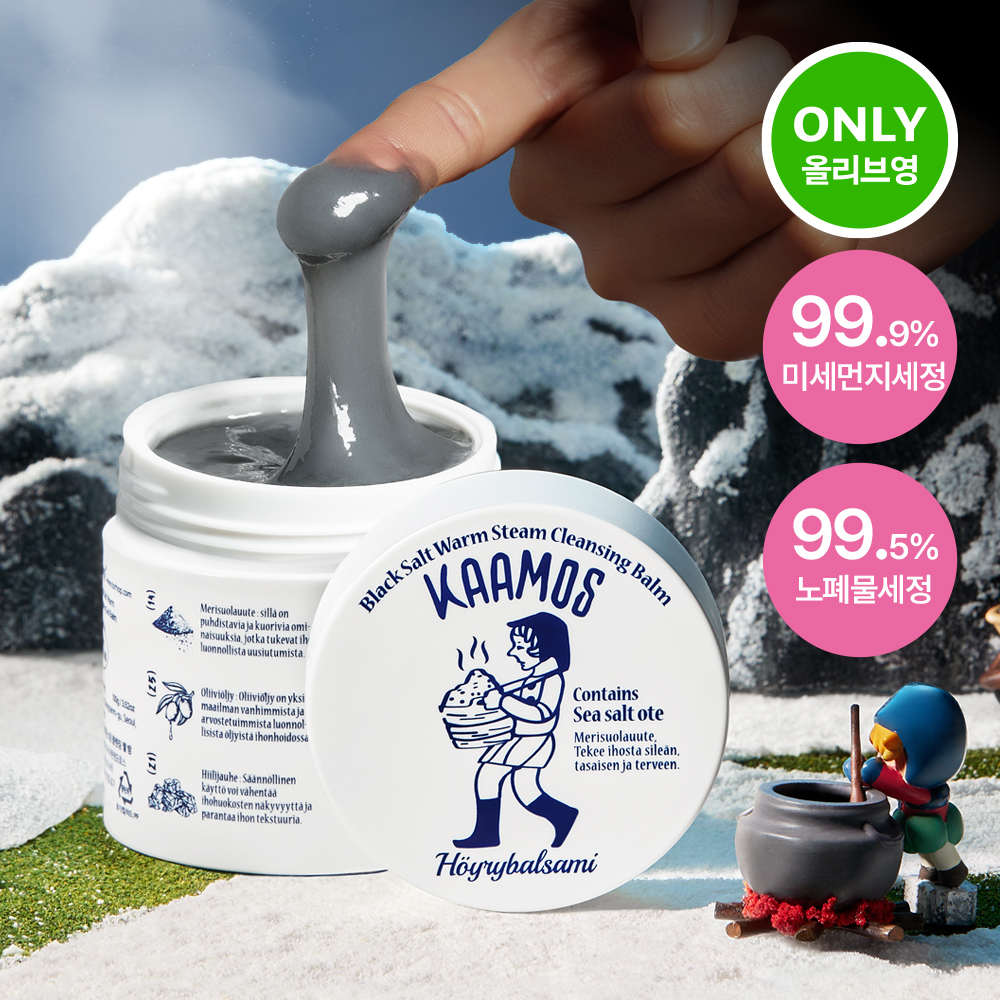
Kaamos Black Salt Warm Steam Cleansing Balm
Torhop

PDRN Pink Collagen Gel Toner Pad
Medicube
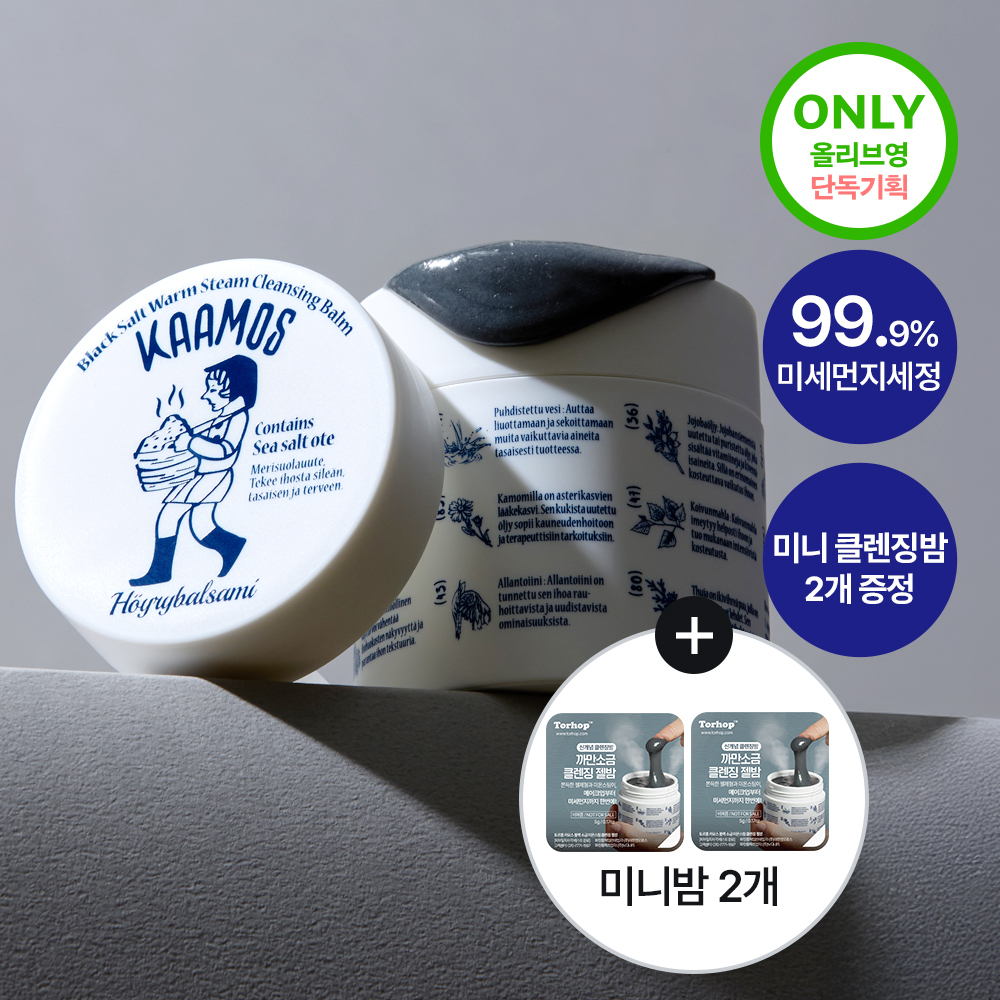
Kaamos Black Salt Warm Steam Cleansing Balm Set
Torhop
Frequently Asked Questions
Is Chinese Arborvitae Extract safe for sensitive skin?▼
Will Chinese Arborvitae Extract clog my pores?▼
Can I use Chinese Arborvitae Extract with vitamin C or retinol?▼
How does Chinese Arborvitae compare to other botanical antioxidants like green tea?▼
Explore More
Want personalized ingredient advice?
Yuri, our AI beauty advisor, can tell you how Chinese Arborvitae Extract works with your specific skin type, routine, and concerns.
Ask Yuri, free