Vitamin E
INCI: Tocopherol
Antioxidant that protects skin from free radicals
About Vitamin E
Vitamin E, scientifically known as tocopherol, is one of the most researched and widely used antioxidants in skincare. It's a fat-soluble vitamin that exists in eight different forms, with alpha-tocopherol being the most biologically active and common in K-beauty formulations. This powerhouse ingredient works by neutralizing free radicals, unstable molecules generated by UV exposure, pollution, and everyday stress that break down collagen and accelerate aging. Beyond its protective role, vitamin E strengthens the skin barrier, helps reduce transepidermal water loss, and supports wound healing. In K-beauty, it's prized for its ability to work synergistically with other antioxidants like vitamin C, creating formulas that address multiple signs of aging while maintaining skin health. You'll find it in everything from lightweight cleansers to rich barrier creams, where it serves as both an active ingredient and a stabilizer for more sensitive compounds. With a safety rating of 5/5 and presence in over 2,000 K-beauty products on Seoul Sister, vitamin E has earned its reputation as a gentle yet effective ingredient suitable for most skin types, though its slightly comedogenic nature (2/5 rating) means oily skin types should pay attention to concentration and formulation.
How Vitamin E Works
Vitamin E functions primarily as a chain-breaking antioxidant, meaning it interrupts the cascade of oxidative damage at the cellular level. When free radicals attack skin cells, they steal electrons and create a domino effect of cellular damage. Vitamin E donates an electron to neutralize these reactive molecules without becoming unstable itself, effectively stopping the chain reaction. At the lipid membrane level, tocopherol embeds itself within cell walls where it protects fatty acids from peroxidation, a process that would otherwise compromise barrier integrity. This is particularly important because the skin barrier is composed largely of lipids (ceramides, cholesterol, and fatty acids) that are vulnerable to oxidative stress. Additionally, vitamin E modulates inflammatory pathways by inhibiting the activity of protein kinase C, an enzyme involved in inflammatory cell signaling. When applied topically, it also reduces UV-induced damage by absorbing harmful UVB rays, though it's not a substitute for sunscreen. Its ability to improve skin hydration comes from strengthening tight junctions between skin cells, reducing water loss while enhancing the skin's natural moisture retention capacity.
Vitamin E by Skin Type
Oily Skin
Vitamin E can work well for oily skin when formulated in lightweight textures like serums or gel-based products. Its comedogenic rating of 2/5 means pure vitamin E oil or heavy concentrations in rich creams might contribute to congestion, so look for products where it's balanced with oil-controlling ingredients. The antioxidant protection is especially valuable if you're dealing with post-acne marks or inflammation, as it helps calm reactive skin without adding excess oil.
Dry Skin
This is where vitamin E truly shines. Its ability to reinforce the lipid barrier makes it ideal for dry skin struggling with moisture loss and environmental damage. Products like Aestura's Atobarrier 365 Cleansing Milk (rated 5.0/5 on Seoul Sister) leverage vitamin E to cleanse without stripping, while richer formulas like Mediheal's PDRN Lifting Derma Cream (4.9/5) use it to lock in hydration and protect against oxidative stress that worsens dryness.
Combo Skin
Combination skin benefits from vitamin E's versatility, particularly in pH-balanced formulas that address both dry and oily zones. Products like Beplain's Mung Bean pH-Balanced Cleansing Foam (4.9/5) demonstrate how vitamin E can be incorporated into gentle cleansers that protect the barrier without overloading the T-zone. Focus on lightweight or water-based formulations rather than heavy creams concentrated in the T-zone.
Sensitive Skin
Vitamin E is generally well-tolerated by sensitive skin and actually helps reduce inflammation and support barrier repair, two critical needs for reactive complexions. Its ability to neutralize irritants before they trigger inflammation makes it a smart preventative ingredient. However, some people experience contact dermatitis from pure tocopherol, so if you have highly reactive skin, patch test first and look for products where it's formulated with soothing ingredients like centella or green tea.
Normal Skin
Normal skin can use vitamin E freely to maintain healthy barrier function and prevent premature aging from environmental stressors. It's an excellent preventative antioxidant that keeps skin balanced without causing issues. The wide range of products containing vitamin E means you can incorporate it at multiple steps, from cleansing oils like Round Lab's 1025 Dokdo Cleansing Oil (4.9/5) to targeted treatments like Arencia's Vitamin C Booster Shot (4.9/5), which pairs it with vitamin C for enhanced efficacy.
How to Use Vitamin E
- 1Pair vitamin E with vitamin C in your morning routine for synergistic antioxidant protection. Vitamin E helps stabilize vitamin C and regenerates it after neutralizing free radicals, making both ingredients more effective together.
- 2Apply vitamin E products before sunscreen for an extra layer of photoprotection. While it's not a replacement for SPF, studies show topical vitamin E can reduce UV-induced damage when used underneath broad-spectrum sunscreen.
- 3If you have oily or acne-prone skin, choose vitamin E in lightweight serums or cleansers rather than heavy creams. Products with a gel or water-based texture will give you the antioxidant benefits without the risk of clogged pores.
- 4Store vitamin E products away from light and heat, as tocopherol can oxidize and lose effectiveness when exposed to air and UV light. Look for products in opaque, airless pump bottles for maximum stability.
- 5Use vitamin E-rich products at night to support your skin's natural repair processes. Barrier-strengthening ingredients work especially well during sleep when skin is in recovery mode and not facing environmental stressors.
Background
Vitamin E was first isolated in 1922 by researchers studying reproductive health in rats, earning its chemical name tocopherol from the Greek words meaning "to bear offspring." Its role in skin health wasn't understood until the 1940s when scientists discovered its powerful antioxidant properties. By the 1980s, vitamin E had become a staple in Western skincare, but K-beauty brands took a more sophisticated approach starting in the 2000s, focusing on optimal concentrations and synergistic formulations rather than using it as a standalone miracle ingredient. Korean formulators recognized that vitamin E works best when paired with complementary antioxidants and barrier-supporting ingredients, leading to the multi-functional products we see today. The ingredient gained particular momentum in K-beauty's "skin barrier care" movement of the 2010s, where protecting and strengthening the skin's natural defenses became a core philosophy.
K-Beauty Products with Vitamin E
View all 2,246 →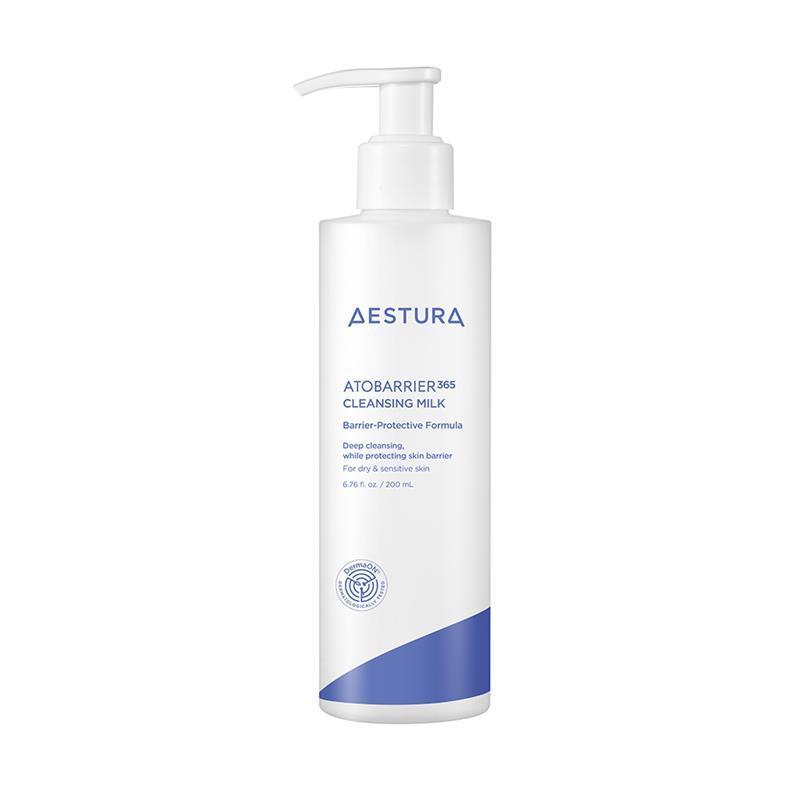
Atobarrier 365 Cleansing Milk
Aestura

Mung Bean pH-Balanced Cleansing Foam
Beplain
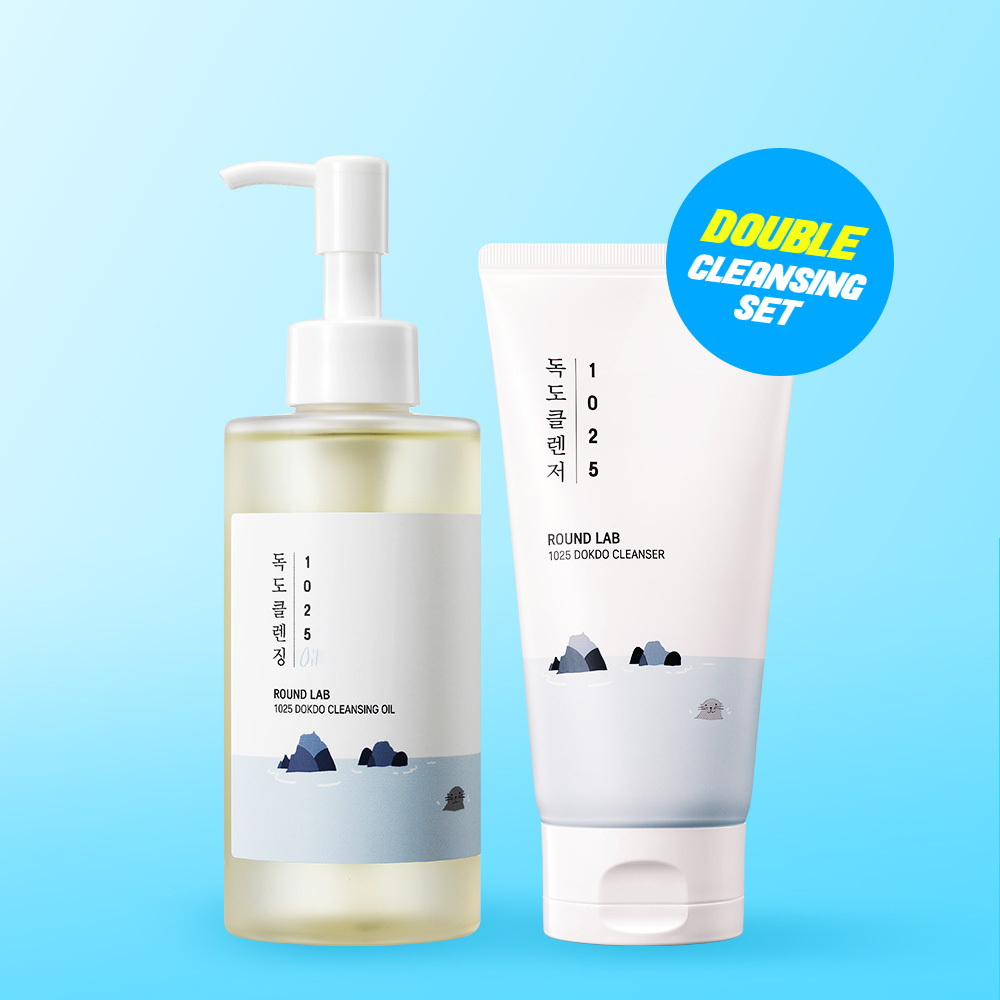
1025 Dokdo Cleansing Oil 200ml + Dokdo Cleanser 150ml Set
Round Lab
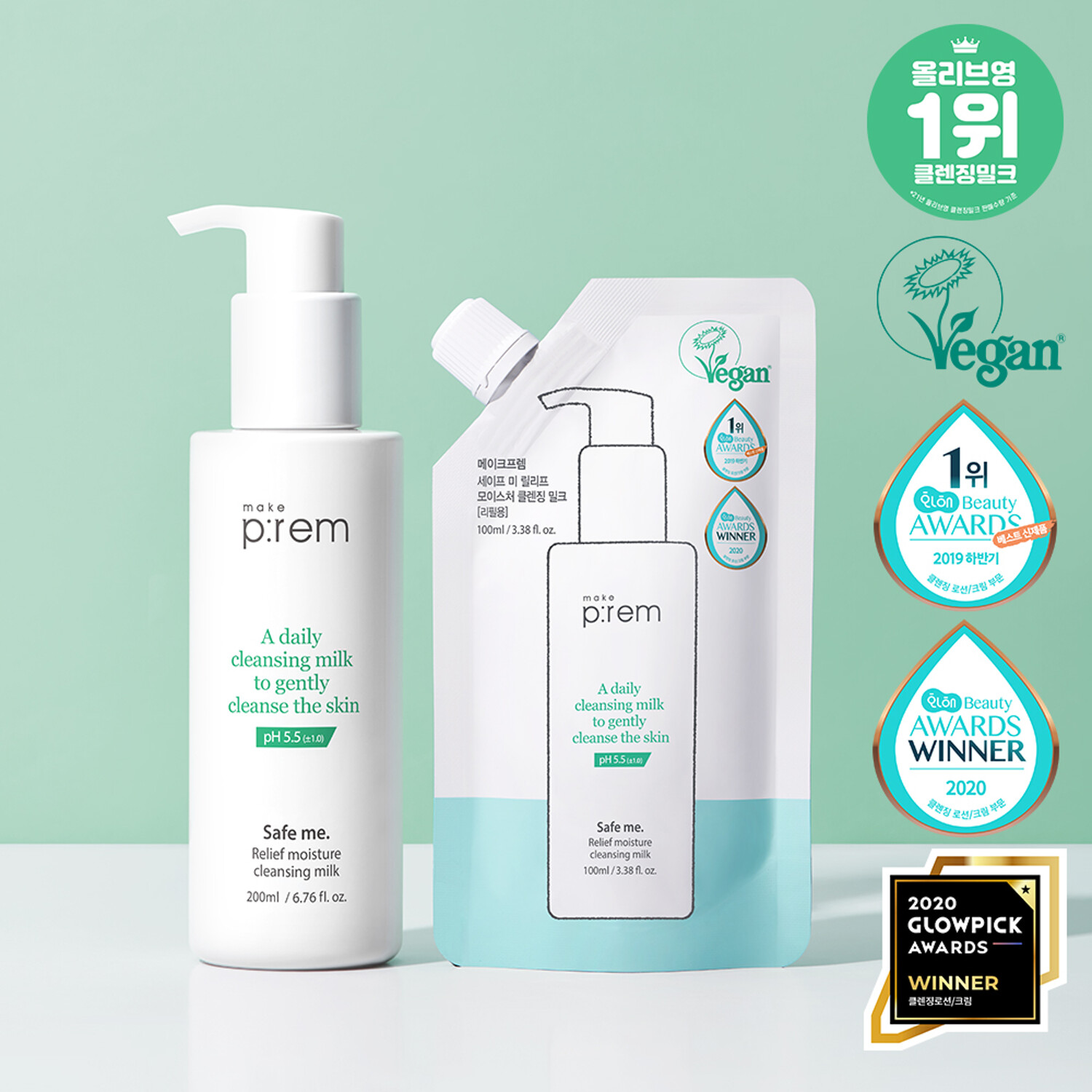
Clean Vegan Cleansing Milk Refill Special Set
Makeprem
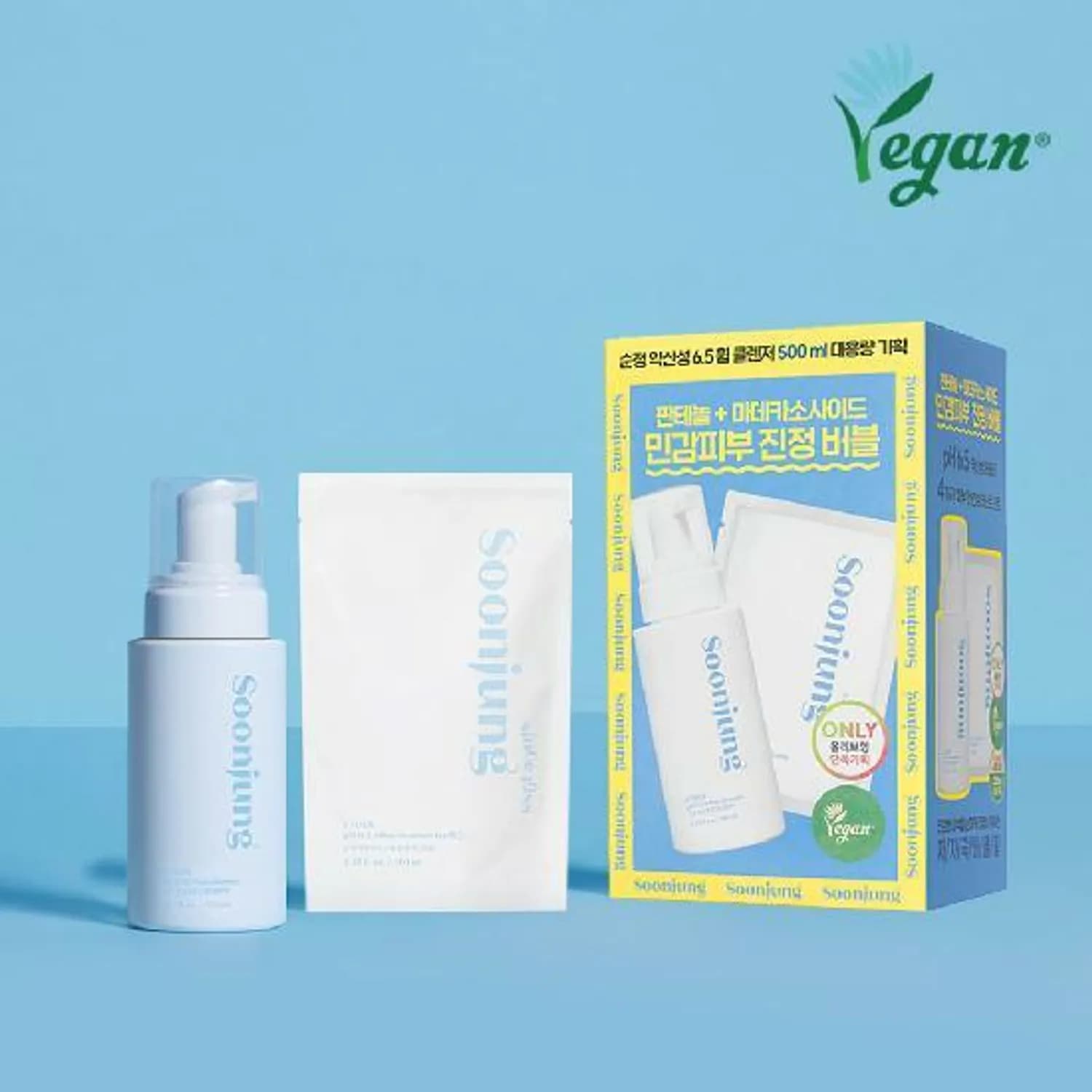
Soon Jung pH 6.5 Whip Cleanser
Etude
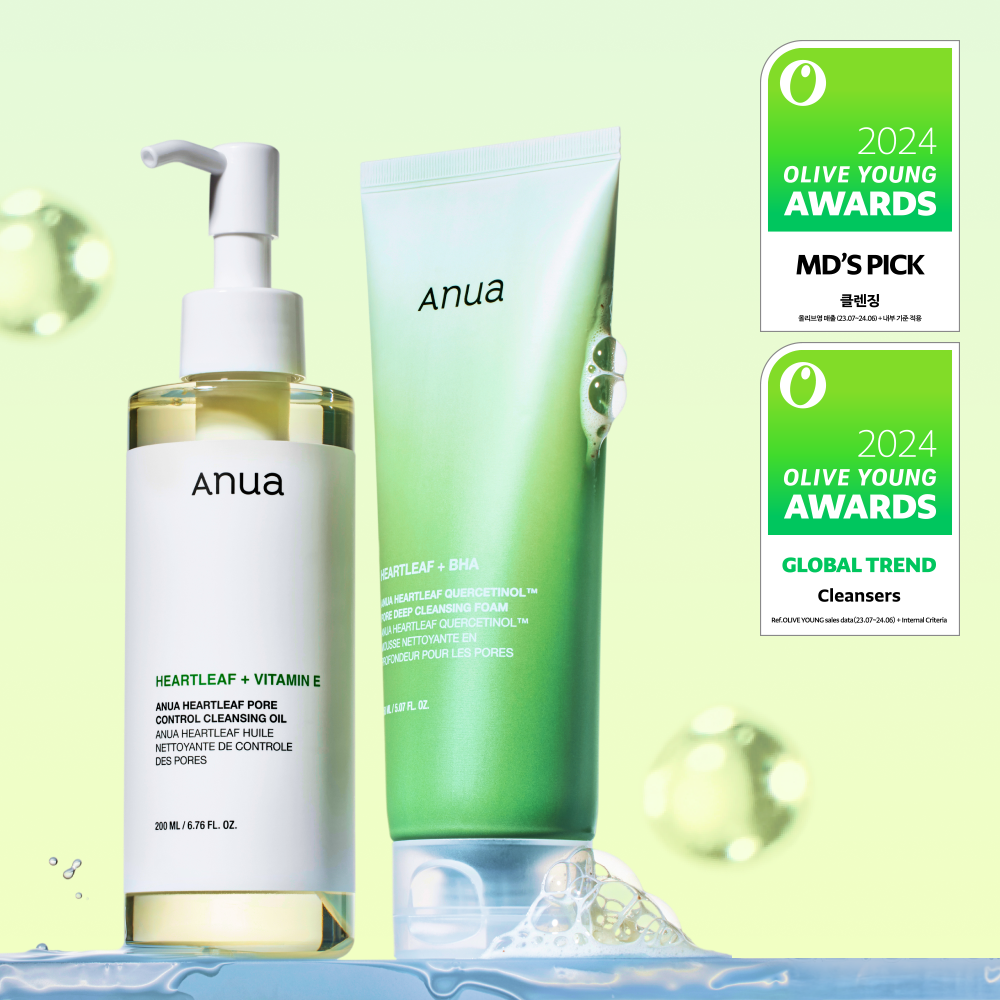
Heartleaf Double Cleansing Set
Anua
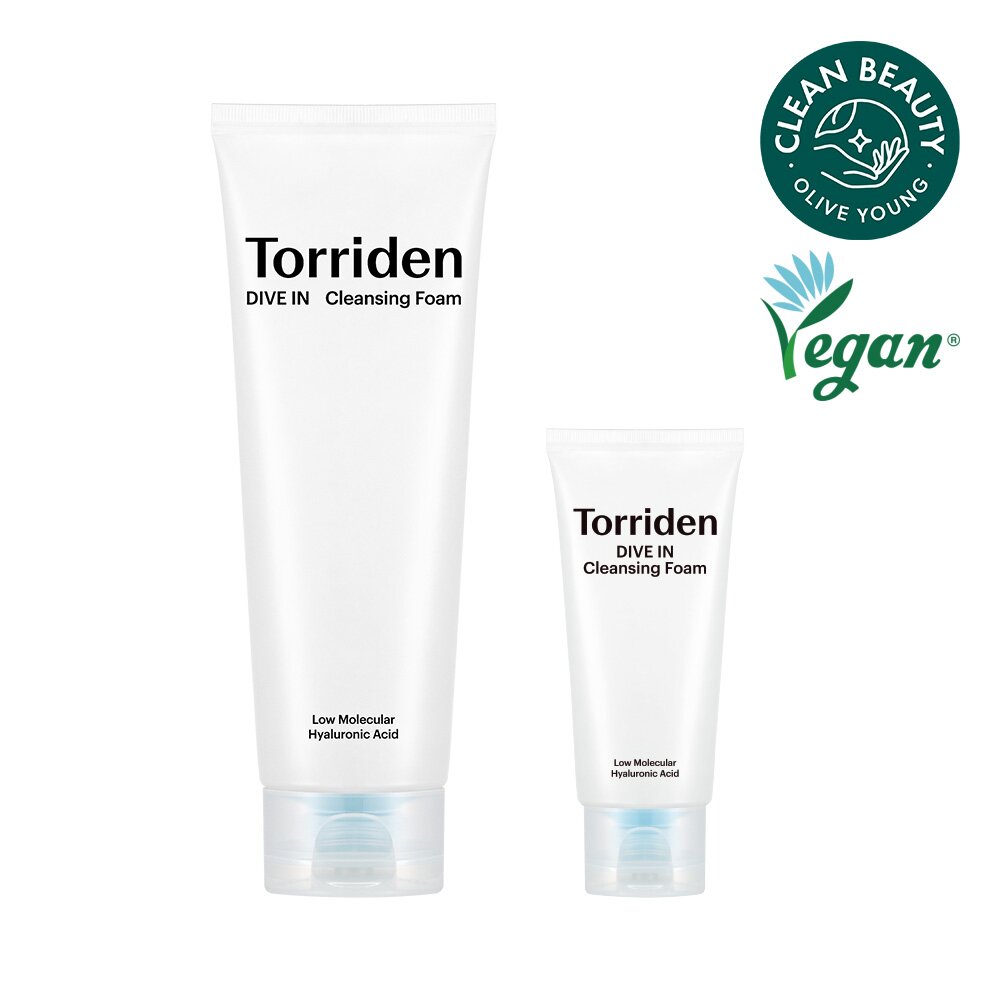
Dive-In Low Molecule Hyaluronic Acid Cleansing Foam
Torriden
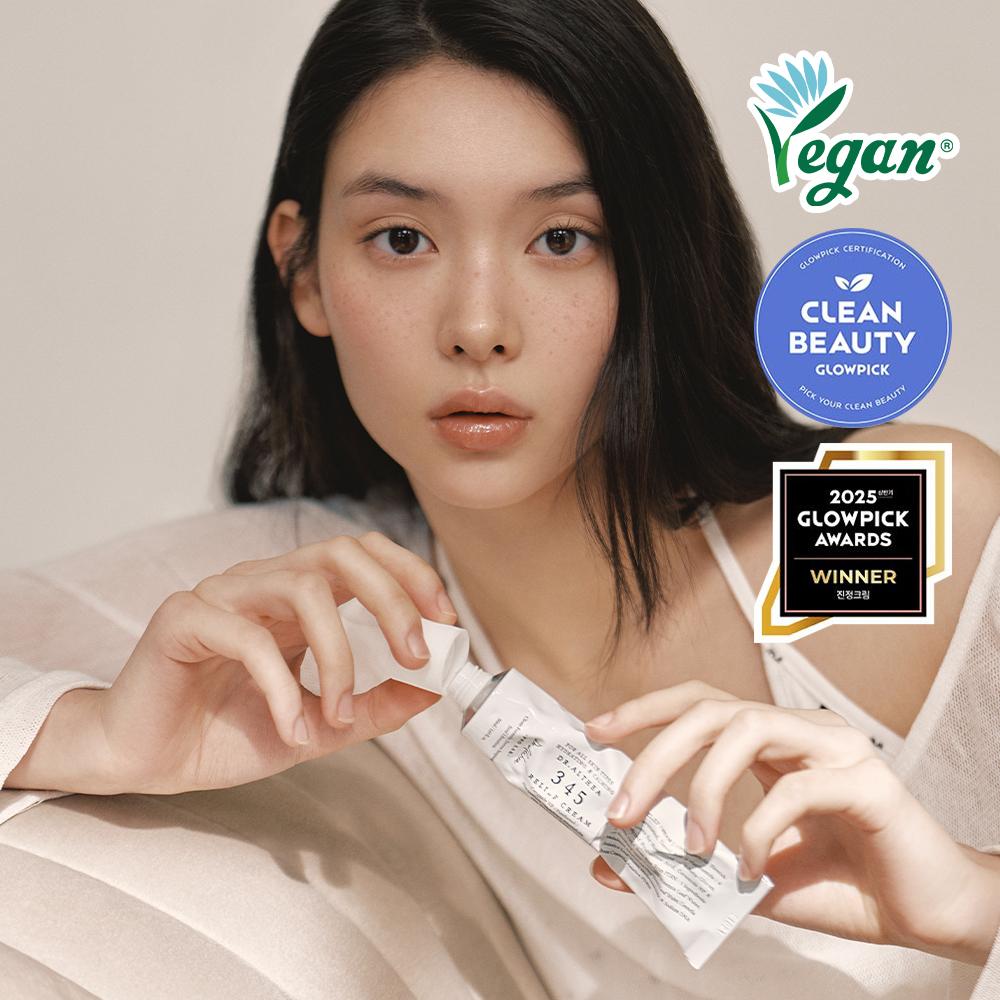
345 Relief Cream
Dr. Althea
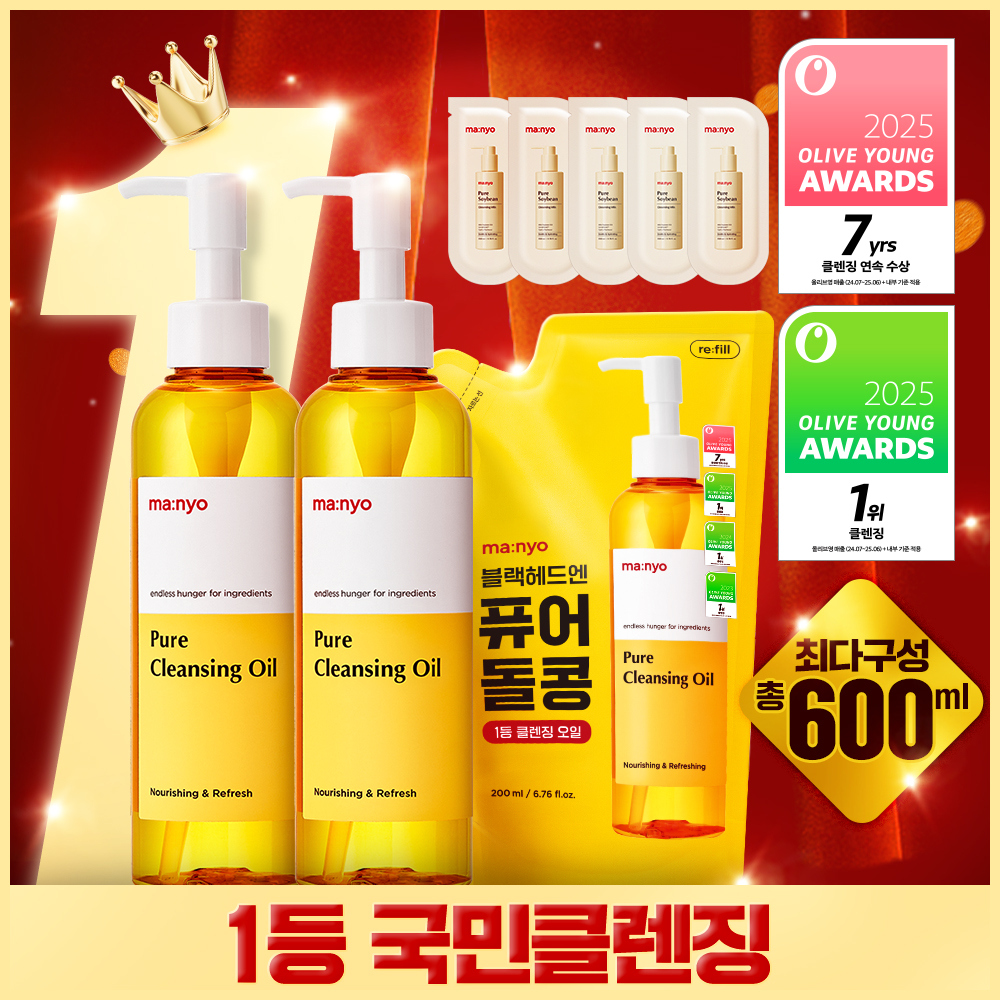
Pure Cleansing Oil
ma:nyo
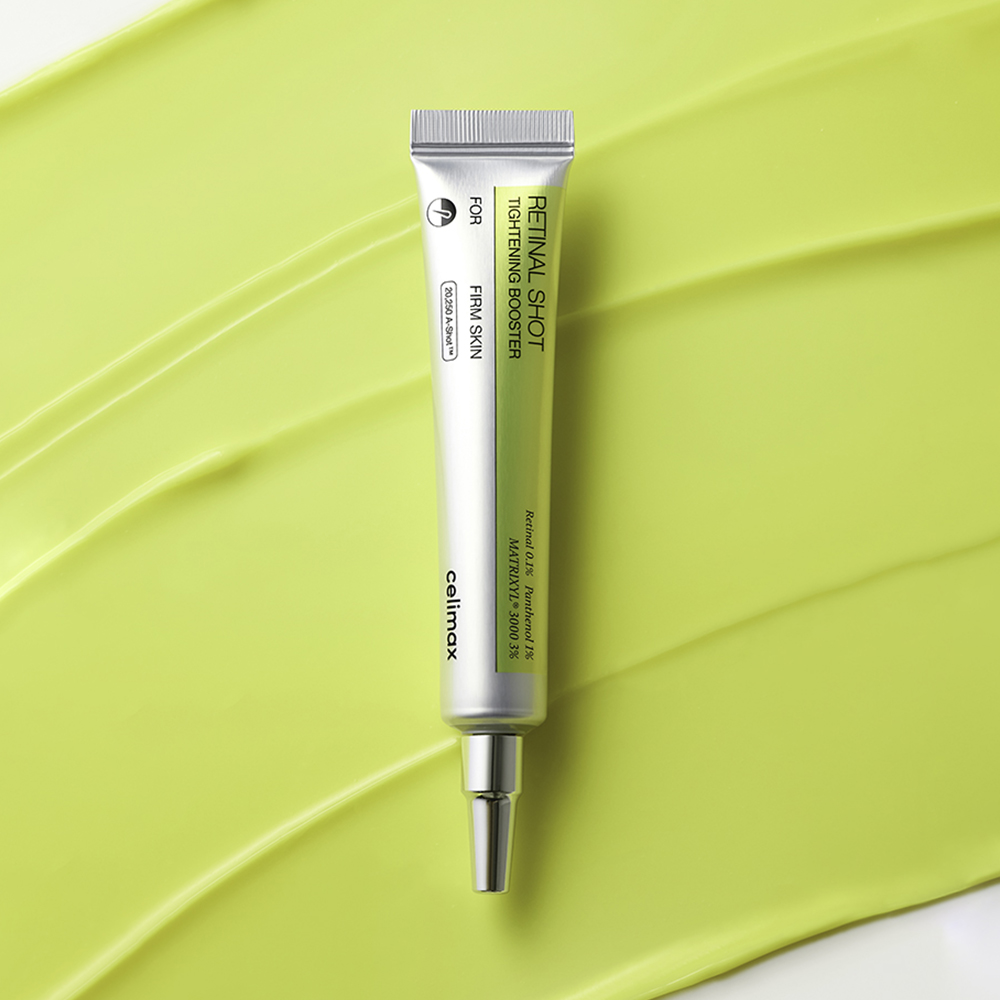
The Vita A Retinal Shot Tightening Booster
Celimax
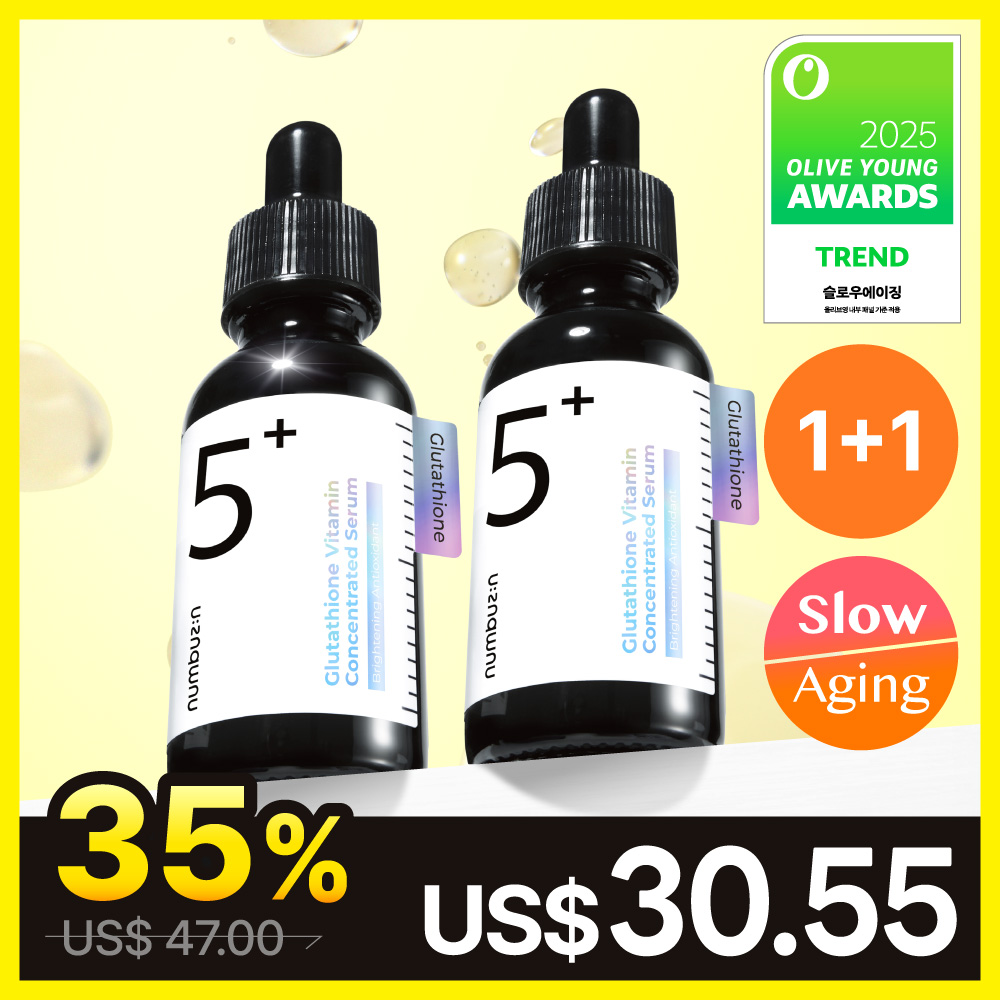
No.5+ Vitamin Concentrated Serum Duo Set
Numbuzin
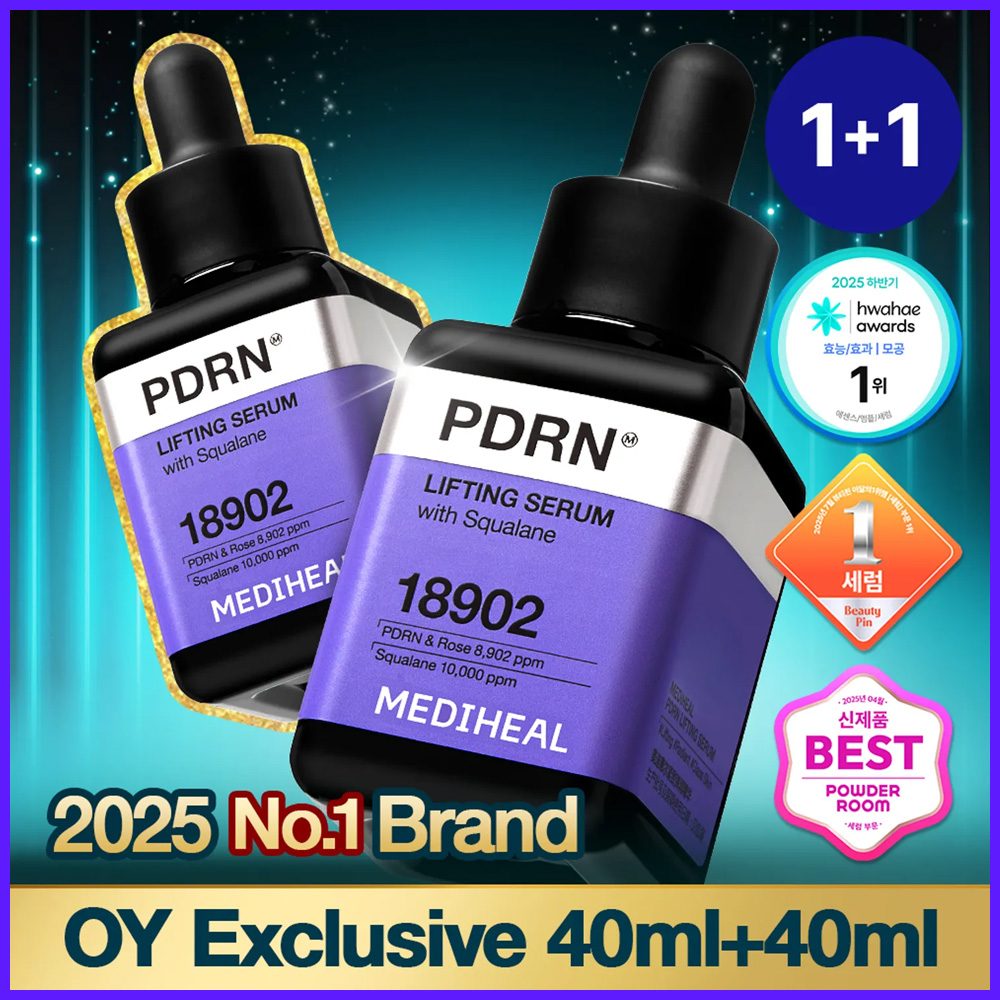
PDRN Lifting Serum
Mediheal
Frequently Asked Questions
Can vitamin E fade acne scars and hyperpigmentation?▼
Is pure vitamin E oil better than products with vitamin E in them?▼
Why do some people break out from vitamin E?▼
Should I use vitamin E in the morning or at night?▼
Does vitamin E work better with other antioxidants?▼
Articles About Vitamin E
Explore More
Want personalized ingredient advice?
Yuri, our AI beauty advisor, can tell you how Vitamin E works with your specific skin type, routine, and concerns.
Ask Yuri, free