Vitamin E Acetate
INCI: Tocopheryl Acetate
Antioxidant that protects skin from free radicals
About Vitamin E Acetate
Vitamin E Acetate, or tocopheryl acetate, is the stable, esterified form of vitamin E that has become a cornerstone antioxidant in K-beauty formulations. Unlike pure vitamin E (tocopherol), which degrades quickly when exposed to light and air, the acetate form remains stable in cosmetic products, making it ideal for serums, creams, and cleansers that need a long shelf life. Found in 470 K-beauty products on Seoul Sister, this ingredient works primarily as a protective shield against environmental stressors like pollution, UV radiation, and blue light exposure. Korean skincare brands favor vitamin E acetate for its ability to neutralize free radicals before they damage skin cells, helping prevent premature aging and hyperpigmentation. Once absorbed into skin, enzymes convert it back to active vitamin E, where it supports the skin barrier, reduces inflammation, and enhances moisture retention. The ingredient appears across all product categories, from cleansing oils like Dr.Ceuracle's Pro Balance Pure Cleansing Oil (5.0/5 on Seoul Sister) to targeted treatments like Goodal's Green Tangerine Vita-C Dark Spot Care Serum (4.8/5), where it works synergistically with vitamin C to brighten and protect. While it carries a moderate comedogenic rating of 2/5, meaning some acne-prone users may experience clogged pores, its benefits typically outweigh risks when formulated correctly. K-beauty's multi-step skincare philosophy embraces vitamin E acetate as a protective layer that works throughout the day and night.
How Vitamin E Acetate Works
Vitamin E acetate functions through a conversion process that happens within your skin. When you apply products containing tocopheryl acetate, skin enzymes called esterases cleave off the acetate group, releasing pure vitamin E (alpha-tocopherol) into the deeper layers of your epidermis. This active form then donates electrons to unstable free radical molecules, neutralizing them before they can oxidize lipids in cell membranes or damage DNA. The mechanism is particularly effective against singlet oxygen and lipid peroxyl radicals, the most common oxidative threats from UV exposure and pollution. Beyond antioxidant activity, vitamin E acetate integrates into the lipid bilayer of your stratum corneum, strengthening barrier function and reducing transepidermal water loss. It also modulates inflammatory pathways by inhibiting prostaglandin synthesis and suppressing inflammatory cytokines like IL-6 and TNF-alpha. When formulated with vitamin C (as seen in several top Seoul Sister products), the two create a regenerative cycle where vitamin C recycles oxidized vitamin E back to its active form, extending protection time significantly.
Vitamin E Acetate by Skin Type
Oily Skin
Oily skin can benefit from vitamin E acetate's antioxidant protection, but the moderate comedogenic rating (2/5) means you should look for lightweight, water-based formulations rather than heavy creams. Cleansing products like Dr.Ceuracle's Pro Balance Pure Cleansing Oil work well because they rinse off completely, delivering antioxidant benefits without lingering on pores.
Dry Skin
This is where vitamin E acetate truly shines. Dry skin benefits from both its antioxidant properties and its ability to reinforce the lipid barrier, locking in moisture throughout the day. Look for it in hydrating essences and serums where it can penetrate deeply and support long-term barrier repair.
Combo Skin
Combination skin can handle vitamin E acetate well when it's formulated in balanced products. Focus on serums and essences that absorb quickly rather than sitting on the skin surface. The ingredient will protect your T-zone from environmental damage without necessarily triggering excess oil production, though monitor how your skin responds in the first few weeks.
Sensitive Skin
Vitamin E acetate is generally well-tolerated by sensitive skin due to its anti-inflammatory properties. It helps calm reactive skin by suppressing inflammatory pathways and protecting against external irritants. However, a small percentage of people develop contact sensitivity, so patch test first if you have a history of ingredient reactions.
Normal Skin
Normal skin types get the full spectrum of benefits without major concerns. The antioxidant protection prevents future damage while the barrier-supporting properties maintain your skin's balanced state. You can use vitamin E acetate in any step of your routine, from cleansing through treatment products.
How to Use Vitamin E Acetate
- 1Layer vitamin E acetate products before sunscreen in your morning routine to boost photoprotection and create a synergistic defense against UV-induced free radicals.
- 2If you have acne-prone skin, choose lightweight serum or essence formulations (like Numbuzin's No. 9 NAD Bio Lifting-sil Essence at 4.9/5) rather than heavy creams to minimize pore-clogging risk.
- 3Pair with vitamin C products for enhanced antioxidant protection. The two vitamins work together to recycle each other and extend their effectiveness throughout the day.
- 4Store products containing vitamin E acetate away from direct sunlight and heat, even though the acetate form is stable. Proper storage maximizes the ingredient's conversion efficiency once applied to skin.
Background
Vitamin E was first isolated from wheat germ oil in 1936 by scientists studying fertility in rats, and its name comes from the Greek word 'tokos' meaning childbirth. However, pure tocopherol proved frustratingly unstable in cosmetic formulations, degrading within months when exposed to air and light. In the 1950s, chemists developed tocopheryl acetate by attaching an acetate group to stabilize the molecule for commercial use. This modification revolutionized skincare by making vitamin E practical for mass-market products. K-beauty brands embraced vitamin E acetate in the 1990s as they refined multi-step routines focused on prevention and protection. Korean formulations typically combine it with other antioxidants like green tea, niacinamide, or fermented ingredients, reflecting the holistic approach to skincare. Today, vitamin E acetate appears across nearly every category of K-beauty products, valued for its stability, safety profile, and proven protective benefits.
K-Beauty Products with Vitamin E Acetate
View all 544 →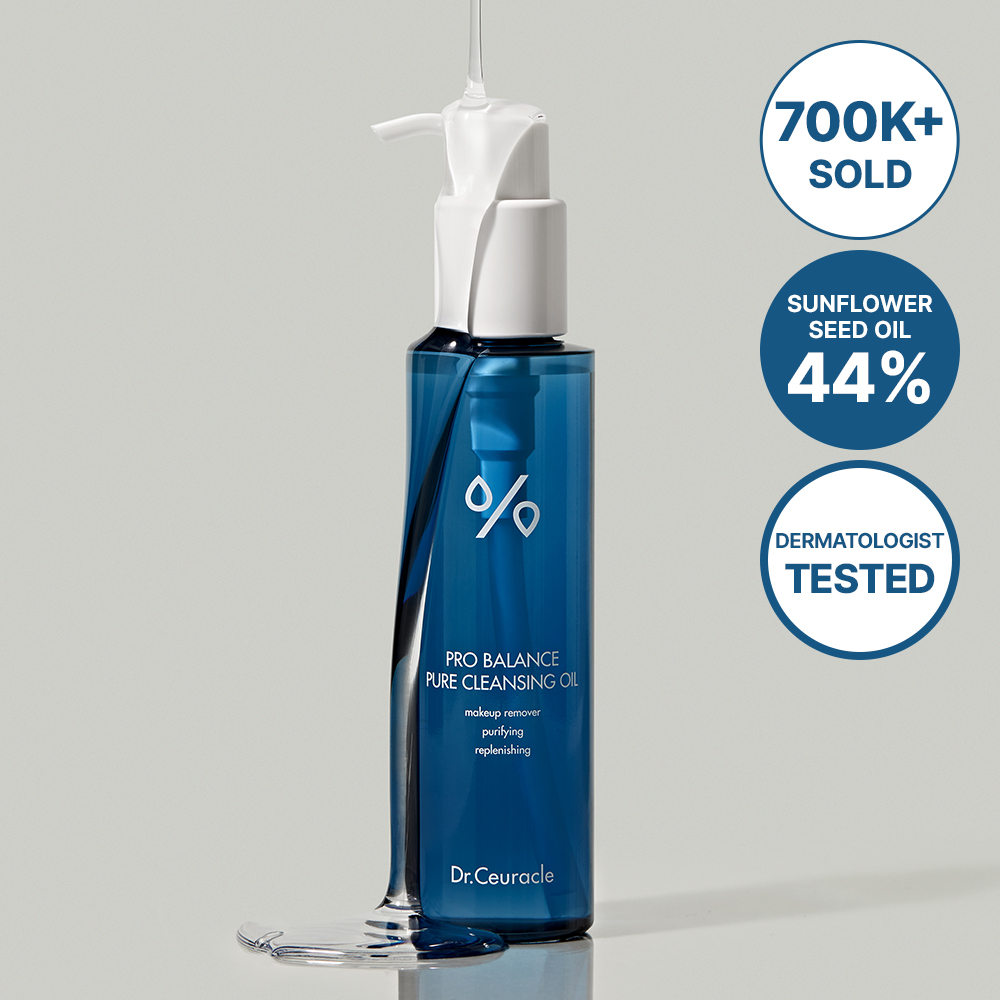
Pro Balance Pure Cleansing Oil
Dr.Ceuracle
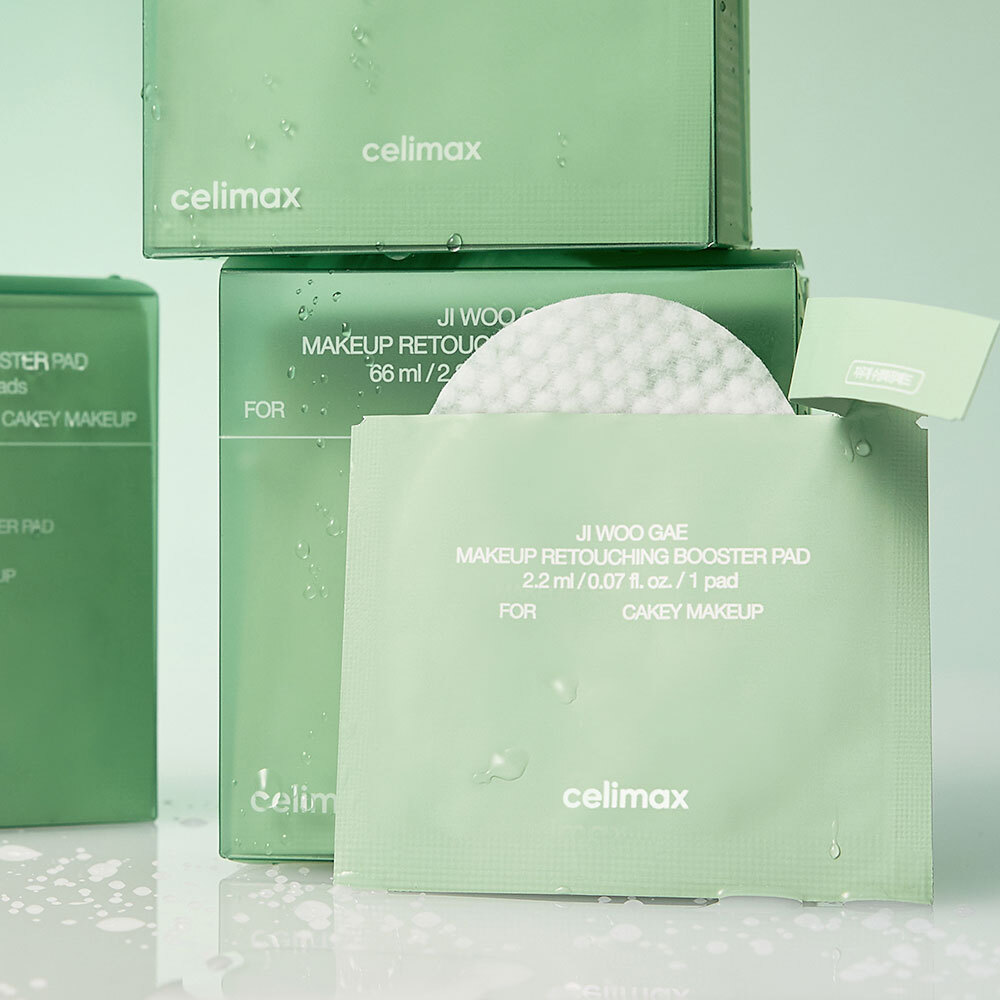
Makeup Retouching Booster Pad
Celimax
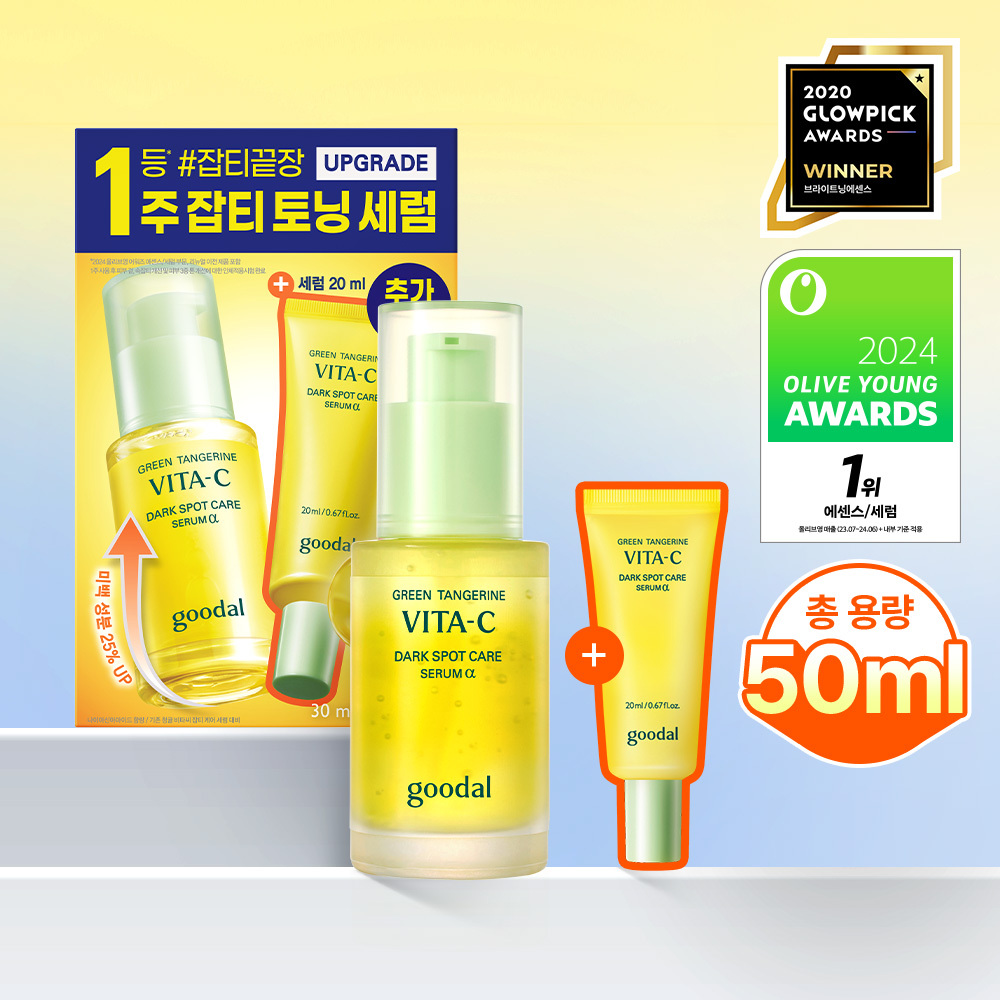
Green Tangerine Vita-C Dark Spot Care Serum α
Goodal
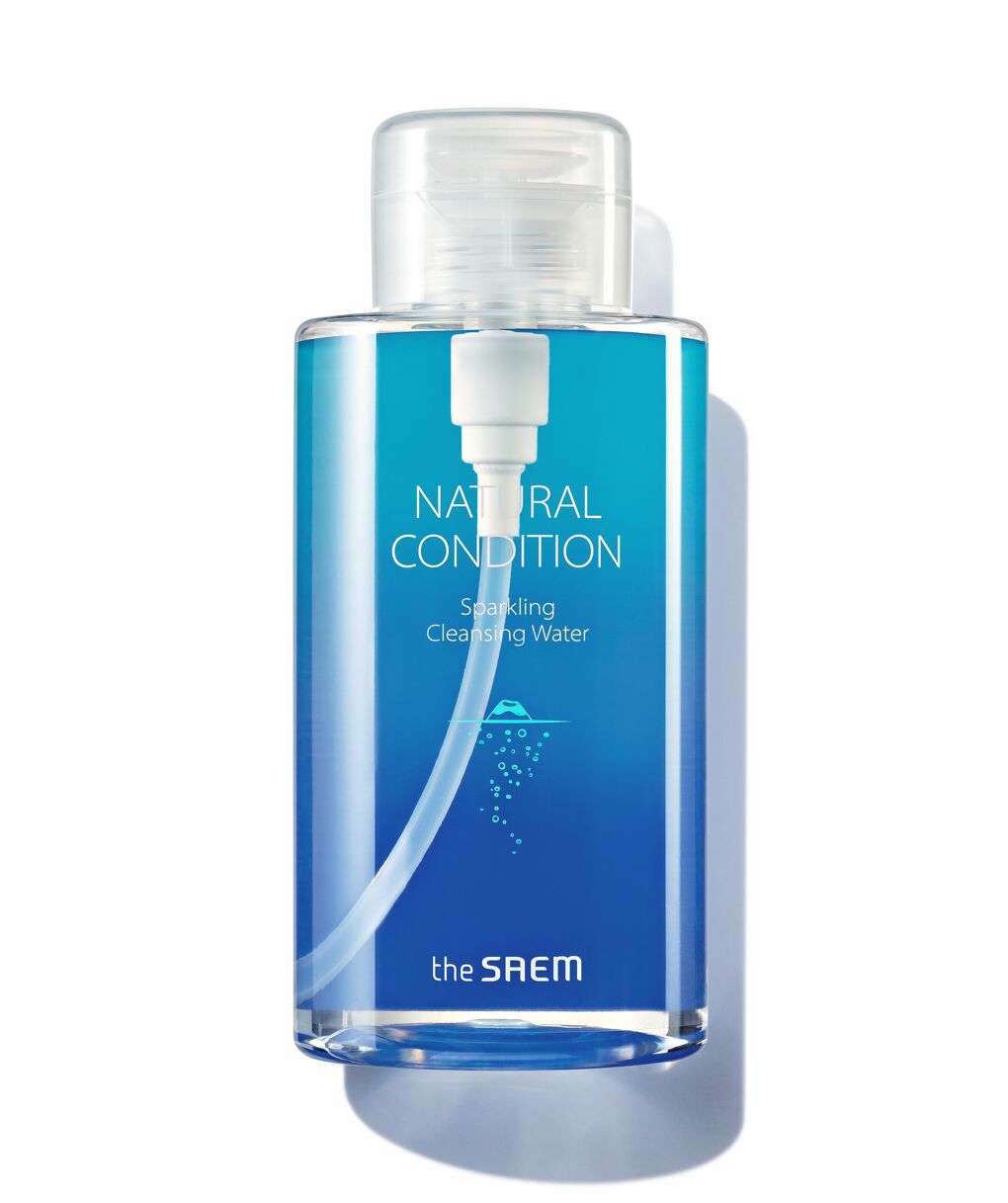
Natural Condition Sparkling Cleansing Water
The Saem
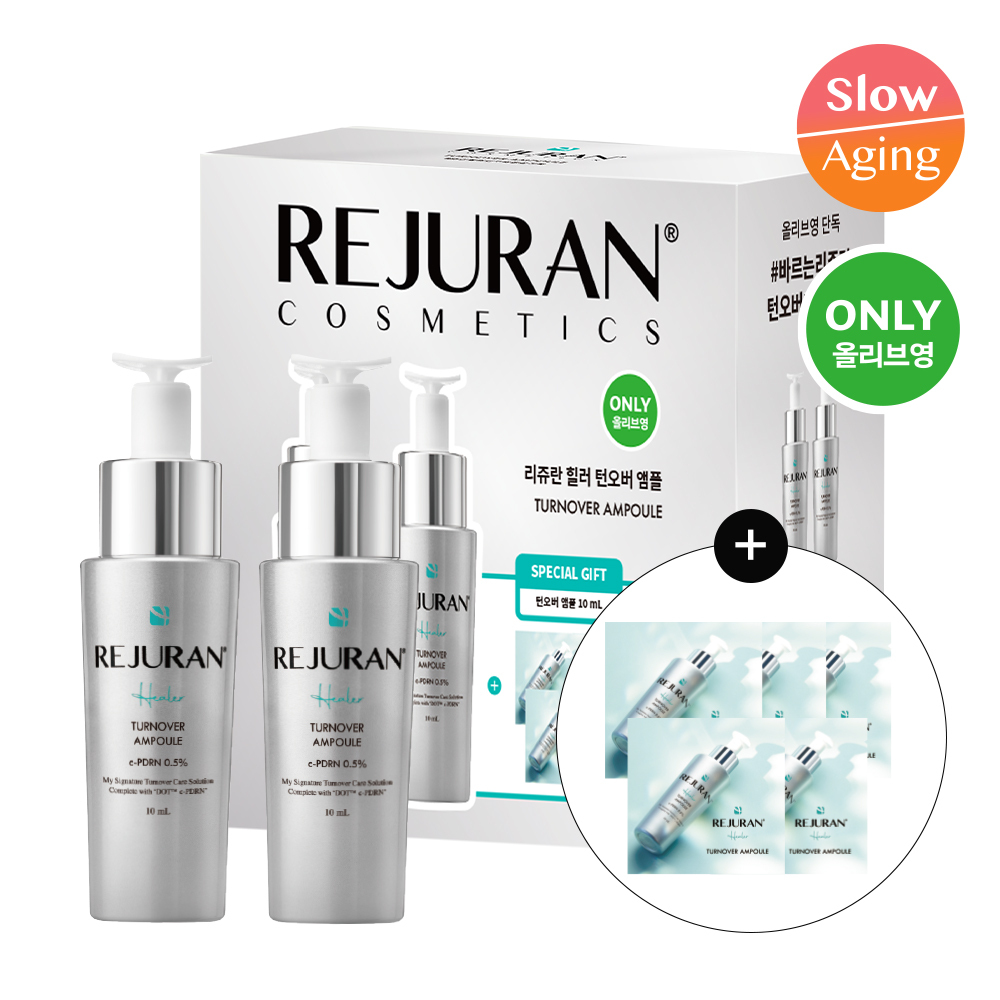
Healer Turnover Ampoule
Rejuran
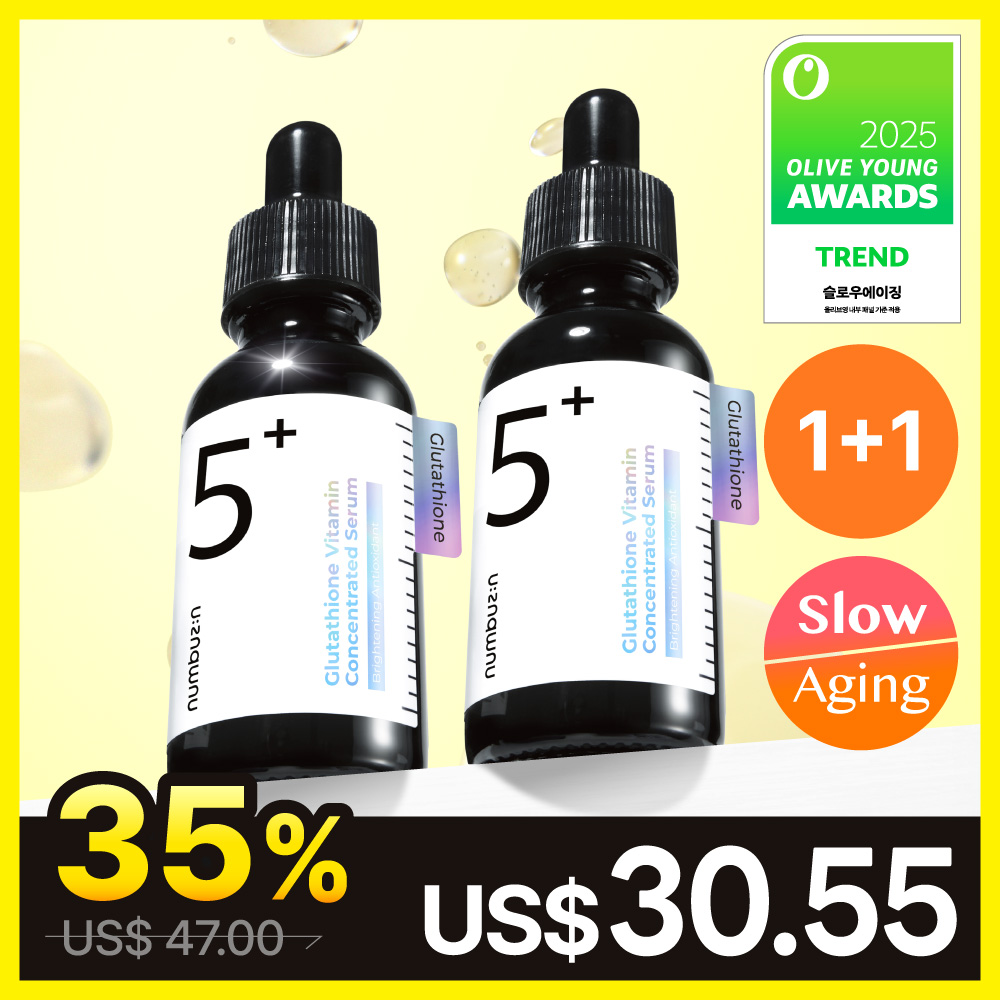
No.5+ Vitamin Concentrated Serum Duo Set
Numbuzin
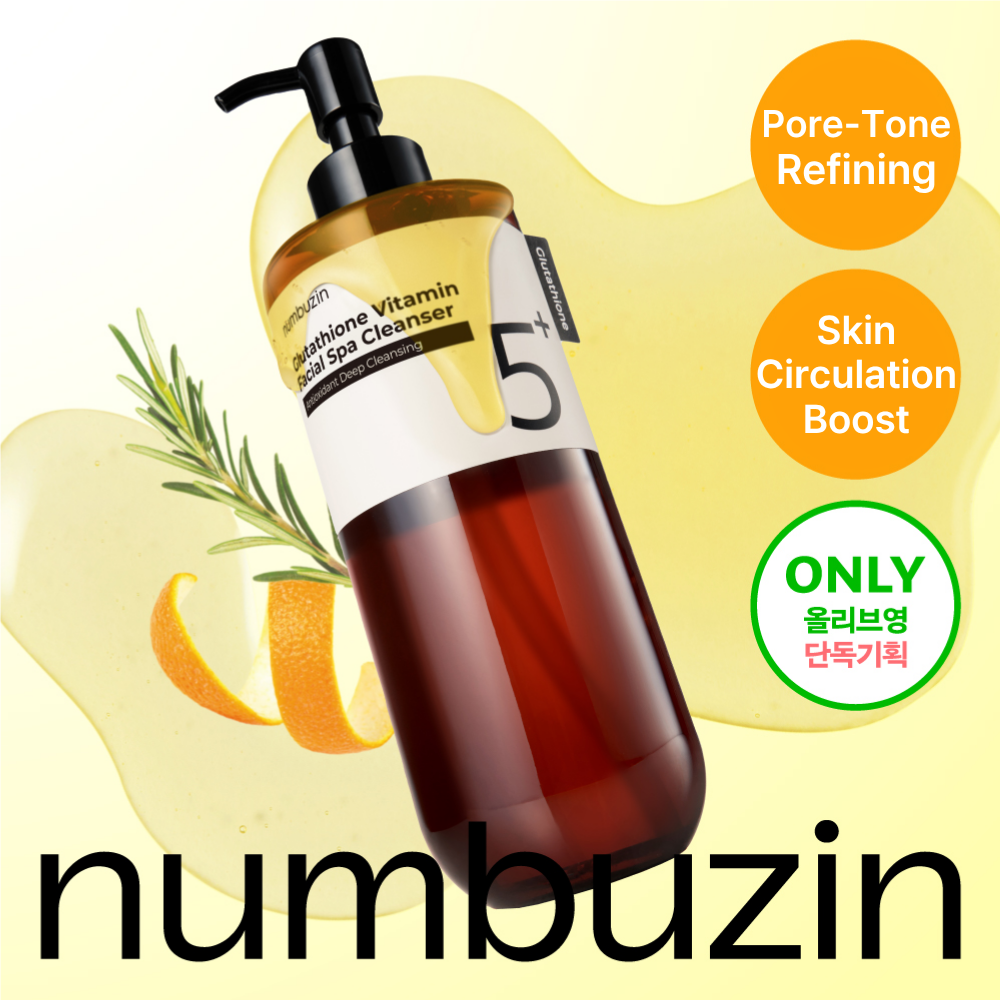
No. 5 Glutathione C Facial Spa Cleanser
Numbuzin
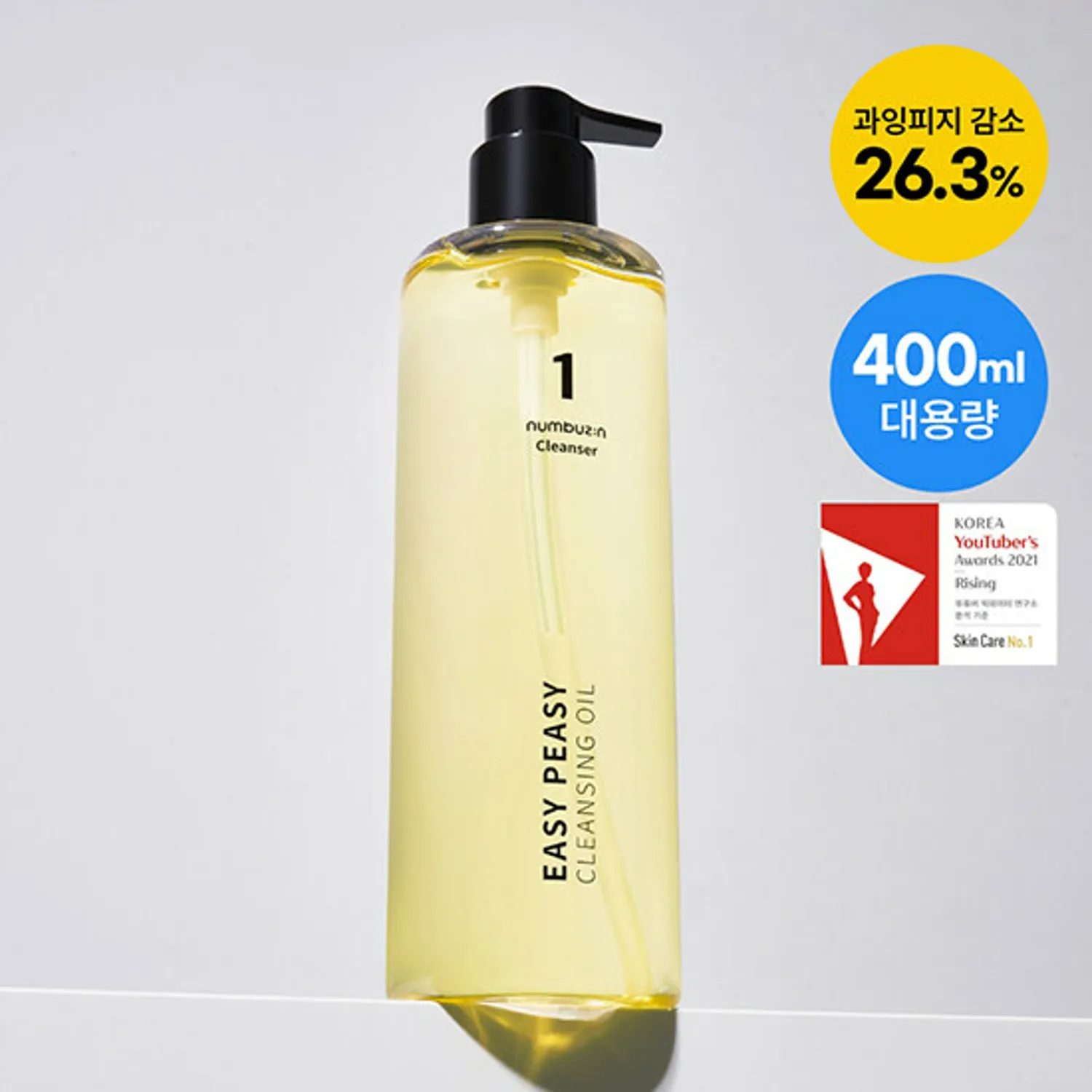
No. 1 Easy Peasy Cleansing Oil
Numbuzin
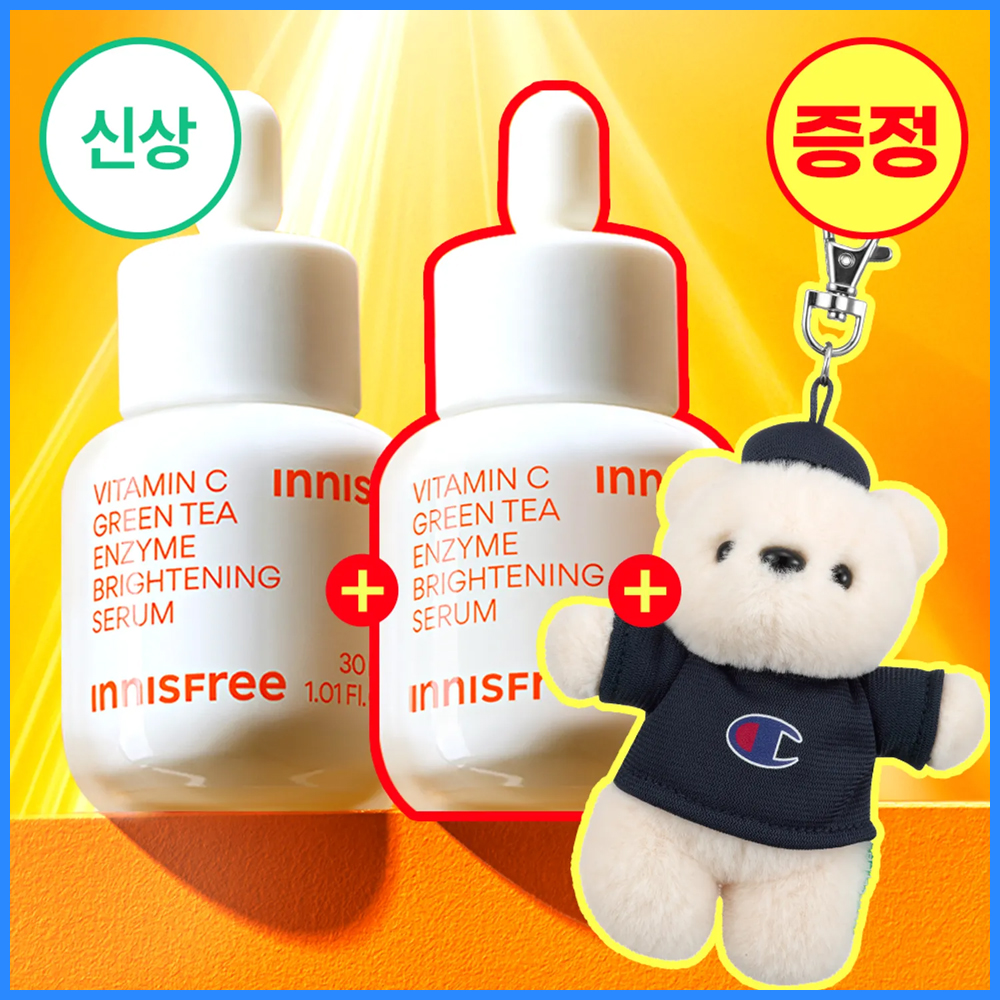
Vitamin C Green Tea Enzyme Brightening Serum
Innisfree
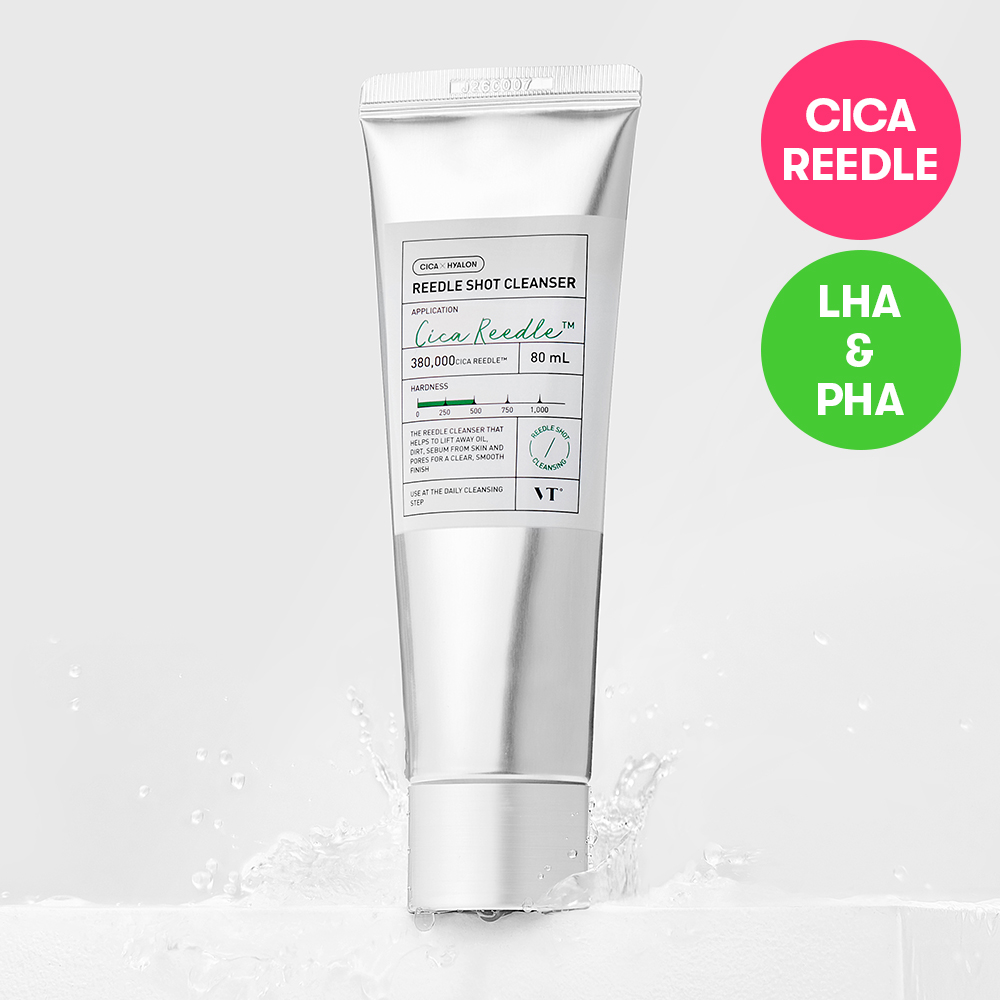
Reedle Shot Cleanser
VT
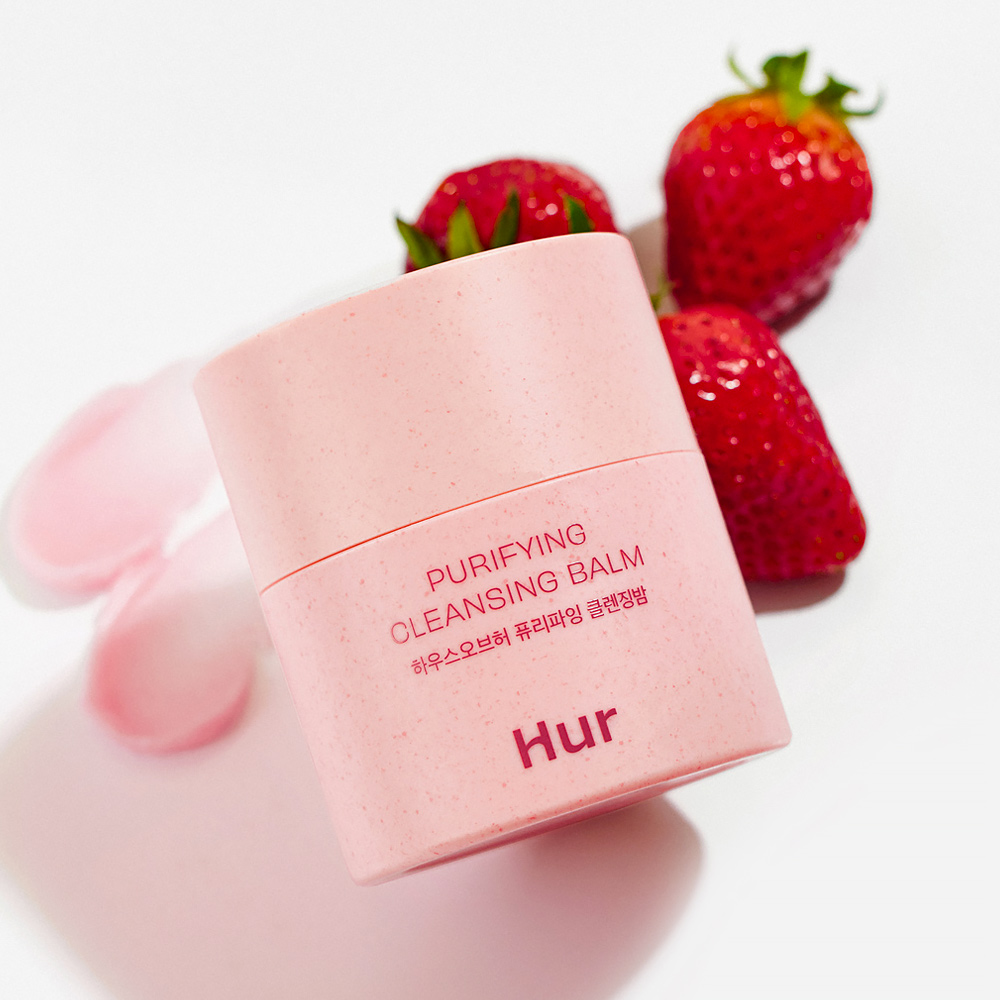
Purifying Cleansing Balm
House of Hur
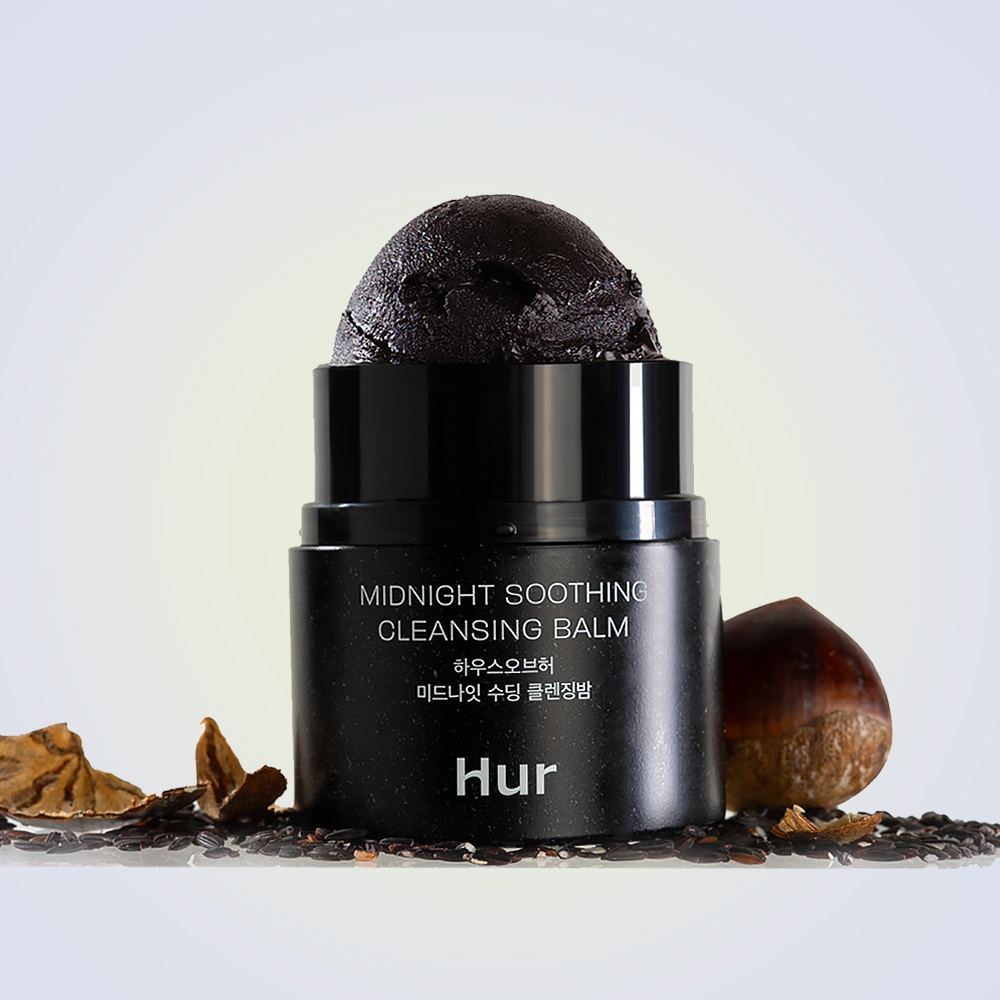
Midnight Soothing Cleansing Balm
House of Hur
Frequently Asked Questions
Is vitamin E acetate actually effective if it needs to be converted in the skin?▼
Why do some people break out from vitamin E acetate with a comedogenic rating of only 2/5?▼
Can I use vitamin E acetate products while pregnant or breastfeeding?▼
Why do so many K-beauty cleansing products contain vitamin E acetate?▼
Explore More
Want personalized ingredient advice?
Yuri, our AI beauty advisor, can tell you how Vitamin E Acetate works with your specific skin type, routine, and concerns.
Ask Yuri, free