Tris(Tetramethylhydroxypiperidinol) Citrate
Antioxidant and UV protection enhancer
About Tris(Tetramethylhydroxypiperidinol) Citrate
Tris(Tetramethylhydroxypiperidinol) Citrate is a sophisticated synthetic antioxidant that functions as a hindered amine light stabilizer, or HALS, in skincare formulations. While its chemical name sounds intimidating, this ingredient serves a critical protective role in modern K-beauty products, particularly those containing photosensitive actives like retinol and niacinamide. Unlike traditional antioxidants that sacrifice themselves to neutralize free radicals, HALS compounds work through a regenerative mechanism, making them exceptionally efficient at preventing oxidative damage over extended periods. In K-beauty formulations, Tris(Tetramethylhydroxypiperidinol) Citrate primarily protects both the formula itself and your skin from UV-induced degradation and free radical damage. This makes it an invaluable supporting player in serums and treatments containing unstable active ingredients. Found in 21 products on Seoul Sister, including top-rated formulations like Real Barrier's Retiniol Pore Tightening Serum (5.0/5) and Celimax's The Real Noni Acne Bubble Cleanser (4.9/5), this ingredient has become increasingly popular as Korean brands prioritize formula stability and comprehensive protection. Its non-comedogenic rating of 0/5 makes it universally suitable across skin types, while its primary function is preserving the efficacy of companion ingredients rather than delivering standalone visible benefits.
How Tris(Tetramethylhydroxypiperidinol) Citrate Works
Tris(Tetramethylhydroxypiperidinol) Citrate operates through a catalytic cycle rather than a sacrificial mechanism, which distinguishes it from conventional antioxidants like vitamin C or E. When UV radiation or environmental stressors generate free radicals, this hindered amine stabilizer intercepts them and converts them into stable, non-reactive molecules. The remarkable aspect of HALS technology is that the compound regenerates itself during this process, allowing a single molecule to neutralize multiple free radicals over time. At the molecular level, the tetramethylhydroxypiperidinol groups provide steric hindrance that prevents the molecule itself from being easily oxidized, while the nitrogen atoms serve as the reactive sites for radical scavenging. The citrate component improves water solubility and pH buffering, making the ingredient more compatible with various formulation types. This mechanism is particularly valuable in retinol serums and vitamin C products, where it prevents the premature oxidation of these notoriously unstable actives. By maintaining the integrity of photosensitive ingredients and protecting lipids in the skin barrier from peroxidation, this compound extends both product shelf life and the active working time of treatments on your skin.
Tris(Tetramethylhydroxypiperidinol) Citrate by Skin Type
Oily Skin
This ingredient is excellent for oily skin types, particularly when incorporated into retinol or niacinamide treatments commonly used to manage excess sebum and enlarged pores. Its 0/5 comedogenic rating means it won't contribute to breakouts, and its protective function ensures that pore-refining actives maintain their potency throughout use.
Dry Skin
Dry skin benefits from this ingredient's ability to protect barrier lipids from oxidative stress, which can worsen transepidermal water loss. When found in moisturizing formulations alongside retinol or peptides, it helps these actives work effectively without the additional irritation that can occur when products degrade or oxidize on dry, compromised skin.
Combo Skin
Combination skin types see advantages across different facial zones. The ingredient stabilizes active treatments in oilier areas while protecting the barrier function in drier regions. Its presence in serums like TIRTIR's Niacinamide 20% Serum (4.8/5) ensures consistent performance regardless of varying skin conditions across your face.
Sensitive Skin
Sensitive skin particularly benefits from this ingredient's protective properties because oxidized skincare ingredients are often more irritating than their stable counterparts. By preventing the degradation of actives like retinol, it reduces the likelihood of inflammation and sensitivity reactions. However, as with any synthetic ingredient, those with severe sensitivities should patch test first, though its safety rating of 4/5 suggests broad tolerability.
Normal Skin
Normal skin can maintain its balanced state more effectively when using products containing this stabilizer, particularly when incorporating potent actives. It provides insurance against environmental stressors without adding unnecessary texture or weight to formulations, making it ideal for preventative anti-aging routines.
How to Use Tris(Tetramethylhydroxypiperidinol) Citrate
- 1Look for this ingredient in serums containing retinol, vitamin C, or high-concentration niacinamide, where it serves as a formula stabilizer and enhances the longevity of active ingredients.
- 2Products with this ingredient can be safely used morning or evening, though its UV-protective properties make it particularly valuable in daytime routines alongside sunscreen.
- 3Store products containing Tris(Tetramethylhydroxypiperidinol) Citrate in cool, dark places to maximize the synergistic preservation benefits, even though this ingredient itself provides protection against degradation.
- 4This ingredient works well in layering routines and has no known conflicts with other common skincare actives, making it a reliable component in multi-step K-beauty regimens.
Background
Hindered amine light stabilizers were originally developed in the 1970s for industrial applications, protecting plastics and polymers from UV degradation. The technology migrated to cosmetic chemistry in the early 2000s as formulators sought more efficient ways to stabilize increasingly complex active ingredient combinations. K-beauty brands, known for their innovation in formula stability and multi-functional ingredients, began incorporating HALS compounds like Tris(Tetramethylhydroxypiperidinol) Citrate in the 2010s as retinol and vitamin C products gained popularity. The ingredient represents the Korean beauty industry's commitment to scientific advancement and product efficacy. Unlike botanical antioxidants with traditional medicine roots, this is purely a modern synthetic innovation born from cosmetic chemistry labs. Its adoption in K-beauty reflects a pragmatic approach where natural and synthetic ingredients coexist based on performance rather than philosophy.
K-Beauty Products with Tris(Tetramethylhydroxypiperidinol) Citrate
View all 22 →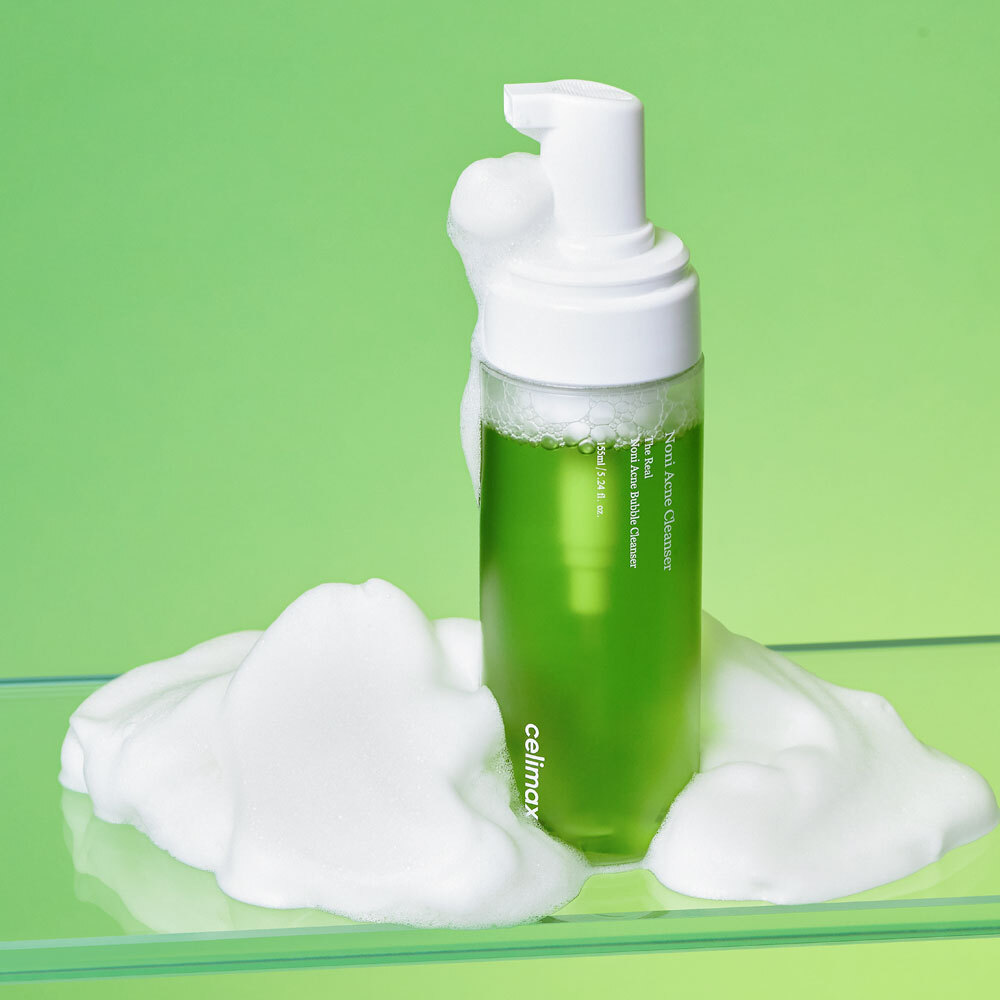
The Real Noni Acne Bubble Cleanser
Celimax
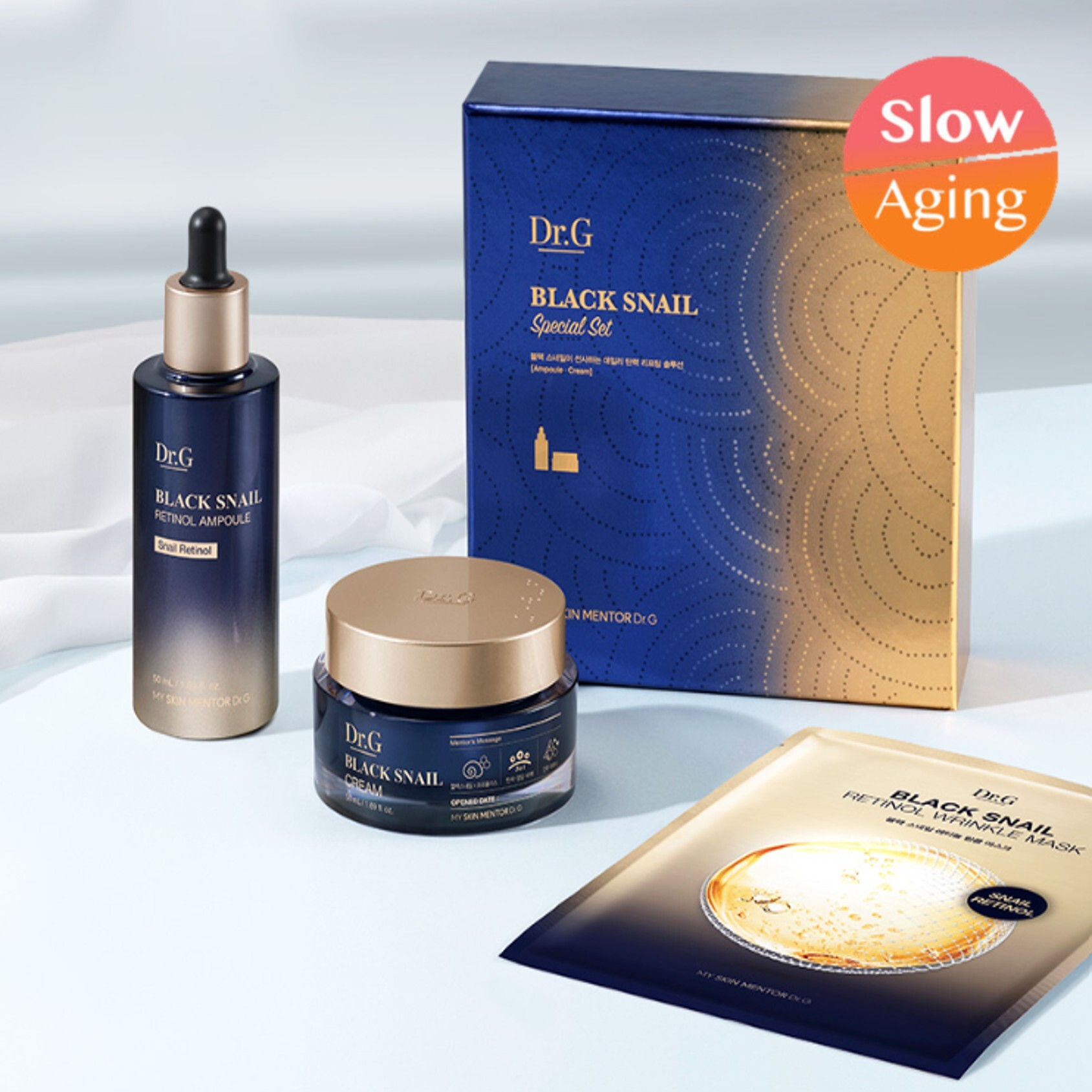
Black Snail Retinol 3P Set (Cream 50ml + Ampoule 50ml + Wrinkle Mask Sheet 1ea)
Dr.G
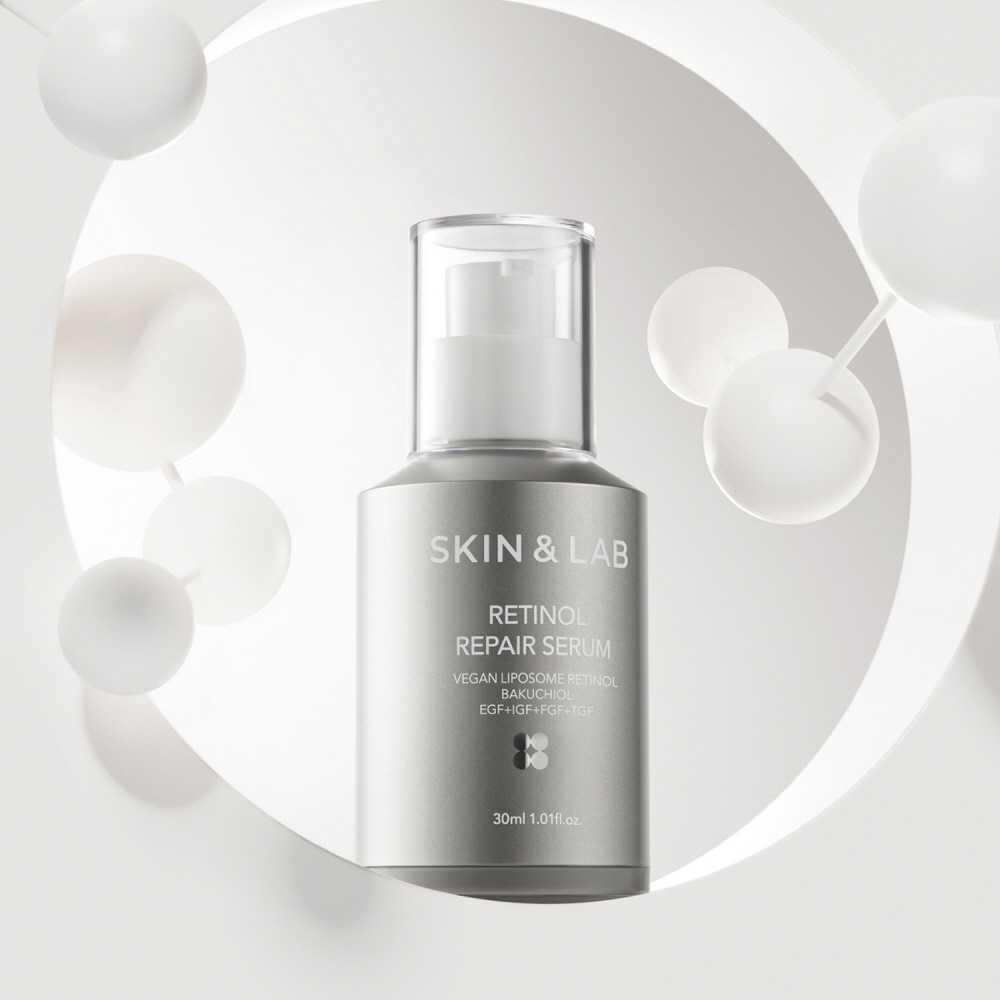
Retinol Repair Serum
Skin&Lab
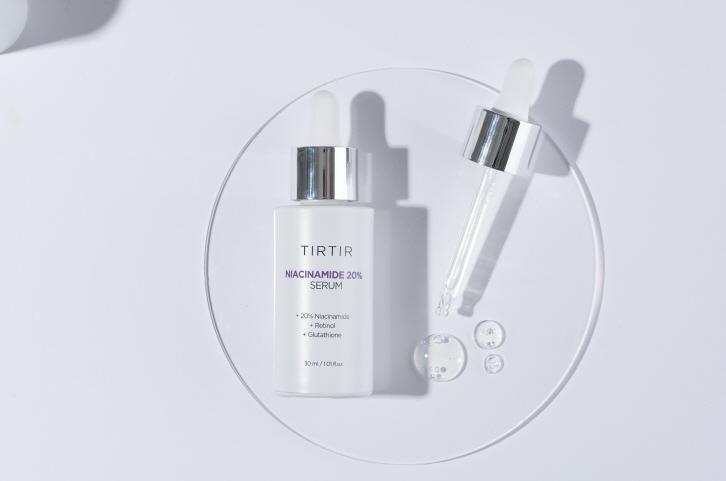
Niacinamide 20% Serum
TIRTIR
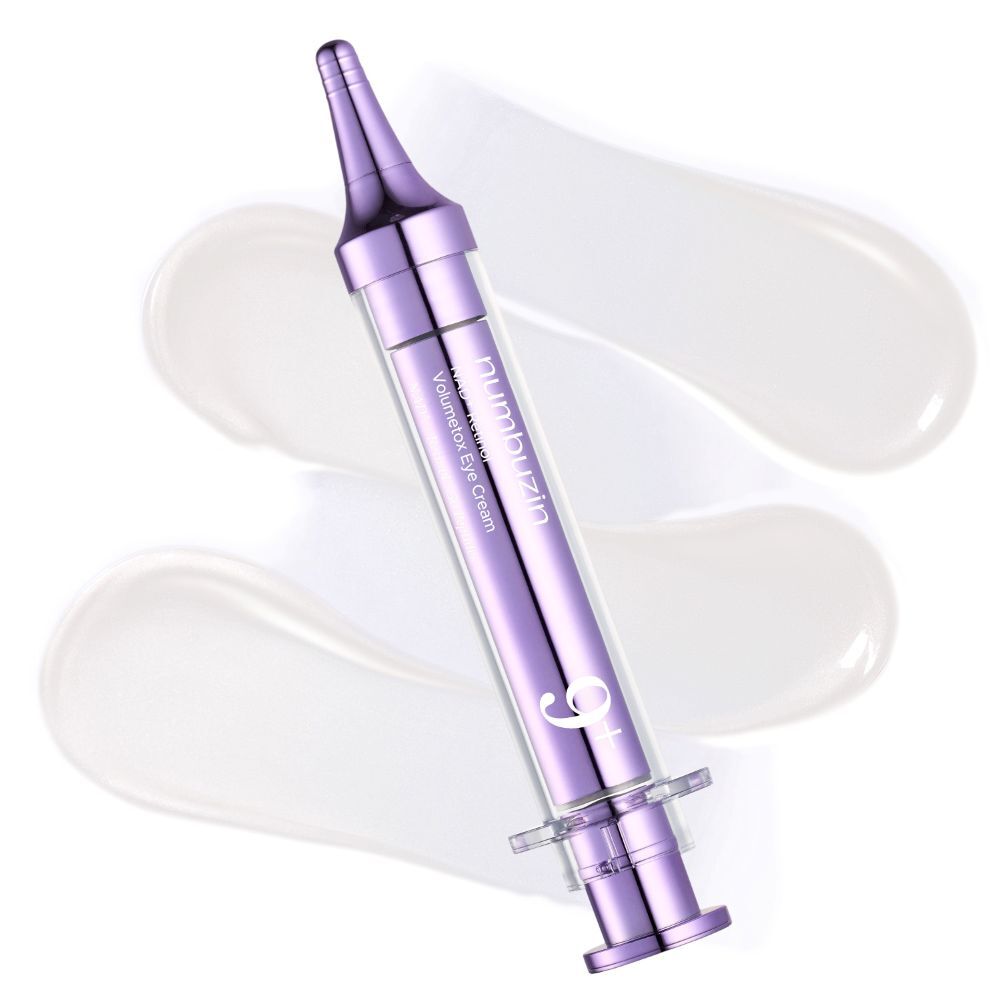
No. 9 NAD RetinA Volume Shot Eye Cream
Numbuzin
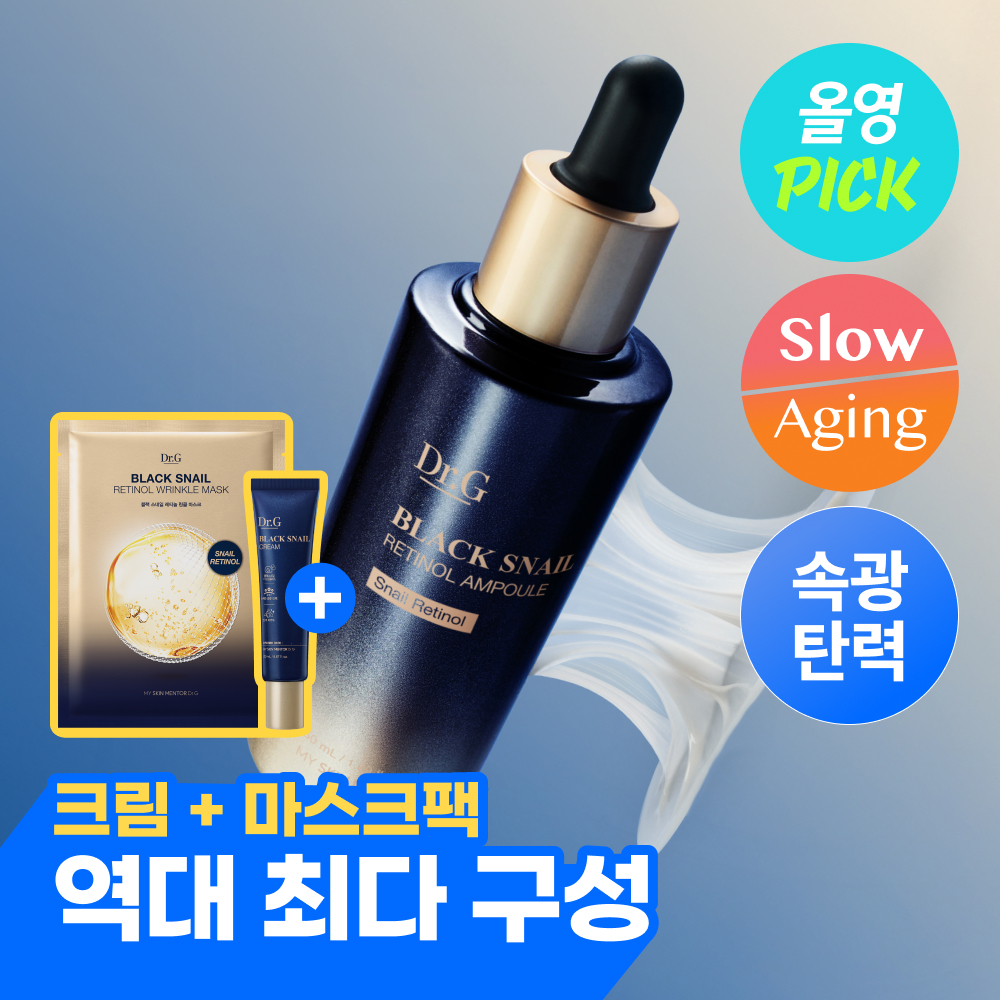
Black Snail Retinol Ampoule Set
Dr.G
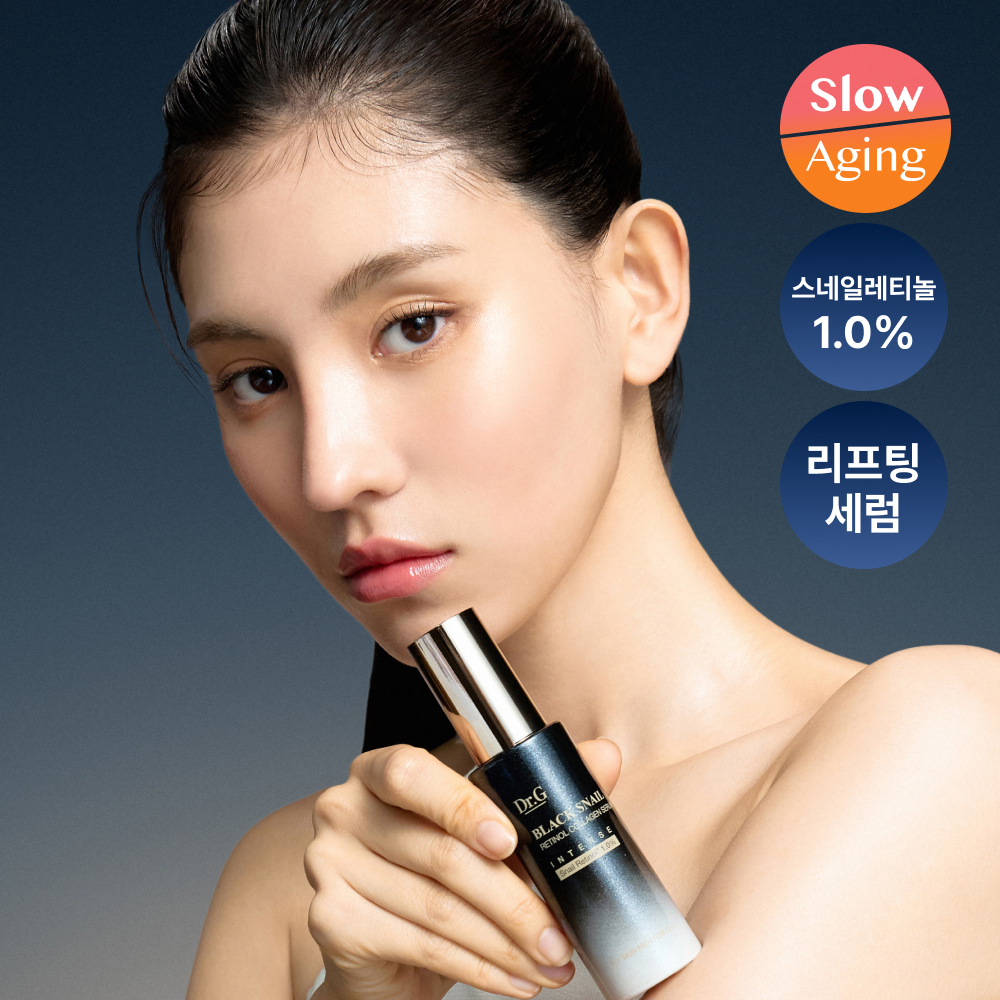
Black Snail Retinol 1.0 Collagen Serum Intense
Dr.G
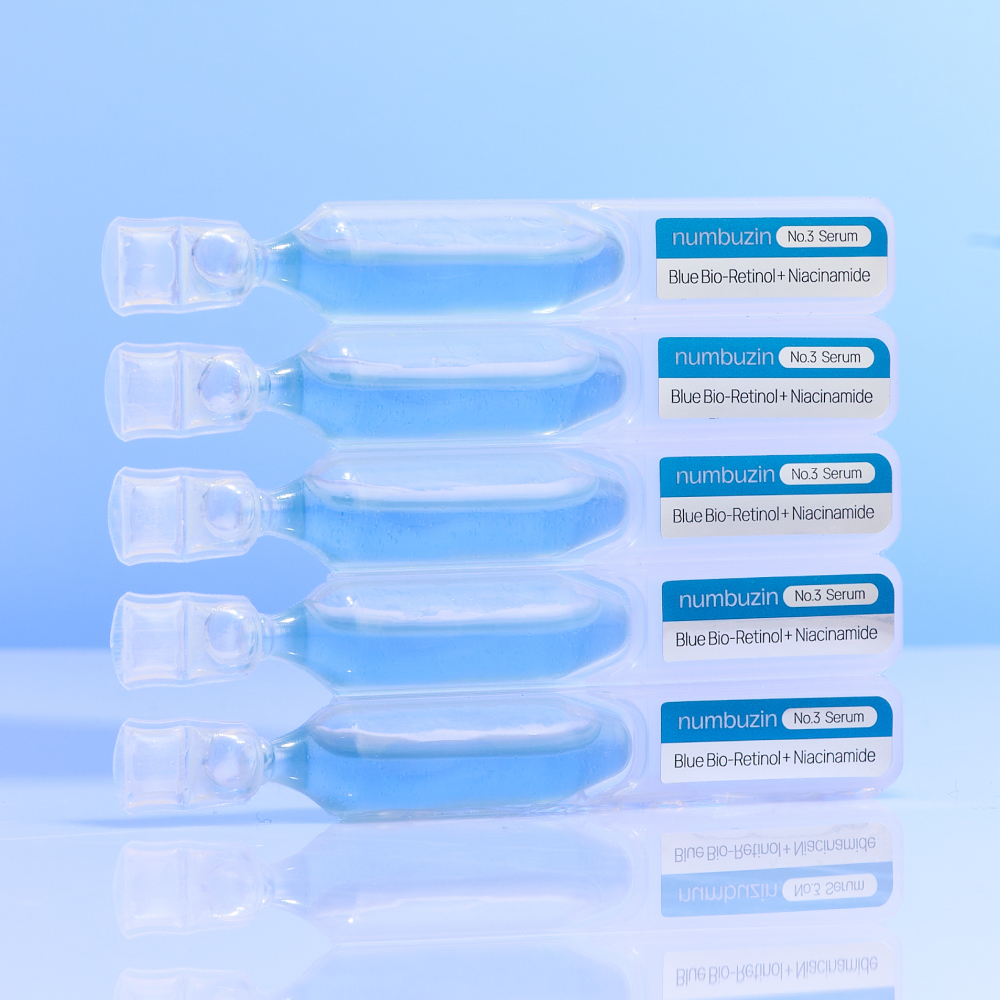
No. 3 Blue Bio-Retinol Pore Refining Serum
Numbuzin
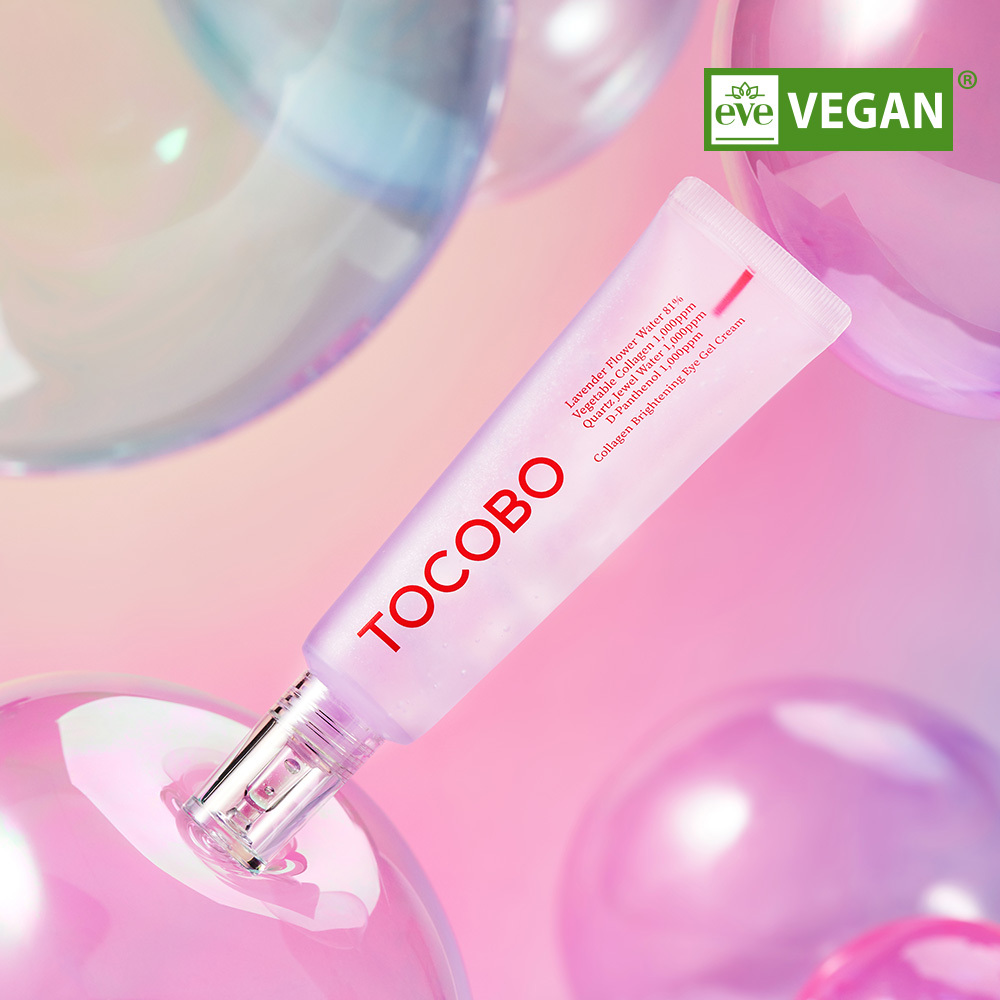
Collagen Brightening Eye Gel Cream
TOCOBO
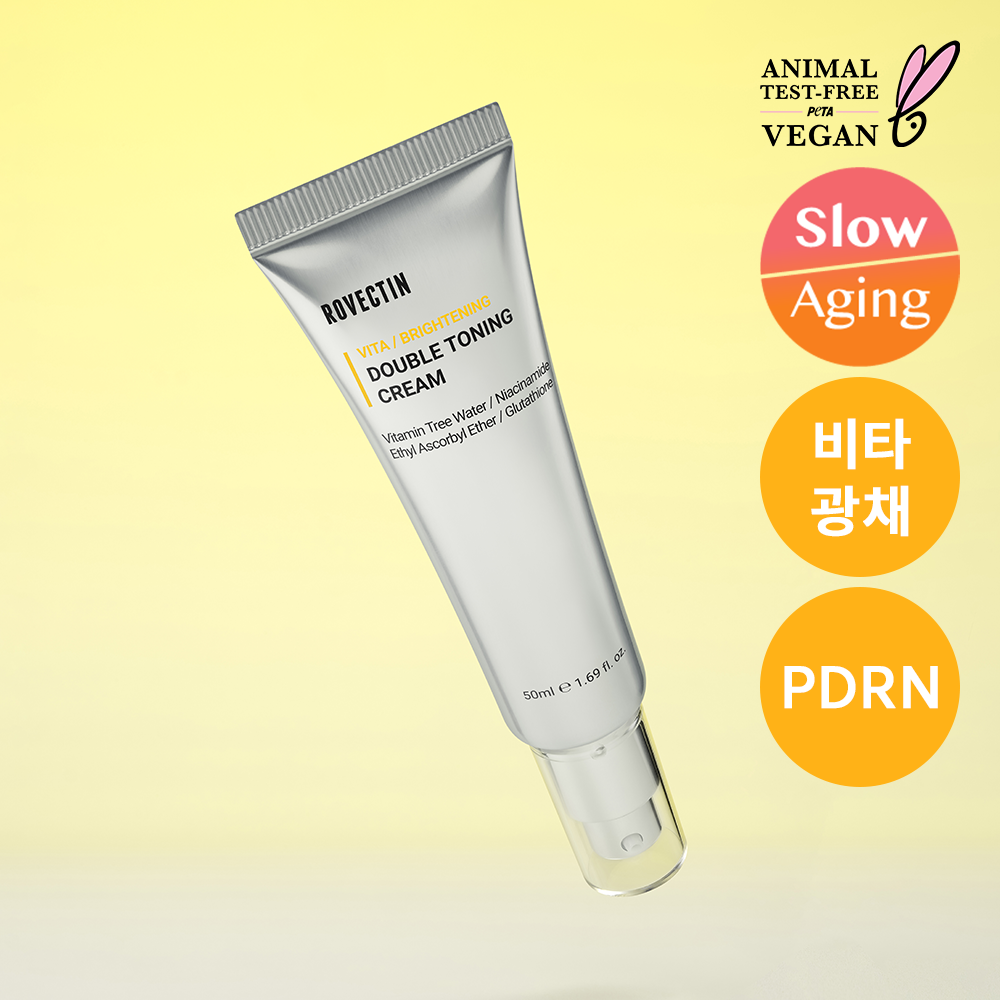
Vita Double Toning Cream
Rovectin
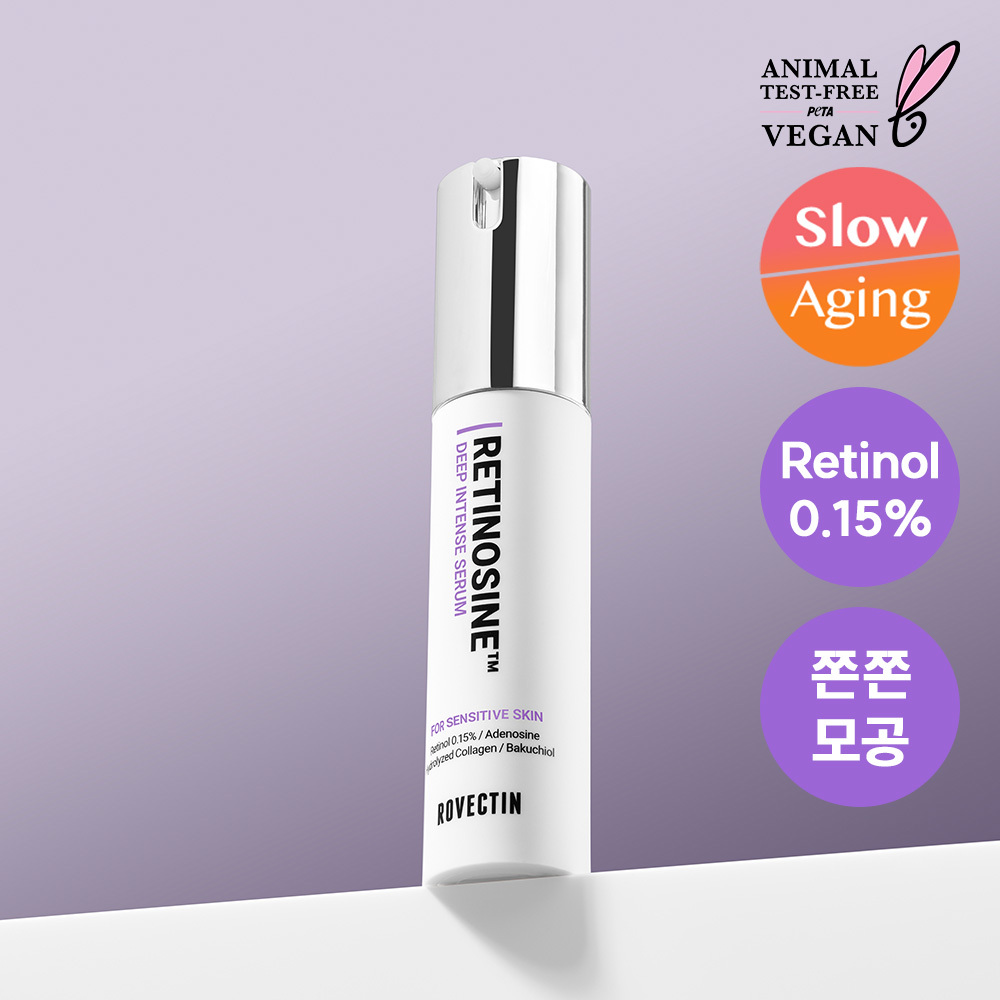
Retinosine Deep Intense Serum
Rovectin
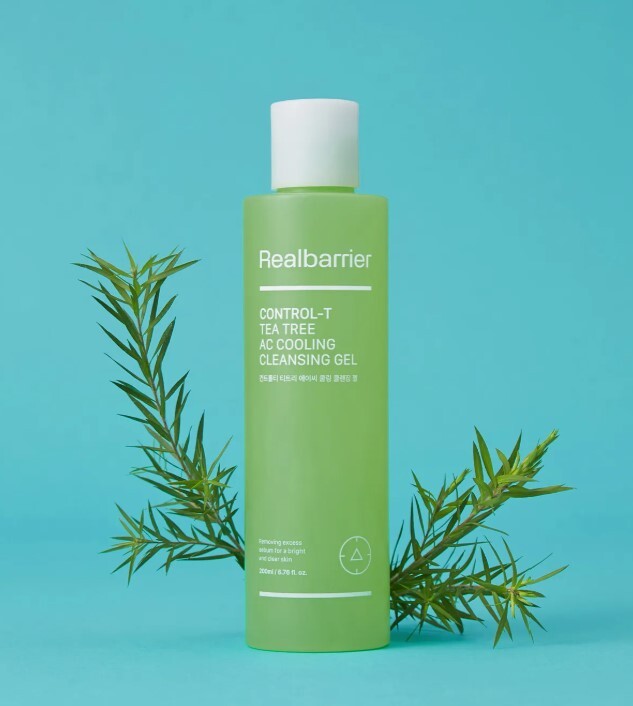
Control-T Tea Tree AC Cooling Cleansing Gel
Real Barrier
Frequently Asked Questions
Is Tris(Tetramethylhydroxypiperidinol) Citrate safe for daily use?▼
Does this ingredient provide the same UV protection as sunscreen?▼
Why do retinol products often contain this ingredient?▼
Can this ingredient cause purging or breakouts?▼
Is this ingredient considered natural or synthetic?▼
Explore More
Want personalized ingredient advice?
Yuri, our AI beauty advisor, can tell you how Tris(Tetramethylhydroxypiperidinol) Citrate works with your specific skin type, routine, and concerns.
Ask Yuri, free