Wheat Sprout Extract
INCI: Triticum Vulgare (Wheat) Sprout Extract
Antioxidant and skin conditioning agent
About Wheat Sprout Extract
Wheat sprout extract is a potent botanical ingredient derived from the young shoots of germinated wheat (Triticum vulgare). When wheat seeds sprout, they undergo a biochemical transformation that concentrates vitamins, minerals, enzymes, and antioxidants at levels far exceeding those found in mature wheat. This makes wheat sprout extract particularly valuable in K-beauty formulations, where it functions as both an antioxidant powerhouse and a skin conditioning agent. The extract is rich in vitamins B and E, along with amino acids and polyphenols that help protect skin from environmental stressors while improving its overall texture and resilience. K-beauty brands favor wheat sprout extract for its ability to deliver nourishment without heaviness, making it especially popular in cleansing products where it can provide skin benefits even during the brief contact time of washing. With a low comedogenic rating of 1 out of 5, it's suitable for most skin types, including acne-prone skin. Its appearance in 55 products on Seoul Sister reflects the K-beauty philosophy of incorporating gentle yet effective plant-based actives that work harmoniously with skin's natural processes rather than against them.
How Wheat Sprout Extract Works
At the cellular level, wheat sprout extract works through multiple complementary mechanisms. Its high concentration of superoxide dismutase (SOD), an enzyme naturally present in skin that declines with age, helps neutralize free radicals before they can damage cellular membranes and DNA. The vitamin E (tocopherol) content provides lipid-soluble antioxidant protection, particularly important for maintaining the integrity of the skin barrier's lipid matrix. Wheat sprout extract also contains ferulic acid, a phenolic compound that enhances the stability and efficacy of other antioxidants while providing its own UV-protective benefits. The amino acid profile supports the synthesis of structural proteins like collagen and elastin, while B vitamins (particularly panthenol and niacin derivatives) help regulate cellular metabolism and moisture retention. The extract's polysaccharides form a light film on the skin surface that helps prevent transepidermal water loss without occlusion. This multi-pronged approach means wheat sprout extract doesn't just defend against oxidative stress, it actively supports skin's regenerative processes and barrier function.
Wheat Sprout Extract by Skin Type
Oily Skin
Wheat sprout extract is excellent for oily skin types because it delivers antioxidant protection and conditioning benefits without adding heaviness or pore-clogging oils. Its low comedogenic rating (1/5) means it won't trigger breakouts, while its enzyme content can help support balanced sebum production. The lightweight nature makes it ideal in the foam cleansers where it commonly appears in K-beauty formulations.
Dry Skin
This ingredient works beautifully for dry skin by providing both immediate and long-term hydration support. The amino acids and polysaccharides help strengthen the moisture barrier, while vitamin E protects the lipid layers that prevent water loss. Dry skin types should look for wheat sprout extract in leave-on products or cleansers designed to be less stripping, as its conditioning properties are most beneficial with longer contact time.
Combo Skin
Combination skin benefits from wheat sprout extract's balanced approach to skin conditioning. It hydrates dry zones without overwhelming oily areas, thanks to its non-greasy texture and low comedogenic potential. The antioxidant protection is valuable across all areas of the face, making it an ideal ingredient for combination skin that needs uniform environmental defense without aggravating either dry or oily concerns.
Sensitive Skin
Wheat sprout extract is generally well-tolerated by sensitive skin due to its plant-based origin and soothing properties. However, individuals with wheat or gluten allergies should exercise caution, as topical reactions are possible even though the proteins in sprout extracts differ from those in wheat grain. The antioxidant and anti-inflammatory properties can help calm reactive skin, but always patch test if you have known wheat sensitivities.
Normal Skin
Normal skin types can use wheat sprout extract as a preventive antioxidant measure to maintain skin health over time. It provides the environmental protection and mild conditioning that helps normal skin stay balanced and resilient. The ingredient works well in daily cleansers, where products like the Wonder Bath Super Vegitoks Packcleanser (5.0/5 on Seoul Sister) demonstrate how wheat sprout extract can enhance routine maintenance without unnecessary complexity.
How to Use Wheat Sprout Extract
- 1Look for wheat sprout extract in cleansers for a gentle antioxidant boost even in rinse-off products, though leave-on formulations will provide more sustained benefits.
- 2Pair with other antioxidants like vitamin C or niacinamide for synergistic protection, as wheat sprout extract's ferulic acid content can enhance the stability of other actives.
- 3If you have a wheat allergy, perform a patch test before incorporating products with wheat sprout extract into your routine, even though topical reactions are less common than with wheat grain proteins.
- 4Use products containing wheat sprout extract in your morning routine for daytime environmental protection, particularly if they're combined in cleansers like the top-rated options on Seoul Sister.
Background
Wheat has been cultivated for over 10,000 years, but the nutritional power of wheat sprouts has only recently been harnessed in skincare. The practice of sprouting grains for enhanced nutrition dates back to ancient Chinese medicine and Ayurvedic traditions, where sprouted grains were valued for their concentrated vital energy. Modern scientific analysis confirmed what traditional healers intuited: sprouting dramatically increases bioavailable nutrients and enzyme activity. Korean skincare brands, always attentive to both traditional wisdom and cutting-edge research, began incorporating wheat sprout extract in the early 2010s as part of the broader trend toward fermented and sprouted ingredients. The K-beauty industry recognized that the biochemical changes during sprouting create compounds particularly compatible with skin's needs, leading to its inclusion in everything from cleansers to essences. Today, wheat sprout extract represents the intersection of agricultural heritage and modern cosmetic science in K-beauty formulations.
K-Beauty Products with Wheat Sprout Extract
View all 59 →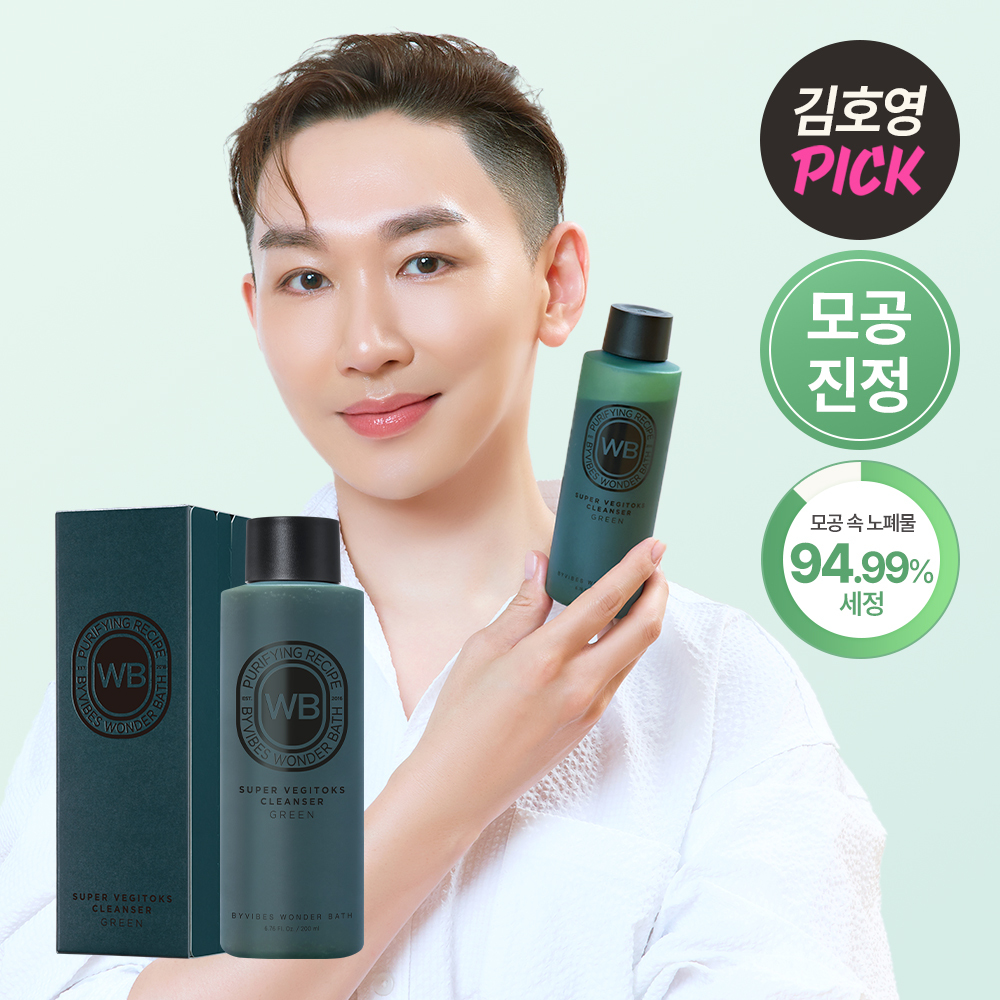
Wonder Bath Super Vegitoks Packcleanser
Chosungah Beauty
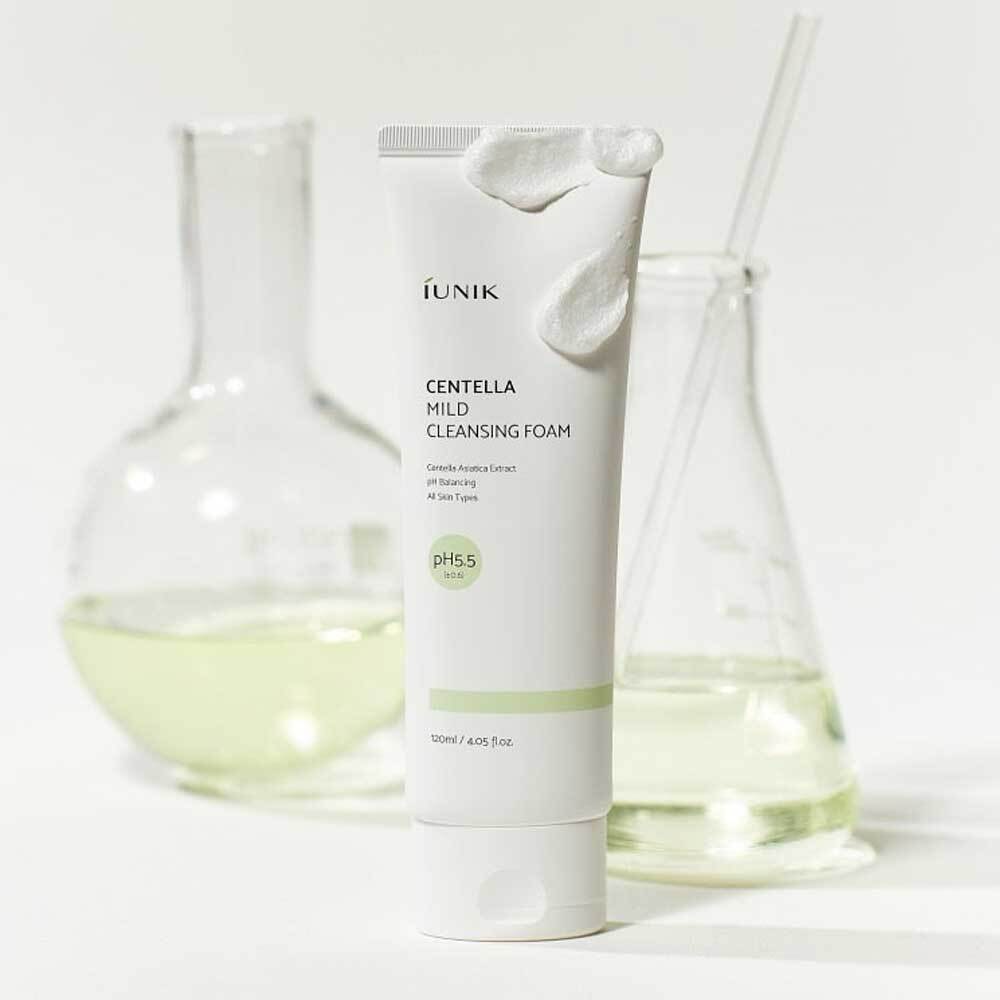
Centella Mild Cleansing Foam
iUNIK
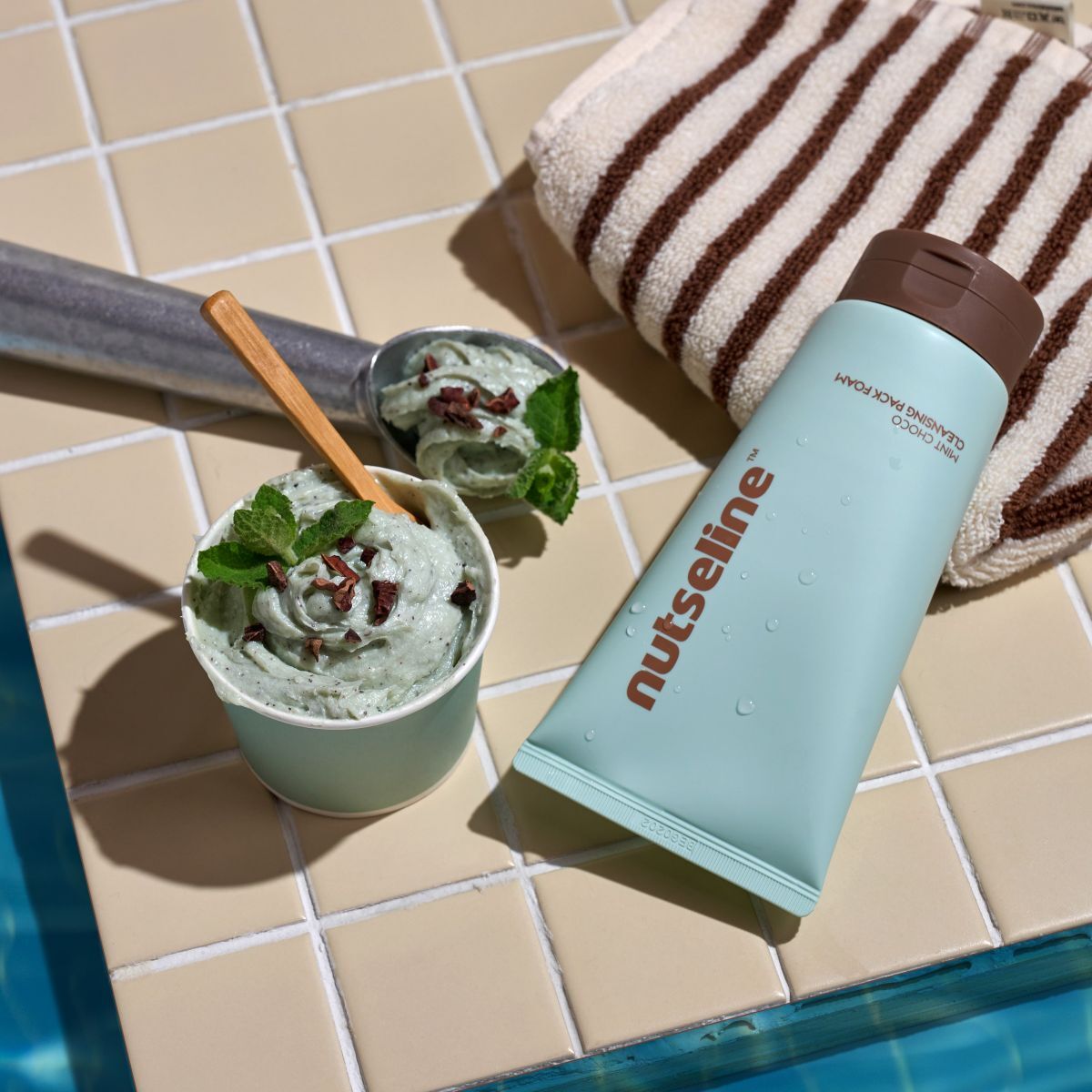
Mint Choco Cleansing Pack Foam
Nutseline
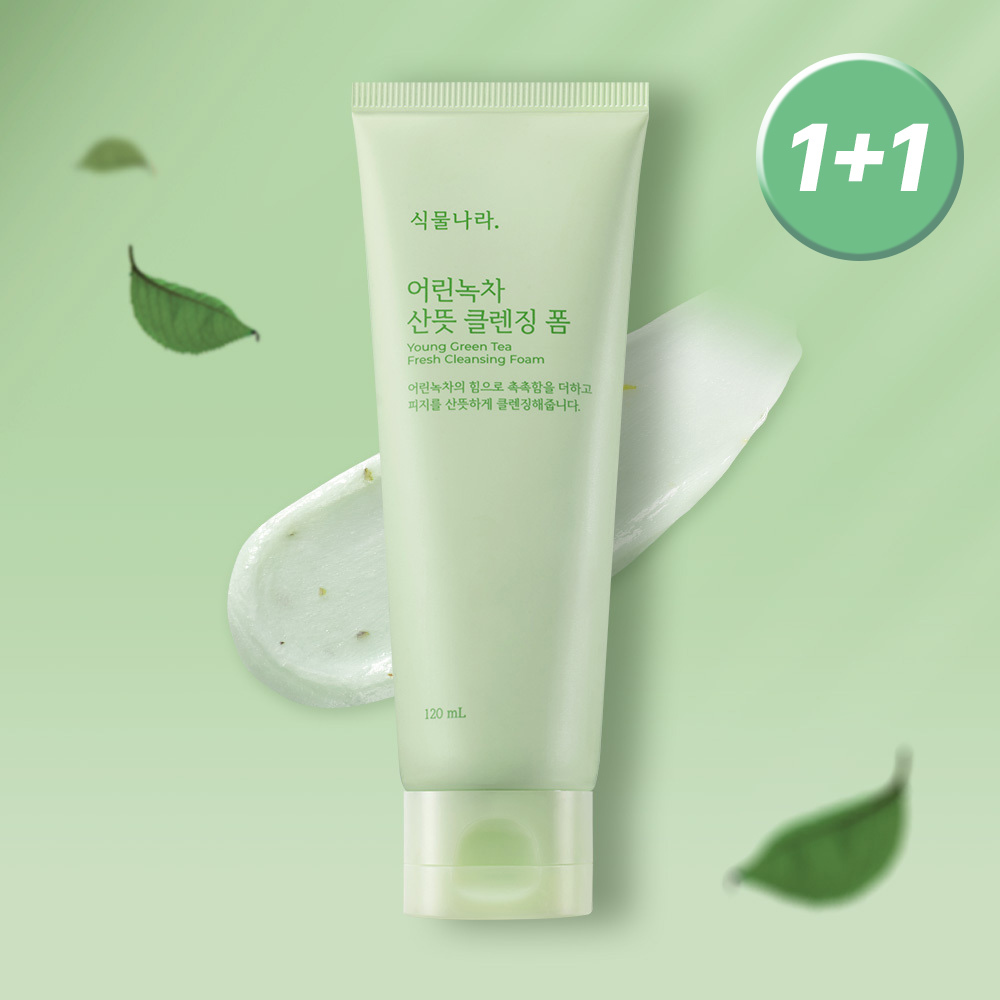
Young Green Tea Refreshing Foam Cleanser
Shingmulnara
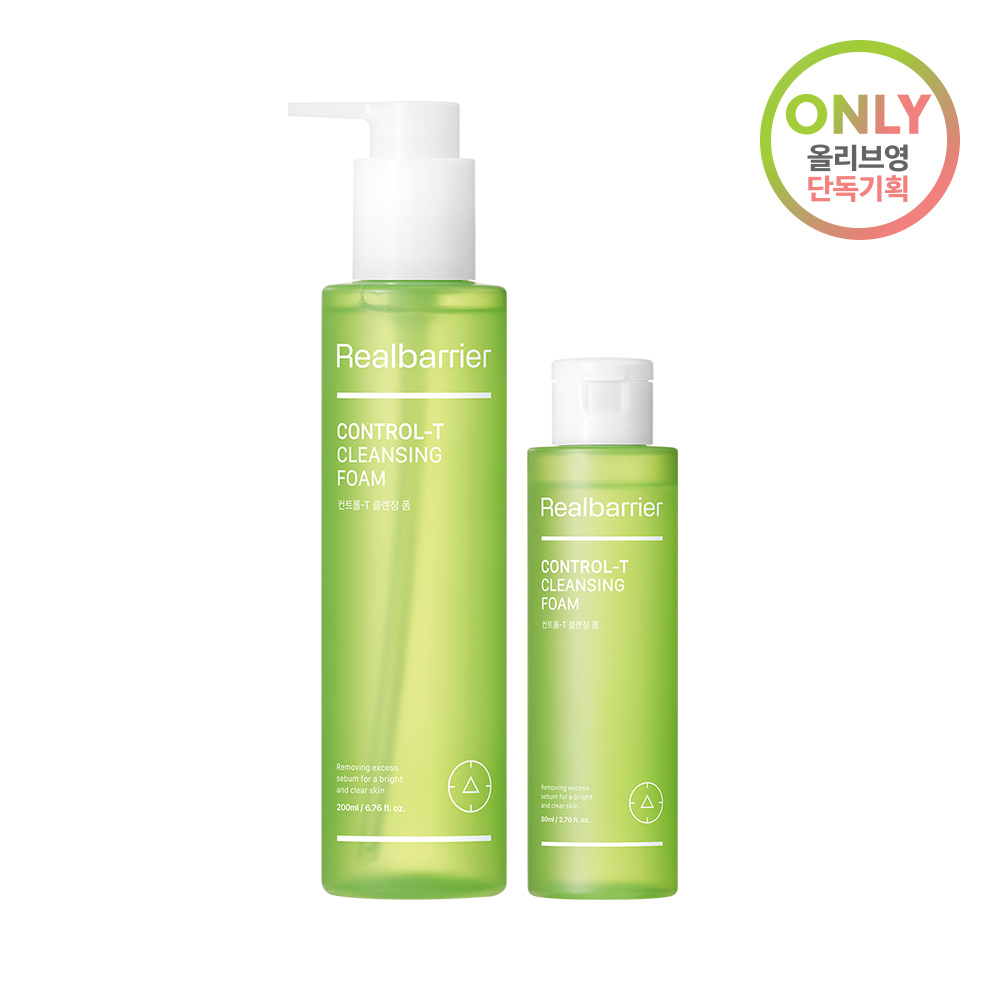
Control-T Cleansing Foam
Real Barrier
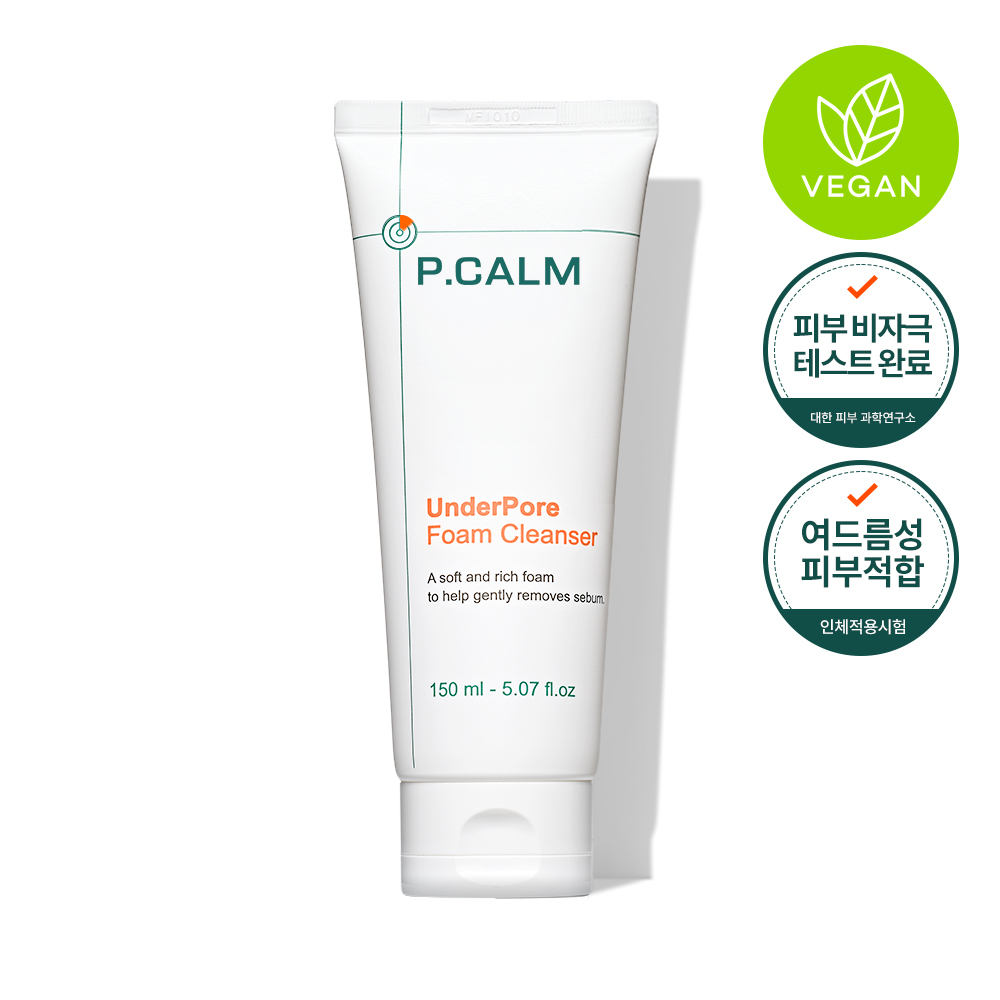
UnderPore Foam Cleanser
Beplain
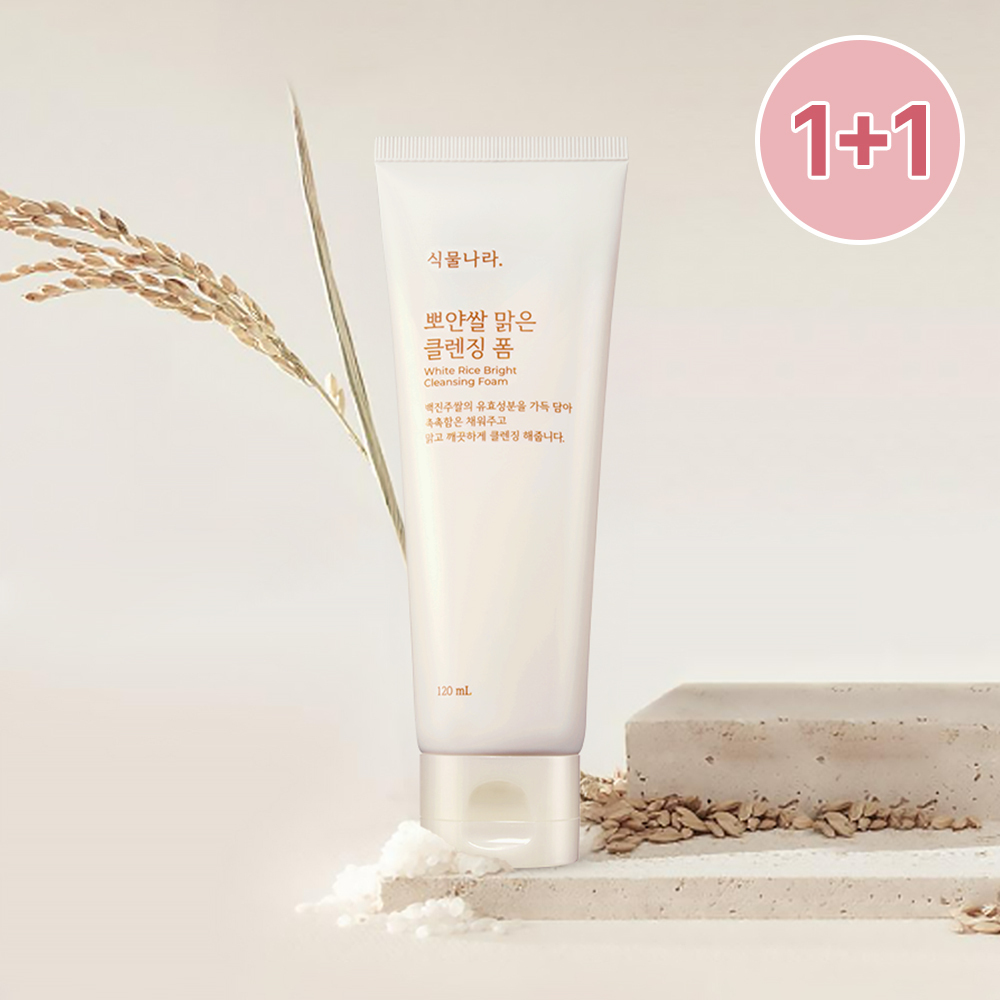
White Rice Bright Cleansing Foam
Shingmulnara
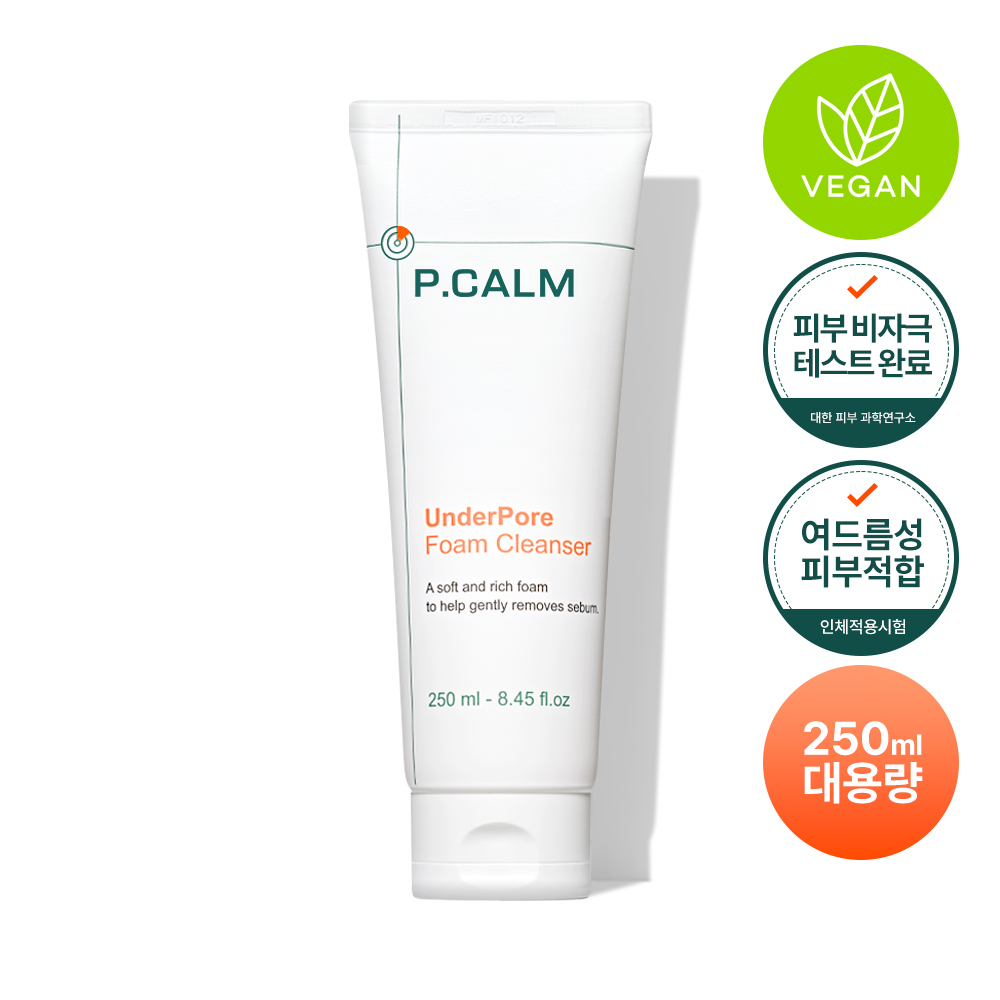
P.CALM Under Pore Foam Cleanser
Beplain
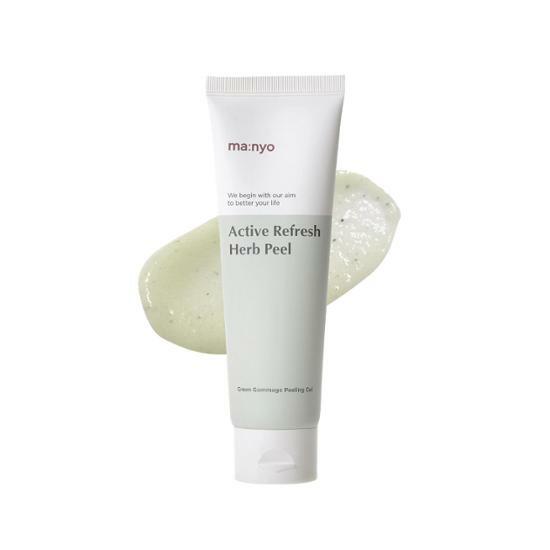
Active Refresh Herb Peel
ma:nyo
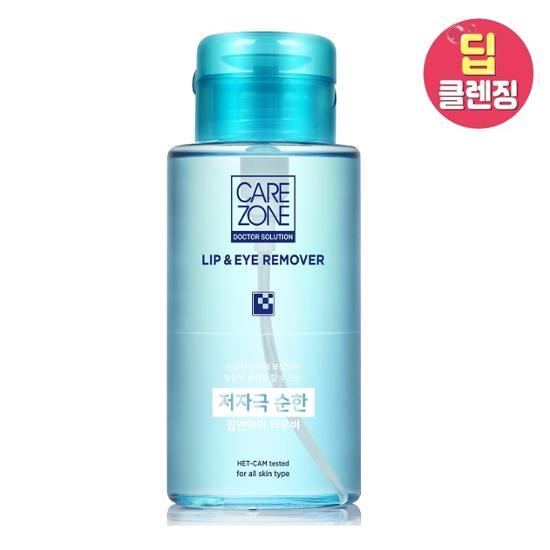
Doctor Solution Lip & Eye Remover
CAREZONE
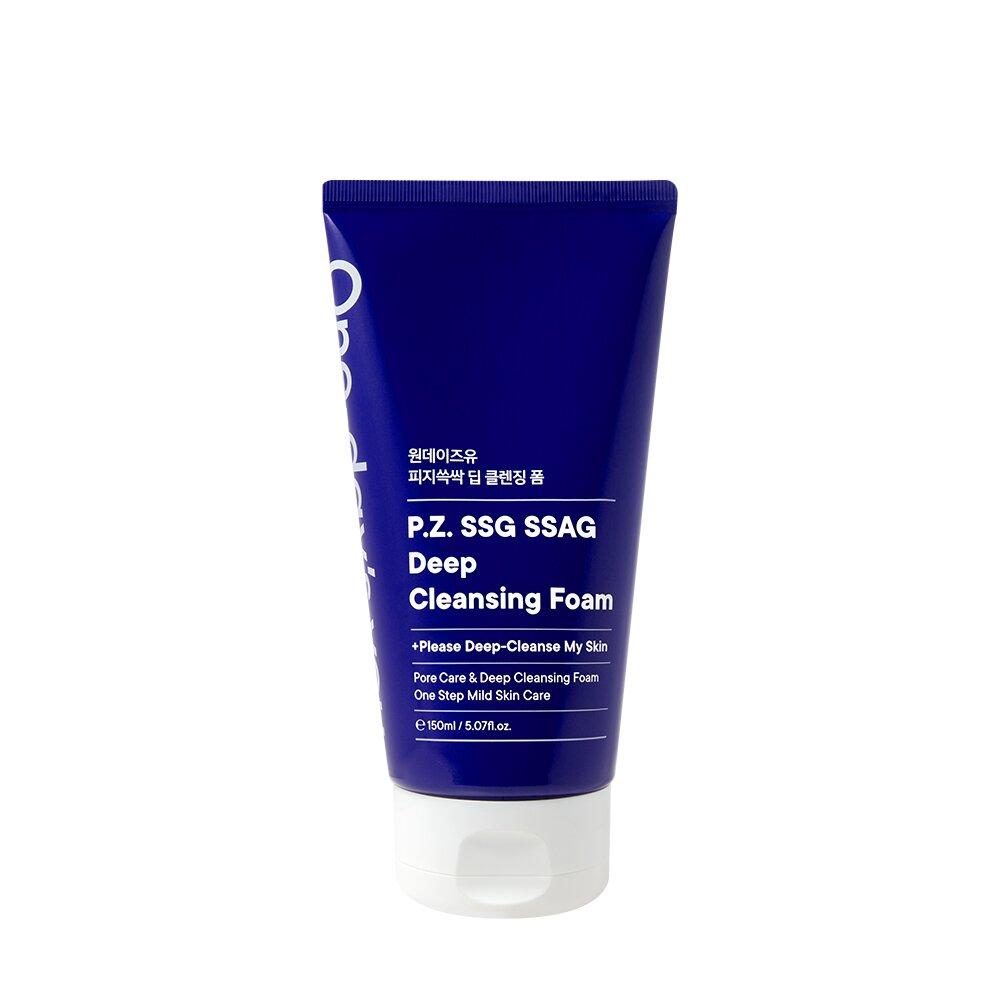
P.Z. SSG SSAG Deep Cleansing Foam
Beplain
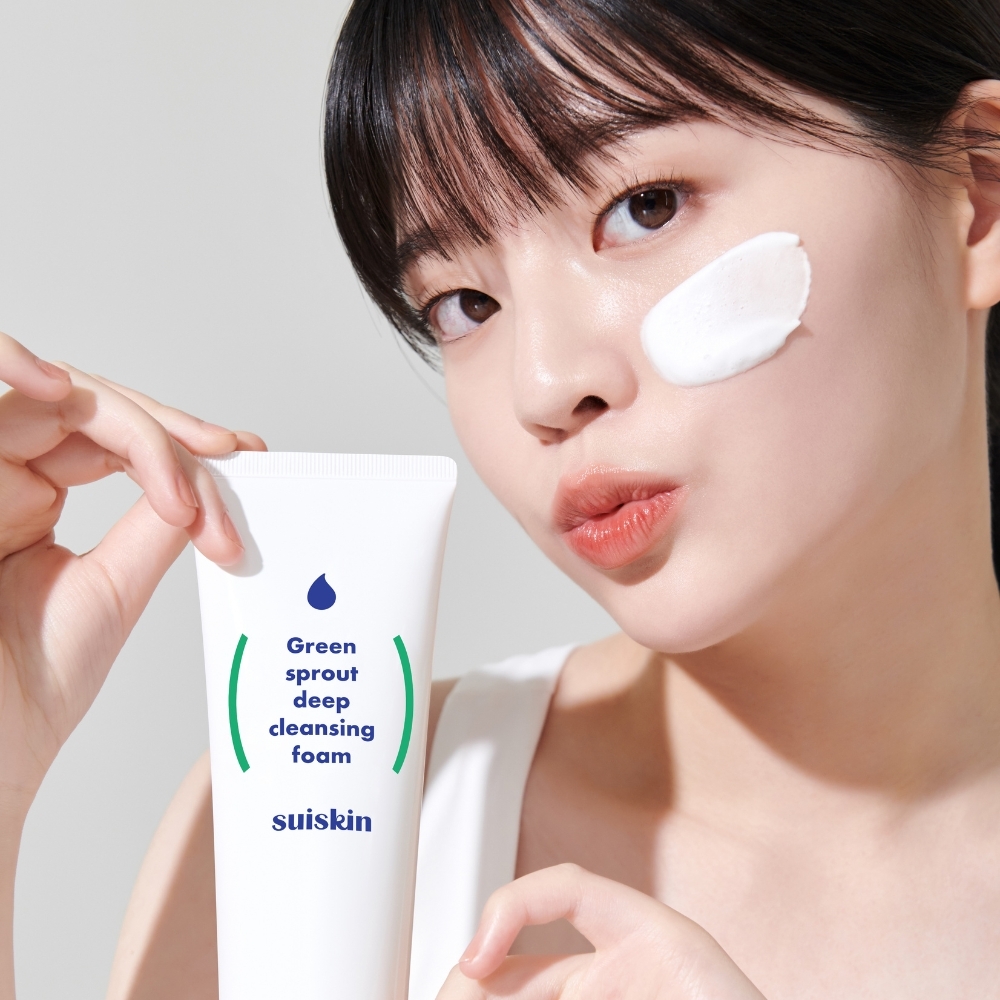
Green Sprout Deep Cleansing Foam
Suiskin
Frequently Asked Questions
Is wheat sprout extract safe for people with gluten sensitivity or celiac disease?▼
Why is wheat sprout extract so common in K-beauty cleansers specifically?▼
How does wheat sprout extract compare to other plant extracts in terms of antioxidant power?▼
Can wheat sprout extract help with aging skin concerns?▼
Explore More
Want personalized ingredient advice?
Yuri, our AI beauty advisor, can tell you how Wheat Sprout Extract works with your specific skin type, routine, and concerns.
Ask Yuri, free