Tryptophan
Amino acid for skin conditioning and repair
About Tryptophan
Tryptophan is an essential amino acid that plays a surprisingly powerful role in skin health, functioning as both a building block for proteins and a precursor to key skin molecules. As an essential amino acid, your body cannot produce tryptophan on its own, which makes topical application particularly valuable for skin repair and conditioning. In K-beauty formulations, tryptophan is prized for its ability to support the skin's natural barrier function, promote collagen synthesis, and act as a precursor to serotonin and melatonin in skin cells. These neurotransmitter-like molecules help regulate inflammation and protect against oxidative stress. What makes tryptophan especially interesting in Korean skincare is its role in producing niacinamide (vitamin B3) through metabolic pathways in the skin, creating a ripple effect of benefits including improved texture, enhanced radiance, and better moisture retention. You'll find it in premium formulations like Jumiso's D-Panthenol Barrier Soothing Cream and MISSHA's Atelo Collagen 500 Power Plumping Ampoule, where it works synergistically with other amino acids and peptides to deliver comprehensive anti-aging and repair benefits. With a comedogenic rating of 0/5, tryptophan is suitable for all skin types and won't clog pores, making it a smart choice for acne-prone skin seeking barrier repair without breakout risk.
How Tryptophan Works
At the molecular level, tryptophan functions through multiple pathways in skin tissue. First, as a protein building block, it integrates directly into structural proteins like collagen and elastin during synthesis, supporting skin firmness and elasticity. Second, tryptophan undergoes conversion to 5-hydroxytryptophan and eventually serotonin within skin cells, where these molecules act as signaling compounds that reduce inflammatory responses and regulate sebum production. Third, through the kynurenine pathway, tryptophan metabolizes into niacinamide precursors, which explains why topical tryptophan can deliver some vitamin B3-like benefits including improved barrier function and reduced hyperpigmentation. Additionally, tryptophan serves as a precursor to melatonin in skin cells, providing antioxidant protection against UV-induced free radical damage and supporting the skin's circadian rhythm for optimal nighttime repair. The amino acid also enhances natural moisturizing factor (NMF) composition in the stratum corneum, improving water-binding capacity and overall hydration. This multi-pathway mechanism makes tryptophan particularly effective in comprehensive skincare formulations designed for barrier repair and anti-aging.
Tryptophan by Skin Type
Oily Skin
Tryptophan works beautifully for oily skin through its role in regulating sebum production via serotonin pathways. Its conversion to niacinamide-related compounds helps control oil while maintaining barrier integrity, and the zero comedogenic rating means no pore-clogging concerns. Products like Ariul's Green Vitamin C Balancing Toner demonstrate how tryptophan can be formulated for shine control without stripping skin.
Dry Skin
For dry skin, tryptophan excels at barrier repair and moisture retention by enhancing natural moisturizing factors in the skin's outer layer. It supports lipid barrier integrity and helps prevent transepidermal water loss, making it ideal in rich formulations like Jumiso's D-Panthenol Barrier Soothing Cream. The amino acid's role in protein synthesis also helps repair compromised barriers that often plague chronically dry skin.
Combo Skin
Combination skin benefits from tryptophan's balanced approach to hydration and sebum regulation. It addresses dry patches through barrier support while helping control oil in the T-zone through metabolic pathways that influence sebaceous gland activity. This dual action makes it particularly valuable in K-beauty essences and serums designed for mixed skin concerns.
Sensitive Skin
Tryptophan is exceptionally gentle for sensitive skin, offering anti-inflammatory benefits through its serotonin and melatonin metabolite pathways. These compounds help calm reactive skin and reduce redness without irritation. The ingredient's role in barrier repair also helps strengthen compromised skin that tends toward sensitivity, making products like The Whoo's Bichup Ultimate Recovery Youth Serum ideal for calming and fortifying delicate complexions.
Normal Skin
Normal skin maintains its healthy balance with tryptophan through enhanced barrier function, antioxidant protection, and ongoing collagen support. It's an excellent preventative anti-aging ingredient that works subtly to preserve skin health rather than correct major concerns. The amino acid integrates seamlessly into maintenance routines, supporting skin's natural repair processes without disruption.
How to Use Tryptophan
- 1Layer tryptophan-containing essences or serums before heavier creams to maximize absorption, as amino acids penetrate best on slightly damp skin
- 2Pair with other amino acids, peptides, or niacinamide for synergistic effects, since tryptophan works within interconnected metabolic pathways
- 3Use products with tryptophan in both morning and evening routines, as the ingredient supports different functions (antioxidant protection by day, repair processes at night)
- 4Allow 4-6 weeks of consistent use to see optimal results in barrier function and texture improvement, as amino acid benefits are cumulative
- 5Store tryptophan-containing products away from direct sunlight and heat, as amino acids can degrade with prolonged exposure to extreme conditions
Background
Tryptophan was first isolated in 1901 from casein protein, but its importance in human health wasn't fully understood until the mid-20th century when researchers identified it as an essential amino acid. The skincare industry initially overlooked tryptophan in favor of more glamorous ingredients, but Korean beauty researchers in the 2010s began investigating amino acid complexes for barrier repair and discovered tryptophan's unique metabolic benefits. Unlike simply sitting on the skin's surface, tryptophan actively participates in cellular metabolism, converting into beneficial compounds like serotonin and niacinamide precursors. This discovery aligned perfectly with K-beauty's science-forward approach to ingredient selection. Traditional Korean medicine had long used protein-rich ingredients like silk and soy, which naturally contain tryptophan, though the specific amino acid wasn't isolated as an active ingredient until modern formulation techniques emerged. Today, tryptophan appears in sophisticated K-beauty products focused on barrier optimization and holistic skin health.
K-Beauty Products with Tryptophan
View all 33 →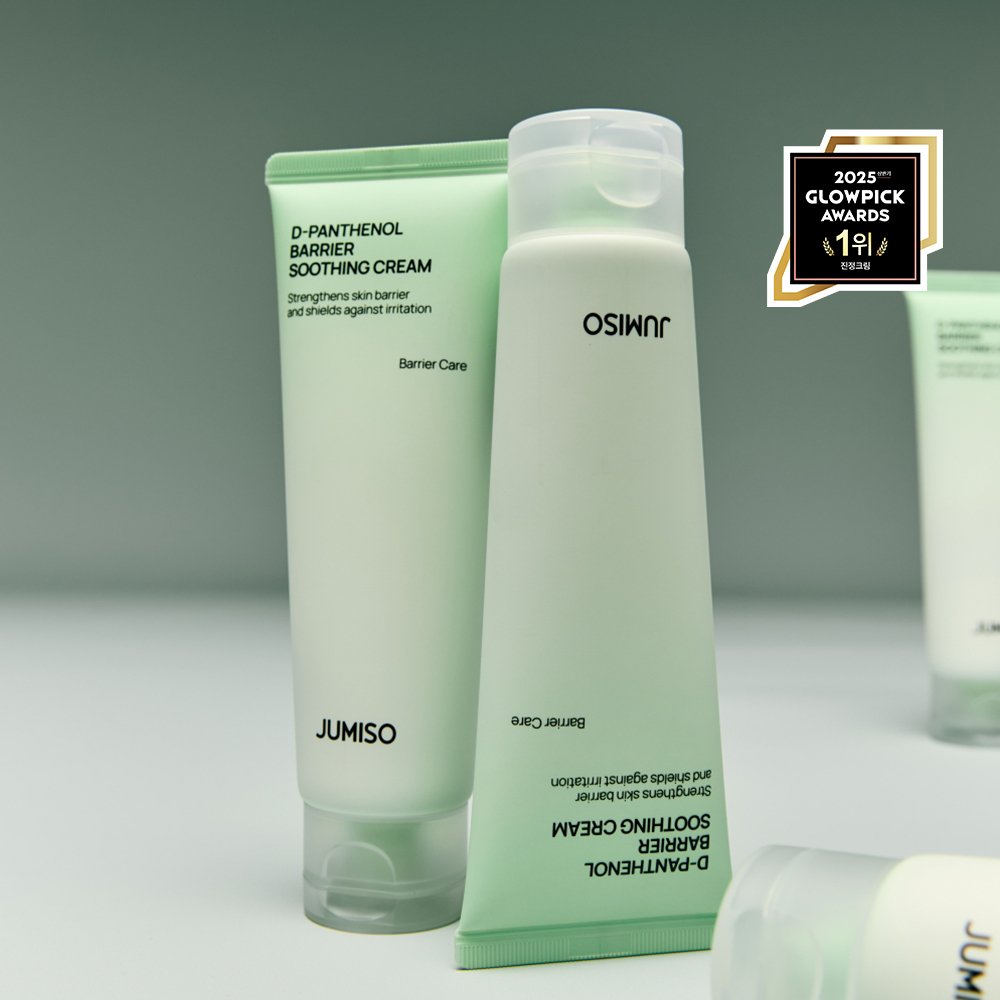
D-Panthenol Barrier Soothing Cream
Jumiso
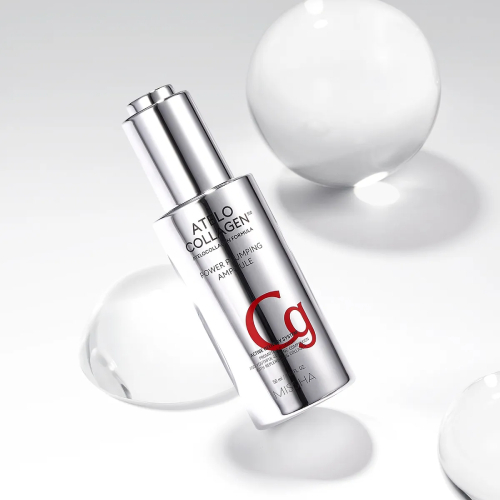
Atelo Collagen 500 Power Plumping Ampoule
MISSHA

No. 9 NAD Bio Lifting-sil Essence
Numbuzin
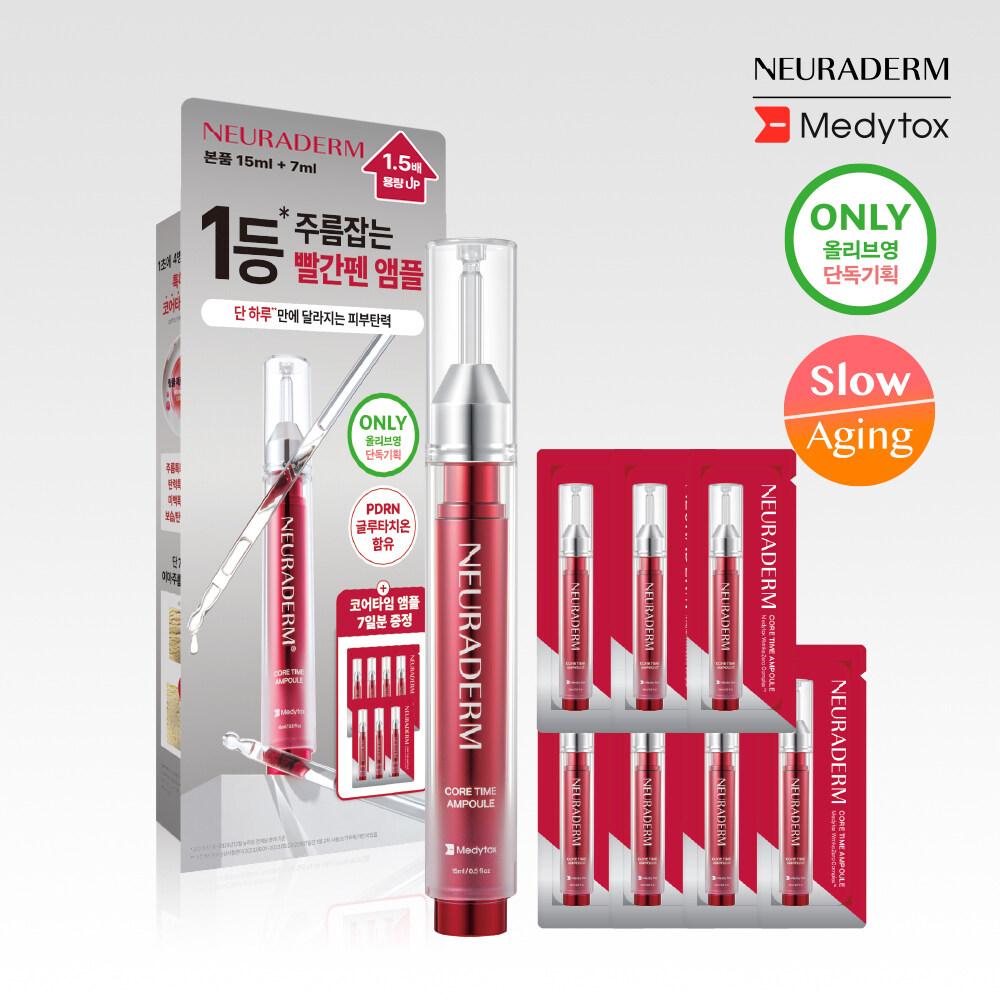
Medytox Core Time Ampoule
Neuraderm

Bichup Ultimate Recovery Youth Serum Discovery Set
The Whoo
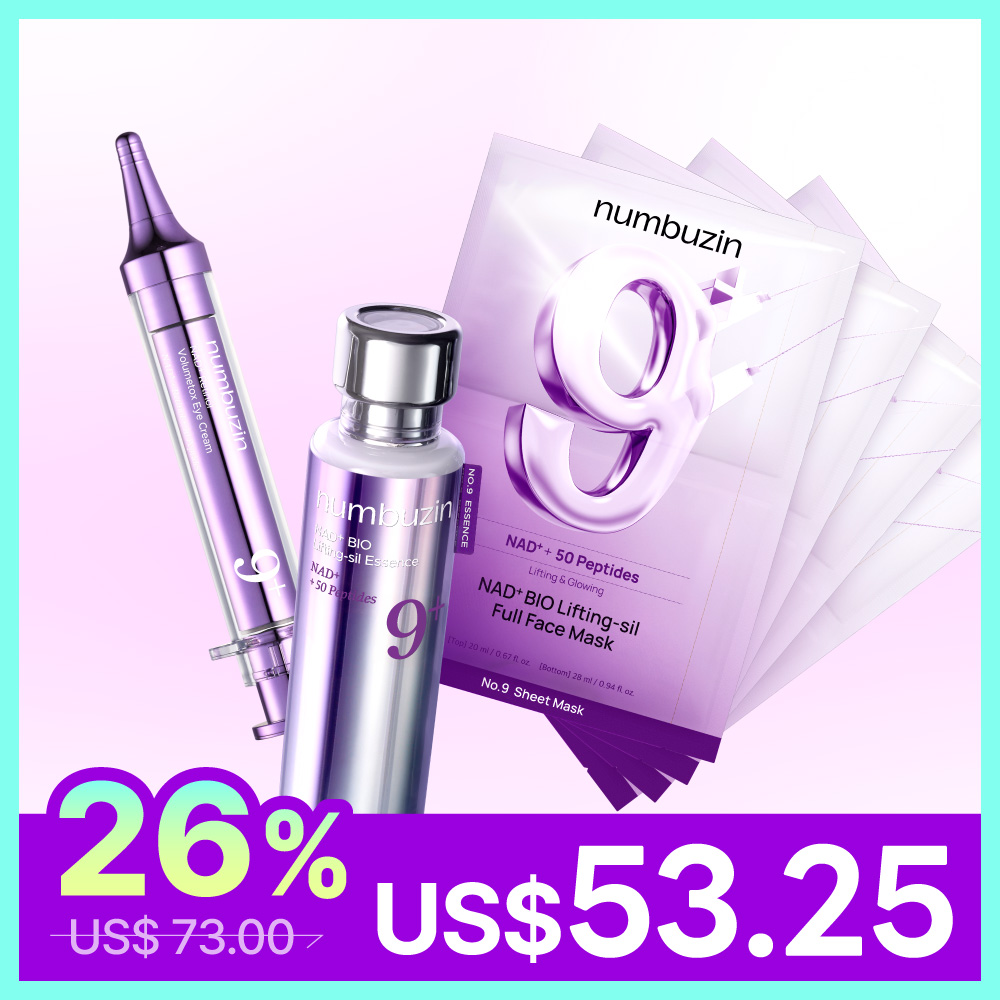
No. 9 NAD Ultimate Lifting Set
Numbuzin
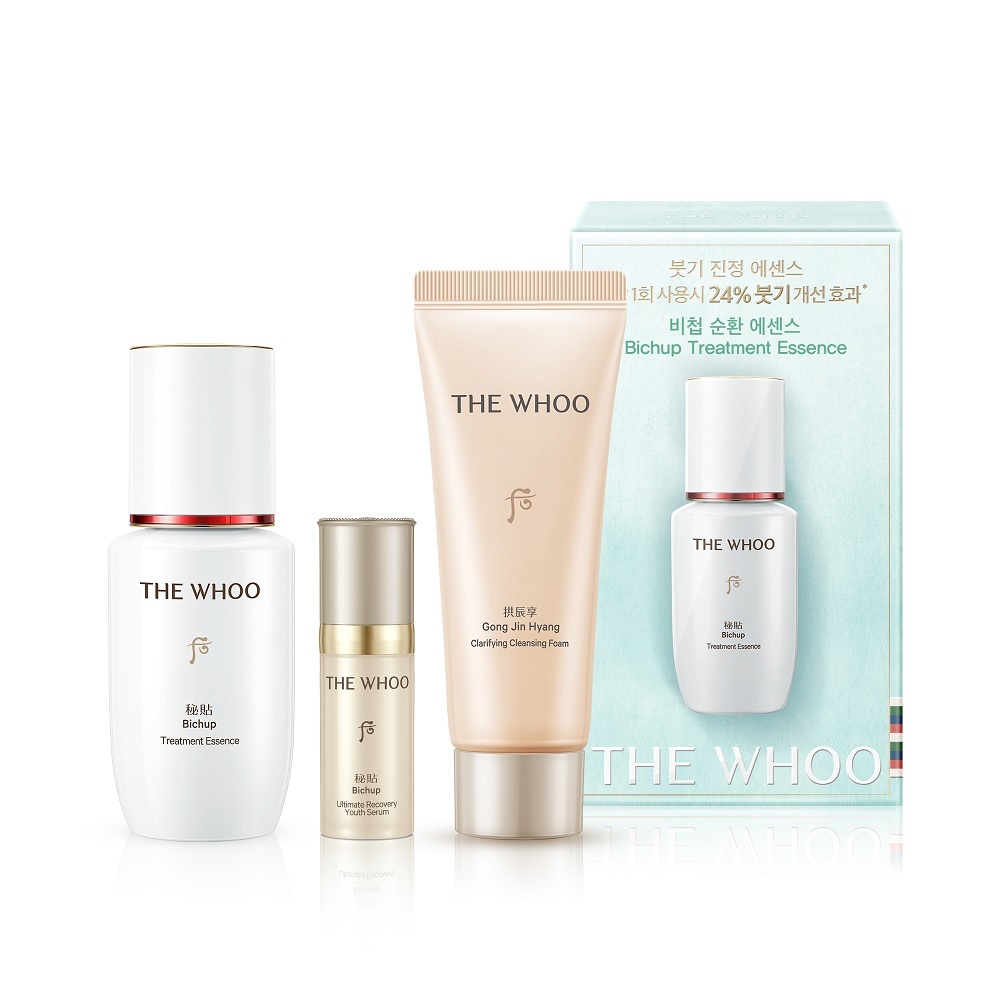
Bichup Treatment Essence 30ml Set
The Whoo
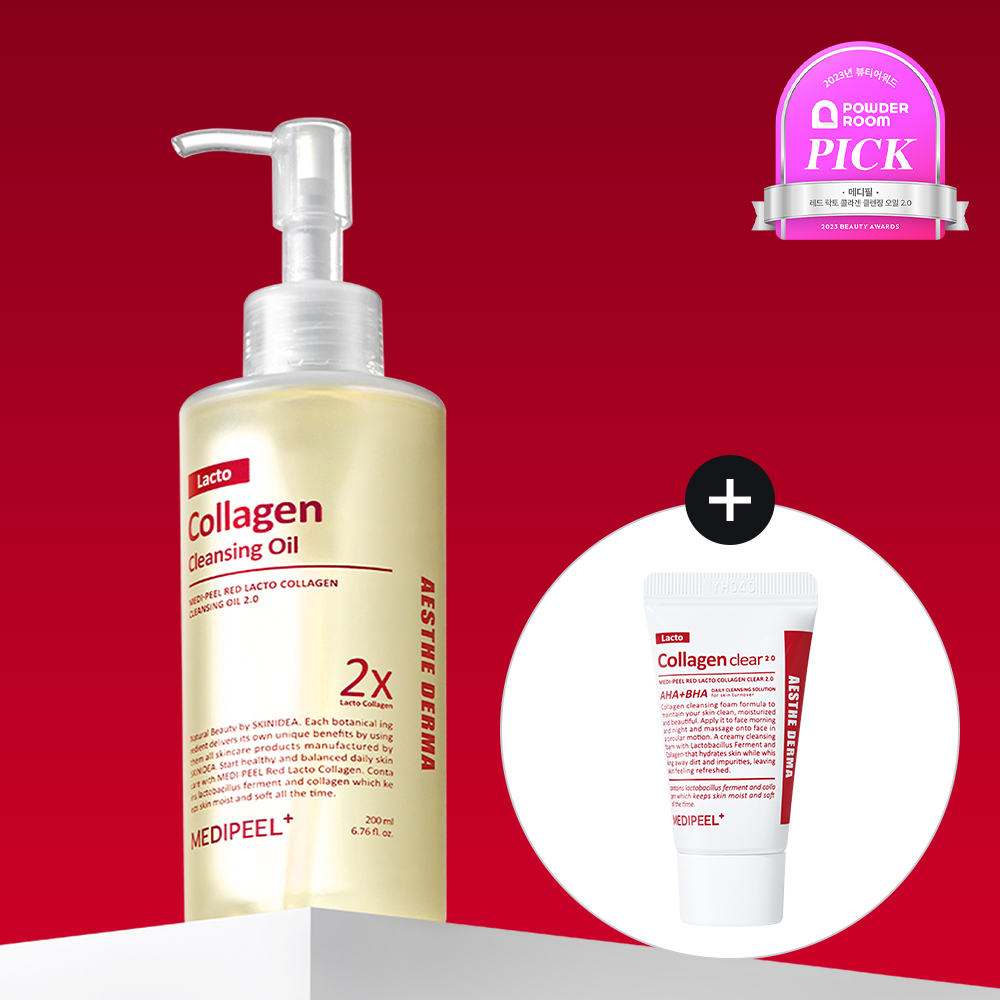
Red Lacto Collagen Cleansing Oil 2.0 Special Set
Medi-Peel
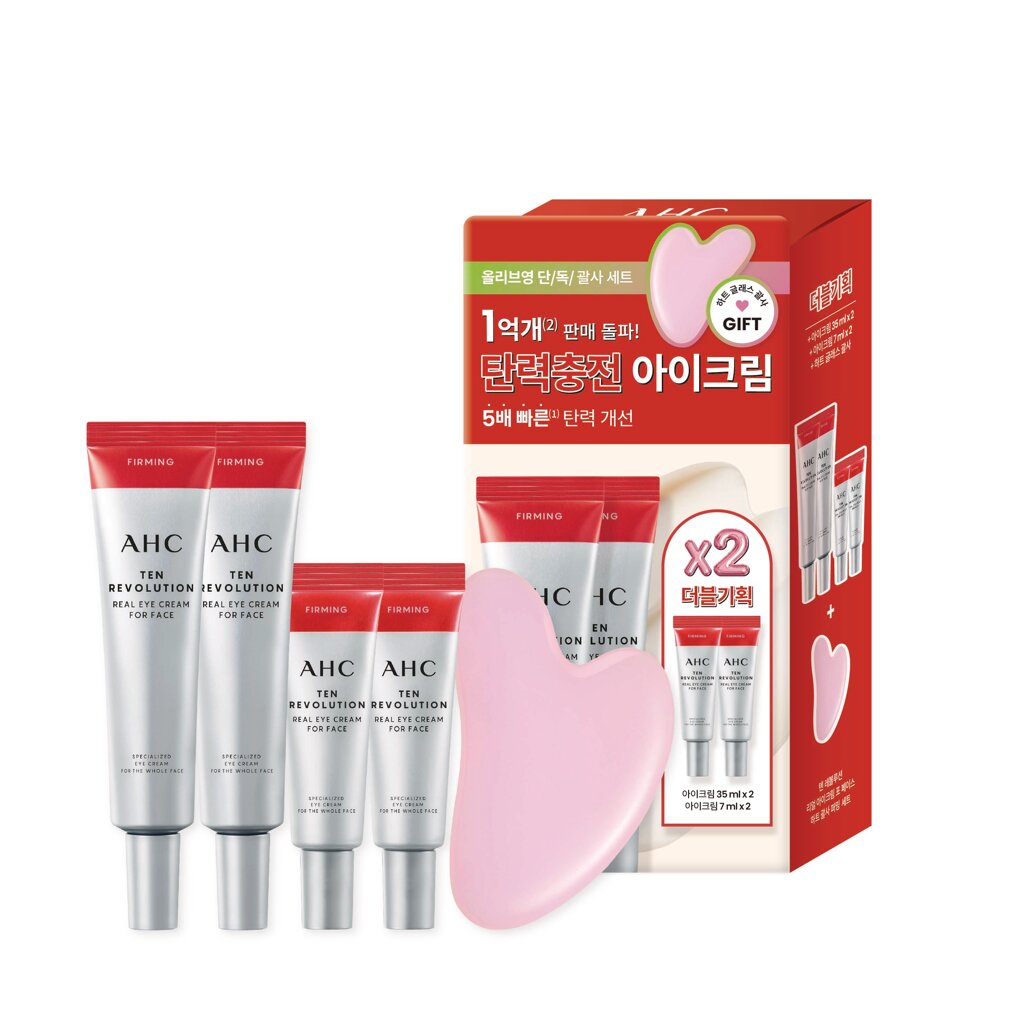
10 Revolution Real Eye Cream For Face
AHC
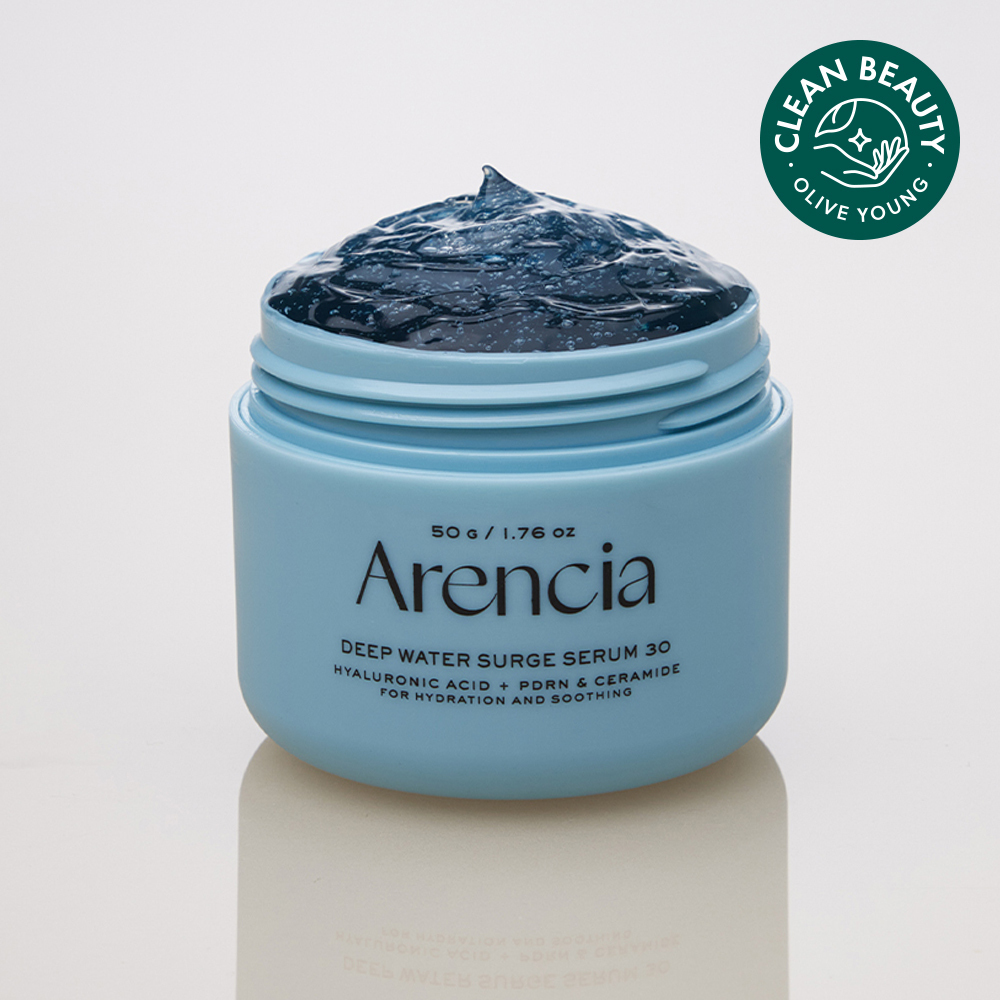
Deep Water Surge Serum 30
Arencia
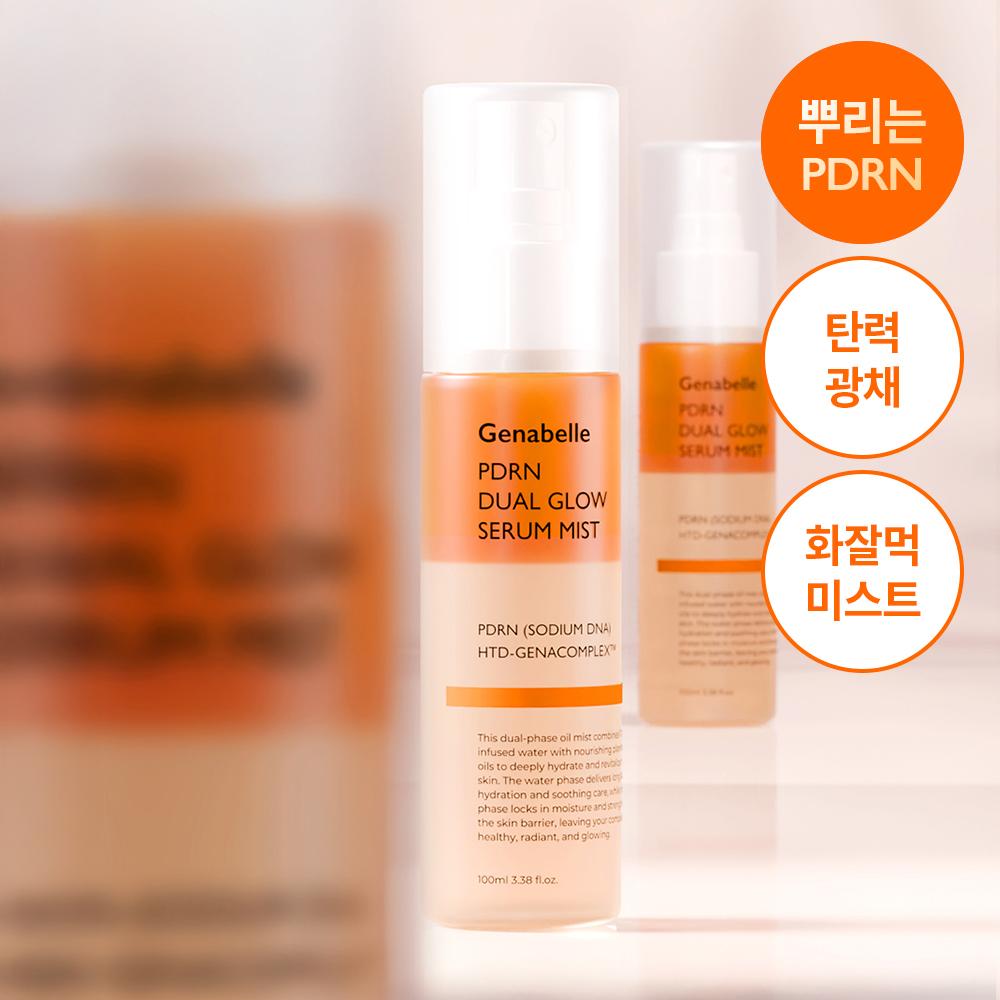
PDRN Dual Glow Serum Mist
Genabelle
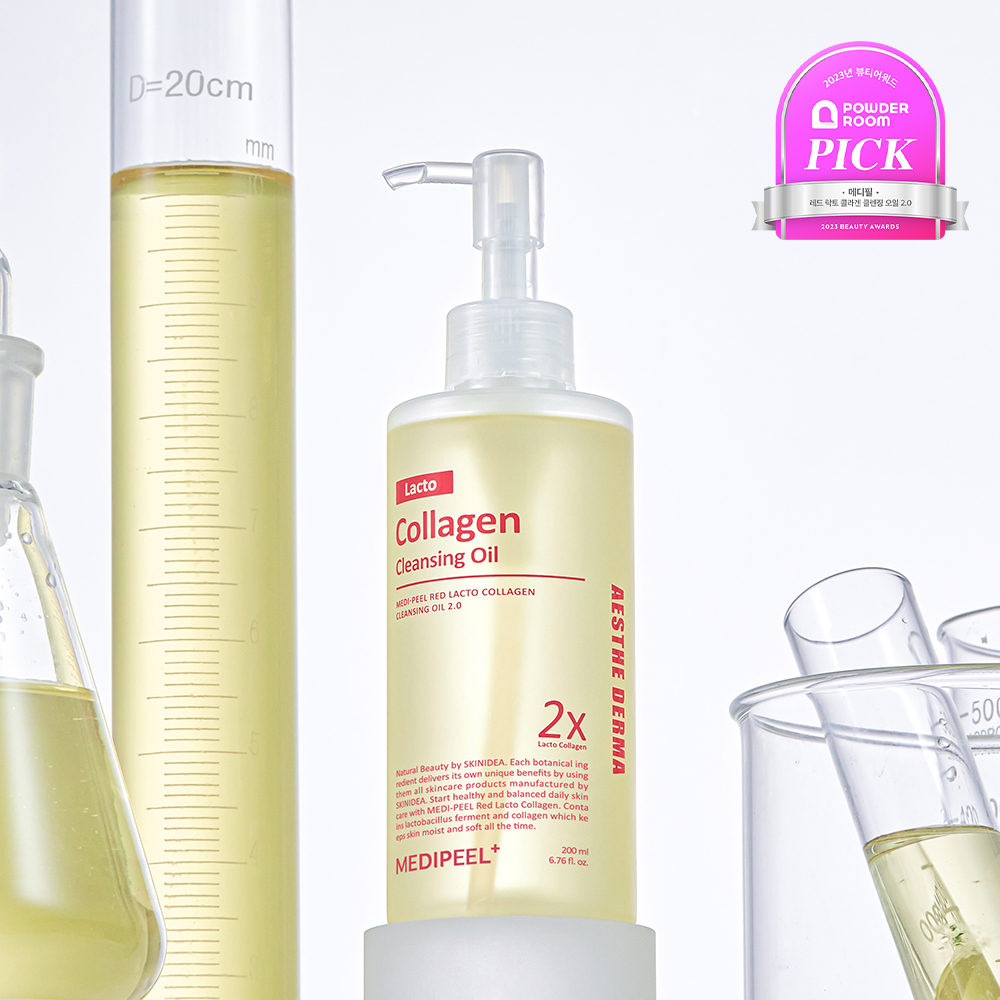
Red Lacto Collagen Cleansing Oil 2.0
MEDIPEEL
Frequently Asked Questions
Is tryptophan in skincare the same as the tryptophan in food that makes you sleepy?▼
Can tryptophan help with acne or breakouts?▼
How does tryptophan compare to other amino acids in skincare?▼
Will tryptophan products work faster if I use more of them?▼
Is tryptophan safe to use during pregnancy?▼
Explore More
Want personalized ingredient advice?
Yuri, our AI beauty advisor, can tell you how Tryptophan works with your specific skin type, routine, and concerns.
Ask Yuri, free